Drew Barrymore is a multifaceted American actress, author, producer, talk show host, and director, with an estimated net worth of $85 million as of 2025.
Her wealth has been accumulated through a prolific career that spans across acting, producing, directing, and entrepreneurship.
From her early success as a child star to her transition into a successful adult career in film and television, Barrymore has built an empire through various ventures.
Early Life and Early Career
Drew Barrymore was born into Hollywood royalty on February 22, 1975, in Culver City, California.
Coming from the iconic Barrymore family, which includes famous actors such as her grandfather, John Barrymore, Drew was destined for the spotlight.
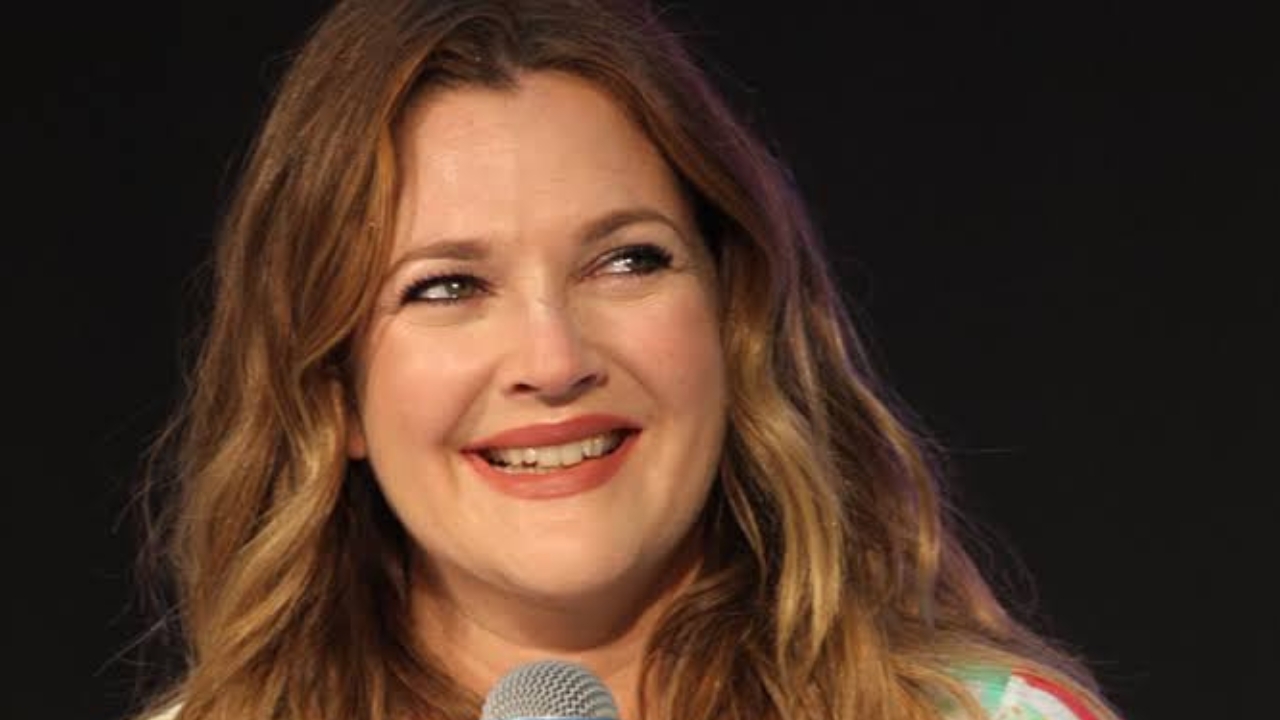
Drew Barrymore (Credit: YouTube)
She made her film debut at just 11 months old and became a global star by the age of seven with her role in “E.T. the Extra-Terrestrial” (1982).
However, her early years in the public eye were marked by struggles with addiction, leading to two rehab stints and eventual emancipation from her parents at age 15.
Acting Career
After her breakout role in “E.T.,” Barrymore continued to work throughout her teenage years, including notable roles in “Firestarter” (1984) and “Irreconcilable Differences” (1984). In the 1990s, she transitioned into more mature roles with films like “Poison Ivy” (1992) and “The Wedding Singer” (1998).
She achieved further recognition with films such as “Never Been Kissed” (1999), “Charlie’s Angels” (2000), and its sequel “Charlie’s Angels: Full Throttle” (2003).
Drew was one of the highest-paid actresses of the 2000s, commanding up to $15 million per film at her career peak.
In the 2010s, Drew expanded her career to television, starring in Netflix’s “Santa Clarita Diet” and launching her own daytime talk show, “The Drew Barrymore Show” (2020), which has contributed significantly to her wealth.
Production Company
In 1995, Drew co-founded the production company Flower Films, which produced many of her hit films. The company’s portfolio includes successful projects such as “50 First Dates”, “Donnie Darko”, and “Fever Pitch”.
Flower Films has also continued to be involved in the “Charlie’s Angels” franchise, producing the 2019 reboot. Her production company has played a crucial role in both her acting and financial success.
Other Ventures
Barrymore has also diversified her wealth through entrepreneurial endeavors. She has launched a cosmetics line, a clothing brand, and even her own signature wine.
These ventures, along with her other business ventures, have been profitable, adding to her impressive financial portfolio.
Personal Life
Drew Barrymore’s personal life has also been a topic of public interest. She has been married three times—first to Jeremy Thomas, then to Tom Green, and most recently to art consultant Will Kopelman, with whom she has two children.
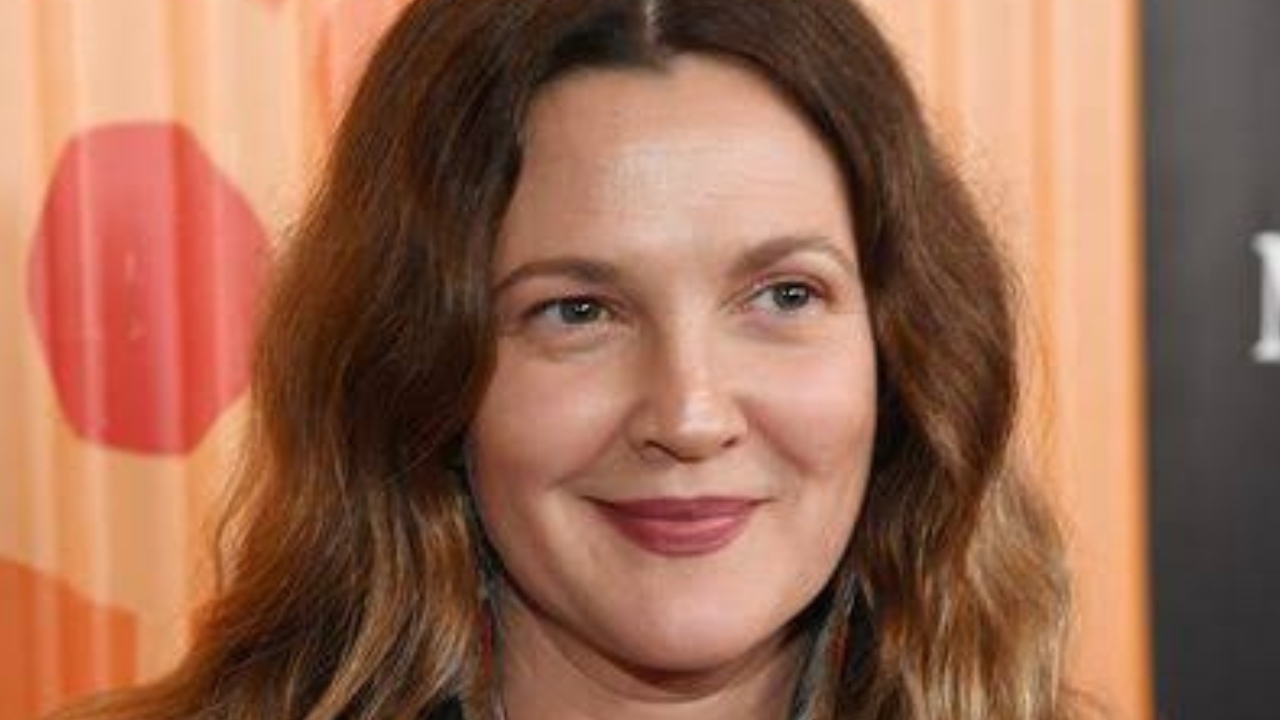
Drew Barrymore (Credit: Pinterest)
Barrymore’s personal experiences have often informed her work, both in her memoir and various public appearances.
Real Estate
Drew has made headlines for her significant real estate investments. She purchased a $5.5 million home in Montecito, California, in 2010, and in 2019, she acquired a beachside property in the Hamptons for over $5.5 million, which she later listed for $8.45 million. She has also sold other properties, including a Hollywood Hills home for $16.5 million.
Salary Highlights
At the peak of her career, Barrymore was one of the top-earning actresses in Hollywood. Some of her most notable paydays include:
- $15 million for “Music and Lyrics”
- $14 million for “Charlie’s Angels: Full Throttle”
- $9 million for “Charlie’s Angels”
- $3 million for “Ever After”
Across various U.S. states, school districts have begun withdrawing financial support from anime clubs, labeling them as non-essential to educational development. This move has ignited a wave of student-led protests and petitions, with advocates emphasizing the clubs’ role in promoting cultural literacy and providing a safe space for like-minded individuals.
In Delaware, Magnolia Middle School’s decision to disband its anime club and remove manga books from its library led to a petition that garnered nearly 2,000 signatures, urging the administration to reconsider and highlighting the importance of diverse literary materials in education.
Budget Constraints and Cultural Misunderstandings

The Fragrant Flower Blooms with Dignity
Administrators often cite budget constraints and the need to prioritize programs with direct academic benefits as reasons for cutting funding to anime clubs. However, critics argue that such decisions may stem from a lack of understanding of the educational value these clubs offer, including enhancing literacy through manga reading and fostering global cultural awareness.
At Syracuse University, the Anime Club faced challenges in securing funding , with the Student Association denying their request for $180 to purchase new Japanese animation DVDs. The club’s leadership expressed frustration over the budgeting process, feeling that smaller organizations are at a disadvantage when seeking financial support.
Student Advocacy and the Fight for Inclusion

The Fragrant Flower Blooms with Dignity
In response to these funding cuts, students nationwide have mobilized to advocate for the reinstatement of anime clubs. Petitions, social media campaigns, and organized protests have become common tactics to draw attention to the issue. Supporters emphasize that anime clubs serve as inclusive communities that encourage creativity, critical thinking, and cross-cultural understanding.
The debate over anime club funding reflects broader discussions about the role of extracurricular activities in education and the importance of supporting diverse student interests. As students continue to voice their concerns, school administrations are being called upon to recognize the multifaceted benefits that such clubs contribute to the educational environment.
