For 40 years, the Nightmare on Elm Street franchise has captured audiences’ attention. Its main character, Freddy Krueger, portrayed by Robert Englund, is a notorious villain.
Freddy, a child killer, seeks revenge on those who ended his life by targeting their children while they sleep. This explains the “nightmare” in the title. But why Elm Street?
Director Wes Craven deliberately picked the name because it was the street where John F. Kennedy was assassinated. For Craven, “it was where the innocent world ended.”
However, there’s another reason. Freddy Krueger declares, “Every town has an Elm Street.” He’s not wrong. Research from the Census Bureau shows that “Elm Street” ranks 15th among common U.S. street names, with 5,233 listings. This suggests that horrifying events could happen anywhere.
Investigation Discovery harnesses this idea in its new true-crime documentary series, The Real Murders on Elm Street.
The show is quickly gaining a following, as it examines six real-life murders on various Elm Streets throughout the country. The series blends dramatic reenactments with interviews from those linked to the cases.
The first episode, titled “Killer in the Walls,” follows the disturbing story of Daniel LaPlante, a social outcast who grew up on Elm Street in Townsend, Massachusetts. As a teenager, LaPlante was frequently arrested for breaking into homes.
However, things took a more sinister turn on December 8, 1986. LaPlante broke into the Bowen family’s house.
Before this, Tina and Karen Bowen had reported to their father, Frank, that strange things were happening in their home—items being moved, TV channels changing. Frank assumed it was just pranks or possibly paranormal activity.
That day, Frank noticed someone had used the bathroom and searched the house.
He found LaPlante, dressed in face paint and a hairy jacket, armed with a hatchet and wrench. LaPlante calmly held Frank, his daughters, and their friend hostage in a bedroom. Luckily, Tina escaped to get help, but LaPlante had already fled.
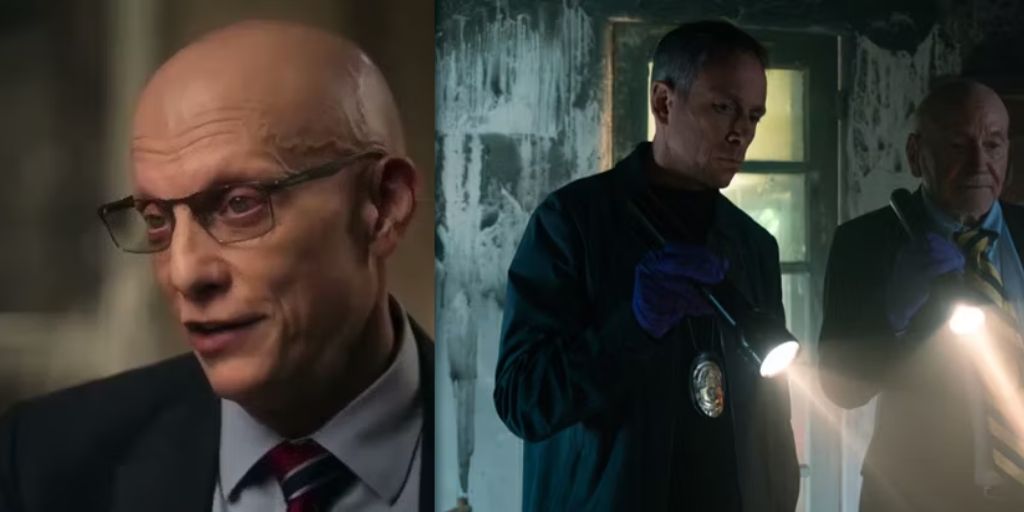
Still from the show (MAX)
Two days later, Officer Steven Bezanson returned to the house after Frank spotted a suspicious man. Inside, Bezanson found pictures stabbed into the walls with knives, displaying messages like “I’M STILL HERE. COME FIND ME” and “I’M GOING TO KILL YOU ALL.”
Police found LaPlante hiding in the walls, where he had been living for weeks, spying on the family. He was arrested and held until October 1987 when his mother paid his $10,000 bail.
LaPlante’s release proved to be a grave mistake. On December 1, 1987, he broke into Andrew and Priscilla Gustafson’s home. Priscilla returned with her 5-year-old son, William.
LaPlante locked William in a closet, tied up Priscilla, raped her, and shot her twice in the head. He then drowned William in the bathtub and did the same to their daughter, Abigail, when she came home from school.
LaPlante was caught hiding in a trash can on December 3. Convicted of three murders in 1988, he received a 45-year prison sentence.
The second episode, “And We Have Serial Killers,” opens with firefighters responding to a house fire on Elm Street in Spokane on February 28, 2008. Two weeks earlier, 20-year-old Justin Crenshaw arrived in Spokane after completing rehab for heroin addiction. He was visiting his long-lost sister, Nikki Vanvlymen.
Justin started dating Nikki’s friend, Sarah Clark, and decided to stay. That night, Justin, Sarah, and Tanner Pehl, a coworker of Justin’s, were drinking at Pehl’s house.
According to The Spokesman-Review, Deputy Prosecutor Jack Driscoll believes Crenshaw killed Clark because she refused to have sex with Pehl.
Clark was stabbed 26 times, and her body was positioned with a samurai sword near her head. Pehl was stabbed more than a dozen times, then covered with a blanket.
A broadsword was driven into his abdomen four times. Crenshaw started a fire to cover up the crime but left a bloody fingerprint at the back door. At trial, Crenshaw claimed that drinking caused him to black out. His defense failed, and he received two life sentences.
In California, Gerald Cruz, leader of a group known as “the Camp,” was found guilty of murder. The Camp was a cult-like group mixing voodoo and white supremacist beliefs.
On May 21, 1990, police found four bodies in a house on Elm Street. A survivor, Donna Alvarez, described Jason LaMarsh, a member of the Camp, as one of the attackers. Officers searched Cruz’s house, discovering bomb materials, satanic writings, and a “wheel of punishment.”
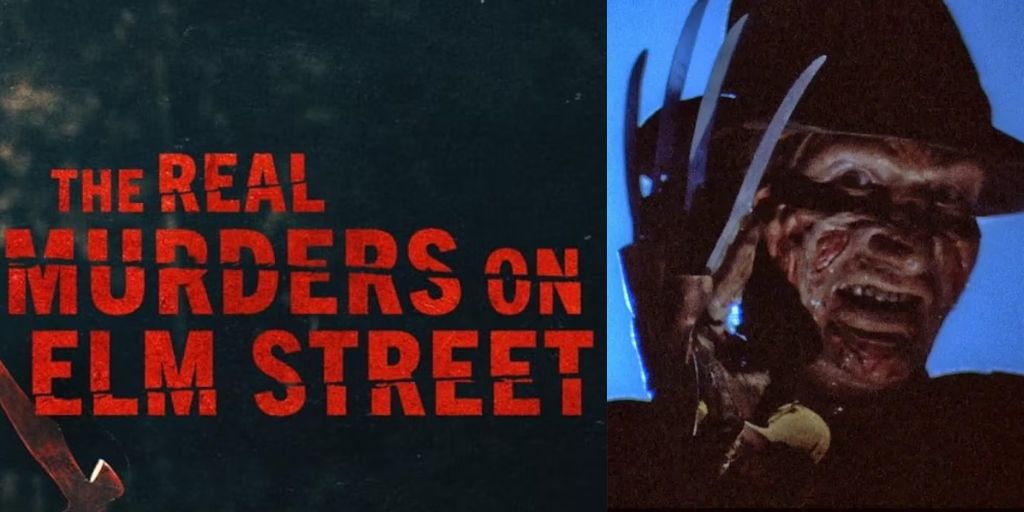
Still from the show (MAX)
LaMarsh told investigators that one of the victims had been expelled from the Camp for using drugs. On May 20, 1990, Cruz ordered LaMarsh and two others to kill the victim and leave no witnesses.
They stormed the house and brutally murdered everyone inside. LaMarsh personally killed one victim by repeatedly striking his head. Cruz, LaMarsh, and two others were convicted and sent to death row.
The Real Murders on Elm Street sticks to a classic true-crime format, presenting a premise. Future episodes include titles like “Halloween Horror,” “What Lies Beneath,” and “Cruel Intentions.” The series is available on ID and Max, with new episodes released on Mondays.
The Real Murders on Elm Street has tapped into a deep cultural fear—the unsettling idea that horror can exist right next door, on the very streets we walk every day.
This is not just a clever play on the well-known Nightmare on Elm Street franchise, but rather a tale of how truly horrific events can unfold in ordinary places, turning familiar names and locations into something sinister.
The series manages to highlight this eerie possibility by drawing viewers into real-life cases that took place on various Elm Streets across the country, showing how the mundane and the horrific can intertwine in ways that are both shocking and fascinating.
The true-crime genre has always had a strong following, but the creators of The Real Murders on Elm Street seem to understand that adding the element of a familiar street name makes the stories feel that much more immediate. It’s one thing to hear about a gruesome crime that took place in a faraway city, but it’s another thing entirely to think, “This could happen on a street just like mine.”
The fact that “Elm Street” is one of the most common street names in the United States helps drive home this terrifying notion.
This familiarity creates an eerie connection between the real world and the fictional horror icon of Freddy Krueger, making viewers wonder if their own neighborhood could be hiding similar dark secrets.
As the series continues, it’s likely to build even more momentum. True crime fans are always looking for the next big story, and The Real Murders on Elm Street delivers in a way that feels both fresh and chilling.
The cases presented are not only horrifying in their own right, but they also speak to larger social issues such as the failures of the justice system, the complexities of mental illness, and the ways in which people can fall through the cracks.
Daniel LaPlante’s story, for instance, is not just about a disturbed individual who committed heinous crimes. It also reflects the tragic consequences of a system that allowed him to be released on bail, despite clear signs that he posed a danger to society.
Similarly, the case of Justin Crenshaw touches on issues of addiction, rehabilitation, and the terrifying unpredictability of human behavior under the influence.
The Real Murders on Elm Street also benefits from its mix of dramatic reenactments and interviews with those connected to the cases.
This combination of narrative and firsthand accounts makes the stories feel grounded and real, giving viewers a sense of the emotional toll these crimes have had on the victims’ families and communities.
The reenactments are effective without being overly sensationalized, striking a balance between storytelling and respect for the victims.
This thoughtful approach adds depth to the series, ensuring that it resonates with both seasoned true-crime enthusiasts and casual viewers alike.
What sets this series apart from other true-crime shows is its ability to weave together the familiar and the frightening. It reminds us that even in places we consider safe and ordinary, darkness can lurk.
The infamous quote from Wes Craven’s Freddy Krueger—“Every town has an Elm Street”—rings true in a way that is deeply unsettling.
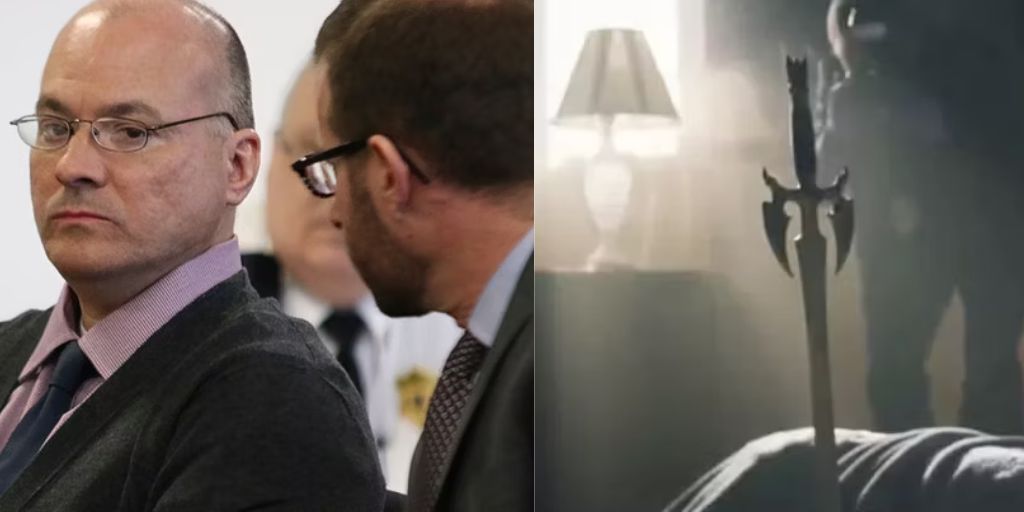
Still from the show (MAX)
The Real Murders on Elm Street doesn’t just entertain; it leaves viewers with a lingering sense of unease, a reminder that evil doesn’t only exist in faraway, unfamiliar places—it can strike anywhere, even on the most unassuming of streets.
This chilling reality is what makes the show so compelling, ensuring that it will continue to impress audiences as more episodes are released.
As more episodes of The Real Murders on Elm Street are released, it is clear that this series is not just another true-crime show—it taps into a deeper psychological fear that horror can exist in the most familiar places.
By drawing connections between these real-life murders and the infamous Elm Street of the Nightmare on Elm Street franchise, the show creates an unsettling atmosphere that lingers long after the credits roll.
This blend of factual storytelling, emotional depth, and chilling reenactments ensures that it will continue to engage, shock, and disturb viewers with each new case it takes.
A new era of The Voice has started, and the talent is exciting. This season is special because there are new ways for singers to choose their coaches.
Season 26 of The Voice is already different. The Blind Auditions allowed new singers to find their groove, while the veteran coaches watched their new competition closely.
There is a new button called The Coaches Replay. To kick off the season, The Voice had a special intro package led by sports broadcaster Mike Tirico.
He got everyone excited about the competition aspect of the show. He says anything can happen, and it sure did during this premiere!
The Returning Champ Reba McEntire faces off against The Vet Gwen Stefani, who battles The Rookie Michael Bublé and The Wildcard Snoop Dogg.
All these coaches are on a mission to find the next great singer. Will the winner come from the first night of Blind Auditions?
It could happen! The first performance of the season came from 31-year-old Oklahoma country singer Jake Tankersley. His backstory already touched hearts, and his version of “Something in the Orange” by Zach Bryan had four coaches wanting him.
Snoop Dogg was the first to turn, and almost at the same time, Gwen Stefani turned while blocking Reba. The country singer’s smoky voice made Reba and Bublé turn, creating the first four-chair turn of the season!
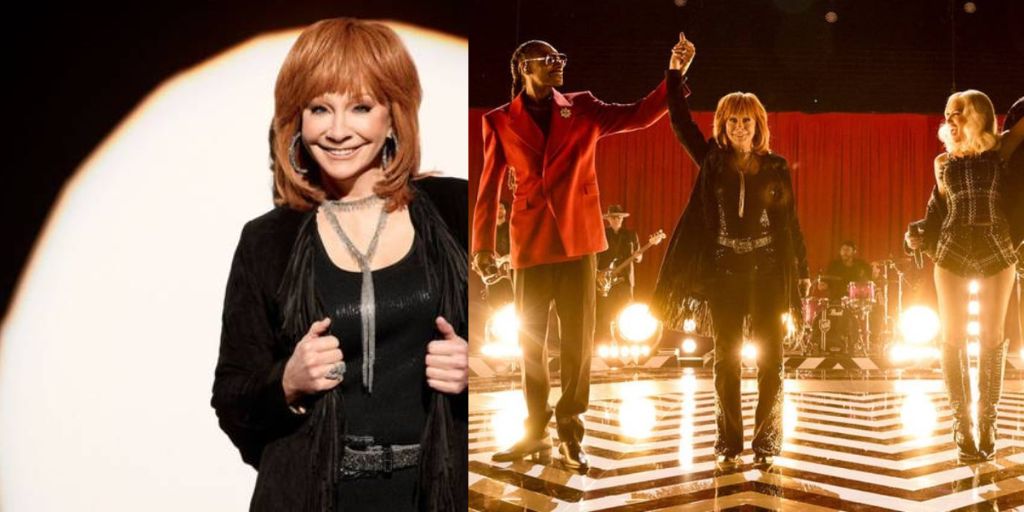
Still from the season (NBC)
The chemistry between the new coaches was clear during the first team selection interview. Reba was not happy that Gwen blocked her.
This led to a fun push-up battle on stage. Snoop Dogg surprised everyone by saying he loves country music and has worked with artists like Willie Nelson.
Not to be outdone, Michael Bublé shared that he made a record with Willie Nelson, sang a duet with Dolly Parton, and even wrote Blake Shelton’s number-one hit “Home.”
Before Tankersley could choose a coach, the first prop of the Blind Auditions appeared. Bublé held a bag of Rap Snacks with Snoop Dogg’s face on it. He joked that he always wanted to know what Snoop Dogg tasted like.
In the end, Tankersley decided to join Snoop Dogg, who gifted him a Death Row chain. Torre Blake, the daughter of NFL quarterback Jeff Blake, and 16-year-old Chrisdeo from Queens also received Death Row chains.
Next up was Sofronio Vasquez from Mindanao, Philippines. He mentioned he loves karaoke, but his performance was anything but that.
He sang Mary J. Blige’s “I’m Going Down,” which got all the coaches arguing. Bublé talked about his connection to the Philippines while Snoop Dogg reminded everyone that he owns the label Vasquez was signed to.
The new coaches showed they were ready to compete hard this season. Vasquez became Michael Bublé’s first team member, and he got a hockey jersey as a gift.
Seventeen-year-old Kiara Vega was also impressed by Bublé’s Spanish. She joined his team too. Gwen Stefani, who has been a coach for nine seasons, showed her skills by helping Jan Dan perform better. Jan made more eye contact, which improved his performance and led him to choose Gwen.
Snoop Dogg then showed off his unique approach. While talking to four-chair turn recipient Danny Josephs, Snoop pressed a button that released a cloud of smoke around the other coaches.
It was funny and fitting. However, Josephs still picked Reba McEntire. This season, Team Reba contestants received a Funko Pop Reba as a perfect keepsake. Josephs was not the only one to get a Funko Pop.
While chatting with all four coaches, host Carson Daly revealed a new feature this season: the Coaches Replay Button.
This button allows a coach to have a second chance at an artist if they did not turn their chair before. It can only be used once, so Daly reminded them to use it wisely! Next, they met Kendall Eugene.
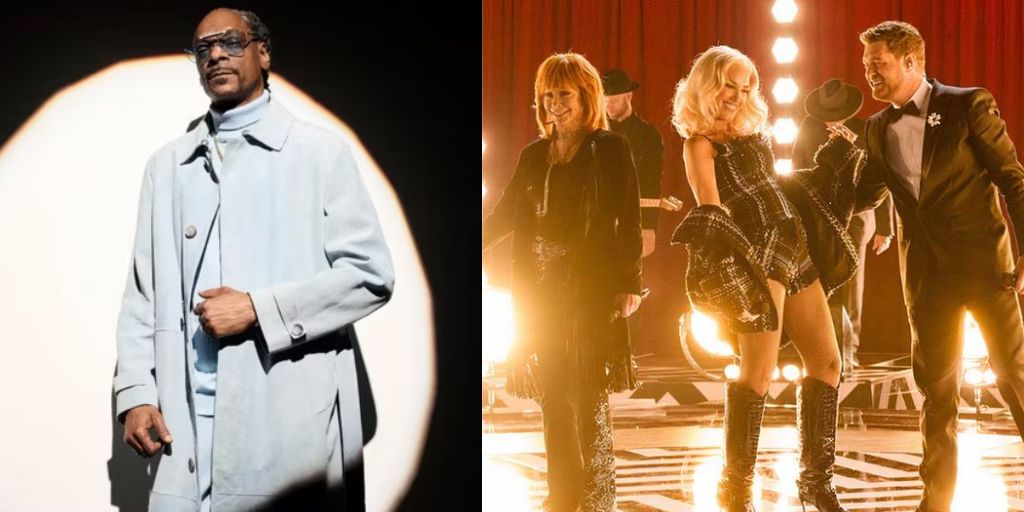
Still from the show (NBC)
He shared that his journey to The Voice had been long because he faced many obstacles on his way to being a professional singer. The Texas father talked about giving his son up for open adoption when he was 17. Luckily, they still have a strong relationship.
When he took the stage, he sang “Don’t Think Jesus” by former The Voice alum Morgan Wallen. At first, no chairs turned, and it seemed like his chance was over. But Reba used her Coaches Replay Button to bring Eugene onto her team.
The episode had many happy moments for artists, but not everyone received a chair turn. RAVS gave Snoop a custom jacket, and Ben Fagerstedt got to sing with Michael Bublé, but neither got a coach. They were encouraged to try again in the future.
Despite some sad endings, the premiere celebrated new talent and introduced exciting twists for the season. Now, it is time to build the excitement and find that special spark.
As this season of The Voice unfolds, viewers can expect emotional performances, fierce competition, and unexpected alliances among the coaches.
The addition of the Coaches Replay button adds an intriguing twist, allowing for second chances that can change the course of a contestant’s journey.
With each episode, the excitement builds as audiences witness the unique talents and backstories of the contestants.
The engaging dynamics between the coaches, their playful rivalries, and the heartfelt moments shared with the singers make this season unforgettable. Fans are eager to see who will rise to the top and ultimately claim victory in this thrilling singing competition.
