The Bachelor franchise has been on television since 2002, with many seasons and spinoffs. One key feature is the Fantasy Suites, which allow contestants to build a deeper connection with their partner without cameras.
The Bachelor or Bachelorette can invite their final three choices to spend a night together in a private suite, often marking their first uninterrupted time together.
In different seasons, Bachelors and Bachelorettes have handled the Fantasy Suites in various ways. For example, in The Bachelorette Season 21, Jen Trann used this private time to discuss serious matters like finances and future plans.
However, in The Bachelorette Season 15, Hannah Brown faced drama when contestant Luke Parker disapproved of her possible intimacy with other men.
The Fantasy Suites always bring up strong emotions and tough decisions, but Joan Vassos, the first Golden Bachelorette, is changing this.
After The Golden Bachelorette premiered, Vassos appeared on The View to talk about her plans for the show. One of the big surprises she revealed was that the Fantasy Suites would no longer have beds.
Vassos wanted the focus to be on emotional connection rather than physical intimacy. She was clear that she didn’t want to be physically intimate with more than one man, so it made sense for her to change the format of Fantasy Suites to align with her values.
Vassos also mentioned that the men respected her decision and supported the change. She clarified that she didn’t judge others who might use the Fantasy Suites to build a physical connection, but it just wasn’t for her.
This new approach reflects a fresh perspective in the long-running franchise. It also highlights that older contestants may have different expectations when it comes to romance.
Vassos is not the first to challenge the typical use of Fantasy Suites. Zach Shallcross, from The Bachelor Season 27, also introduced a “no-sex” rule to avoid complications with finalists Ariel Frenkel, Gabi Elnicki, and his eventual fiancée Kaity Biggar.
However, things got complicated when he broke his own rule with Elnicki, leading to emotional drama. Vassos took a firmer stand by removing beds entirely, making sure she stays committed to emotional connection.
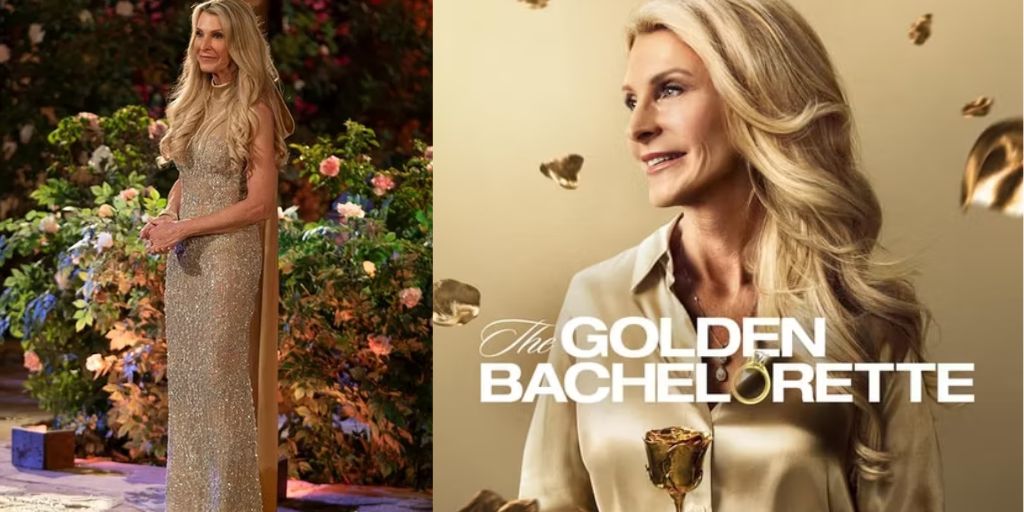
Still from the show (ABC)
Typically, the franchise features younger contestants in their 20s and 30s. But with the introduction of The Golden Bachelor in 2023 and The Golden Bachelorette in 2024, the show is expanding to include senior citizens.
These new shows have a more mature and thoughtful approach, focusing on finding love again later in life. Vassos’s openness about her boundaries and approach to romance brings a new sense of authenticity to the franchise.
In an interview with Fox News, Vassos shared that her children didn’t want her to kiss anyone on The Golden Bachelor. To ease their concerns, she lied and said she wouldn’t. But after the show aired, they saw that everything was done tastefully.
As she leads The Golden Bachelorette, her children are now more comfortable with the idea, although they still struggle with the concept of Fantasy Suites. To respect her family’s feelings, Vassos decided to change how Fantasy Suites work.
During an appearance on Live with Kelly and Mark, Vassos spoke about her time on the show, mentioning that she did kiss some men.
She said, “You have to want to kiss a guy for this to work.” While she did break her “no-kissing” promise, she respected her family’s wishes by ensuring that Fantasy Suites remained focused on emotional intimacy, not physical.
In the season premiere, Vassos opened up about losing her husband, John Vassos, to pancreatic cancer in 2021. She and her late husband had four children, who were concerned about her finding love on reality TV.
As she finds new relationships after losing her first love, Vassos has made it clear that physical intimacy is important to her, but she won’t cross that line with anyone but her final match. This is why she made the change to the Fantasy Suites.
Vassos’s approach to love goes beyond the passion often seen in Bachelor Nation shows. She’s here to form real connections based on mutual respect.
At her age, she knows that love isn’t just about a dramatic proposal at the end. While many Bachelor finales feature engagements, Vassos is not interested in rushing into one.
She has said that her goal isn’t to leave the show engaged. Instead, she wants to find someone she can build a future with and see how their relationship works outside of what she calls the “Bachelor bubble.”
Vassos’s decisions on the show could lead to a larger change within the Bachelor franchise. The Golden Bachelor and The Golden Bachelorette are already unique because they focus on emotional connections and lasting relationships.
In earlier seasons, Fantasy Suites were seen as the final test of physical chemistry. But with Vassos’s approach, the pressure is lifted, and contestants can focus more on whether they are emotionally compatible.
Joan Vassos’s decisions as the first Golden Bachelorette represent a refreshing shift in how love and intimacy are portrayed within the Bachelor franchise.
For over two decades, the franchise has thrived on intense drama, passion, and, often, physical chemistry that unfolds in front of the cameras.
By redefining the purpose of the Fantasy Suites, Vassos is paving the way for a deeper, more mature understanding of romance, especially for an older audience.
One of the most significant changes Vassos brought to the table was her decision to remove beds from the Fantasy Suites. Historically, this part of the show has been viewed as a space where contestants could search physical chemistry away from the public eye.
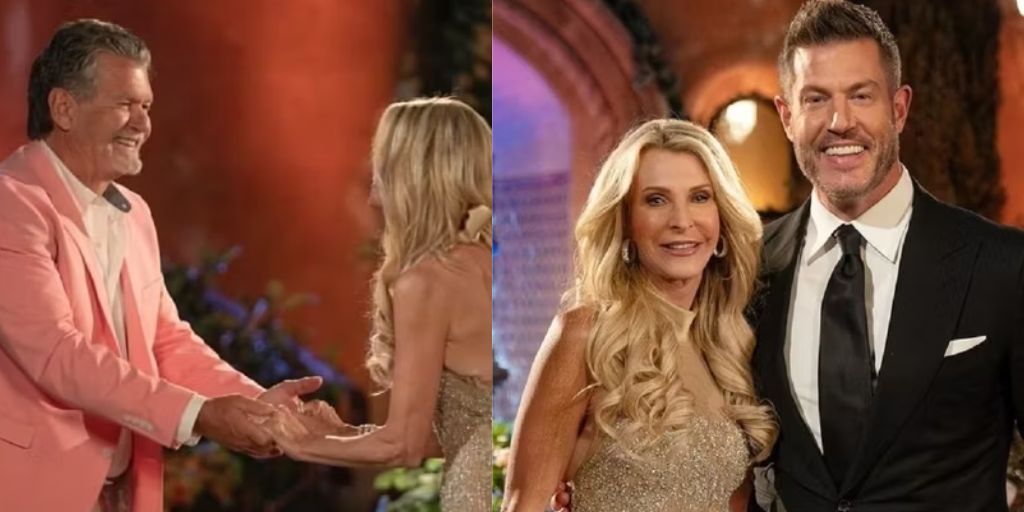
Still from the show (ABC)
However, Vassos wanted the Fantasy Suites to center on emotional intimacy. For her, the priority was connecting with her suitors on a deeper level without the pressures of physical expectations.
Her decision reflects her belief that romance doesn’t have to rush toward physicality, especially when genuine emotional bonds are at stake.
This change not only highlights Vassos’s personal values but also aligns with the franchise’s new direction. With the introduction of The Golden Bachelor and The Golden Bachelorette, the focus has shifted from the younger contestants typically seen in the original series to senior participants seeking a second chance at love.
These spinoffs have a unique charm, moving away from the often turbulent, high-stakes relationships of the past, and focusing more on meaningful connections.
Vassos’s approach fits seamlessly into this broader vision, offering a mature take on love that resonates with viewers who may have felt alienated by the franchise’s previous focus on younger leads.
Vassos’s insistence on emotional intimacy also reflects her personal experiences. As a widow who lost her husband to cancer, she understands the importance of cherishing genuine relationships.
Her decision to respect her late husband’s memory while opening herself up to love again is a powerful testament to her emotional depth.
She’s not just looking for a fleeting romance or the typical engagement finale; she’s seeking a connection grounded in respect, mutual understanding, and love that can withstand the pressures of the outside world.
Her family’s feelings also played a significant role in shaping her boundaries on the show. Vassos candidly shared that her children initially struggled with the idea of her finding love on reality television, particularly the concept of the Fantasy Suites.
By choosing to alter the format, she not only stayed true to her values but also respected her family’s concerns. This demonstrates her deep commitment to maintaining integrity, even in the face of potential criticism from the franchise’s fanbase.
Joan Vassos’s journey as the Golden Bachelorette has the potential to inspire a broader cultural shift within the Bachelor franchise.
As viewers become more accustomed to watching older contestants find love, there may be a greater appreciation for relationships that prioritize emotional compatibility over physical attraction.
Vassos’s choices reflect a mature and thoughtful approach to love that extends far beyond the drama that has typically defined the franchise.
She has shown that even within the framework of a reality show, it’s possible to stay true to one’s values and create an environment where genuine connections can flourish.
Joan Vassos’s bold decisions on The Golden Bachelorette are not just about changing the Fantasy Suites; they signal a broader redefinition of love and intimacy within the Bachelor franchise.
By focusing on emotional connections, she has set a new standard for how romance is portrayed, especially for older generations. Her journey has the potential to reshape not only the franchise but also the way viewers think about love, intimacy, and relationships as they age.
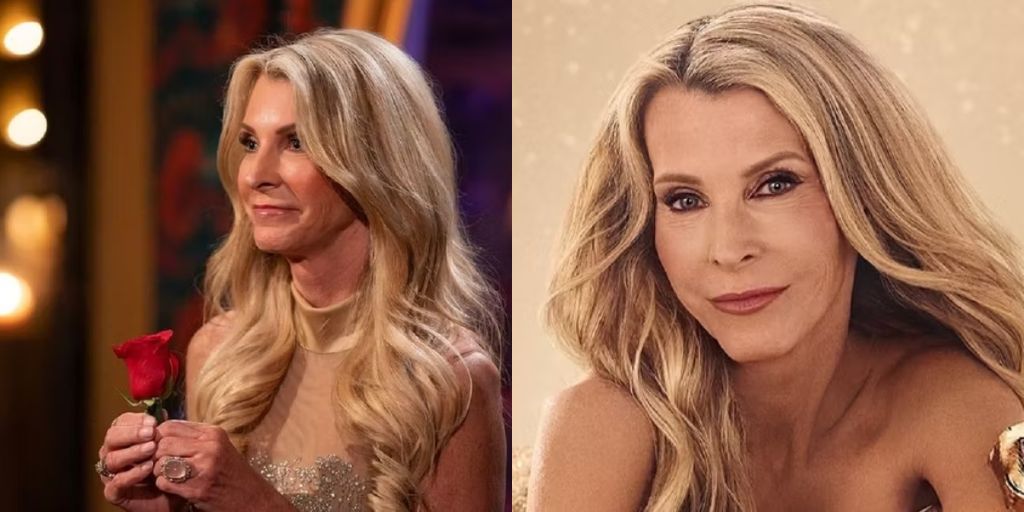
Still from the show (ABC)
As a widow love after the death of her husband, Vassos brings an authenticity to the show that could inspire other contestants and viewers to pursue meaningful, emotionally rich relationships.
Her story showcases the beauty of second chances and reinforces the idea that true love is worth waiting for, regardless of age.
Ultimately, Joan Vassos has set a precedent within the Bachelor franchise, proving that emotional depth and personal values can redefine what romance looks like, even on reality television.
This evolution could potentially shift how the entire franchise approaches love, pushing it toward more heartfelt, genuine connections rather than focusing purely on drama and spectacle.
From its inception, My Hero Academia established a simple yet attractve premise: the rise of a young, powerless boy named Izuku “Deku” Midoriya, who was destined to become the greatest hero of all time.
Guided by the legendary figure of All Might, the strongest hero in the My Hero Academia world, Deku’s journey was one of immense growth and learning.
However, by the time the manga concluded, it became apparent that Deku had not managed to surpass All Might, his mentor and inspiration.
The series left a number of fans feeling conflicted some satisfied with the journey, and others disappointed by the fact that the grand declaration of Deku becoming the greatest hero didn’t quite come to fruition in the way many had expected.
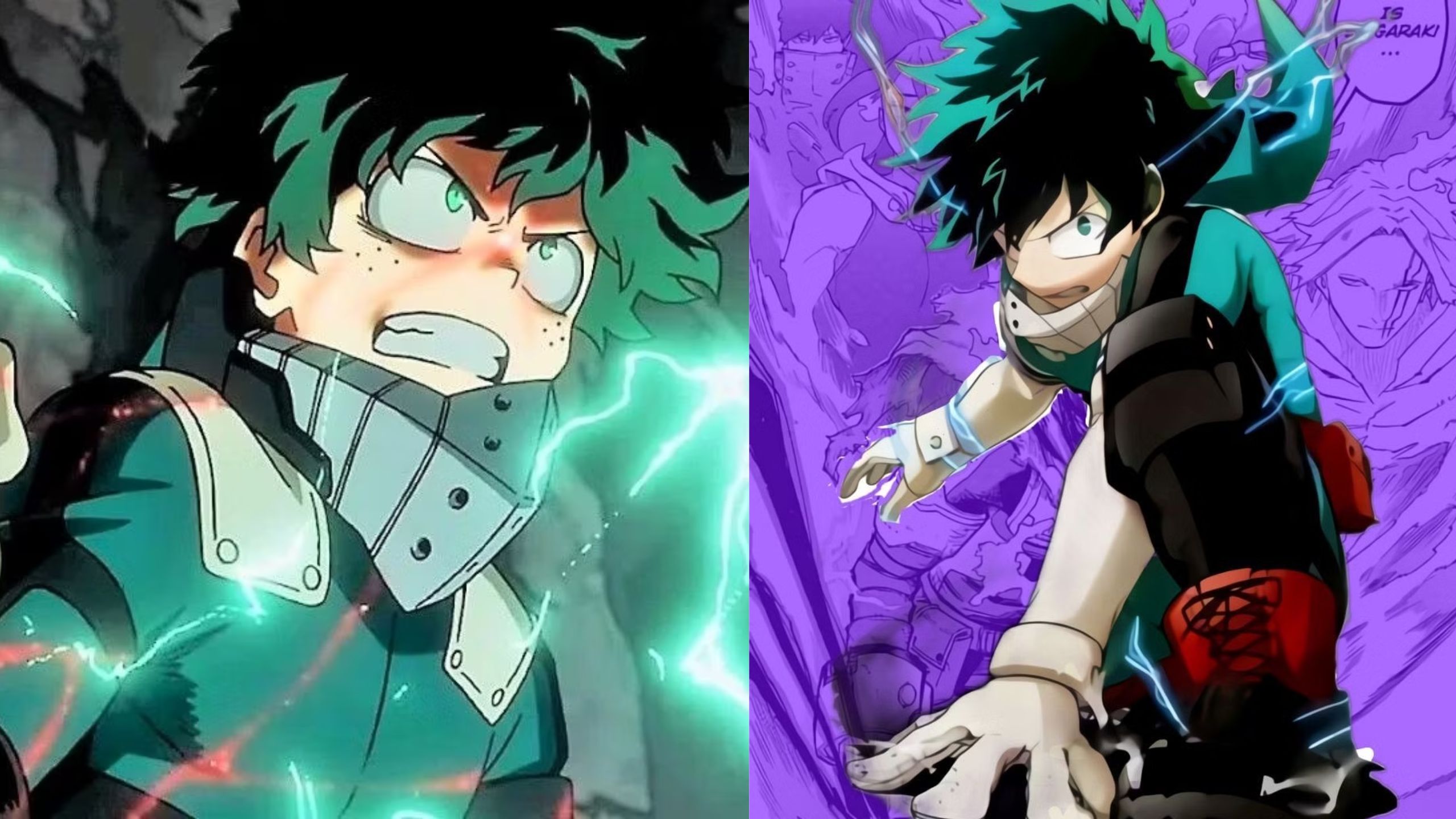
Deku (Crunchyroll)
While Deku undoubtedly grew into a formidable hero by the end of My Hero Academia, his ascent to surpassing All Might both in terms of legacy and impact was incomplete.
It’s essential to unpack why this happened, the role All Might’s legacy played in shaping Deku’s journey, and what ultimately prevented Deku from achieving that promised title.
The story’s trajectory was complex, blending themes of mentorship, personal growth, and societal change, but in the end, Deku could not eclipse All Might’s monumental legacy.
All Might’s Enduring Legacy
To truly understand why Deku did not surpass All Might, one must first grasp the sheer magnitude of All Might’s legacy.
All Might wasn’t just a hero; he was a symbol of peace, a beacon of hope in a world constantly plagued by villainy.
His larger-than-life persona, combined with his overwhelming power, made him a figure almost beyond comparison.
Throughout his career, All Might stood as the ultimate force of good, protecting society from chaos and embodying everything the hero society represented.
All Might’s impact stretched far beyond his physical abilities. While he was known for his incredible strength, his true power lay in his ability to inspire.
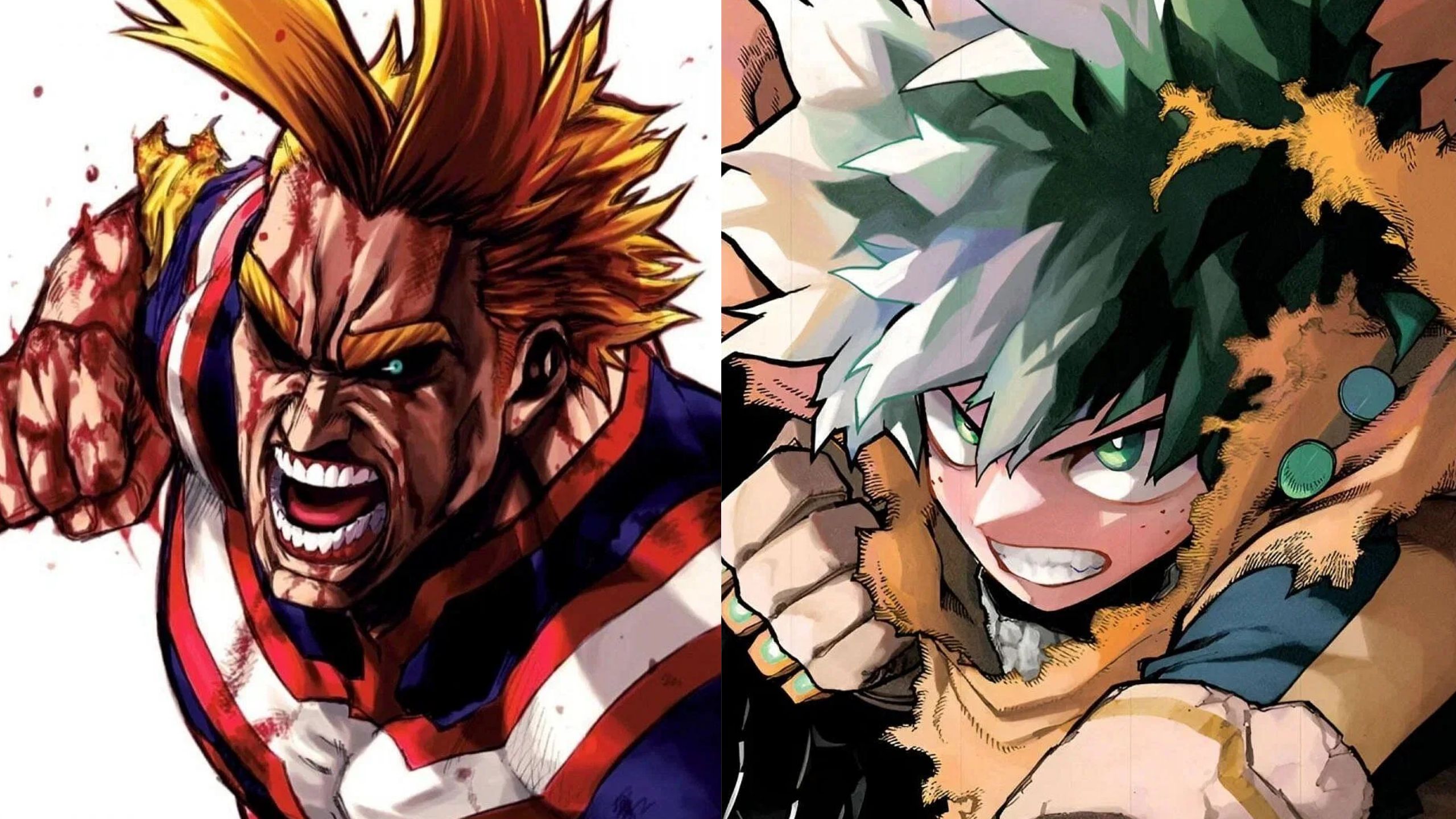
All Might and Deku (Shueisha)
To the people, All Might was a symbol of security. He was the assurance that no matter how bad things got, there was always someone out there protecting them.
His catchphrase, “I am here!” resonated deeply with civilians and heroes alike. In every battle, no matter how dire the situation, the sight of All Might brought comfort and confidence.
Moreover, All Might’s influence didn’t stop at the general public. The next generation of heroes, including some of the most important characters in the series like Katsuki Bakugo , Shoto Todoroki, and even Deku himself, grew up idolizing him.
All Might was not just their hero; he was their inspiration, the standard to which they held themselves.
Each of these characters’ development throughout the series is deeply intertwined with All Might’s influence on them.
This kind of legacy is difficult to surpass, not just because of the feats All Might accomplished, but because of the emotional and psychological impact he had on the world.
He wasn’t simply a hero who fought villains; he was the embodiment of hope itself. For Deku, surpassing someone like that would require not just strength but the ability to inspire and lead in the same way.
The Complexity of Heroism: Strength Versus Legacy
Heroism in the My Hero Academia world is about more than just fighting villains and saving people. It’s about creating a legacy, inspiring others, and leaving a lasting impact on society.
All Might wasn’t just strong he represented the pinnacle of what it meant to be a hero.
He was a beacon for both the public and his fellow heroes, which is why his eventual retirement left such a profound void in society.
Throughout the series, Deku’s journey focuses heavily on physical growth and learning how to wield the Quirk, One For All.
As a Quirk passed down through generations, One For All contains the combined power of its previous users, culminating in Deku as the final inheritor.
But while Deku’s mastery of the Quirk and his eventual victory over the villain All For One were impressive feats, heroism in the My Hero Academia world transcends mere power.
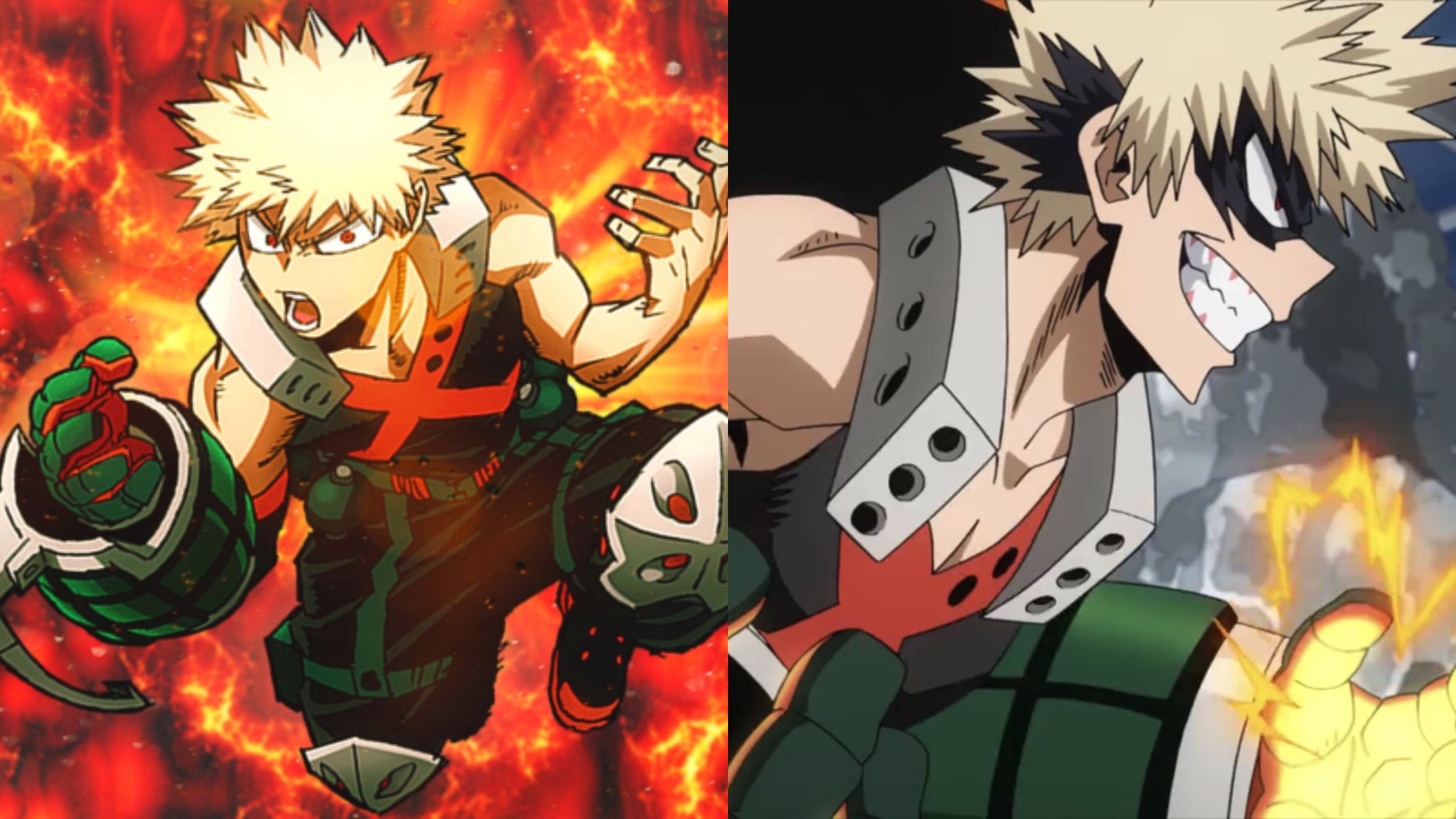
Katsuki Bakugo Using Explosion (Crunchyroll)
One of the series’ most fascinating themes is the idea that being a hero is not just about being the strongest person in the room.
It’s about embodying the ideals of justice, peace, and hope. This is where the complexity of Deku’s journey comes into play.
Deku, for all his growth, was often focused on the idea of becoming “strong enough” to be the greatest hero, whereas All Might’s greatness came from his ability to inspire, even when his strength began to fade.
By the time All Might retired, his body was broken, but his spirit remained as strong as ever, and people continued to look to him for guidance and reassurance.
Deku, on the other hand, though immensely powerful by the end of the series, lacked the same ability to inspire widespread hope.
His journey was deeply personal, focused on his immediate circle his classmates, his mentors, and the people he saved directly.
While Deku had his moments of inspiration, they were often more localized. He was seen more as a tactical fighter and someone who worked well with others, rather than the singular, awe-inspiring figure that All Might was.
This difference in the scope of influence is one of the primary reasons Deku couldn’t fully surpass All Might.
Deku’s Final Battle: A Momentous Feat, But Not Enough
One of the strongest arguments for why some fans believe Deku could surpass All Might is his ultimate battle against the villainous mastermind All For One.
This confrontation was, without a doubt, a defining moment in Deku’s career. All For One had been a looming threat throughout the entire series, a symbol of evil that had plagued hero society for years.
Defeating him was a monumental accomplishment that took years of preparation, struggle, and growth.
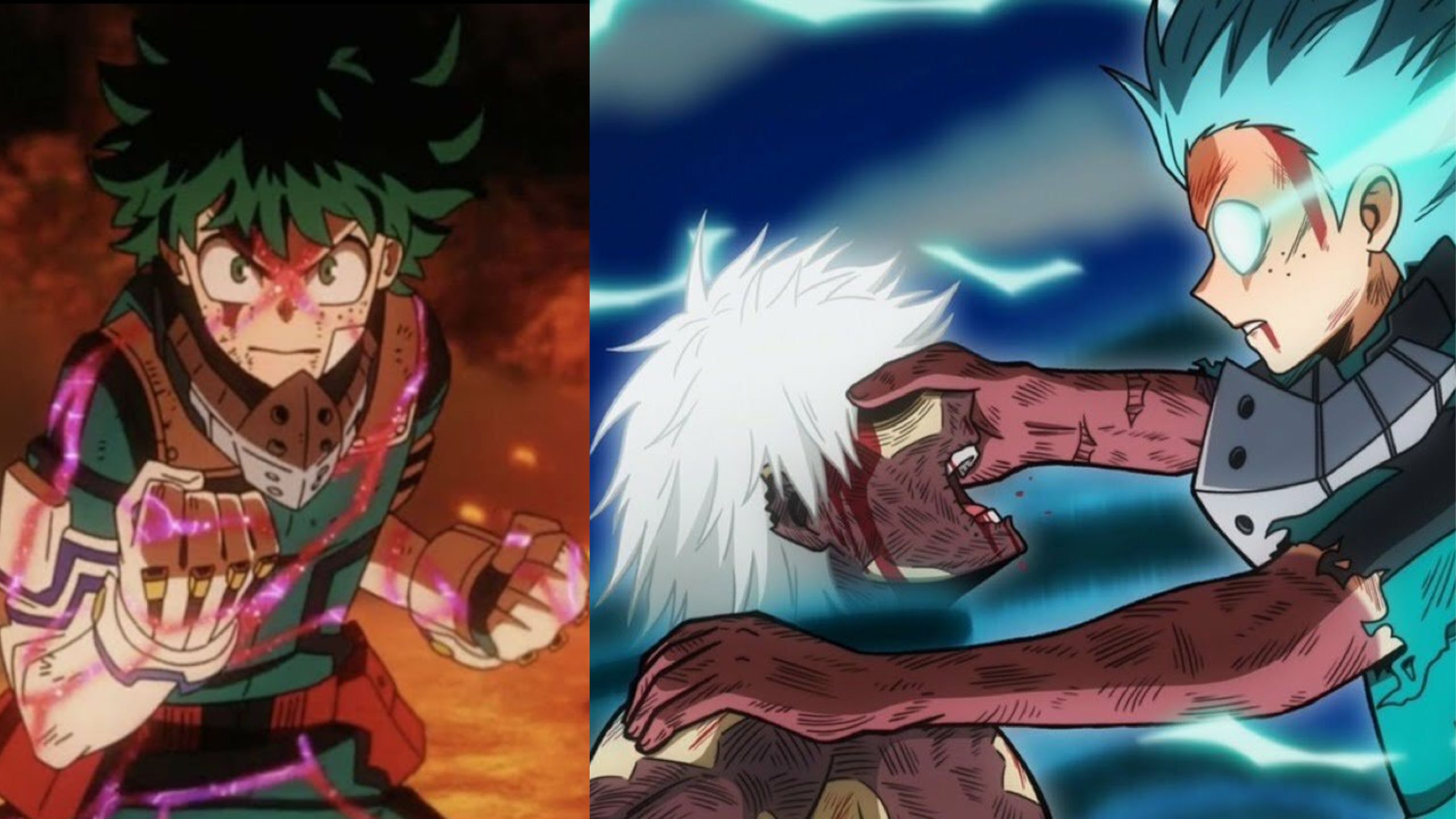
Deku And Shigaraki Final Battle (Twitter)
However, it’s important to recognize that while this victory was significant, it didn’t automatically cement Deku as the greatest hero of all time.
After all, defeating a powerful villain is just one part of being a hero. All Might himself had faced All For One multiple times throughout his career and emerged victorious.
His battles against All For One were legendary, but they were just a fraction of his final contributions to society.
All Might’s greatness didn’t come from defeating one powerful villain it came from his consistent ability to protect the people, uphold justice, and inspire hope for decades.
His career as a hero was long, and his influence on society was immense. Deku’s defeat of All For One was undoubtedly impressive, but it was a singular moment in what was ultimately a short career.
Deku’s time in the spotlight was brief compared to All Might’s long and storied career.
Furthermore, Deku’s final battle, while intense and important, was not as universally impactful as some of All Might’s greatest moments.
All Might’s defeat of All For One during their final battle in the middle of the series was witnessed by the entire world. It wasn’t just a personal victory it was a moment that defined an era.
The public saw their symbol of peace stand tall against overwhelming odds, and even in his weakened state, All Might managed to deliver a victory that solidified his status as a living legend.
In contrast, Deku’s battle with All For One, while significant, didn’t carry the same weight on a global scale. It was more of a personal victory for Deku and those immediately involved.
While it was certainly a crucial moment in the battle against evil, it didn’t resonate with the world in the same way that All Might’s battles did.
The scale of All Might’s victories, and the way they were perceived by society, is something Deku’s final battle couldn’t quite match.
All Might’s Influence on Society and the Next Generation
One of the most profound aspects of All Might’s legacy is his influence on future generations of heroes.
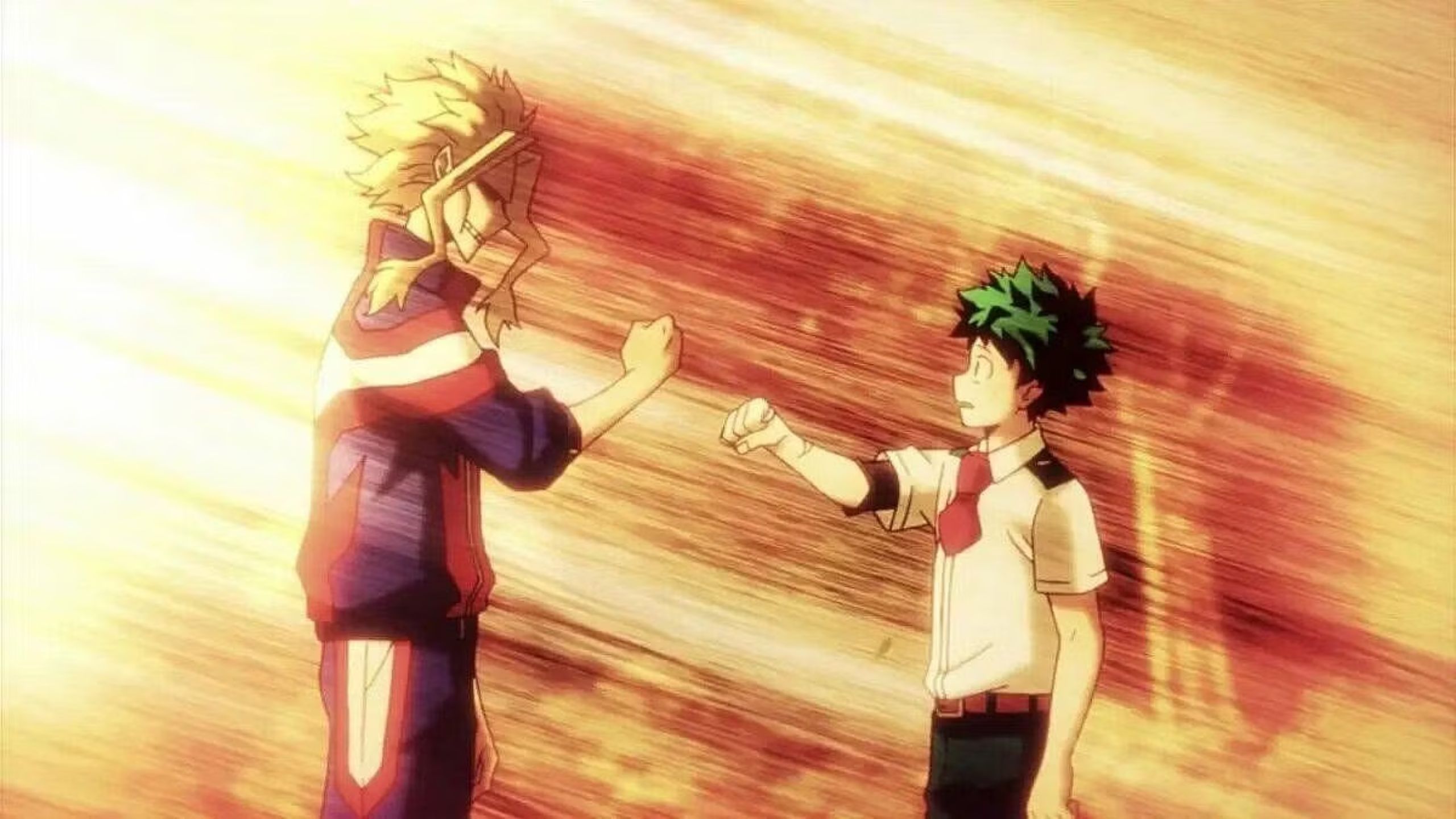
All Might and Deku (Bones)
Throughout the series, it becomes clear that All Might wasn’t just a hero he was a role model, someone young heroes aspired to be.
His presence shaped the lives of countless individuals, both within the story and in the broader world of My Hero Academia.
Characters like Bakugo, Todoroki, and, of course, Deku were all deeply influenced by All Might’s ideals and actions.
The power of inspiration is a significant aspect of heroism in My Hero Academia . A hero’s ability to inspire others, to give them hope, and to push them toward their full potential is just as important as their ability to fight villains.
All Might exemplified this ability. He wasn’t just a fighter he was a mentor, a guide, and a symbol of what it meant to be a hero. His influence extended far beyond the battlefield.
Deku, while certainly inspiring to those around him, didn’t have the same widespread influence on society as All Might.
His journey was more personal, focused on his own growth and development as a hero.
While Deku certainly inspired his classmates and those he fought alongside, his impact on the broader society was limited.
All Might, by contrast, was a hero who inspired an entire generation of heroes and civilians alike. His influence was so profound that even after his retirement, people continued to look up to him as a symbol of peace.
Furthermore, All Might’s role as a mentor to Deku was a crucial part of his legacy.
Throughout the series, All Might played an instrumental role in shaping Deku into the hero he eventually became.
He passed down the power of One For All to Deku, but more importantly, he passed down his ideals, his values, and his understanding of what it meant to be a hero.
Even in his weakened state, All Might continued to guide Deku, offering wisdom and support when it was most needed.
This mentorship dynamic is another reason why Deku couldn’t fully surpass All Might. As a student, Deku looked up to All Might, and even after surpassing him in terms of raw strength, he continued to rely on his guidance.
All Might was more than just a powerful hero he was a mentor and a father figure to Deku. This dynamic made it difficult for Deku to fully step out of All Might’s shadow and forge his own path as the greatest hero.
Deku’s Path: A Different Kind of Heroism
It’s important to recognize that Deku’s journey was never meant to be a direct mirror of All Might’s. From the very beginning, Deku’s path as a hero was fundamentally different.
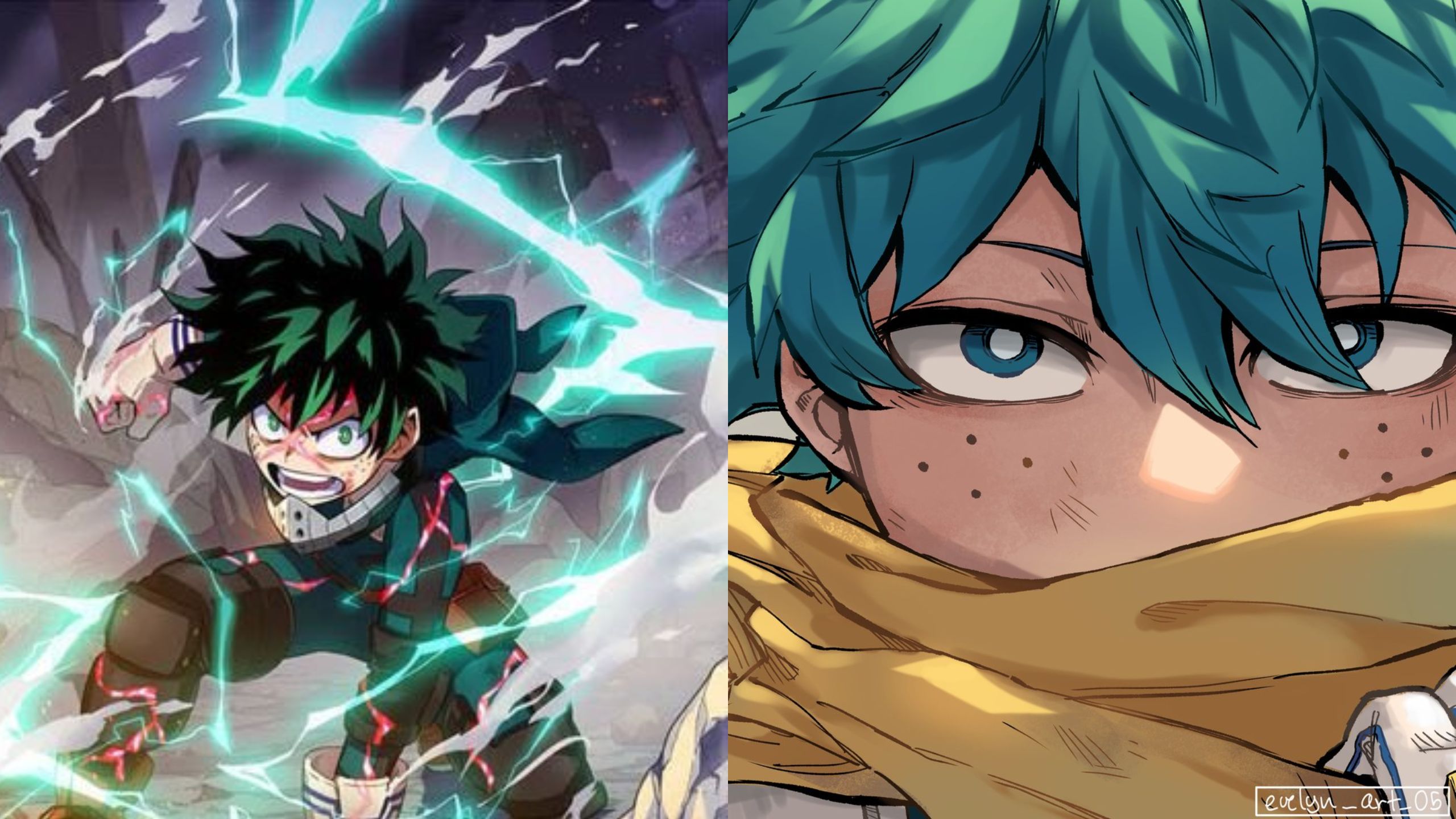
Deku – My Hero Academia (Bones)
While All Might embodied the idea of a lone, powerful figure standing against evil, Deku’s heroism was more collaborative, more dependent on the people around him.
One of the key themes of My Hero Academia is the idea that heroes don’t have to stand alone. Throughout the series, Deku learns the importance of relying on others, accepting help, and working as part of a team.
This is something that All Might, in his prime, struggled with. All Might often fought alone, taking on the burden of protecting society by himself.
In contrast, Deku learned to fight alongside his friends, relying on their strengths and working together to achieve victory.
This difference in approach is a significant reason why Deku couldn’t fully surpass All Might. While All Might’s heroism was defined by his solitary strength, Deku’s heroism was defined by his collaboration and teamwork.
Deku’s greatest victories were achieved not by fighting alone, but by working alongside his friends and allies.
This collaborative approach to heroism, while effective, didn’t have the same mythic quality as All Might’s solitary battles against overwhelming odds.
Additionally, Deku’s journey was more focused on personal growth and self-discovery.
While All Might was a hero from the very beginning, Deku’s journey was about learning what it meant to be a hero.
He started as a powerless boy with no Quirk and no understanding of what it truly meant to be a hero.
Over the course of the series, Deku grew, both in terms of his physical abilities and his understanding of heroism.
His journey was one of self-discovery, learning to embrace his own identity as a hero rather than simply trying to imitate All Might.
Why Deku Couldn’t Surpass All Might
In the end, Deku’s journey in My Hero Academia was never about surpassing All Might in the traditional sense.
While he certainly became a powerful and capable hero, he didn’t achieve the same level of greatness as All Might.
All Might’s legacy was one of inspiration, hope, and leadership on a grand scale. His impact on society, his ability to inspire future generations, and his role as a symbol of peace were unmatched.
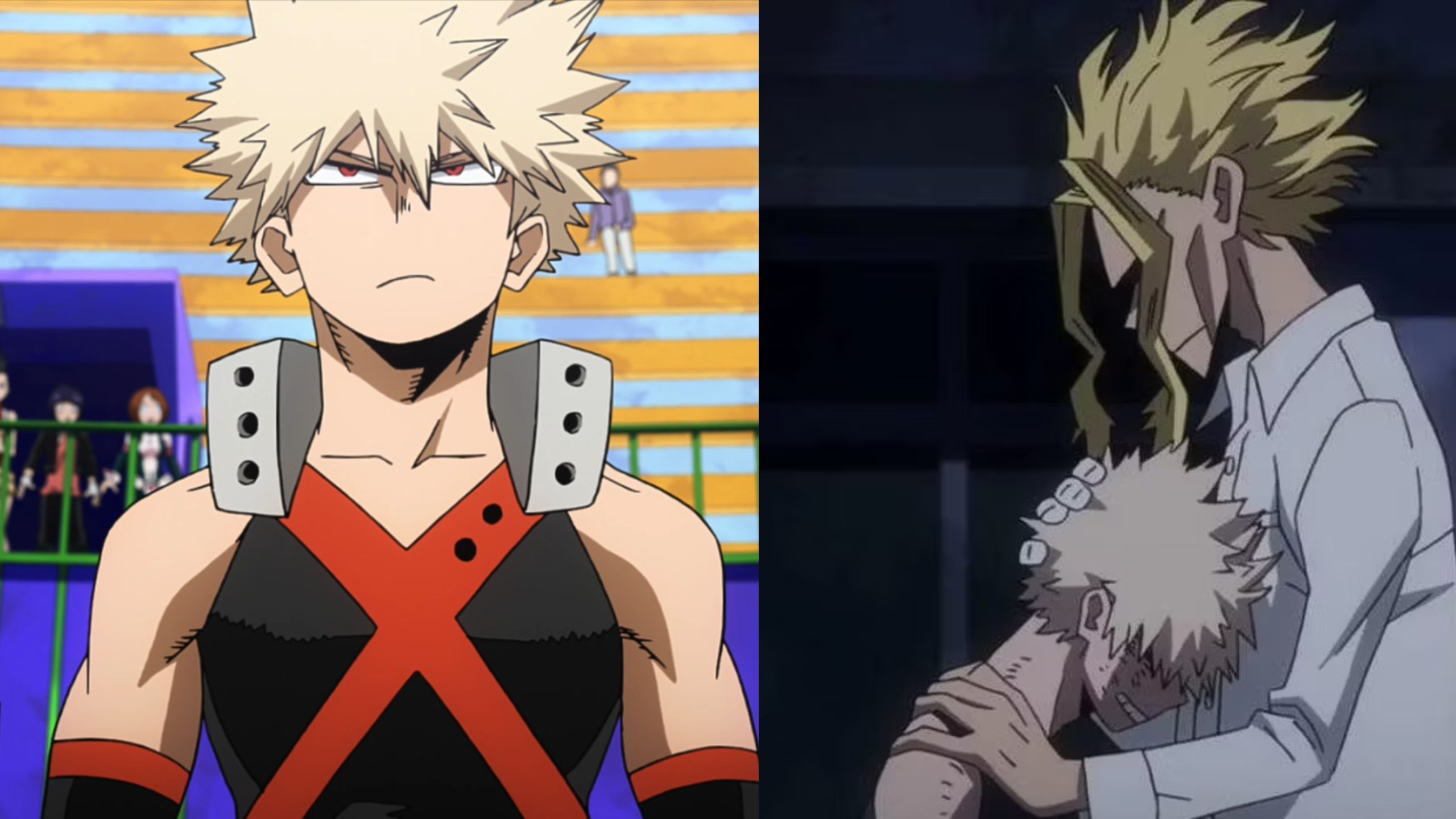
Katsuki Bakugo And All Might (Crunchyroll)
Deku, while undoubtedly a hero in his own right, didn’t surpass All Might because his journey was different. His path was more personal, focused on collaboration and self-discovery.
While Deku’s defeat of All For One was a significant accomplishment, it didn’t have the same global impact as All Might’s victories.
Deku’s heroism was defined by his ability to work with others, to rely on his friends, and to fight for what he believed in.
Ultimately, Deku didn’t become the greatest hero because his journey was never about being the next All Might.
It was about finding his own path, learning what it meant to be a hero, and inspiring those around him.
While Deku may not have surpassed All Might in terms of legacy or impact, he still became a hero who stood for justice, hope, and the future of society.
