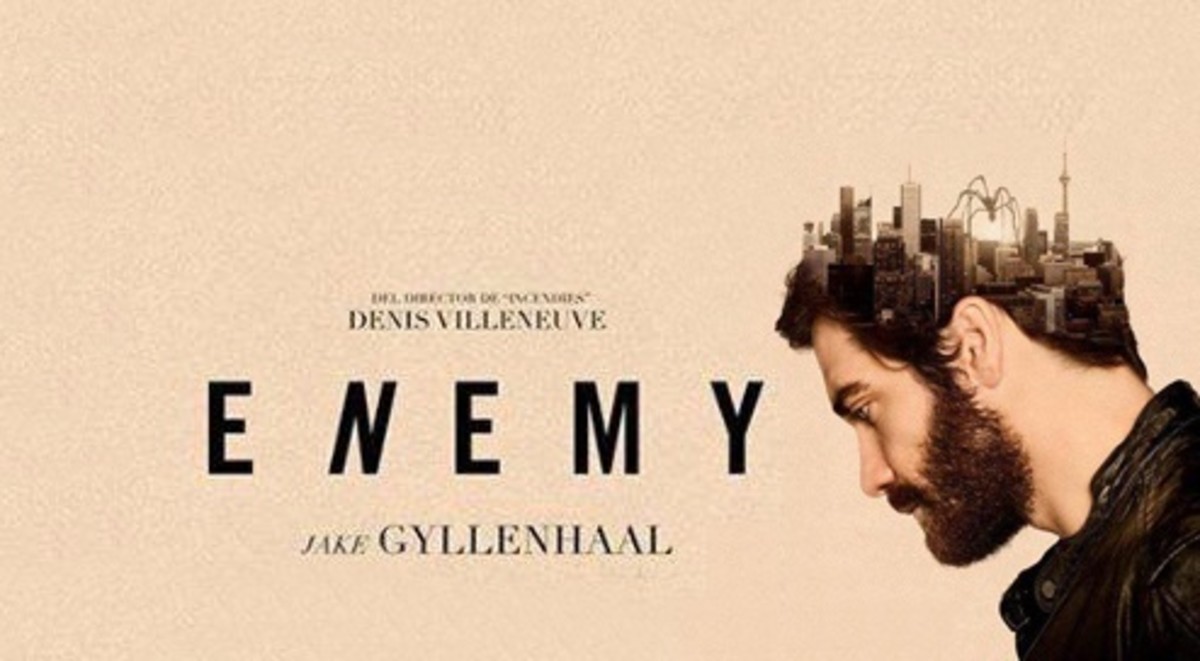
The ending of Enemy , directed by Denis Villeneuve, is one that has left audiences both fascinated and perplexed since its release in 2013. This psychological thriller, featuring Jake Gyllenhaal in a dual role as two men who share a striking resemblance, challenges viewers to interpret its many layers. As a result, the final moments of the film have sparked considerable discussion. Though the film is full of ambiguity, there are several clues that can help make sense of the unsettling conclusion.
Enemy (2013) Ending Explained
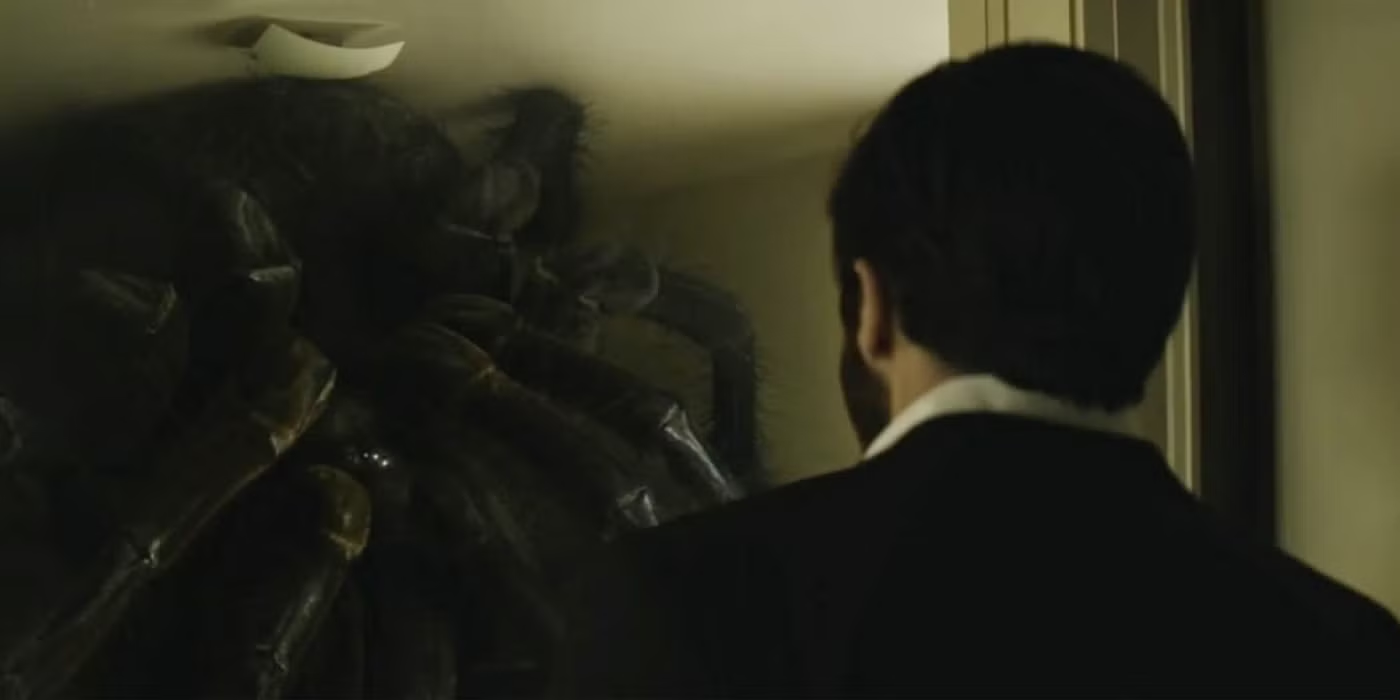
In the final scene of Enemy , after a series of tense and unexpected events, Adam Bell, one of Gyllenhaal’s characters, encounters a strange and unnerving sight. He returns home to find his wife, Helen, transformed into a giant spider. This startling transformation is stunning, but it serves as a symbolic representation of the film’s deeper themes. Though the moment is cryptic, it’s important to remember the broader context that can provide insight into its meaning.
Enemy (Image via Getty)
Are Adam and Anthony the Same Person?
A key aspect of the film is the question of whether Adam and Anthony are two distinct characters or representations of a single individual. On the surface, Gyllenhaal’s nuanced performances make it easy to believe that they are separate people, but the film’s structure offers room for doubt. For example, Anthony has a photo of himself and Helen, while Adam’s version of the same image is torn in half, showing only him. This visual detail could suggest that Adam is a repressed aspect of Anthony, attempting to break away from his darker traits.
On the other hand, Enemy explores human nature and cycles of behavior, which could indicate that Adam and Anthony are indeed two separate individuals. Adam’s descent into selfishness mirrors Anthony’s own behavior, raising the possibility that the two characters are not as independent as they seem. However, the film deliberately leaves this question unanswered, making it clear that the real focus is on the psychological journey rather than the specific nature of their relationship.
The Symbolism of the Spider
To understand the significance of Helen’s transformation into a spider, we need to look at the film’s earlier scenes. One notable moment occurs when Anthony attends a private sex club and watches a woman crush a spider. This sequence establishes the spider as a symbol of helplessness and exploitation, particularly in relation to the way Anthony treats those around him, including his wife. Helen’s eventual transformation into a spider seems to be a consequence of Adam’s actions, particularly his decision to follow in Anthony’s footsteps by visiting the same club.
Helen’s transformation into a giant spider can be interpreted as a visual metaphor for how Adam, like Anthony, has objectified her. His decision to indulge in his curiosity at the expense of his relationship reflects Anthony’s own behavior toward Helen earlier in the film. The transformation underscores the film’s central idea: that patterns of selfishness and disregard for others can perpetuate themselves, leaving those caught in them feeling trapped.
Enemy cast (Image via Getty)
The Cycle of Human Nature
At its core, Enemy is about the recurring patterns of human behavior. Throughout the film, Adam is portrayed as a quiet, reserved man, but his curiosity about Anthony leads him down a path that mirrors Anthony’s own destructive choices. The film’s ending suggests that Adam has now become trapped in the same cycle that consumed Anthony, implying that history has a way of repeating itself.
Earlier in the film, Adam discusses the concept of historical patterns, setting the stage for his own eventual transformation. His inability to break free from the patterns of behavior he shares with Anthony is a central theme, suggesting that human nature when left unchecked, can lead individuals to make the same mistakes over and over again.
Gyllenhaal’s Dreamlike Interpretation ofEnemy
Jake Gyllenhaal, who plays both Adam and Anthony, has offered his own interpretation of the film. In interviews, he described Enemy as a film that feels like a dream, exploring the subconscious and the hidden aspects of the self. This dreamlike quality is key to understanding the ending, which, much like a dream, is filled with strange and surreal imagery that seems disconnected from reality. Gyllenhaal’s perspective aligns with the idea that the film is less about concrete explanations and more about the emotional and psychological journey of its characters.
The dreamlike quality of Enemy is reinforced by the unsettling and mysterious final moments, which suggest that the film is ultimately a reflection of the inner turmoil and guilt that Adam experiences. His treatment of Helen, coupled with his growing fascination with Anthony, leads him to confront aspects of his own behavior that he may have previously ignored.
The Meaning Behind the Final Shot
The most perplexing aspect of Enemy is, without a doubt, the final shot, where Helen transforms into a giant spider. The abruptness of this moment leaves many viewers questioning its meaning. However, the film’s themes of cycles, human nature, and subconscious desires suggest that this transformation is not just a random or absurd image, but a powerful representation of Adam’s growing realization about his own actions.
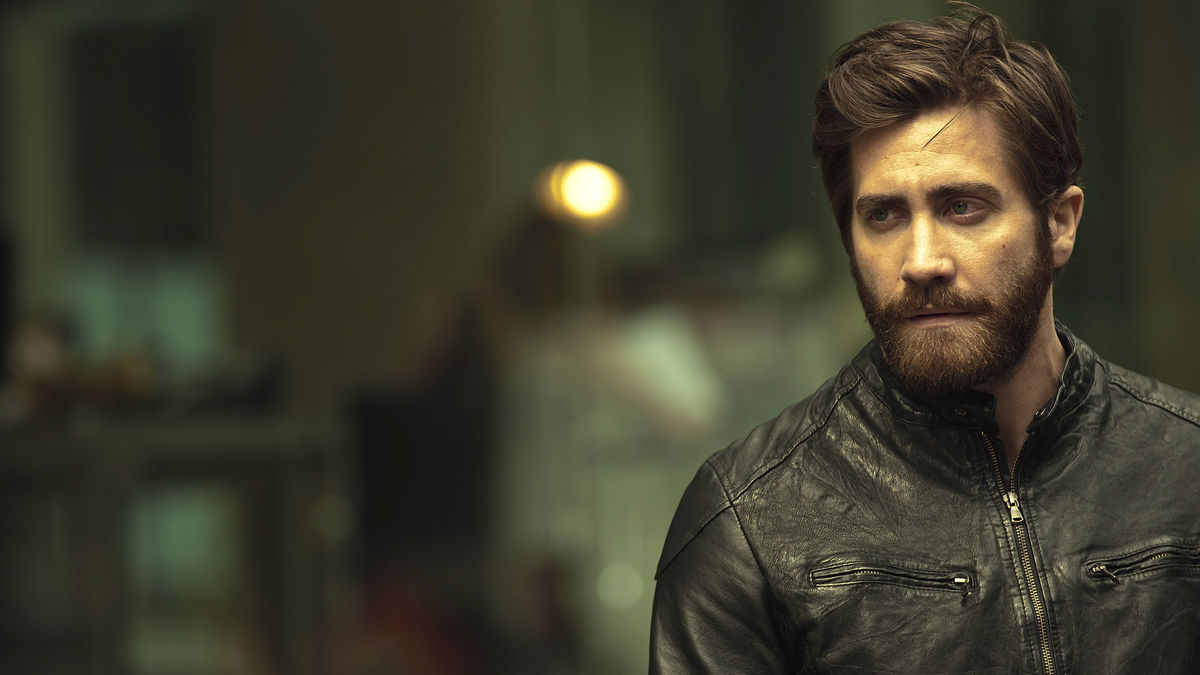
The spider’s appearance signals the culmination of Adam’s journey, showing that he has fallen into the same trap of selfishness and disregard for others that Anthony did before him. The transformation also hints that Adam, like Anthony, may be unable to break free from the destructive patterns he has inherited. His expression as he looks at the spider implies that he is coming to terms with the fact that he has crossed a point of no return.
Enemy cast (Image via Getty)
Villeneuve’s Intentions: Keeping the Mystery Intact
Denis Villeneuve, the director of Enemy , has intentionally kept the film’s meaning ambiguous, preferring to leave viewers to draw their own conclusions. In interviews, he has described the film as an exploration of the subconscious, suggesting that the characters’ actions are driven by deep, unconscious impulses. Villeneuve’s refusal to provide clear answers about the ending adds to the film’s mysterious quality, encouraging audiences to interpret the story in their own way.
By leaving the film open-ended, Villeneuve allows Enemy to remain a thought-provoking experience. The lack of a definitive explanation encourages deeper analysis, ensuring that the film’s themes resonate long after the credits roll.
Reception and Criticism of the Ending
The reception of Enemy has been mixed, particularly with regard to its ambiguous ending. While some critics have praised the film for its boldness and complexity, others have found its conclusion frustrating and difficult to interpret. The film’s atmosphere and psychological tension are often cited as strengths, but its ending has divided opinions. Some critics have described it as an example of a film that is more focused on intellectual ambition than providing clear answers, which may leave some viewers feeling disconnected.
However, the daring nature of the final scene has also garnered admiration from many. Some have praised the film for its ability to surprise and unsettle, with its haunting ending being described as one of the scariest in recent cinema.
Sammy “The Bull” Gravano remains one of the most infamous figures in organized crime history, having climbed the ranks of the Gambino crime family.
His career was marked by decades of illegal activities, but a pivotal moment came when he cooperated with authorities, leading to the downfall of several high-profile Mafia figures.
As of 2024, Gravano’s net worth is estimated at $500,000—a stark contrast to the wealth he once amassed during his time in the Mafia.
His current financial status is influenced by various legal battles and media ventures following his departure from organized crime.
Sammy Gravano’s Net Worth in 2024
As of 2024, Sammy Gravano’s net worth is estimated at approximately $500,000.
His significant financial decline can be attributed to several factors, including:
- Legal fines
- Government asset seizures
- Extended periods in prison
Despite these setbacks, Gravano has managed to sustain himself through legitimate means, attracting a following fascinated by his past and his candid discussions about life in organized crime.
Although he has attempted to build a legal income stream, his current financial standing serves as a stark reminder of how dramatically his fortunes have changed over the years.
Net Worth During His Mafia Years
At the height of his Mafia career, Gravano’s wealth was estimated between $10 million and $15 million.
His fortune came from a range of criminal activities, including:
- Control over the construction industry
- Extortion operations
- Real estate investments
Gravano played a crucial role in the Gambino crime family’s financial success, making him indispensable to John Gotti and the organization’s operations.
His stronghold over New York’s construction industry was particularly lucrative. He and the Gambino family manipulated bidding processes, siphoning millions from major projects across the city.
Beyond construction, he also built a portfolio of real estate investments using both legal and illegal funds.
By the late 1980s, Gravano lived lavishly, owning multiple expensive homes and enjoying a lifestyle funded entirely by his involvement in organized crime.
Early Life and Rise to Power
Sammy Gravano, born Salvatore Gravano, entered the world on March 12, 1945, to Italian immigrant parents in Brooklyn, New York.
Growing up in a tough neighborhood, he became involved in petty thefts and street crimes at an early age.
Despite a rebellious streak, he was drawn to the world of organized crime.
His first real exposure to the Mafia came as a teenager, and from then on, he steadily climbed the ranks.
Gravano started with small-time crimes like burglaries and thefts, but his street smarts and fearless reputation caught the attention of local mobsters. His relentless nature earned him the nickname “The Bull.”
By the late 1970s, he had secured his place within the Gambino crime family, rising from an associate to a made man and eventually becoming a high-ranking captain.

Salvatore Gravano
Mafia Career
Gravano’s rise in the Gambino family accelerated under the leadership of Paul Castellano and later John Gotti.
Serving as an enforcer, he played a significant role in the family’s illegal operations, which included extortion, loan sharking, drug trafficking, and racketeering.
He was both feared and respected, known for his ability to execute orders without hesitation and his strategic approach to managing the family’s business ventures.
One of his most notorious acts was his participation in the assassination of Paul Castellano in 1985, paving the way for John Gotti to take control of the Gambino family.
As Gotti’s underboss, Gravano helped oversee vast portions of New York’s construction industry, manipulating contracts and labor racketeering to ensure millions in profits.
In addition to his influence in real estate, he maintained a fearsome reputation as one of the most formidable Mafia enforcers of his time.
Legal Troubles and Government Cooperation
In 1991, Gravano’s life took a dramatic turn when he was arrested alongside John Gotti and other members of the Gambino crime family.
Facing the possibility of life in prison for multiple crimes, including involvement in 19 murders, Gravano made a shocking decision—he agreed to cooperate with federal authorities.
His testimony in court played a pivotal role in securing a conviction against Gotti, who had previously been untouchable due to his ability to evade legal consequences.
In exchange for his cooperation, Gravano received a significantly reduced sentence and entered the witness protection program.
However, this decision came at a steep price. As part of his plea deal, he forfeited millions in assets.
Legal fines, asset seizures, and the loss of his Mafia-controlled businesses left Gravano nearly broke by the time he exited the criminal world.
Turning government witness not only destroyed his standing in the Mafia but also depleted most of his wealth.
Post-Prison Ventures
After serving his sentence and attempting to re-enter society under witness protection, Gravano sought ways to rebuild his life through legitimate means.
Despite his past, he managed to generate income through various media-related projects.
His autobiography and book deals provided an initial revenue stream, allowing him to share his side of the story with the public.
His book Underboss offered an insider’s perspective on the Mafia, attracting significant interest.
In recent years, Gravano has capitalized on digital media, launching a podcast called Our Thing, where he discusses his experiences in organized crime.
His podcast, along with a YouTube channel, media appearances, and interviews, has become his primary source of income.
Additionally, he has utilized platforms like Patreon to further engage with fans and monetize his content.
While his current financial status is a far cry from his past wealth, Gravano continues to find ways to sustain himself in a post-Mafia world.
