The Chronicles of Narnia is a cherished fantasy adventure series that has captured the hearts of readers for generations. C.S. Lewis created a magical world filled with talking animals, mythical creatures, and epic battles between good and evil.
Because of its popularity, it was only a matter of time before Hollywood took notice and decided to adapt these beloved stories into films.
Given the success of other fantasy franchises, such as Harry Potter and The Lord of the Rings, it seemed natural to believe that The Chronicles of Narnia could also find great success on the big screen.
Many younger viewers could have had the chance to grow up alongside the characters, experiencing their journeys and adventures over time.
However, the film adaptations of The Chronicles of Narnia did not achieve the same level of mainstream popularity as their competitors. This lack of widespread appeal meant that the franchise ended prematurely without a proper end.
For fans of the books and the initial films, it can be difficult to look back and invest in these adaptations. They often feel disconnected from the rich narratives that Lewis originally crafted. Despite these challenges, each of the three main films holds endearing qualities that make them worthy of rewatching and appreciating.
The Pevensie Siblings: Heroes for a New Generation
The Chronicles of Narnia films succeed best when they focus on their young cast. The Pevensie siblings—Peter, Susan, Edmund, and Lucy—are relatable heroes who resonate with audiences, especially younger viewers. These characters face real challenges, such as fear, betrayal, and the struggle for courage.
Peter, the eldest, embodies leadership and bravery. He often takes charge in dangerous situations, trying to protect his siblings while showing the complexities of Narnia. Susan, the second sibling, represents wisdom and caution. She often tries to maintain order and keep her brothers and sister safe.
Edmund, who starts as a selfish character, undergoes significant growth throughout the series. His journey from betrayal to redemption is powerful and relatable.
Lucy, the youngest, is full of wonder and imagination, often serving as the heart of the group. Her belief in Narnia and its magic is infectious and encourages her siblings to embrace the adventure.
The films shows the bonds between these siblings, emphasizing the importance of family and friendship. Many audiences can relate to the dynamics present in the Pevensie family, making their experiences in Narnia feel genuine and impactful. This relatability is a crucial factor in the films’ ability to connect with viewers.
Visual Splendor and Action-Packed Adventures
The Chronicles of Narnia films are visually stunning, bringing the rich views and magical creatures of Lewis’s world to life. From the snowy forests of The Lion, the Witch and the Wardrobe to the lush, vibrant islands in The Voyage of the Dawn Treader, the cinematography captures the imagination and wonder of Narnia.
The special effects, particularly the creation of characters like Aslan, showcase the advancements in technology that allow for immersive storytelling.
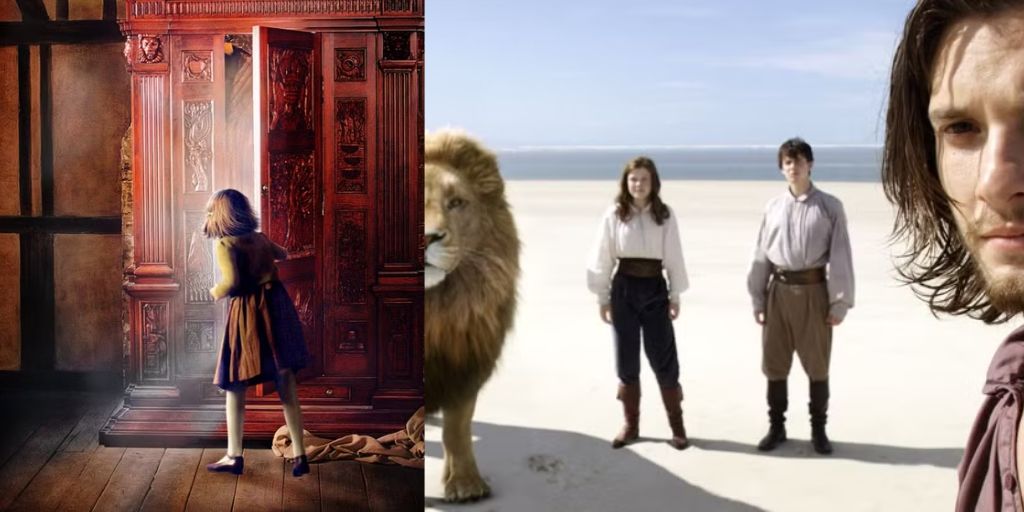
Still from The Chronicles of Narnia (Credit: Disney+)
In terms of action, each film presents exciting sequences that engage viewers. The battles, in particular, are thrilling, showcasing the conflict between good and evil. In Prince Caspian, for instance, the fight scenes are intense and dramatic, emphasizing the stakes involved in the characters’ struggle to reclaim Narnia from tyranny.
The Challenges of Adaptation
Despite their charm and appeal, the Narnia films faced significant challenges in their adaptations. One major issue was the varying tones and styles between the movies. Each film was directed by different filmmakers, resulting in inconsistent storytelling and visual styles.
For example, The Lion, the Witch and the Wardrobe, directed by Andrew Adamson, has a playful and adventurous tone. It successfully captures the innocence of the original story and introduces audiences to the wonders of Narnia. However, Prince Caspian, also directed by Adamson, takes a darker and more mature approach.
This shift in tone may confuse viewers, especially younger ones who were enchanted by the first film’s whimsy.
Another challenge was the films’ faithfulness to the source material. While adaptations often take creative liberties, the Narnia films occasionally stray too far from the heart of Lewis’s stories. This inconsistency can frustrate fans of the books who expect a more faithful portrayal of the characters and events.
3. ‘The Chronicles of Narnia: The Lion, the Witch and the Wardrobe’ (2005) The Beginning of a Magical Journey
The first film, The Chronicles of Narnia: The Lion, the Witch and the Wardrobe, was released in 2005 and is often regarded as the strongest of the trilogy. Directed by Andrew Adamson, it successfully introduces audiences to the enchanting world of Narnia while staying true to the essence of Lewis’s story.
The film opens with a backdrop of World War II, setting the stage for the Pevensie siblings’ journey to Narnia as they escape the dangers of the war.
Upon entering Narnia, the children encounter a wintery view ruled by the White Witch (Tilda Swinton), who has cast a spell to keep the land in eternal winter.
The introduction of key characters, such as Mr. Tumnus (James McAvoy) and Aslan (voiced by Liam Neeson), adds depth to the story. The chemistry between the child actors feels authentic, and their performances resonate with the audience.
Themes of Good vs. Evil
One of the film’s central themes is the struggle between good and evil, embodied by Aslan and the White Witch. Aslan represents hope, courage, and sacrifice, while the White Witch symbolizes tyranny and oppression. The film effectively portrays the importance of standing up against evil, a message that resonates with viewers of all ages.
The climax of the film, featuring the epic battle between Aslan’s forces and the White Witch’s army, is visually stunning and emotionally charged. It captures the essence of Lewis’s themes of bravery, redemption, and the power of love. This battle scene, along with the film’s beautiful visuals, won an Academy Award for Best Makeup, highlighting its artistic achievements.
Character Development and Morality
The Lion, the Witch and the Wardrobe is also notable for its character development. Each Pevensie sibling faces personal challenges and learns important lessons. Peter learns the weight of leadership, Susan discovers the strength of compassion, Edmund experiences the consequences of betrayal, and Lucy embodies unwavering faith.
The film subtly weaves moral lessons throughout the narrative without feeling preachy. While there are clear Christian allegories, the story remains accessible to viewers who may not be familiar with Lewis’s theological themes. This balance allows the film to appeal to a wide audience, making it a beloved classic in the fantasy genre.
2. ‘The Chronicles of Narnia: Prince Caspian’ (2008) The Second Chapter of Narnia
The second film, The Chronicles of Narnia: Prince Caspian, was released in 2008 and is darker and more ambitious than its predecessor. Directed by Andrew Adamson, the film shows themes of war, leadership, and the struggle to reclaim a lost kingdom.
Set a year after the events of The Lion, the Witch and the Wardrobe, the Pevensie siblings return to Narnia only to find it under the control of the oppressive Telmarines, led by King Miraz (Sergio Castellitto).
This film portrays Narnia as a land in turmoil, emphasizing the gravity of its situation. The tone shifts from the whimsical adventure of the first film to a more serious scheme of conflict and sacrifice. The introduction of new characters, such as Prince Caspian (Ben Barnes) and the loyal mice Reepicheep (voiced by Eddie Izzard), adds depth to the story.
The Role of War
The central focus of Prince Caspian is the theme of war. The film goes into the complexities of leadership, strategy, and the sacrifices made in the name of freedom. Edmund, Peter, and Caspian often find themselves in disagreement about how to approach the conflict.
This dynamic creates tension and allows for deeper character development as they show their differing views on leadership and responsibility.
While the film features numerous action sequences, some viewers may feel that the pacing is uneven. The political discussions and lengthy dialogue scenes can slow down the momentum, making it challenging to engage with the story fully. However, the climactic battle sequences are thrilling and well-executed, showcasing the stakes of the characters’ fight for Narnia.
Religious Symbolism and Themes
Like its predecessor, Prince Caspian incorporates religious symbolism, particularly in the portrayal of Aslan. His character serves as a Christ-like figure, representing hope and resurrection. However, some audiences may find the religious themes to be overt, which could detract from the full experience.
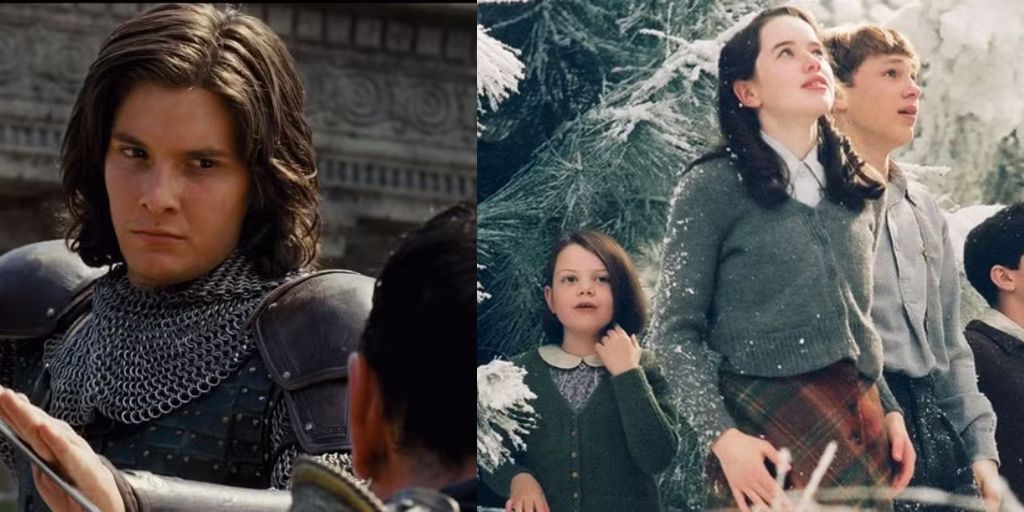
Still from The Chronicles of Narnia (Credit: Disney+)
Despite these challenges, Andrew Adamson’s passion for the material shines through in Prince Caspian. The film faced tough competition at the box office, struggling to stand out against popular films like Iron Man and The Dark Knight. While it may not have achieved the same level of success as the first film, Prince Caspian remains an important part of the Narnia saga.
1. ‘The Chronicles of Narnia: The Voyage of the Dawn Treader’ (2010) The Final Installment
The third film, The Chronicles of Narnia: The Voyage of the Dawn Treader, was released in 2010 and directed by Michael Apted. This film faced significant challenges, including a change in direction and a shift in tone.
As the final installment of the original trilogy, it aimed to capture the spirit of Lewis’s work while introducing new elements to the story.
In The Voyage of the Dawn Treader, the story follows Edmund and Lucy, along with their obnoxious cousin Eustace Scrubb (Will Poulter), as they journey aboard the Dawn Treader with Prince Caspian. Their mission is to find the seven lost lords of Narnia and restore peace to the kingdom.
The Challenges of Direction and Cast Changes
The change in directors impacted the film’s tone and execution. Michael Apted, known for his work in other successful films, stepped in after Andrew Adamson. However, Apted’s approach to the material did not capture the same playful spirit that characterized the earlier films.
The film’s pacing felt uneven, and the narrative struggled to maintain momentum as it tried to incorporate various storylines and themes.
Additionally, the cast changes affected the film’s dynamics. While Keynes and Henley reprised their roles, the absence of Peter and Susan diminished the sense of unity among the Pevensie siblings.
Eustace, while a compelling character in the books, comes off as irritating in the film, which detracts from the full experience. His personality clashes with the established dynamics of the Pevensie siblings, making it harder for audiences to connect with the group.
Themes of Courage and Redemption
Despite its flaws, The Voyage of the Dawn Treader shows themes of courage, redemption, and the importance of friendship. The film’s emphasis on personal growth resonates with audiences. Eustace’s journey from a self-centered boy to a brave companion serves as a reminder that anyone can change for the better.
The film also highlights the importance of faith and perseverance. The characters face numerous challenges, including confronting their fears and insecurities. These moments create opportunities for character development and deeper emotional connections with the audience.
While The Voyage of the Dawn Treader may not have reached the same heights as its predecessors, it still offers valuable lessons about courage, loyalty, and the power of friendship.
The Legacy of The Chronicles of Narnia Films
Although the Narnia films faced challenges in their adaptations, they have left a lasting impact on the fantasy genre. They introduced a new generation to C.S. Lewis’s timeless stories and opened the door for further adaptations in the future.
Fans of the books often hold high expectations for future adaptations, including potential reboots or new interpretations. Greta Gerwig, known for her acclaimed work in recent films, has been linked to a possible Narnia project. Many fans hope that her vision will be more faithful to the source material and capture the magic that Lewis intended.
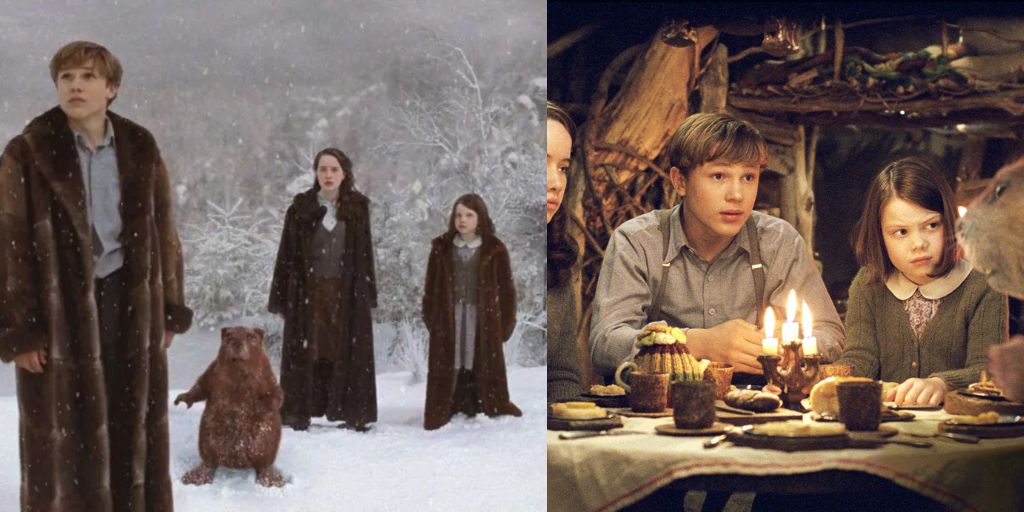
Still from The Chronicles of Narnia (Credit: Disney+)
The Narnia films continue to inspire discussions about storytelling, themes of good versus evil, and the importance of family. The legacy of these adaptations remains strong, reminding viewers of the enduring power of Lewis’s imagination.
The Chronicles of Narnia films have a special place in the hearts of many viewers. They offer a view into a magical world filled with adventure, moral lessons, and unforgettable characters. While the adaptations faced their share of challenges, they succeeded in bringing the essence of C.S. Lewis’s stories to life.
From the enchanting views to the memorable performances of the Pevensie siblings, these films invite audiences to go on their own journeys through Narnia. As fans look to the future, there is hope that new adaptations will continue to show the rich themes and narratives that make The Chronicles of Narnia a beloved classic.
Whether you are revisiting the films or discovering them for the first time, the world of Narnia awaits, filled with wonder, courage, and the promise of adventure.
Stranger Eyes tackles a topic that is often dealt with in films today: how technology, social media, and surveillance affect our privacy and humanity. The movie examines how we watch each other’s lives and how this can lead to mysteries and thrills.
People enjoy films that show how we can sneak into the lives of others, and technology now makes this easier than ever. But, even with such an interesting topic, Singaporean writer-director Yeo Siew Hua’s Stranger Eyes does not manage to offer anything new or disturbing with its story.
At the heart of the film is the story of a kidnapped child. Her parents try to find her while dealing with how much we can learn about strangers just by watching their lives. The film also touches on how vulnerable people are because of the constant surveillance happening all over the world.
But it quickly moves towards a different angle, becoming somewhat similar to the film One Hour Photo, where a lonely man is led into invading the privacy of others due to his isolation. Though comparing a movie to One Hour Photo isn’t necessarily a bad thing, it’s not a compliment either when a movie from 20 years ago handled the same idea much better.
Stranger Eyes feels old and doesn’t seem to have anything significant to say. It would be fine if the film managed to create a chilling atmosphere to make up for its lack of a solid plot or strong social message, but sadly, this is not the case.
The movie opens with a happy scene. A couple, Junyang (played by Wu Chien-ho) and Peiying (played by Anicca Panna), are playing with their baby daughter, Little Bo, while filming a home video. The child is loved and cherished by her parents. Though the scene is joyful, it is clear that this happiness is in the past, and things have since changed.
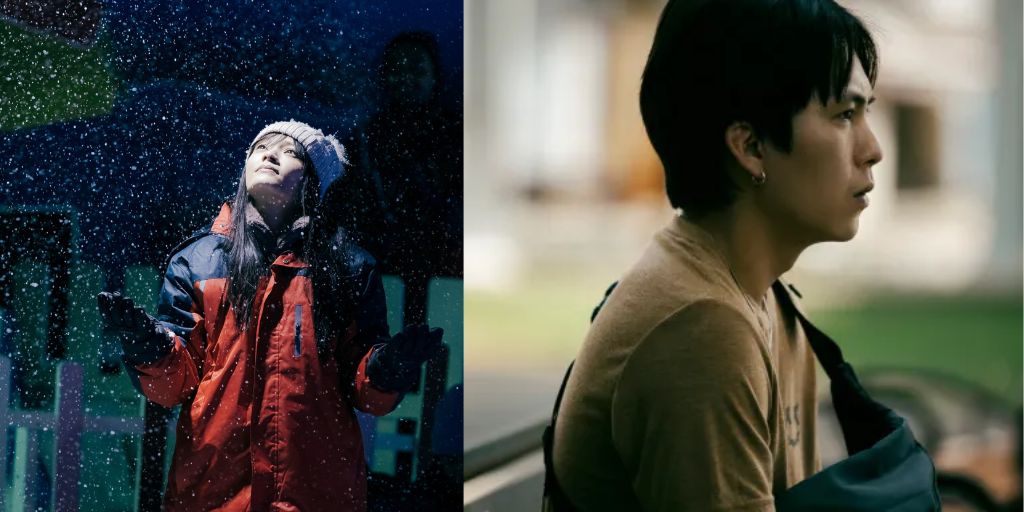
The film then cuts to the present day. Peiying is now detached and watches the old home videos over and over, trying to find something, anything, that can give her clues about what happened. Little Bo was kidnapped while Junyang was watching her at a public playground.
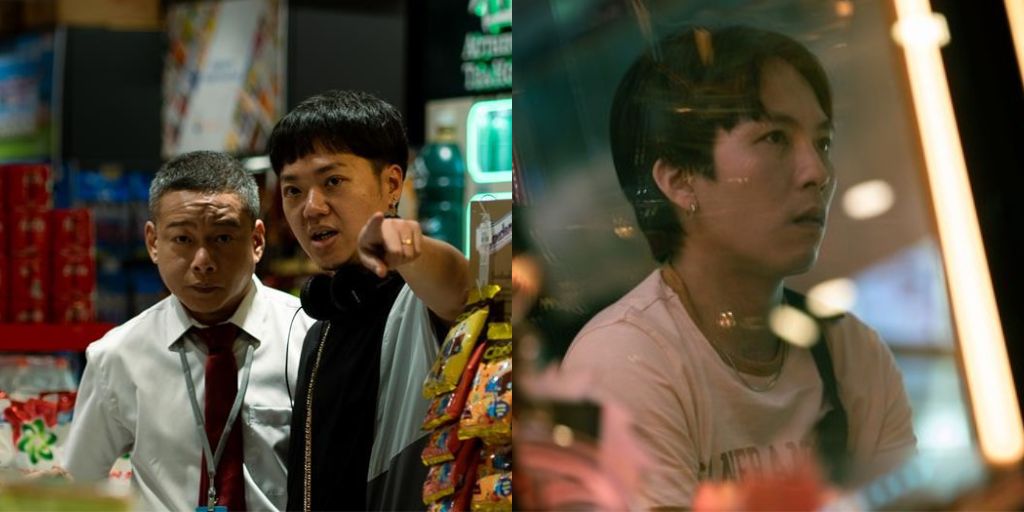
Still from the movie (Akanga Film Productions)
He got distracted by a phone call, and in that moment, Bo was taken. Peiying spends her days blankly staring at the videos, hoping for answers. Junyang, on the other hand, meets with his mother, Shuping (played by Vera Chen), who continues to hand out flyers of Bo to people, hoping someone has seen her. Shuping’s actions, while understandable, end up scaring other mothers.
The family’s despair and hopelessness are clear from the start, and it seems like all hope of finding Bo is lost. Then something strange happens. The family starts receiving DVDs that show shaky footage of Junyang shopping with Bo before she disappears.
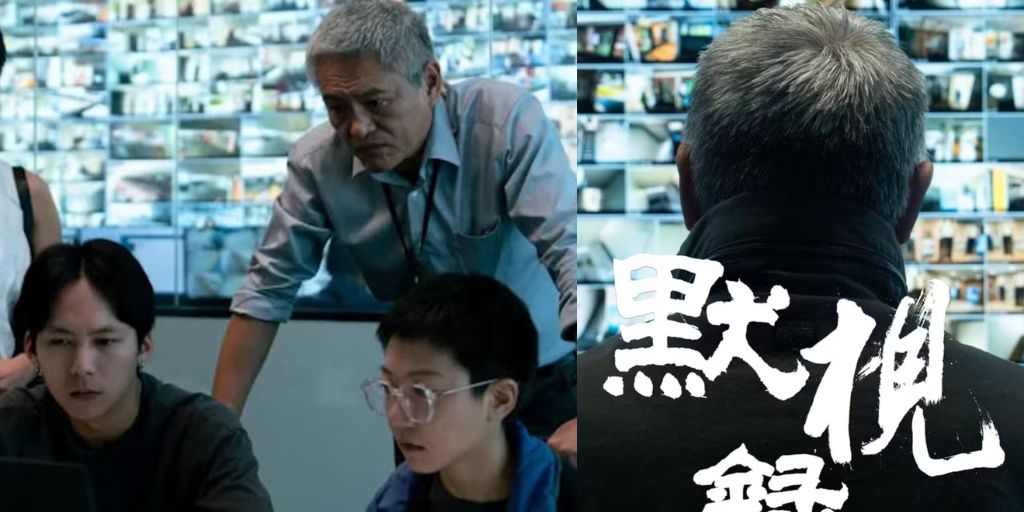
Another DVD arrives, showing Junyang the day before Bo’s kidnapping, where he is seen following a young mother whose child looks like Bo. The family is shaken by this, as they believe the person sending these DVDs might be the one who kidnapped Bo. Soon, the person behind the DVDs is revealed—it’s the lonely grocery shop manager, Wu (played by Lee Kang-sheng).
The movie then shifts its focus to Wu, and we begin to understand why he started following and filming the couple without their knowledge. The film takes us through the lives of the various unhappy characters, and the boundary between what’s public and what’s private begins to blur.
Stranger Eyes is a film filled with sadness. Every character in the movie seems to be broken and beyond repair. This makes sense for Junyang and Peiying, who are going through the nightmare of losing their child. However, the movie’s very dark tone never changes, making it hard to watch.
While the plot seems like it could be a gripping mystery, following a detective determined to find the missing child, Bo’s disappearance takes a backseat to the movie’s focus on lonely, depressed characters. The film promises a huge, serious event— a missing child— but then drifts off into the quiet, sad lives of its characters.
By the time the movie reveals what actually happened to Bo, the audience may not care anymore, as watching the film feels like a long test of patience. The movie moves back and forth between different characters, showing their individual lives and how they are connected.
Still from the movie (Akanga Film Productions)
The film expects the audience to be deeply interested in these characters, but the problem is that most of them are only defined by their sadness and personal tragedies. The female characters, like Peiying and Shuping, are given more life and depth. They manage to break through the cold and despairing atmosphere of the movie.
But the story focuses much more on the two male leads—Junyang and Wu—who are not engaging enough to carry the film for its long two-hour run. There’s a twist in the movie’s final act, but it concerns a new character who is only introduced shortly before, another sign that the film expects viewers to care more about the characters than they do.
The theme of how interconnected our lives are, even when we feel completely alone, is interesting, especially in today’s world where social media makes it impossible to escape other people’s lives. But Stranger Eyes doesn’t do much with this idea. Instead, it drifts through its story without direction, and the plot feels far removed from the film’s beginning.
The movie seems confused about what it wants to be. It’s written like a mystery-thriller, but directed like a slow, tragic drama. This mismatch, along with the stiff direction of Yeo Siew Hua, makes for a movie that fails to grab the audience.
Since Stranger Eyes is about being watched and recorded, it takes a filmmaking approach similar to found footage rather than a big-screen thriller. Yet, as the camera follows behind the characters, it loses its connection to the story, making it feel as if there’s no clear reason or purpose for many of its scenes.
Because most of the characters are defined by their sadness and tragedy, it’s difficult to make them feel lively. Wu Chien-ho, as Junyang, is not the most engaging lead. He barely reacts to the major events in the movie, making the audience feel as disconnected as he does.
Anicca Panna as Peiying and Vera Chen as Shuping, on the other hand, bring more depth and emotion to their roles. They manage to show anger, sadness, and pain in a way that feels real, bringing some much-needed emotion to a film that often feels empty.
Lee Kang-sheng tries his best to make Wu a sympathetic character. He succeeds in showing Wu’s deep loneliness, and his performance is heartfelt and sad in every scene. But the film doesn’t find Wu’s character enough, leaving us without a clear understanding of why someone like him would invade the lives of others without being portrayed as a clear villain.
Stranger Eyes feels outdated. With a story that revolves around timely issues, like the impact of social media on our privacy, the film barely touches on the most frightening aspects of these topics. It misses out on showing how much social media lets strangers see into our lives and how watching others’ seemingly perfect lives can make people feel worse about their own.
Still from the movie (Akanga Film Productions)
While there are hints of a better story here, the film’s lack of emotion and its scattered plot make it feel like a lifeless mystery thriller.
Stranger Eyes is a film that attempts to find heavy themes such as loss, surveillance, and the loneliness that can arise in a world where privacy is constantly under threat. Despite a compelling premise, the movie falls short of delivering a truly engaging or unsettling experience.
The pacing feels slow, and the characters remain detached, making it difficult for the audience to connect with their struggles. The film’s narrative jumps between the personal tragedies of its characters but fails to give them the depth needed for viewers to care deeply about their stories.
While there are moments where the film hints at the unsettling nature of being watched and recorded, it never fully embraces the psychological tension that could have made it more impactful.
The performances of Anicca Panna and Vera Chen stand out, bringing emotional weight to their roles and providing a much-needed sense of humanity in a movie that often feels cold and distant. Lee Kang-sheng also delivers a sorrowful portrayal of loneliness, but the lack of character limits the impact.
Stranger Eyes ultimately leaves viewers with a sense of missed opportunity, offering a story that could have gone deeper into the complexities of modern surveillance culture but instead remains emotionally flat and directionless.
In addition, the film’s inability to balance its dramatic elements with the thriller aspect contributes to its complete lack of momentum. Stranger Eyes teases the possibility of tension and mystery but never fully develops these aspects, leaving the audience unsatisfied.
Despite its artistic intentions and social commentary, it ultimately lacks the emotional depth and narrative drive required to leave a lasting impression.
Although the film’s melancholic tone and themes resonate with contemporary concerns about privacy and technology, they fail to be compelling enough to make Stranger Eyes an impactful experience.
