Prime Video’s The Lord of The Rings: The Rings of Power is a recent project inspired by J.R.R. Tolkien’s Middle-earth. It shows a different time period, giving a fresh story about the creation of the Rings of Power. While the series is new, it has familiar elements. It includes established characters, references to well-known events, and many backstories that Tolkien fans might recognize. The show acts like an unofficial prequel.
One storyline takes viewers to Númenor, a civilization that has vanished by the time of the War of the Ring but is still present, though declining, in The Rings of Power. The series hints at Númenor’s fall, with former Queen Regent Miriel (Cynthia Addai-Robinson) knowing of a prophecy about the doom of Númenor.
The prophecy says it will start with the arrival of an elf. This hints at Galadriel (Morfydd Clark), who arrives in Númenor in Season 1. Along with finding Númenor’s lore, the prophecy introduces a familiar element: a palantir!
Fans of Tolkien’s works know about palantiri, which are spherical crystals with great power. They let their master see beyond their own time. The word “palantir” means “far-sighted” in Quenya, the Elvish language. Palantiri are important in The Lord of the Rings and are shown to have influenced Middle-earth’s history before the Rings of Power.
Tolkien created the Seven Stones, which are linked to the Seven Stars symbol that Elves believed signaled Morgoth’s downfall. The history of these artifacts is not fully known, but Tolkien mentioned that Elves gave some to the Númenorean Faithful. This makes the presence of a palantir in The Rings of Power logical.
According to the story, powerful palantiri were made by Elves of Valinor in the First Age. By the time of The Lord of the Rings, during the Third Age, only a few had not been damaged by time. This is also seen in Peter Jackson’s film trilogy.
Tolkien wrote that many palantiri were made, but after Númenor’s destruction, Elendil (Lloyd Owen in The Rings of Power) brought only seven to Middle-earth, spreading them among the surviving Númenoreans. These seven include the Osgiliath stone, the Annúminas-stone, the Itnil-stone, the Orthanc-stone, the Anor-stone, the Amon Sûl-stone, and the Elostirian stone, also known as Elendil’s Stone. The Elostirian stone cannot communicate with the other stones.
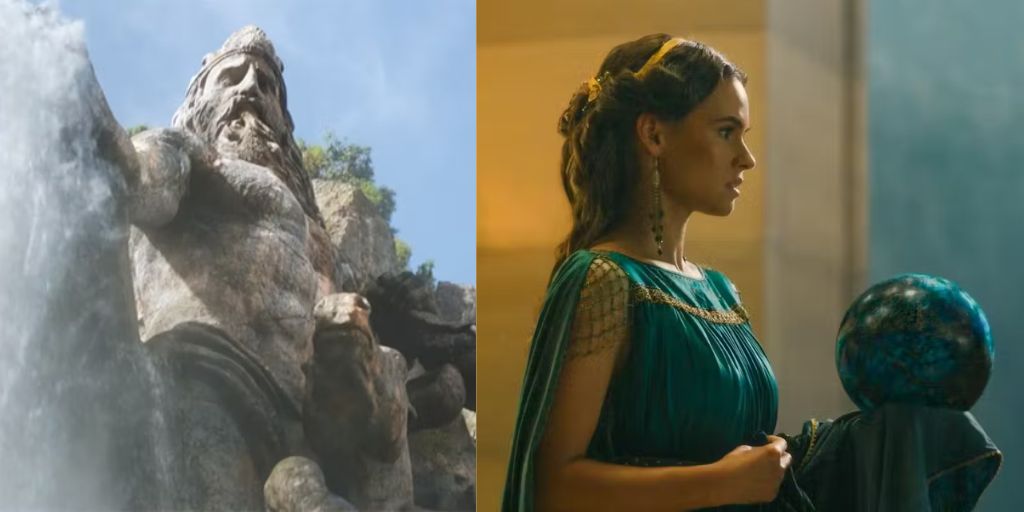
Still from the show (Amazon Prime)
Palantiri may not look impressive at first glance, but they are powerful. Tolkien described them as black crystals of various sizes, from one foot to sizes needing several people to move. They allow communication between users and the ability to see events from the past or future.
The palantiri respond to their user’s power. The user can see what they wish if they have a strong will and mind. If the stones are placed in good locations, they can see anywhere in the world. However, the palantiri do not show sound and only communicate through thoughts.
Although palantiri do not lie about events, those with bad intentions can use them to show half-truths by hiding context. This can lead to misunderstandings and chaos. The palantiri have influenced Middle-earth’s history in several ways. All seven known Seeing Stones should be in Númenor for Elendil to save, but so far, only one has appeared in The Rings of Power.
The stone owned by the dying king of Númenor, Tar-Palantir (Ken Blackburn), shows a dark future for Númenor. Miriel sees the island submerged and destroyed. She hopes to change this fate with Galadriel’s arrival, even though the vision continues to be grim.
At the end of Season 1, Elendil’s daughter, Eärien (Ema Horvath), finds the King’s palantir. She loses trust in Miriel and uses the palantir against her. The palantiri were gifts from the Elves, but most Númenoreans have abandoned the old ways. Eärien’s use of the palantir turns Númenor against Miriel, allowing Pharazôn (Trystan Gravelle) to take control.
In Season 2, Episode 5, “Halls of Stone,” a different vision from the palantir appears. Elendil sees himself leaving the city instead of Númenor’s destruction. This changes Miriel’s long-held hope that Númenor’s fate might be different. Elendil represents hope for Númenor as he survives and takes the palantiri to safety.
While the palantiri in The Rings of Power have not been used for evil so far, their power can be dangerous in the wrong hands. Sauron uses palantiri for his gain, influencing visions to control others. In The Lord of the Rings, Sauron uses the stones to monitor and weaken his enemies. For example, he influences Saruman to build an army and tricks Denethor into despair, leading him to suicide.
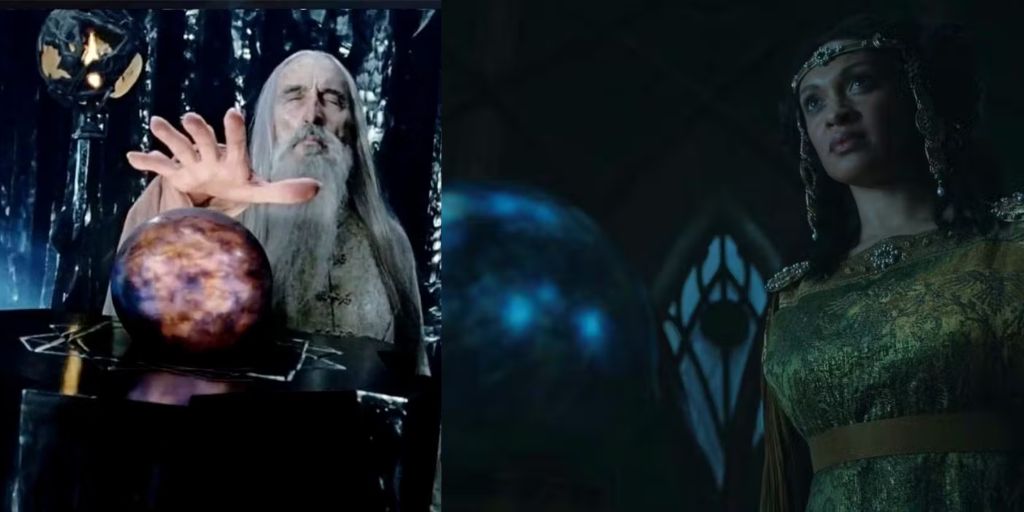
Still from the show (Amazon Prime)
In The Two Towers, when Pippin steals a palantir from Gandalf, it leads to mistakes and wrong assumptions by Sauron. Sauron believes the One Ring is with Pippin and that Saruman has captured him. This leads Sauron to think he has almost won.
When Aragorn looks into Saruman’s palantir, Sauron wrongly believes that Aragorn has won and stolen the ring and palantir. This is far from the truth as Frodo holds the ring. Aragorn challenges Sauron, who retrieves his forces and turns away from the battle. This mistake allows Frodo to proceed and leads to Sauron’s further defeat.
Palantiri can be used for evil, but their impact depends on who uses them. Though none have fallen into Sauron’s hands in The Rings of Power, their potential for misuse remains high. The palantiri have already proven to be influential, showing their deceptive nature.
In The Rings of Power, while the stones have not yet reached their full potential for causing harm, their presence adds a layer of intrigue and danger to the story. They are tools of immense power that reflect the complexity of the world Tolkien created.
Their ability to reveal visions, manipulate perceptions, and influence outcomes demonstrates their significant role in Middle-earth. As the series progresses, the use and misuse of the palantiri will likely play a critical role in shaping the narrative and the fate of its characters.
Season 1 of Tulsa King, one of Taylor Sheridan’s projects outside the Yellowstone series, came as a surprise. When the show first aired, the tone of the gangster-in-a-small-town story was uncertain. The tagline could suggest a serious crime drama like Sons of Anarchy, or it could hint at a comedy-drama like Fargo or even a simple farce.
Season 1 introduced Dwight Manfredi, played by Sylvester Stallone, who had just finished a 25-year prison sentence for the Invernizzi crime family. After his release, he is sent to Tulsa to set up a mob presence. However, events lead him to cut ties with his old mob and build his own family from scratch.
The series stood out by focusing on the concept of a “chosen family” in Dwight’s growing criminal organization. This allowed for both serious antagonists and moments of lighter, less intense drama. Season 1 ended with Dwight opening a casino and being arrested by the ATF, setting up plenty of drama for Season 2.
What is ‘Tulsa King’ Season 2 About?
Season 2 of Tulsa King follows Dwight’s efforts to expand his business in Tulsa while trying to avoid charges from the ATF, deal with his old mob family, and face new enemies who challenge his growing ambitions.
Dwight’s plan to expand into the marijuana business clashes with local businessman Carl Thresher, played by Neil McDonough, and Kansas City mobster Bill Bevilaqua, played by Frank Grillo.
Bevilaqua strongly opposes Dwight’s presence on his turf. In the first three episodes of the season, Dwight battles legal troubles, plans his next steps for expanding his business, and deals with these new threats.
‘Tulsa King’ Season 2 Brings New Challenges But Struggles With Its Tone
Most of the characters from Season 1 return, and Sylvester Stallone remains entertaining as Dwight, the charming but determined mobster. One of the most interesting aspects of the show is the “chosen family” that Dwight builds.
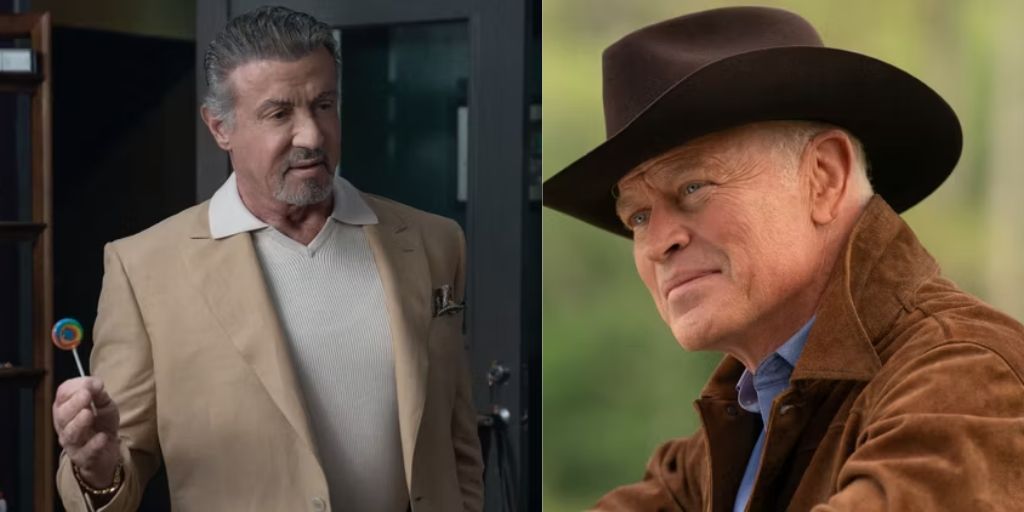
Still from Tulsa King (Credit: Paramount+)
His criminal organization includes a wide range of people, from marijuana expert “Bodhi” Geigerman, played by Martin Starr, to driver Tyson Mitchell, played by Jay Will, and bar owner Mitch Keller, played by Garrett Hedlund.
These characters are very different from traditional mobsters, which leads to unique and often charming interactions. This also gives Stallone’s character room to grow.
Season 2 keeps this charm, as the odd mix of characters work together to find new ways to make money. Their skills and backgrounds lead to some creative criminal ventures beyond the usual mob activities.
The new antagonists in Season 2 appear to be serious obstacles to Dwight’s goals. Neil McDonough is no stranger to playing villains, and his character, Carl Thresher, is both militant and dangerous. Frank Grillo’s Bill Bevilaqua is introduced only briefly in the first three episodes but seems to be taking a very aggressive approach.
This sets up an interesting contrast between Bevilaqua’s intense, unstoppable character and Dwight’s more relaxed but firm personality. It looks like these two characters will have some major confrontations as the season progresses.
The first three episodes of Season 2 focus on introducing these new conflicts and dealing with the ATF charges that ended Season 1. This has both positive and negative aspects. On one hand, it’s a good way to set up strong, memorable antagonists.
On the other hand, the ATF legal storyline isn’t the most exciting part of the show. Since Tulsa King isn’t a legal drama, there’s not much to keep the audience engaged when the focus shifts to the courtroom. It’s hard to believe the show would send Dwight back to jail after spending so much time there in Season 1.
Because of this, the start of Season 2 sometimes feels like it’s just waiting for the main story to begin. The show is at its best when it focuses on the new villains, Dwight’s next moves, and resolving old conflicts.
Episode 3 is the strongest so far and builds good momentum for the rest of the season. However, some moments feel out of place, or as though the show is trying too hard to make the audience smile.
For example, in Episode 2, a real-life Nashville rapper appears as a janitor who sings while cleaning. While the scene isn’t bad, it doesn’t seem to have any real purpose unless this character returns later. The scene feels like a staged music video, and the reactions of the characters are overly happy.
This kind of scene didn’t work when Ed Sheeran appeared in Game of Thrones, and it doesn’t work here either. While this is the most obvious example, other moments in the early episodes also feel too lighthearted. Tulsa King Season 2 shows promise but could face some challenges in keeping its tone consistent.
‘Tulsa King’ Season 2 Needs a Strong Storyline to Succeed
Season 1 of Tulsa King was a fresh take on mob dramas. It successfully balanced the threat of real danger with moments of humor and charm. Season 2 seems on the right track, with possibly even more dangerous villains.
However, the show has not yet found the same balance in its tone during the first half of the season. Stallone’s character, Dwight, remains engaging, and the people around him help to bring out the best in him by encouraging more creative criminal activities instead of just increasing the violence.
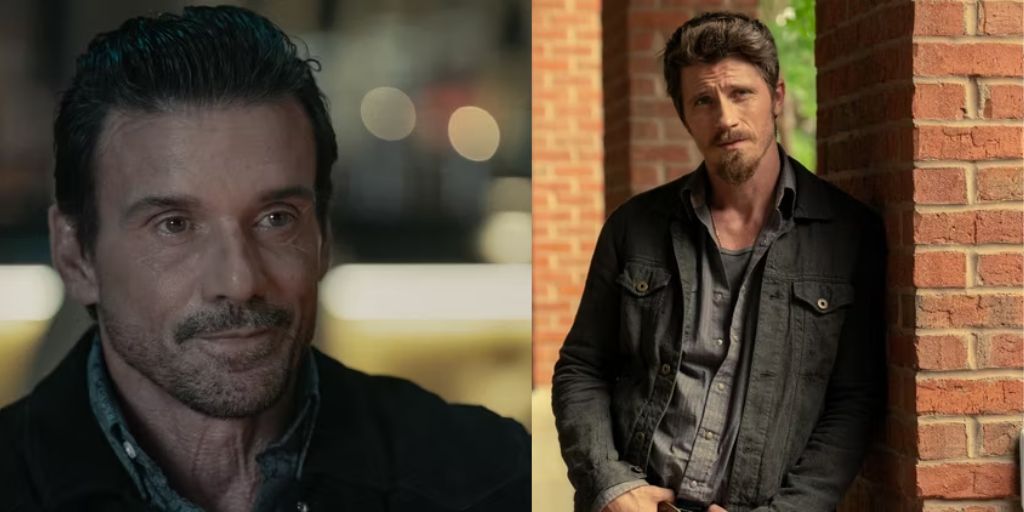
Still from Tulsa King (Credit: Paramount+)
Some moments try too hard to be lighthearted, but the show works best when those moments come naturally from the characters.
It’s a solid start to a season with all the pieces for an excellent second half, though it may take some time to come together fully. There is plenty of room for drama as the season builds, and we hope the show will finish as strongly as it started.
Tulsa King Season 2 premieres on September 15 on Paramount+.
