Ryûsuke Hamaguchi’s Evil Does Not Exist immediately sparks conversations, thanks to its intriguing title and the events that unfold. Even before watching the film, the title alone raises questions. The phrase “Evil Does Not Exist” feels like an unlikely statement that contradicts how most people perceive the world. The deeper one gets into the film, the more these themes unfold, especially with the characters’ actions that cause harm to others. However, it’s the ending that leaves the biggest mark, provoking a whirlwind of debate and multiple interpretations.
Hamaguchi is known for his complex, thought-provoking endings, as seen in his Best Picture Oscar nominee Drive My Car . That film concludes with a long, reflective sequence, leaving much of its meaning to be pondered over time. Similarly, Evil Does Not Exist brings a sharp focus on a 20-minute scene involving a community’s objections to a planned luxury development. The abrupt and surprising ending of Evil Does Not Exist leaves viewers questioning what they just witnessed, stirring up even more questions about its meaning and intentions.
Evil Does Not Exist Ending Explained
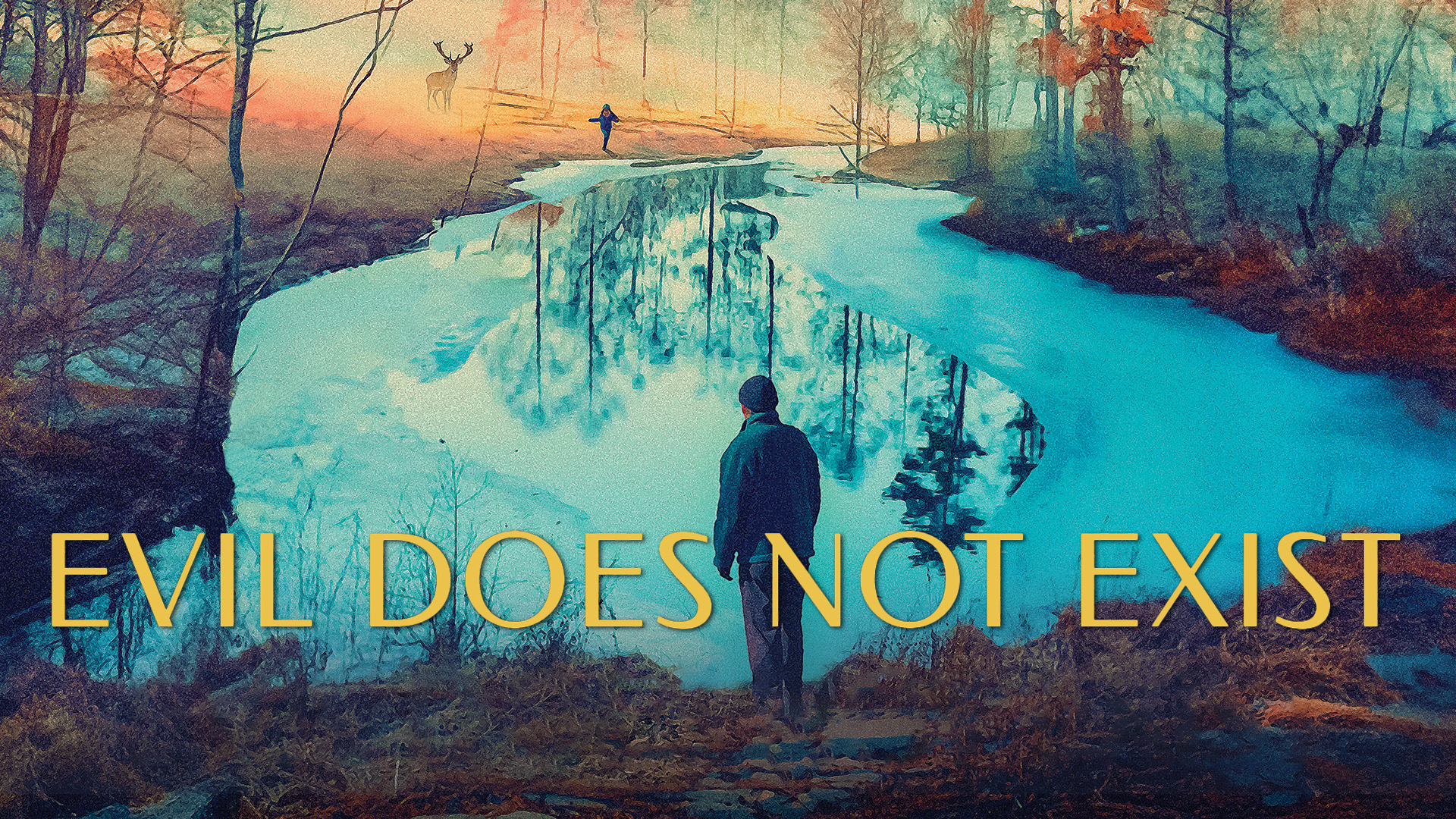
Evil Does Not Exist (Image via Getty)
The film is set in Mizubiki, a small rural village under threat of disruption from developers planning a luxury camping site. During a town hall meeting, locals present well-thought-out objections to the project, impressing the developers, Takahashi and Mayuzumi. However, Takahashi and Mayuzumi discover that their boss isn’t concerned with the project’s sustainability or profitability. Instead, his main focus is to secure pandemic-era development grants by meeting a looming deadline.
As the developers continue their work, they connect with Takumi, a widower from Mizubiki, raising his young daughter Hana on his own. Takumi is a quiet man deeply connected to nature, a fact that intrigues Takahashi, who envies him and dreams of living a similar life. However, the peaceful atmosphere is disrupted when Hana goes missing. The town rallies together in search of her, and eventually, Takumi and Takahashi find her lying in a field, having been attacked by a wounded deer.
In a stunning moment, Takumi turns on Takahashi, strangling him before grabbing Hana’s body and running. Takahashi stumbles through the field before falling and lying motionless. The film leaves viewers wondering whether Takahashi or Hana is dead, and Hamaguchi himself admits that he intended to keep these elements open for interpretation. The director wanted the film’s abrupt ending to spark reflection and conversation about the characters and their choices leading up to that moment.
Takumi’s Motivations Explained
To better understand Takumi’s sudden attack on Takahashi, Hamaguchi points to a conversation earlier in the film. Takumi tells the visitors that wounded deer, although usually harmless, can become dangerous when they’re in pain, especially when they’re protecting their young. This notion serves as a metaphor for Takumi himself, who is deeply wounded both by the impending destruction of his community and the harm inflicted on his daughter, partly due to his neglect.
Takumi, like the injured deer, lashes out irrationally. His violent reaction is not aimed at the source of his pain but rather at the nearest target: Takahashi. As the film unfolds, it becomes clear that Takumi has struggled with his role as a father. Hana’s presence in the woods alone, which leads to her encounter with the deer, highlights his failure as a caregiver. Takumi’s attack on Takahashi can be interpreted as an expression of desperation, an emotional breakdown triggered by the realization of his past mistakes.
Hamguchi aims to offer a nuanced portrayal of Takumi’s emotions and actions. The director hopes that viewers will return to the film after the surprising ending to reassess the character’s earlier behavior. He explains that each character in the film has a rich, untold life beyond what’s shown on screen. Even if Takumi’s actions seem extreme, Hamaguchi wants audiences to feel that, given Takumi’s circumstances, his behavior could be understood.
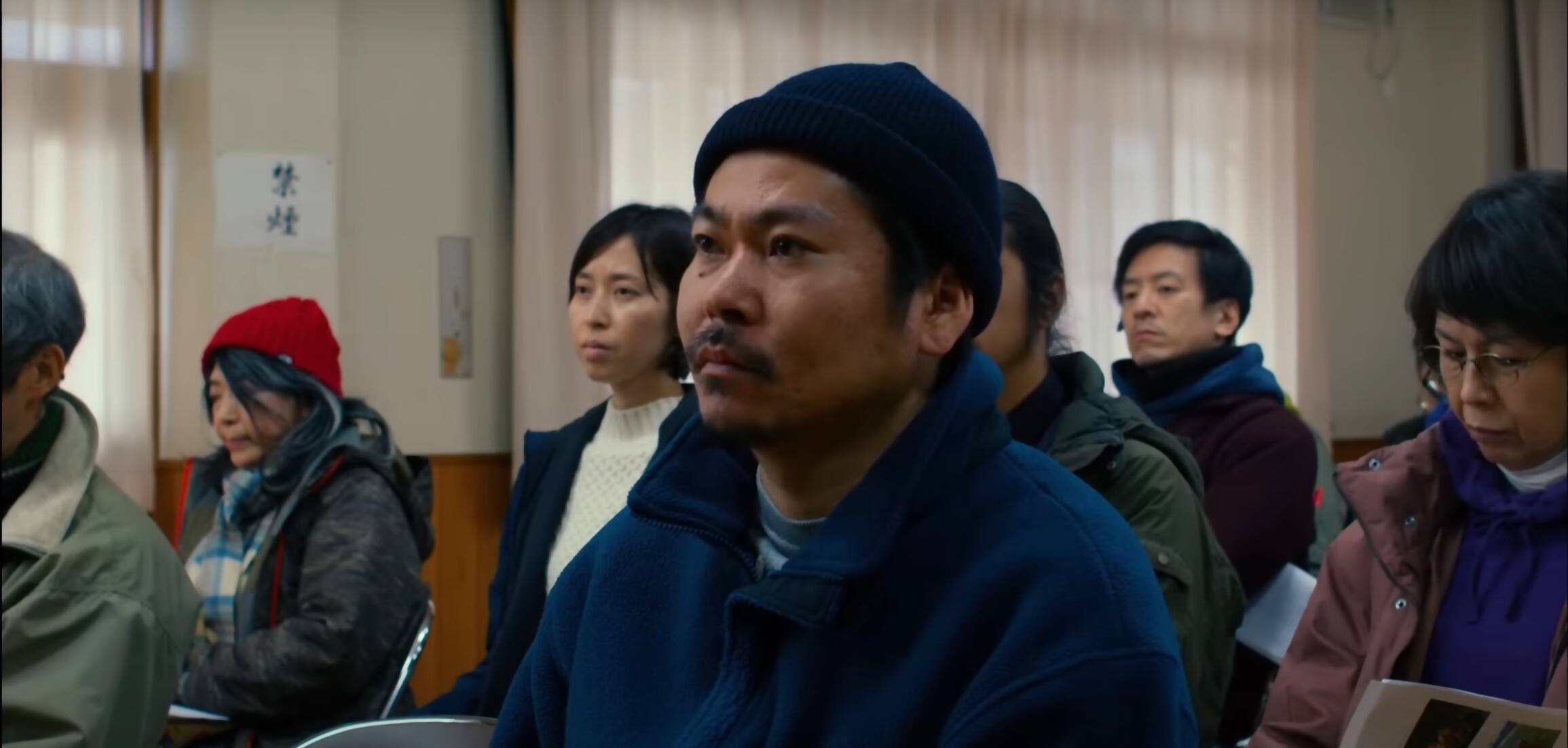
Takumi (Image via Getty)
The director views the ending as an invitation for deeper reflection. By leaving certain elements ambiguous, he encourages viewers to reexamine the narrative and challenge their interpretations of what they have just seen. This kind of open-ended conclusion allows for multiple readings, enriching the experience and offering room for debate.
Understanding Takumi’s Extreme Response
Hamaguchi compares Takumi’s behavior to a woman’s choice in Asako I & II , where a character’s seemingly misguided decision helps her understand herself. Similarly, Takumi’s violent act stems from his inner turmoil, frustration with his fatherly failures, and his struggle to protect his community. His attack on Takahashi challenges expectations and defends his community against outsiders.
Hamaguchi views Takumi’s actions as an instinctive, emotional response, much like an animal’s defense when cornered. The director invites viewers to interpret Takumi’s motivations in their way, leaving room for different conclusions.
The Significance of the Film’s Title
The title Evil Does Not Exist carries deep thematic weight. Originally intended as a short film, the title emerged before the full story was conceived. Hamaguchi recounts visiting the area where composer Eiko Ishibashi creates her music, surrounded by the tranquil beauty of nature. He realized that despite the harsh, cold winter he didn’t feel the presence of evil. The title was born from this observation and reflects a worldview that sees nature as neutral, not inherently malicious.
Hamaguchi acknowledges that human actions within society complicate this perspective. While nature itself is not evil, human behavior, especially in urban environments, can often be harmful. The developer in the film, who brings destruction for personal gain, embodies this human capacity for harm. Yet, Hamaguchi suggests that such choices, driven by desire, are also part of nature. This nuanced understanding of the film’s title challenges viewers to reconsider their assumptions about morality, good, and evil.
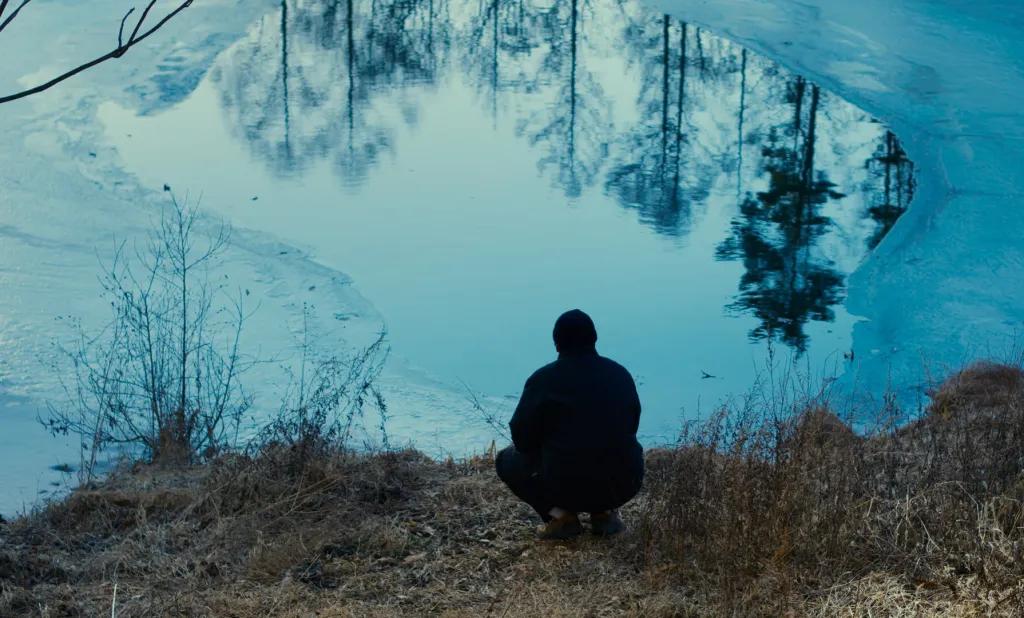
Takumi (Image via Getty)
Opening Scene and Its Connection to the Film’s Themes
The film opens with a four-minute tracking shot, looking upward at trees in a slow, steady motion. While this shot may seem disconnected from the film’s conclusion, it foreshadows the themes of perspective and understanding that Hamaguchi aims to explore. The camera’s controlled movement, which humans cannot replicate, offers a unique viewpoint that emphasizes the role of perspective in interpreting the world around us.
This opening shot, paired with the title, reinforces the film’s central message: nature is not inherently evil, and understanding the world requires a careful examination of one’s surroundings and experiences. As the film progresses, this concept of perspective becomes increasingly important, urging the audience to question their initial judgments and explore the complexities of the characters’ actions and choices.
Hugh Laurie, a renowned British actor, musician, and comedian, has an estimated net worth of $45 million. He gained global recognition through his portrayal of Dr. Gregory House on the Fox medical drama House , which aired for eight seasons from 2004 to 2012. The role brought Laurie significant accolades, including two Golden Globe Awards and numerous Emmy nominations. His fame extends beyond House , as Laurie is celebrated for his comedic talent in shows like Fry and Laurie , Blackadder , and Jeeves and Wooster . Additionally, Laurie has appeared in several other projects, including Veep and Chance , further solidifying his versatility.
Laurie’s talents extend beyond acting into the world of music. He is an accomplished musician with a deep passion for blues and jazz. His musical career includes the release of two albums, Let Them Talk (2011) and Didn’t It Rain (2013), both of which were met with critical acclaim. As a multifaceted artist, Laurie’s music and acting have intertwined, enriching his career and appealing to fans of both mediums.
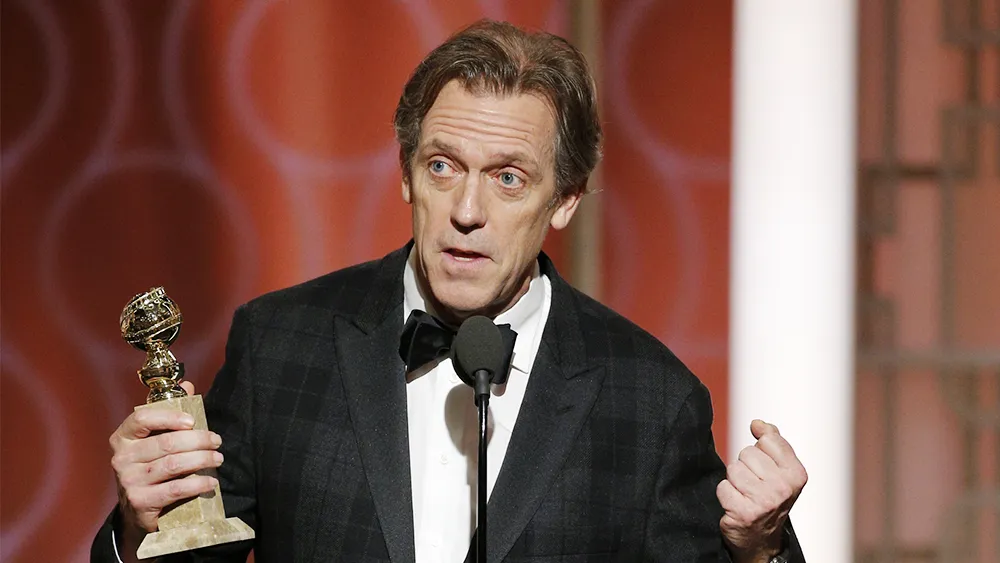
Hugh Laurie (Image via Getty)
Aside from acting and music, Laurie also demonstrated his literary capabilities with the release of his debut novel, The Gun Seller (1996). His creative pursuits go beyond the screen and stage, including a strong commitment to various charitable causes, particularly those focused on health and education.
House Salary: How Much Did Hugh Laurie Earn from the Show?
Hugh Laurie earned a significant income from his role in House , particularly in the later seasons. During several mid-series seasons, Laurie made $300,000 per episode, equating to approximately $7 million per season. At his peak, Laurie’s salary reached an impressive $700,000 per episode, which amounted to around $16 million annually for at least three seasons. His financial success with House was a key factor in building his considerable net worth.
Early Life and Educational Background
Born on June 11, 1959, in Oxford, England, Hugh Laurie was the youngest of four children. His father, William George Ranald Mundell “Ran” Laurie, was a respected physician who also won an Olympic gold medal in coxless rowing during the 1948 London Games. Laurie’s upbringing in Oxford was marked by a strong academic and athletic influence, especially from his father.
Laurie attended the prestigious Eton College before continuing his education at Selwyn College, Cambridge, where he studied anthropology and archaeology. His early life was also shaped by his involvement in competitive rowing, a sport he excelled in during his youth. He was part of the junior coxed pair that won the British national title in 1977 and was a member of the British Youth Team for the Junior World Rowing Championships that same year. His intense training was a significant part of his life until glandular fever forced him to leave the sport.
Following his athletic career, Laurie joined the Cambridge Footlights, a dramatic society at the university, where he began to develop his passion for acting. This transition marked the beginning of his professional journey in the entertainment industry.
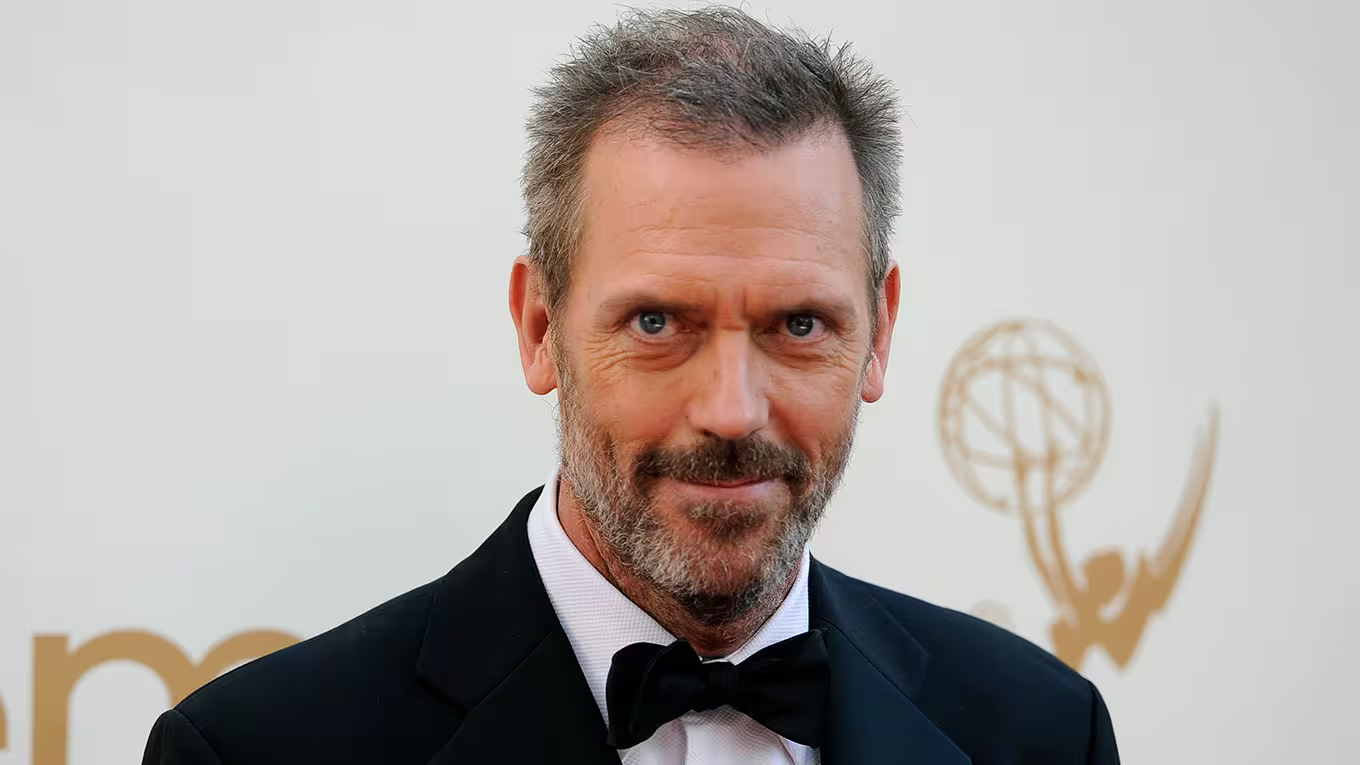
Hugh Laurie (Image via Getty)
Career Beginnings and Breakthrough
Laurie’s career in acting began in earnest in the 1980s when he joined the cast of Alfresco , a comedy sketch show for Granada Television. He worked alongside notable future stars such as Stephen Fry, Ben Elton, and Robbie Coltrane. This collaboration led to a long-running partnership between Laurie and Fry, which would come to define much of Laurie’s career. Together, they worked on projects like the BBC sketch series A Bit of Fry & Laurie and the beloved Jeeves and Wooster series, further cementing their status as comedy legends.
In the mid-1990s, Laurie’s career expanded into film, with notable roles in Sense and Sensibility (1995), 101 Dalmatians (1996), The Man in the Iron Mask (1998), and Stuart Little (1999). These films demonstrated Laurie’s range, showcasing his ability to transition between different genres with ease. Alongside his film work, Laurie continued to make appearances on television, appearing on shows like Tracey Takes On… (1996) and Friends (1998).
Laurie’s defining role, however, came in 2004 when he was cast as Dr. Gregory House in the medical drama House M.D. , a role that would transform his career and bring him international fame. Despite being British, Laurie delivered an American accent so convincingly that he was initially mistaken for an American actor during the audition process. His portrayal of the brilliant yet troubled doctor made him a household name, and he remained a fixture on the show for all eight seasons.
Other Major Roles and Achievements
After House , Laurie continued to find success in the television industry. From 2015 to 2019, he portrayed Tom James on Veep , earning widespread praise for his performance. He also starred as Eldon Chance in the series Chance from 2016 to 2017. In 2020, Laurie joined the cast of HBO’s Avenue 5 , further expanding his repertoire of work. Throughout his career, Laurie has accumulated over 100 acting credits, including roles in voice acting, such as his portrayal of Dr. Cockroach in the Monsters vs. Aliens franchise.
Laurie’s awards tally is just as impressive as his acting career, with numerous accolades to his name. He has won Golden Globe Awards for his roles in House M.D. (2006, 2007) and The Night Manager (2017). Additionally, Laurie has earned two Screen Actors Guild Awards for his work on House M.D. . His exceptional career has garnered recognition and admiration from critics and audiences alike.
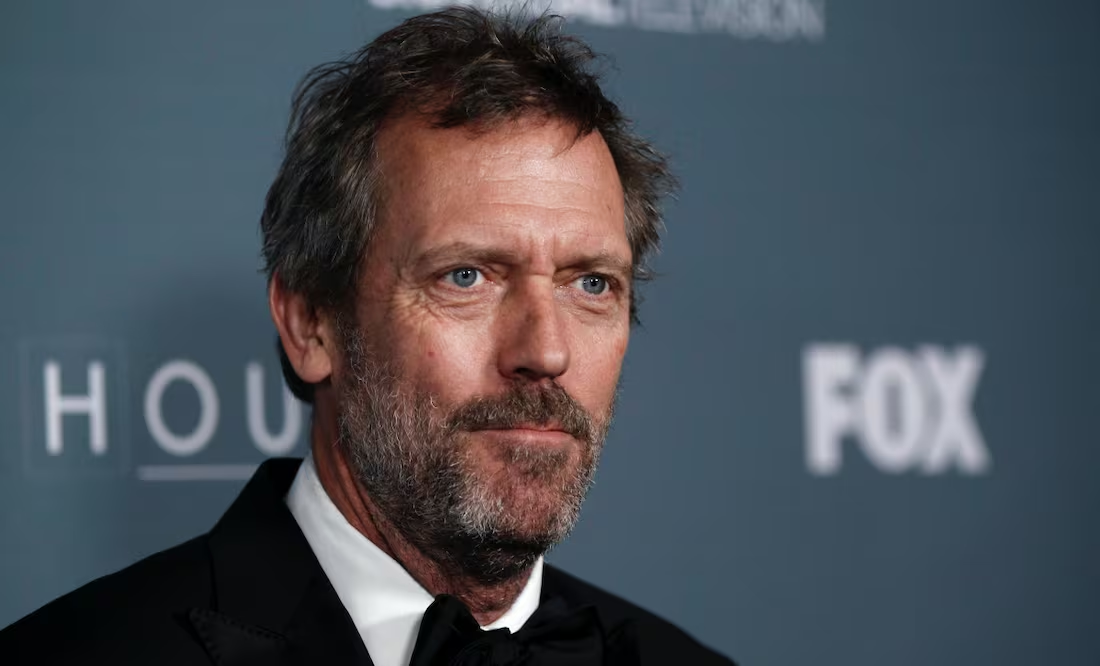
Hugh Laurie (Image via Getty)
Ventures Beyond Acting: Music and Writing
Hugh Laurie’s career isn’t confined to the acting world alone. A skilled musician, Laurie began learning the piano at the age of six. Over the years, he expanded his musical abilities to include instruments like the guitar, drums, harmonica, and saxophone. He also became a vocalist and keyboard player for Band From TV, a charity rock group based in Los Angeles. Laurie’s musical endeavors culminated in the release of his debut blues album, Let Them Talk (2011), followed by Didn’t It Rain (2013). Both albums were well-received and showcased Laurie’s deep appreciation for the blues genre.
Hugh Laurie’s personal life reflects his grounded nature despite his public fame. He married Jo Green, a theater administrator, in 1989. Together, they have two children, and Stephen Fry, Laurie’s long-time collaborator, was both the best man at their wedding and the godfather of their children. Laurie’s achievements have been recognized by the British government, as he was made an Officer of the Order of the British Empire (OBE) in 2007 and later advanced to Commander of the Order of the British Empire (CBE) in 2018. He also received a star on the Hollywood Walk of Fame in 2016, solidifying his status as a respected figure in the entertainment industry.
