A fan-driven anime adaptation of the legendary manga Berserk has come to an abrupt halt after facing legal action from the copyright holders. The highly anticipated project, created out of admiration for Kentaro Miura’s iconic work, was canceled due to copyright infringement concerns, leaving fans disappointed and reigniting discussions on the boundaries of fan creativity.
The incident has sparked a heated debate within the anime community, with some defending the rights of creators while others argue that fan-driven passion projects deserve more leniency. As copyright enforcement becomes increasingly strict, fan-made content may face more hurdles, raising questions about how intellectual property laws impact artistic expression and community-driven projects.
Fan-Made Berserk Project Canceled
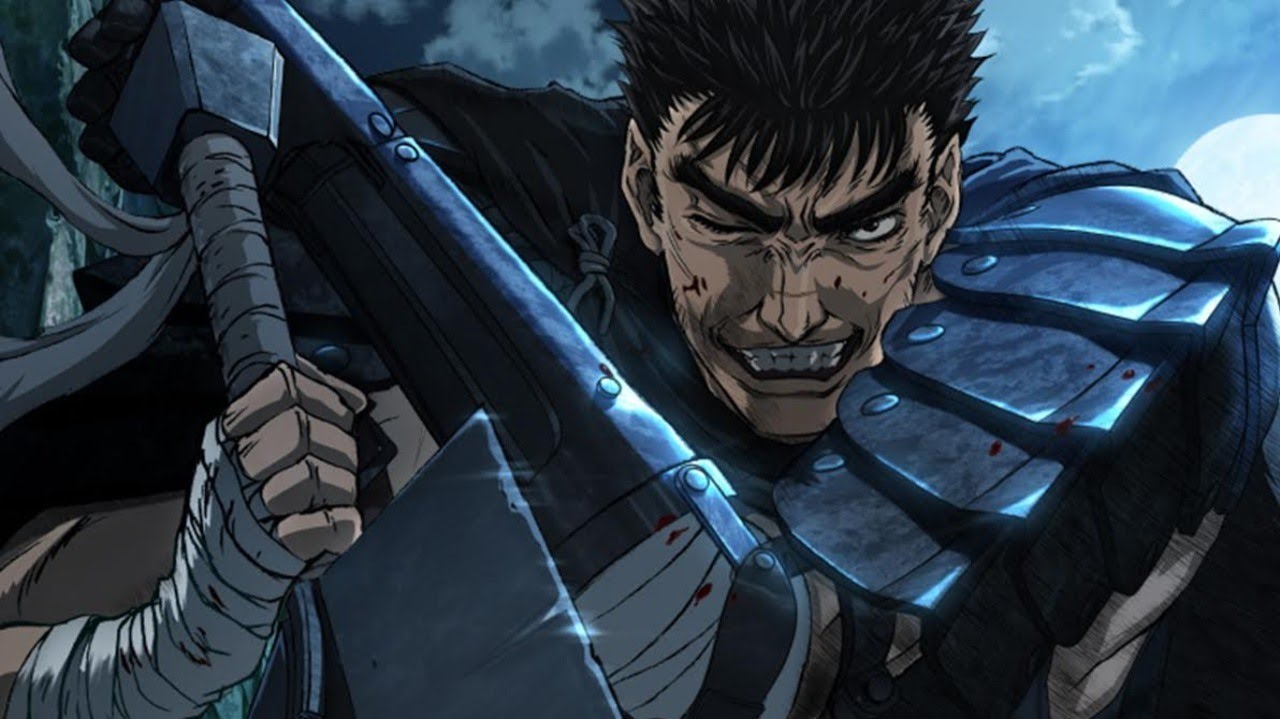
Berserk
A group of dedicated fans had been working on an unofficial anime adaptation of Berserk, aiming to bring Miura’s dark fantasy masterpiece to life in a way that many felt was missing from previous adaptations. However, the project was abruptly canceled following legal intervention from the rights holders, who moved to protect their intellectual property.
The sudden shutdown disappointed fans who had been eagerly following the progress of the project. While unofficial adaptations are nothing new, this case has highlighted the risks involved in developing fan content without authorization from copyright holders. It serves as a reminder of the legal complexities surrounding unofficial works.
The primary reason behind the project’s cancellation was copyright infringement, as it was developed without official approval. While fan-made content is often celebrated for its passion and creativity, it exists in a legal gray area where rights holders have full control over their intellectual property.
This enforcement reinforces the importance of obtaining proper permissions before working on adaptations of copyrighted material. While some studios and publishers allow fan projects to exist under certain conditions, others take a stricter approach, leading to cases like this where legal action forces a shutdown.
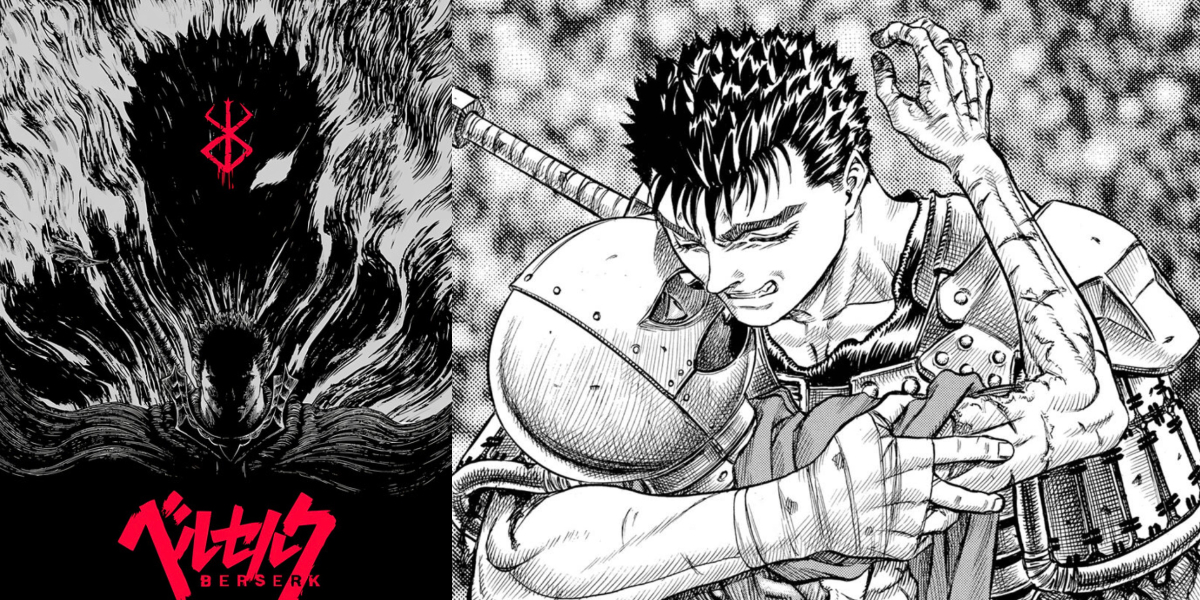
Berserk (Credits: Kentaro Miura)
The anime community is divided on the issue, with some supporting the copyright holders’ decision and others feeling that such actions stifle creativity. While protecting intellectual property is necessary, some fans argue that unofficial projects do not necessarily harm the original work and instead serve as a tribute to its influence.
The case has also raised broader questions about whether copyright laws should make room for certain fan-made adaptations, especially when they are created out of admiration rather than for profit. As the anime industry grows, these debates will likely become even more relevant.
Kouichirou Itou, a well-known anime producer associated with Makoto Shinkai’s films, has been sentenced to four years in prison following his conviction on serious charges. The case, which emerged during an unrelated police investigation, brought to light allegations of sexual offenses, including violations related to child prostitution and pornography. His arrest in 2024 sent shockwaves through the anime industry, raising concerns about accountability in the entertainment sector.
Authorities discovered Itou’s illegal activities while investigating separate cases of prostitution. It was revealed that he had attempted to pay a 15-year-old girl for explicit images, despite Japan’s legal age of consent being 16. He admitted to his actions and acknowledged that he had engaged in similar offenses with other victims. The case has since led to discussions on ethical responsibility within the industry.
Court’s Verdict and Legal Arguments
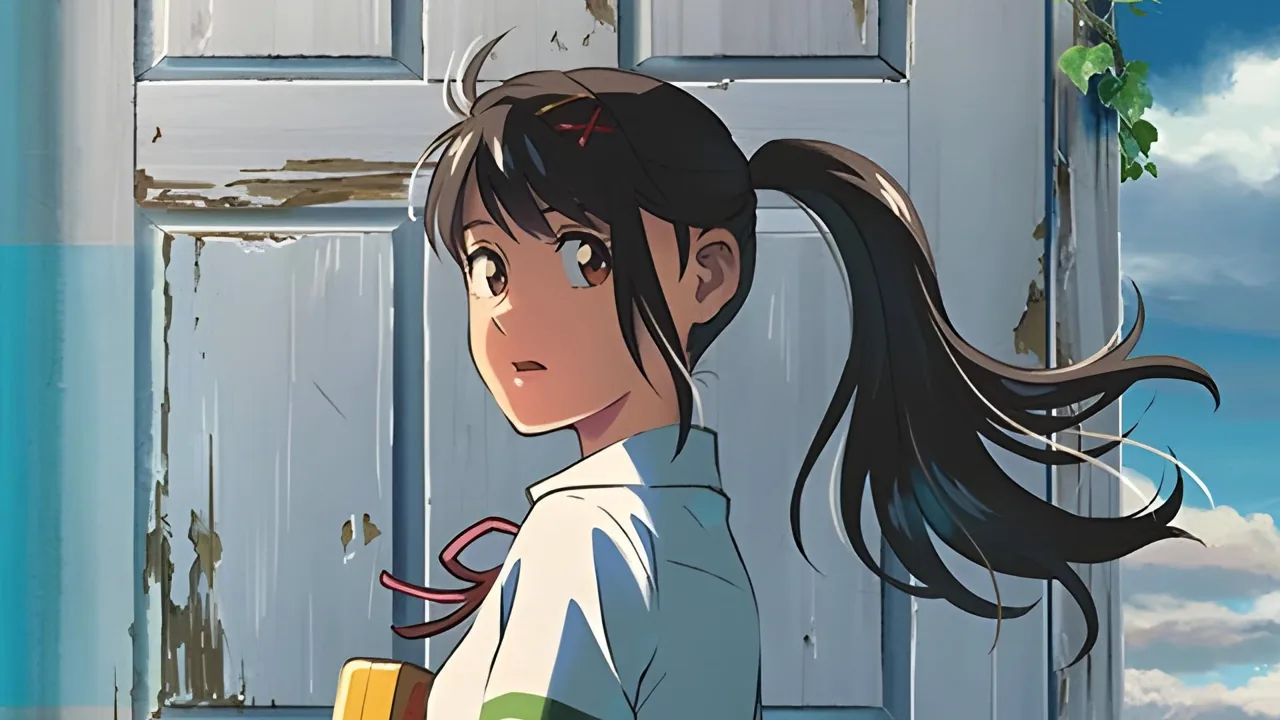
Suzume (Shinkai Films)
During the trial, Itou’s legal team sought a suspended sentence, arguing that he had reached private settlements with two of the victims and had agreed to undergo counseling. However, prosecutors pushed for a stricter six-year sentence, highlighting the severity of his actions and the potential long-term effects on those affected.
Judge Keiko Fukushima, presiding over the Wakayama District Court, emphasized that Itou’s offenses were not isolated incidents. She noted that his actions had caused significant harm to the mental and emotional well-being of the victims. Given the recurring nature of his crimes, the court ruled in favor of imprisonment, rejecting the defense’s plea for leniency.
Following the news of Itou’s arrest, renowned filmmaker Makoto Shinkai publicly addressed the situation. He expressed his shock and extended his sympathies to the victims, acknowledging the distress the case had caused. While he stated that the quality of his work should not be judged by the actions of an individual, he recognized that the situation may lead to discomfort among fans and industry professionals.
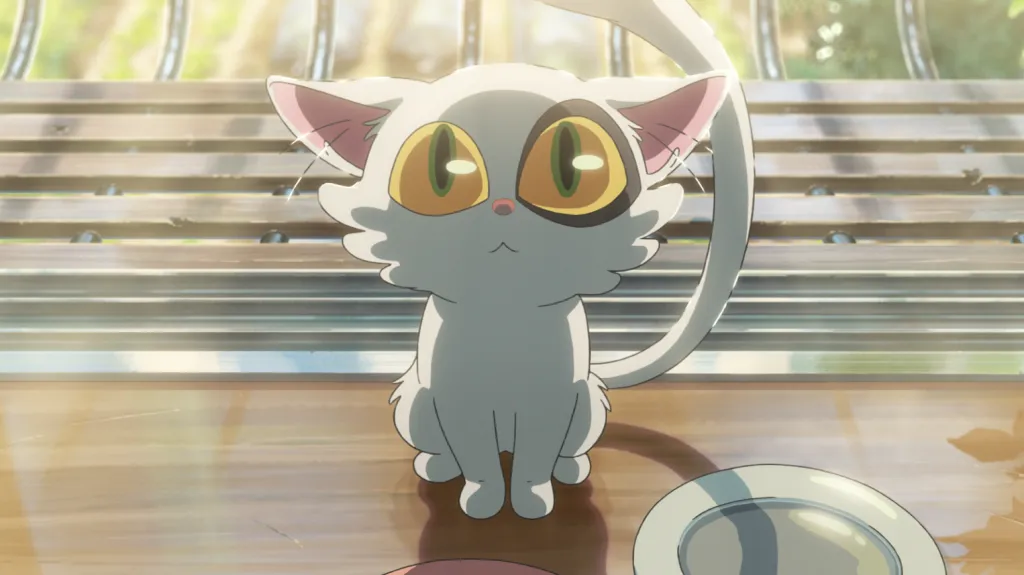
Suzume (Shinkai Films)
The conviction of a prominent producer has sparked discussions about ethical responsibility and oversight in the anime industry. Itou’s sentencing serves as a legal precedent, reinforcing the importance of addressing misconduct in professional spaces.
