The release of Blue Lock Season 2 has been met with mixed reactions, especially following Episode 2, which showcased significant issues with animation quality. Anticipation for the anime’s U-20 Japan match arc has been high, but since the season’s trailer dropped, fans have voiced concerns over visual downgrades. Episode 2 has intensified these worries, as the animation’s use of still frames and lack of fluidity disappointed viewers hoping for dynamic sports action.
Although Blue Lock Season 1 faced some animation issues, particularly during the second selection, fans expected improvements in Season 2 due to the franchise’s growing popularity. Unfortunately, the initial tryout match in Episode 2 used numerous static shots and slow-motion sequences, which made the action feel stilted.
Blue Lock Season 2 Animation Falters, Leaving Fans Worried
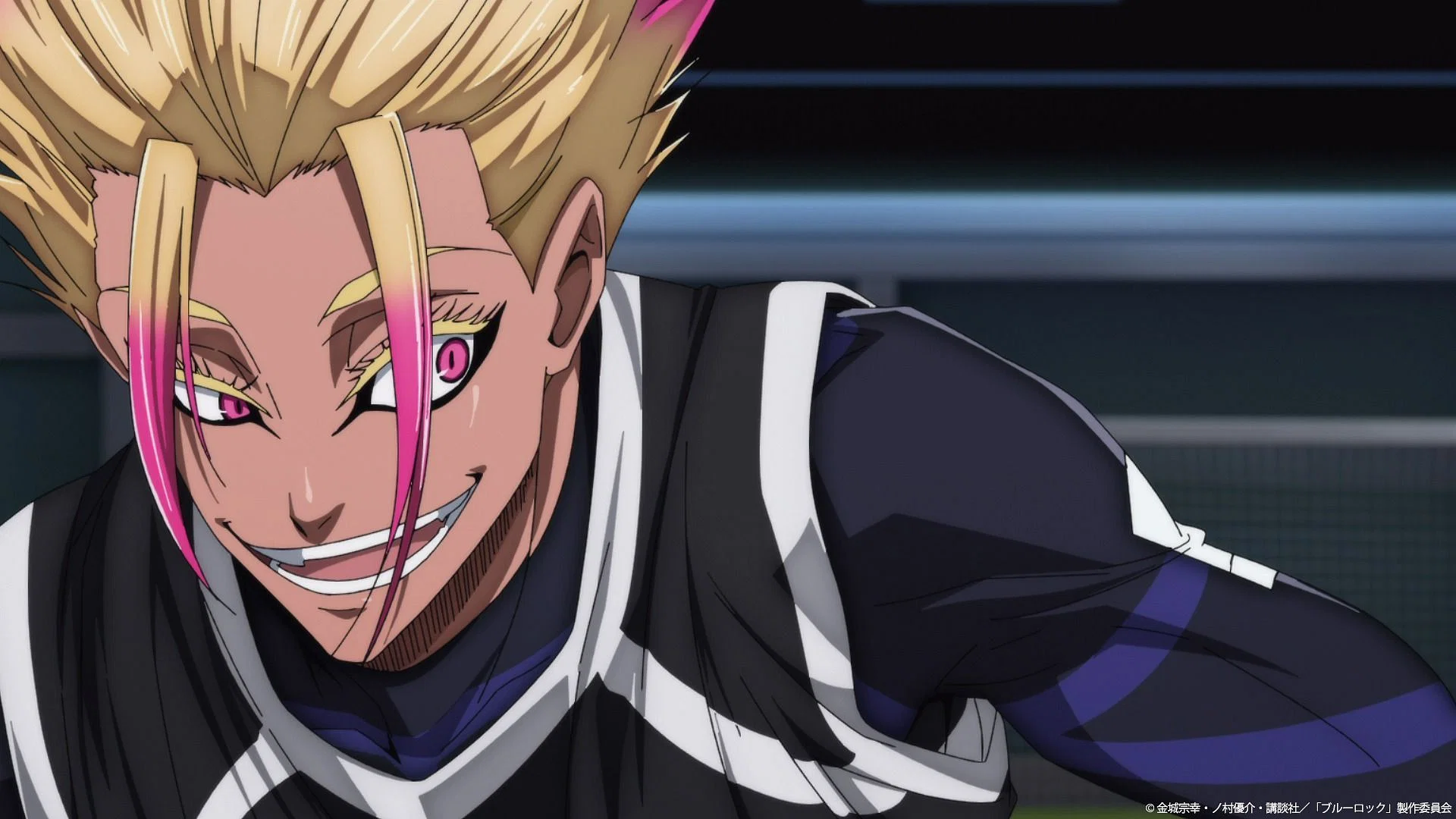
Blue Lock season 2 episode 2 still
The reliance on close-up shots, speed lines, and visual effects didn’t fully capture the energy and intensity Blue Lock is known for, and the episode has drawn comparisons to a slideshow by frustrated fans on social media.
While the episode’s art style remained faithful to the manga’s distinct panels, the lack of character movement and overuse of special effects left many fans disillusioned. The animation in Shido’s goal, for example, used impressive effects but relied heavily on visuals without movement, which limited its impact. Despite these setbacks, CGI elements were improved in scenes showcasing Chigiri’s speed and Karasu’s dribbling, earning some positive feedback from fans online.
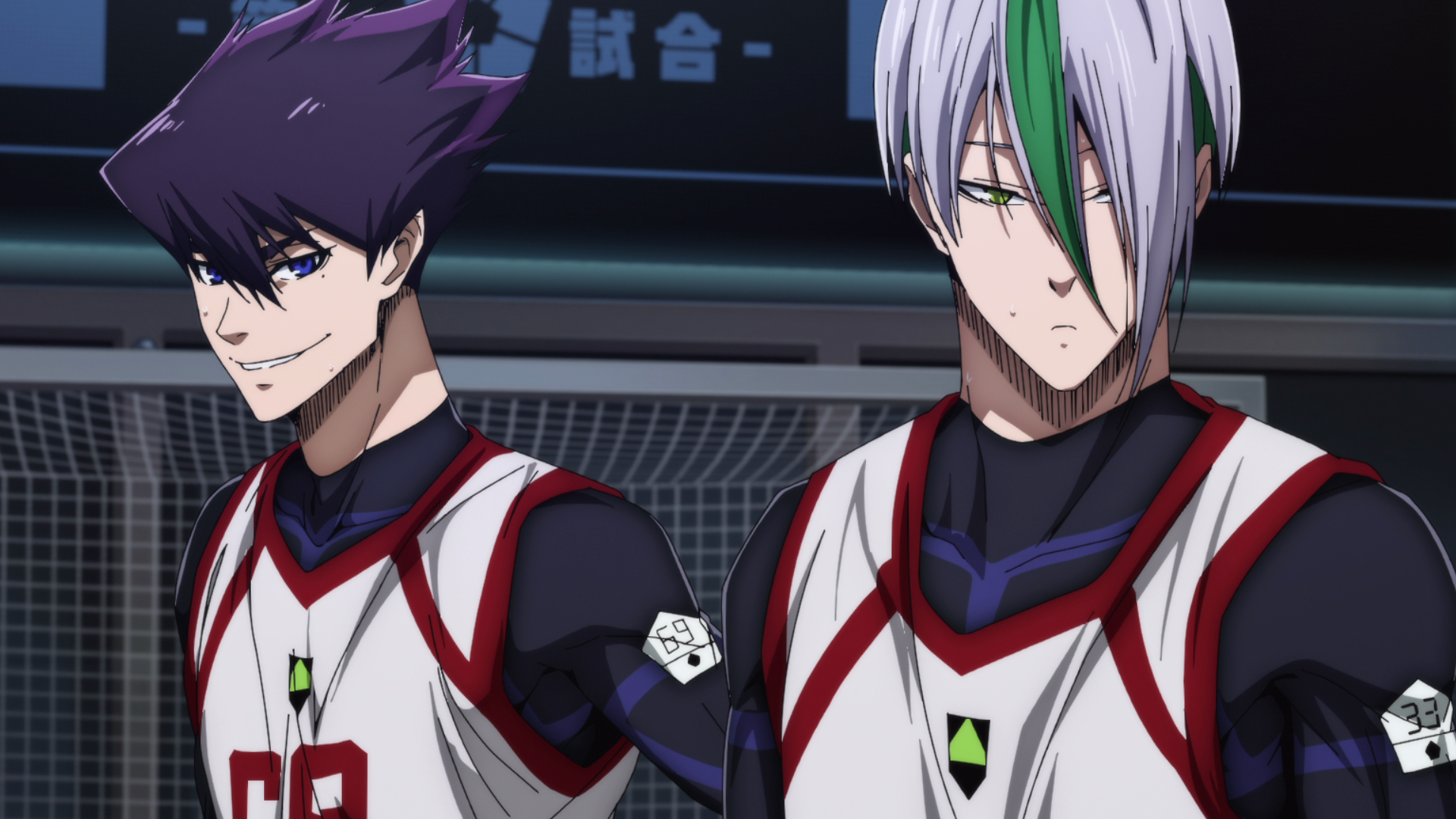
Blue Lock season 2 episode 2 still
This change in animation quality could be due to production challenges. Blue Lock recently experienced a director change, with Yūji Haibara taking over from Shintaro Inokawa. Haibara’s expertise in visual effects, as emphasized by anime producer Ryoya Arisawa, may explain the episode’s focus on special effects rather than fluid movement.
There is speculation that the tight production schedule—following Blue Lock: Episode Nagi and coinciding with That Time I Got Reincarnated as a Slime Season 3—might have impacted the season’s quality.
As the U-20 Japan arc continues, fans hope the production team will focus on animating the highly anticipated match scenes. While Blue Lock has had a rocky start to Season 2, viewers are still holding out hope that upcoming episodes will meet the series’ ambitious standards and deliver the dynamic action that fans expect from the story’s climactic moments.

After Japan’s disappointing exit from the 2018 World Cup, the Japanese Football Union commissions the “Blue Lock” project to create the world’s ultimate ego-striker. Three hundred top high-school forwards, including Yoichi Isagi, compete in a brutal, mindset-driven program designed by coach Jinpachi Ego to produce a single dominant forward capable of international success. The series questions teamwork vs. individual brilliance and follows intense elimination-style matches in a prison-like sports facility.
When Dragon Ball: Sparking Zero launched in early access on October 7, it made an impressive debut, quickly setting records on Steam as the most-played fighting game within a day. With titles like Street Fighter 6, Tekken 8, and Mortal Kombat 11 in its shadow, the game saw an explosive start, capturing the attention of fans and setting high expectations for its future.
The early success wasn’t just about player numbers. Sparking Zero launched to an 85% score on Opencritic and a 4.5/5 rating from TheGamer, garnering a positive public response. Selling over three million copies in the first 24 hours, the game peaked at 122,554 concurrent players, significantly outpacing competitors like Street Fighter 6, which held a record of 70,540 concurrent players.
Dragon Ball: Sparking Zero’s Player Drop Sparks Concerns
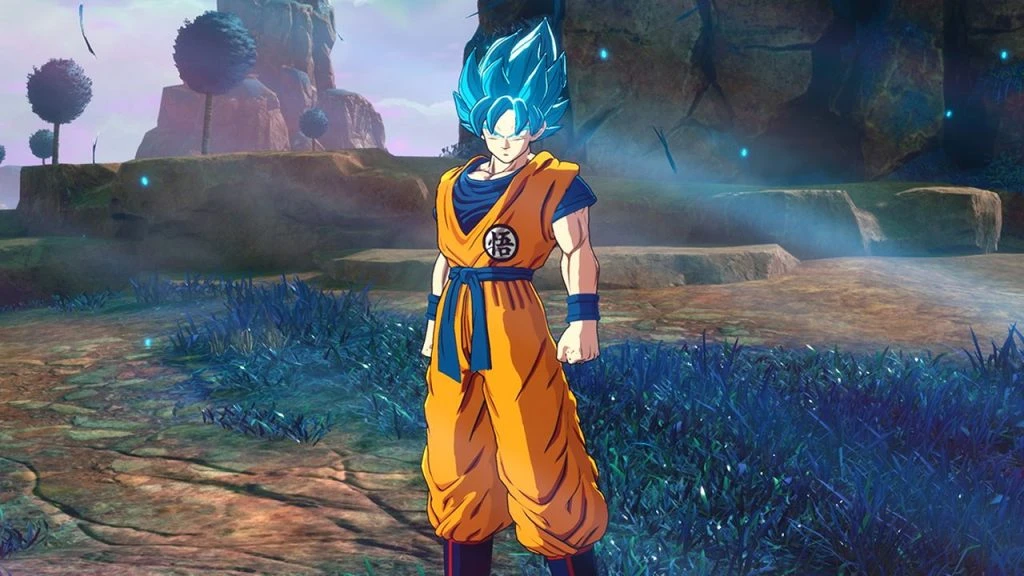
Dragon Ball: Sparking Zero (Credits: Bandai Namco)
However, just weeks after its record-breaking start, Sparking Zero is struggling to retain its players. The game has seen a dramatic decline, dropping by 90% from its initial peak. Recent stats from SteamDB reveal that the game’s player count has been fluctuating around 15,500, a substantial drop-off for a multiplayer title with ongoing updates and events. Since October 27, Sparking Zero has struggled to match even Street Fighter 6’s daily active player count.
The rapid player loss appears to be rooted in widespread player dissatisfaction. Fans have voiced frustrations with various issues, including balance problems with certain characters, notably Yajirobe, as well as gameplay mechanics that some players exploit. Cheating has also become a growing problem, and complaints about overly challenging single-player battles have led Bandai Namco to address these concerns publicly. All of these issues seem to have taken a toll on the game’s appeal.
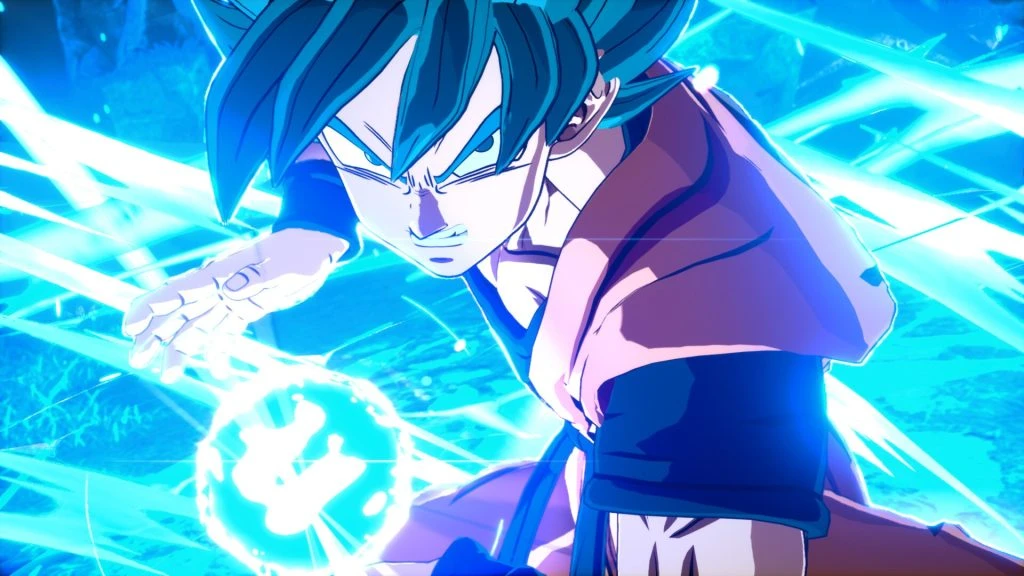
Dragon Ball: Sparking Zero (Credits: Bandai Namco)
Despite this, Bandai Namco has a strong track record of supporting its Dragon Ball games for extended periods, giving Sparking Zero hope for a comeback. Currently, the game has three planned content expansions, each set to bring 20 new characters. With new additions inspired by Dragon Ball Z: Super Hero and Dragon Ball Daima, the upcoming content updates offer a chance to revive interest and draw players back.
While Sparking Zero’s sharp decline might seem discouraging, the additional content and ongoing support could provide the boost it needs to reclaim its player base. As fans await these updates, there’s still room for Sparking Zero to turn things around and re-establish itself in the competitive fighting game market.

Young Goku, a strong boy with a monkey tail, teams up with teenage inventor Bulma on a quest to collect the seven Dragon Balls that summon Shenron (a wish‑granting dragon). Along the journey, they encounter allies and foes, including Master Roshi, Oolong, Yamcha, and the Pilaf Gang; Goku hones his skills through martial‑arts tournaments and battles against general‑purpose evil across the world.
