The world of One Piece is a sprawling, intricate world of lore and character development that has attracted fans for decades.
Created by Eiichiro Oda, One Piece is not just a story about pirates seeking treasure but a complex narrative woven with rich characters, intricate plots, and a deep universe that leaves much to the imagination.
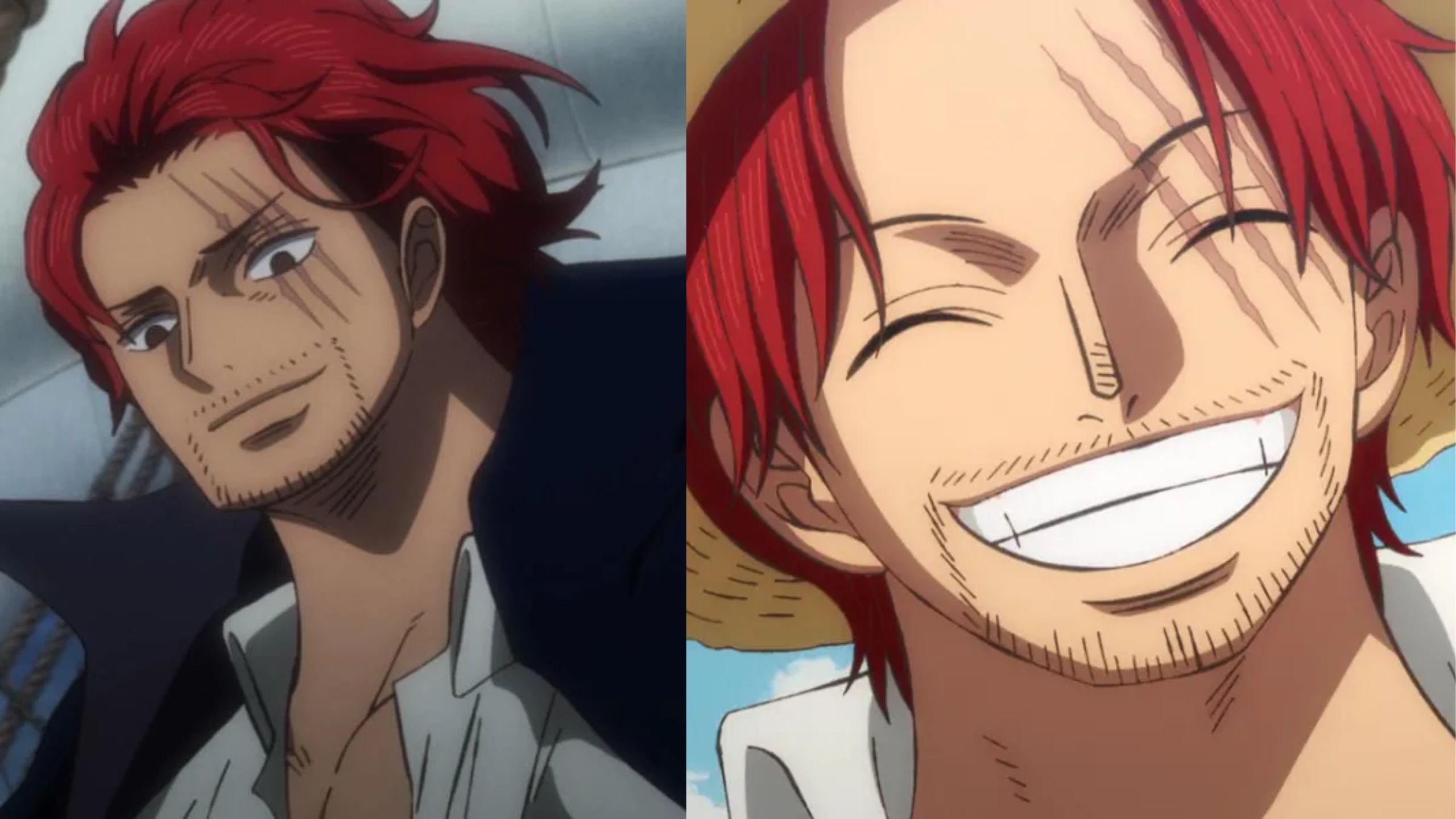
Shanks – One Piece (Toei Animations)
Over the years, this complexity has given rise to a multitude of fan theories, some of which have gained traction and sparked significant debate within the community.
Among these, one particularly intriguing theory that has recently resurfaced is the notion that Shanks, one of the series’ most mysterious and celebrated characters, might actually be an evil figure.
The Emergence of the “Shanks is Evil” Theory
The theory that Shanks could be an evil character has been around for some time but has gained renewed interest recently.
Shanks, known for his charismatic presence and mysterious background, has always been a subject of speculation among fans.
The recent developments in the series, including the potential revelation of Shanks’ connections to the Celestial Dragons, have added fuel to this theory.
? pic.twitter.com/2B5nT3KU6o — Pew (@realpewpiece) September 3, 2024
The Celestial Dragons are a group of powerful and often malevolent figures in the One Piece world, and any link to them could imply that Shanks has hidden, darker motives.
The resurgence of this theory was particularly notable after a fan highlighted a scene from the anime’s new opening sequence.
In this sequence, Shanks is shown in opposition to Kid, a character who is frequently depicted as a rival or antagonist.
The visual portrayal of Shanks as a potential adversary to Kid led some fans to speculate that this could be a foreshadowing of Shanks’ future role as a villain.
The theory quickly gained traction among certain segments of the fanbase, igniting a lively and often humorous debate.
Anime Opening Sequence: Symbolism or Spoiler?
The anime’s opening sequence, which features Shanks facing off against Kid, has become a focal point for those supporting the “Shanks is evil” theory.
This sequence contrasts characters typically viewed as “good” with those seen as “bad,” positioning Shanks as a formidable opponent.
Some fans have interpreted this depiction as an indication that Shanks might eventually turn to the dark side.
The idea is that the visual representation in the opening sequence could be hinting at a significant plot twist involving Shanks.
One fan who supported this interpretation argued that the sequence could be foreshadowing Shanks’ transformation into an antagonist.
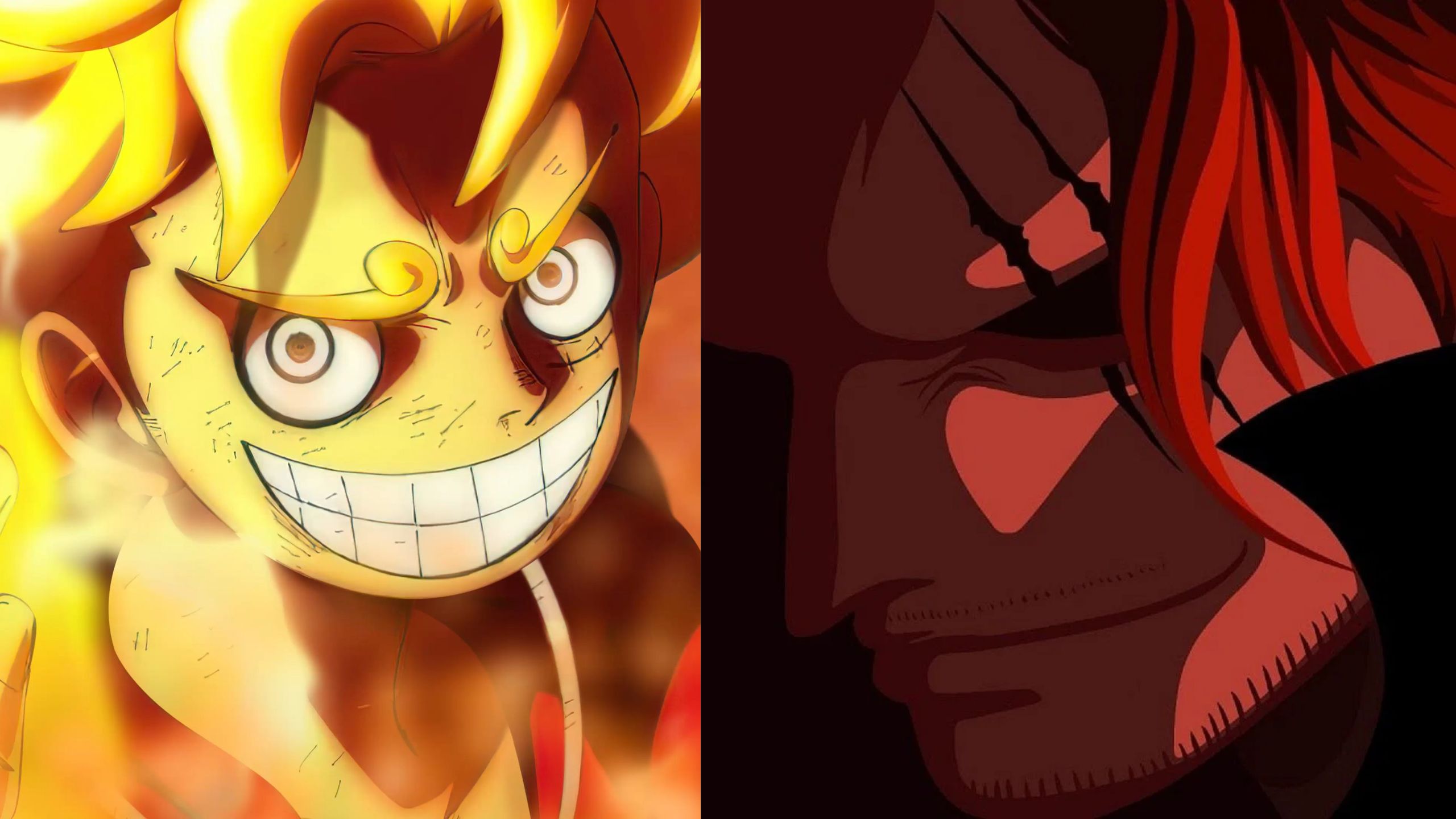
Luffy And Shanks – One Piece (Toei Animations)
This viewpoint has sparked considerable discussion, with some fans eagerly embracing the theory and others dismissing it as speculative.
The debate highlights the broader issue of interpreting anime content, which can sometimes lead to varying and sometimes contradictory endings.
Counterarguments: Criticisms of the Theory
As the “Shanks is evil” theory gained traction, many fans were quick to offer counterarguments.
One of the primary criticisms came from those who pointed out that the anime opening sequence was created by Toei Animation, not Eiichiro Oda.
Toei Animation often produces promotional material that may not accurately reflect the manga’s storyline or character development.
As a result, some fans argued that the sequence should not be taken as definitive evidence of Shanks’ true nature.
“Toei don’t know a shit about ending of One Piece. And they made this Opening not Oda,” one fan commented, reflecting the sentiment that the anime’s promotional content should not be used as a basis for serious theory crafting.
Can’t believe this nonsense made it to the english OP community — M O S S J U R O (@TheMags53) September 3, 2024
Another significant point of contention is that Shanks’ role as an adversary in the opening sequence does not necessarily imply that he is evil.
In One Piece, characters often occupy complex and multifaceted roles that are not strictly binary in terms of good and evil.
For instance, Luffy, the series’ protagonist, has expressed his intention to defeat all four Emperors, including Shanks.
By this reasoning, Shanks being depicted as an opponent does not inherently mean he is evil but rather that he is one of the significant challenges Luffy must overcome on his journey.
“Luffy said himself he needs to beat all 4 emperors. So by that standard Shanks is technically an enemy,” another fan pointed out.
This perspective suggests that antagonistic roles are part of the narrative structure rather than indicators of a character’s moral alignment.
Drawing Comparisons with Other Characters
To further challenge the “Shanks is evil” theory, fans have drawn comparisons with other characters who have taken on adversarial roles without being considered villains.
One notable example is Kuzan, also known as Aokiji. Kuzan has played the role of an antagonist in various story arcs but is not perceived as inherently evil.
His actions are often driven by complex motivations rather than sheer malevolence.
One fan explained this comparison, writing, “They are enemies doesn’t necessarily mean they’re evil tho, Kuzan for sure is not evil but he is an enemy.”
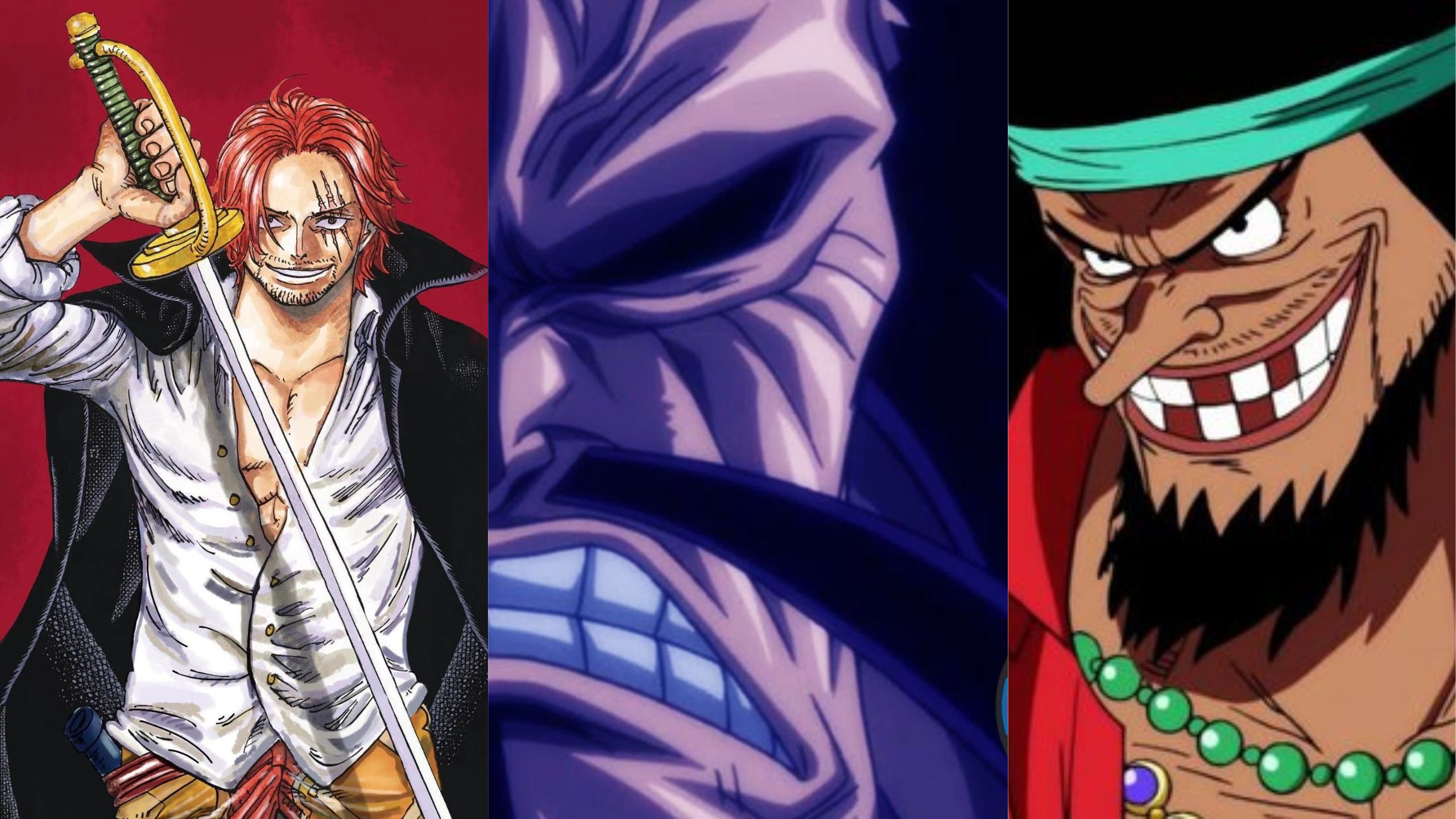
Yonko’s – Shanks, Kaido, Blackbeard (Twitter)
This comment underscores the idea that being an enemy or opponent in the context of One Piece does not automatically imply evil intentions.
Similarly, Shanks’ role as an adversary could be more about representing a significant challenge rather than indicating inherent villainy.
Another fan echoed this sentiment, suggesting that the depiction of Shanks as an enemy in the opening sequence is more about visualizing obstacles that need to be overcome rather than suggesting a literal alignment with evil.
“Doesn’t really work since Kuzan is not evil, it’s more so a visualization of an obstacle that needs to be overcome to progress in the journey,” they wrote.
This perspective aligns with the broader theme in One Piece, where characters face various challenges and adversaries as part of their growth and development.
Role of Fan Theories in the Community
The discussion surrounding the “Shanks is evil” theory also highlights the role of fan theories in the One Piece community.
Theories and speculations are a natural part of fandom culture, allowing fans to engage deeply with the narrative and explore different possibilities.
While some theories are grounded in concrete evidence, others are more speculative and based on interpretations of visual or narrative cues.
The “Shanks is evil” theory is a prime example of how fan theories can generate significant debate and engagement.
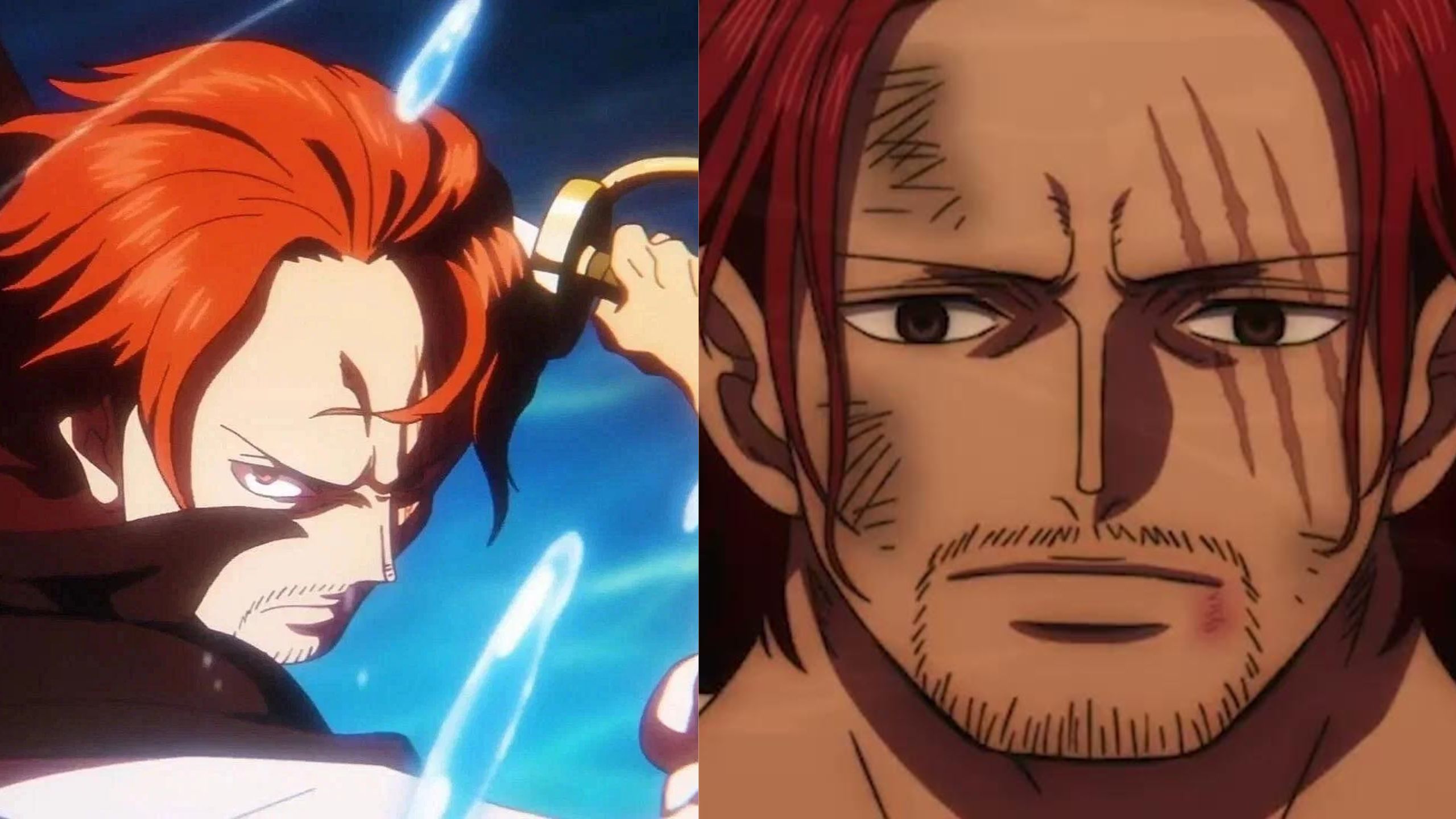
Shanks From One Piece (Toei Animations)
While some fans embrace such theories as exciting possibilities, others approach them with skepticism and critical analysis.
This variety of perspectives enriches the fan experience and contributes to the ongoing discussion about the series’ direction and character development.
Anticipated Future Developments
As the One Piece storyline continues to evolve, there are potential developments that could shed light on Shanks’ character and his connections to the Celestial Dragons.
Alleged spoilers for One Piece Chapter 1125 suggest significant changes involving Saint Saturn, another high-ranking Celestial Dragon.
According to these spoilers, Saint Saturn may meet his demise, leading to Figarland Garling’s ascension to the position of an Elder.
If Figarland is indeed Shanks’ biological father, this development could provide additional context for Shanks’ character and actions.
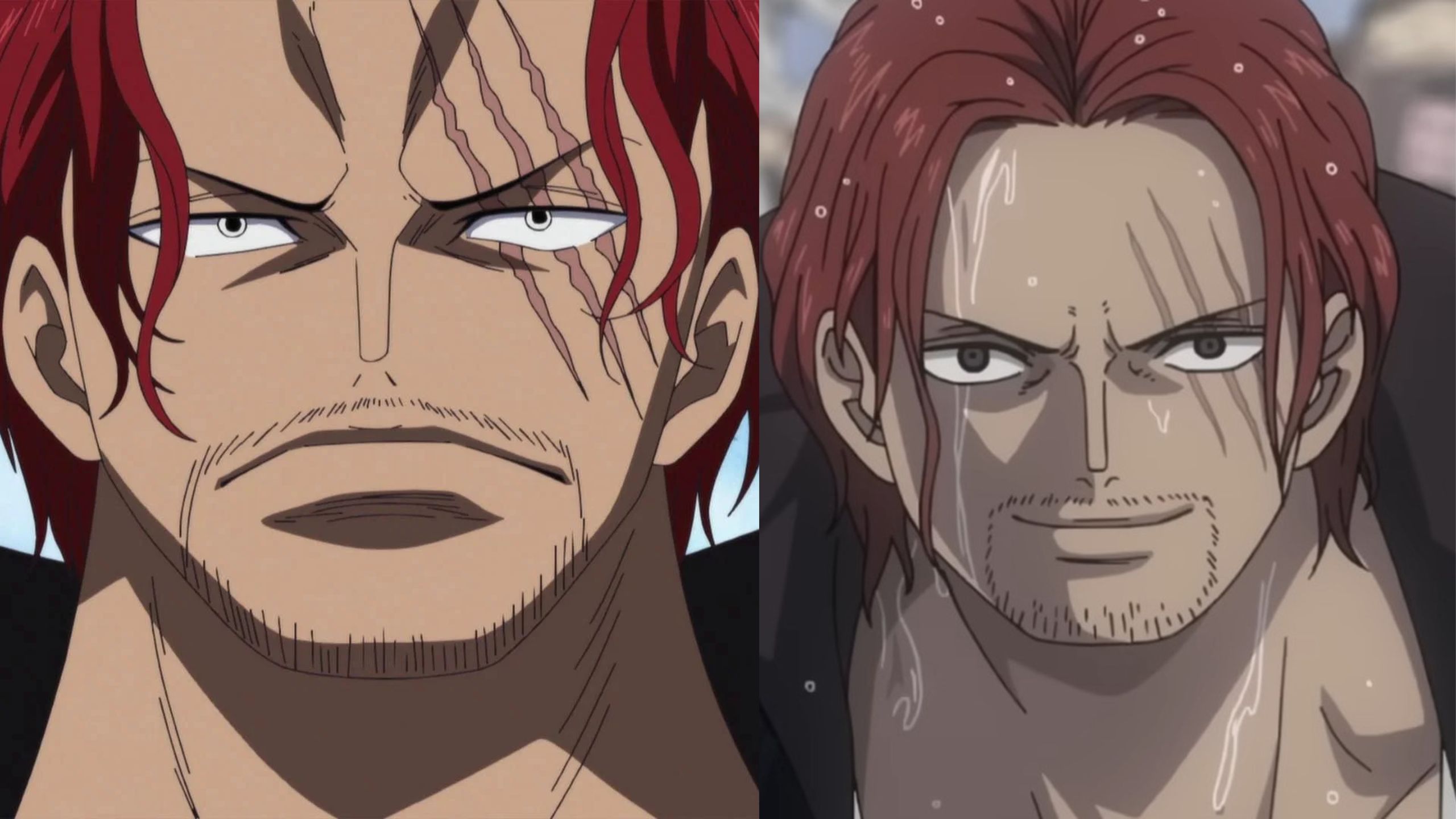
Shanks (Toei Animations)
The potential rise of Figarland Garling could also expand on the allegations against Shanks, offering further insights into his background and motivations.
As fans eagerly await these revelations, the theory that Shanks might be an evil character remains a topic of speculation and discussion.
The ongoing debate reflects the richness of the One Piece universe and the depth of engagement from its fanbase.
The Fun and Drama of Fan Theories
The debate over Shanks’ potential alignment with evil is a testament to the vibrancy and passion of the One Piece community.
Fans invest significant time and energy into theorizing about the series, and these discussions often lead to lively and entertaining exchanges.
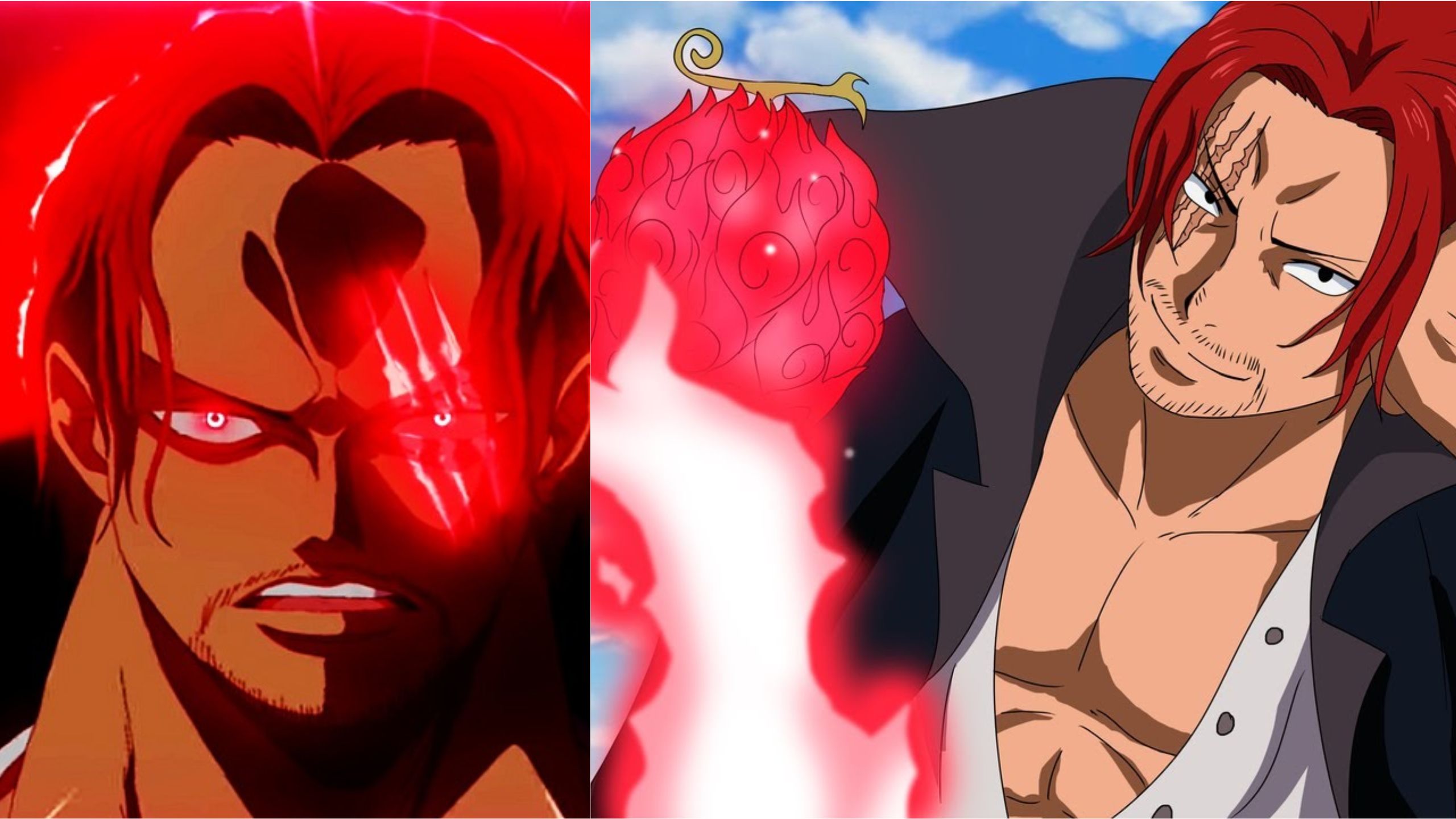
Akagami Shanks Over Power (Twitter)
Whether or not Shanks is ultimately revealed to be evil, the theories and debates surrounding his character contribute to the excitement and engagement of the fanbase.
Fan theories, including the idea that Shanks might be evil, serve as a form of creative exploration and interaction with the story.
They allow fans to speculate on various possibilities and imagine how different plotlines might unfold. While not all theories will ultimately be proven correct, they add an element of fun and anticipation to the fan experience.
The “Shanks is evil” theory has generated a substantial amount of discussion and amusement within the One Piece fandom.
The theory, which gained attention following a recent anime opening sequence, has been met with a range of reactions from fans.
While some have embraced the theory and sought evidence to support it, others have criticized it as speculative and unfounded.
The anime’s promotional material, created by Toei Animation, has been a key point of contention, with many fans arguing that it should not be taken as definitive evidence.
Critics of the theory have highlighted the complexity of Shanks’ role and the broader theme of obstacles and challenges in One Piece.
Comparisons with other characters who have taken on adversarial roles without being considered evil further support the idea that Shanks’ role might be more about representing a significant challenge rather than indicating inherent villainy.
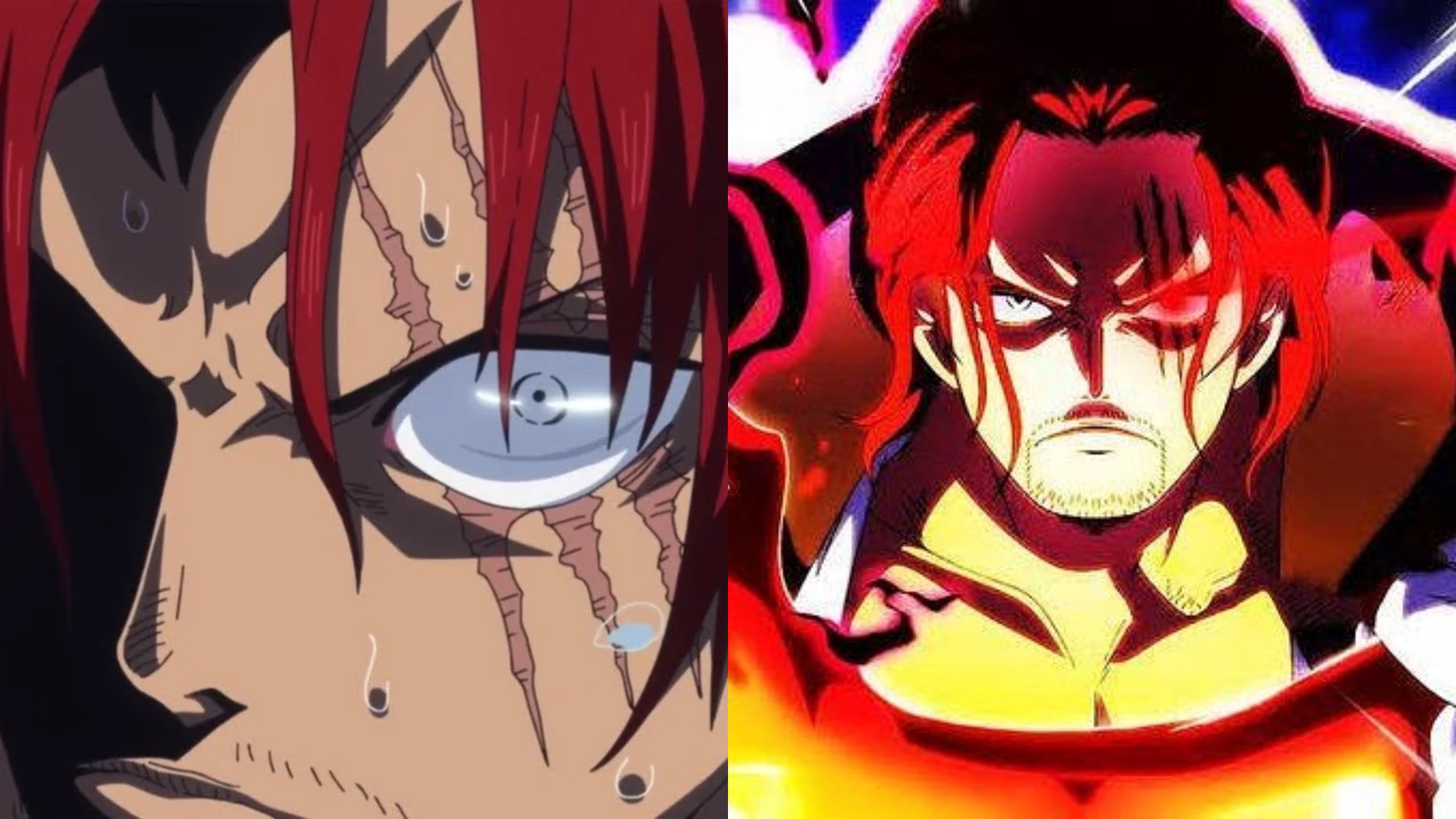
Red-haired Shanks (Toei Animations)
As the storyline progresses, future developments may provide additional context and clarity regarding Shanks’ character and his connections to the Celestial Dragons.
The ongoing debate and speculation reflect the depth and enthusiasm of the One Piece community, showcasing the rich engagement that fans bring to the series.
Regardless of whether Shanks is ultimately revealed to be evil, the discussions and theories surrounding his character are a testament to the passion and creativity of the fanbase.
Theories like these contribute to the vibrant drapes of fan interactions that make One Piece a truly unique and engaging experience for its audience.
With the release of Chainsaw Man chapter 176, fans were given a lot to think about regarding the lore and worldbuilding of the series, specifically surrounding War Devil Yoru.
The chapter offered both implicit and explicit revelations, primarily focused on Yoru’s role in the Devil world.
One of the most significant pieces of information was Yoru’s claim that she is the “mother” of the Tank and Gun Devils, whom she transformed into weapons.
This single statement has enormous implications for the world of Chainsaw Man , and it’s likely that this was the exact intention of Mangaka Tatsuki Fujimoto.
By having Yoru refer to herself as the mother of these powerful Devils, Fujimoto is likely confirming that Yoru is indeed their progenitor.
This revelation, though subtle in its presentation, sends shockwaves through the fanbase, altering their understanding of the relationships between the various Devils, especially the Four Horsemen.
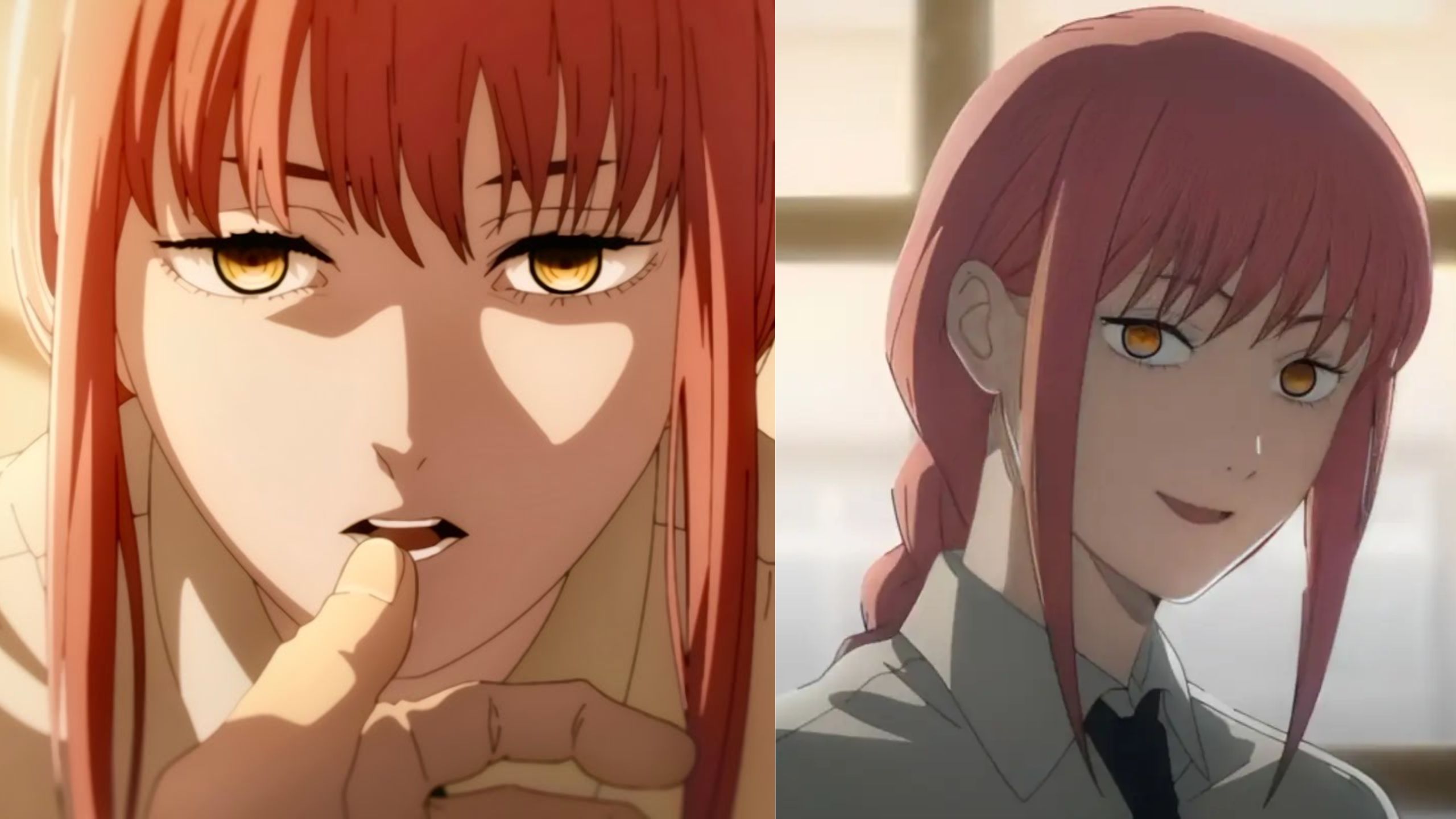
Makima From Chainsaw Man (MAPPA)
While this idea of Yoru being the mother of other Devils is fascinating enough on its own, it opens the door to reconsider other aspects of the series.
The relationship between the Four Horsemen Devils Makima (Control Devil), Yoru (War Devil), Famine, and Death—has always been an intriguing point of discussion.
In earlier chapters, they referred to each other as “sisters.” With the latest revelation, it’s becoming more apparent that they might not have been using that term loosely.
Instead, they could very well be related in a more literal, familial sense, with the potential for a shared mother figure who could be one of the most powerful Devils in the Chainsaw Man universe.
The Implication of a Mother for the Four Horsemen Devils
In Chainsaw Man chapter 176, the idea that Devils can have mothers and children is hinted at, a concept that has the potential to fundamentally shift the way fans understand the Devil hierarchy.
Even if this relationship is abstract and not necessarily biological in the traditional human sense, it’s still a significant development.
The idea that some Devils could become powerful enough to birth others is intriguing.
This could either happen voluntarily or through some other mechanism, or it could be that certain Devils become so vast in their scope and concept that other, feared Devils are “born” from them.
Either way, the fact that Yoru refers to herself as the mother of the Tank and Gun Devils is critical.
Given her knowledge of human society since she has taken over Asa Mitaka’s body it’s likely that she understands the full weight and meaning of the word “mother.”
Therefore, her use of this term is not something that can be taken lightly or seen as a metaphor. This brings us back to the Four Horsemen Devils referring to themselves as “sisters.”
So not only Makima but also her sisters represent motherhood in one way or another Death Devil being Kobeni’s mother becomes more canon by the day. #csm176 #csmtwt pic.twitter.com/OzyH0s0FeK — Comité de Salut Public (@AsaMtakaEnjoyer) September 3, 2024
If Yoru understands the importance of the word “mother,” it stands to reason that the term “sister” carries a similar weight for the Four Horsemen.
This revelation about Yoru’s relationship with the Tank and Gun Devils brings new light to the way the Four Horsemen have been presented.
It now seems more likely that they truly see themselves as a family unit, rather than merely using familial terms as a symbolic way of describing their connection.
The shared title of the Four Horsemen suggests that their origins and creation are linked, possibly stemming from the same source.
While there is a hierarchy among them, with the Death Devil being the oldest and most powerful, this feels analogous to the way siblings are born a few years apart but share the same parentage.
Exploring the Family Dynamics of the Four Horsemen Devils
The idea that the Four Horsemen could be literal sisters opens up a lot of possibilities for future storytelling in Chainsaw Man.
If they are indeed related in a familial sense, it raises the question of who their mother is.
Yoru calling herself the mother of the Tank and Gun Devils suggests that the Four Horsemen themselves may have a mother of their own.
And given the immense power of the Four Horsemen, especially Makima and Yoru, it’s likely that their mother would be one of the oldest and most powerful Devils in existence.
One possibility is that their mother is a Primal Devil, the ancient and immensely powerful Devils who represent fundamental fears.
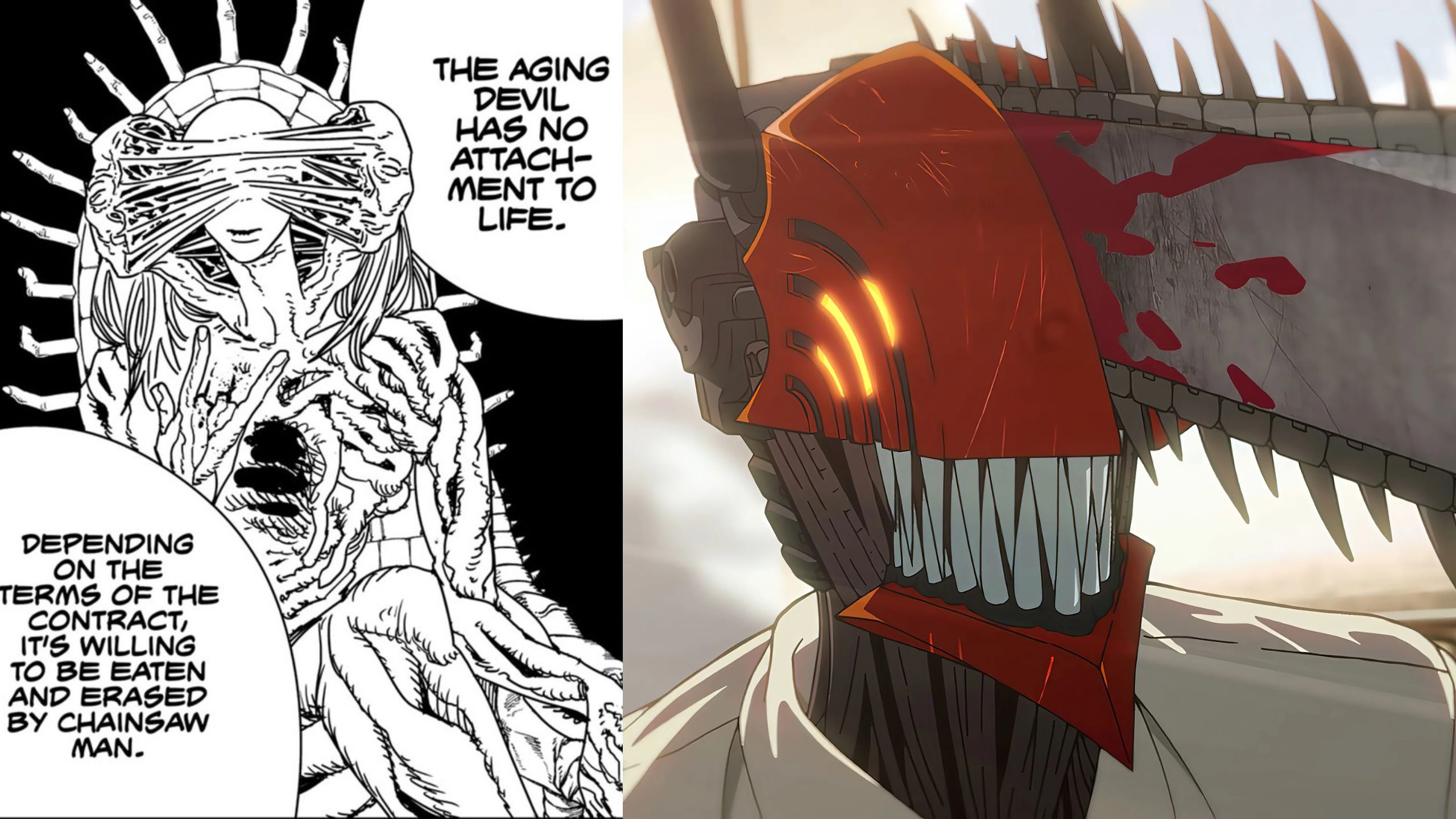
Aging Devil In Chainsaw Man (Shueisha)
This theory gains traction when considering the fact that both Makima (the Control Devil) and Yoru (the War Devil) have been defeated by Primal Devils in the series.
Makima was shown to be inferior to the Primal Devil of Darkness, while Yoru was outmatched by the Falling Devil.
This suggests that, despite their immense power, the Four Horsemen Devils may not be the absolute top tier of Devils in the Chainsaw Man universe.
If their mother is indeed a Primal Devil, she could potentially be the most powerful Devil of all.
The Primal Devils introduced so far, such as Darkness and Falling, have been presented as nearly unbeatable forces, representing fears that are so deep-rooted in human consciousness that they transcend typical power dynamics
. A Primal Devil who is even more powerful than these could easily be the mother of the Four Horsemen, explaining why they are among the most feared and powerful Devils in the series.
However, as exciting as this possibility is, it remains speculative for the time being. Chapter 176 of Chainsaw Man only confirms that Yoru sees herself as the mother of the Tank and Gun Devils.
While the theory that the Four Horsemen have a shared mother is a logical extension of this information, it hasn’t been confirmed in the series yet.
Still, the idea adds a new layer of depth to the story and gives fans plenty to think about as they await future chapters.
Power Dynamics Between the Four Horsemen
One of the most interesting aspects of the Four Horsemen Devils is the power dynamics between them.
While they all share the title of Horsemen, it’s clear that there is a hierarchy in place.
The Death Devil is widely considered to be the most powerful of the group, and the fact that the other Horsemen seem to respect or fear her further supports this.
The idea that the Death Devil is the “oldest” of the group also ties into the familial theme that has been hinted at in the series.
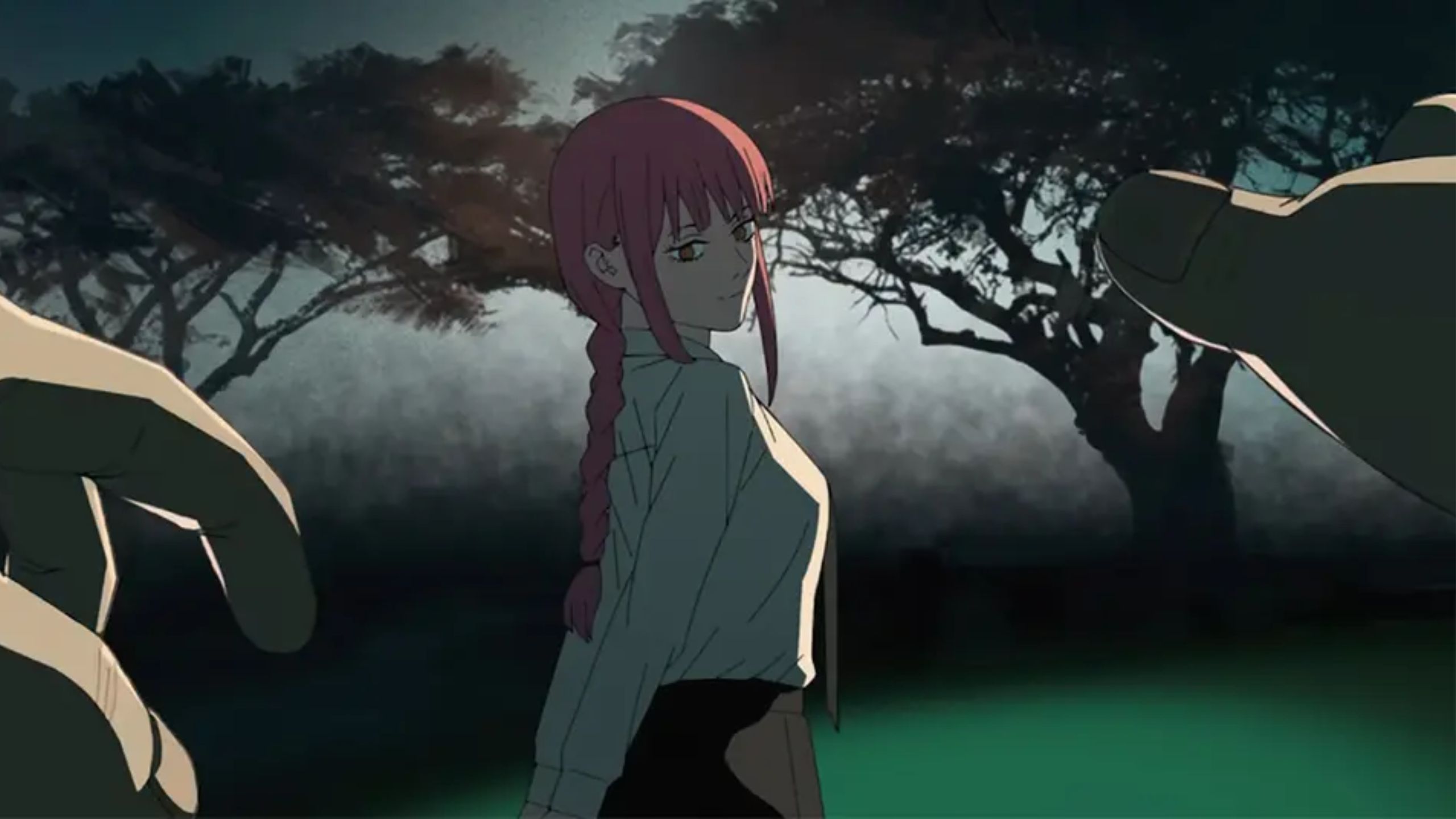
Makima From Chainsaw Man Anime (MAPPA)
In many cultures, the oldest sibling often has the most authority, and this seems to be the case with the Four Horsemen as well.
Makima, the Control Devil, was one of the main antagonists of the first part of Chainsaw Man, and her defeat at the hands of Denji was a major turning point in the series.
However, her defeat doesn’t necessarily mean that she was the most powerful Devil in the Chainsaw Man universe.
In fact, her loss to the Primal Devil of Darkness suggests that, while she was incredibly strong, there are still Devils out there who are more powerful than her.
This further supports the idea that the Four Horsemen may not be the pinnacle of power in the Devil world, and that their mother, if she exists, could be even more powerful than any of them.
Yoru, the War Devil, is another interesting character in this dynamic. While she is undoubtedly powerful, she has already suffered a defeat at the hands of the Falling Devil, another Primal Devil.
This suggests that, like Makima, Yoru is not invincible, and that there are forces in the Chainsaw Man world that are beyond her control.
However, Yoru’s defeat doesn’t diminish her importance in the story. If anything, it adds complexity to her character, as she must now grapple with the fact that she is not as powerful as she once believed.
The introduction of Famine and the likely future introduction of the Death Devil will only add to the intrigue surrounding the Four Horsemen.
Famine, while still a mystery in many ways, has already demonstrated a cunning and manipulative nature, suggesting that she is just as dangerous as her sisters.
The Death Devil, as the oldest and most powerful of the group, is likely to play a major role in the future of the series, and her interactions with the other Horsemen will be something to watch closely.
Speculation on the Future of the Four Horsemen
As of now, the exact nature of the Four Horsemen’s relationship remains somewhat unclear. However, the revelations in chapter 176 of Chainsaw Man give fans plenty to think about.
The idea that Yoru, and possibly the other Horsemen, have a mother opens up a lot of possibilities for future storytelling.
this is Yoru’s “Makima callously crushing people from dozens of miles away” moment, except more depraved considering the (heavily implied) sacrificed kin. Hype, but a warning for how destructive she’ll actually be soon, including towards characters whom we care for #csm176 pic.twitter.com/uptX9k0BeW — Dorky #FREE PALESTINE (@DorkyDucks) September 3, 2024
If their mother is a Primal Devil, she could represent a fear that is even more fundamental than war, control, famine, or death, making her the most powerful character in the series.
Additionally, the family dynamic between the Four Horsemen adds a new layer of complexity to their interactions.
If they truly see themselves as sisters, their relationships with each other may be more complicated than they initially appeared.
While they may work together at times, there could also be deep-seated rivalries and tensions between them, much like siblings in a real family.
This could lead to some fascinating character development as the series progresses.
Finally, Chainsaw Man chapter 176 has opened up a lot of new possibilities for the future of the series.
The revelation that Yoru considers herself the mother of the Tank and Gun Devils hints at a deeper lore surrounding the Devils and their relationships with each other.
The potential for the Four Horsemen to have a shared mother, possibly one of the most powerful Primal Devils, adds even more intrigue to the story.
While much of this is still speculative, it’s clear that Tatsuki Fujimoto has big plans for the future of Chainsaw Man, and fans are eagerly awaiting what comes next.
