The ending of Fight Club is widely discussed for its intricate layers, moving beyond the mind-bending twist to delve deep into themes of mental illness, consumerism, and masculinity. David Fincher’s adaptation of Chuck Palahniuk’s 1996 novel has remained a subject of serious analysis since its release. Told from the perspective of an unnamed narrator, the story chronicles his spiral into chaos after founding the infamous Fight Club, eventually culminating in an unforgettable finale.
The protagonist of Fight Club , played by Edward Norton, begins his journey as a disillusioned insomniac. He crosses paths with the charismatic Tyler Durden (Brad Pitt), who introduces him to a more thrilling life. However, Tyler’s increasingly dangerous exploits push the narrator to the edge, leading to a pivotal twist in the film: Tyler is revealed to be a mental projection, representing the narrator’s internal conflict. This revelation shifts the entire narrative, leaving the ending and its climactic scenes open to various interpretations.
Fight Club Ending Explained: The Narrator Faces His Inner Demon: The Final Confrontation
In the final moments of Fight Club , after realizing Tyler is merely a manifestation of his psyche, the narrator shoots himself. The act appears to kill Tyler, yet the narrator survives. This moment of self-inflicted violence marks the supposed end of the destructive force of Tyler Durden. However, the narrator’s actions come too late to prevent the unfolding chaos. With Marla by his side, the narrator watches as Project Mayhem’s destruction continues to wreak havoc on the city, suggesting that Tyler’s mission will succeed globally, despite his death.
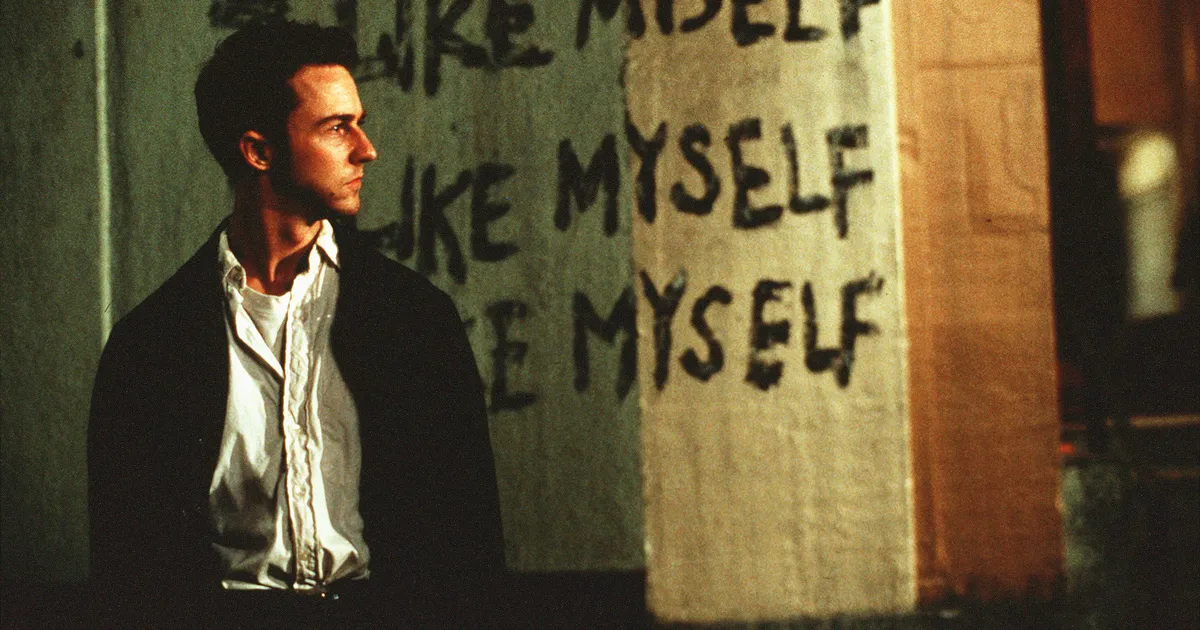
The Narrator (Image via Getty)
Is Tyler Durden Truly Dead?
While the narrator seems to eliminate Tyler by shooting himself, his actual demise is questioned. Since Tyler is a figment of the narrator’s imagination, a bullet shouldn’t logically harm him. However, the destruction of Tyler is symbolic of the narrator confronting his own internal struggles and reclaiming control. By surrendering in this self-destructive way, the narrator ultimately defeats his alternate personality, symbolizing empowerment through self-realization.
Another significant question raised by Fight Club’s ending is the true nature of Marla Singer’s existence. Throughout the film, Marla serves as a grounding influence for the narrator, offering him a sense of comfort amidst the chaos. However, as Tyler’s existence unravels, viewers are left wondering whether Marla is real or another creation of the narrator’s troubled mind. While the film doesn’t provide a definitive answer, her relationship with the narrator—both loving and destructive—mirrors his tumultuous relationship with Tyler, further blurring the lines between reality and illusion.

Tyler Durden (Image via Getty)
The Narrator’s Survival: How Did He Live?
One lingering question about the film’s conclusion is how the narrator survives the gunshot to his cheek. While the bullet seems to have been aimed at his head, it missed vital areas, allowing him to survive. The injury, while severe, is not necessarily fatal. In real-life instances, individuals have survived similar wounds, so the narrator’s survival is not entirely far-fetched. Nonetheless, this moment remains a key talking point among fans of the film.
Fight Club is known for its critique of modern consumerism, particularly through the recurring presence of Starbucks cups throughout the film. Tyler’s rants about the hollowness of a consumer-driven society are central to the narrative. However, Tyler’s rebellion is more than just an anti-capitalist statement—it’s also a manifestation of the narrator’s internal struggles with masculinity. Tyler represents everything the narrator wishes he could be: free, unburdened, and uninhibited. Yet, this is not the solution to his problems; rather, it highlights the dangers of toxic masculinity and blind rebellion.
The Ultimate Message of Fight Club’s Ending
The conclusion of Fight Club offers a form of catharsis for the narrator. By confronting his psychological issues head-on, he regains control over his life, even as the consequences of his actions remain irreversible. While the destruction caused by Project Mayhem cannot be undone, the narrator’s decision to face his demons brings him a sense of peace, even if it’s a fleeting moment of clarity. In this way, the film suggests that true resolution comes not from avoiding conflict but from confronting it.
The Unlikely Sequel: Fight Club 2
While a Fight Club sequel seems improbable in film form, there is a continuation in the form of Fight Club 2: The Tranquility Gambit , a comic book series. In this narrative, the protagonist, now named Sebastian, continues his tumultuous relationship with Marla. The story explores what happens after the death of Tyler Durden, with Tyler’s return further complicating Sebastian’s life. This comic offers a new perspective on the aftermath, exploring deeper into the psychological and physical struggles that follow the movie’s ending.
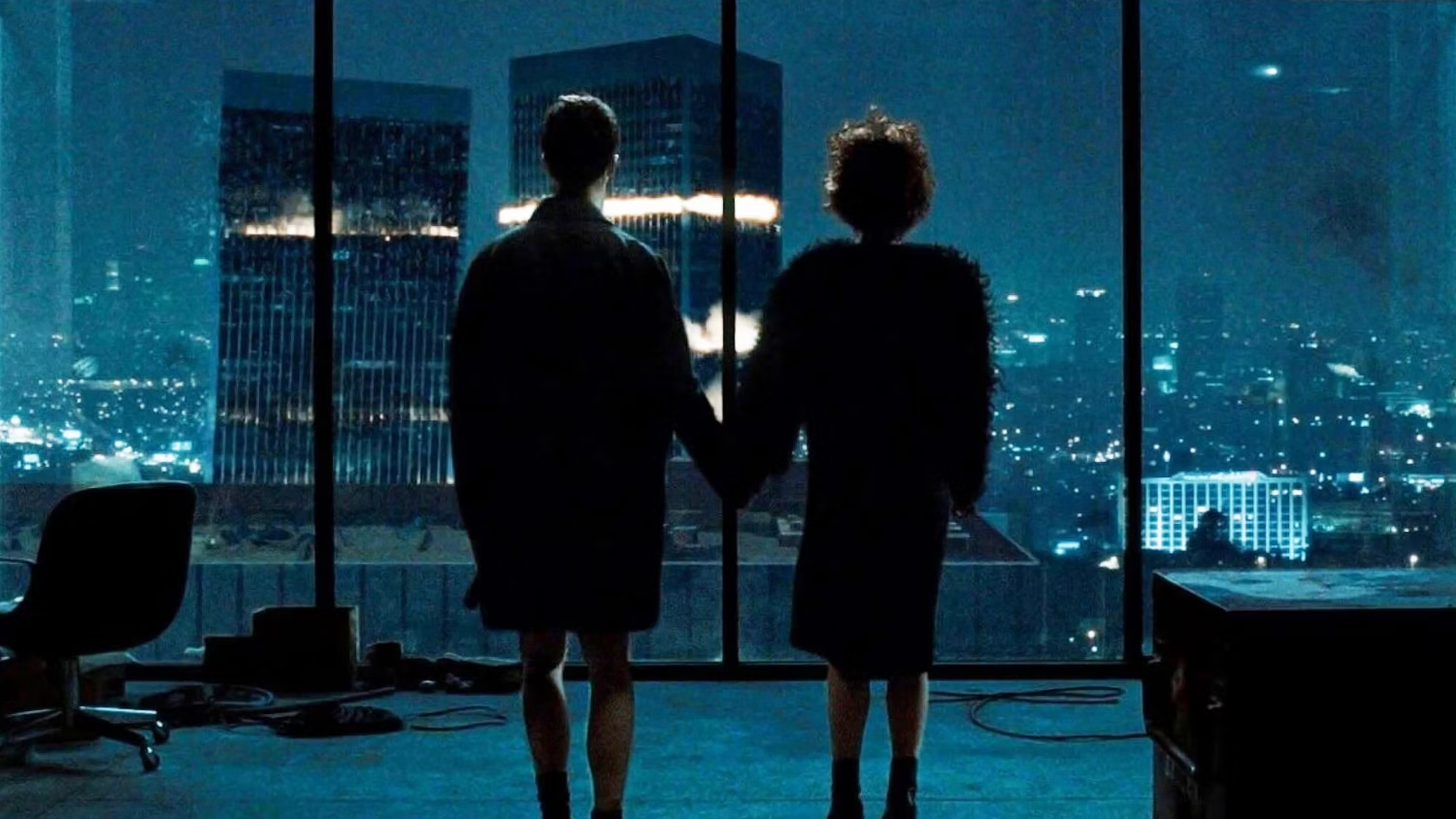
The Final Scene (Image via Getty)
The Difference Between the Movie and Book Endings
The film’s ending differs significantly from Chuck Palahniuk’s novel. In the book, Tyler’s final plan involves collapsing a skyscraper, resulting in the destruction of a library, with Tyler intending to be a martyr. However, a malfunction prevents the disaster from occurring. Marla plays a more active role in saving the narrator, causing Tyler to disappear. Instead of the film’s iconic final shot of the narrator watching the skyline collapse, the book ends with the narrator in a psychiatric facility, visited by members of Project Mayhem who are ready to continue their mission.
How the Fight Club Ending Mirrors Fincher’s Other Films
David Fincher is known for his impactful endings, and Fight Club is no exception. Similar to other works like Se7en , Gone Girl , and The Game , the conclusion of Fight Club leaves audiences grappling with its themes. Like Se7en , the film ends with the protagonist confronting the consequences of their actions, though the results are more ambiguous. In Gone Girl , the villainous Amy manipulates the system to continue her toxic relationship with Nick, leaving viewers unsettled. Similarly, The Game offers a thrilling conclusion that hints at lingering uncertainties, much like Fight Club .
The Enduring Legacy of Fight Club’s Conclusion
Fight Club may not have been a commercial success upon its release, but its ending has become one of the most iconic in cinematic history. The twist, combined with the final moments of destruction set to The Pixies’ “Where Is My Mind?”, leaves a lasting impression on viewers. The film’s ability to provoke thought and spark discussion about its themes of consumerism, masculinity, and self-destruction has solidified its place in popular culture. Even decades after its release, Fight Club remains a topic of passionate debate and analysis. Its ending continues to haunt viewers, cementing its status as one of the most unforgettable finales in film.
In the heart-wrenching conclusion of The Notebook , the love story between Noah and Allie takes a tragic yet beautiful turn. Set in the present-day timeline, the movie follows an elderly Noah and his wife, Allie, who is suffering from dementia. Determined to help Allie remember their shared life, Noah reads from a notebook they wrote together before her memory starts to fade. Despite medical advice that suggests the futility of this effort, Noah’s unwavering devotion to his wife keeps him going.
The story he tells her is not just a tale of romance but of their own youth, a summer love that blossomed into something eternal. As Allie listens, she learns how Noah wrote her daily letters for a year after they were separated. He also spent years restoring the house he promised her. With each word, Allie gradually regains pieces of her past. Finally, in the film’s poignant finale, Allie recalls the rest of their love story. The couple shares some precious moments of clarity before deciding how they want to end their journey together.
The Notebook Ending Explained – A Bittersweet Goodbye: Allie and Noah’s Last Memory
The movie’s ending offers a mix of joy and sorrow. After hearing the full story of their past, Allie remembers Noah, and they share a fleeting moment of clarity. However, as often happens with dementia, her memory quickly slips away again, and she returns to confusion. Agitated, Allie is sedated, causing Noah to suffer a mild heart attack. Despite his recovery, it becomes clear that Noah, though healthy, is nearing his end.
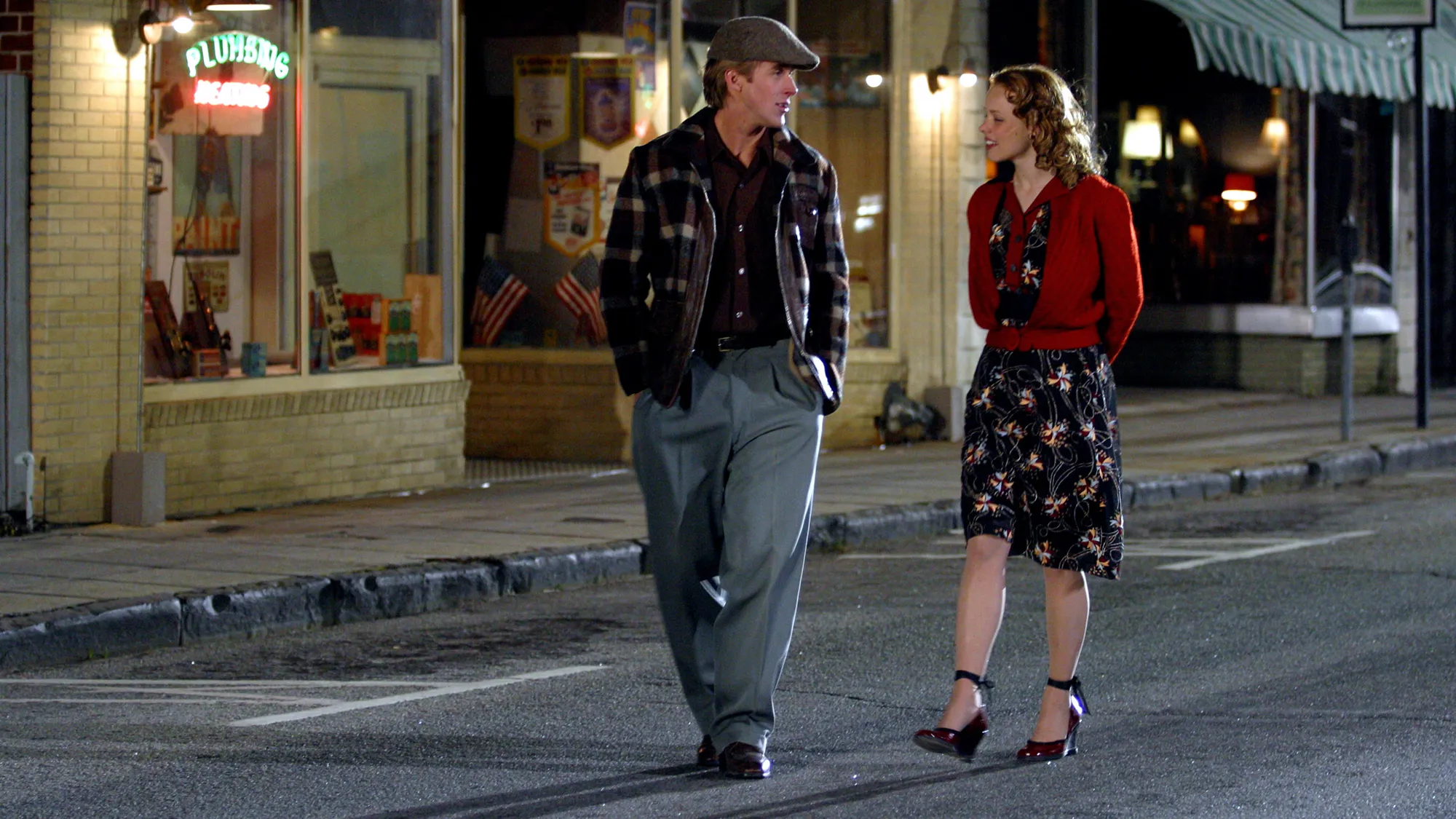
Allie and Noah (Image via Getty)
Noah sneaks into Allie’s room, unwilling to be apart. She wakes up, remembers him, and becomes distressed at the thought of losing him again. As they lie together, Allie asks Noah if their love can create miracles, hoping it will let them pass on together. Noah reassures her, and they fall asleep in each other’s arms. The next morning, a nurse finds them, hands intertwined, having passed away peacefully, fulfilling their final wish.
Noah’s Death: A Question of Health and Devotion
Though the official ending is less confusing than the Netflix UK version, it still raises questions about Noah’s health. Throughout the movie, Noah seems strong and healthy, while Allie’s dementia progresses toward its inevitable conclusion. While Allie’s illness is a fatal disease, Noah, according to the facility’s doctor, is in excellent physical condition. This discrepancy leads to confusion about why he passes away in the end.
Noah’s death is likely related to the heart attack he suffered after Allie’s distress. While it was initially considered a minor heart attack, the trauma of the situation brings to light the idea that it was only a matter of time before either Noah or Allie would be lost. Although Noah may not have been gravely ill, his deep love for Allie leads him to make a choice—to stay with her until the end.
Allie’s Memory and Her Brief Moments of Clarity
One of the most emotional aspects of The Notebook is Noah’s devotion to bringing back Allie’s memories, even if only for a few brief moments. After reading to her for days, Noah finally succeeds in triggering a moment of clarity in Allie. In this rare period, Allie remembers who Noah is, and they share a touching scene together, dancing, kissing, and talking. Unfortunately, this moment of recognition doesn’t last long, and Allie soon slips back into confusion, no longer able to recognize the man she loves.

Noah (Image via Getty)
Noah’s persistence, however, means that when he enters her room at the film’s conclusion, he knows she will remember him. And he’s right. When Allie wakes up, she recognizes him instantly. This rare moment of clarity is all they need to make the most of the time they have left. Allie knows that she can’t bear to forget him again, and they choose to cherish these final moments together.
The Final Miracle: Noah and Allie’s Last Act of Love
The concept of miracles plays a significant role in the story of The Notebook . From their improbable meeting to their years apart, Noah and Allie’s relationship defied the odds. Their love was a miracle that allowed them to reconnect years after being separated. This idea of miracles continues as Noah fights to bring Allie back from the fog of dementia, believing in the power of their love to restore her memories.
However, the true miracle comes at the end of the film. Despite Noah’s apparent good health and Allie’s ongoing struggle with dementia, neither of them would have survived for much longer in their respective conditions. But Noah’s dedication and love for Allie lead to a final miracle: they pass away together. It is their faith in each other and in their love that allows them to choose their own end, passing on together peacefully as they had always hoped.
The Legacy of The Notebook’s Ending
The ending of The Notebook is undeniably one of the most emotional and memorable conclusions in romantic cinema. While the film’s romance delighted audiences, it is the final moments that have solidified the movie’s place in film history. The emotional twist that reveals the elderly couple as Noah and Allie, the heartbreak of Allie’s illness, and the devastating yet beautiful finale where they die together in each other’s arms have made The Notebook a timeless love story.
The film has earned a reputation for having one of the most tear-jerking endings ever, capturing the hearts of millions worldwide. Ryan Gosling and Rachel McAdams delivered a stunning portrayal of young love, but it was James Garner and Gena Rowlands who delivered the emotional punch that made the ending unforgettable.
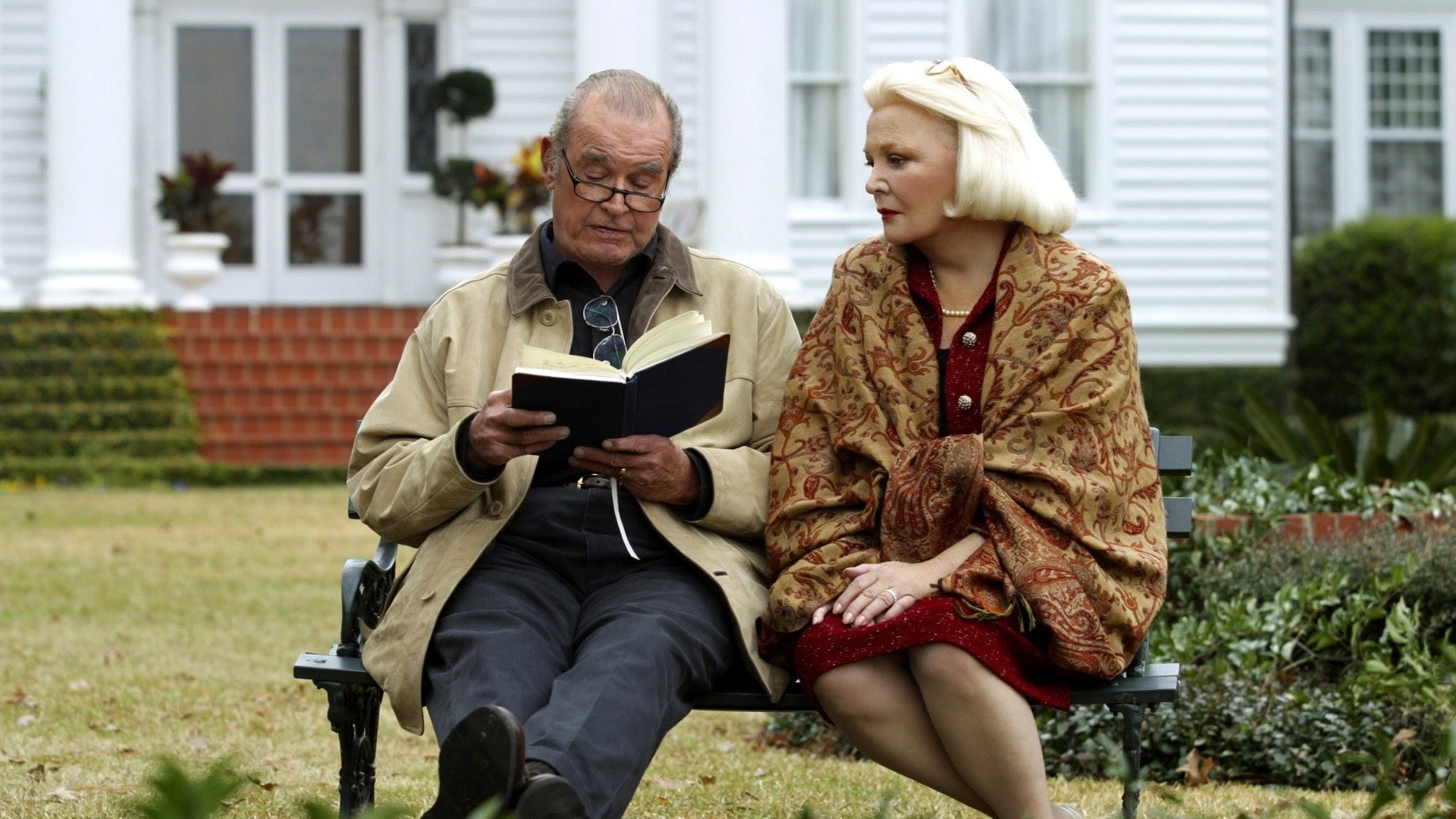
Old Noah and Allie (Image via Getty)
The Novel’s Different Ending: A More Open-Ended Conclusion
While the film’s ending is deeply emotional, the original novel by Nicholas Sparks offers a slightly different conclusion. In the book, the couple’s final moments are similar to the film, with Noah sneaking into Allie’s room and her briefly regaining her memory. However, unlike the movie’s more conclusive ending, the book leaves things more open-ended. The story ends with Noah cherishing the time he has with Allie, knowing their moments together are fleeting.
The novel’s ending captures the bittersweet nature of their love but doesn’t provide the closure that the film’s conclusion offers. The movie, with its powerful portrayal of their final moments, delivers a sense of peace and resolution that resonates with audiences, offering a more fulfilling conclusion to their unforgettable love story.
