A Florida school district has triggered controversy after pulling over 50 anime titles from school libraries. Among the banned were household names like Naruto , Death Note , and Demon Slayer , which officials labeled as “mental poison” that could negatively shape young minds. The move came after increasing pressure from parent groups concerned about violence, mature themes, and what they deem “perversion in animation.”
Administrators argue that the decision supports safer academic environments and reflects community standards. However, the backlash from students, educators, and national freedom-to-read advocates continues to grow, questioning what this means for creative exposure in schools.
School Officials Say Anime Encourages Rebellion and Perversion
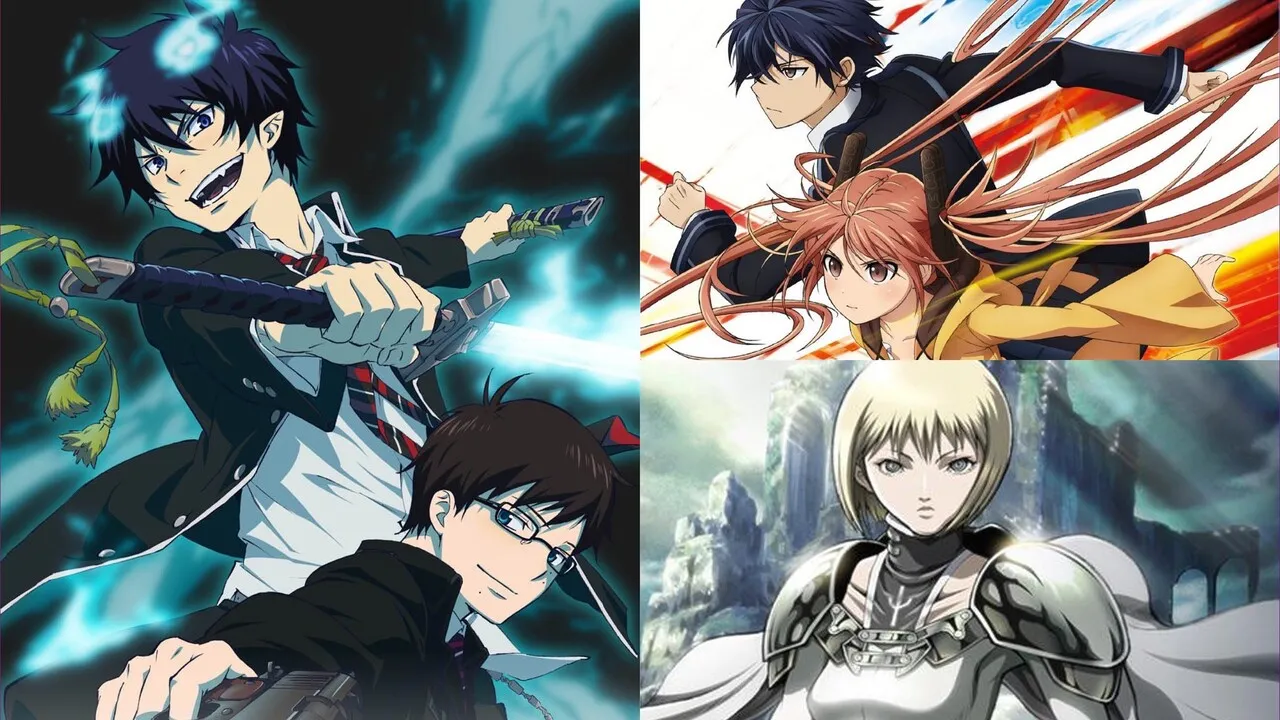
Anime like Attack on Titan
The district’s official report states that many anime titles promote disobedience, graphic violence, and distorted morality. According to WTSP News , officials were especially concerned about series with death gods, demonic possession, and “highly suggestive content under the guise of school stories.”
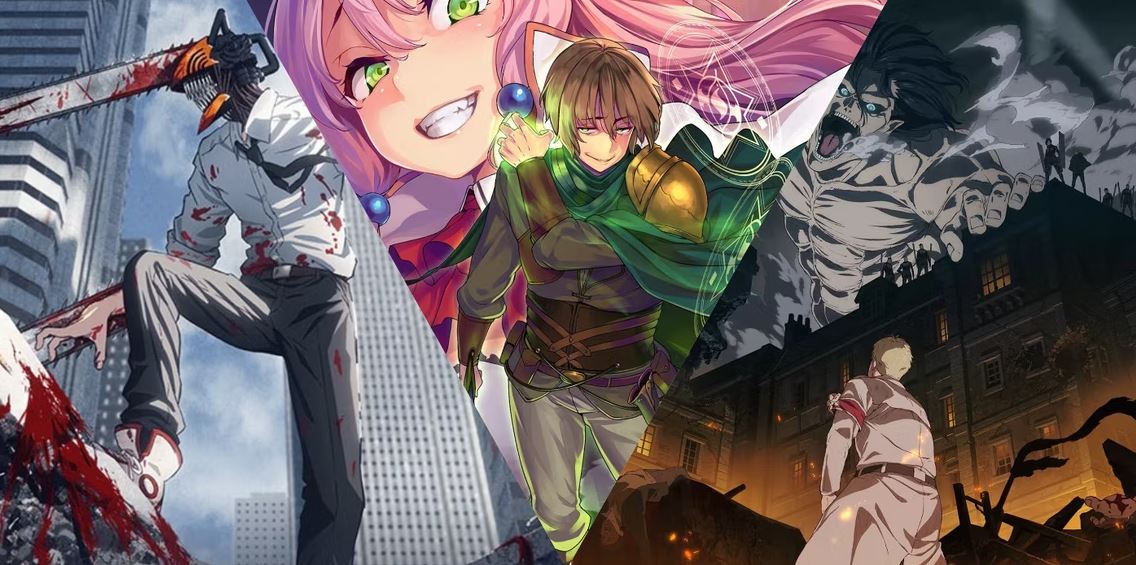
Chainsaw Men, Redo of Healer, and Attack on Titan (Credits: Crunchyroll & Prime Video)
“We’re not banning books,” one school board member stated. “We’re protecting our children from ideas they’re not developmentally ready for.” According to the same report, titles removed included Attack on Titan , Tokyo Ghoul , and even lighthearted entries like My Hero Academia . The decision followed recent state-wide changes that allow district-level discretion over reading material without public hearings.
Educators were reportedly given a list of titles “under review” and were instructed to immediately remove them from school collections. While officials insist the decision aligns with Florida’s education standards, critics say it opens doors to biased and politically motivated censorship.
Fans, Teachers, and Librarians Push Back
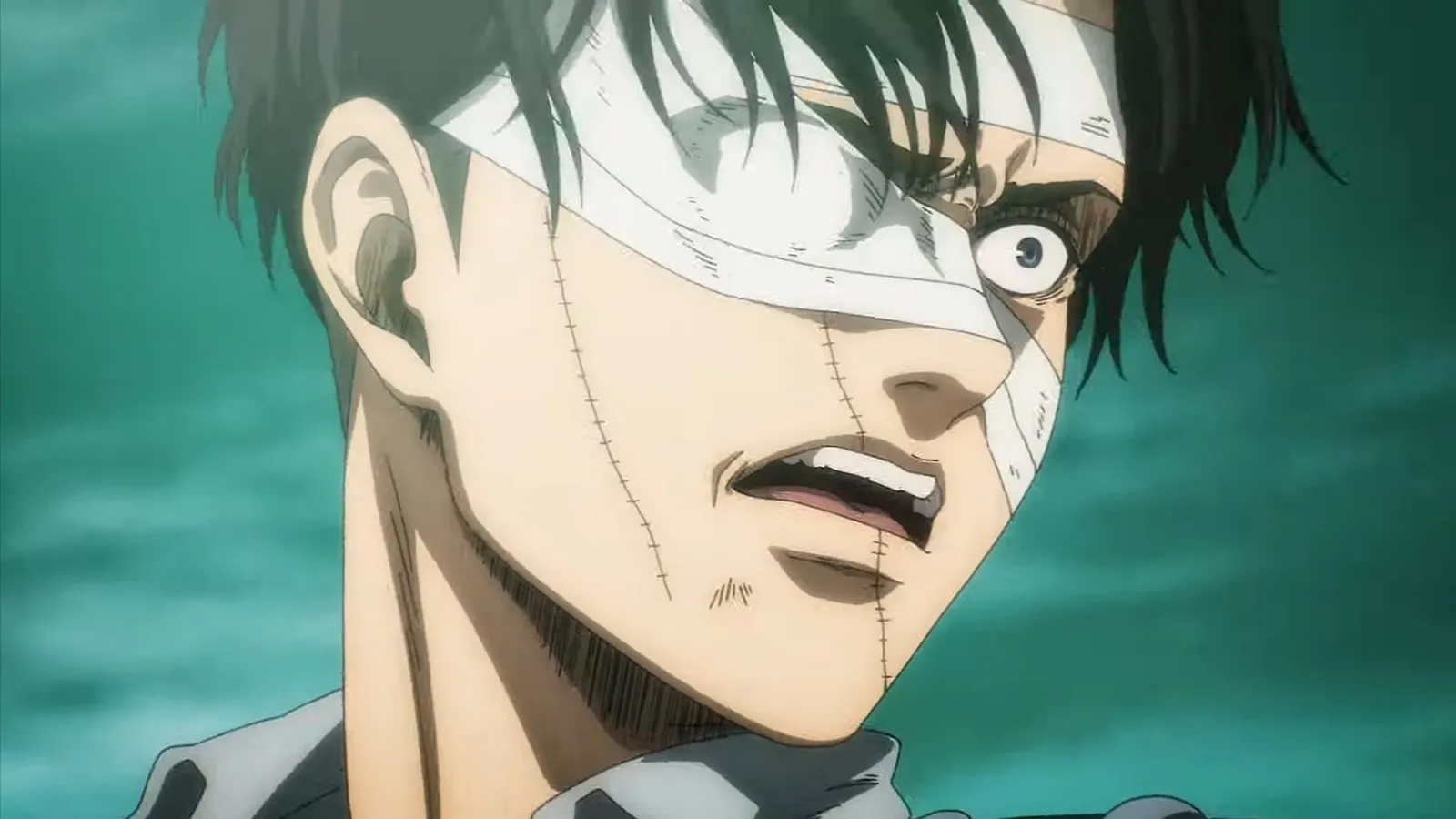
Attack on Titan Final Season Part 3 Part 2 (Credits: Mappa)
The backlash was swift. Students shared videos of empty library shelves on social media, sparking online outrage. Many teens accused the school board of “criminalizing Japanese culture.” On Reddit and TikTok, users trended the hashtag #LetUsReadAnime, comparing the ban to past censorship waves that targeted Harry Potter and comic books.
Several teachers spoke anonymously to NBC News , arguing that anime adaptations had boosted reading interest among reluctant readers. One high school librarian said, “If students feel seen through these characters, why are we taking that away?” Others point to the irony of removing stories that promote friendship, teamwork, and growth while claiming to protect morality.
National organizations like PEN America and the ALA also criticized the move, saying it restricts student access to diverse narratives and promotes a homogenized, fear-driven curriculum. They stress that young readers benefit from exploring complex emotions and topics through fictional frameworks.
A Japanese politician has ignited a firestorm after demanding a national review—and possible ban—on isekai anime. During a recent parliamentary session, the representative argued that such series promote escapist fantasies so extreme that they risk distorting youth perceptions of reality. Titles like Re:Zero , That Time I Got Reincarnated as a Slime , and Mushoku Tensei were specifically named as “dangerously influential.”
The politician claimed that rising mental health issues in Japanese teens are “in part” linked to media that glorifies reincarnation after death. Critics quickly labeled the remarks as moral panic, but they’ve gained traction among some conservative groups concerned with Japan’s growing youth disillusionment.
Government Concern or Cultural Overreach?
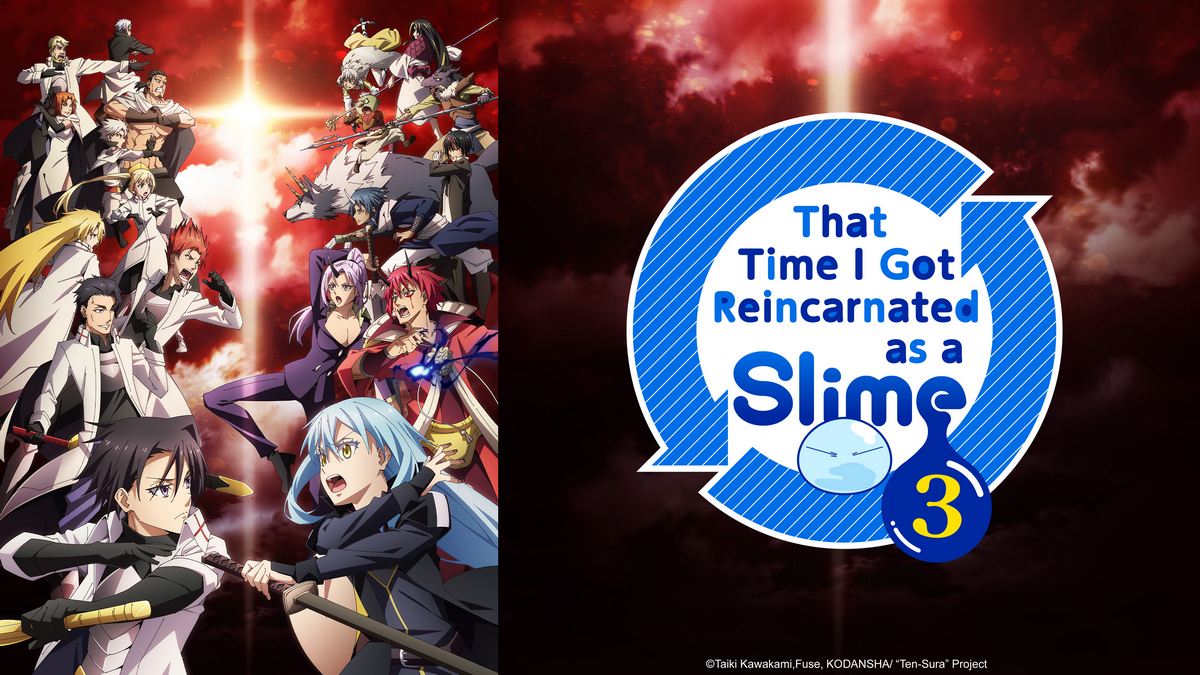
That Time I Got Reincarnated as a Slime
According to The Mainichi , the politician cited data on increasing teen depression and suicide, arguing that isekai anime gives struggling youth the wrong kind of hope—one that romanticizes death as a gateway to a better world. The statement suggested that “media responsibility” must be part of the solution to Japan’s youth crisis.
He pushed for a review of anime content by Japan’s Agency for Cultural Affairs, stating that if such narratives encourage escapism over resilience, they may require regulatory oversight. The speech received mixed reactions from fellow lawmakers, with a few supporting the idea of “media accountability,” while others dismissed it as cultural scapegoating.
Supporters of the crackdown believe Japan’s declining birthrate and social stagnation are linked to youth detachment, which isekai anime might worsen by glorifying alternative worlds over engagement with reality.
Fans and Mental Health Experts Push Back
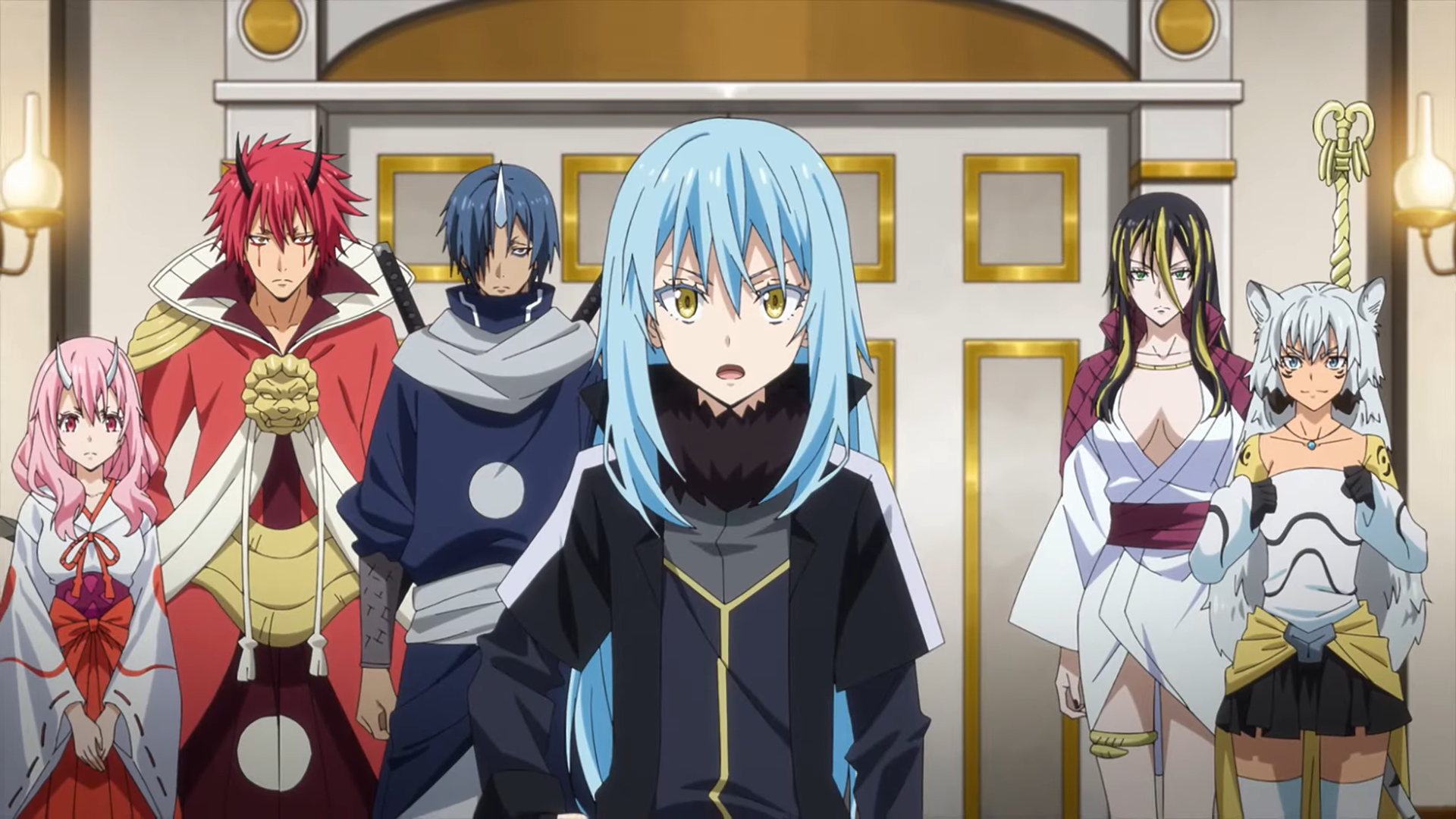
That Time I Got Reincarnated as a Slime
The reaction from fans and mental health professionals was swift and critical. Many psychiatrists rejected the notion that fictional narratives cause suicidal ideation, arguing instead that isekai anime often offers catharsis and emotional healing. Popular titles frequently feature characters overcoming trauma, building new communities, and learning to value life again.
Online, fans called the proposal tone-deaf. On X (formerly Twitter), the hashtag #IsekaiSavesLives trended in Japan. One tweet with over 50,000 likes read, “I wanted to disappear until Subaru taught me how to survive my own suffering.” Anime creators and studios also weighed in, warning that creative freedom was under threat and accusing the politician of misunderstanding the medium entirely.
Mental health advocates are urging policymakers to focus on tangible support systems like school counseling, not fictional bans. Many see this debate as yet another example of generational miscommunication in Japan’s cultural and political spheres.
