A recent revelation by voice actor Anairis Quiñones has brought Crunchyroll under scrutiny. Quiñones disclosed that she was paid only $150 for voicing Rika Orimoto in the English dub of Jujutsu Kaisen 0 , a film that grossed over $30 million in the U.S. This disclosure has sparked widespread criticism from fans and industry professionals, who argue that voice actors deserve fair compensation, especially given the significant revenues generated by such films.
Crunchyroll, a major player in the anime streaming industry, has faced ongoing criticism regarding its compensation practices. The company’s reliance on non-union contracts, particularly in states like Texas, has been cited as a factor contributing to lower pay rates for voice actors. This situation underscores broader concerns about labor practices and the valuation of creative work in the anime localization process.
Allegations and Industry Response
Gojo Satoru (Credits: Mappa)
Quiñones’ tweet about her compensation quickly gained traction, prompting other voice actors to share similar experiences. The lack of residuals and minimal upfront payments have been highlighted as common issues in the industry. Advocates argue that without union protections, voice actors are vulnerable to exploitation and lack the bargaining power to negotiate fair wages.
While Crunchyroll has not publicly responded to these specific allegations, the broader industry conversation continues. Organizations like SAG-AFTRA advocate for union contracts to ensure fair compensation and working conditions. The situation has also drawn attention to the disparities between the profits generated by anime content and the compensation received by the talent involved in its production.
Fans and Advocacy Movements

Toji from Jujutsu Kaisen Season 2 (Credits: Mappa)
The controversy has galvanized fans, leading to calls for boycotts and increased support for voice actors. Hashtags such as #FairPayForVAs have trended on social media platforms, reflecting a growing awareness and concern over labor practices in the anime industry. Some fans are choosing to support voice actors directly through platforms like Patreon, while others are advocating for greater transparency from streaming services.
This movement underscores a shift in consumer consciousness, where audiences are increasingly considering the ethical implications of their entertainment choices. The demand for fair treatment of creative professionals is becoming a central issue in discussions about the future of anime localization and distribution.
Notably, voice actor Anairis Quiñones tweeted about being paid only $150 for her role in Jujutsu Kaisen 0 , highlighting the broader issue of low compensation in the industry.
A recent comment from a U.S. health advisor has ignited controversy across anime communities worldwide. Speaking at a youth health panel, the official described anime as “the new cigarette,” arguing that excessive viewing may lead to emotional dependency, fantasy obsession, and social withdrawal. The claim quickly spread online, stirring widespread debate and sparking fierce backlash from anime fans.
The official cited rising concerns around dopamine-driven content habits, particularly in teenagers and young adults. While anime was singled out for its immersive narratives and “hyper-fantasy environments,” critics immediately pushed back. Fans, mental health experts, and creators accused the advisor of exaggeration and cultural stereotyping, especially given anime’s wide range of genres and its growing educational and artistic relevance globally.
Backlash and Fan Reactions
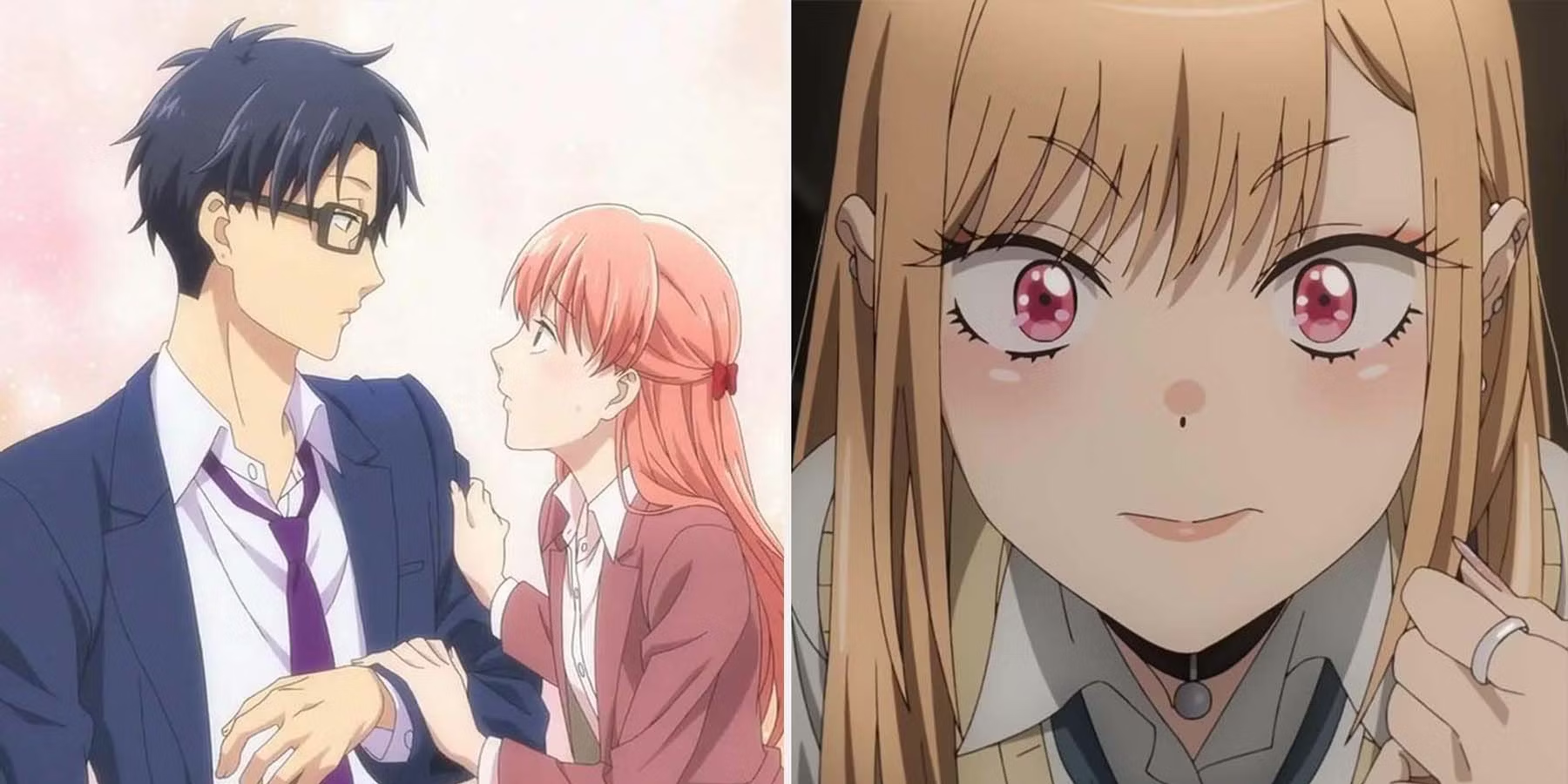
Shoujo Anime
Twitter and TikTok were flooded with reactions under trending hashtags like #AnimeIsNotAddiction and #OtakuRights. Many fans highlighted the double standard in blaming anime while ignoring Western binge-media habits like reality TV or social media scrolling. Creators also expressed frustration, noting how such remarks dismiss the emotional resonance and storytelling that anime offers to millions worldwide.
Some viewers acknowledged that any form of media can become a problem when consumed obsessively. However, they stressed that pathologizing anime alone reflects outdated biases against Japanese media. Professionals also noted that no scientific evidence supports singling out anime as inherently more addictive than other forms of visual storytelling.
Broader Discussion on Media and Health

Heartwarming Anime That Bring Pure Joy
Experts emphasized that addiction stems from behavioral patterns, not specific content types. The American Psychological Association has not classified anime as addictive. Instead, conversations around screen-time and media health should include all genres and platforms. Singling out anime, they argue, risks feeding moral panic rather than addressing genuine youth wellness concerns.
This isn’t the first time anime has been scapegoated. Over the years, it’s been wrongly linked to everything from violence to loneliness. Yet research consistently shows that the anime community offers many fans a sense of belonging, creativity, and comfort—especially for those struggling with isolation or mental health issues.
