The ending of Frozen 2 builds toward Elsa’s daring journey into Ahtohallan, a legendary river of memory said to hold answers to the past. Throughout the film, Elsa hears a mysterious voice calling her northward, compelling her to leave behind Arendelle in search of the truth.
This call is revealed in Ahtohallan, where Elsa uncovers the full story of the conflict between Arendelle and the Northuldra people.
Through visions in the ice, Elsa learns that the kingdom’s history was not as noble as she once believed. Her grandfather, King Runeard, betrayed the Northuldra during a moment of supposed peace by building a dam designed not to unite but to weaken them.
He attacked their leader, sparking mistrust and anger that led to the forest spirits trapping both peoples within an enchanted mist. This revelation confirms that the root of the unrest lies not in magic itself but in human greed and fear.
As she goes deeper into Ahtohallan, Elsa embraces the origin of her powers. She learns she is the “fifth spirit,” a bridge between humans and nature’s elemental forces. The voice that had been calling her all along was the memory of her mother, Iduna.
By discovering this truth, Elsa claims her identity as guardian of the balance between Arendelle and the enchanted forest. However, the icy waters of Ahtohallan overwhelm her, freezing her body until she cannot return.
In her last moments before freezing completely, Elsa sends her memories through Olaf and then to Anna, trusting her sister to complete what she cannot.
This sacrifice reflects Elsa’s acceptance of her destiny, but it also highlights Anna’s vital role. While Elsa may embody the bridge to the magical spirits, Anna carries the responsibility of action and leadership.
Anna’s Rise: Ending the Cycle of Injustice
While Elsa struggles in Ahtohallan, the focus shifts to Anna, who becomes the film’s true force of resolution. Through Elsa’s messages, Anna realizes that the dam must be destroyed to break the curse and restore harmony.
The dam was built on betrayal and injustice, and its destruction symbolizes reconciliation and healing between Arendelle and the Northuldra.
Anna leads the giant earth spirits toward the dam, knowing that if it collapses, Arendelle itself will be flooded and potentially destroyed.
This decision shows Anna’s transformation from the eager, sometimes naïve girl in the first film into a mature, decisive leader willing to sacrifice everything for the greater good. For her, justice demands action, even if the cost is painful.
Kristoff plays a supporting but significant role here, standing by Anna and trusting her leadership without hesitation. His love for her underscores one of the film’s recurring themes: true strength comes not from dominance but from support and trust. Together, they succeed in directing the giants to demolish the dam.
With the dam destroyed, the river is freed, and the natural balance is restored. The mist surrounding the enchanted forest disappears, symbolizing the healing of the rift between humans and spirits.
Elsa, revived through the release of this balance, thaws in Ahtohallan, regaining her strength and her role as the mediator between both worlds.
Elsa and Anna’s Separate Paths and Shared Future
The ending of Frozen 2 offers something unexpected: Elsa and Anna, once inseparable, choose different roles. Elsa realizes she belongs in the enchanted forest, where she can serve as guardian of magic, protecting the spirits and keeping peace between nature and humankind.
Arendelle, in contrast, needs a stable and empathetic ruler with a human perspective. Anna is crowned Queen of Arendelle, fully stepping into her role as a leader of people rather than simply Elsa’s supportive sister.
This division is not a separation of love but a realization of purpose. Elsa and Anna symbolize two halves of the same whole: one tied to the magic of the world, the other tied to human responsibility. Instead of clinging to being together physically, they strengthen their bond by trusting each other in their destined roles.
Elsa’s independence resolves her long-standing feeling of not fully belonging in Arendelle, while Anna’s coronation fulfills her arc from overlooked princess to mature monarch.

Frozen 2 (Credit: Jio Hotstar)
Their reunion at the very end highlights this harmony. Though distance will now exist between them, their hearts are tied closer than ever because they finally accept who they truly are.
Themes of Truth, Family, and Responsibility
The end of Frozen 2 resonates strongly because it addresses deeper themes than the first film. One of the most important lessons is the necessity of facing uncomfortable truths.
Elsa and Anna’s family history is riddled with betrayal, yet they do not run from it. Instead, Anna confronts the consequences head-on, proving that breaking cycles of injustice sometimes requires difficult sacrifices.
Another central theme is identity. Elsa has spent much of her life hiding or questioning her powers. In the end, she accepts them fully, not as a curse but as her calling. Conversely, Anna accepts a role that is quieter but equally essential in leadership, diplomacy, and protection of Arendelle.
Together, their dual acceptance of identity shows that fulfillment looks different for each person, yet both are equally important.
The film also emphasizes family bonds. Olaf, though briefly lost when Elsa froze, returns because of Elsa’s survival, strengthening the idea that love and connection endure even through loss.
Kristoff’s patient support and eventual heartfelt proposal to Anna further show that love is built on understanding and partnership. These relationships, from sisters to friends to romantic love, define the heart of the ending.
Why the Ending Leaves a Lasting Impact
The conclusion of Frozen 2 appeals to audiences because it balances fantasy spectacle with intimate, emotional resolution. Elsa riding into the forest on the Nokk, glowing with confidence and freedom, mirrors Anna’s steady coronation as Queen. Both visuals provide closure while promising new beginnings.
The kingdom is safe, the enchanted forest is at peace, and the sisters’ relationship reaches its most mature form: one rooted in respect and independence rather than constant dependence.
The messaging is particularly powerful for younger and older audiences alike. Children see the importance of honesty, bravery, and embracing who they are, while adults may resonate with the deeper ideas of carrying familial responsibility, healing generational harm, and finding one’s place in the world.
By refusing to keep Anna and Elsa on the same path, the film challenges traditional fairy tale endings. It reinforces that true happily-ever-afters are not about perfect unity or sameness, but about individuals fulfilling their own destinies while staying deeply connected.
In recent days, the upcoming season of Netflix’s live-action One Piece has become the subject of heated online discussions. The reason for this controversy is the announcement that actress Charithra Chandran has been cast in the role of Princess Vivi.
While many fans expressed excitement at the news, a wave of racist and hateful remarks quickly followed. Some critics argued that she did not fit the character because of her skin tone and background. The negativity spread across social media platforms, creating a toxic environment that overshadowed the actual accomplishment of the casting decision.
Amidst this backlash, actor Rob Colletti, who is also part of the live-action One Piece cast, stepped forward to defend Chandran. He took to social media to share his views and did not hold back.
Colletti emphasized that casting choices in an adaptation are about more than skin tone or exact appearances. He explained that what truly matters is the spirit of the character, the performance of the actor, and how well they can embody the role’s essence.
By focusing only on racial or ethnic details, critics were missing the larger point of storytelling and representation. He made it clear that the world of One Piece is vast, colorful, and full of diversity, and limiting it to narrow ideas of who can play which role goes against its very spirit.

One Piece Franchise (Credits: Eichiro Oda)
Rob Colletti Stands Firm Against Racist Backlash Over Charithra Chandran’s One Piece Casting
For Charithra Chandran, the role of Princess Vivi is an important step in her career. Known for her work in other shows, she has gained recognition for her acting skills and her ability to bring depth to her characters.
Supporters of the casting have highlighted how talented she is and how she can bring a fresh interpretation to Robin, a character beloved for her intelligence, mystery, and strength. Many fans have shared that representation matters, and casting decisions like this can inspire audiences who rarely see themselves reflected in major productions.
Colletti’s statement is also significant because it reflects the growing awareness in Hollywood and the global entertainment industry about the harm caused by racist backlash.
In the past, actors and creators often stayed silent when faced with such negativity, but now, more voices are speaking out in support of their colleagues. His words are part of a larger movement within the entertainment world that encourages inclusivity and challenges toxic fan culture.
The debate over Chandran’s casting also highlights a common struggle in live-action adaptations of anime. Fans often have strong attachments to characters and want them to look exactly as they do in the original series.
While this passion comes from love for the source material, it sometimes turns into exclusionary thinking. Creators, however, are tasked with bringing these stories to life in new ways that may not always match expectations. This tension between fan desires and creative freedom often fuels arguments, but Colletti’s defense makes clear that racism should never be part of that conversation.
One Piece Actor Defends Chandran: “The Problem Isn’t With Casting, It’s With You”
Netflix’s One Piece adaptation already proved in its first season that bold choices can succeed. Despite early doubts, the show was widely praised for its casting, storytelling, and ability to capture the heart of Eiichiro Oda’s world.
The positive response showed that audiences are willing to embrace new interpretations as long as they remain true to the spirit of the story. Chandran’s addition to the cast continues that tradition, and with strong support from fellow actors like Colletti, it sets the stage for another season that challenges expectations while staying faithful to the themes of friendship, adventure, and freedom.
As the controversy continues online, the voices of support for Chandran are growing louder. Many fans have pointed out that One Piece itself is a story about acceptance, diversity, and fighting against prejudice. Princess Vivi’s journey is about overcoming judgment and finding a place where she is valued for who she is. In that sense, Chandran’s casting and the defense she has received fit perfectly with the message of the series.
Rob Colletti’s words may not end the negativity completely, but they serve as a reminder of the responsibility that comes with being part of a global phenomenon like One Piece. His stance shows solidarity, kindness, and courage in the face of hate, and it sends a clear message that the One Piece cast stands together.
For Chandran, the support she is receiving will likely strengthen her resolve as she prepares to take on one of the most iconic roles in anime history.
In the end, the debate is not just about a single casting choice. It is about the kind of community that fans and creators want to build around beloved stories. By standing up against racism and embracing diversity, the One Piece live-action team is showing that the true spirit of the series is alive not only on screen but also behind the scenes.
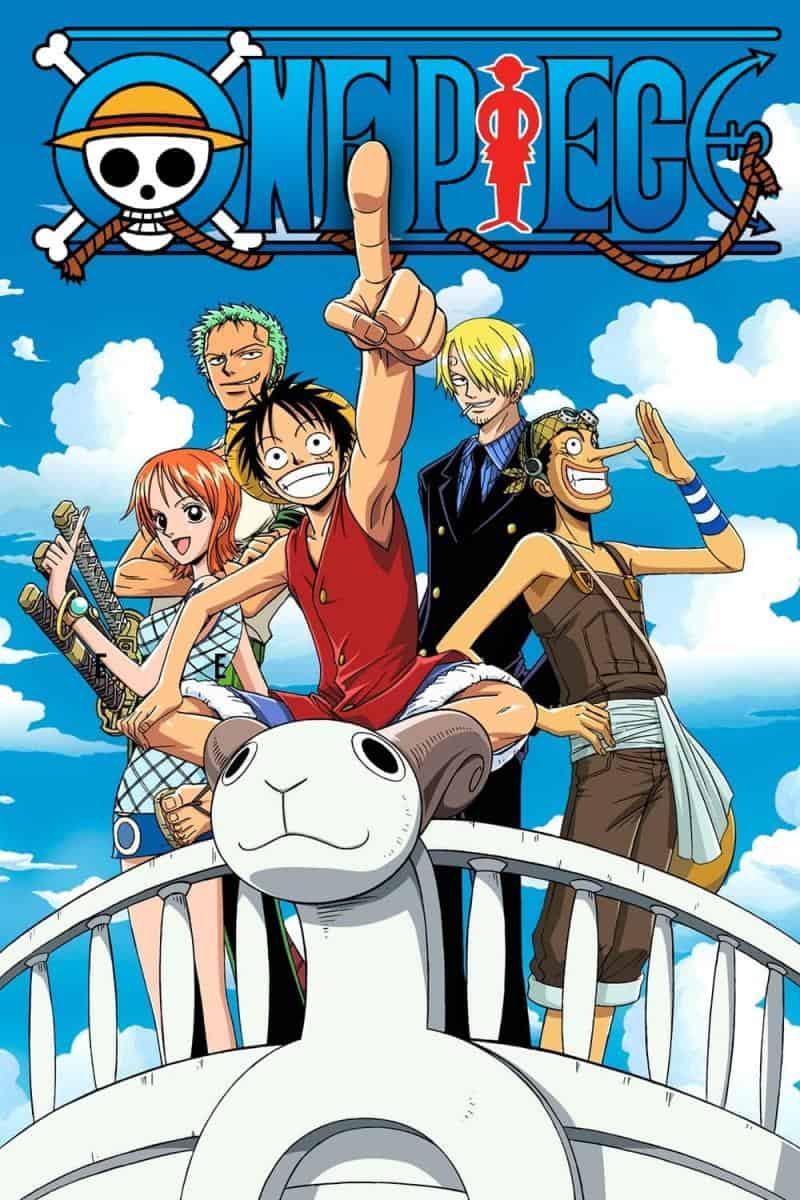
“One Piece” is a beloved Japanese manga and anime series that chronicles the adventures of Monkey D. Luffy and his pirate crew. Luffy, imbued with rubber powers from a mystical fruit Hito Hito no Mi, aspires to become the Pirate King. To achieve this, he seeks the ultimate treasure, the “One Piece,” hidden at the Grand Line’s end. Along the journey, Luffy gathers a diverse crew, confronts formidable foes, and uncovers world-altering secrets, all while promoting themes of friendship, freedom, and adventure.
