Ever since Jujutsu Kaisen killed off Satoru Gojo in one of the series’ most jaw-dropping moments, fans have demanded answers. How could a character so seemingly invincible, so overwhelmingly skilled, die at the hands of Sukuna? Now, creator Gege Akutami has given fans the long-awaited explanation—one that stings more than any curse could.
In a note revealed at the new Jujutsu Kaisen Exhibit in Japan, and shared by @Go_Jover on X , Akutami dropped a bombshell: Gojo didn’t die because he lacked the ability to dodge Sukuna’s blow. He died because he let his guard down . Assured of his Infinity’s invulnerability, Gojo miscalculated—and paid with his life.
Hubris Was Gojo’s True Enemy
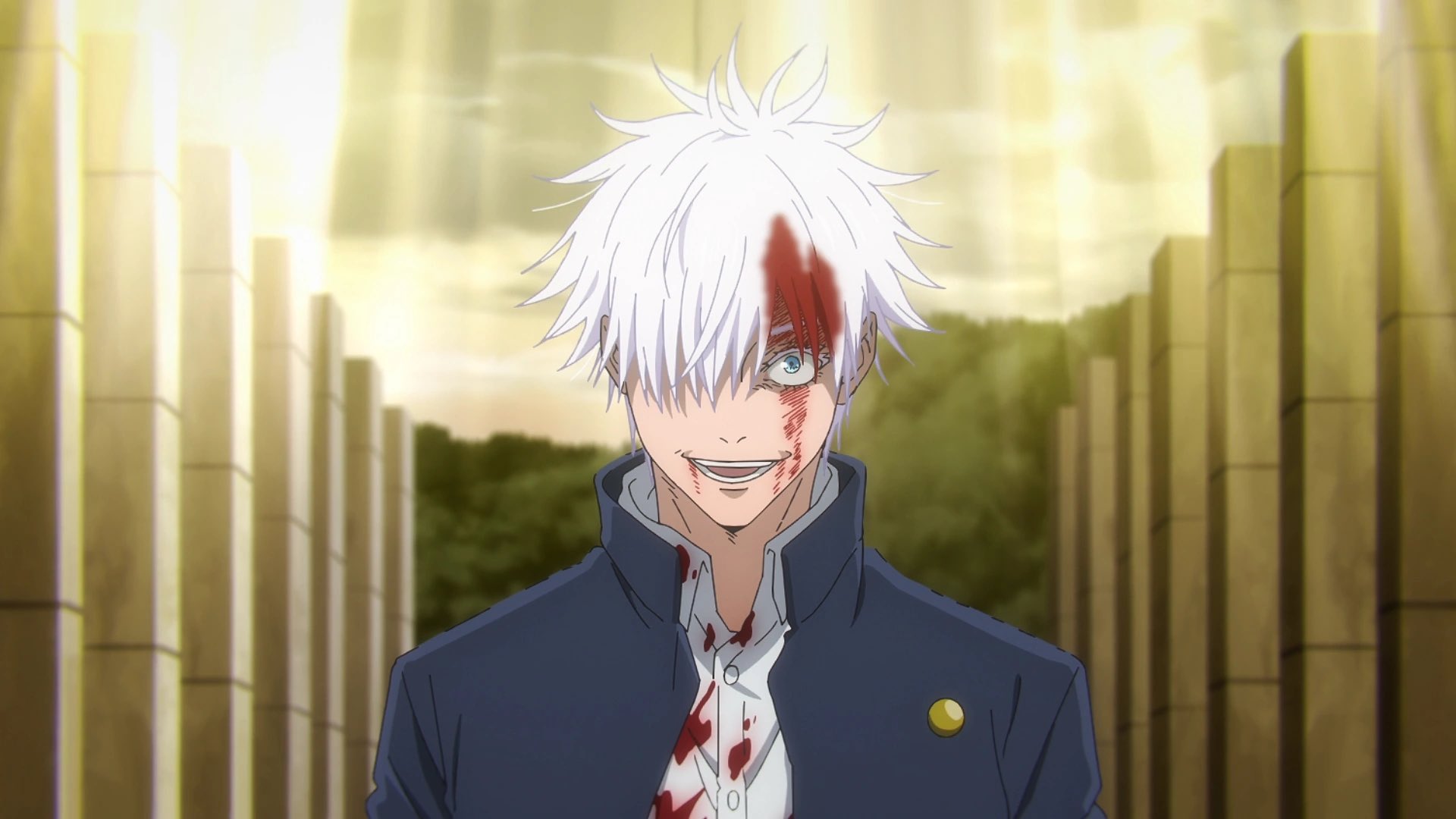
Gojo Satoru (Credits: Mappa)
Gege’s words echo a haunting theme that has followed Gojo throughout the series. Much like his near-death experience with Toji Fushiguro, Gojo’s self-assured nature became his greatest flaw. Akutami clarifies, “[Sukuna] dealt a surprise attack on Gojo, who was assured that his Infinity can’t be bypassed anymore & had let guard down. But he would’ve usually avoided it.”
This revelation reframes Gojo’s death not as a tragedy of fate, but one of personal failure. It wasn’t that he couldn’t survive—it’s that he thought he didn’t need to try. In a universe ruled by cursed energy, where strategy and state of mind carry as much weight as raw strength, that brief moment of pride became fatal.
Sukuna Gets a Taste of His Own Medicine
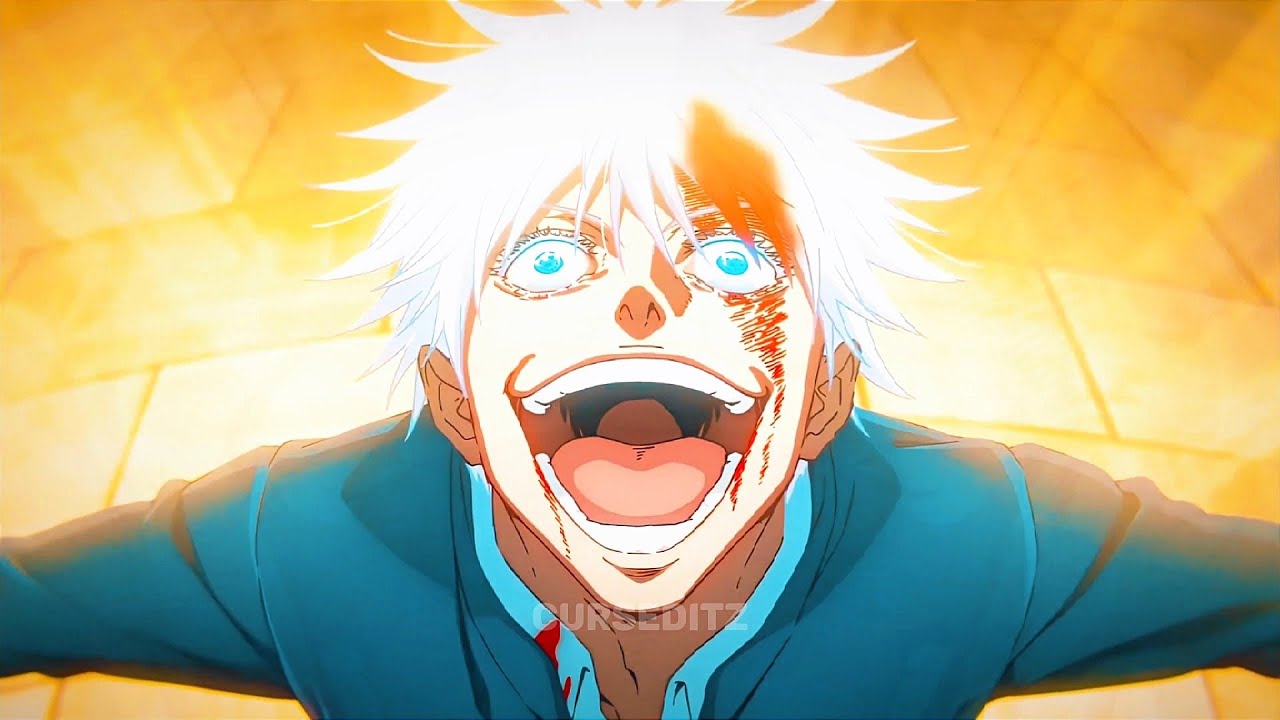
Gojo (Credits: Mappa)
In a brilliant stroke of narrative symmetry, Chapter 251 flips the dynamic. Maki Zenin surprises Sukuna with a devastating blow, mirroring the very trap Sukuna used against Gojo. Sukuna, confident in his unmatched power, lowers his defenses—only to be blindsided. It’s a chilling yet poetic parallel that shows no one, not even the King of Curses, is immune to hubris.
Akutami’s writing proves again that Jujutsu Kaisen is not about who is stronger, but who is sharper . Gojo’s fall—and Sukuna’s stumble—are powerful reminders that strength without caution is a recipe for downfall. The tragedy of Gojo’s death is not just that he died, but that he didn’t have to.
Since its anime debut, The Beginning After The End has faced an uphill battle with longtime fans of the manhwa. What was once one of the most visually beloved fantasy stories in digital comics has now become the subject of criticism for its lackluster visuals, slideshow-style animation, and underwhelming direction. Disappointed viewers have taken to forums and social media, hoping the show will improve—or be replaced altogether.
In a recent statement to fans, series creator TurtleMe addressed the controversy, admitting that he chose a smaller studio with the hope of having more creative control. Unfortunately, many now believe that decision backfired. While fans respect his intent, many argue that such a well-established property deserved a higher-quality production team that could do justice to its rich lore and stunning visuals.
A Fan’s Clip Proves Animation Potential in Just One Hour
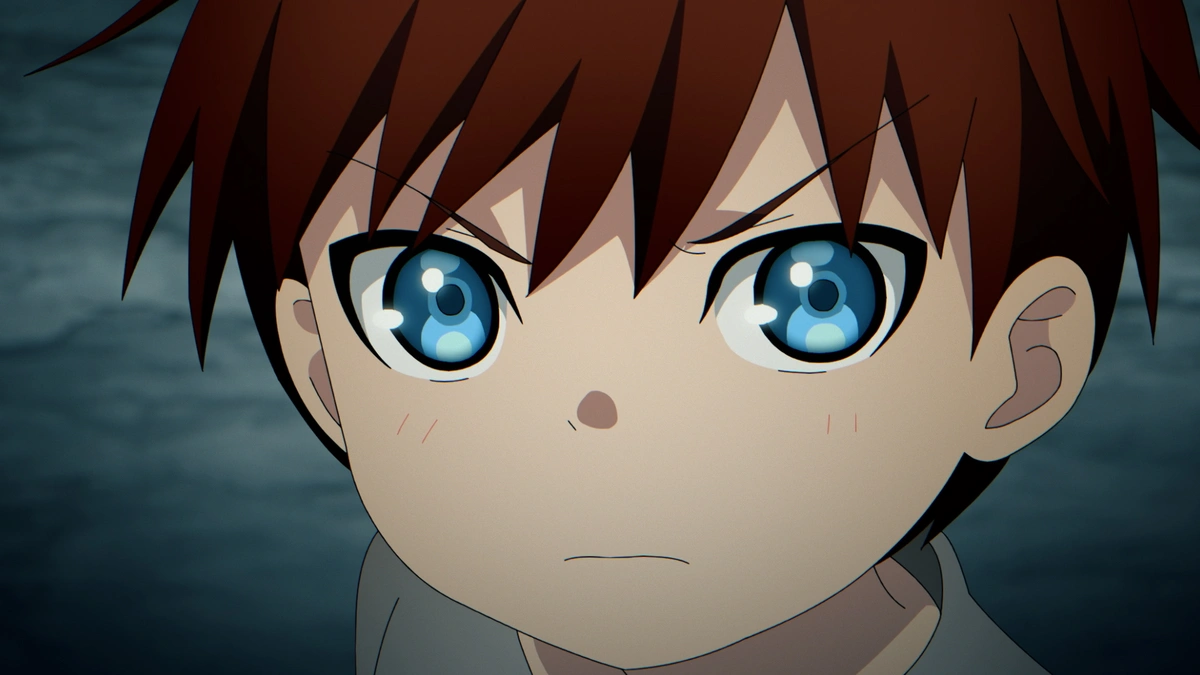
The Beginning After the End
Amid the ongoing disappointment, one fan decided to take matters into their own hands. TikTok user @mrnavvy released a short, fan-made animation depicting Arthur Leywin’s magical awakening scene—one of the most iconic moments from the manhwa’s early chapters. Though made in just an hour using a still frame, the result was far more dynamic than anything seen in the official adaptation so far.
Arthur’s magical breakthrough, which should have been a showstopper moment, lacked impact in the anime. Yet in this fan recreation, the tension, visual energy, and pacing feel more in line with what readers originally experienced. It’s a testament to how impactful even basic animation can be when done with understanding and care.
A Devoted Fanbase Deserved a Better Launch
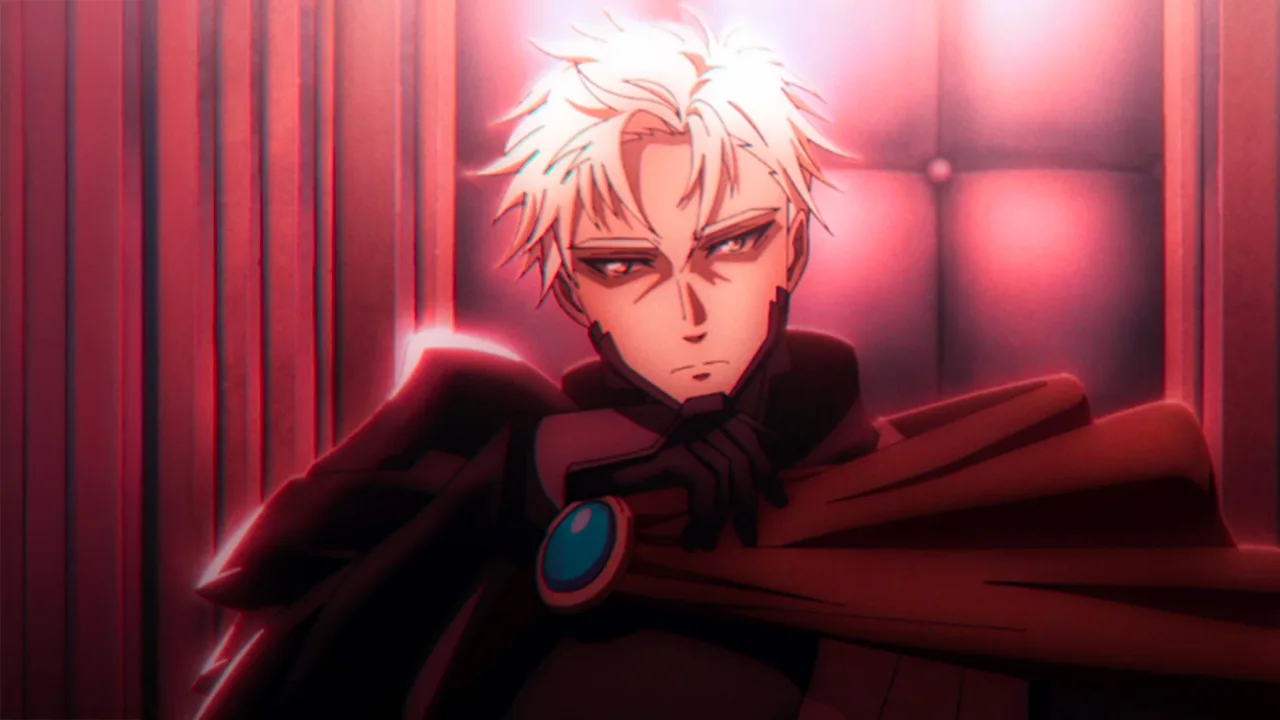
The Beginning After the End
Despite the strong character arcs and worldbuilding, the anime’s simplified designs and stiff motion left fans underwhelmed. Even moments with high production value, such as Sylvie’s model work, fall short due to weak camerawork and choppy direction. When compared to recent manhwa-to-anime hits like Solo Leveling , the flaws are even more apparent.
The passion behind The Beginning After The End is undeniable—its community is filled with artists, theorists, and fans who’ve followed Arthur’s journey from novel to manhwa. The disappointment stems not from hate, but from hope. They wanted to see this world fully realized. And perhaps, with enough pushback and examples like @mrnavvy’s, the industry might start listening.
