Chris Evans is an actor known for taking on various roles over the course of his career. Most notably, he portrayed Steve Rogers, also known as Captain America, in the Marvel Cinematic Universe.
However, Evans has shown that he can do more than just play a superhero. He’s taken on different types of characters, including villains like in the movies Knives Out and The Gray Man.
Beyond that, Evans has been involved in romantic comedies, though those roles are often underrated. Yet, one of his most unique films is Gifted.
The film, directed by Marc Webb, tells a compelling family story and gives Evans a role that stands out in his filmography because it feels like his most grounded and realistic character to date.
In fact, Evans plays such a key role in Gifted that his performance is a large reason why the movie works as well as it does.
Gifted centers around Chris Evans’ character, Frank Adler. Frank is a mechanic who takes on the responsibility of raising his niece, Mary (played by Mckenna Grace), after his sister’s death.
Mary is no ordinary seven-year-old girl. She’s a math prodigy, far ahead of other children her age. Frank, however, wants to give Mary a normal life, fulfilling what he believes were his sister’s final wishes.
He decides to enroll Mary in a public school, despite her incredible intelligence. Mary herself isn’t too fond of other kids and tells Frank that she doesn’t like school. Still, Frank insists on giving her the experience of an ordinary childhood.
However, things take a turn when Mary’s teacher, Bonnie Stevenson (played by Jenny Slate), recognizes Mary’s brilliance.
Bonnie brings up Mary’s potential with Frank, and they begin a romantic relationship along the way. This sets the stage for the conflict at the heart of the movie.

Still from the movie (Amazon Prime)
Frank’s mother, Evelyn (played by Lindsay Duncan), enters the picture, believing that Mary should attend a private school that can nurture her talents better. Frank disagrees, leading to a heated custody battle between the two over what’s best for Mary’s future.
The movie has moments that are both emotionally moving and heartwarming, with Frank’s fight to keep custody of Mary at the center.
Frank deeply believes that he’s fulfilling his sister’s wishes, wanting Mary to have the childhood that his sister could never have.
The court scenes are powerful, with raw emotion driving the tension between Frank and Evelyn as they debate over how best to raise Mary.
The movie doesn’t hold back in showing the difficulties of trying to do the right thing in a complicated family situation.
Being included on the Black List is a huge achievement for writers, and some famous films like Juno and Argo started off as Black List scripts.
Yet, not all scripts on the Black List actually get made into movies. Out of the many screenplays that have appeared on the list, fewer than half have been produced. So, the fact that Gifted went from being a Black List script to becoming a full-fledged film is impressive in itself.
To ensure the accuracy of the math presented in the movie, the filmmakers sought help from a former math prodigy.
Director Marc Webb came across an article about Jordan Ellenberg, who was a math whiz during his childhood.
After Webb reached out to Ellenberg, the former prodigy was brought on as a math consultant for the film. He even makes a brief cameo appearance.
With Ellenberg’s guidance, Gifted features real math problems, like the Millennium Problems, which adds an extra layer of realism to the film.
Ellenberg described his role on the set, saying, “The director and the producer wanted to make sure that there was someone who really understood the math.”
Ellenberg’s involvement added to the authenticity of the movie, ensuring that the math scenes felt believable and true to the story.
The performances in Gifted are another reason why the film works so well. Chris Evans shares the screen with a talented cast, including Lindsay Duncan and Octavia Spencer, who plays Frank’s next-door neighbor, Roberta.
Duncan delivers a strong performance as Frank’s determined mother, Evelyn, with whom Evans shares several intense scenes.
Spencer, as Roberta, provides a more lighthearted dynamic, often serving as Frank’s voice of reason. However, the two people Evans spends the most time with onscreen are Mckenna Grace, who plays Mary, and Jenny Slate, who plays Bonnie.

Still from the movie (Prime Video)
The chemistry between Evans and Grace is one of the highlights of the movie. They share several memorable scenes together, especially early on when their close relationship is established.
Frank comes across as a caring, yet firm guardian, particularly in scenes where Mary tries to talk her way out of going to school. Despite Mary’s clever attempts to manipulate him, Frank remains patient but resolute.
Another notable moment comes when Frank is called to the school because Mary got into trouble. After she punches another student, Frank must handle the situation, staying calm yet stern.
Evans’ performance in these scenes highlights Frank’s deep love for Mary, while also showing his commitment to raising her right, even when she challenges him.
On the other hand, Evans’ scenes with Jenny Slate show a different side of Frank. He is less guarded around Bonnie and opens up to her about his fears and the weight of his responsibilities.
Frank confesses that he’s scared of losing Mary and talks about how his mother’s pressure on his sister to succeed influenced his decision to give Mary a normal life.
Evans and Slate have strong chemistry in these scenes, which is not surprising since the two actors were dating in real life at the time of filming.
While their off-screen relationship didn’t last, their connection on screen brings depth to their characters’ bond. The romance between Frank and Bonnie feels genuine, with both characters finding comfort in each other amid the chaos of their lives.
Gifted stands out in Chris Evans’ career because it allows him to show more range as an actor. In many of his previous roles, he’s been pushed to extremes.
As Captain America, he played a hero with a strong moral compass, while in Knives Out and The Gray Man, he took on villainous roles that showcased the worst of humanity. In Gifted, though, Evans finds a balance.
Frank is not a hero or a villain; he’s just a regular guy trying to do the best he can. This makes Evans’ portrayal of Frank feel relatable and human.
His performance in Gifted allows him to show emotional depth, making the character of Frank one of his most memorable roles.
Ironically, Evans returned to playing a more down-to-earth character recently in the film Ghosted. Although the movie’s plot is far from realistic—Evans’ character gets caught up in an adventure involving a CIA agent—it still allowed him to play a character closer to his role in Gifted.
In Ghosted, Evans portrays Cole Turner, an ordinary guy who ends up in extraordinary circumstances, much like Frank in Gifted.
Despite the action-packed storyline, Evans’ character remains grounded and relatable, showing that Evans can handle a wide range of roles.

Still from the movie (Prime Video)
In conclusion, Gifted is a special movie in Chris Evans’ filmography because it allowed him to showcase a more nuanced, emotional performance.
While the movie may have received mixed reviews when it first came out, it’s worth watching, especially for fans of Evans who want to see him in a more down-to-earth role.
The film’s heartfelt story, strong performances, and its focus on family dynamics make it a standout in Evans’ career and a movie that resonates with audiences looking for a feel-good story.
Gifted is not just another family drama—it’s a film that captures the complex emotions of love, responsibility, and the struggle to do what’s right for the ones we care about.
At its core, the movie highlights the idea that raising a child, especially one with exceptional abilities, comes with immense challenges. Chris Evans’ performance as Frank Adler is central to the film’s success.
He portrays a man caught between the expectations of his mother, the pressures of society, and his personal commitment to giving his niece the normal life he believes she deserves.
What makes Gifted truly special is how it avoids turning into a predictable melodrama, instead presenting nuanced relationships and conflicts that feel authentic.
The film also sheds light on the tension between genius and normalcy—how a child prodigy like Mary is both a gift and a responsibility. With its emotionally charged narrative and Evans’ grounded performance, Gifted appeals to audiences seeking more than just entertainment.
It reminds us that family is defined not only by blood but by the love, sacrifice, and choices we make for each other. In the end, Gifted leaves a lasting impression, making it a film worth watching for its deep emotional resonance and honest storytelling.
The Bachelor franchise has been on television since 2002, with many seasons and spinoffs. One key feature is the Fantasy Suites, which allow contestants to build a deeper connection with their partner without cameras.
The Bachelor or Bachelorette can invite their final three choices to spend a night together in a private suite, often marking their first uninterrupted time together.
In different seasons, Bachelors and Bachelorettes have handled the Fantasy Suites in various ways. For example, in The Bachelorette Season 21, Jen Trann used this private time to discuss serious matters like finances and future plans.
However, in The Bachelorette Season 15, Hannah Brown faced drama when contestant Luke Parker disapproved of her possible intimacy with other men.
The Fantasy Suites always bring up strong emotions and tough decisions, but Joan Vassos, the first Golden Bachelorette, is changing this.
After The Golden Bachelorette premiered, Vassos appeared on The View to talk about her plans for the show. One of the big surprises she revealed was that the Fantasy Suites would no longer have beds.
Vassos wanted the focus to be on emotional connection rather than physical intimacy. She was clear that she didn’t want to be physically intimate with more than one man, so it made sense for her to change the format of Fantasy Suites to align with her values.
Vassos also mentioned that the men respected her decision and supported the change. She clarified that she didn’t judge others who might use the Fantasy Suites to build a physical connection, but it just wasn’t for her.
This new approach reflects a fresh perspective in the long-running franchise. It also highlights that older contestants may have different expectations when it comes to romance.
Vassos is not the first to challenge the typical use of Fantasy Suites. Zach Shallcross, from The Bachelor Season 27, also introduced a “no-sex” rule to avoid complications with finalists Ariel Frenkel, Gabi Elnicki, and his eventual fiancée Kaity Biggar.
However, things got complicated when he broke his own rule with Elnicki, leading to emotional drama. Vassos took a firmer stand by removing beds entirely, making sure she stays committed to emotional connection.
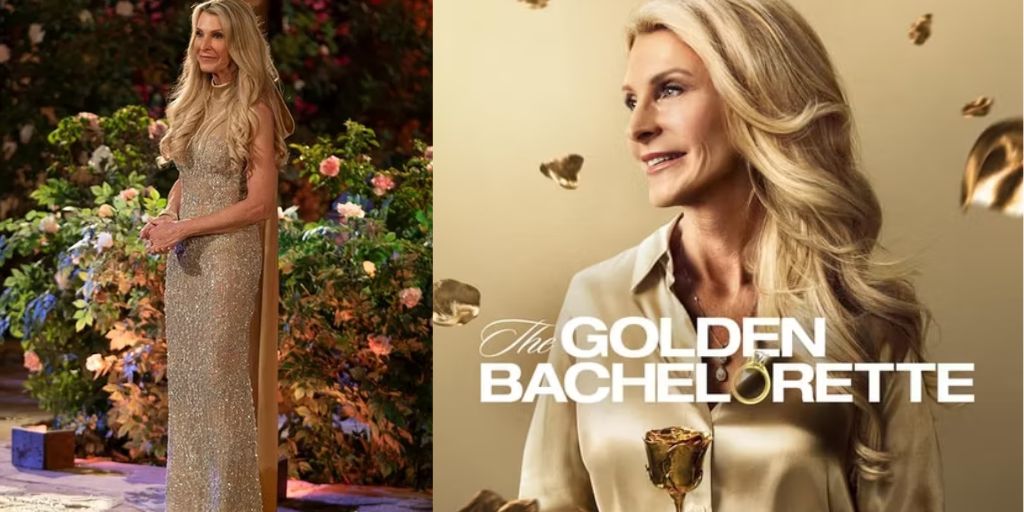
Still from the show (ABC)
Typically, the franchise features younger contestants in their 20s and 30s. But with the introduction of The Golden Bachelor in 2023 and The Golden Bachelorette in 2024, the show is expanding to include senior citizens.
These new shows have a more mature and thoughtful approach, focusing on finding love again later in life. Vassos’s openness about her boundaries and approach to romance brings a new sense of authenticity to the franchise.
In an interview with Fox News, Vassos shared that her children didn’t want her to kiss anyone on The Golden Bachelor. To ease their concerns, she lied and said she wouldn’t. But after the show aired, they saw that everything was done tastefully.
As she leads The Golden Bachelorette, her children are now more comfortable with the idea, although they still struggle with the concept of Fantasy Suites. To respect her family’s feelings, Vassos decided to change how Fantasy Suites work.
During an appearance on Live with Kelly and Mark, Vassos spoke about her time on the show, mentioning that she did kiss some men.
She said, “You have to want to kiss a guy for this to work.” While she did break her “no-kissing” promise, she respected her family’s wishes by ensuring that Fantasy Suites remained focused on emotional intimacy, not physical.
In the season premiere, Vassos opened up about losing her husband, John Vassos, to pancreatic cancer in 2021. She and her late husband had four children, who were concerned about her finding love on reality TV.
As she finds new relationships after losing her first love, Vassos has made it clear that physical intimacy is important to her, but she won’t cross that line with anyone but her final match. This is why she made the change to the Fantasy Suites.
Vassos’s approach to love goes beyond the passion often seen in Bachelor Nation shows. She’s here to form real connections based on mutual respect.
At her age, she knows that love isn’t just about a dramatic proposal at the end. While many Bachelor finales feature engagements, Vassos is not interested in rushing into one.
She has said that her goal isn’t to leave the show engaged. Instead, she wants to find someone she can build a future with and see how their relationship works outside of what she calls the “Bachelor bubble.”
Vassos’s decisions on the show could lead to a larger change within the Bachelor franchise. The Golden Bachelor and The Golden Bachelorette are already unique because they focus on emotional connections and lasting relationships.
In earlier seasons, Fantasy Suites were seen as the final test of physical chemistry. But with Vassos’s approach, the pressure is lifted, and contestants can focus more on whether they are emotionally compatible.
Joan Vassos’s decisions as the first Golden Bachelorette represent a refreshing shift in how love and intimacy are portrayed within the Bachelor franchise.
For over two decades, the franchise has thrived on intense drama, passion, and, often, physical chemistry that unfolds in front of the cameras.
By redefining the purpose of the Fantasy Suites, Vassos is paving the way for a deeper, more mature understanding of romance, especially for an older audience.
One of the most significant changes Vassos brought to the table was her decision to remove beds from the Fantasy Suites. Historically, this part of the show has been viewed as a space where contestants could search physical chemistry away from the public eye.
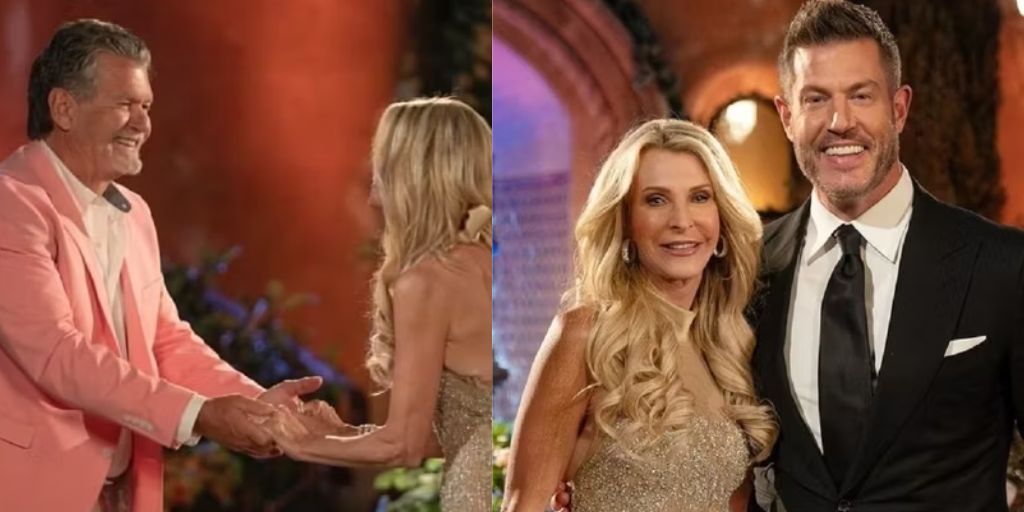
Still from the show (ABC)
However, Vassos wanted the Fantasy Suites to center on emotional intimacy. For her, the priority was connecting with her suitors on a deeper level without the pressures of physical expectations.
Her decision reflects her belief that romance doesn’t have to rush toward physicality, especially when genuine emotional bonds are at stake.
This change not only highlights Vassos’s personal values but also aligns with the franchise’s new direction. With the introduction of The Golden Bachelor and The Golden Bachelorette, the focus has shifted from the younger contestants typically seen in the original series to senior participants seeking a second chance at love.
These spinoffs have a unique charm, moving away from the often turbulent, high-stakes relationships of the past, and focusing more on meaningful connections.
Vassos’s approach fits seamlessly into this broader vision, offering a mature take on love that resonates with viewers who may have felt alienated by the franchise’s previous focus on younger leads.
Vassos’s insistence on emotional intimacy also reflects her personal experiences. As a widow who lost her husband to cancer, she understands the importance of cherishing genuine relationships.
Her decision to respect her late husband’s memory while opening herself up to love again is a powerful testament to her emotional depth.
She’s not just looking for a fleeting romance or the typical engagement finale; she’s seeking a connection grounded in respect, mutual understanding, and love that can withstand the pressures of the outside world.
Her family’s feelings also played a significant role in shaping her boundaries on the show. Vassos candidly shared that her children initially struggled with the idea of her finding love on reality television, particularly the concept of the Fantasy Suites.
By choosing to alter the format, she not only stayed true to her values but also respected her family’s concerns. This demonstrates her deep commitment to maintaining integrity, even in the face of potential criticism from the franchise’s fanbase.
Joan Vassos’s journey as the Golden Bachelorette has the potential to inspire a broader cultural shift within the Bachelor franchise.
As viewers become more accustomed to watching older contestants find love, there may be a greater appreciation for relationships that prioritize emotional compatibility over physical attraction.
Vassos’s choices reflect a mature and thoughtful approach to love that extends far beyond the drama that has typically defined the franchise.
She has shown that even within the framework of a reality show, it’s possible to stay true to one’s values and create an environment where genuine connections can flourish.
Joan Vassos’s bold decisions on The Golden Bachelorette are not just about changing the Fantasy Suites; they signal a broader redefinition of love and intimacy within the Bachelor franchise.
By focusing on emotional connections, she has set a new standard for how romance is portrayed, especially for older generations. Her journey has the potential to reshape not only the franchise but also the way viewers think about love, intimacy, and relationships as they age.
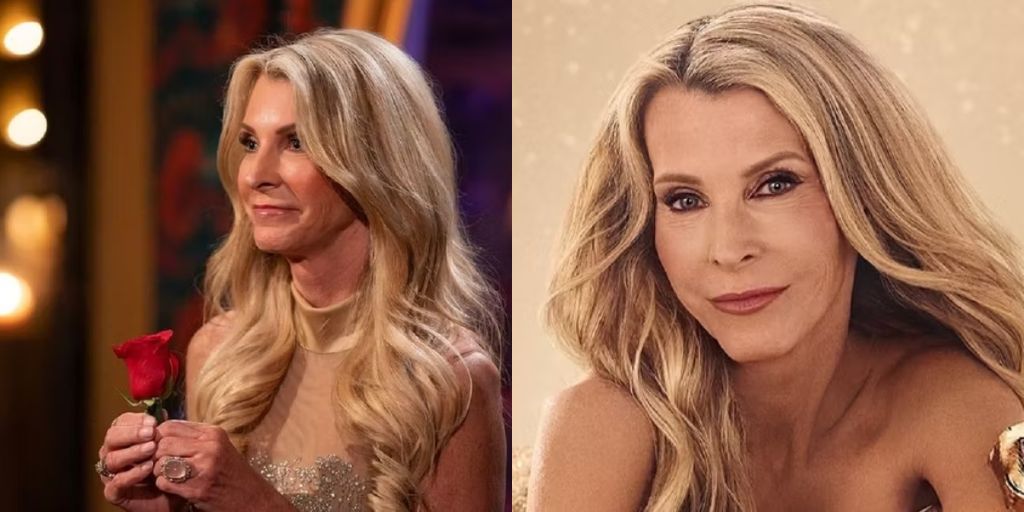
Still from the show (ABC)
As a widow love after the death of her husband, Vassos brings an authenticity to the show that could inspire other contestants and viewers to pursue meaningful, emotionally rich relationships.
Her story showcases the beauty of second chances and reinforces the idea that true love is worth waiting for, regardless of age.
Ultimately, Joan Vassos has set a precedent within the Bachelor franchise, proving that emotional depth and personal values can redefine what romance looks like, even on reality television.
This evolution could potentially shift how the entire franchise approaches love, pushing it toward more heartfelt, genuine connections rather than focusing purely on drama and spectacle.
