Martin Scorsese’s Goodfellas remains one of the most iconic gangster films of all time, based on the true story of Henry Hill. Released in 1990, it chronicles Hill’s rise through the criminal underworld, his involvement in the notorious Lufthansa heist, and his eventual downfall. The film’s unexpected turns in the final act, particularly its conclusion, leave much for audiences to analyze. The ending is layered with complexity, offering deep insights into the consequences of a life in crime.
Goodfellas (1990) Ending Explained
Paulie Cicero, the leader of the mob crew, had one firm rule that shaped his operations: no drug dealing. Despite their extensive involvement in various criminal activities, Paulie understood the risks of drug trafficking, particularly how it could attract unwanted attention from law enforcement and make his crew vulnerable to informants. Throughout Goodfellas , Paulie is shown to avoid modern surveillance tactics, like using phones, and prefers communication through personal messengers.
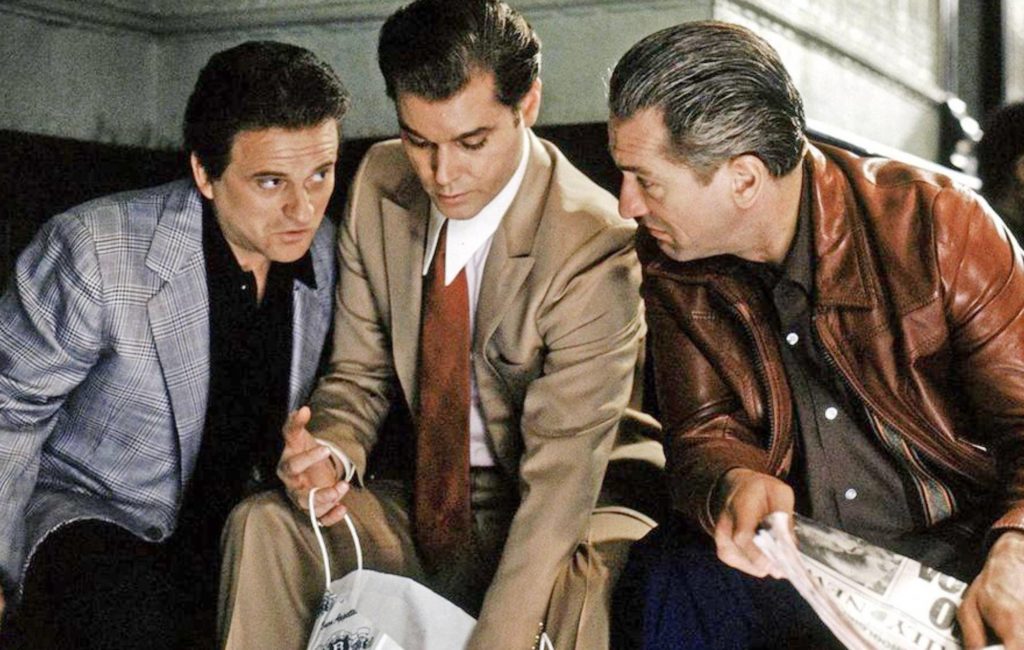
Goodfellas cast (Image via Getty)
The crux of Paulie’s stance was his commitment to protecting the privacy of his crew. The film subtly conveys that drug deals would expose them to wiretaps and RICO charges. However, Henry Hill’s involvement in the drug trade after being sent to prison was a violation of this cardinal rule. While incarcerated, Henry resorted to dealing drugs to support his family. Upon release, his continued participation in the business led to his arrest, ultimately proving Paulie’s fears valid.
The Fall of Henry Hill and His Betrayal
Henry’s involvement in drugs made him a target, not just for the authorities, but for his fellow mobsters. Once Paulie found out about Henry’s drug dealing, he cut him off completely, giving him a small sum of money and severing ties. Henry, now without protection, was vulnerable to retaliation from his former associates, especially Jimmy Conway, who had previously been one of his closest allies.
Fearing for his life, Henry found himself cornered and ultimately turned to the FBI. Realizing that Jimmy might be plotting to kill him, Henry chose to cooperate with law enforcement in exchange for protection. He and his family entered the witness protection program, severing their ties with the mafia world. This move not only sealed Henry’s fate but also marked his transition from a high-flying gangster to a regular civilian, a shift that the film highlights with his voiceover at the end, lamenting his fall from grace.
Karen’s Close Call with Death
One of the more chilling aspects of the film is the moment when Henry’s wife, Karen, narrowly escapes an assassination attempt orchestrated by Jimmy. After Henry’s fallout with Paulie, Karen sought help from Jimmy, unaware of his involvement in her husband’s criminal activities. Jimmy invited her to check out some designer dresses, but his true intent was far darker. He lured her into an abandoned store where two men waited in the shadows, hinting at a possible ambush.
Karen instinctively sensed the danger and fled before anything could happen. Though she didn’t initially share the full details with Henry, it was clear that Jimmy’s actions were motivated by self-preservation. He feared that Henry’s dealings in the drug trade could expose him, and he needed to eliminate the potential threat. Karen’s escape, while brief, marked a pivotal moment for the Hills, reinforcing their decision to enter witness protection.
The Murder of Tommy DeVito
Perhaps one of the most stunning twists in Goodfellas is the death of Tommy DeVito. Tommy, played by Joe Pesci, was known for his fiery temper and violent actions. As a member of Paulie’s crew, Tommy aspired to become a “made man,” an official member of the mafia with all the rights and privileges that came with it. However, his reckless actions, particularly the murder of Billy Batts, a made man from the Gambino family, led to his demise.
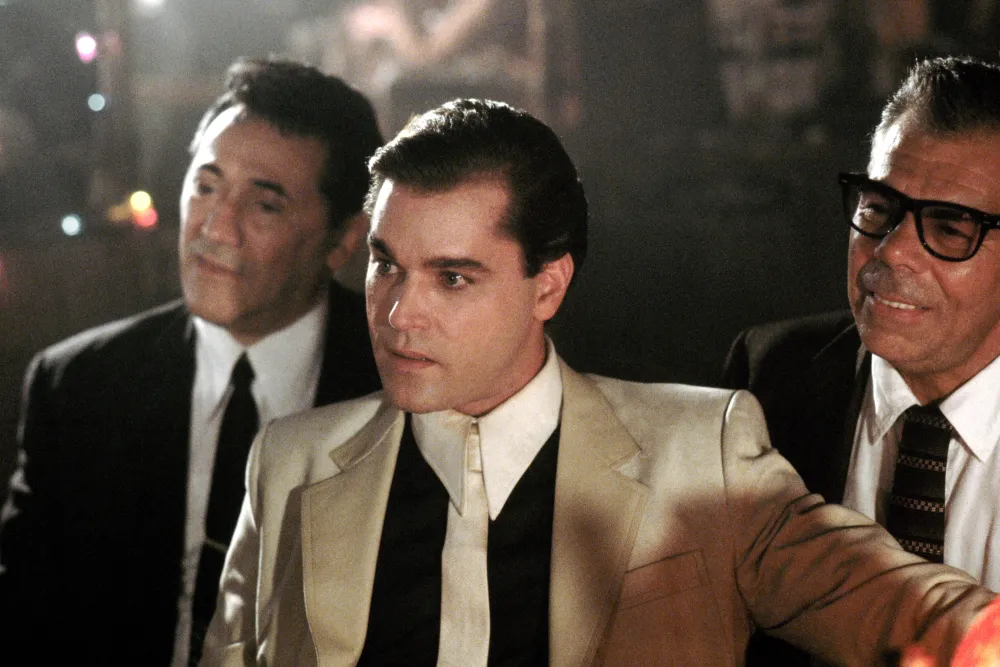
Goodfellas cast (Image via Getty)
Tommy’s killing, ordered as retribution for the unsanctioned murder of Batts, is a significant turning point in the film. The murder of a made man, even one as problematic as Batts, could not go unpunished. In a heartbreaking twist, Tommy is lured to what he believes is his initiation ceremony, only to be shot in the back by Paulie’s brother, Tuddy Cicero. The murder is a direct result of Tommy’s impulsive behavior and his inability to follow the mob’s strict codes.
The Ambiguous Nature of Tommy’s Death
While the film never explicitly reveals who ordered Tommy’s death, it strongly suggests that Paulie had a hand in it. In real life, it is believed that Paul Vario, Paulie’s character in the film, informed the Gambino family about Tommy’s crime. Vario had personal reasons to want Tommy dead, including his own affair with Karen and Tommy’s violent behavior. The film’s lack of clear answers leaves the death of Tommy open to interpretation, adding to the film’s tension and realism.
Tommy’s Final Scene: A Cinematic Homage
In one of the film’s final scenes, Tommy appears posthumously, shooting directly at the camera in a gesture that pays homage to the 1903 silent film The Great Train Robbery . Martin Scorsese intentionally included this shot as an allusion to the classic film, drawing parallels between the outlaws in both stories. The shot of Tommy’s gun pointing at the audience acts as a powerful visual reminder of the violent, unpredictable world in which Henry and his crew live.
The Fate of the Real-Life Figures Behind Goodfellas
While the film presents a dramatized version of the events surrounding Henry Hill and his associates, the real-life individuals experienced similarly tumultuous fates. Henry Hill, after his testimony led to the conviction of several mobsters, entered witness protection but continued to face legal troubles. He was eventually expelled from the program due to repeated offenses and spent his later years dealing with substance abuse issues. Hill passed away in 2012.
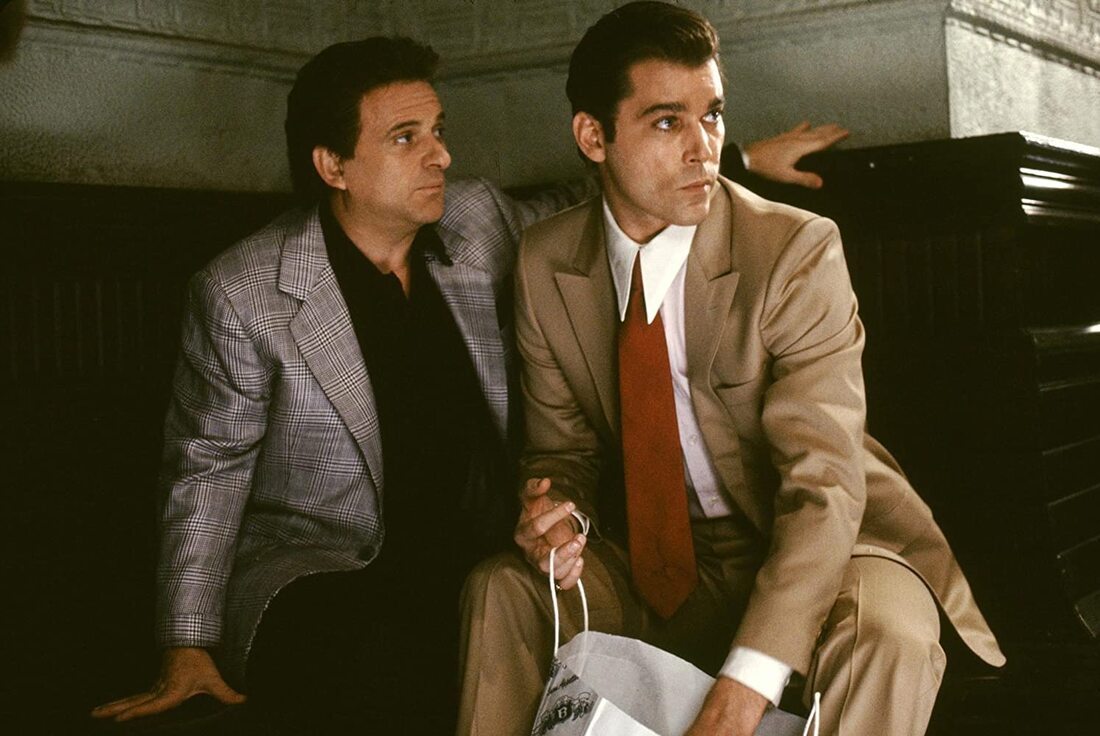
Goodfellas cast (Image via Getty)
Jimmy Burke, portrayed by Robert De Niro in the film, was convicted for his involvement in the infamous Lufthansa heist. He served time for other crimes, including a point-shaving scandal, and died of cancer while in prison. Paul Vario, the real-life counterpart to Paulie Cicero, faced legal troubles as well, including racketeering charges, and died in 1988.
The Mixed Reception of Goodfellas ’ Ending
The ending of Goodfellas has sparked extensive debate among critics and audiences alike. While some praise the film’s unflinching portrayal of a life in crime, others interpret the conclusion as a missed opportunity for moral resolution. The stark contrast between Henry’s luxurious past and mundane future in witness protection highlights the emptiness that accompanies the mob lifestyle, but some critics argue that the film’s lack of a redemptive arc diminishes its moral weight.
Despite differing opinions on the film’s ending, Goodfellas remains a masterclass in storytelling. It continues to provoke thought and discussion, with its ambiguous conclusion and complex portrayal of the mob world ensuring its lasting impact on cinema. Whether viewed as a sobering commentary on the cost of a life of crime or as a story without moral clarity, Goodfellas remains a compelling narrative that challenges its audience to reflect on the choices and consequences of its characters.
Shia LaBeouf’s career has been marked by both immense success and highly publicized controversies. From being one of Hollywood’s most promising young actors to facing legal issues, public outbursts, and accusations of misconduct, his life and career have been a whirlwind. Yet, despite the drama surrounding him, LaBeouf remains one of the most compelling and talked-about figures in the entertainment industry. This breaks down the key events and controversies that have surrounded Shia LaBeouf’s career, offering insight into his battles and the impact these events have had on his professional life.
Shia LaBeouf’s Rise to Fame
Shia LaBeouf first gained attention in the early 2000s, starring in Disney’s “Even Stevens,” a role that won him several awards. His unique combination of charm, humor, and authenticity earned him a loyal fanbase, and he quickly transitioned into Hollywood films. LaBeouf’s big break came with the blockbuster “Transformers” series, where he played the lead role of Sam Witwicky, an ordinary teenager caught up in a war between alien robots. His performance in the film cemented his place as a major Hollywood star.
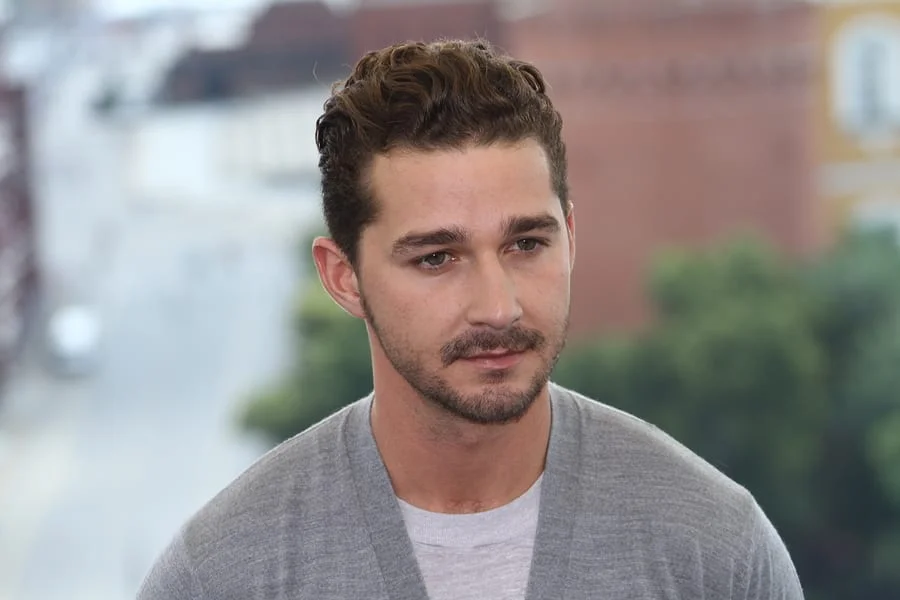
Shia LaBeouf (Image via Getty)
In addition to his success in mainstream blockbusters, LaBeouf also pursued more artistic and independent roles in films like “Disturbia,” “Holes,” and “Fury.” His versatility allowed him to balance commercial success with critically acclaimed performances. However, the actor’s personal life would soon begin to overshadow his professional career.
The Downward Spiral: Legal Battles and Controversies
While Shia LaBeouf’s career continued to soar, his personal life began to spiral out of control. One of the earliest signs of trouble came in 2007 when LaBeouf was arrested for driving under the influence (DUI) after crashing his car. This was only the beginning of a series of legal battles and public incidents.
In 2011, LaBeouf became embroiled in a legal dispute with the makers of the film “Lawless,” in which he starred. LaBeouf accused the film’s producers of being dishonest, while the producers claimed that LaBeouf was difficult to work with. The public fallout from the dispute painted LaBeouf as difficult and erratic.
Later, in 2014, LaBeouf made headlines for his bizarre behavior during the promotional campaign for his film “Nymphomaniac.” He appeared at the Berlin Film Festival wearing a paper bag on his head with the words “I Am Not Famous Anymore” written on it. This strange stunt led to more questions about his mental state and personal struggles.
The 2014 Arrest and Allegations of Misconduct
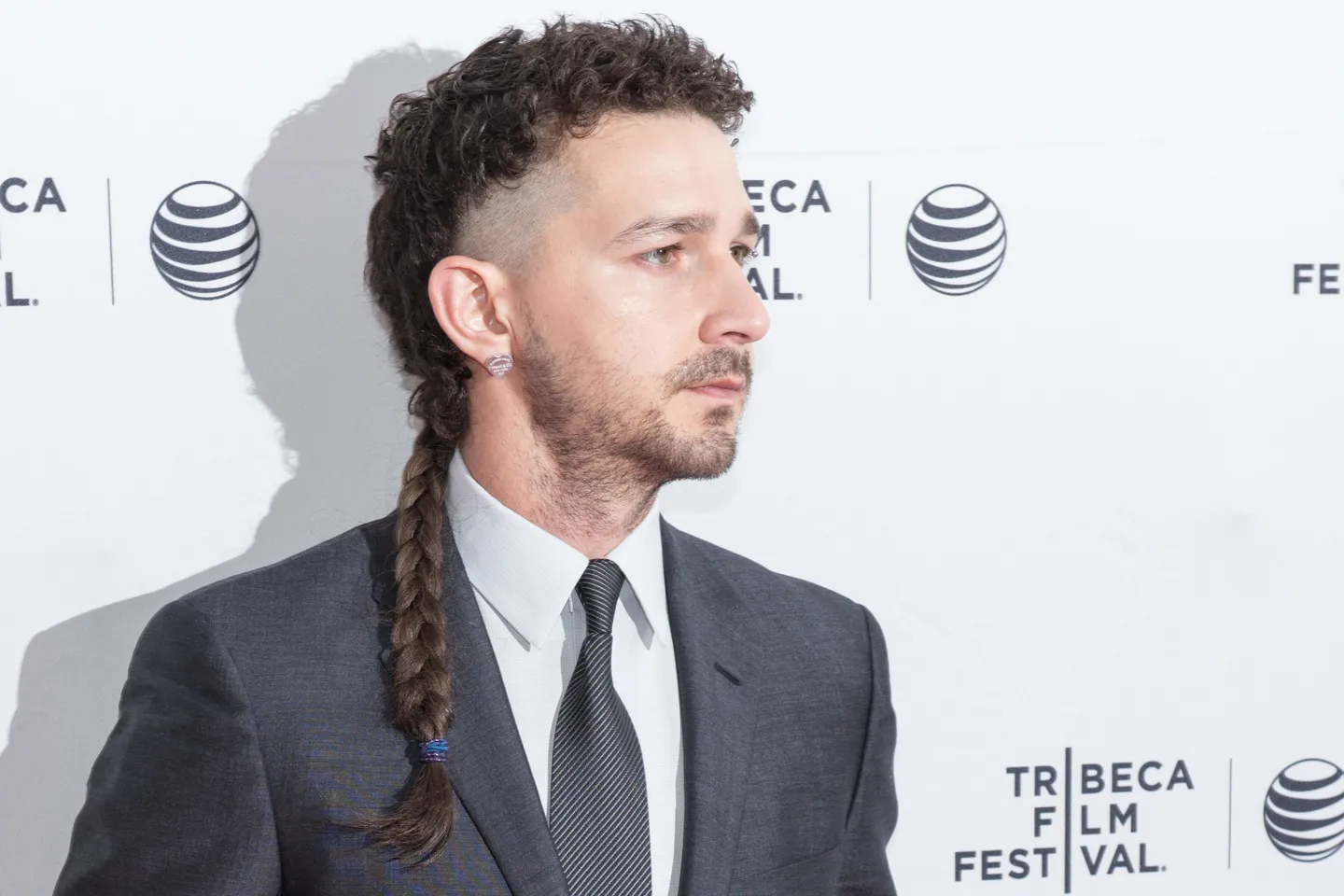
One of the most defining and controversial moments of Shia LaBeouf’s career came in 2014 when he was arrested for disorderly conduct during a performance of the Broadway play Cabaret in New York City. LaBeouf, who had attended the play while intoxicated, began disrupting the show, which led to his removal by police. The arrest and subsequent release sparked a wave of media coverage, with many speculating about LaBeouf’s mental health and personal issues.
Shia LaBeouf (Image via Getty)
The incident wasn’t the end of LaBeouf’s legal troubles. In 2015, the actor was accused of sexual misconduct by his former partner, artist and musician, FKA Twigs. She filed a lawsuit against him, accusing LaBeouf of emotional and physical abuse during their relationship. This was a major blow to his public image, and the allegations garnered widespread media attention. LaBeouf faced intense scrutiny, and many began to question whether he could ever fully recover from the damage to his reputation.
LaBeouf’s Personal Struggles: Addiction and Mental Health
In interviews, LaBeouf has openly discussed his struggles with addiction and mental health. He has admitted to battling alcoholism and has cited it as a major factor contributing to his erratic behavior. LaBeouf’s personal issues and the constant media attention surrounding his controversies caused a great deal of emotional distress for the actor.
In 2018, LaBeouf sought treatment for his issues by attending rehabilitation programs. His decision to get help marked a turning point in his life, as he began the process of healing and working on his mental health. LaBeouf has since become more candid about his struggles, using his experiences to speak out on the importance of seeking help for addiction and mental health.
The Road to Redemption: Shia LaBeouf’s Comeback
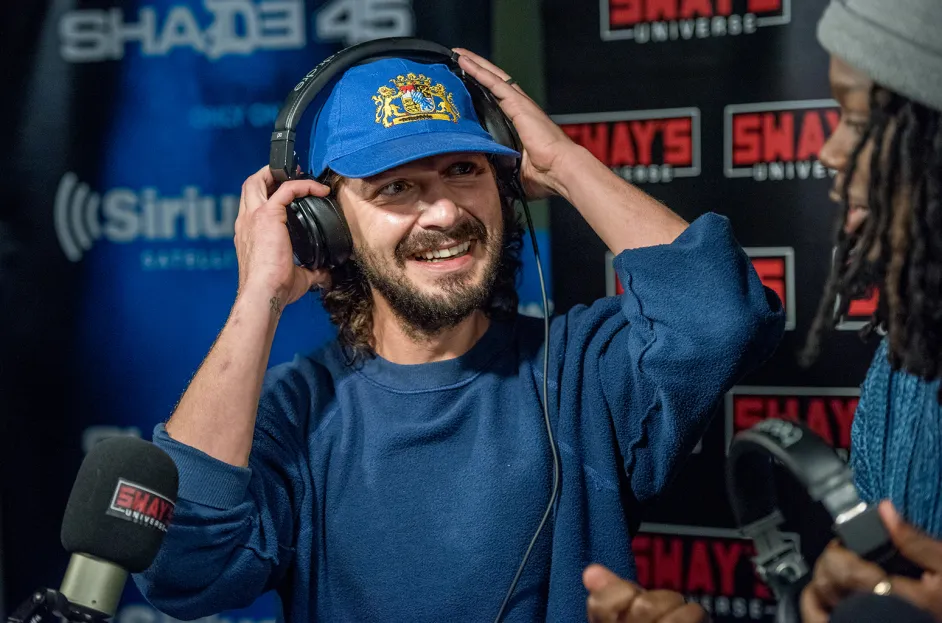
Despite his controversial past, Shia LaBeouf has worked hard to rebuild his career and personal life. In recent years, he has received praise for his performances in independent films, particularly his role in the 2019 film “Honey Boy,” which he also wrote. The film was based on his tumultuous childhood and complex relationship with his father. LaBeouf’s portrayal of his father in the film was raw and emotional, and many critics lauded his performance as one of his best.
LaBeouf’s willingness to confront his demons in his work allowed him to reconnect with his audience and earn back their respect. His vulnerability in “Honey Boy” was seen as a sign of growth, as it demonstrated that he was capable of introspection and self-awareness.
Furthermore, LaBeouf’s public behavior in recent years has been less erratic. He has appeared to be more grounded and focused on his craft, and he has worked to distance himself from the controversies that once defined him. Though his past will always be a part of his story, LaBeouf’s journey toward redemption has shown that he is capable of change.
Shia LaBeouf (Image via Getty)
Shia LaBeouf’s Legacy and Public Perception
Shia LaBeouf’s legacy is complex. For many, he will always be remembered for his role as a charismatic young actor who had it all but squandered it due to personal issues. However, as time has passed, a new narrative has emerged—one of redemption and resilience.
LaBeouf’s ability to overcome his struggles and continue to pursue his career despite facing so many obstacles is a testament to his strength. His recent work in film, his openness about his struggles, and his efforts to improve his personal life have helped reshape public perception of him. While there are still those who question whether he can fully redeem himself, many have come to admire his honesty and courage in confronting his past.
Shia LaBeouf in the Future
As Shia LaBeouf continues his journey of healing and redemption, the question remains: what lies ahead for him? LaBeouf has made it clear that he is committed to continuing his acting career, and with his recent success in independent films, it’s likely that he will continue to be a part of the Hollywood scene. However, the controversies that have followed him throughout his career will undoubtedly remain a part of his legacy.
Whether LaBeouf will ever truly escape the shadow of his past remains to be seen. What is certain, though, is that his story serves as a reminder that redemption is possible—even for those who have made significant mistakes. LaBeouf’s ongoing transformation is a testament to his resilience and determination to rebuild both his career and his life.
