A major anime piracy ring has been dismantled by Chinese authorities, resulting in the arrest of a site operator responsible for over a thousand unauthorized streams. The bust, reported by South China Morning Post , follows rising pressure from international content creators and streaming services to curb illegal anime distribution in China’s massive fan market.
The unnamed suspect had reportedly built a lucrative operation trafficking in high-quality anime uploads without proper licensing. Fans in China flocked to the site for simulcasts of popular titles like Dandadan and Solo Leveling , many of which were unavailable through legal means due to censorship or delay.
Fans Divided Over Crackdown
Online reactions to the bust have been mixed. Some Chinese anime fans expressed disappointment, claiming bootleg streams were their only way to watch uncensored, timely versions of anime. Others acknowledged the legal violations but criticized the domestic streaming services for delayed releases and heavy censorship, especially of supernatural and LGBTQ+ themes.
Several fans took to forums like Bilibili and Weibo, demanding faster legal alternatives and greater transparency from Chinese distributors. “If we had timely, uncensored streams, we wouldn’t need piracy,” one user wrote, echoing a sentiment common among international fans as well.
Legal Pressure from Japan and Beyond
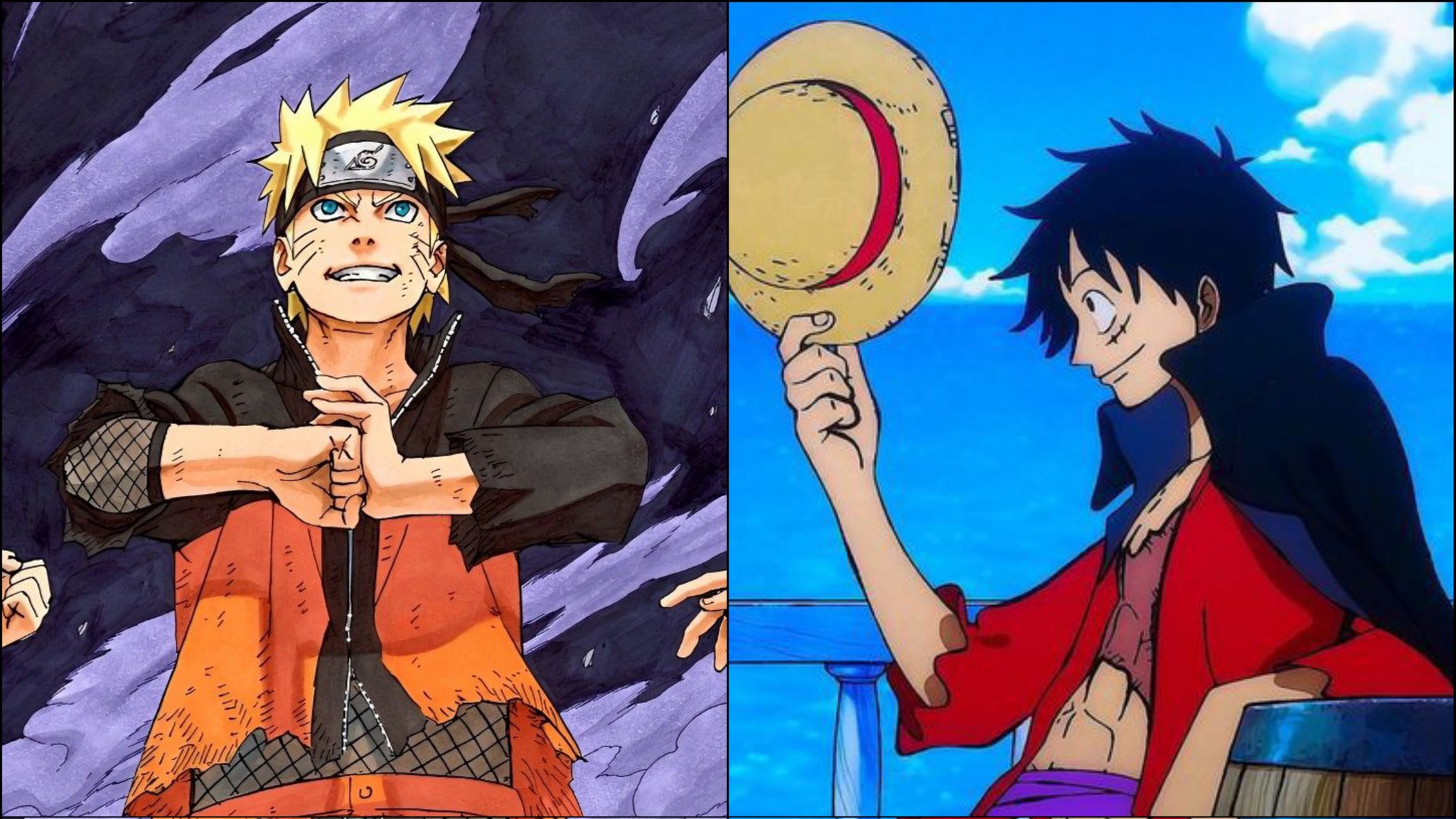
Naruto and Luffy (Credits: Toei Animation and Studio Pierrot)
The crackdown appears to be part of China’s broader effort to clean up its online media landscape. Japanese studios and production committees have increasingly pushed back against global piracy, citing massive revenue losses. Industry watchdogs say this arrest is one of the biggest in recent years related to anime IP violations.
Streaming platforms like Crunchyroll, Netflix, and Bilibili have been urging international authorities to step up enforcement against piracy. This bust may mark a turning point in how China handles digital piracy, particularly when foreign partnerships are at stake.
Rising Demand, Limited Access
Luffy (Credits: Eiichiro Oda)
While this enforcement effort aligns with legal standards, critics argue that simply shutting down pirated sites without improving legal access may push fans further underground. China’s anime community has grown explosively in recent years, yet content is still frequently altered or delayed due to censorship laws.
As fans look for ways to legally support creators without sacrificing content quality, many hope this incident sparks conversation about reforming how anime is licensed and distributed in restrictive markets.
A large-scale anime event in Akihabara descended into chaos after organizers received a bomb threat promising “explosions and bloodshed.” As reported in fan coverage on Reddit , the event space was immediately cleared as authorities arrived on the scene. While no explosives were discovered, panic spread quickly among attendees, many of whom were cosplaying or lined up for exclusive merchandise.
The threat, delivered via email just hours before a One Piece panel was set to begin, prompted Tokyo police to sweep the entire complex. Officials say the message referenced specific times and targets, suggesting it may have been intended to deliberately sow fear among anime fans and disrupt the event’s proceedings.
Fans React to Security Breakdown
7Fates: Chakho
Though the evacuation was orderly, many fans expressed frustration and fear over the lack of advance security protocols. Some attendees reported being caught in large crowds and experiencing near stampede conditions as announcements were made. “We thought it was a drill, but then people started running,” one participant shared online.
Social media was flooded with posts from fans caught in the chaos, as photos and videos showed packed streets, stalled trains, and abandoned vendor booths. Some also raised concerns over how Japan’s rising global profile in pop culture could make such events more vulnerable to threats or hoaxes.
Investigators Eye Motive Behind Threat

Mob Psycho
Police have launched a formal investigation into the source of the email. While no suspect has yet been identified, officials are treating the threat seriously due to the detailed nature of the message. Event organizers issued an apology, vowing to enhance security protocols and vet all future communications more strictly.
Though bomb threats at anime events are rare, this is not the first time pop culture gatherings in Japan have been targeted by disruptive behavior. Analysts say such incidents may stem from personal grudges, trolling, or ideologically motivated attempts to derail public events.
Aftermath and Event Rescheduling
Twin Star Exorcists
With the venue secured, organizers have announced plans to reschedule the event’s panels and merchandise sessions. Fans who purchased limited-time passes will be refunded or granted early access at a future date. For many, the incident was a sobering reminder of how even joyful fandom celebrations can become targets.
Security experts are urging convention centers and anime event planners across Japan to revise emergency protocols in light of this incident, especially as attendance surges post-pandemic.
