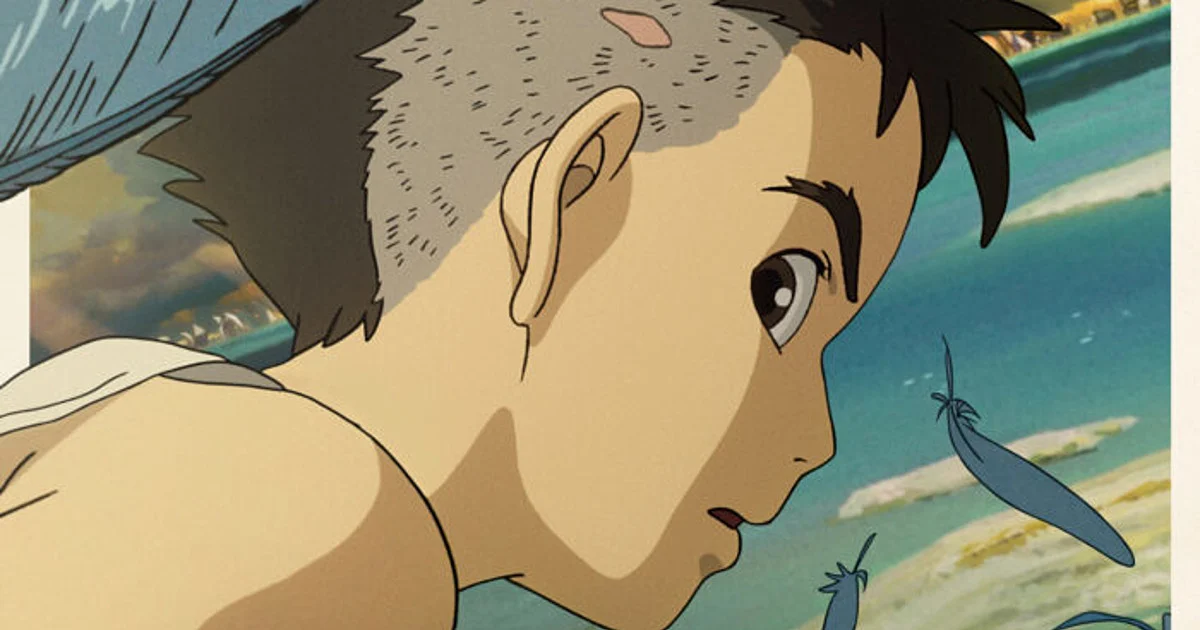
The relationship between Hayao Miyazaki and Yoshiyuki Tomino is a tale of fascinating contrasts, professional rivalry, and mutual respect. Both of these legendary filmmakers hail from the same era, yet their creative philosophies and careers diverged significantly.
Miyazaki is known for his universally beloved films, including My Neighbor Totoro and Spirited Away, while Tomino’s Mobile Suit Zeta Gundam goes into the darker, grittier aspects of human nature and the trauma of war. This fundamental difference in tone and subject matter has led to a relationship defined by both admiration and professional envy, with the two men creating iconic works in their respective fields.
Despite their differences, Tomino has spoken candidly about his feelings towards Miyazaki’s work. In an interview at the Niigata International Animation Film Festival in August, Tomino was asked to share his thoughts on Miyazaki’s films. He admitted that while he didn’t resonate with most of Miyazaki’s work, he had a deep appreciation for The Boy and the Heron. Tomino admired the film’s boldness, noting that the lack of a happy ending was a rare and courageous choice in animation.
A Professional Rivalry Driven by Respect
<img loading=“lazy” src=“https://otakukart.com/wp-content/uploads/2024/03/The-Boy-and-the-Heron-ww.webp" onerror=“this.onerror=null;this.src=‘https://blogger.googleusercontent.com/img/a/AVvXsEhe7F7TRXHtjiKvHb5vS7DmnxvpHiDyoYyYvm1nHB3Qp2_w3BnM6A2eq4v7FYxCC9bfZt3a9vIMtAYEKUiaDQbHMg-ViyGmRIj39MLp0bGFfgfYw1Dc9q_H-T0wiTm3l0Uq42dETrN9eC8aGJ9_IORZsxST1AcLR7np1koOfcc7tnHa4S8Mwz_xD9d0=s16000';" alt=“Oscars Winning “The Boy and the Heron” Returns to Theaters in North America - 1”>
The Boy and the Heron (Credits: Studio Ghibli)
He stated that such a decision couldn’t be made by someone who was merely a craftsman but by a true auteur. For Tomino, Miyazaki’s approach to storytelling, especially in The Boy and the Heron, showed a level of creative control and vision that elevated him beyond the typical filmmaker. Tomino even compared him to literary greats like Victor Hugo, signaling his respect for Miyazaki’s ability to break conventions and challenge expectations.
Tomino’s respect for Miyazaki, however, is not without complexity. While he acknowledged Miyazaki’s artistic skills, he referred to him as an “enemy” in a professional sense. Tomino explained that the presence of Miyazaki, a filmmaker whose talents he could never surpass, served as a constant source of motivation throughout his career. Instead of bitterness, this rivalry appeared to drive Tomino to continually strive for excellence in his own work.
Tomino has even mentioned in previous interviews that his ambition to compete with Miyazaki pushed him to constantly improve. In 2001, Tomino famously encouraged the younger generation of animators to “crush Miyazaki,” reflecting how this professional competition spurred him on to work harder and achieve greater creative heights.
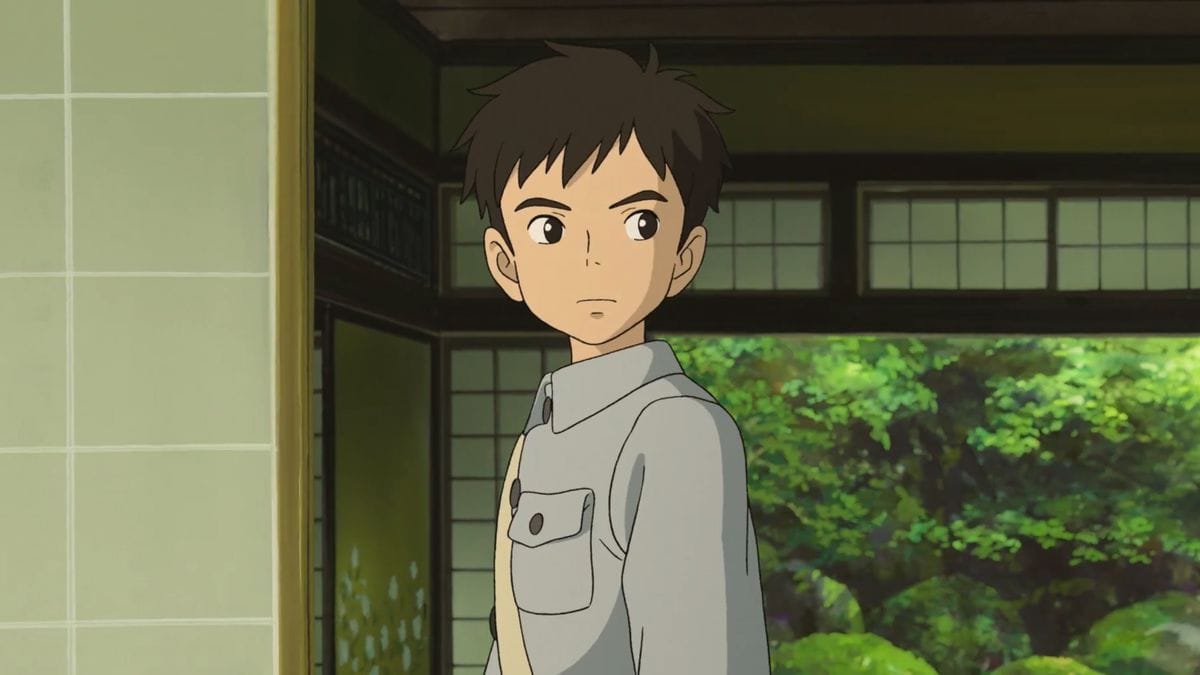
The Boy and the Heron (Credits: Studio Ghibl)
Tomino’s admiration for The Boy and the Heron and his acknowledgment of Miyazaki’s influence show that despite their artistic differences, the two directors share a mutual respect for each other’s work. Their rivalry, fueled by Tomino’s desire to exceed Miyazaki, has shaped both of their creative trajectories, with each director pushing the other to greater heights.
TurtleMe’s The Beginning After the End (TBATE) has garnered immense popularity with its compelling story of reincarnation, growth, and an overpowered protagonist (OP). The manhwa follows Arthur, a reincarnated ruler, who possesses vast magical abilities but must still grow emotionally and personally. This combination of a powerful protagonist and deep character development has won readers’ hearts, earning TBATE a massive fanbase. With an anime adaptation set to premiere in 2025, fans are excited to see how the story will be translated into the medium.
While the series has been widely appreciated, it hasn’t been without its criticisms. The use of the overpowered protagonist trope and reincarnation in an isekai world has led some readers to see the series as predictable. Despite this, TurtleMe has shared his thoughts on these elements, revealing how he used them to explore more profound themes and add complexity to the narrative.
According to the creator, his love for fantasy and isekai stems from the freedom these genres provide in creating vast worlds and complex characters. In TBATE, TurtleMe sought to challenge reader expectations by combining these tropes with deep character growth and emotional arcs.
The Beginning After the End: A OP Protagonist and Upcoming Anime Adaptation
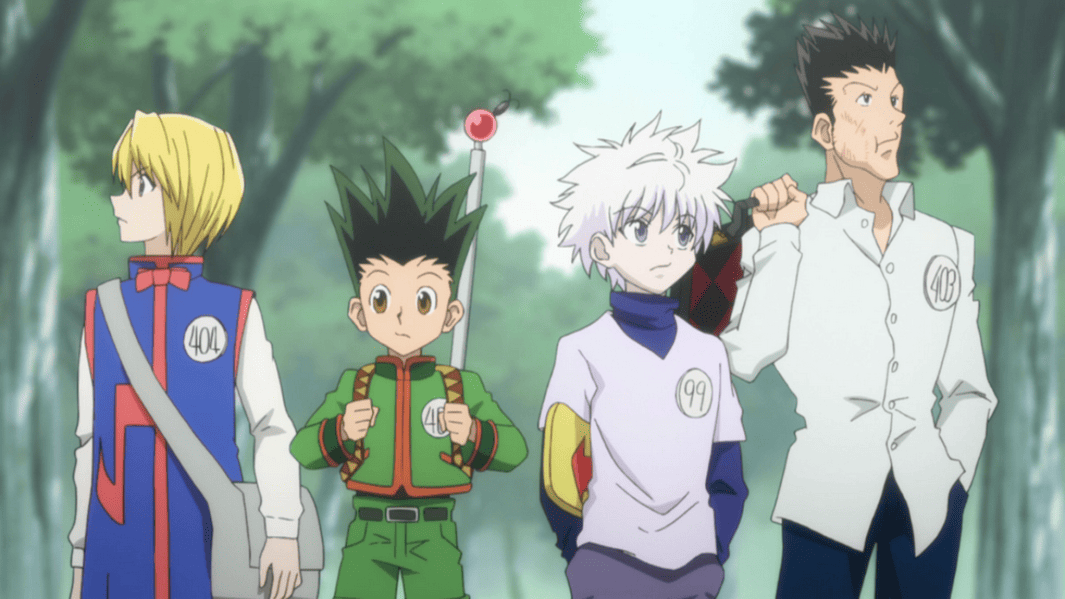
Kurapika, Gon, Killua, and Leorio (Credits: MadHouse)
TurtleMe has been candid about his inspiration behind the use of an overpowered protagonist in TBATE. Drawing from works such as Fullmetal Alchemist, Hunter x Hunter, and Western fantasy novels like Eragon and The Name of the Wind, he sought to focus on growth and choices rather than just power.
The trope of a character reincarnating as an infant has been explored many times in isekai stories, but TurtleMe took a unique approach by delving into the protagonist’s family dynamics and exploring how a mature individual would navigate their new life as a child. This focus on growth, maturity, and personal development sets TBATE apart from other works in the genre, adding depth to the standard OP protagonist formula.
TurtleMe also wanted to highlight how Arthur’s immense power does not overshadow his emotional and personal growth. In an interview, he explained that while Arthur has access to a vast library of magical abilities, the story still focuses on his struggles and challenges, making the character relatable. This exploration of power versus personal development is a core theme in TBATE, setting the series apart from others that lean heavily on the protagonist’s overwhelming strength.
TurtleMe’s Involvement in the Anime Adaptation
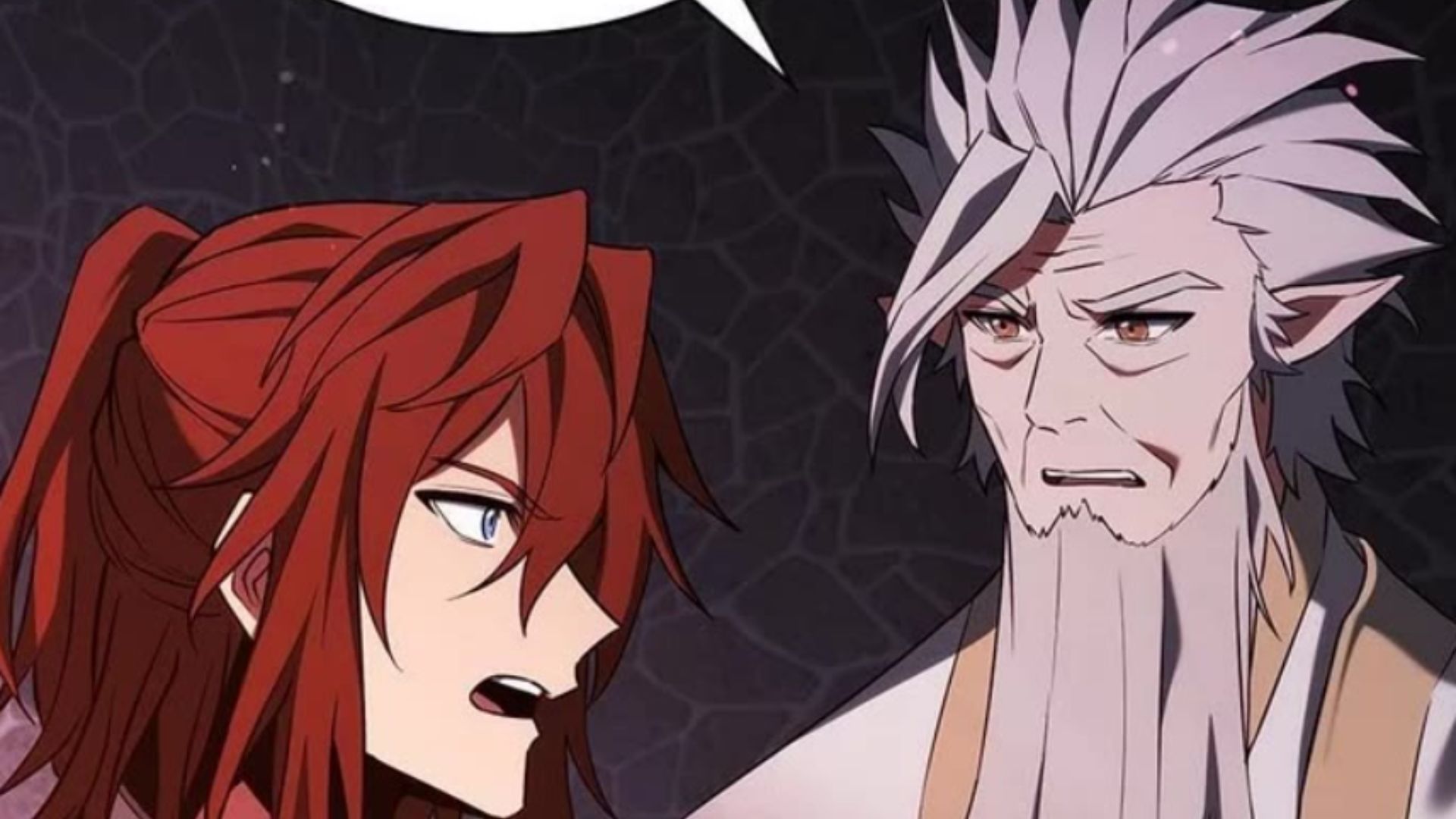
The Beginning After the End
The anime adaptation is being produced by Studio A-Cat, and TurtleMe has been working closely with the studio to ensure that the anime captures the essence of the original story. He has praised the studio for its careful consideration of his feedback, particularly when it comes to maintaining the tone and depth of the story.
The anime will be streamed on Crunchyroll after its release, allowing a global audience to experience TBATE in a new form. TurtleMe’s involvement ensures that the adaptation will remain faithful to what made the manhwa a hit, balancing the excitement of action sequences with the emotional depth that fans love.