If you ever wondered what might have happened if Australian actors Hugh Jackman and Guy Pearce had shared a Western, you’ll be intrigued to learn that it almost happened. In the mid-’90s, the Australian TV show The Man from Snowy River almost brought these two future Hollywood stars together.
However, they narrowly missed each other. Jackman appeared briefly in the series, taking Pearce’s place. Pearce was starring in another series at the same time, and Jackman ended up replacing him. Let’s find out more.
The Man from Snowy River might not be widely known, but it had a significant presence in Australia. The show aired on the Nine Network from 1993 to 1996 and had 65 episodes over four seasons. When it was shown in the U.S. and U.K., it was titled Snowy River: The McGregor Saga.
The show follows a family in 1800s Melbourne, led by Matt McGregor (Andrew Clarke), after their mother dies. McGregor is a stockman, not a cowboy, and he lives on a station, not a ranch. These differences make the show unique compared to American Westerns.
McGregor’s three children—Colin (Brett Climo), Rob (Guy Pearce), and Danni (Joelene Crnogorac, later Kristie Raymond)—help run their land, engage with their neighbors, and have romantic interests. Josh Lucas plays McGregor’s nephew, Luke, who leaves early in the second season.
Gabrielle Fitzpatrick’s Montana Hale has a romantic storyline with Rob McGregor and ties into Jackman’s storyline. Although the show is family-friendly, it has a soap opera feel similar to Little House on the Prairie and The Waltons, rather than Dallas or Yellowstone.
Hugh Jackman joins the series near the end of its run, playing Duncan Jones, a former sailor who becomes part of the McGregor family. Duncan arrives in Melbourne and quickly becomes popular due to his charm. He has a mysterious past and catches the eye of Rob’s love interest, Montana.
Jackman appears only in the first five episodes of Season 4 and takes Pearce’s place. Duncan builds relationships with Matt McGregor and his children, showing his hard work and charm. Even though Jackman’s role is short, it is significant.
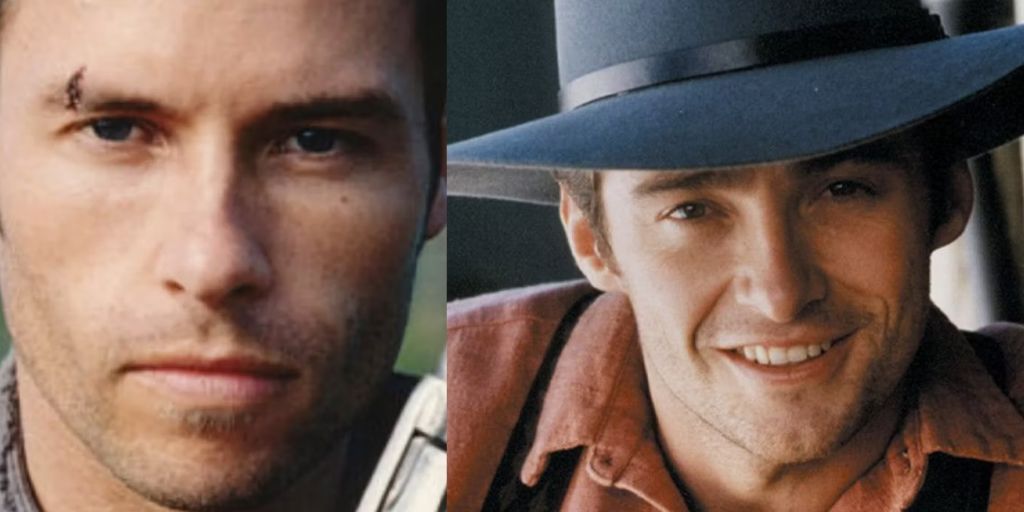
Still from the movie (Tubi)
Jackman’s portrayal of Duncan Jones is one of his early roles and shows his potential for future characters like Wolverine. His time on The Man from Snowy River was brief but impactful. The role of Duncan is a bit of a placeholder, as his character’s actions could have been those of Rob had Pearce been present.
Duncan leaves abruptly in the episode “The Grand Duke,” and Rob returns in the next episode, “New Business.” Jackman’s role highlights the changes in the show and his developing career.
A humorous part of Jackman’s experience was that he had to admit he hadn’t ridden a horse before joining the show. This led to his character being changed from a rancher to a sailor. This joke about Duncan’s lack of riding skills became a part of his character arc, showing his struggle to adapt.
Even though The Man from Snowy River might not be Jackman’s most memorable performance, it was an important step in his career. Both Jackman and Pearce have gone on to have successful careers and star in many notable roles. Their early work in Snowy River may have been a stepping stone to their future success.
The Man from Snowy River may not be Hugh Jackman or Guy Pearce’s most famous work, but it played an important role in their early careers. Jackman’s brief but memorable appearance showcased his potential, while Pearce’s absence created an opportunity for Jackman to shine.
Both actors have since become Hollywood stars, and while they never crossed paths on this show, their performances on Snowy River were stepping stones to their incredible careers in film and television. This missed collaboration remains a fascinating “what if” in the history of their careers.
The latest episode of The Lord of the Rings: The Rings of Power Season 2, called “Halls of Stone,” shows Númenor getting worse. Pharazôn (Trystan Gravelle) and his son, Kemen (Leon Wadham), take control of the city.
Tension builds between Kemen and Elendil (Lloyd Owen) and reaches a peak during a burial ritual when Kemen kills Valandil (Alex Tarrant). This act of violence in a sacred place is another step towards the fall of Númenor, which Tar-Míriel (Cynthia Addai-Robinson) saw in the palantír in Season 1.
The murder of Valandil is the most shocking and chilling death so far in The Rings of Power. It is not just due to how it was filmed and written. It is an unexpected and cruel act that shows the consequences of failure in this fight between good and evil.
It also teaches how to create interesting supporting characters that add depth to the main story.The writing in this scene from Season 2 is very good. Valandil’s death is written well, creating tension and surprising the audience when they least expect it. The power dynamic between Kemen and Valandil keeps shifting.
At first, Valandil stops Elendil from attacking Kemen, so when Kemen seems to be drowning Valandil, it feels very unjust. When Valandil gets a chance to stab Kemen, we think this might lead to a civil war, out of Elendil’s control. But when Valandil drops the sword, it seems like the tension was meant to trick the audience, and the show shows its harshness immediately.
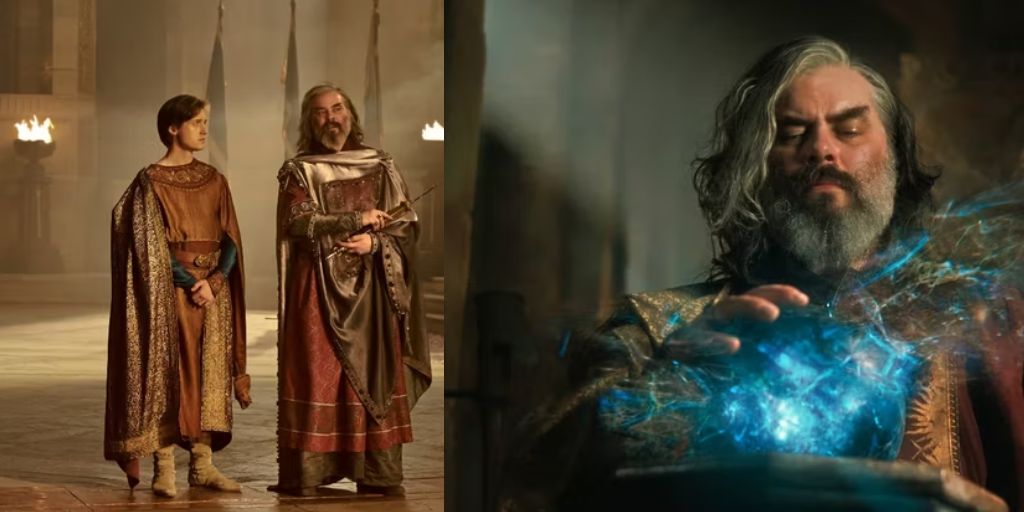
Still from the series (Amazon Prime)
The tension is effective because it pays off, making viewers worry about the other characters in The Rings of Power. When Valandil breaks Kemen’s arm, he has already sealed his own fate, unless he kills Kemen first. By dropping the sword, Valandil sticks to Elendil’s mission from Tar-Míriel, which is to be just and uphold the right values.
However, like in Game of Thrones, Kemen punishes Valandil for his reliance on justice. In a battle against evil, making mistakes, like giving a wounded animal a weapon and turning your back, can be costly. The unique aspect of this death is how it happens and its context. It is not just a stab in the back but a literal betrayal.
This mirrors Sméagol’s (Andy Serkis) murder of his relative Déagol (Thomas Robins) in Peter Jackson’s Lord of the Rings movies. It represents a Númenorian betraying another Númenorian, similar to how Aragorn (Viggo Mortensen) warns in The Lord of the Rings: Return of the King about the end of the age of men when people forsake friends and break bonds of fellowship.
This kind of betrayal, with Valandil dropping the sword and trusting his Númenorian peer to choose honor before being killed, marks a turning point in Númenor’s history as it starts its decline. We have seen other characters, like Wormtongue (Brad Dourif) stabbing Saruman (Christopher Lee) in Return of the King’s extended edition, but this murder feels like a fall from nobility, unlike Wormtongue’s redemption.
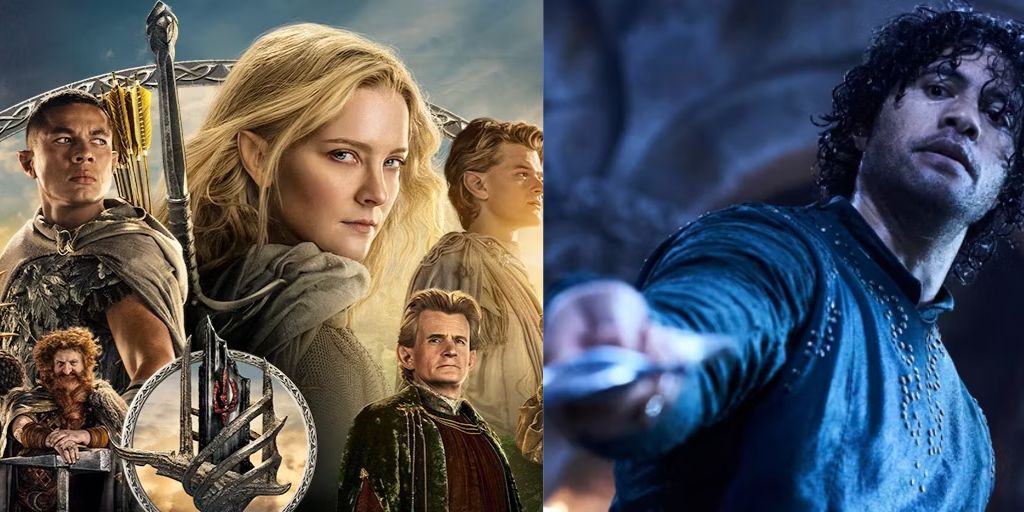
Kemen’s brutal act sets Númenor on a dangerous path (Amazon Prime)
This episode demonstrates how to make supporting characters engaging by giving them their own arcs that impact the main characters. Valandil’s support for Elendil makes his loss feel significant. His salute to Elendil encourages others to show their love for their “captain,” even after he is relieved of his duty. This loss challenges Elendil to stay true to his mission from Tar-Míriel and adds a new layer to his struggle.
Kemen’s quest for his father’s approval adds interest to the Númenor storyline, making him a character that is both entertaining to watch and easy to dislike. He resembles Joffrey (Jack Gleeson) from Game of Thrones, a character with political power due to his birth, though Kemen becomes more frightening after killing Valandil. We see the stakes for Kemen and how far he might go to achieve his goals.
In the end, the Númenor subplot in The Rings of Power becomes more interesting. The writing gives us supporting characters who significantly affect the main plot, forcing protagonists like Elendil to make tough decisions.
The scene itself was effective, playing with the audience’s expectations until the shocking stab in the back. We do not know what will happen to Númenor by the end of The Rings of Power, but this moment clearly indicates the beginning of Númenor’s downfall.
The death of Valandil in The Rings of Power marks a pivotal turning point for Númenor, both in its storyline and its future as a kingdom. The moment is not just a shock for viewers but an important narrative decision that deepens the tension between the characters and sets the stage for Númenor’s eventual downfall.
Kemen’s betrayal reflects the growing moral corruption and loss of honor within Númenor’s leadership, while Elendil’s continued adherence to righteousness is tested in ways that will affect his choices going forward.
Valandil’s death serves as a reminder of the stakes in the battle between good and evil. It’s not just a singular loss but one that ripples through the relationships and dynamics of the main characters. This betrayal also ties back to familiar themes from The Lord of the Rings, such as the fall of men when they forsake honor and loyalty. It pushes Númenor further into its decline, foreshadowing the darker times to come.
The writing in this scene is masterful, playing with audience expectations and delivering a moment that resonates deeply, not only as a plot device but as an emotional, character-driven event. As Númenor’s fate continues to unfold, this event will undoubtedly influence future decisions and conflicts.
