Throughout Heartstopper’s previous seasons, we’ve seen the series tackle a range of emotional and serious issues, from the struggles of coming out to dealing with emotionally abusive relationships. Though much of the show feels light and fun, filled with youthful energy, it never shies away from heavier subjects.
The first two seasons have successfully balanced moments of joy and heartache, capturing the spirit of being a teenager with its simple doodles, bright colors, and occasional confusion.
However, in Season 3, the show grows even more serious, with a stronger focus on mental health, especially Charlie’s (played by Joe Locke) mental well-being. This shift is more prominent than ever, particularly in Episode 4, which brings mental health issues to the forefront in a way we’ve never seen before.
It’s no surprise that Heartstopper’s third season earned a 100% Rotten Tomatoes score, just like the first season did. The powerful themes, moving performances, and deeper emotional narratives have resonated with audiences worldwide.
Out of all the episodes, Episode 4, titled “Journey,” stands out the most. This episode shows mental health and eating disorders in a very real, impactful way. It’s a significant moment not only for the show but also for the broader discussion of mental health and representation. Without a doubt, it’s the most powerful episode of Heartstopper so far.
What Happens in “Heartstopper” Season 3 Episode 4?
The third season of Heartstopper picks up on a story that started in Season 2. In the previous season, we saw hints of Charlie struggling with food and eating habits. While Season 2 introduced this issue, Season 3 goes into much more detail, with Episode 4 focusing deeply on how these struggles affect both Charlie and those around him.
By this point in the show, Nick (played by Kit Connor) has finally gathered the courage to talk to Charlie about his eating problems. Nick knows it’s a sensitive topic, but he can’t ignore it any longer. He wants to help Charlie, and he encourages him to have an open conversation with his parents about what’s going on.
The episode is cleverly divided into two parts. First, we see things from Nick’s perspective, and then we switch to Charlie’s. This allows us to understand how both characters are feeling and how the issue affects them differently. After seeing a doctor, Charlie is officially diagnosed with an eating disorder.
The doctor’s confirmation pushes Charlie to make a big decision—he decides to check into an inpatient facility to get treatment. Charlie isn’t very hopeful that the treatment will work, but he feels like it’s a necessary step to take.
One of the strengths of Heartstopper is its ability to show how mental health struggles affect not only the person going through them but also their loved ones. Episode 4 does a great job of portraying how Nick feels about Charlie’s eating disorder and how helpless he sometimes feels.

Still from Heartstopper (Credit: Netflix)
The script leaves room for quiet moments—long silences that highlight the emotional pain both characters are going through. There are even moments of lightheartedness between friends, but these jokes only make the empty spaces feel even more painful.
The episode doesn’t take a heavy-handed or insensitive approach; instead, it tells the story with simplicity and honesty. This straightforwardness is reflected in Charlie’s attitude toward his own experience—he sees the situation for what it is and faces it directly, even though it’s difficult.
Heartstopper also provides valuable information about eating disorders and mental health, woven into Charlie’s storyline. His recovery isn’t shown as a straight path. He has moments of progress where he starts to eat better, but there are also times when he falls back into old habits.
As the saying goes, things often get worse before they get better, and that’s certainly true for Charlie. He lashes out at Nick, his friends, and his parents. He isolates himself, giving in to his compulsions. However, he also has good days, days when he’s able to push forward and try to get better.
The show also touches on the fact that inpatient treatment facilities aren’t always helpful for everyone and that not everyone has access to them. By doing this, Heartstopper avoids making the recovery process seem too perfect or easy.
Joe Locke’s Performance Steals the Show in ‘Heartstopper’ Season 3
While the storyline in Episode 4 is incredibly powerful, much of its emotional impact comes from Joe Locke’s performance as Charlie. Locke gives one of his most heart-wrenching performances in this episode, bringing Charlie’s inner turmoil to life in a way that feels raw and genuine.
He doesn’t shy away from showing the difficult emotions that come with Charlie’s struggle. Instead, Locke embraces these moments, allowing the audience to feel Charlie’s pain, frustration, and exhaustion.
There’s one particular scene where Charlie is overwhelmed by his compulsions, and Nick’s attempts to comfort him start feeling more like nagging. In this moment, Charlie pulls away from Nick, unable to cope with both his inner struggles and the concern from those around him.
Locke portrays Charlie’s isolation with incredible depth. We can see the weariness in his eyes, the gauntness in his face, and the way he seems almost trapped inside his own mind. His body language says it all—he’s slouched, withdrawn, and completely drained from fighting against his own thoughts and feelings every day.
Even during the lighter moments in the episode, there’s always a sense that something darker is looming in the background. Charlie may smile or laugh, but Locke’s subtle acting shows us that there’s still sadness and hopelessness underneath the surface.
During the montage of Charlie’s stay at the facility, we hear his grave narration. His voice moves between sadness and faint hope, reminding us that his journey toward healing is far from easy. When Charlie’s recovery takes a more positive turn, it’s fragile, as though each step forward could fall apart at any moment.
His hidden kiss with Nick is a brief moment of victory, where Charlie reclaims a little bit of happiness. Locke perfectly captures every emotion, making Charlie’s experience feel both real and deeply moving.
Nick’s Emotional Journey in Episode 4
What makes Episode 4 even more significant is that it doesn’t just focus on Charlie’s experience—it also shows how Nick is affected by everything that’s happening. Often, when we talk about mental health, we focus on the person who’s struggling and forget about the impact on their loved ones.

Still from Heartstopper (Credit: Netflix)
However, Heartstopper acknowledges that mental health issues ripple through the entire support system, affecting everyone involved. In this case, we see how Charlie’s eating disorder deeply impacts Nick.
One of the most memorable moments from this episode is a conversation between Nick and his aunt, who is a psychiatrist. Fans of Alice Oseman’s original Heartstopper novels have been eagerly waiting for this moment. Nick confides in his aunt, sharing how he feels about Charlie’s health and how helpless he sometimes feels.
His aunt responds with a line that is both powerful and heartbreaking: “love can’t cure a mental illness.” It’s a reminder that while love and support are important, they aren’t enough to solve everything. This moment also helps Nick realize that he can’t take full responsibility for Charlie’s recovery.
Kit Connor, who plays Nick, gives an emotional performance that allows us to feel Nick’s pain and frustration. After talking to his aunt, Nick tries to approach Charlie’s situation with patience and understanding. However, it’s clear that he’s struggling too.
Connor’s body language and facial expressions reveal just how much tension and stress Nick is carrying. He’s constantly on the edge, trying to hold everything together for Charlie while also dealing with his own emotions.
One of the most powerful scenes comes during the Halloween party. As the night goes on, Nick becomes more and more overwhelmed. The lights and movement around him blur, creating a dizzying effect that mirrors how disconnected Nick feels from everything happening around him.
At the center of all the chaos is Nick, trying to stay calm but clearly struggling. Eventually, Nick can’t take it anymore, and he breaks down in Tao’s (played by William Gao) arms. This moment is a turning point for Nick, as he finally lets himself feel the weight of everything he’s been going through.
Why “Heartstopper” Season 3 Is So Important
Eating disorders are rarely represented in media, and when they are, they are often shown in a very limited or stereotypical way. Too often, these portrayals either romanticize the illness or reduce it to a single cause, like body image. Heartstopper takes a much more nuanced approach, especially in how it addresses eating disorders in young men, a group that is often overlooked when it comes to discussions about eating disorders.
Charlie’s storyline is incredibly important because it sheds light on an issue that many people don’t talk about. In the show, Charlie is diagnosed with anorexia nervosa and OCD (obsessive-compulsive disorder).
His eating disorder isn’t just about body image; it’s tied to his compulsions and the belief that if he doesn’t follow a strict eating routine, something terrible will happen. This is a refreshing and necessary portrayal of how eating disorders can manifest in different ways, beyond the typical stereotypes.
But what makes Heartstopper even more impactful is how it shows the effect of Charlie’s illness on the people around him. It’s not just Charlie who suffers—Nick, Tao, and even Charlie’s sister, Tori, feel the weight of his struggle.
In earlier seasons, we saw how Tori supported Charlie, but her pain and concern often went unnoticed. In Episode 4, we see this dynamic play out again, but this time, the dual perspectives of Charlie and Nick bring a new layer to the story.

Still from Heartstopper (Credit: Netflix)
The episode encourages open conversations about mental health, not just for those who are struggling but for their loved ones as well. It sends a message that everyone involved needs support.
Through two standout performances from Joe Locke and Kit Connor, Heartstopper creates a delicate balance between difficult subject matter and a sense of hope.
Even in the darkest moments, the show reminds us that there is always a possibility for things to get better, even if the path isn’t straightforward. It’s a powerful message that resonates with viewers and opens up conversations about mental health, eating disorders, and the importance of support systems.
The excitement is back on The Voice as another night of Blind Auditions kicks off, bringing Season 26 to life! Fans are eager to see how the competition unfolds as the show welcomes a mix of fresh talent and seasoned coaches. This episode shows us how the dynamic between rookies and veterans plays a vital role in shaping the season.
Former Olympics correspondent Snoop Dogg takes the stage, stepping into the coach’s locker room to give his fellow judges a motivational pep talk.
His infectious energy and unique style shine brightly, making him one of the standout figures of the season. Snoop is not just a coach; he is a performer, embracing the spirit of the show and entertaining the audience at every turn.
As the season progresses, the competition between rookies and veteran coaches becomes more intense. Gwen Stefani and Reba McEntire bring years of experience, while Snoop Dogg and Michael Bublé offer a fresh perspective. With this mix, the stage is set for a thrilling season full of surprises.
The third night of Blind Auditions proves to be a significant success for both Snoop and Bublé, raising the question: could a rookie artist take home the title this season?
Snoop Dogg Keeps Winning on The Voice Season 26
The night kicks off with an intriguing mystery artist, teased through her voiceover. The show states that many people are shocked when they finally see her. When she steps onto the stage, she confidently performs Sam Smith’s hit song “Too Good At Goodbyes.”
Her performance starts with a attractive shot from behind, showcasing her cowboy hat, which contrasts beautifully with her pop sound. Georgia Starnes quickly earns a four-chair turn from all the coaches.
She instantly captures the attention of the judges, demonstrating her ability to bridge the gap between country and pop music. With her country image and pop sound, Georgia proves she has significant cross-over appeal.
All the judges are impressed, believing she has the potential to become a star. In a surprising twist, Georgia chooses Snoop Dogg as her coach, marking a defining moment in the evening.
The excitement surrounding her performance lies in the fact that she is allowed to express her artistry without any emotional manipulation.
Viewers are treated to the experience of watching a star being born, as Georgia stands confidently on stage, ready to take on the challenges of the competition. The show successfully allows her talent to shine through, creating an unforgettable moment for the audience.
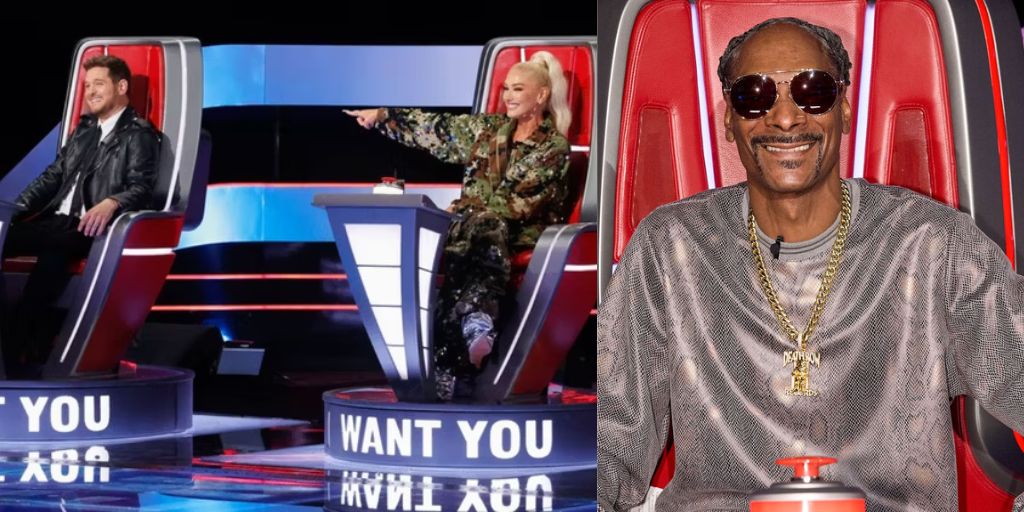
Still from The Voice (Credit: NBC)
Following Georgia’s impressive performance, we meet another pair of artists who are ready to make their mark. Savs and Leah Colon, a folk duo from Nashville, bring their unique sound to the stage as Mistermoon.
They choose to sing Kacey Musgraves’ “Deeper Well,” attracting the judges with their stunning harmonies. Their performance earns them a turn from both Reba and Snoop, who are clearly impressed by the duo’s connection and musical style.
Reba shares a nostalgic moment about singing harmonies with Kelly Clarkson, recalling how they would compete for the best harmony part. Snoop, ever the jokester, playfully asks if they sing bluegrass, adding a lighthearted touch to the moment by claiming he has some “greengrass.”
Ultimately, Mistermoon chooses Snoop as their coach, a decision that surprises many given their folk style. However, they trust that Snoop’s diverse experience and creative approach will help them flourish in the competition. The duo’s choice reflects their confidence in Snoop’s ability to nurture their talent and help them grow as artists.
Episode 3 Features Reba McEntire and Michael Bublé
As the episode progresses, viewers are introduced to a range of talented contestants. The first night of the season featured Ben Fagerstedt, a young crooner who unfortunately did not get selected by any of the coaches. Tonight, we meet Edward Preble, a 19-year-old who exudes charisma and charm.
He is best described as “Baby Bublé,” not just for his stylish suit collection but also for his old-soul speaking voice. Initially, Edward expresses a desire to join Team Snoop, admiring how Snoop reads lyrics with a poetic touch. However, as he takes the stage to perform the classic “Luck Be a Lady,” he catches the attention of the judges.
Edward’s performance leads to an immediate turn from Snoop, who recognizes his talent. Michael Bublé, watching closely, also contemplates whether to turn his chair. In a dramatic twist, Bublé eventually decides to join the fun and turns for Edward.
The audience can sense the excitement as Baby Bublé finds himself in a unique position of choosing between two outstanding coaches. In a wise decision, Edward ultimately selects Team Bublé, a choice that may prove advantageous as he progresses through the competition.
Bublé’s influence continues to shine as he supports another contestant, Jeremy Beloate. Jeremy shares a heartfelt story about losing two brothers and his father to addiction. Despite his emotional journey, Jeremy showcases his vibrant personality throughout the evening, keeping the atmosphere light and entertaining.
He attempts to sway potential coaches with comedic lies and spontaneous rap performances. Snoop, always ready for a good laugh, humorously throws two yellow flags, playfully suggesting that Bublé is gunning for his job! This playful banter adds an entertaining layer to the show, demonstrating the camaraderie among the coaches.
As the night unfolds, we meet another artist with a touching story. Creigh Riepe shares his journey of pursuing dreams in Nashville and the struggles he faced along the way. After his band split, Creigh turned to alcohol, which led him down a difficult path.
Fortunately, he is now two years sober and attributes his strength to his family. Stepping onto the stage, Creigh delivers a powerful rendition of Benson Boone’s “Beautiful Things,” leaving the coaches impressed by his vocal ability. The veteran coaches can see his potential and immediately turn their chairs for him.
Creigh’s heartfelt performance resonates with the audience, showcasing not only his talent but also the resilience he has developed through his struggles. He ultimately selects Reba McEntire as his coach, creating a potentially winning partnership. Reba’s experience and nurturing nature may provide Creigh with the guidance he needs to succeed in the competition.
Gwen Stefani Finds Some Luck at the End of the Night
While many contestants enjoy success, Gwen Stefani starts the night on a slower note. She struggles to get turns from the coaches, facing a challenging evening. As the night progresses, she remains determined to find talent for her team.

Still from The Voice Season 26 (Credit: NBC)
Then, 14-year-old viral sensation Jaylen Dunham takes the stage. Initially, none of the coaches turn their chairs for him, leading to a tense moment.
However, after meeting him, Stefani exclaims that it was the best shocking reveal she has ever seen. Snoop, in a humorous comment, believes the contestant has the voice of a woman, but in reality, Jaylen is a young teen whose voice is changing.
Stefani notices Jaylen’s nervousness, which affects his performance. Recognizing the importance of encouragement, she tells him about a new feature this season—the Coach Replay Button. This new twist allows coaches to give contestants a second chance to impress them.
With a renewed sense of confidence, Stefani decides to add Jaylen to her team. Young contestants often excel in live shows, and if Gwen and Jaylen can maintain their connection throughout the competition, they may have a solid chance at success.
The evening culminates in a powerful performance from Frankie Torres, a 24-year-old cover band rock singer. He takes on Heart’s “Magic Man” and earns a late turn from all four coaches. The judges immediately recognize Frankie’s raw talent, dubbing him a powerhouse vocalist.
Stefani finds a connection with him over their shared rock roots, and Reba is visibly reluctant to let him go. In a heartfelt moment, she goes on stage to allow Frankie to hold her trophy from last season, emphasizing the weight of what it feels like to win The Voice.
The confetti cannons shoot off, creating a celebratory atmosphere. In the end, Frankie decides to join Stefani, marking another significant addition to her team.
While the night is filled with joy for many contestants, not everyone receives the response they hope for. One of the most shocking rejections comes from Tiffany Taylor, who previously appeared in the film Camp. Tiffany performs “What Was I Made For,” but unfortunately, the coaches do not feel she is a fit for The Voice.
This rejection highlights the competitive nature of the show and serves as a reminder that not every talented artist will find their place in the competition. Similarly, former The Lion King actor Malcolm-Ali also faces disappointment, as he is passed on despite his impressive background.
The third night of Blind Auditions delivers a well-rounded experience, showcasing a mix of joyful moments and emotional stories. The artists are allowed to shine on their own, demonstrating their talent and individuality. The balance of happy and sad stories creates an engaging narrative, making this night one of the strongest yet.
The judges and viewers are left to ponder whether the winning artist will come from the middle of the audition process, as the talent pool continues to impress.
As the episode draws to a close, fans eagerly anticipate what the next Blind Auditions will bring. The camaraderie among the coaches adds to the excitement of the show, with Snoop Dogg’s playful banter and Bublé’s charm attracted audiences.
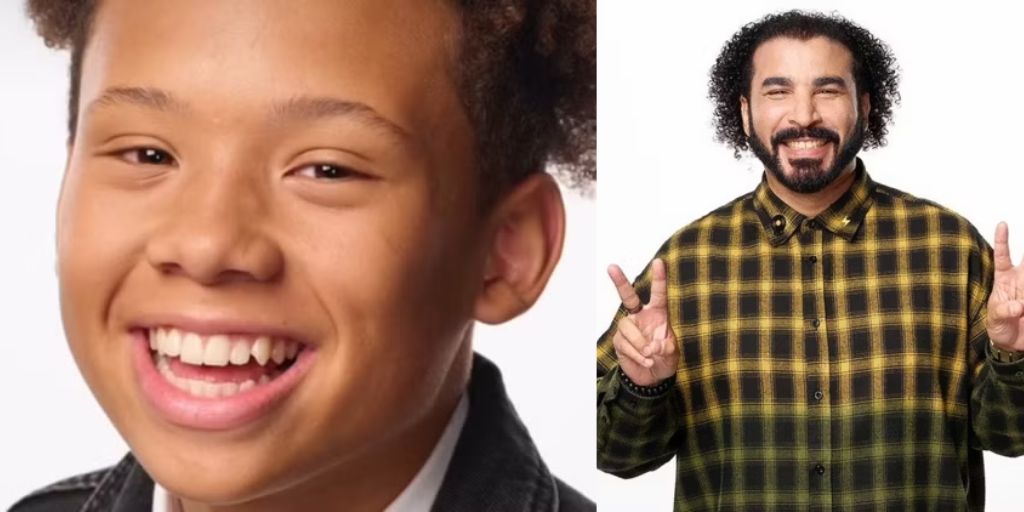
Still from The Voice Season 26 (Credit: NBC)
The connections formed between contestants and coaches create a unique atmosphere, encouraging viewers to cheer for their favorites. Each performance leaves a lasting impression, and the audience is reminded of the magic that The Voice brings to the stage.
The Voice airs Monday and Tuesday this week on NBC in the U.S. Fans can also stream all episodes the next day on Peacock, ensuring they don’t miss a moment of the excitement.
As the competition heats up, viewers are left wondering who will emerge victorious in this season’s intense journey. With many talented artists yet to be revealed, the journey of The Voice Season 26 is just beginning, and the best is yet to come.
