The Finnish metalhead sequel, Heavier Trip, is directed by Juuso Laatio and Jukka Vidgren. This movie picks up right where Heavy Trip (2018) left off, continuing the wild and hilarious story of the fictional band, Impaled Rektum.
If you’ve seen the original movie, you’ll know that Heavy Trip was about the unlikely rise of this amateur metal band from Finland. It wasn’t as serious as Lords of Chaos by Jonas Åkerlund, nor was it as drenched in horror as Deathgasm by Jason Lei Howden. Instead, Laatio and Vidgren delivered a goofy musical comedy filled with headbanging beats and slapstick humor.
While the sequel doesn’t quite match the charm of the original, that only speaks to how remarkable Heavy Trip was. Heavier Trip keeps the same spirit alive, bringing back the characters and humor that fans loved, and it’s still very much enjoyable. The filmmakers have proven that they understand the metal culture, and this movie shows that they’re still in tune with the heavy metal scene.
The Band Reunites in Heavier Trip
In Heavier Trip, we meet Impaled Rektum again, but this time they’re stuck in a prison off the coast of Norway. This prison is no ordinary jail though. It’s got a fancy seafood buffet, which adds a humorous twist to the setting. The band gets an unexpected opportunity when super-producer Maxwell Efraim Fisto (played by Anatole Taubman) shows up with an offer.
He wants the band to perform at Wacken Open Air, a famous heavy metal festival in Germany. If they accept, they’ll earn €50,000. However, the band’s bassist, Xytrax (played by Max Ovaska), dismisses the festival as “overcommercialized” and calls it an event for “wannabes.” Plus, they’re behind bars, so the lead singer, Turo (played by Johannes Holopainen), decides to turn down the offer.
Things take a turn when guitarist Lotvonen (played by Samuli Jaskio) finds out his family’s slaughterhouse will be taken away unless they pay €30,000. This forces the band into action. Impaled Rektum has no choice but to break out of prison, track down Fisto, and hope the offer is still on the table. But escaping won’t be easy, especially with prison security guard Dokken (played by Helén Vikstvedt) standing in their way.
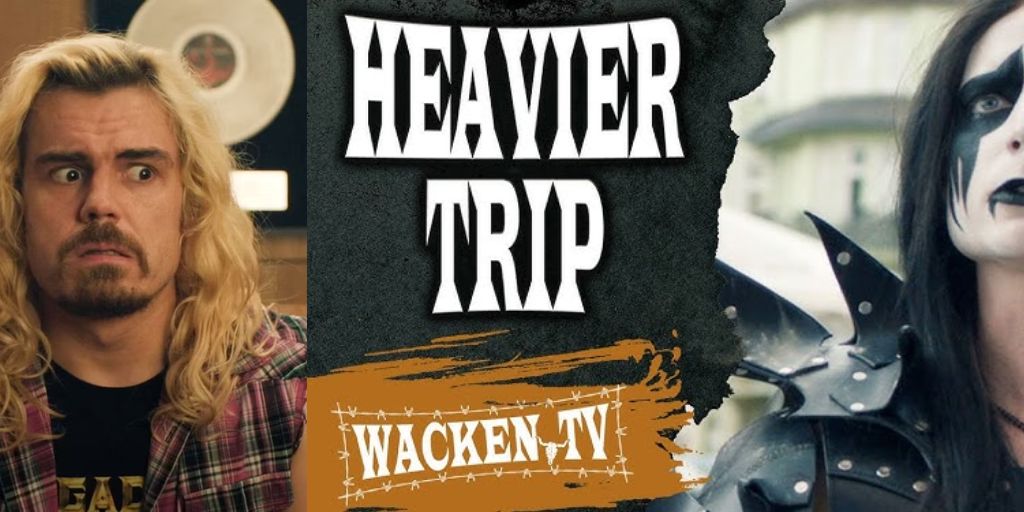
Still from the movie (YouTube)
A Film for Metal Lovers
Heavy Trip showcased Laatio and Vidgren’s knowledge of the metal scene, and Heavier Trip doesn’t stray from that. The directors continue to approach the heavy metal genre with a sense of humor that’s widely accessible. Most of the jokes are easy to understand, even for those who may not be hardcore metal fans.
That said, there are moments that only true metalheads will appreciate, but even those come with enough context for casual viewers to follow along. For example, there’s a reference to Jimi Hendrix’s famous guitar-burning moment, and it’s a joke that will land with just about anyone.
The film also touches on different subgenres of metal, which adds variety. One of the best scenes involves Xytrax encountering the Japanese Kawaii metal sensation, BABYMETAL. Xytrax has strict opinions about what “real” metal should sound like, but he can’t help but tap his foot to BABYMETAL’s hit song, “Gimme Chocolate!!” As a fan of BABYMETAL myself, I found this moment incredibly fun and satisfying. Whether you’re into classic Metallica or more niche genres like Norwegian black metal, there’s something for everyone in this movie.
The Challenges of the Music Business
The partnership between Impaled Rektum and Fisto is central to the movie’s story. Fisto represents the sleazy side of the music business, and his actions show how he tries to manipulate the band. He even tries to scrub away their individuality, pushing them to conform to the commercial side of the industry.
It’s not a new story by any means. We’ve seen it in other films about bands, like Rock Star by Stephen Herek and Suck by Rob Stefaniuk. But seeing it through the lens of Impaled Rektum adds a fresh, comedic twist to the familiar story.
Fisto’s name is a play on Mephisto, the “Monarch of Evil,” and it’s clear that he’s not interested in the band’s artistic integrity. He only cares about making money. The band members—Turo, Xytrax, Lotvonen, and their drummer Oula (played by Chike Ohanwe)—start to see how their identity as a band is being threatened. The spotlight begins to seduce Turo, but the others aren’t so easily swayed. The tension within the group builds as they realize Fisto’s influence is turning them into something they’re not.
Familiar but Fun
Even though Heavier Trip follows a storyline that’s been done before, it still manages to keep things fun. The movie stays true to the characters that fans of Heavy Trip came to love. Xytrax is still brutally honest, Lotvonen remains obsessed with Dave Mustaine, and the band continues to face absurd challenges. There are also some nice nods to rock n’ roll legends, like a prop that includes Lemmy Kilmister’s iconic hat. These little touches add to the charm of the film.
New characters also help keep the sequel fresh. Fisto’s shady actions and the introduction of Blood Motor, a rival band led by a growling frontman named Rob (played by David Bredin), bring new dynamics to the story. While these additions are welcome, it’s still clear that this is Impaled Rektum’s story. The band doesn’t lose its identity, and the humor is consistent with the original movie.

Still from the film (Making Movies)
Music and Metal
One of the highlights of Heavier Trip is its soundtrack. The original movie had a killer metal score, and the sequel doesn’t disappoint in this department either. Mika Lammassaari, who steps up as the composer for the sequel, delivers an awesome collection of songs. The soundtrack is filled with crunchy guitar riffs and heavy bass lines that will get any metalhead pumped up.
The music is not just a backdrop to the film; it’s an essential part of the experience. Heavier Trip is a love letter to metal fans, and the soundtrack reflects that. The energy and intensity of the music add to the film’s overall excitement, making it a must-see for fans of the genre.
Is Heavier Trip as Good as Heavy Trip?
While Heavier Trip is definitely a fun movie, it doesn’t quite match the originality of Heavy Trip. The first film was unique in how it balanced metal culture with quirky, offbeat humor. It had a rebellious spirit that made it stand out from other music comedies. In comparison, Heavier Trip feels more predictable. The plot follows a more traditional route, with the band facing typical obstacles like shady producers and the temptation of fame.
That being said, Heavier Trip still has plenty to offer. Fans of the first movie will enjoy seeing Impaled Rektum’s continued adventures, and the humor remains as ridiculous as ever. The film doesn’t try to reinvent the wheel, but it doesn’t have to. It’s a solid sequel that stays true to what made the original special.
The Cast Shines Again
The cast of Heavier Trip brings the same energy and charm that they did in the first film. Johannes Holopainen is once again great as Turo, the awkward but lovable frontman. He’s the heart of the band, and his character’s journey in this sequel is engaging, even if it’s a bit more predictable.
Max Ovaska as Xytrax continues to steal scenes with his deadpan humor and metal purist attitude. His interactions with BABYMETAL are some of the funniest moments in the movie, especially as he tries to maintain his metalhead identity while secretly enjoying their catchy tunes.
Samuli Jaskio as Lotvonen and Chike Ohanwe as Oula also give solid performances, rounding out the band’s lineup. The chemistry between the cast members is evident, and they all work well together to bring the absurdity of Impaled Rektum to life.
Newcomers like Anatole Taubman as Fisto and David Bredin as Rob add fresh energy to the film, playing off the main cast with ease. Their characters add to the chaos and humor of the story, ensuring that the sequel feels lively and entertaining.
A Sequel Worth Watching
Heavier Trip may not surpass its predecessor, but it’s still a worthy follow-up. The film delivers the same kind of chaotic energy that made Heavy Trip a cult favorite, with plenty of laughs and headbanging moments along the way. The metal soundtrack, the humor, and the lovable characters all come together to create an entertaining sequel that fans of the first film will appreciate.
In the end, Heavier Trip is a fun, lighthearted metal comedy that doesn’t take itself too seriously. It’s a movie made for metalheads by metalheads, and it doesn’t try to be anything else. If you enjoyed Heavy Trip, you’re sure to have a good time with Heavier Trip.
It’s not groundbreaking, but it’s a solid sequel that keeps the headbanging fun going. The film delivers a delightful continuation of Impaled Rektum’s journey, blending humor and metal culture seamlessly, making it a must-watch for fans seeking laughter and headbanging excitement.
Prison Break has officially made a triumphant return to Netflix, bringing with it all the thrills, drama, and suspense that attracted audiences during its original run.
Since its addition to Netflix on July 29, the show quickly climbed the Nielsen streaming rankings, holding the number-one spot for its first two weeks. This is an impressive feat, especially considering that it even managed to surpass the season finale of The Umbrella Academy.
The enduring popularity of Prison Break speaks volumes about its significance in television history. Originally airing on Fox between 2005 and 2009, Prison Break followed the story of Michael Scofield, a man determined to break his brother, Lincoln Burrows, out of prison after Lincoln was wrongfully convicted of murder.
The show’s complex narratives, intense action sequences, and memorable characters made it a fan favorite during its run, and it continues to resonate with audiences today. But as popular as the series has been, its conclusion(s) have sparked considerable debate.
In fact, when it comes to Prison Break, the term “ending” is a bit tricky. The series officially wrapped up with the Season 4 finale in 2009. However, two additional episodes—The Final Break—were released soon after on DVD, providing an alternate conclusion that did not air on television.
Then, in 2016, Prison Break was revived for a fifth season, which introduced a new storyline and yet another ending for Michael Scofield and his crew. The following is an in-depth breakdown of each of the show’s conclusions and the elements that made Prison Break such a beloved series.
Season 4 Finale: “Killing Your Number”
The fourth season of Prison Break is one of the most complex and action-packed in the series. By this point, the characters have faced more than their fair share of dangers, from escaping multiple prisons to taking down powerful and corrupt organizations.
However, in Season 4, their greatest challenge comes in the form of the mysterious organization known as The Company. This global network, often compared to the Illuminati, has its hands in politics, finance, and nearly every aspect of society, making it a formidable foe.
The final episode of Season 4, “Killing Your Number,” brings the storyline to a climactic conclusion. Michael Scofield and Lincoln Burrows, along with their loyal team, make their last stand against The Company. In earlier episodes, Michael was diagnosed with a rare and aggressive brain tumor.
His chances for survival seemed slim, but he was offered an unexpected lifeline by General Krantz, the leader of The Company. Krantz promised to provide Michael with a life-saving surgery in exchange for Lincoln’s cooperation in recovering a crucial data file known as Scylla.
Scylla is more than just a data file—it contains detailed information about The Company’s global operations, its personnel, and its research on alternative forms of energy. Scylla holds the key to The Company’s power, and both sides are desperate to control it.
Michael, despite his initial reluctance, undergoes the surgery and survives the procedure. Now, tumor-free, he joins forces with Lincoln to retrieve Scylla from their estranged mother, Christina Scofield, who was once thought to be dead.
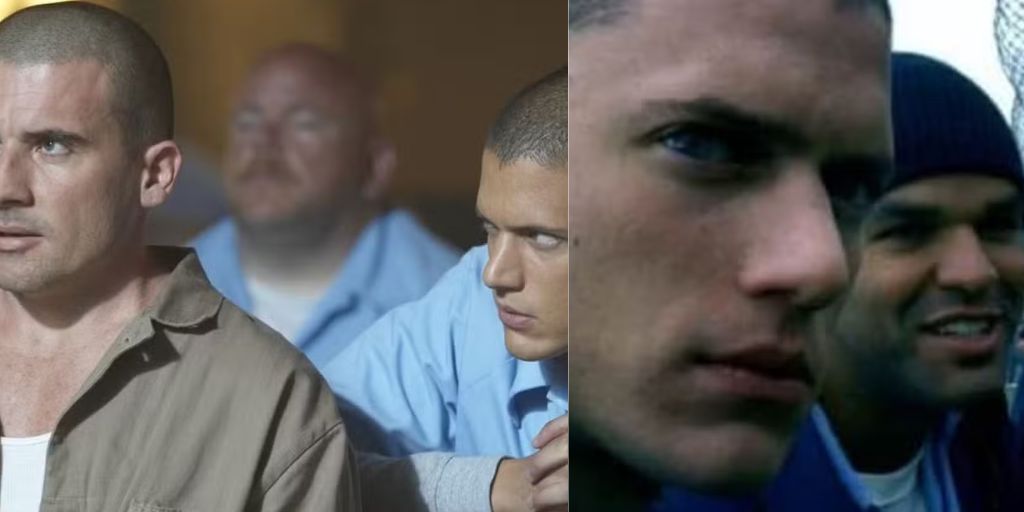
Still from Prison Break (Credit: Fox)
Christina Scofield’s return is one of the biggest surprises in Season 4. It is revealed that she had been working as a high-level executive within The Company and had faked her death years earlier. Her reappearance adds a deeply personal element to the brothers’ mission, as they must not only confront The Company but also their own family history.
In the final showdown, Christina attacks Michael, but her attempt to kill him is thwarted by Sara Tancredi, Michael’s love interest and eventual wife. Sara shoots and kills Christina in self-defense. Meanwhile, General Krantz is captured and sentenced to death, marking the end of The Company’s reign of terror.
With Scylla in hand, Michael and Lincoln are on the verge of destroying it, ensuring that The Company will never rise again. However, they are interrupted by Paul Kellerman, a former Secret Service agent who offers them an alternative.
Instead of destroying Scylla, they can hand it over to the U.S. government in exchange for complete immunity. This deal not only clears Michael and Lincoln’s names but also exonerates Sara, Sucre, and Mahone, effectively wiping the slate clean for the entire team.
This moment could have served as a satisfying conclusion to the series, with all the characters walking away free. However, the episode takes a bittersweet turn. In a time jump to four years later, we see the surviving members of the team—along with Michael and Sara’s young son—gathering at a grave.
The camera zooms in, revealing that it is Michael’s grave. The show ends on this somber note, leaving fans with a mixture of relief and sorrow. Michael, the man who fought so hard to free his brother and loved ones, did not survive to enjoy the peace he had earned.
Prison Break: The Final Break
For fans who wanted more closure on Michael’s fate, Prison Break: The Final Break provided some answers. Released exclusively on DVD, these two episodes serve as a bridge between the end of Season 4 and the time jump in the finale. They explain how Michael died, and they give the audience one last thrilling escape sequence.
In The Final Break, Michael and Sara are newly married and expecting their first child. However, their happiness is short-lived.
Sara is arrested for the murder of Christina Scofield, even though it was an act of self-defense. The problem is that the surveillance footage only shows Sara shooting Christina, with no context to explain the circumstances. As a result, Sara is sent to a maximum-security prison, and it looks like she will be there for a long time.
True to form, Michael is determined to rescue Sara. He assembles his old team—Lincoln, Sucre, and Mahone—and begins planning an elaborate prison break. Meanwhile, General Krantz, who is still alive and awaiting execution, puts out a hit on Sara. He wants revenge for the downfall of The Company, and he sees Sara as an easy target.
Sara faces multiple assassination attempts while behind bars, including being poisoned and attacked by other inmates. As the threats against her escalate, Michael works tirelessly to find a way to free her. He eventually discovers an emergency escape tunnel that was overlooked during the prison’s construction. This tunnel becomes the key to Sara’s escape.
In the end, Michael sacrifices himself to save Sara. As they make their way through the escape tunnel, they encounter an electronically locked door. Michael uses a live electrical wire to short-circuit the door, allowing Sara to pass through. However, the electrical surge kills Michael. His final act is one of pure selflessness, ensuring that Sara and their unborn child can live a free life.
After Sara’s escape, Mahone delivers a final message from Michael, which he had recorded before the breakout. In the video, Michael reveals that his brain tumor had returned and that he knew his time was limited. Rather than succumb to his illness, he chose to go out on his own terms, sacrificing himself for the people he loved.
This conclusion is heartbreaking but fitting for a character like Michael Scofield. Throughout the series, Michael had always been willing to put himself in harm’s way to protect his family, and in The Final Break, he makes the ultimate sacrifice.
Season 5: The Resurrection of Michael Scofield
For many fans, Prison Break ended with The Final Break, but in 2016, the series was revived for a fifth season. This season brought with it a major twist: Michael Scofield was not actually dead. Season 5 shows the idea that Michael had faked his death in order to protect his loved ones and had been living under a new identity for the past several years.
In Season 5, Michael is imprisoned in Ogygia, a notorious prison in Yemen. He has been working for a rogue CIA operative named Poseidon, who forced him to participate in a series of high-profile prison breaks around the world. Poseidon, whose real name is Jacob Ness, also happens to be Sara’s new husband. He manipulated Sara into believing that Michael was dead and took on the role of father to Michael’s son.
The plot of Season 5 revolves around Michael’s efforts to escape from Ogygia and reunite with his family. Along the way, he must outwit Poseidon, clear his name, and expose the truth behind his faked death. The season culminates in a final showdown between Michael and Poseidon.
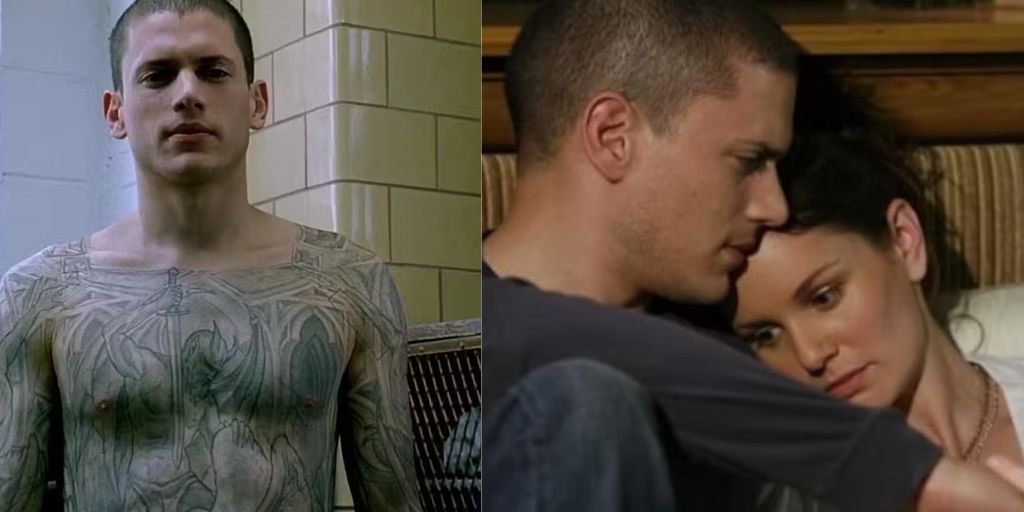
Still from Prison Break (Credit: Fox)
In the series finale, titled “Behind the Eyes,” Michael finally gets the upper hand. He lures Poseidon into a trap, recreating the scene of a murder that Poseidon had committed years earlier.
Michael uses this setup to frame Poseidon for the crime, ensuring that justice is served. With Poseidon arrested and his name cleared, Michael is free to reunite with Sara and their son.
The ending of Season 5 is more optimistic than the previous finales. Michael, Sara, and their son are finally able to live a peaceful life, free from the shadow of The Company or Poseidon’s schemes. However, some fans felt that this ending was too neat, given the complexity of the series. Others were simply happy to see Michael alive and reunited with his family.
Character Development and Evolution
One of the reasons Prison Break has remained so popular is the depth and complexity of its characters. Michael Scofield, in particular, is a fascinating character. He starts the series as a calm, collected, and highly intelligent man with a clear mission: to break his brother out of prison.
However, as the series progresses, we see more of Michael’s vulnerabilities. His willingness to sacrifice himself for others, even at the cost of his own happiness, makes him both heroic and tragic.
Lincoln Burrows, Michael’s brother, also undergoes significant development throughout the series. Initially, Lincoln is portrayed as the muscle of the operation, relying on brute strength rather than intellect.
However, as the series progresses, we see Lincoln take on a more active role in planning and executing their escape attempts. His relationship with Michael is central to the show’s emotional core, and their bond is what drives much of the plot.
Sara Tancredi, Michael’s love interest, also evolves from a prison doctor to a key player in the team’s operations. Her relationship with Michael is one of the most compelling aspects of the show, and her character is given a lot of depth in later seasons. She is strong, capable, and fiercely loyal, willing to risk her own life for the people she loves.
Other characters, like Sucre, Mahone, and T-Bag, add to the richness of the series. Sucre, in particular, provides much-needed comic relief, while Mahone’s moral ambiguity makes him one of the most intriguing characters in the show.
The Legacy of Prison Break
Prison Break has left an indelible mark on television history. The show’s innovative concept, which blended prison drama with high-stakes action and conspiracy, set it apart from other series at the time. It was one of the early shows to adopt a serialized format, where each episode led directly into the next, creating a sense of urgency and excitement.
The series also broke new ground in terms of representation. Michael Scofield’s calm, methodical approach to problem-solving challenged traditional portrayals of male action heroes, while Sara Tancredi’s character offered a strong, independent female lead. The show’s diverse cast and international settings also reflected a more globalized world.
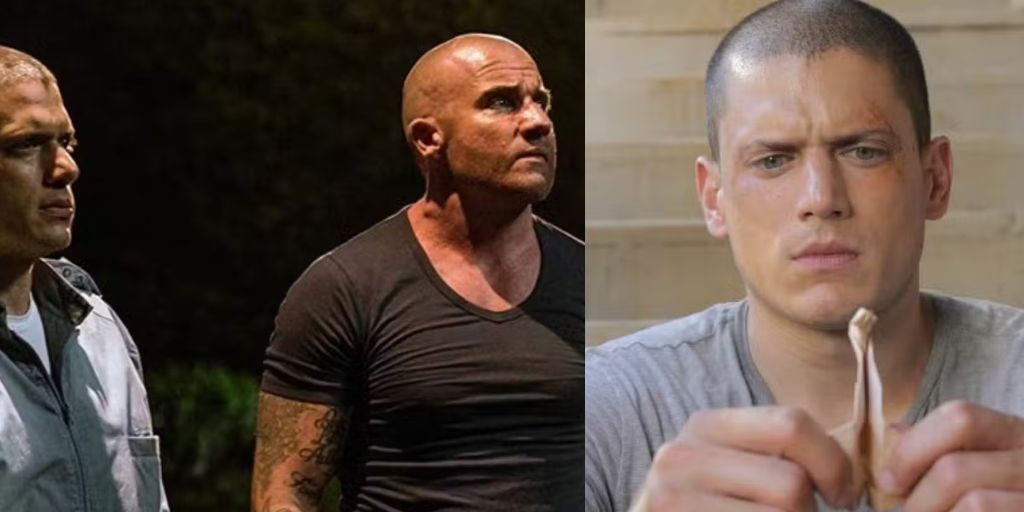
Still from Prison Break (Credit: Fox)
The Debate Over Multiple Endings
One of the most interesting aspects of Prison Break is the fact that it has multiple endings. The Season 4 finale, The Final Break, and Season 5 all offer different conclusions to the story of Michael Scofield and his team. Each of these endings has its own merits and has sparked debate among fans.
Some viewers felt that the Season 4 finale was the perfect way to end the series. Michael’s sacrifice was seen as a fitting conclusion to his character arc, and the bittersweet ending added emotional weight to the story. Others, however, were frustrated by the lack of closure and were eager for more answers, which they got with The Final Break.
When Season 5 was announced, many fans were excited to see Michael back in action, but some were skeptical about bringing him back from the dead. The fifth season offered a more optimistic ending, but not everyone was satisfied. Some felt that it undermined the emotional impact of Michael’s death in The Final Break, while others were simply happy to see the characters they loved return.
Conclusion: The Future of Prison Break
As of now, Prison Break is available to stream on Netflix in the U.S., giving new audiences a chance to experience the show for the first time, while longtime fans can revisit the series’ many twists and turns.
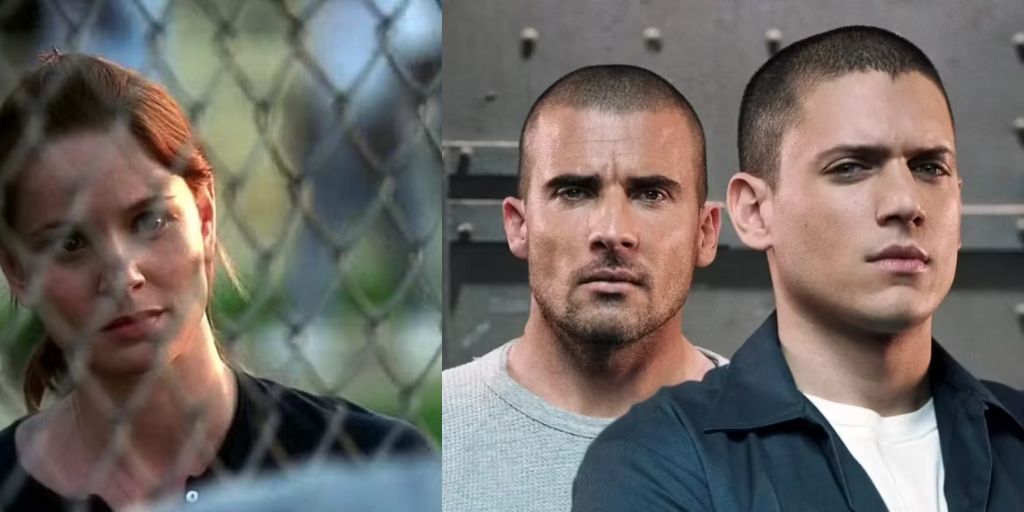
Still from Prison Break (Credit: Fox)
With multiple endings and a revival already under its belt, the future of Prison Break is uncertain, but the possibility of more content remains.
