High School DxD is a well-known anime series with a reputation for mixing supernatural action with heavy fan service. It has always been aimed at an older audience, given its use of sexual humor and mature themes.
However, its promotional material appearing unfiltered on YouTube Shorts shocked many people. Unlike a dedicated streaming service with age restrictions, YouTube Shorts is widely used by children and teenagers, meaning that the ad was accessible to a far younger audience than intended.
The ad in question included not just eye-catching visuals but also language that many considered inappropriate for the platform. Viewers quickly reported the ad to YouTube, and complaints began spreading across social media.
Parents voiced concern that their children had been exposed to sexualized material without warning. Anime fans who enjoy High School DxD also criticized the move, saying that while they appreciate the series, it should never have been marketed in a way that exposes minors to content meant for adults.
Critics accused both the advertisers and the platform of negligence, arguing that it was irresponsible to let such content appear in a space widely used by children. The situation has reignited long-running debates about advertising standards on major online platforms and whether companies are doing enough to protect younger audiences.

High School DxD Franchise (Credits: Ichiei Ishibumi and Miyama-Zero)
High School DxD Ad Sparks Outrage After Appearing on YouTube Shorts for Minors
YouTube has faced similar issues in the past, with ads or videos slipping through filters despite strict policies on adult content. The global scale of the platform makes it challenging to monitor every single ad, but viewers believe that this case shows a clear failure in the system.
Many called for YouTube to take stronger action, including tighter ad screening processes and penalties for advertisers who push inappropriate material into spaces where children are likely to see it.
Meanwhile, the creators and marketers behind High School DxD have come under fire for their promotional strategy. While anime advertising often uses flashy or provocative imagery to attract attention, critics argue that companies must be careful about where and how they promote such series.
Fans pointed out that High School DxD already has a dedicated audience of older viewers, making it unnecessary to use platforms frequented by children for promotion. By doing so, the advertisers not only harmed the show’s reputation but also risked drawing unwanted attention from regulators concerned about child safety online.
The controversy has also brought up larger discussions about anime’s global image. Anime has often faced criticism from outsiders who misunderstand the medium or label it as inappropriate because of a few titles with heavy fan service.
When an incident like this happens, it fuels those negative perceptions, making it harder for anime to be recognized for its diversity of genres and storytelling. Many anime fans worry that irresponsible advertising choices will only give critics more ammunition to argue that anime is harmful for young viewers.
Parents and Fans Slam Inappropriate Anime Promotion on Child-Friendly Platform
As complaints continue to pour in, there is mounting pressure on YouTube to investigate how the ad was approved and what steps can be taken to prevent similar mistakes.
Some experts believe that advertisers may have deliberately used vague categorization to bypass stricter filters, while others think it was a case of poor oversight within the system. Either way, the controversy is serving as a wake-up call for both platforms and advertisers to take responsibility for where and how their content appears.

High School DxD Franchise (Credits: Ichiei Ishibumi and Miyama-Zero)
The situation also raises questions about how anime companies will approach marketing in the future. With streaming services, social media, and video platforms being the main channels for promotion, there is always a risk of ads reaching unintended audiences. To avoid repeating this mistake, companies may need to adopt stricter self-regulation, ensuring that their promotional material only appears in appropriate spaces.
For now, the ad has reportedly been taken down following mass complaints, but the damage has already been done. Parents remain upset, anime fans are disappointed, and questions linger about accountability.
Episode 1121 of One Piece has sparked a wave of drama that spread far beyond its own fandom. After the new episode aired, a section of One Piece fans took to review platforms like IMDb and began targeting Bleach: Thousand-Year Blood War by posting negative reviews. This wave of review-bombing brought down the ratings of the newest Bleach episode, creating heated discussions online about fan wars and the lengths some viewers will go to defend their favorite series.
Review-bombing is not a new phenomenon in the entertainment industry, but it has become more visible in the age of online ratings. Fans sometimes organize to give extremely low ratings to a rival show, movie, or game in order to make their own favorite look better by comparison. In this case, Bleach became the target simply because of the ongoing comparisons between the two series.
Both One Piece and Bleach belong to the legendary “Big Three” anime titles, along with Naruto. These three franchises shaped the modern anime industry, and even today, years after their original peaks, their fanbases remain highly active and passionate.
The conflict began after the release of One Piece episode 1121, which continued the adaptation of the Egghead Arc. Many fans praised the episode for its strong animation, emotional storytelling, and faithful adaptation of the manga.
The excitement around it reignited comparisons to other major anime currently airing, and some fans took the rivalry too far. Rather than simply celebrating the success of One Piece, groups of fans began leaving low ratings and negative reviews on Bleach’s newest episode.

One Piece Franchise (Creidts: Eichiro Oda)
One Piece Fans Review-Bomb Bleach After Episode 1121 Sparks Fandom Clash
For Bleach, this was particularly frustrating because the Thousand-Year Blood War arc has been praised by both longtime followers and new viewers. The arc has been delivering high-quality animation, faithful manga adaptation, and memorable battles.
Yet, its IMDb score suddenly dipped, not because of genuine criticism, but because of outside interference. This has caused disappointment among Bleach fans who feel that their series is unfairly targeted.
The incident has reignited debates about toxic fan culture in anime communities. While friendly competition between fandoms is nothing new, review-bombing crosses into harmful territory because it manipulates public perception of a show. Ratings on platforms like IMDb, MyAnimeList, and other review sites often influence whether new viewers decide to give a series a chance. By artificially lowering the score of Bleach, review-bombers risk discouraging new audiences from experiencing the show.
Many anime fans, even within the One Piece community, have condemned the act. They argue that celebrating one series should not come at the expense of tearing down another. Online discussions on forums and social media highlight that most One Piece fans respect Bleach as an equally important series in anime history.
The negative actions of a vocal minority do not represent the larger fandom, but the damage caused by such actions has still been significant.
The rivalry between One Piece and Bleach is rooted in their long history as part of the Big Three. For years, fans have compared the storytelling, characters, and themes of these titles.
Some fans prefer the adventurous and world-building style of One Piece, while others enjoy the darker, battle-driven tone of Bleach. These debates have always been part of fandom culture, but in recent years, the intensity has sometimes turned toxic as fans clash online.
Bleach IMDb Score Suffers as Rival One Piece Fans Launch Review Attack
Interestingly, both series have enjoyed major revivals in the modern era. One Piece has entered its final saga, with the Egghead Arc drawing massive attention from fans who have followed the story for decades.
At the same time, Bleach has returned with its long-awaited Thousand-Year Blood War arc, giving fans closure after years of waiting for the manga’s final storyline to be adapted. Instead of being celebrated together as milestones in anime history, these two events have unfortunately been overshadowed by unnecessary conflict.
Despite the negativity of review-bombing, many fans believe that the quality of the shows will ultimately speak for itself. Both One Piece and Bleach have strong legacies, loyal fanbases, and ongoing adaptations that continue to draw global audiences. While online scores may fluctuate due to targeted campaigns, the passion of genuine viewers and the reputation of these series remain secure.
The incident serves as a reminder of the challenges of modern fandom culture. With the rise of social media and online rating platforms, fan actions can have far-reaching effects, both positive and negative. However, it also shows the importance of responsible fandom, celebrating one’s favorite series without resorting to hostility toward others.

One Piece Franchise (Creidts: Eichiro Oda)
As the fan war surrounding episode 1121 cools down, discussions continue about how review platforms can better handle unfair rating activity. Some have suggested stricter moderation or ways to detect sudden surges in low scores. Until then, the best solution lies with the fans themselves, choosing to show respect across communities and appreciating the strengths of different series.
Both One Piece and Bleach stand as cornerstones of anime culture, and their ongoing success is proof of their enduring power. Instead of dragging each other down, their fandoms have the chance to celebrate the fact that in 2025, both stories are still alive, still loved, and still inspiring audiences worldwide.
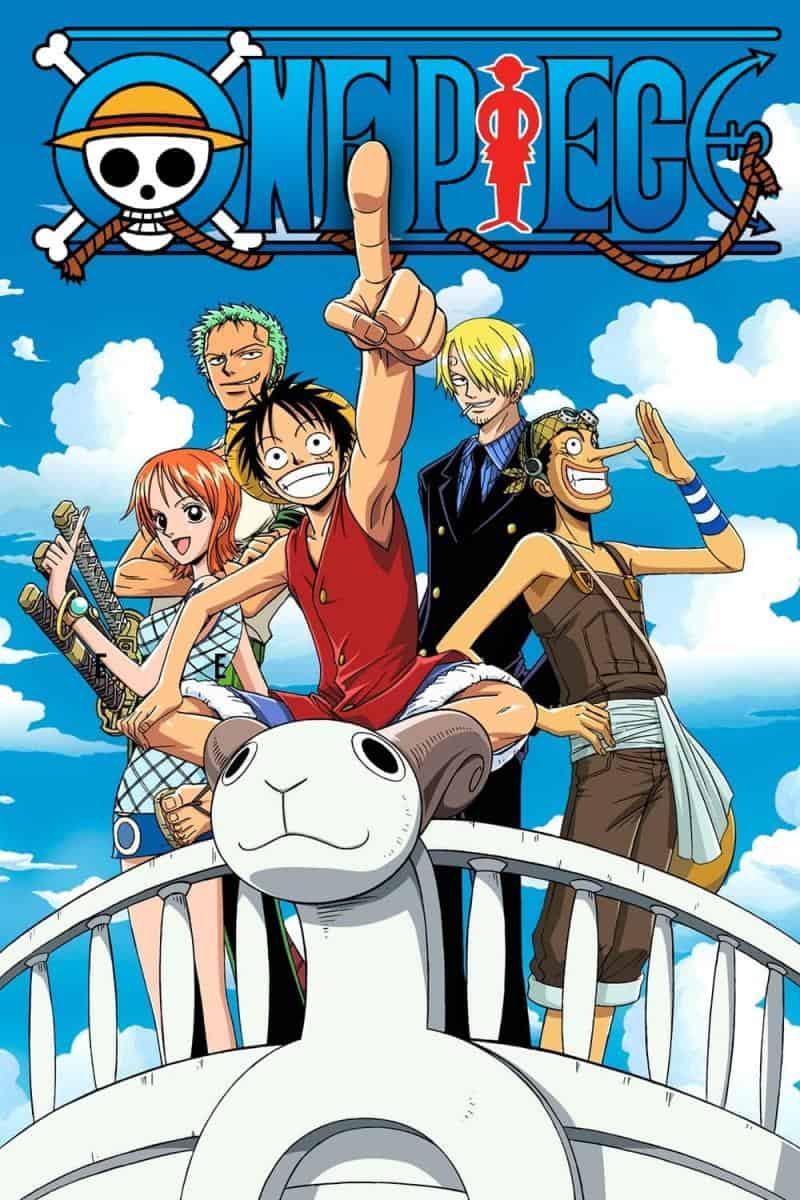
“One Piece” is a beloved Japanese manga and anime series that chronicles the adventures of Monkey D. Luffy and his pirate crew. Luffy, imbued with rubber powers from a mystical fruit Hito Hito no Mi, aspires to become the Pirate King. To achieve this, he seeks the ultimate treasure, the “One Piece,” hidden at the Grand Line’s end. Along the journey, Luffy gathers a diverse crew, confronts formidable foes, and uncovers world-altering secrets, all while promoting themes of friendship, freedom, and adventure.
