Kagurabachi has had an unusual rise to fame in the manga world. Initially, the series grabbed attention not because of its story, its characters, or its action-packed fights, but because of a wave of memes that circulated on social media.
The early chapters were filled with potential, but it was the jokes and viral content surrounding it that got people talking.
However, as the story progressed, it became clear that Kagurabachi was much more than a passing internet joke. Behind the humorous beginning was a story with depth, heart, and a unique flair for drama that few anticipated.
Fast forward to today, and Kagurabachi is quickly cementing its place as one of Weekly Shonen Jump’s standout titles.
In particular, chapter 48 caused a stir by delivering one of the most shocking moments in the series so far: the massacre of the Kokugoku Steam Squad, a group of powerful fighters who many thought would be pivotal in the upcoming story arcs.
This shocking twist drew immediate comparisons to Jujutsu Kaisen and its author, Gege Akutami, whose narrative style is famous for its bold and often brutal twists.
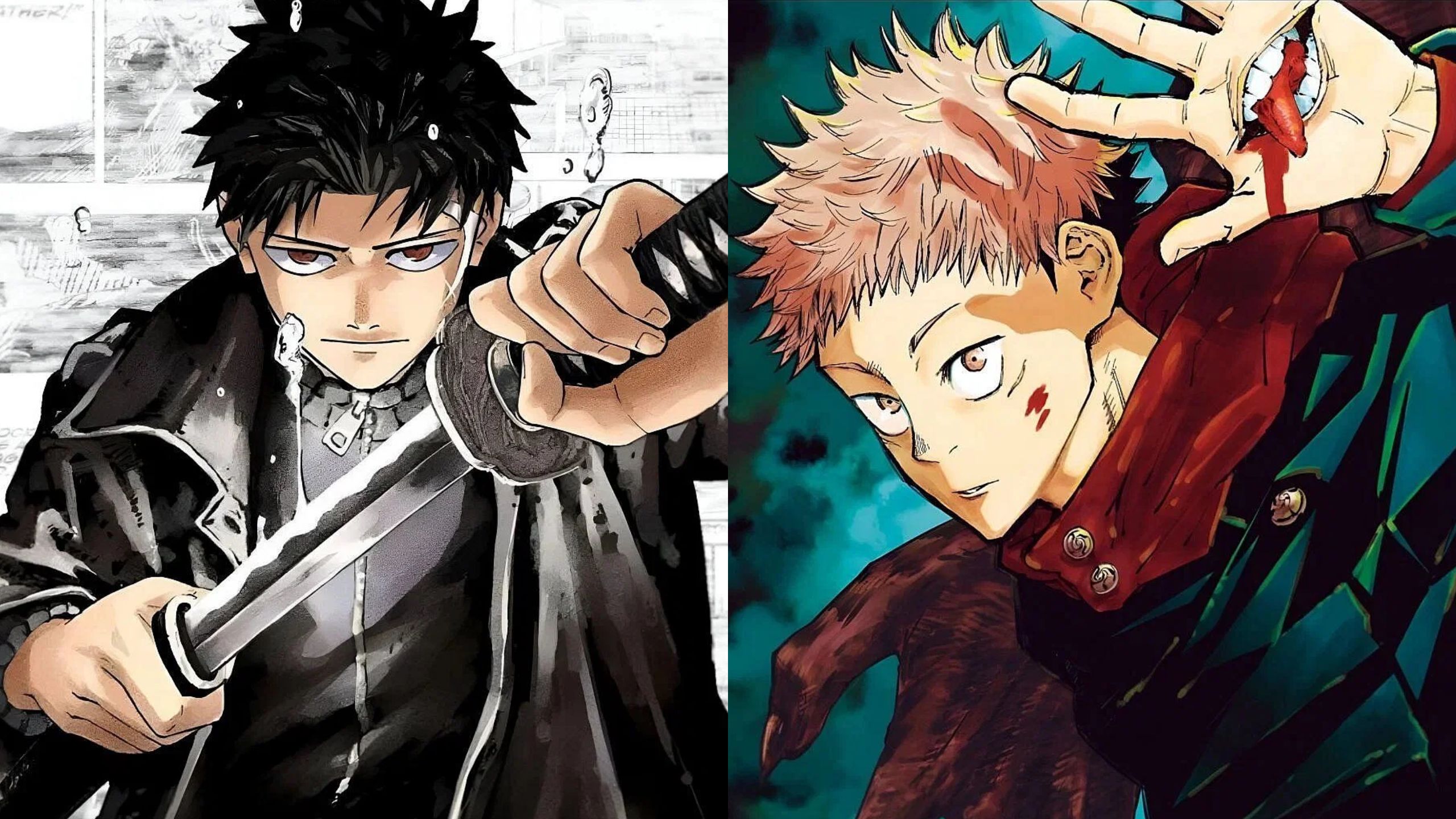
Kagurabachi And Jujutsu Kaisen (Shueisha)
Akutami is known for unexpectedly killing off characters in ways that leave readers reeling, and now Takeru Hokazono, the author of Kagurabachi, seems to be following in those footsteps.
With Jujutsu Kaisen nearing its ending, with just three chapters left in its run, and My Hero Academia having already wrapped up its story, many fans are now looking to Kagurabachi to fill the void.
Hokazono has proven that he can deliver the kind of intense, emotional, and action-packed storytelling that readers crave, and moments like the massacre in chapter 48 suggest that he’s more than capable of stepping into Akutami’s shoes.
A Shocking Slaughter: Kagurabachi and the Death of the Kokugoku Steam Squad
One of the most gripping aspects of Kagurabachi’s latest chapters is how quickly things escalated from tension to full-blown carnage.
The Kokugoku Steam Squad had been introduced as a team of elite fighters, each with their own unique abilities and auras of mystery.
They seemed destined to play a major role in the unfolding narrative. Their introduction sparked excitement among readers, who speculated on how they would fit into the larger plot.
In typical shonen fashion, readers expected them to survive long enough to have epic battles and perhaps serve as key allies or rivals for the protagonist, Chihiro Rokuhira.
Yet, chapter 48 shattered those expectations in a brutal, unexpected twist. By the end of the chapter, the Kokugoku Steam Squad had been completely wiped out.
Hokazono didn’t just kill off one or two of its members he obliterated the entire squad in a single, bloody massacre that left fans stunned.
The squad’s sudden demise not only caught readers off guard but also sent ripples through the entire fanbase.
Hokazono you’re a sick man pic.twitter.com/reZUrl9dVI — Alex (@AlexSussedAgain) September 8, 2024
In the previous chapter, chapter 47, there had been a flicker of hope that the Kokugoku Steam Squad might come out victorious.
Their skills and coordination suggested that they might have what it takes to survive the oncoming battle. However, the cliffhanger ending of chapter 47 now feels like a cruel bait-and-switch.
Hokazono lulled the readers into a false sense of security, making them believe that the Kokugoku Steam Squad was going to make it through the ordeal only to ruthlessly pull the rug out from under them in the next chapter.
This kind of narrative whiplash is reminiscent of Gege Akutami’s work in Jujutsu Kaisen.
Akutami has gained a reputation for delivering heart-wrenching moments of character death, often with little warning or mercy.
Beloved characters are routinely killed off, sometimes after being built up as central figures, leaving fans shocked and devastated.
Akutami’s knack for subverting audience expectations and keeping readers on their toes has become a hallmark of his storytelling, and it seems that Hokazono is embracing a similar approach.
A Dangerous World Where No One is Safe
What makes the massacre of the Kokugoku Steam Squad so impactful is how it reinforces the dangerous, unpredictable world that Hokazono has created in Kagurabachi.
From the very beginning, the series has hinted that this is not a story where the heroes are guaranteed to win every battle.
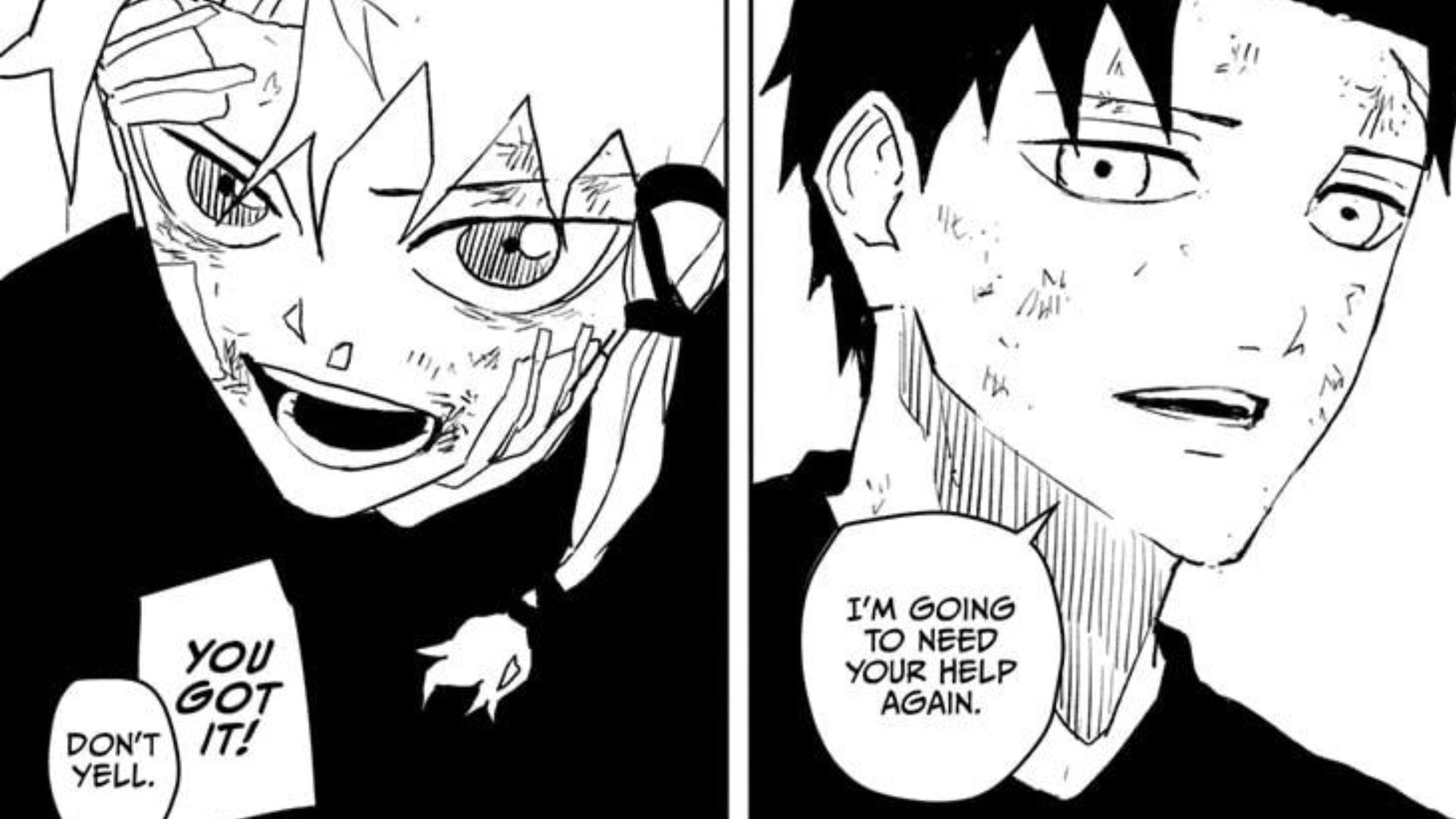
Chihiro And Hakuri From Kagurabachi (Shueisha)
While Chihiro Rokuhira is undoubtedly a skilled fighter with a strong motivation driving him, the world around him is full of deadly forces that are beyond his control.
The death of the Kokugoku Steam Squad is a grim reminder that in this world, even the strongest can fall, and no one is truly safe.
This sense of danger is part of what has drawn readers to Kagurabachi. There’s an underlying tension in each battle, a sense that things could go horribly wrong at any moment.
Hokazono masterfully builds this tension, making each fight feel like a life-or-death struggle, and the massacre in chapter 48 serves as the ultimate payoff for that buildup.
What’s particularly fascinating about Hokazono’s approach is how he uses death not just as a shock tactic, but as a way to deepen the emotional and narrative stakes of the story.
The Kokugoku Steam Squad’s demise isn’t just a random act of violence it’s a turning point in the story that will undoubtedly have lasting repercussions.
It raises the stakes for the remaining characters and makes readers question who might be next.
The death of a powerful group like the Kokugoku Steam Squad also serves to highlight just how dangerous the antagonists in Kagurabachi truly are.
If even a group as formidable as the Kokugoku Steam Squad can be wiped out, what hope do the other characters have?
Subverting Expectations: Hokazono’s Bold Storytelling Choices
One of the reasons Kagurabachi has managed to maintain its momentum and grow its fanbase is Hokazono’s ability to constantly subvert expectations.
He doesn’t allow readers to become too comfortable or to predict what’s going to happen next.
The death of the Kokugoku Steam Squad is just one example of this. Hokazono takes the time to build up characters, only to pull the rug out from under the audience when they least expect it.
This subversion of expectations is something that Hokazono shares with Gege Akutami.
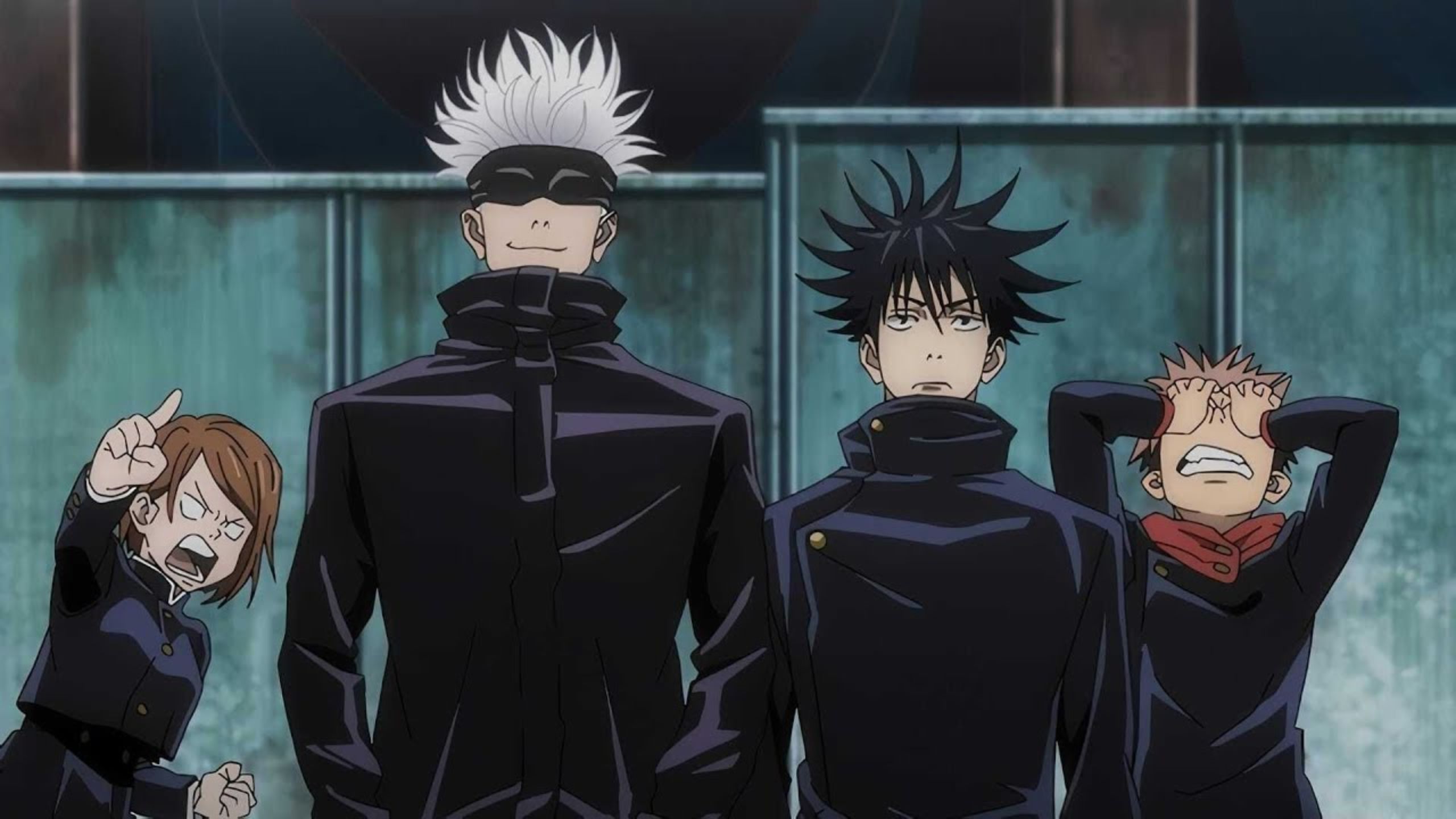
Nobara Kugisaki, Gojo Satoru, Fushiguro Megumi And Itadori Yuji (Mappa)
In Jujutsu Kaisen , Akutami often leads readers to believe that certain characters are going to play a major role in the story, only to kill them off in a shocking fashion.
This willingness to kill off important characters is what keeps readers on edge, never sure of what’s going to happen next.
Hokazono seems to be adopting a similar philosophy, making it clear that in the Kagurabachi world, no one is safe.
But it’s not just about killing off characters for shock value. Hokazono’s decision to massacre the Kokugoku Steam Squad is a bold narrative choice that serves the story in meaningful ways.
It keeps the readers guessing, but it also deepens the emotional impact of the story.
By subverting expectations, Hokazono ensures that readers remain engaged and invested in the outcome of each battle and each chapter.
The Emotional Core: Chihiro Rokuhira’s Encounter with Yoji Uruha
While the massacre of the Kokugoku Steam Squad is undoubtedly the most shocking event of chapter 48, it’s not the only significant moment in the chapter.
Chihiro Rokuhira’s long-awaited encounter with Yoji Uruha is another key event that fans had been eagerly anticipating.
For several chapters, Hokazono had been teasing this meeting, building up the tension and hinting at the complex history between Chihiro and Uruha.
When the two finally meet in chapter 48, it’s a moment filled with emotional weight.
Yoji Uruha shares a past with Chihiro’s father, and their conversation touches on the legacy of the Enchanted Blades, which have become central to the plot since Chihiro’s father’s death.
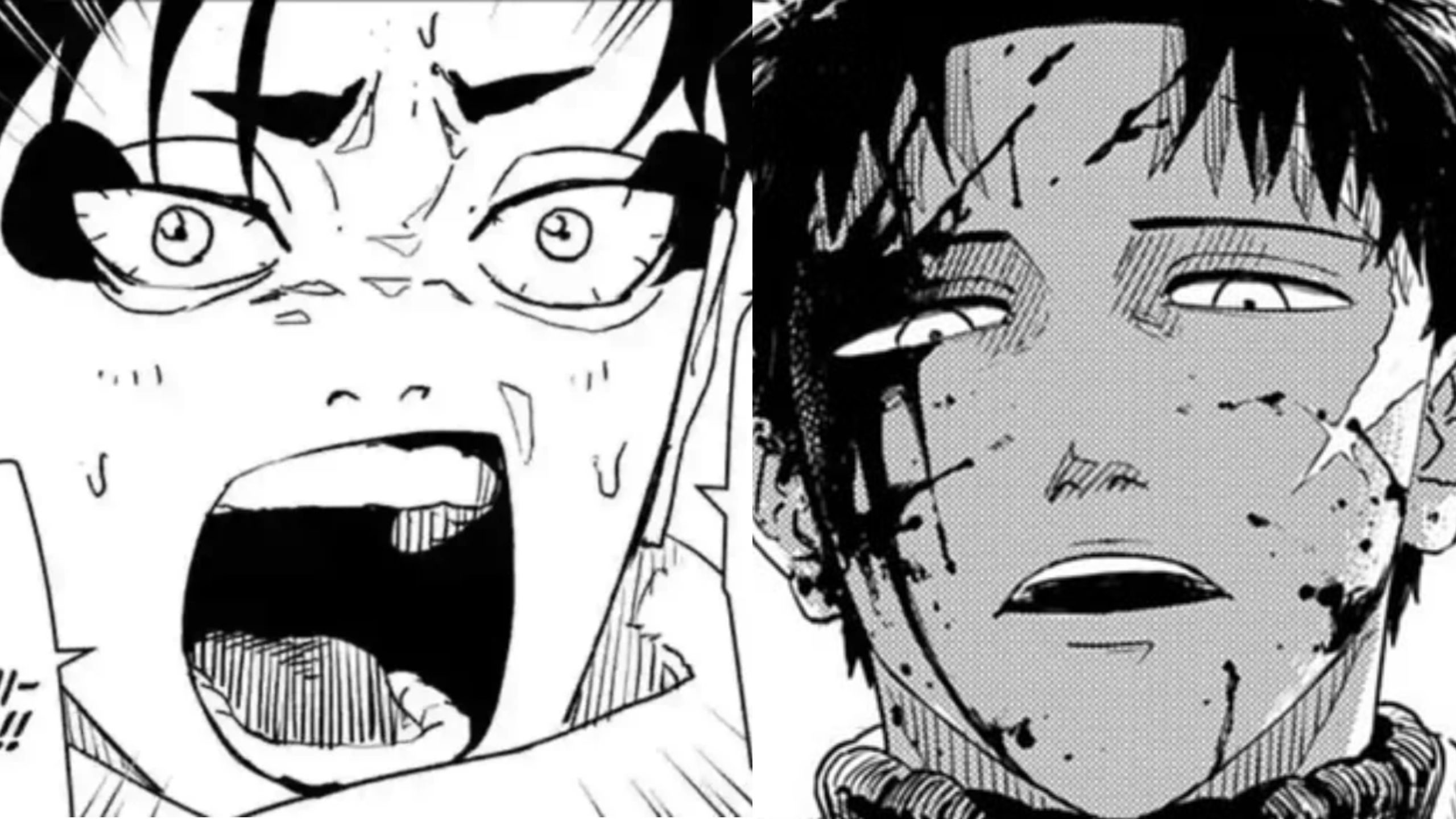
Yoji Uruha And Chihiro Rokuhira (Shueisha)
Uruha’s connection to Chihiro’s father adds layers of complexity to their interaction, making it clear that this encounter is about more than just the present it’s about the unresolved issues of the past as well.
This reunion also sheds light on the Enchanted Blades, a mysterious and powerful set of weapons that have played a crucial role in the story.
Uruha’s knowledge of the blades and their current state gives Chihiro important new information, helping him move closer to achieving his goals.
At the same time, the emotional undercurrents of their conversation make it clear that this is not just a simple exchange of information it’s a moment that will have lasting consequences for both characters moving forward.
The juxtaposition of this emotional reunion with the brutal massacre of the Kokugoku Steam Squad gives chapter 48 a sense of balance.
On the one hand, the chapter delivers the kind of high-stakes action and shocking twists that have become a hallmark of Kagurabachi.
On the other hand, it also offers a quieter, more introspective moment that adds emotional depth to the story.
This combination of action and emotion is part of what makes Kagurabachi so compelling, and it’s a testament to Hokazono’s skill as a storyteller.
Fan Reactions and the Future of Kagurabachi
Unsurprisingly, the events of chapter 48 sparked a wave of reactions from fans online.
The massacre of the Kokugoku Steam Squad was met with a mix of shock, sadness, and admiration for Hokazono’s bold storytelling choices.
“I miss bandana man already,” one fan lamented, referring to a specific member of the Kokugoku Steam Squad who had quickly become a fan favorite. “Hokazono is being influenced by Gege’s essence, he shows you a moment of hope and then the next second he mercilessly snatches it away from you,” another fan commented, drawing direct comparisons to Gege Akutami’s style in Jujutsu Kaisen. “Kagurabachi 2/2 when it comes to killing cool squads. Takeru Hokazono why must u do this?”
someone else remarked, referencing the fact that this isn’t the first time Hokazono has killed off a promising group of characters in the series.
hokazono why would you give me this hope only to wrench it away from me just a few pages later. why would you get me attatched to an unnamed character SCREW YOUUUU😭😭😭😭😭😭😭😭😭😭 pic.twitter.com/Ly0jFcSZGu — felixbachi || free 🇵🇸 (@hakuhironation) September 8, 2024
These reactions highlight how deeply Kagurabachi has resonated with its audience.
Fans are not only invested in the story, but they also care deeply about the characters, even those who meet an untimely end.
Hokazono’s ability to elicit such strong emotions from readers is a testament to his skill as a storyteller, and it’s clear that he has tapped into something powerful with his writing.
Is Kagurabachi Poised to Take Over from Jujutsu Kaisen?
With Jujutsu Kaisen nearing its ending and My Hero Academia already finished, the question on many fans’ minds is whether Kagurabachi is poised to take over as Weekly Shonen Jump’s next big hit.
There’s no denying that Hokazono’s series has all the elements of a successful shonen manga: compelling characters, a rich and dangerous world, and high-stakes battles that keep readers on the edge of their seats.
However, success in the manga world is never guaranteed, and it remains to be seen whether Kagurabachi will be able to sustain its momentum over the long term.
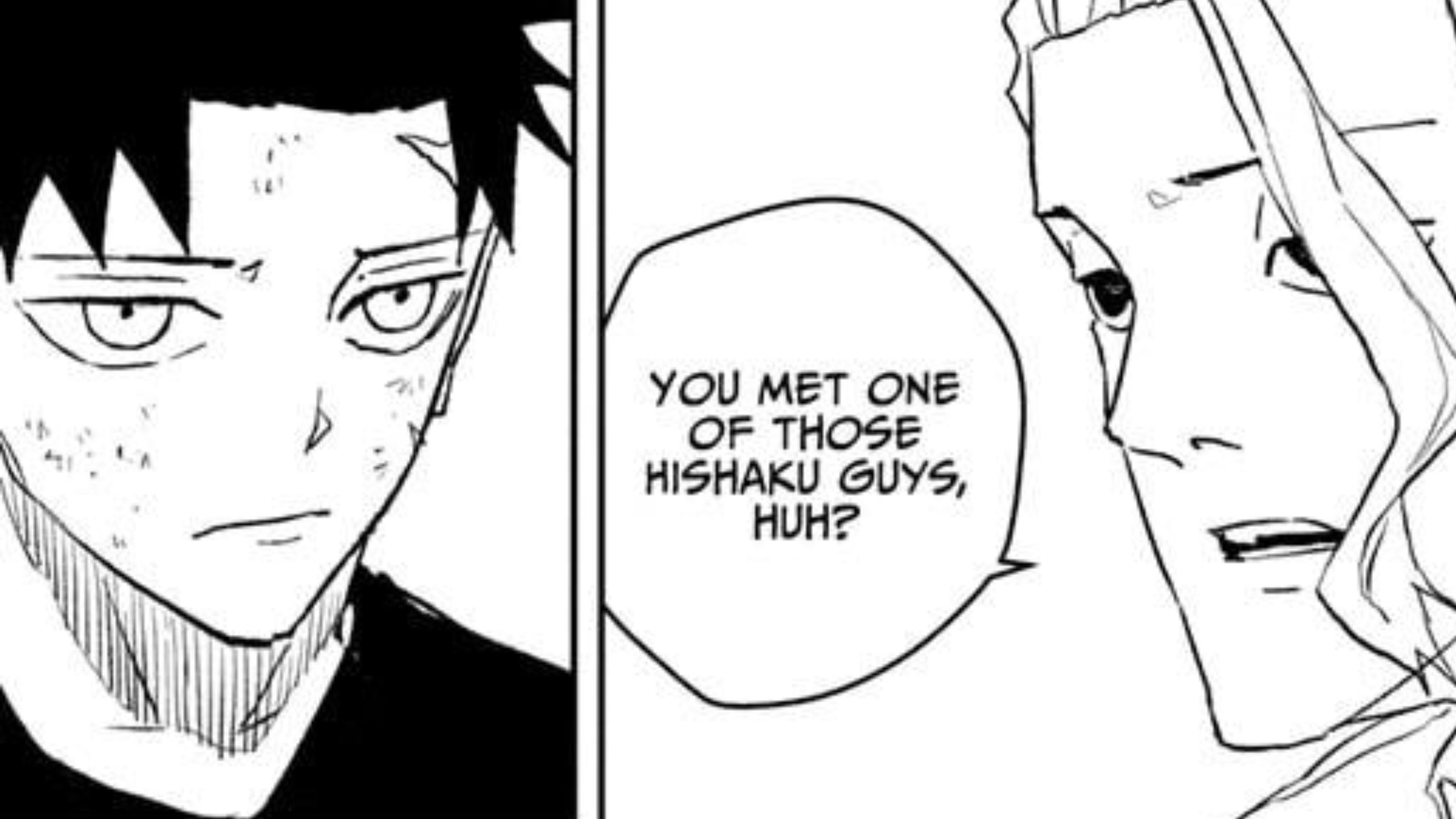
Shiba advises Chihiro In Kagurabachi (Shueisha)
For now, though, it’s clear that Hokazono has struck a chord with readers, and moments like the massacre of the Kokugoku Steam Squad have only solidified the series’ reputation as one to watch.
In the end, whether Kagurabachi becomes the next Jujutsu Kaisen or My Hero Academia is almost beside the point.
What matters most is that Hokazono is telling a story that resonates with readers and that he has shown himself to be a bold and daring storyteller willing to take risks with his characters and his narrative.
If he continues down this path, there’s no telling just how far Kagurabachi can go.
The world of One Piece is rich with complex and intriguing mysteries, and among these, the Voice of All Things stands out as one of the most mysterious and attractive.
This rare ability allows certain individuals to communicate with animals and inanimate objects in a way that defies ordinary comprehension.

Nami, Zoro, Luffy, Sanji, Usop (Toei Animations)
It is a trait possessed by only a select few, much like the Will of D. or Conqueror’s Haki.
The nature of this power has been a subject of fascination for fans and theorists alike, leading many to draw parallels between the Voice of All Things and Observation Haki.
Understanding the Voice of All Things
The Voice of All Things is an extraordinary ability in the One Piece universe, distinguished by its rarity and mysterious nature.
Those who possess this power can interact with beings and objects telepathically, perceiving their true emotions and thoughts without the need for verbal communication.
This capability allows users to gain insights and information from their surroundings in a unique and profound way.
The mechanics of this ability remain somewhat ambiguous within the series, as it has never been explicitly detailed. However, its resemblance to Observation Haki suggests a deeper connection.
Observation Haki: A Sixth Sense with Unique Abilities
Observation Haki, also known as Kenbushoku, is one of the three primary types of Haki in the One Piece world.
It is characterized by its ability to grant users enhanced sensory perception, allowing them to detect the presence, power, and emotions of others even if they are not in direct sight.
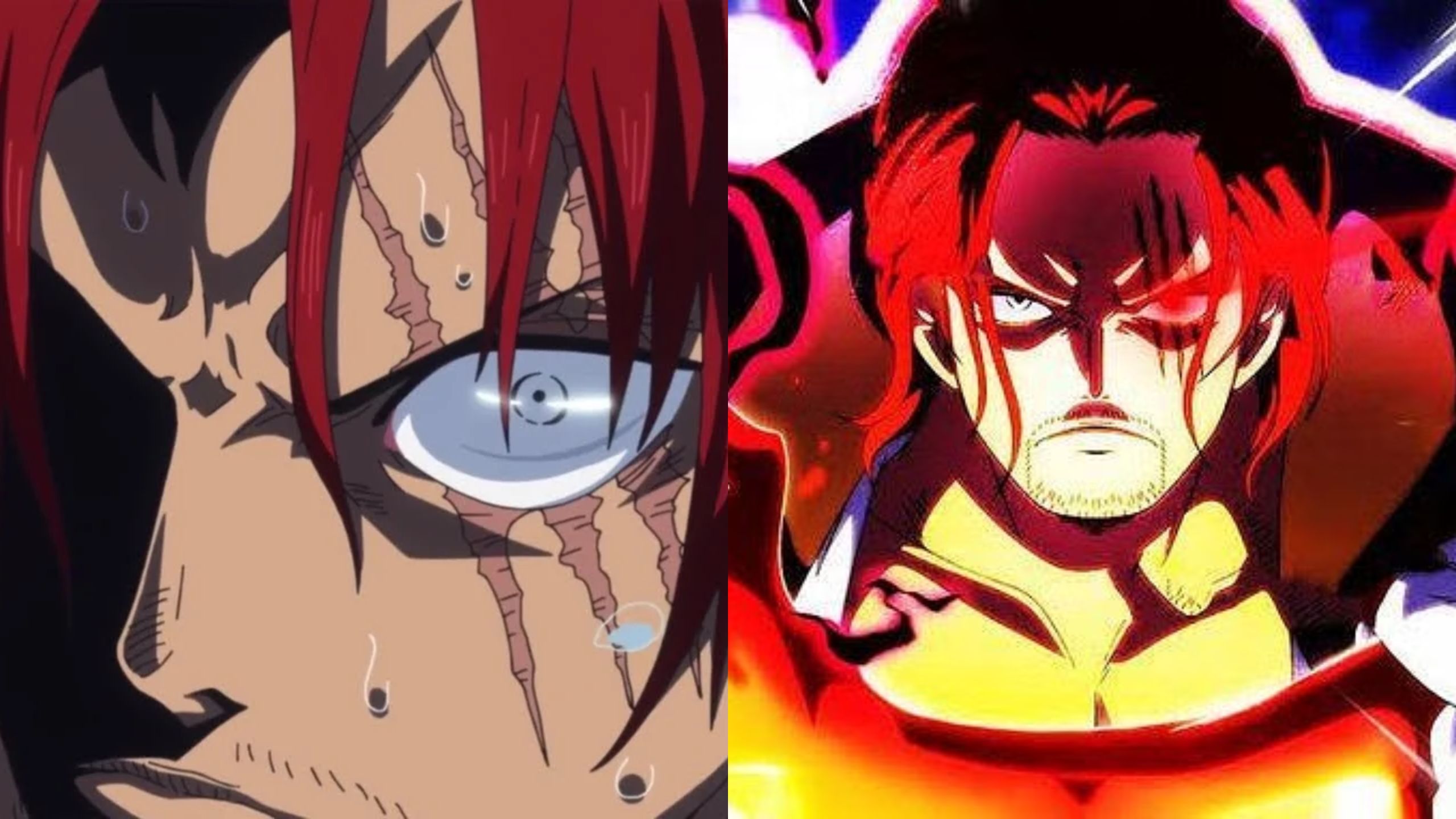
Red-haired Shanks (Toei Animations)
This form of Haki is akin to a sixth sense, providing users with precognitive and sensitive abilities.
Those who master Observation Haki can foresee the actions and intentions of others, making it a crucial skill for combat and strategy.
For example, Admiral Fujitora, despite being blind, can effectively engage in battle thanks to his exceptional mastery of Kenbushoku.
His ability to visualize auras and emotions in his mind’s eye compensates for his lack of sight, showcasing the profound impact of this Haki on his combat effectiveness.
The Connection Between the Voice of All Things and Observation Haki
Recent developments in the One Piece Vivre Card databook have sparked discussions about the potential link between the Voice of All Things and Observation Haki.
The latest profile of Momonosuke in the databook seems to suggest that the Voice of All Things may indeed be a manifestation of Observation Haki.
This connection is significant, as it would place the Voice of All Things within the broader context of Haki abilities, providing a new layer of understanding to this mysterious power.
Unique Abilities of Voice of All Things Users
In the One Piece universe, the Voice of All Things allows its users to interact with both living beings and inanimate objects as if they were conversing with humans.
This extraordinary capability extends to communication with creatures like Sea Kings and even colossal beings such as Zunesha, the ancient elephant. The ability to hear and understand these entities signifies a profound level of awareness and connection with the world.
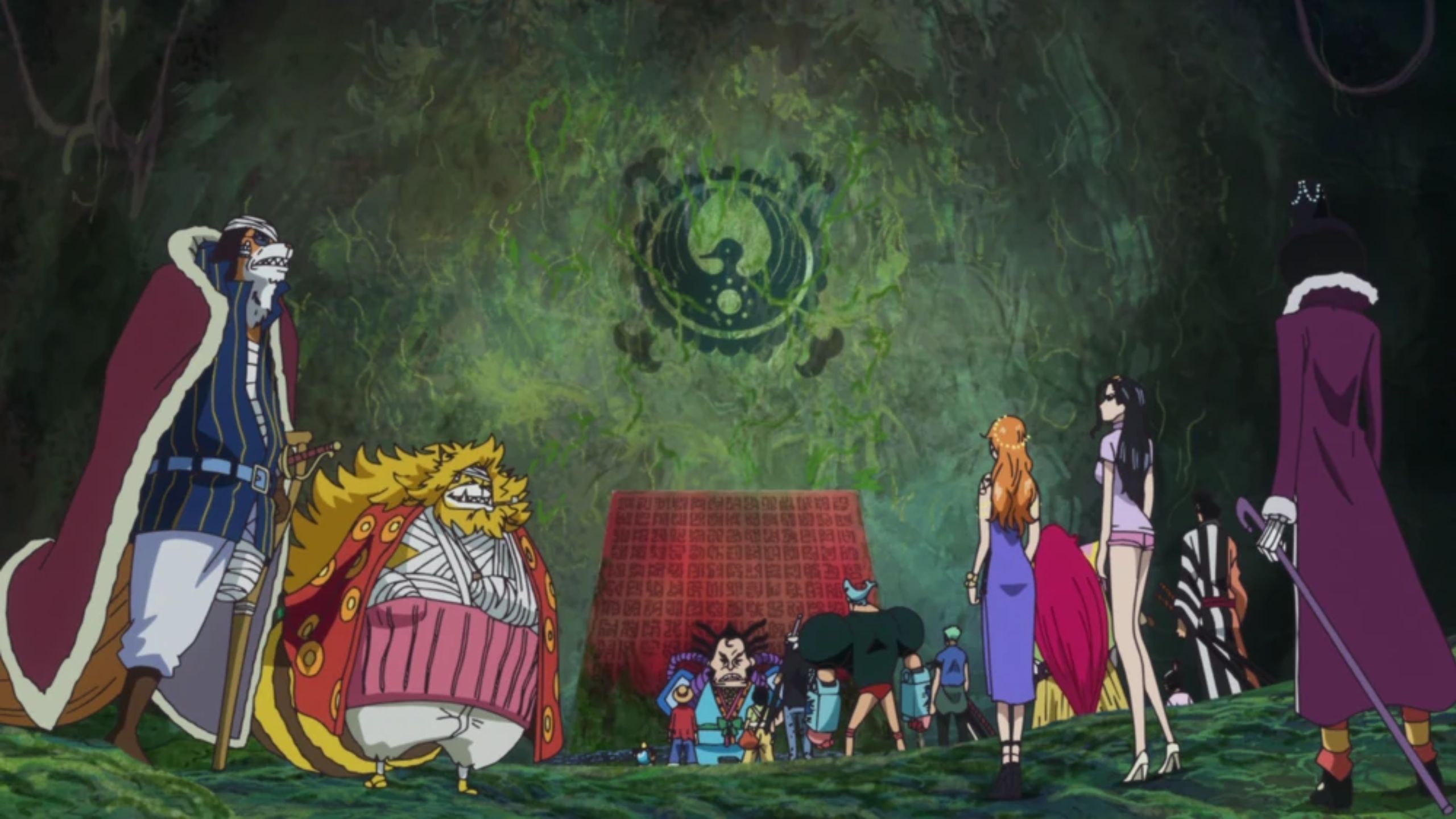
The Poneglyphs are heavily connected to Hinokizu (Toei Animation)
Members of the Three-Eyed Tribe possess the innate ability to access the Voice of All Things through their third eye, although they must undergo specific training to hone this skill.
Aside from this tribe, only a few characters in One Piece have been confirmed to possess the Voice of All Things. This select group includes renowned figures such as Monkey D. Luffy, Gol D. Roger, Kozuki Oden, and Shirahoshi.
Notable Users of the Voice of All Things
Monkey D. Luffy
Monkey D. Luffy, the series’ protagonist, is one of the most prominent users of the Voice of All Things.
His ability to communicate with the Sea Kings and Zunesha is a testament to his exceptional connection with these entities.
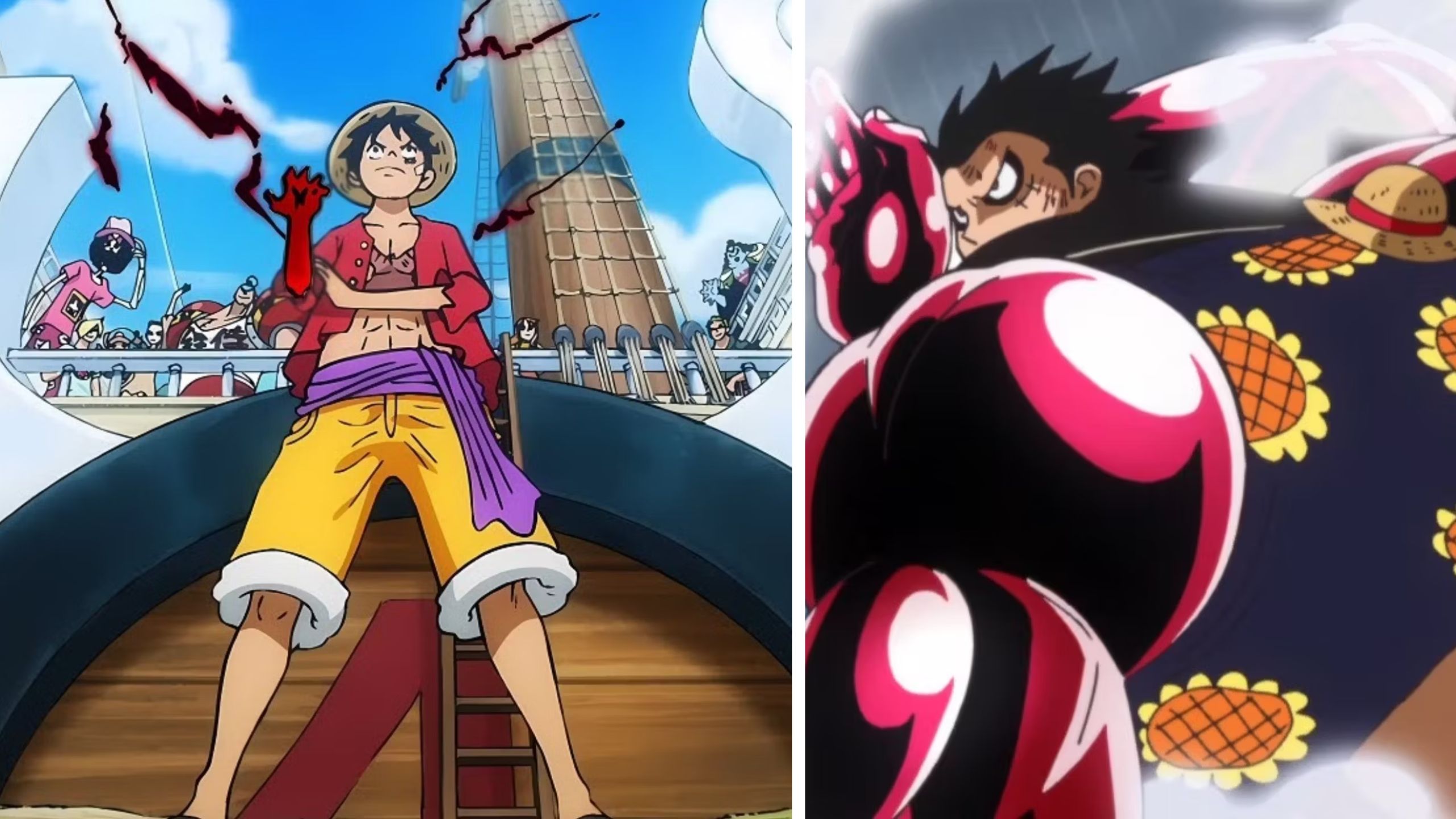
Luffy Declaration And Luffy Uses Gear-4 While Wearing His Flowery Shirt (Crunchyroll)
Luffy’s interaction with the Iron Giant Emet, which went unheard by others, further highlights his unique capacity to perceive and converse with beings beyond ordinary reach.
This ability aligns with his role as a significant figure in the One Piece world, suggesting a deeper significance to his powers.
Gol D. Roger
Gol D. Roger, the legendary Pirate King, also demonstrated the ability to use the Voice of All Things.
Roger’s interactions with the Sea Kings and his ability to sense the voice of Big Mom’s Road Poneglyph were instrumental in guiding his crew to Skypiea.
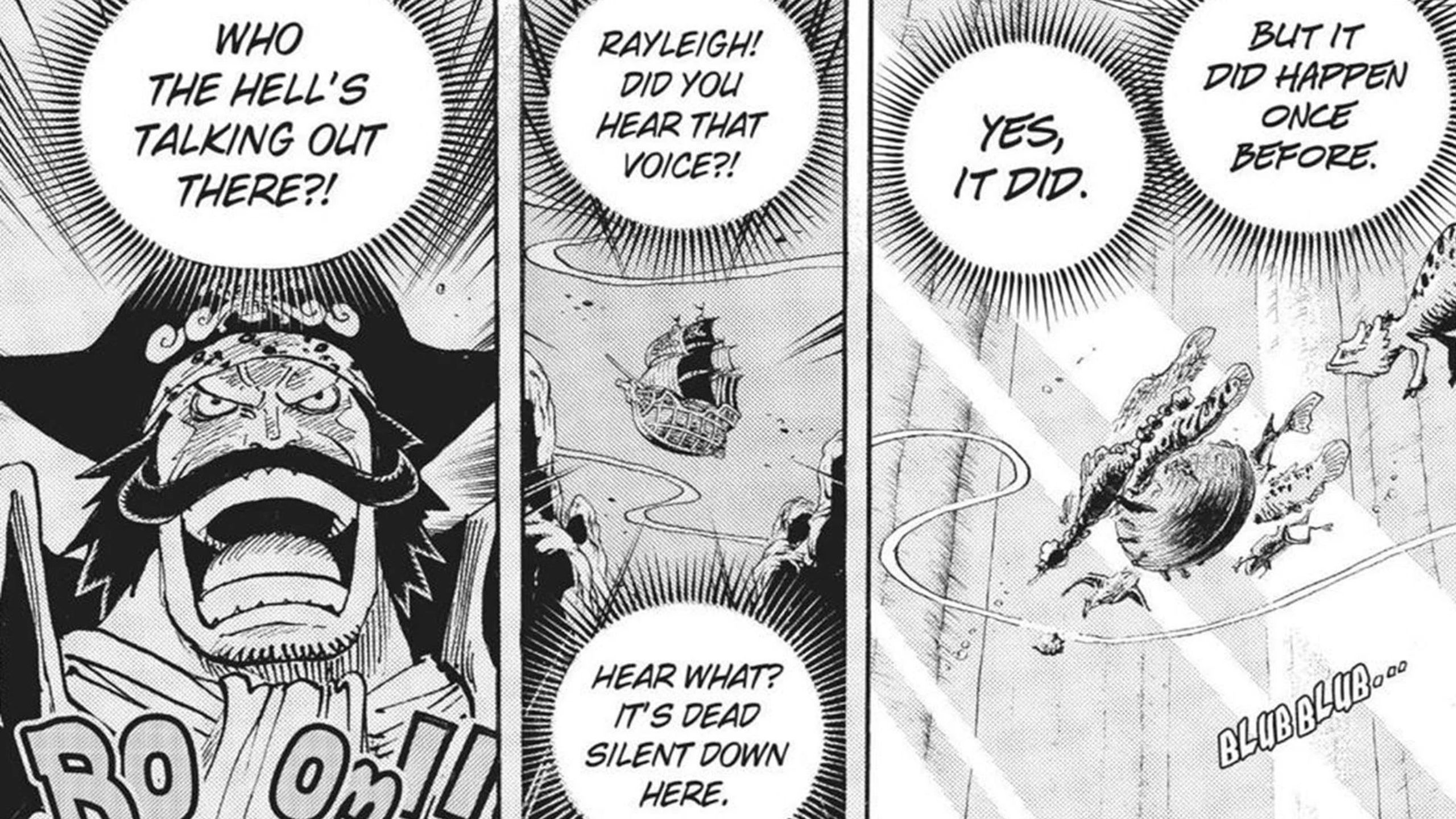
Roger using the Voice of All Things (Shueisha)
His ability to perceive Zunesha’s presence underscores the profound nature of his connection with the Voice of All Things, enhancing his status as a pivotal figure in the series.
Kozuki Oden
Kozuki Oden, a former ally of Gol D. Roger and a key figure in the series, shared the ability to hear the Sea Kings and Zunesha.
While it remains unclear whether Oden could converse with animals and objects in the same manner as Roger, his inheritance of this rare trait from his father highlights the significance of the Voice of All Things within the Kozuki lineage.
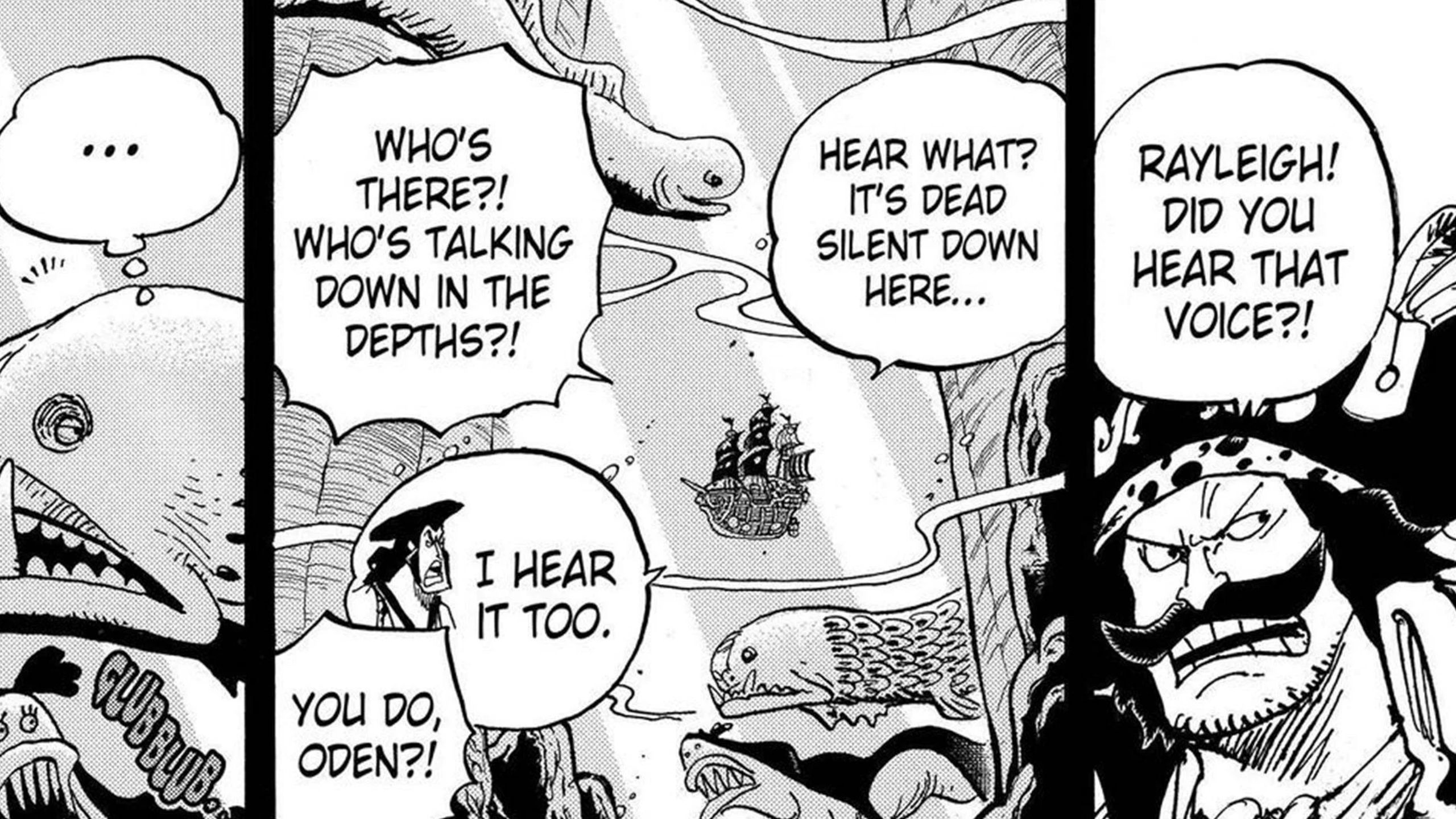
Oden coud use the Voice of All Things too (Shueisha)
Oden’s passing of this ability to his son, Momonosuke, further emphasizes the hereditary nature of this power.
Shirahoshi
Shirahoshi, the current incarnation of the Ancient Weapon Poseidon, showcases another dimension of the Voice of All Things.
As seen during the Fish-Man Island Arc, Shirahoshi’s ability to summon Sea Kings and communicate with them is indicative of her deep connection with these creatures.
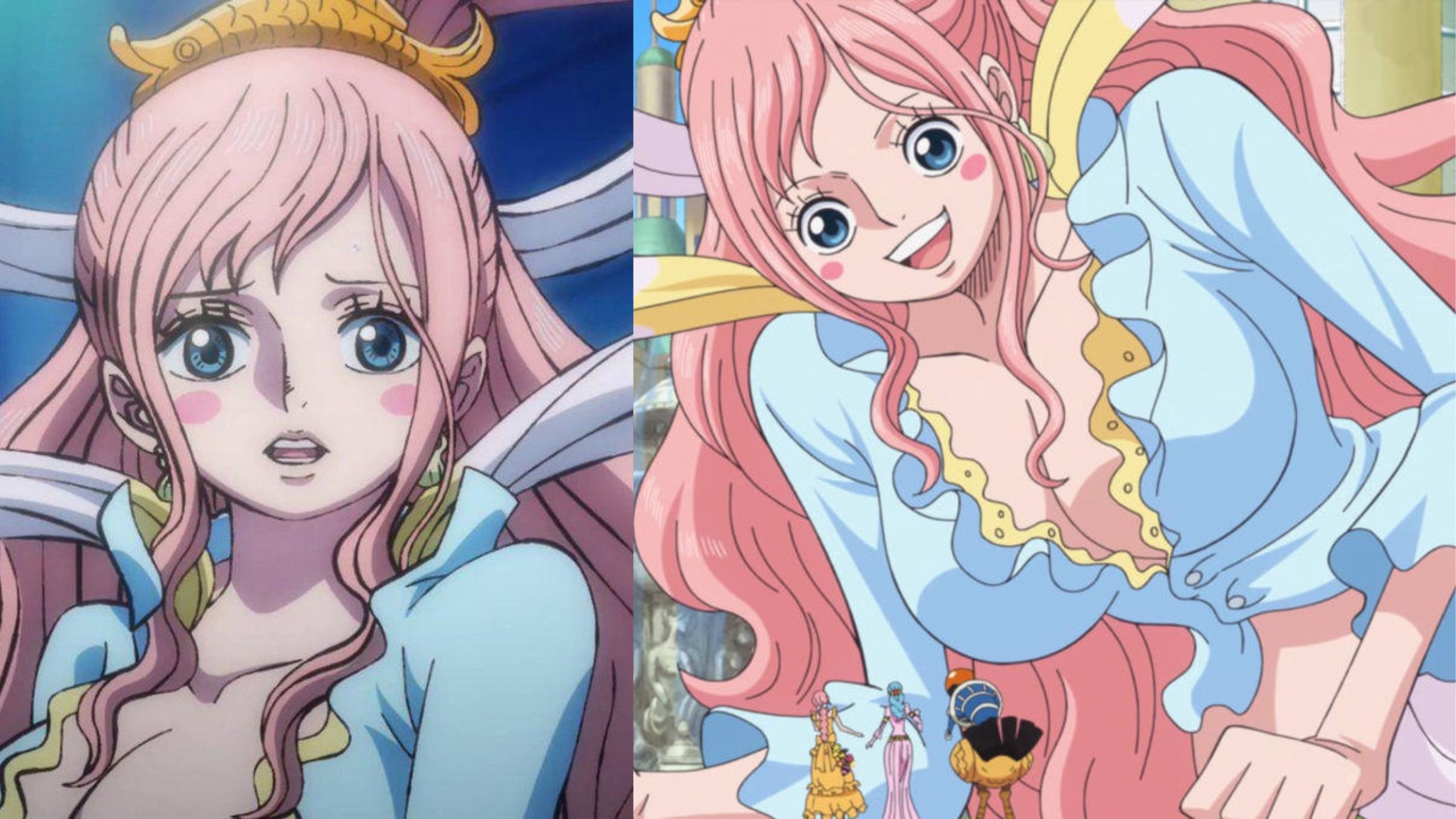
Shirahoshi With Princess Lily And Rebecca From One Piece (Toei Animations)
Her interactions with the Sea Kings, characterized by seamless communication, align with the characteristics of the Voice of All Things.
Significance of the Vivre Card Databook’s Revelation
The recent information from the Vivre Card databook suggests a potential confirmation of the Voice of All Things as a form of Observation Haki.
This revelation could have profound implications for the understanding of Haki abilities and their manifestations within the One Piece universe.
By linking the Voice of All Things to Observation Haki, the databook provides a new perspective on the nature of this rare power and its place within the broader framework of Haki.
The connection between these two abilities not only enhances the understanding of their individual characteristics but also highlights the intricate ways in which different powers in One Piece intersect and influence each other.
As fans continue to explore and analyze these revelations, the broader implications for the series’ lore and character dynamics will undoubtedly become clearer.
The Voice of All Things remains one of the most intriguing and mysterious abilities in the One Piece universe.
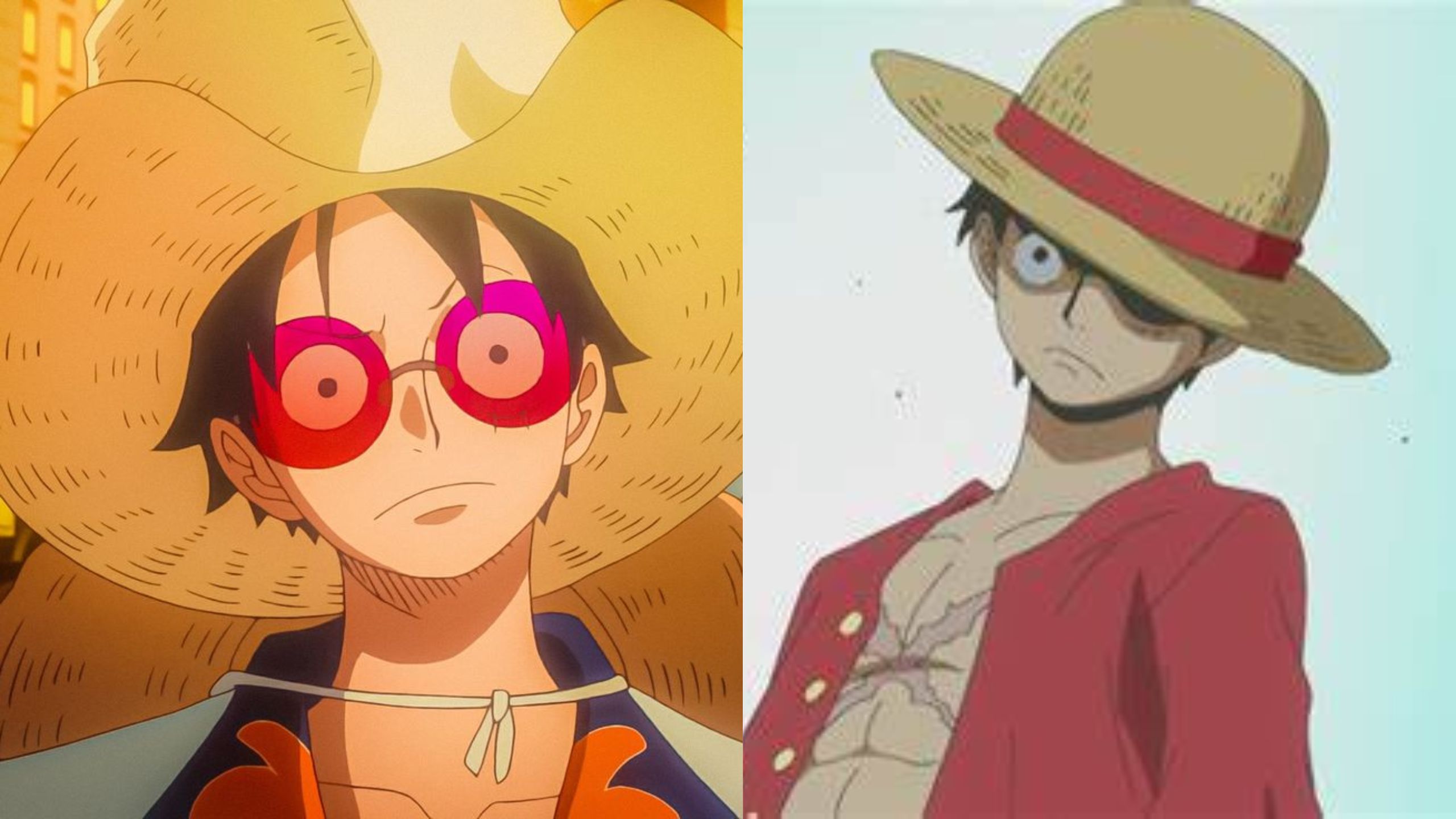
Luffy (Twitter)
Its rare and mysterious nature, combined with its connection to Observation Haki, offers a fascinating glance into the complex world of Haki and its manifestations.
As new information continues to emerge, fans and theorists alike will undoubtedly jump deeper into the implications of these revelations, further enriching the lore and understanding of One Piece.
The Voice of All Things and Its Potential Link to Observation Haki Revealed in Latest One Piece Vivre Card
In the ever-expanding universe of One Piece , fans are continually presented with new insights and revelations that deepen their understanding of the world created by Eiichiro Oda.
Among these revelations, the Voice of All Things stands as one of the most mysterious and intriguing abilities.
This power, which allows certain individuals to communicate with animals and inanimate objects, has long puzzled fans and scholars alike.
The recent release of a new batch of Vivre Card databooks on September 4, 2024, has added a fresh layer of complexity to this mystery.
According to the latest edition, the Voice of All Things may indeed be connected to Observation Haki, shedding new light on this elusive ability.
The Vivre Card Databook: An Authoritative Source
The Vivre Card databook, which serves as a comprehensive guide to the One Piece universe, has been recognized as a reliable resource by Eiichiro Oda himself.

Monkey D.Luffy And Joy Boy (Toei Animation)
These databooks are designed to complement the manga by providing detailed profiles and additional information about characters, abilities, and lore.
The latest release has included updates on several prominent characters, one of whom is Momonosuke, a figure of considerable interest due to his unique abilities and lineage.
Momonosuke’s Profile and Its Implications
In the recent Vivre Card databook, Momonosuke is listed as an Observation Haki user.
This categorization is particularly intriguing given that he has never been depicted using the traditional forms of Kenbushoku, the Japanese term for Observation Haki.
Kenbushoku, also known as the Color of Observation, grants its users heightened sensory perception, enabling them to sense the presence, emotions, and intentions of others even without direct sight.
Momonosuke’s profile reveals that he possesses an extraordinary level of insight, particularly notable in his ability to gauge Luffy’s condition during battles with formidable adversaries like Kaido and Big Mom.
This level of perception is atypical for a standard Kenbushoku user. Even Yamato, a skilled practitioner of Observation Haki, was unable to sense Luffy’s state as accurately as Momonosuke did.
This anomaly raises questions about the true nature of Momonosuke’s abilities and their relation to Observation Haki.
The Telepathic Connection
Another aspect of Momonosuke’s abilities that adds to the intrigue is his apparent telepathic link with Luffy.
While Luffy is neither an animal nor an inanimate object, Momonosuke’s ability to connect with him in such a profound way further complicates the understanding of his powers.
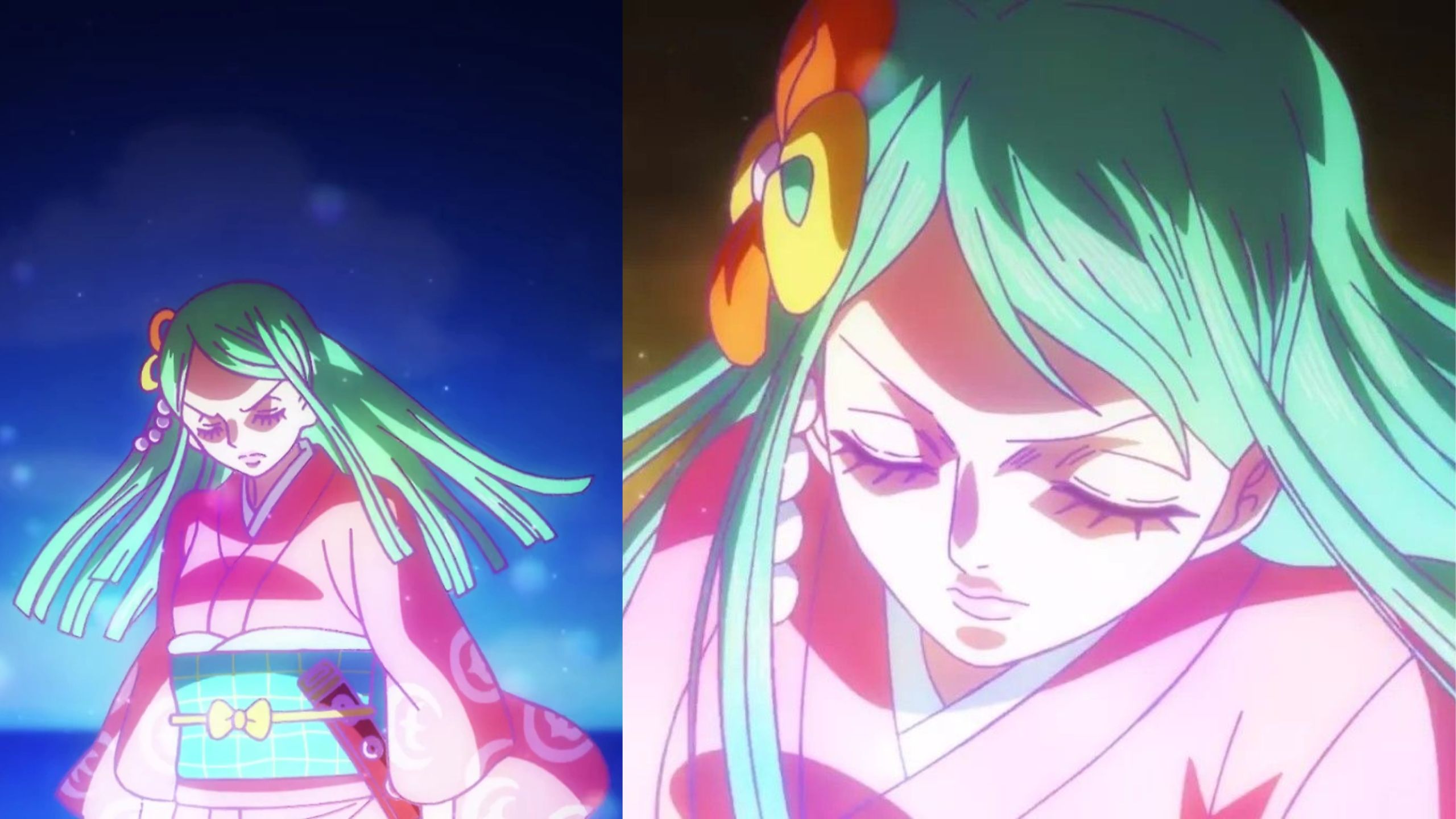
Kozuki Toki From One Piece (Image Via Toei Animations)
This telepathic link suggests a form of communication that transcends conventional means, indicating that Momonosuke’s abilities may extend beyond the traditional scope of Observation Haki.
Shirahoshi and the Observation Haki Conundrum
Similar to Momonosuke, Shirahoshi, the Mermaid Princess and current incarnation of the Ancient Weapon Poseidon, is listed as a Kenbushoku user in the Vivre Card databook.
However, unlike Momonosuke, Shirahoshi has never displayed any traditional Observation Haki abilities.
Her mother, Queen Otohime, was known for her remarkable skill in Observation Haki, capable of sensing the emotions of everyone on Fish-Man Island and expertly dodging projectiles by predicting their trajectories.
Shirahoshi’s lack of demonstrated skills in Observation Haki raises questions about the accuracy of the databook entries.
Given that both Momonosuke and Shirahoshi are users of the Voice of All Things, it is plausible that the databook is suggesting that this rare ability might be a unique form of Observation Haki, potentially extending its scope to include communication with non-living entities.
The Potential Connection: Voice of All Things as a Unique Form of Observation Haki
While no explicit confirmation has been provided, the similarities between the Voice of All Things and Observation Haki suggest that the former might indeed be a specialized or innate form of the latter.
The Voice of All Things allows its users to interact with both living beings and inanimate objects in a manner that is not typically associated with standard Observation Haki.
Vivre Cards: Kouzuki Momonosuke Epithet: “Wano Country’s Great Shogun” (名将軍) Age: 8 (28 in appearance) Height: 322cm Favorite Food: Hakuto, Oden Least Favorite Food: Peppers, Unagi Motif Animal: Horse Origin: Wano Country (born on Moby Dick) Observation haki user pic.twitter.com/LAUNULu0w7 — Artur – Library of Ohara (@newworldartur) September 4, 2024
Given the similarities in the abilities of Momonosuke and Shirahoshi, it is reasonable to speculate that the Voice of All Things could represent a unique extension of Observation Haki.
This would imply that the Voice of All Things is not merely a separate ability but rather a sophisticated variant of Observation Haki, capable of encompassing a broader range of interactions and perceptions.
Luffy’s Abilities and Their Implications
Luffy, the protagonist of One Piece, is confirmed to possess both the Voice of All Things and Observation Haki.
His ability to sense the emotions of living beings and interact with inanimate objects highlights a remarkable level of sensitivity and perception.
Silvers Rayleigh, a former member of Roger’s crew and a skilled practitioner of Observation Haki, has described Luffy’s talent as an aspect of Observation Haki.
The fact that Luffy can perceive and communicate with both living creatures and inanimate objects suggests that the Voice of All Things may indeed be a form of Observation Haki extended to include inorganic entities.
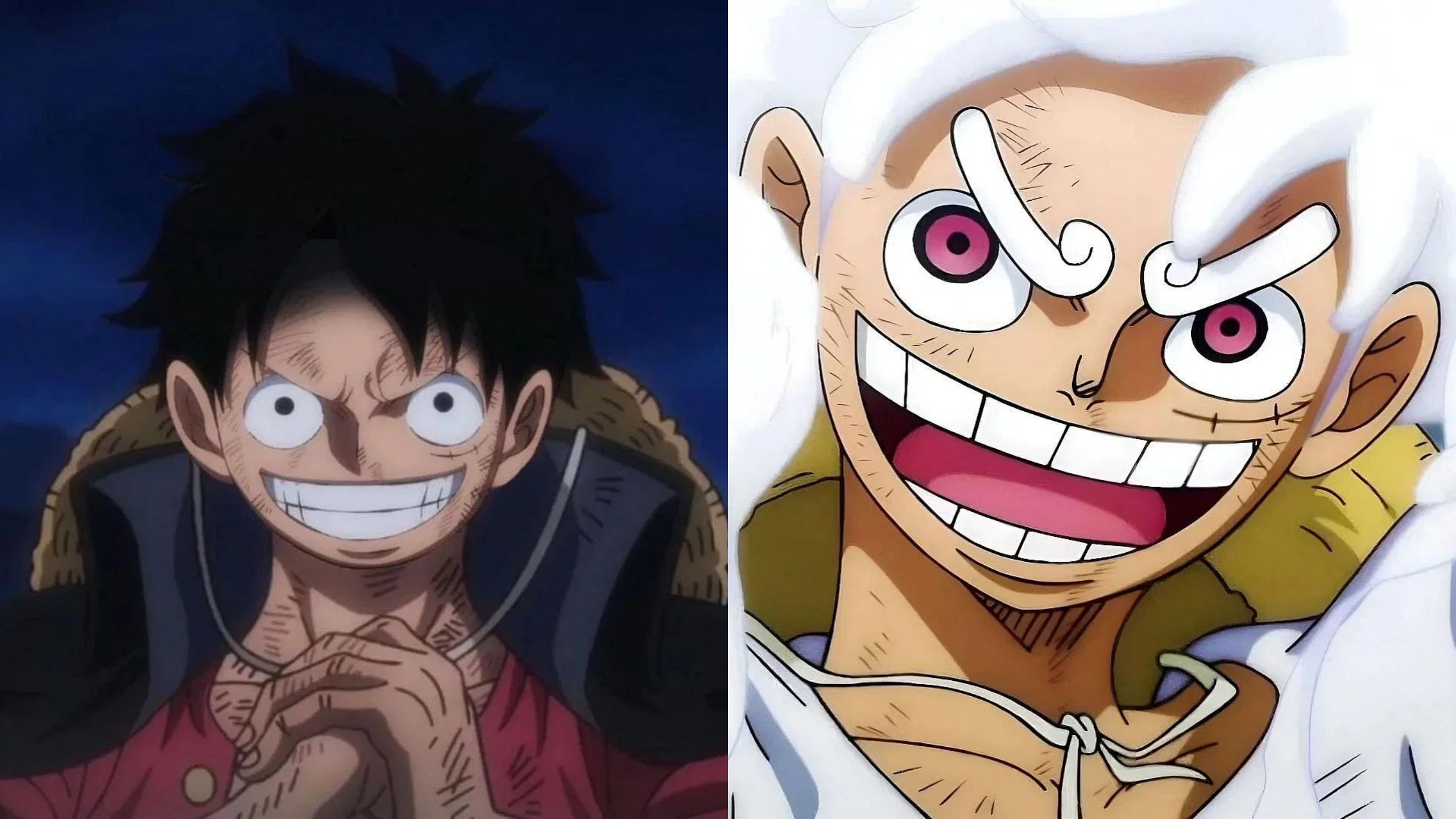
Luffy And His Gear 5 Form (Toei Animation)
This interpretation aligns with the idea that Observation Haki could have variations or special forms that allow for different types of sensory and communicative abilities.
The Ongoing Mystery
The revelations from the latest Vivre Card databook have added new dimensions to the understanding of the Voice of All Things and its potential connection to Observation Haki.
While there is no definitive confirmation, the evidence presented suggests that the Voice of All Things could be a unique form of Observation Haki, capable of extending its abilities to both living and non-living entities.
As the One Piece story continues to unfold, further insights and developments may provide more clarity on this mysterious ability.
For now, the parallels between the Voice of All Things and Observation Haki offer a compelling avenue for exploration and speculation, enriching the lore of the One Piece universe and deepening the appreciation of its intricate world-building.
In the intricate world of One Piece, certain abilities stand out for their uniqueness and depth. Among these, the Voice of All Things is particularly intriguing.
This power allows characters to communicate with animals and inanimate objects, offering a profound connection to their environment.
Recently, with the release of the latest Vivre Card databook on September 4, 2024, there has been growing speculation that the Voice of All Things might be closely related to Observation Haki.
This theory is supported by various elements observed throughout the series, notably including the abilities of Roronoa Zoro during his battle with Mr. 1 in the Arabasta Arc.
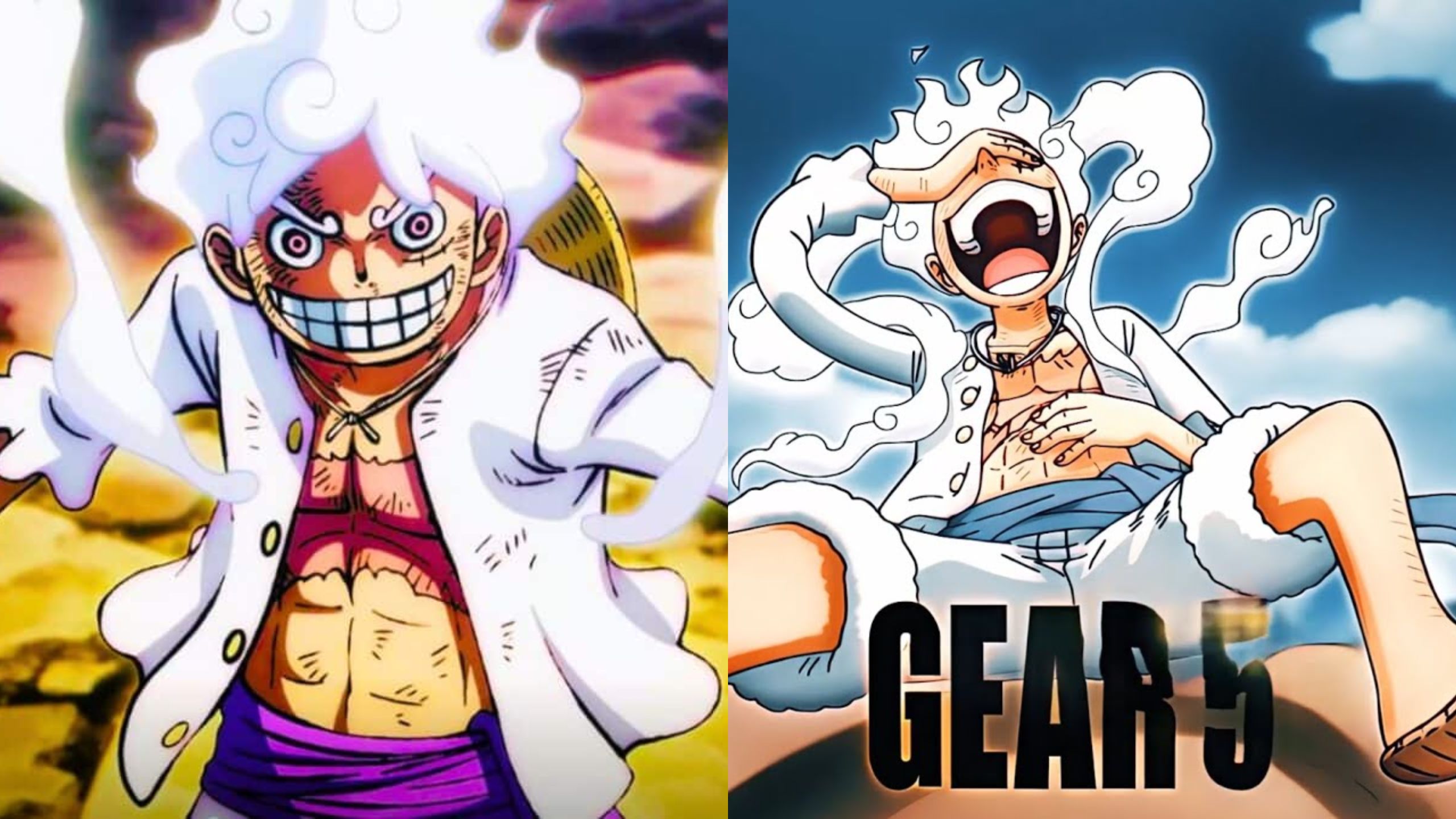
Monkey D.Luffy From One Piece Using Gear 5 (Twitter)
Before jumping into the specifics of Zoro’s abilities, it’s essential to differentiate and understand the concepts of Voice of All Things, Breath of All Things, and Observation Haki.
Each of these abilities provides unique ways of interacting with the world, and while they share similarities, they also have distinct characteristics.
Voice of All Things is a rare ability that allows its user to communicate with non-living objects and animals.
This power transcends normal sensory perception, enabling users to receive and understand messages from entities that typically do not communicate in conventional ways.
It’s a profound form of awareness that connects the user to their environment on a deeper level.
Observation Haki, also known as Kenbushoku, is one of the three primary types of Haki in One Piece.
It grants users heightened sensory abilities, allowing them to perceive the presence, emotions, and intentions of others even without direct sight.
This form of Haki is often depicted as a sixth sense that extends beyond ordinary perception.
Breath of All Things is an ability demonstrated by Roronoa Zoro, which appears to share some similarities with the Voice of All Things and Observation Haki.
This ability allows Zoro to perceive the “breath” of objects and beings, offering him a heightened sense of awareness that goes beyond standard Observation Haki.
Zoro’s Fight with Mr. 1: A Display of Breath of All Things
During the Arabasta Arc, Roronoa Zoro’s battle with Mr. 1 showcased his exceptional abilities, including what is now referred to as the Breath of All Things.
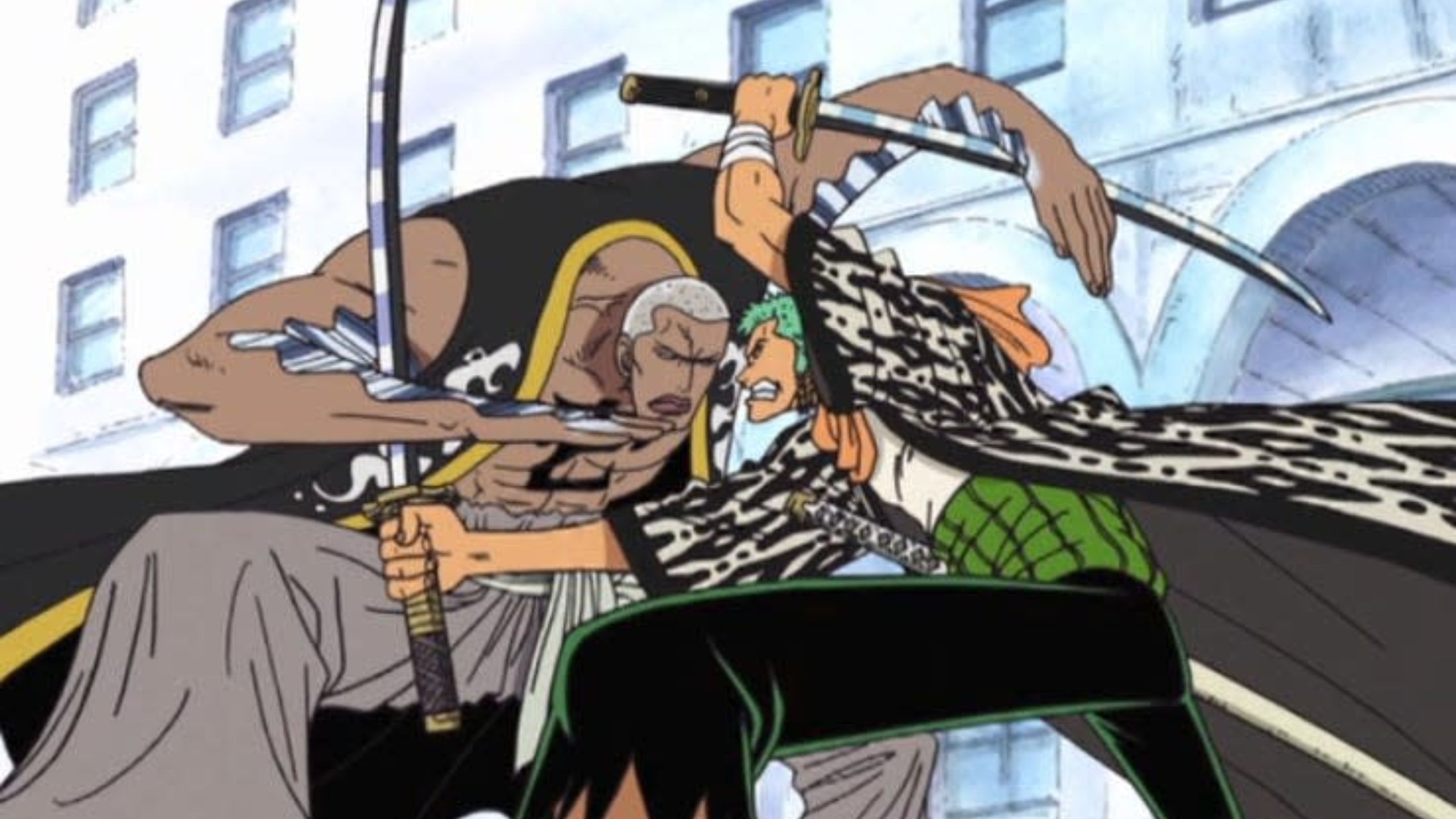
Zoro’s Fight With Mr. 1 (Toei Animations)
This state of heightened awareness allowed Zoro to perform feats that seemed to transcend ordinary Observation Haki.
Unconscious Use of Armament and Observation Haki
In the fight against Mr. 1, Zoro demonstrated his use of both Armament Haki and Observation Haki, albeit unconsciously.
While his application of Armament Haki was crucial in cutting through steel, it was his use of Observation Haki that allowed him to perceive and react with extraordinary precision.
Zoro’s ability to anticipate and dodge incoming stones was a clear indication of his advanced sensory perception.
A State of Omniscience
Zoro’s performance during this battle revealed a state of omniscience that granted him precognitive and clairvoyant powers.
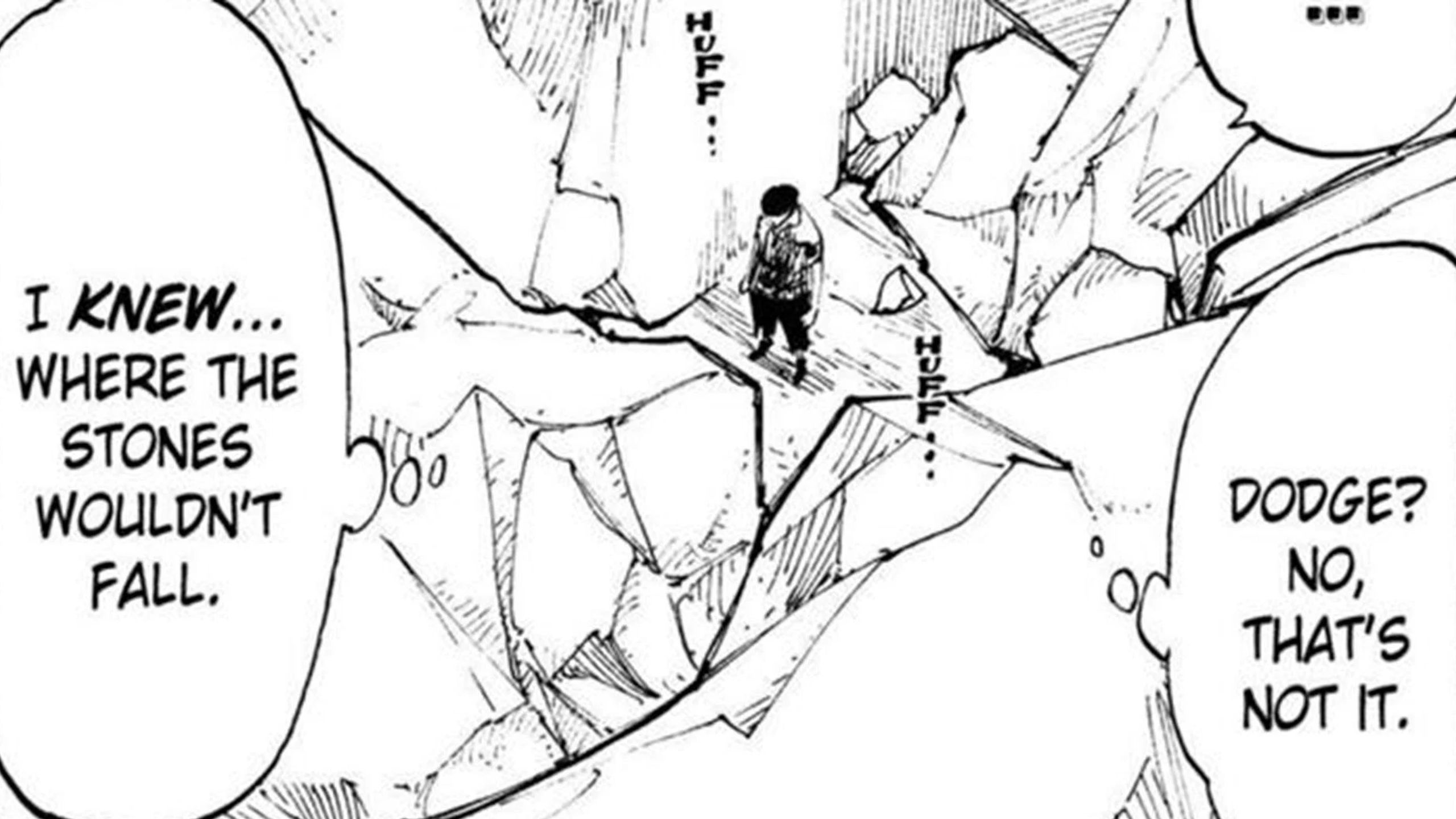
Zoro using the Breath of All Things (Shueisha)
He was able to sense the trajectory of falling stones, predicting their landing spots with remarkable accuracy.
Zoro described this ability as feeling the “breath” of the stones, which implies a form of heightened spatial awareness that goes beyond traditional sensory capabilities.
Locating and Retrieving His Sword
Another notable aspect of Zoro’s Breath of All Things was his ability to locate and retrieve his sword despite it being buried under a pile of rubble.
Zoro attributed this feat to his capacity to sense the “breath” of inanimate objects, specifically his sword.
This enhanced perception allowed him to detect the presence of the sword amidst the debris, further demonstrating the advanced nature of his abilities.
Cutting Through Steel
Finally, Zoro’s attack on Mr. 1, where he successfully cut through steel, showcased the application of Armament Haki.
However, before he could use this power, he relied on his Breath of All Things ability to sense the “breath” of the steel.
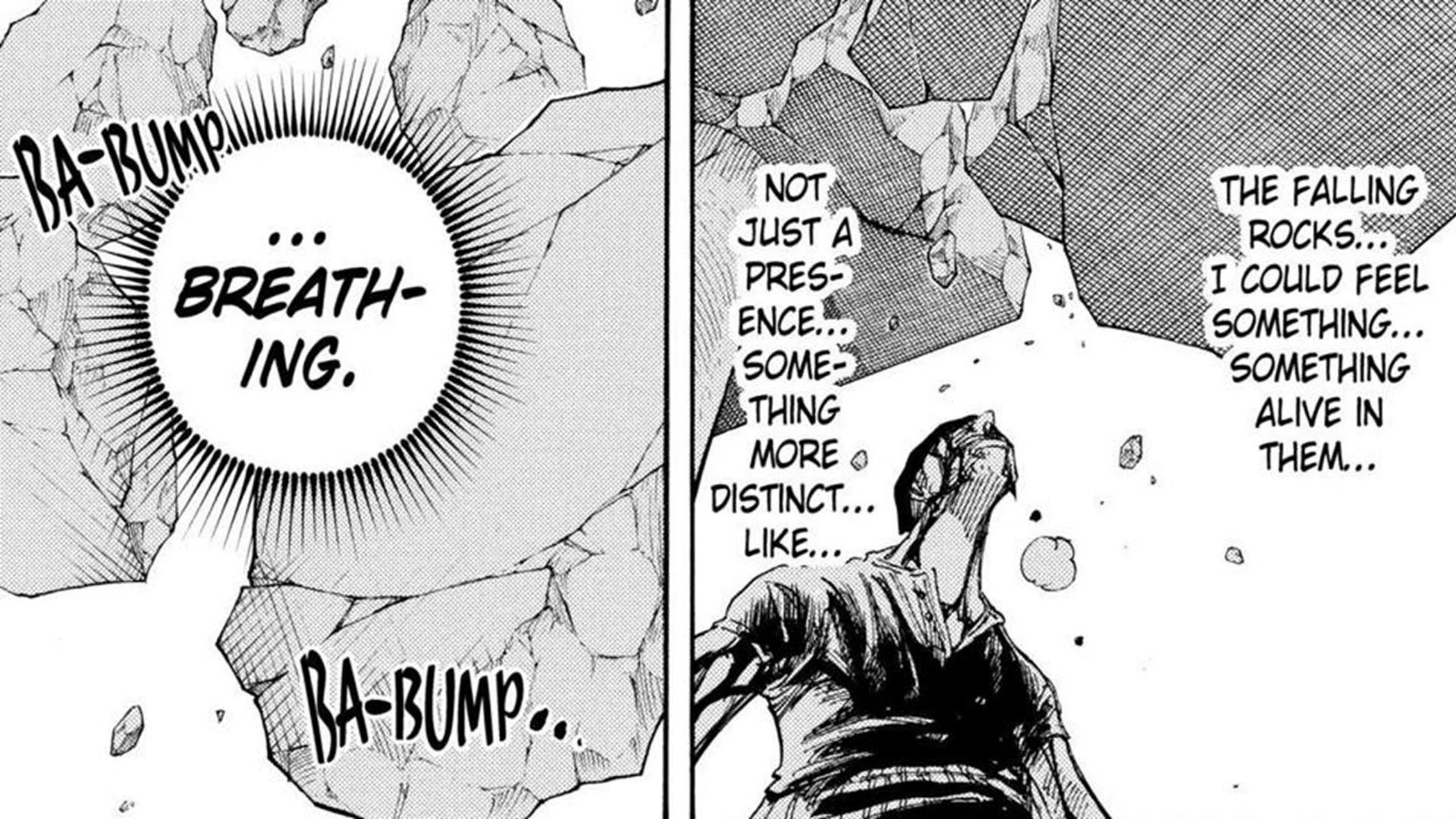
Zoro explains his ability (Shueisha)
This indicates that the Breath of All Things is not just a supplementary ability but a fundamental aspect that enhances Zoro’s final combat effectiveness.
The Nature of Breath of All Things
The exact nature of Zoro’s Breath of All Things remains somewhat ambiguous within the One Piece series.
What is clear is that this ability provides Zoro with an improved level of spatial awareness, enabling him to perceive things far beyond the scope of normal sensory perception.
This heightened awareness closely resembles Observation Haki, but it also surpasses the typical capabilities of Kenbushoku.
Comparison to Standard Observation Haki
Standard Observation Haki, or Kenbushoku, is generally limited to sensing living beings and their intentions.
For example, Enel, who was proficient in Kenbushoku, could foresee and dodge Luffy’s attacks by predicting his movements.
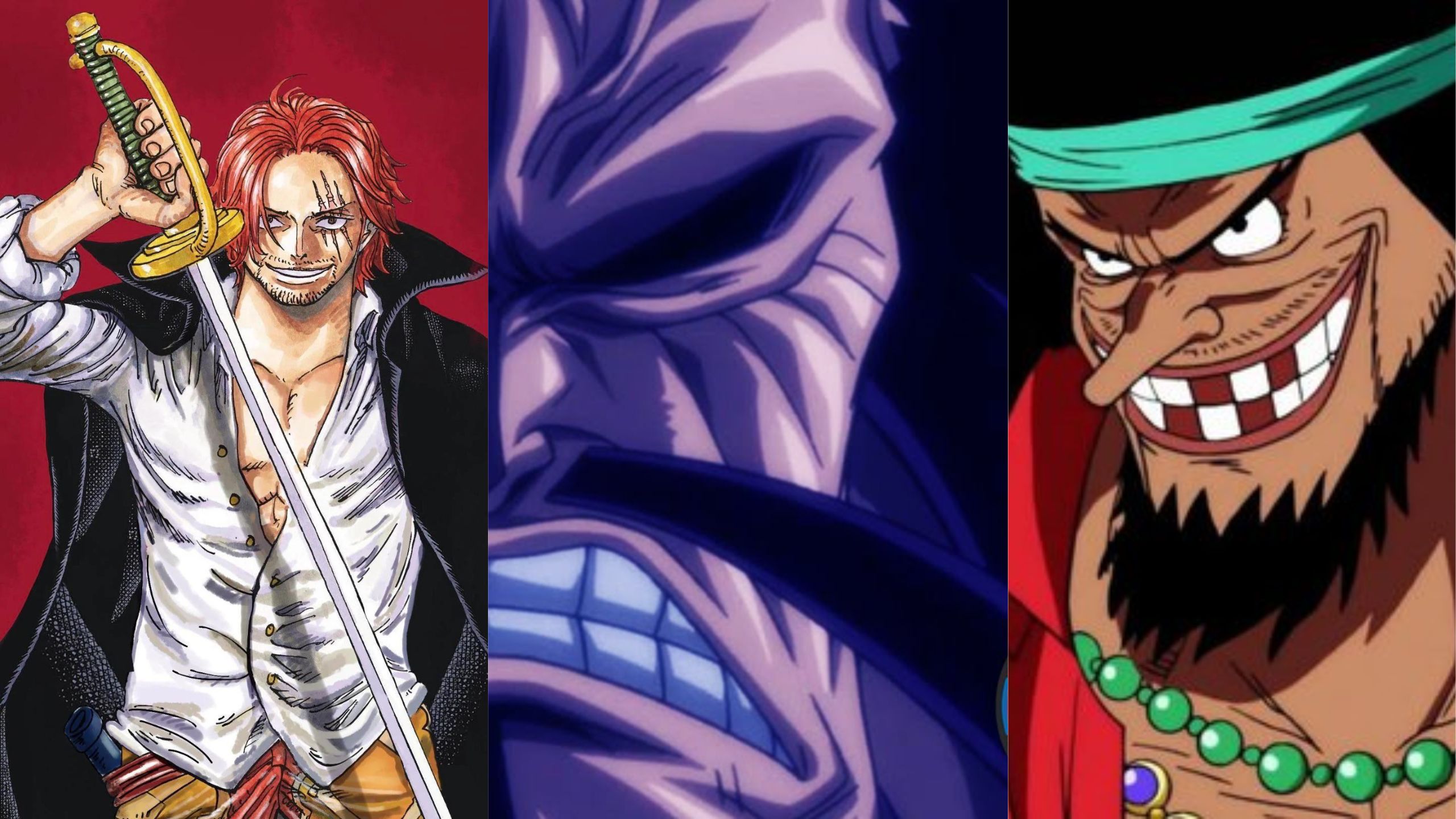
Yonko’s – Shanks, Kaido, Blackbeard (Twitter)
However, Kenbushoku users typically cannot perceive or predict the actions of inanimate objects, such as falling rocks, which do not possess intent.
In contrast, Zoro’s Breath of All Things allowed him to predict the trajectory of falling rocks, despite their lack of intent.
This advanced form of perception suggests that the Breath of All Things goes beyond the standard limits of Observation Haki, offering a more profound level of awareness.
Breath of All Things vs. Future Sight
The Breath of All Things bears similarities to another advanced form of Observation Haki known as Future Sight. Both abilities enable users to foresee and anticipate upcoming events with a high degree of accuracy.
While Future Sight allows users to predict specific sequences of actions, the Breath of All Things provides an improved the sense of awareness that encompasses a broader range of sensory inputs.
In the case of Breath of All Things, this heightened awareness results in a profound understanding of the environment, allowing the user to harmonize with their surroundings in a way that surpasses typical sensory abilities.
The Link Between Breath of All Things, Voice of All Things, and Observation Haki
The similarities between the Breath of All Things and the Voice of All Things suggest a possible connection between these abilities and Observation Haki.
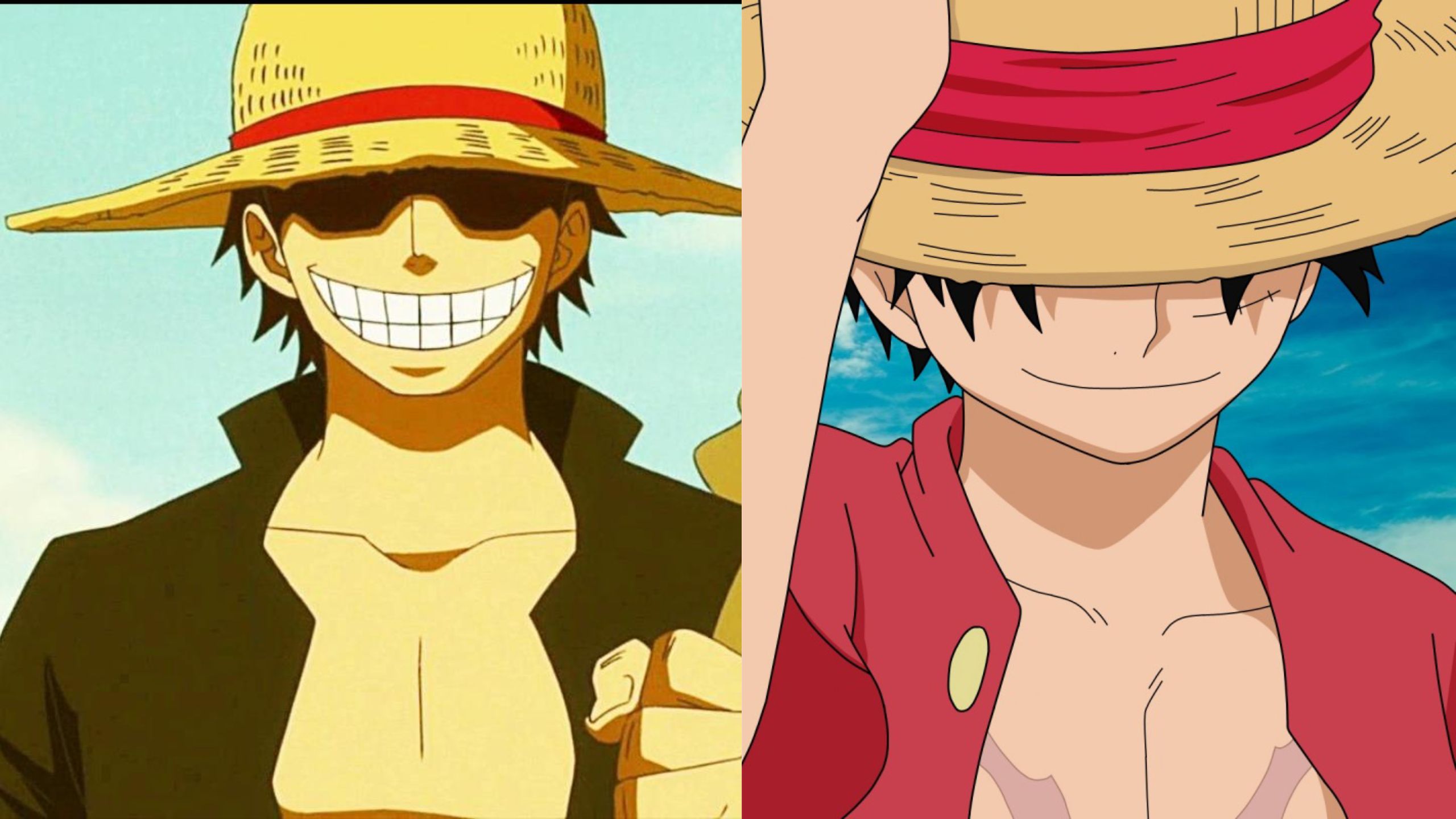
Gold D.Roger And Monkey D.Luffy (Toei Animation)
Both the Breath and Voice of All Things involve a heightened perception of the environment, whether it’s sensing the presence of inanimate objects or communicating with non-living entities.
Common Goals and Applications
All three abilities Breath of All Things, Voice of All Things, and Observation Haki share a common goal of gaining insight into the surroundings.
They each provide unique ways of interacting with and understanding the environment, whether it’s through sensing living beings, perceiving objects, or communicating with entities that typically do not convey messages in conventional ways.
Origins in Observation Haki
Given the shared characteristics of these abilities, it is plausible that both the Breath of All Things and the Voice of All Things stem from the Color of Observation, representing unique forms of this Haki type.
While Observation Haki provides a foundation for these abilities, the Breath and Voice of All Things might represent advanced or specialized manifestations of this power.
The recent revelations from the One Piece Vivre Card databook and the observations from Zoro’s battle with Mr. 1 offer compelling insights into the nature of the Voice of All Things and its potential connection to Observation Haki.
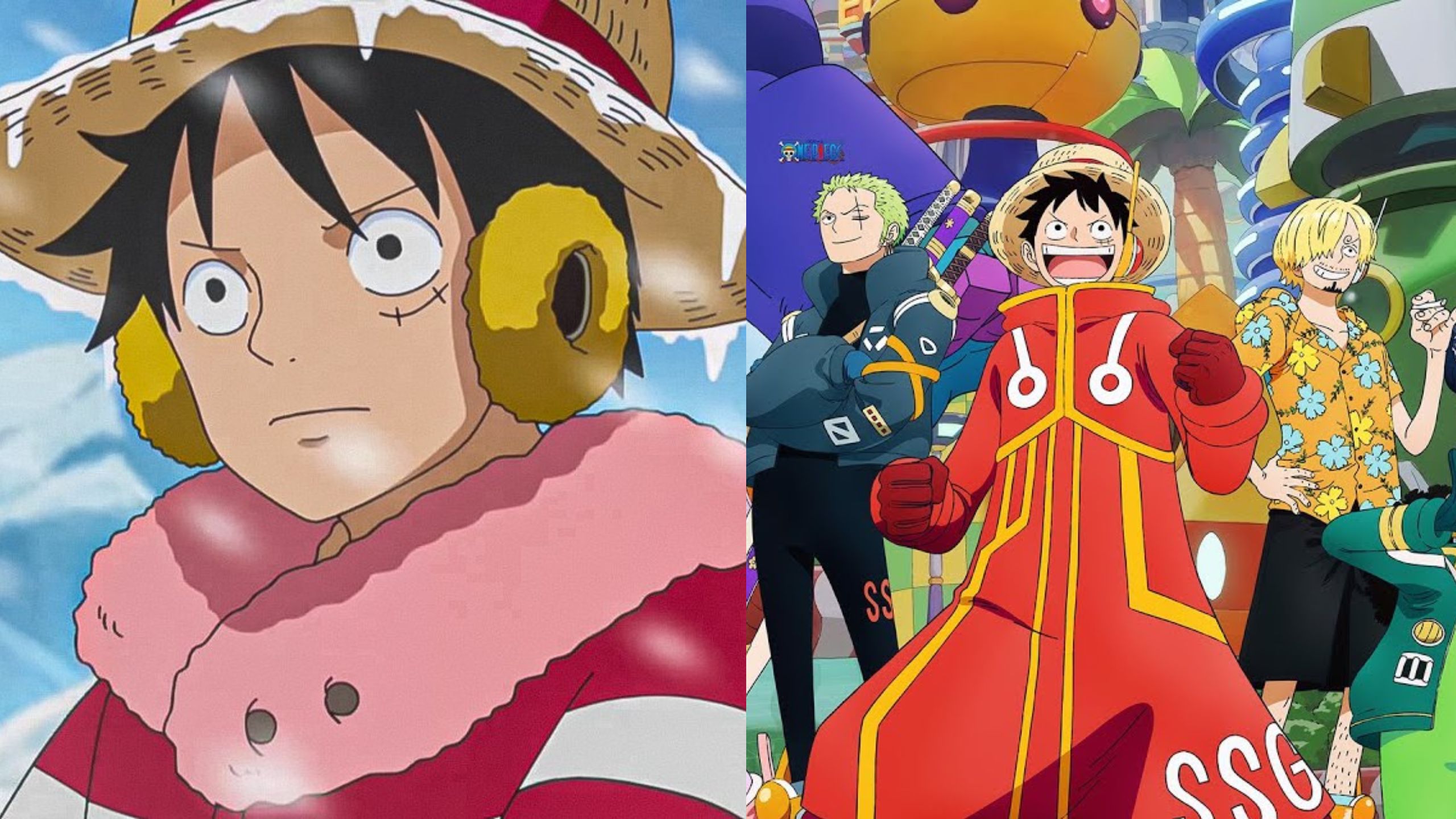
Luffy And Straw-Hat Crew (Toei Animation)
While the exact relationship between these abilities remains a subject of speculation, the similarities between them suggest that the Voice of All Things could be an advanced form of Observation Haki.
As One Piece continues to explore and expand upon its rich lore, further developments may provide more clarity on these mysterious abilities.
For now, the connection between the Breath of All Things, the Voice of All Things, and Observation Haki remains a fascinating aspect of the series, offering fans and theorists alike ample material for exploration and discussion.
