Walter Matthau is well-known for his sarcastic and grumpy humor, which makes his role as a James Bond-style spy in Hopscotch surprising—and brilliant.
This 1980 comedic spy thriller seems like it would need a leading actor like Robert Redford, Warren Beatty, or Dustin Hoffman. But Matthau’s unusual, playful approach brings a fresh and lively feel to the story, which otherwise could have felt like standard spy material.
In Hopscotch, Matthau plays Miles Kendig, an experienced CIA agent who finds himself sidelined to a desk job after refusing to arrest a top KGB official during a mission in Germany. His boss, G.P. Meyerson (played by Ned Beatty), assigns him to the office as punishment.
However, Miles is not suited for desk work. Instead of accepting his new role, he decides to rebel in a way only he could: by writing his memoirs. These memoirs are filled with sensitive agency secrets, and he plans to expose them.
Meyerson suspects that Miles’s threat might be real, especially when he begins receiving chapters of the book by mail. Although Joe Cutter (Sam Waterston), Miles’s protégé and replacement, thinks the threat is empty, Meyerson is not so sure.
With the help of his girlfriend, Isobel von Schönenberg (Glenda Jackson), Miles travels across Europe and the United States, outsmarting his former colleagues as they try to stop him from publishing his memoirs.
Roots in a Serious Story
Hopscotch is based on a novel by Brian Garfield, who also wrote Death Wish, the story that inspired the popular Charles Bronson revenge film series.
Garfield’s 1975 novel was written during a time of public distrust, following the Church Committee Congressional hearings, which uncovered abuse by the Central Intelligence Agency.
Combined with the effects of the Watergate hearings, people began feeling that institutions were not being honest, and anyone who uncovered these secrets could face severe consequences. This atmosphere of distrust led to a wave of films called “paranoia thrillers.”
In these movies, ordinary people—often played by stars like Redford (in Three Days of the Condor), Beatty (in The Parallax View), and Hoffman (in Marathon Man)—find themselves pursued by shady government forces.
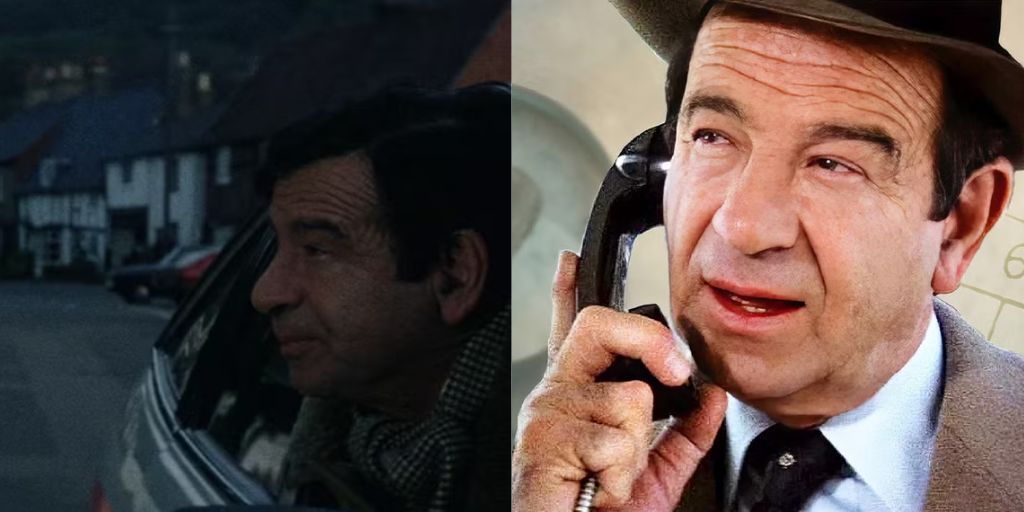
Still from the movie (IMDb)
A Lighter Take on the Genre
While Garfield’s novel was serious, the film adaptation by British director Ronald Neame is quite different. Neame brings a lighter touch to the story, focusing on humor rather than intensity. Instead of making the CIA officials seem menacing or cunning, Neame presents them as clumsy and inefficient.
Meyerson and his team try to catch Miles, but he outsmarts them repeatedly, enjoying the process as he thwarts the powerful figures who wronged him.
These government agents, supposedly capable of staging coups around the world, find themselves helpless against an older man determined to publish his story.
This portrayal of the “deep state” as ineffective can feel unsettling, as it shows that the people in power are not always as capable as they seem.
Hopscotch follows the typical elements of a 1970s paranoia thriller, yet it also adds humor and satire to the mix. By combining classic thriller tropes with a farcical style, the film finds a balance that keeps it entertaining and unique.
Walter Matthau’s Comic Touch
By the time Matthau starred in Hopscotch, he had already built a successful acting career over three decades on stage and screen.
He had won an Academy Award for his supporting role in Billy Wilder’s The Fortune Cookie, which marked the first of 10 onscreen pairings with Jack Lemmon. Matthau also won Tony Awards for his performances in the original Broadway productions of A Shot in the Dark and The Odd Couple.
While he occasionally acted in serious films like Fail Safe, Charley Varrick, and The Taking of Pelham One Two Three, Matthau was mostly known for his comedic roles, especially in Wilder movies (The Front Page, Buddy Buddy) and Neil Simon adaptations (The Sunshine Boys, California Suite).
Audiences expected slapstick from Matthau, but his performance in Hopscotch shows a more understated, subtle humor. He brings charm to the role without exaggeration, making the character more believable. Unlike in a spoof like Austin Powers, Hopscotch never mocks the spy genre.
Instead, it serves as a satire, maintaining a delicate balance in tone. There is no doubt that Miles Kendig is skilled at his job. He repeatedly escapes his pursuers using his knowledge and expertise.
Yet, there is always a spark in his eye, showing how much he enjoys the challenge, treating it like a final grand adventure. This spark captures the charm Matthau was known for, and it makes his character unforgettable.
Humor in the Chase
The humor in Hopscotch lies in watching the CIA’s top agents constantly fail to catch up with Miles. Neame’s direction turns serious situations into moments of wit and cleverness.
Rather than a violent or suspenseful pursuit, the film presents Miles’s cat-and-mouse game with the agency as a lighthearted journey, where each step is as much about fun as it is about freedom.
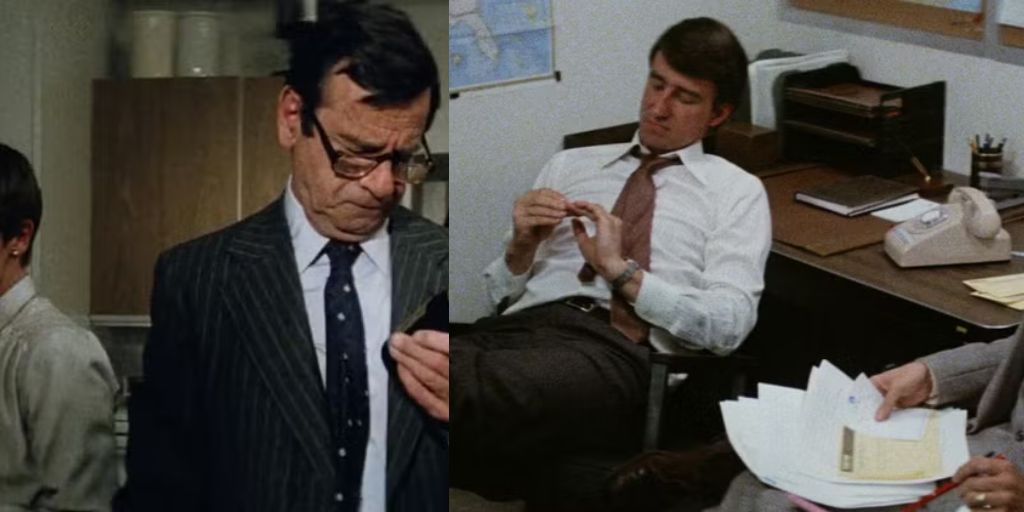
Still from the movie (IMDb)
This approach allows Matthau’s character to play mind games with his former bosses, keeping them on edge and making them question his next move.
The supporting cast also contributes to the humor. Ned Beatty plays the frustrated Meyerson, who becomes increasingly obsessed with stopping Miles. Beatty’s performance highlights the frustration of a man who believes he holds power but is constantly outwitted by one individual.
Sam Waterston, as Miles’s former student Joe Cutter, plays the role of the younger, more optimistic agent who still has faith in the system.
Glenda Jackson, who plays Isobel, offers her support to Miles with equal wit and charm, helping him in his mission. Her chemistry with Matthau brings warmth to the film, showing a partnership based on mutual respect and clever banter.
Matthau’s performance and Neame’s direction give Hopscotch a distinctive place in spy cinema. Unlike traditional thrillers that depict espionage with intense danger and suspense, this film takes a lighter, more thoughtful approach.
It doesn’t ignore the risks that come with intelligence work, but it presents these risks with a sense of humor. Matthau’s portrayal of Kendig shows that a spy movie can be both clever and funny without losing credibility.
Instead of relying on explosions or high-stakes drama, the movie focuses on wit and intelligence, making the audience enjoy the journey rather than worry about the outcome.
Why Hopscotch Still Resonates
Hopscotch remains relevant because it portrays power structures with a sense of satire. It reminds viewers that the people in control are not always as skillful as they appear.
This idea resonates even today, as many still feel suspicious of government institutions and question their effectiveness.
Neame’s film takes this distrust and transforms it into humor, showing that sometimes, powerful figures are simply bureaucrats tripping over their own strategies.
The film also remains popular because of Matthau’s performance, which shows his ability to bring subtlety and charm to any role. His interpretation of Kendig feels fresh even decades later.
Hopscotch celebrates a character who refuses to bow to authority, choosing to outwit the system rather than submit to it. This theme appeals to anyone who values independence and enjoys seeing underdogs triumph over those in power.
Hopscotch is a one-of-a-kind film that combines spy thriller elements with light-hearted satire, creating a timeless and entertaining movie. Walter Matthau’s performance, with its unique humor and subtlety, adds depth to the character of Miles Kendig.
Ronald Neame’s direction transforms a serious novel into a story filled with wit and charm. By challenging the norms of the spy genre, Hopscotch offers a refreshing take on espionage, proving that not all spy stories need to be dark or intense. Instead, they can be clever, fun, and memorable.
Hopscotch endures not only as a classic in comedic spy thrillers but also as a refreshing reminder of cinema’s potential to entertain without excess.
Walter Matthau’s performance brings the film its iconic flavor, proving that intelligence and a bit of mischief can make a character impressing without the need for violence or overt suspense.
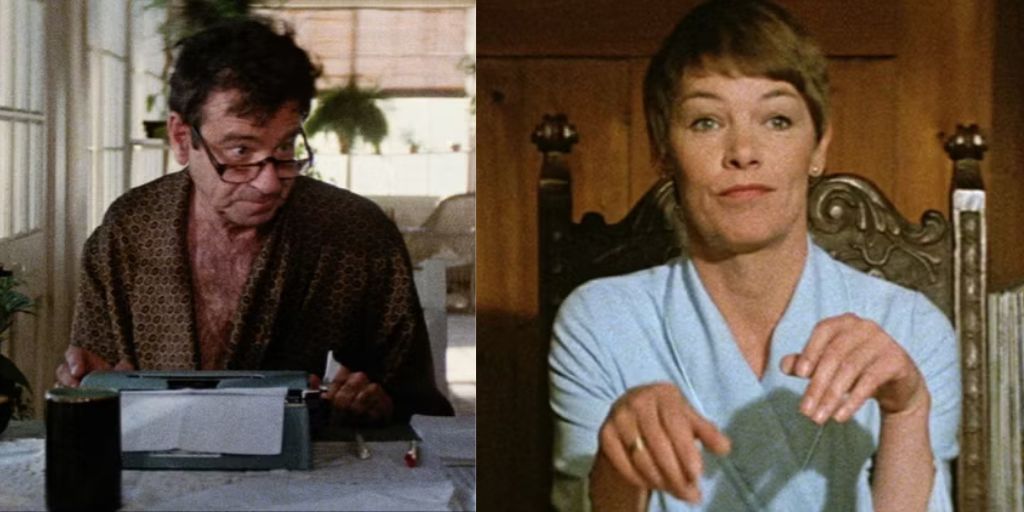
Still from the movie (IMDb)
His portrayal of Miles Kendig captures the essence of a spy who isn’t driven by bitterness or cynicism, but by a playful rebellion that feels more relatable.
By exposing the flaws within powerful institutions and maintaining a sense of humor, Hopscotch speaks to audiences who appreciate underdog stories where cleverness and resilience triumph over power.
The film also succeeds in portraying espionage with a unique charm, standing apart from the usual tense or explosive fare found in spy cinema.
Director Ronald Neame’s ability to transform a suspense-laden novel into a witty, character-driven satire gives Hopscotch a timeless appeal.
Today’s audiences, much like those of the 1980s, can enjoy this story as a reminder that even in the face of formidable opposition, persistence and a good-natured sense of humor can shift the balance.
The film’s continued popularity lies in its ability to celebrate freedom and individuality while reminding viewers that courage isn’t only in fighting—sometimes, it’s in outsmarting.
Hopscotch thus remains a cherished film, balancing humor with a thoughtful reflection on the absurdity within institutional power, showing that sometimes, a well-placed laugh is the best way to challenge authority.
Comedy Central’s Detroiters is now on Netflix, and it combines sketch and situational comedy in a unique way. It features Tim Robinson from I Think You Should Leave and Sam Richardson from Veep. The show has only 20 episodes but packs in a lot of funny moments.
It includes very funny commercial jingles that stick in your head, like the Devereux Wigs jingle. The show has many guest stars from Saturday Night Live, including Chris Redd, Michael Che, Tim Meadows, Cecily Strong, Kate McKinnon (voiceover), and Jason Sudeikis.
Tim Robinson and Sam Richardson play Tim Cramblin and Sam Duvet, a not-so-great advertising team. They pitch jingles and ideas to unusual clients in Detroit.
The show never lacks fun, as Tim and Sam try different skills for their shoots, and their commercials often go wrong for local businesses.
They also come up with strange product ideas, leading to many hilarious moments at Cramblin-Duvet Advertising.
Outside of work, Tim and Sam get into equally silly situations with their secretary, Sheila (Pat Vern Harris), Tim’s wife and Sam’s sister, Chrissy (Shawntay Dalon), and Sam’s entire family of dancing Duvets.
Tim and Sam are best friends and always understand each other. Tim is loud and doesn’t always know when to be serious, while Sam is a kind person who tries hard to impress others with his charm. Even with their differences, they match each other’s energy perfectly.
They solve problems like a couple of goofy kids. For fun, they take time out of their busy day just to find a way to break a glass pane in their office.
They use their hands to attack a used van to see if it can hold up before they decide to buy it. One of their biggest secrets is that they try to hide the fact that they ran over Carter Grant (Sudeikis), a Chrysler executive who trusts them a bit too much.

Still from the show (Netflix)
Detroiters often feels like it came from an improv comedy background, and the best moments come from silly, pointless bits. The second episode shows how wasting time can be funny with a very simple joke. Cramblin-Duvet’s security guard Ned (Chris Powell) always pitches ideas to Tim and Sam.
ne day suggests a man dancing down the street with one hand in his pocket. This idea is so sweet and simple that it seems like someone forgot to remove it from a serious list of ideas. Yet, this silly concept helps carry the humor of the entire episode.
In the episode “Third Floor,” Tim and Sam have gotten used to using the third floor of their building for bathroom breaks.
One day, a new company moves in and takes over the third floor, ruining their bathroom privacy. When Sam rushes in to tell Tim about it, Tim starts to hit Sam in a funny way.
As the scene goes on, you can see Sam starting to laugh as Tim gives up and shouts, “Who cares?” This fight does not help the story at all, and all viewers learn is that Sam is stronger than Tim, but the scene is hilarious.
The representation in Detroiters is notable. Many characters are played by real people from Detroit, like Chris Powell and news anchor Mort Crim. The show isn’t just a Black comedy, but many Black actors play a variety of roles, starting with Sam’s family.
Chrissy Cramblin is honest, hardworking, and a good wife and sister. Mr. Duvet (Obba Babatundé) is a proud father and family entertainer who laughs easily. Sam’s family members, especially the mothers and aunties, know how to enjoy a good joke.
Sam is often seen as the cooler one between him and Tim. He can sing, act, dress well, charm women, and is physically strong, even able to ride a motorcycle. Tim is usually the punchline, as he is the awkward, scrawny white guy.
his is shown when comedian Donut’s (Chris Redd) stand-up routine depends entirely on Tim being there. Small touches, like Sam and Tim imagining the same pitch concepts on different skin tones, show a nice effort to make people laugh about cultural and racial differences.
Detroiters is built on meaningful themes, making it a great comedy and a local favorite. The strong family feelings and warm relationships balance out the crude jokes and characters.
Tim Robinson and Sam Richardson’s real friendship shines through Detroiters, bringing simple joy and laughter for everyone to enjoy.

Still from the episode (Netflix)
The show brings together various humor styles and sincere moments. Tim and Sam’s friendship is at the core of Detroiters, and it allows them to tackle challenges and awkward situations in a fun way.
The comedy often feels silly, but the underlying message about the importance of friendship and family shines through.
Each episode has its own unique humor, whether it comes from Tim and Sam’s ridiculous adventures or from the guests and supporting characters who add depth and comedy to the series. The show does a great job of showing how friendship can help people deal with life’s ups and downs.
As the series progresses, Tim and Sam continue to learn from each other. Their differences make them stronger as a duo.
They navigate the challenges of their careers and personal lives while keeping their friendship intact. The show emphasizes the power of teamwork and the joy of shared laughter.
Viewers can relate to Tim and Sam’s experiences as they handle unusual clients and quirky situations. They remind us of the importance of friendship in both professional and personal settings.
The series also showcases how laughter can lighten the mood during difficult times, emphasizing the bond between the two friends.
The comedic scenes are memorable, whether it’s a commercial gone wrong or a ridiculous pitch idea. Each episode leaves viewers laughing and wanting more. The writing and performances create a lighthearted atmosphere that keeps fans coming back for additional laughter.
Tim and Sam’s adventures never fail to entertain, as their playful banter and goofy antics bring a unique charm to the show.
They show that life doesn’t always have to be serious, and that humor can be found in everyday situations. With each episode, Detroiters proves that laughter truly is the best medicine.
As the show continues, it brings in fresh ideas while maintaining its core themes of friendship, creativity, and humor.
The characters evolve and develop, making their journey enjoyable for viewers. With each laugh, the audience feels a deeper connection to the characters and their stories.
The series strikes a balance between comedy and heart, allowing viewers to appreciate the humor while also resonating with the characters’ personal struggles. Tim and Sam’s growth as individuals and as friends is an essential part of the show’s charm.
The combination of sketch comedy and situational humor creates a one-of-a-kind viewing experience. Fans appreciate the clever writing and relatable characters that fill each episode. With its blend of silly humor and meaningful themes, Detroiters stands out in the comedy genre.
As the show gains popularity, it also highlights the talent of its cast and crew. Their hard work and creativity shine through in every scene, making Detroiters a must-watch series for fans of comedy. The dedication of everyone involved is evident, creating a show that resonates with many viewers.

Still from the show (Netflix)
In a world filled with serious shows, Detroiters offers a refreshing escape into the domain of comedy. It reminds us to appreciate the little things and find joy in laughter. The chemistry between Tim Robinson and Sam Richardson makes every moment memorable and enjoyable.
Ultimately, Detroiters is more than just a comedy series; it’s a celebration of friendship, creativity, and the power of laughter.
The show continues to capture hearts, leaving a lasting impact on its audience. Each episode is a reminder of the importance of joy and connection in our lives, encouraging viewers to find humor in their everyday experiences.
As Detroiters wraps up its run, it leaves behind a legacy of laughter and friendship. The show’s charm and humor will be missed by fans, but its impact will last.
The bond between Tim and Sam remains an inspiration for viewers, showing that laughter and friendship are essential in life.
The heart of Detroiters lies in its dedication to portraying the joy and messiness of friendship against the backdrop of a vibrant, resilient Detroit. Tim Robinson and Sam Richardson’s on-screen chemistry captures a relatable authenticity that resonates with audiences.
Through their unique blend of sketch and situational comedy, the show creates a warm, humorous space where fans can laugh and connect with the characters’ quirks, insecurities, and big-hearted attempts to navigate life’s absurdities.
As Tim and Sam tackle bizarre advertising pitches, failed attempts, and unexpected victories, they remind us that true friendship endures through both the highs and lows, grounding us in moments of both silliness and sincerity.
The creators also manage to celebrate Detroit’s local talent, diversity, and culture in a way that feels genuine. The city itself becomes a character, adding depth and authenticity to each story and allowing the show to stay grounded while delivering laughs.
With every episode, Detroiters showcases the importance of finding humor in daily life, celebrating the seemingly mundane moments that make up friendships and family dynamics.
It leaves audiences with a sense of joy and a reminder of how small acts of kindness, understanding, and humor can shape and sustain the bonds that matter most.
As Detroiters gains a new life on streaming platforms, its humor and heart continue to attract new fans.
The series’ legacy lives on as a unique, refreshing comedy that emphasizes the beauty of friendship, the creative spirit of Detroit, and the power of laughter to bring people together.
Through Tim and Sam’s journey, viewers find comfort and hope, inspiring them to cherish their own friendships and seek joy in life’s unpredictable, everyday adventures.
Ultimately, Detroiters is more than just a show; it’s a testament to the enduring importance of laughter, connection, and the bonds we build along the way
