Endeavor, or Enji Todoroki, has emerged as one of My Hero Academia’s most complex and controversial characters.
Over the course of the series, Endeavor’s journey has attracted and frustrated fans in equal measure, prompting heated debates and passionate discussions across the fandom.
Now that the series nears its ending, the arguments over his character’s worth and impact are as intense as ever.
Horikoshi’s portrayal of Endeavor is multilayered, and his complex arc has revealed deep divisions within the fanbase, where fans find themselves either championing his growth or condemning his past actions as unforgivable.
This internal struggle within the fandom is testament to the effectiveness of Horikoshi’s character work, as he masterfully creates a character that defies easy classification.
Some fans admire the boldness Horikoshi shows by giving Endeavor such a morally gray journey.
In a genre where heroes are typically painted as morally pure, Endeavor represents a figure with significant flaws, someone who has made grave mistakes but still strives to become better.
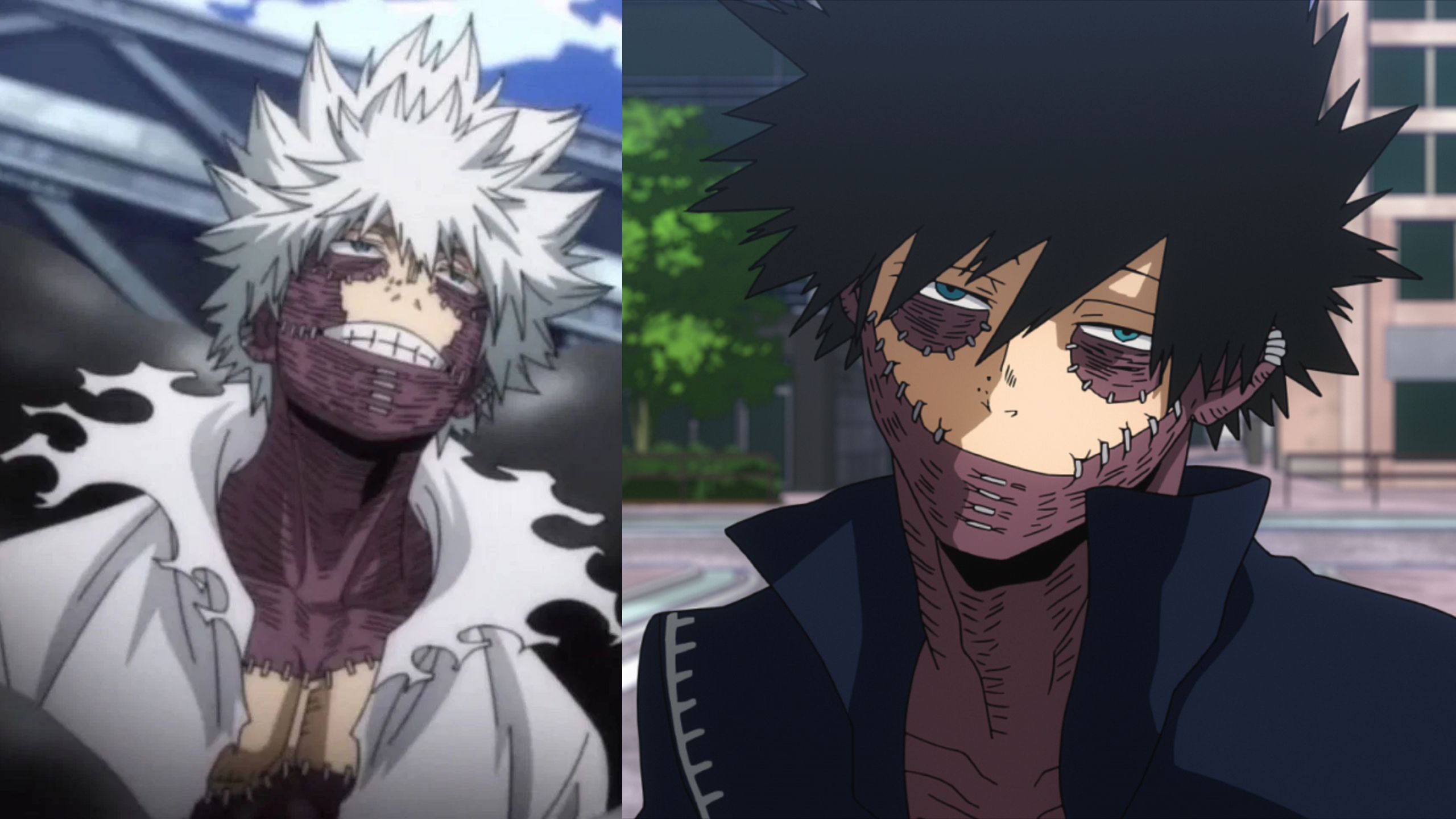
Dabi From My Hero Academia (Studio Bones)
For those who appreciate his arc, Endeavor’s character adds a layer of realism to My Hero Academia, making the series more than just a story about superheroes but a complex narrative on humanity’s potential for both harm and growth.
On the other side, however, a large portion of the fanbase finds it incredibly difficult to accept Endeavor’s path to redemption.
To them, the trauma he inflicted on his family is far too severe to be easily forgotten or forgiven.
Despite his attempts to change, these fans argue that certain actions are unforgivable, particularly the abuse he directed at his own family.
They believe that no amount of growth or redemption can erase the emotional scars he left behind.
For these fans, the very idea of a redemption arc for Endeavor feels like a dismissal of the pain he caused, an attempt to wash away the consequences of his actions without adequately addressing them.
The Dark Legacy of Endeavor in My Hero Academia
Endeavor is introduced in My Hero Academia not as a pure-hearted hero but as a figure deeply entrenched in personal ambition and moral flaws.
As the number two hero, he is consumed by an obsessive drive to surpass All Might, the symbol of peace, and become the top hero.
This fixation leads him down a dark path, where his pursuit of power and glory comes at a devastating cost to his family.
Endeavor’s ambition is not tempered by compassion or humility; instead, it manifests as ruthlessness and control, particularly over his wife and children.
His treatment of his family is severe, pushing them to their emotional and physical limits to satisfy his own desire to achieve greatness.
The effects of Endeavor’s ambition on his family are profound, with his son Shoto Todoroki bearing the brunt of his father’s harsh expectations.
#MyHeroAcademia Whether you love him or hate him, Endeavor is undoubtedly one of the best characters in the series The flow of his growth feels so natural and his characterzation has come to have a vast multitude of layers etched in pic.twitter.com/LUGAp4ewcJ — ZheroG (Re-Edition 🔁 ) (@glennster2363) September 28, 2024
Shoto is born with a unique quirk that combines his father’s fire abilities and his mother’s ice powers, making him the “perfect” successor in Endeavor’s eyes.
However, Endeavor’s abusive treatment of Shoto throughout his childhood traumatizes the boy and leaves deep psychological scars.
Shoto grows up resenting his father, feeling like a tool rather than a person, molded and used for Endeavor’s personal ambitions.
The series shows how this abusive behavior affects Shoto’s self-identity and his relationships with others, casting a long shadow over the Todoroki family.
Horikoshi does not shy away from depicting the darker side of Endeavor’s character, and this is a significant part of why he remains controversial.
His treatment of his wife, Rei, is also heartbreaking, as she suffers under his oppressive expectations, leading her to a mental breakdown.
Endeavor’s actions leave Rei hospitalized, separating her from her children and leaving a deep wound in the family.
For many fans, these scenes of familial abuse are difficult to watch and leave an indelible impression of Endeavor as a figure of destruction rather than a hero.
Horikoshi’s portrayal of Endeavor raises difficult questions about whether redemption is possible for someone who has committed such serious wrongs.
Is there a point where someone’s actions are so harmful that redemption is no longer an option?
For some fans, the answer is a resounding yes, and they feel that My Hero Academia may be failing to fully address the gravity of Endeavor’s actions.
For others, however, Endeavor’s attempts to atone for his past represent a powerful journey of self-reflection and growth that enriches the story.
Endeavor’s Redemption Arc: A Bold and Controversial Choice
As My Hero Academia progresses, Horikoshi takes a daring step by jumping into Endeavor’s redemption arc.
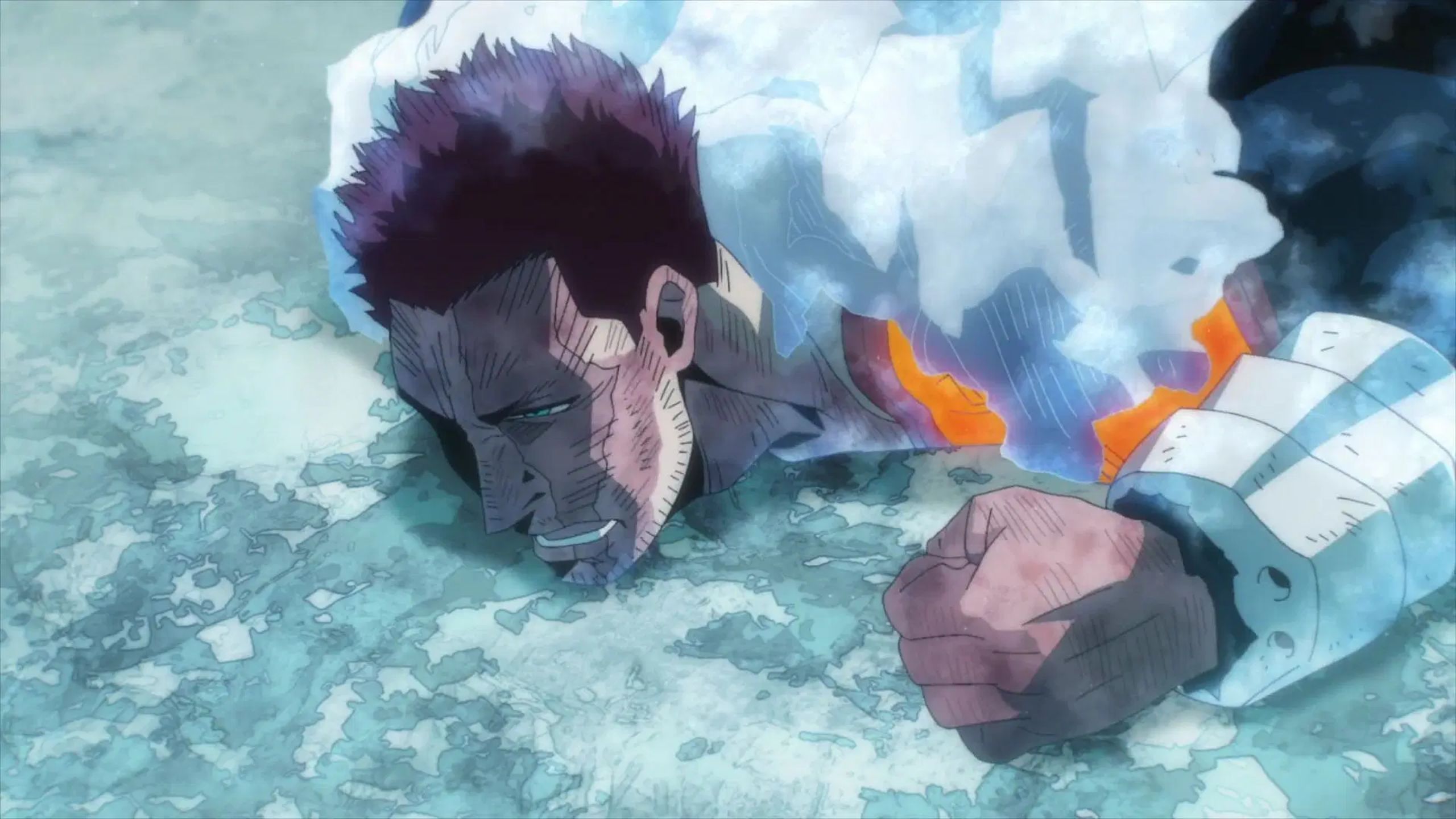
Endeavor After His Fight With Dabi In Season 7 Episode 19 In My Hero Academia (Bones)
Unlike traditional heroes, who may face obstacles but maintain a core of goodness, Endeavor’s character is rife with guilt, regret, and moral ambiguity.
His journey toward redemption is fraught with difficulties, as he grapples with his own demons and attempts to confront the consequences of his actions.
This makes Endeavor’s story arc one of the most intricate in the series, challenging both the character and the audience to confront the uncomfortable reality of his past.
Endeavor’s attempts at redemption are portrayed with a degree of complexity that reflects Horikoshi’s skill as a storyteller.
Endeavor does not undergo a rapid or miraculous transformation; instead, his progress is gradual and filled with setbacks.
He acknowledges the harm he has caused and expresses genuine remorse for his actions, taking responsibility for the pain he inflicted on his family.
His efforts to change are not born out of a desire to gain admiration or forgiveness from others but stem from an internal drive to be a better person, both for himself and for his loved ones.
This introspective struggle adds a layer of realism to his character and makes his path to redemption feel grounded and genuine, even if it does not excuse his past behavior.
Despite these nuances, Endeavor’s redemption arc remains a point of contention for many fans. To them, the scars he left on his family cannot be healed through mere apologies or acts of heroism.
They argue that while Endeavor may have changed, the trauma he caused persists, leaving a lasting impact on his family members, especially Shoto.
In their view, My Hero Academia may not be giving enough weight to this trauma, focusing instead on Endeavor’s growth and leaving the victims of his actions without adequate closure.
On social media, particularly on platforms like X, fans express a wide range of opinions about Endeavor’s redemption.
Some fans praise Horikoshi’s handling of the character, arguing that Endeavor’s complexity makes him one of the most well-developed characters in the series.
They appreciate the depth of his struggle and the way his arc subverts traditional notions of heroism and redemption.
For them, Endeavor’s story is a reminder that even those who have made serious mistakes can strive to change, and that this journey is often painful and imperfect.
However, a significant portion of the fandom disagrees. For them, Endeavor’s actions are unforgivable, and no amount of self-improvement can erase the suffering he inflicted on his family.
This sentiment is echoed by one user on X, who commented, “Abusers don’t deserve redemption arcs; in real life, this never happens.”
This perspective reflects a belief that, in the real world, people like Endeavor rarely change, and giving him a redemption arc may feel unrealistic or even harmful.
“I wish MHA had more complexed characters” THERE ARE, BUT Y’ALL DON’T UNDERSTAND THEM https://t.co/osWNPBRjcl pic.twitter.com/CJNKWChqM8 — Lushi (@LushiSun10) November 13, 2024
Another fan voiced a contrasting opinion, stating,
“Omg, people are so blind. Endeavor has by far the best development in the show. But people have too much trauma to separate fiction from their own life and admit it.”
This comment suggests that some fans might be projecting their own experiences onto the character, making it harder for them to appreciate the nuance of his journey.
Unforgivable Past: Fan Reactions to Endeavor’s Story
Endeavor’s past actions cast a long shadow over his redemption arc, and for many fans, his attempts at change cannot erase the harm he has done.
The abusive behavior he exhibited towards his family is not something that can be easily forgiven, and his attempts to make amends, while significant, do not remove the pain he caused.
For these fans, the character’s past is an indelible part of who he is, and any efforts to redeem him feel insufficient in the face of the trauma he inflicted.
One fan on X voiced this perspective by stating,
“You can admit Endeavor is a complex character WHILE still hating him. Because he is well-written, and yes, he’s trying to atone, but I can still hate him. We hate him because of his complexity; if you don’t realize that, you’re just dumb.”
This comment summarizes the duality that many fans feel toward Endeavor.
They can recognize the depth of his character and appreciate the skill with which Horikoshi has developed him, but this does not mean they feel compelled to forgive him.
This viewpoint reflects a broader theme in My Hero Academia: the idea that people are not defined solely by their past mistakes, but neither can they escape them entirely.
Endeavor’s past remains a part of him, and even as he seeks to change, the effects of his actions continue to linger, both for him and for his family.
Fans who align with this perspective argue that Endeavor’s growth, while significant, does not erase the pain he caused, and they remain conflicted about whether or not he deserves redemption.
Horikoshi’s Exploration of Moral Complexity in My Hero Academia
Through Endeavor, Horikoshi tackles difficult questions about morality, accountability, and forgiveness.
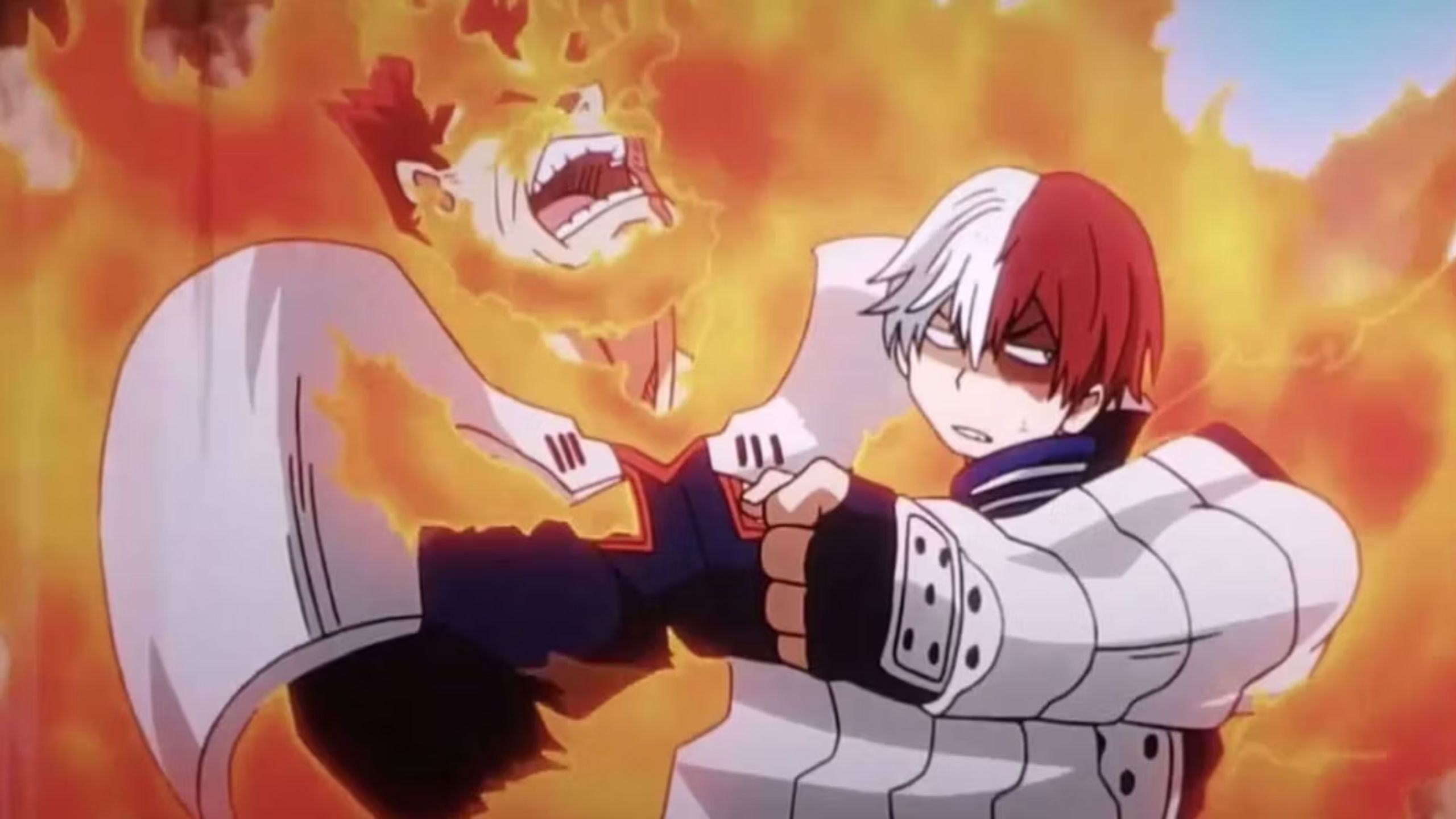
Shoto Todoroki And Endeavor From My Hero Academia (BONES)
Endeavor’s character serves as a vehicle for exploring these themes, challenging fans to consider the nature of redemption and whether it is truly achievable for someone who has caused significant harm.
This approach sets My Hero Academia apart from other series in the genre, which often portray heroes as paragons of virtue without addressing the more complicated aspects of human behavior.
Endeavor’s journey raises thought-provoking questions about what it means to be a hero and whether redemption is possible for someone who has committed serious wrongs.
Is it enough for Endeavor to change his behavior and seek to become a better person, or do his past actions forever define him?
Horikoshi does not provide easy answers to these questions, leaving it up to the audience to decide where they stand on Endeavor’s character.
This ambiguity is a hallmark of effective storytelling, as it encourages viewers to engage with the material on a deeper level and grapple with the moral complexities it presents.
However, this approach has also drawn criticism from fans who feel that Horikoshi may be overly sympathetic towards Endeavor.
They argue that the focus on his redemption arc detracts from the experiences of his victims, particularly Shoto, and may send a message that downplays the harm caused by abusive behavior.
These fans believe that My Hero Academia should place greater emphasis on the impact of Endeavor’s actions on his family and provide more resolution for those who suffered as a result of his behavior.
Horikoshi’s portrayal of Endeavor in My Hero Academia has sparked a passionate and ongoing debate among fans.
While some appreciate the complexity of his character and the depth of his redemption arc, others find his past actions unforgivable and feel that his journey toward atonement does not adequately address the trauma he inflicted.
This divide reflects the power of Horikoshi’s storytelling, as he creates a character that defies easy classification and challenges viewers to confront difficult questions about morality and forgiveness.
For some fans, Endeavor’s journey is a powerful story of growth and redemption, while for others, it is a reminder of the lasting consequences of abuse and the difficulty of forgiving those who have caused harm.
Dabi From My Hero Academia (Studio Bones)
As My Hero Academia approaches its ending, these conflicting perspectives will likely continue to shape the way fans view Endeavor and the series as a whole.
Horikoshi’s depiction of Endeavor captures the duality of human nature our capacity for growth and our tendency to repeat old mistakes.
For fans, this duality mirrors their own conflicted feelings toward Endeavor. Some see his flaws as a reflection of real-world complexity, while others view his redemption arc as insufficient for the pain he has caused.
As My Hero Academia approaches its ending, fans remain divided on how to interpret Endeavor’s journey.
The character’s arc serves as a reminder that even in a world of heroes, morality is not always black and white.
And while some fans may never forgive Endeavor, others may continue to admire his struggle for redemption, reflecting the lasting, complex impact of Horikoshi’s storytelling.
The climactic arc of My Hero Academia promised a whirlwind of battles, sacrifices, and emotional moments that would define the legacy of the series.
Among these events, Star and Stripe’s heroic stand against Shigaraki stood out as a high-stakes confrontation that had the potential to change the trajectory of the story.
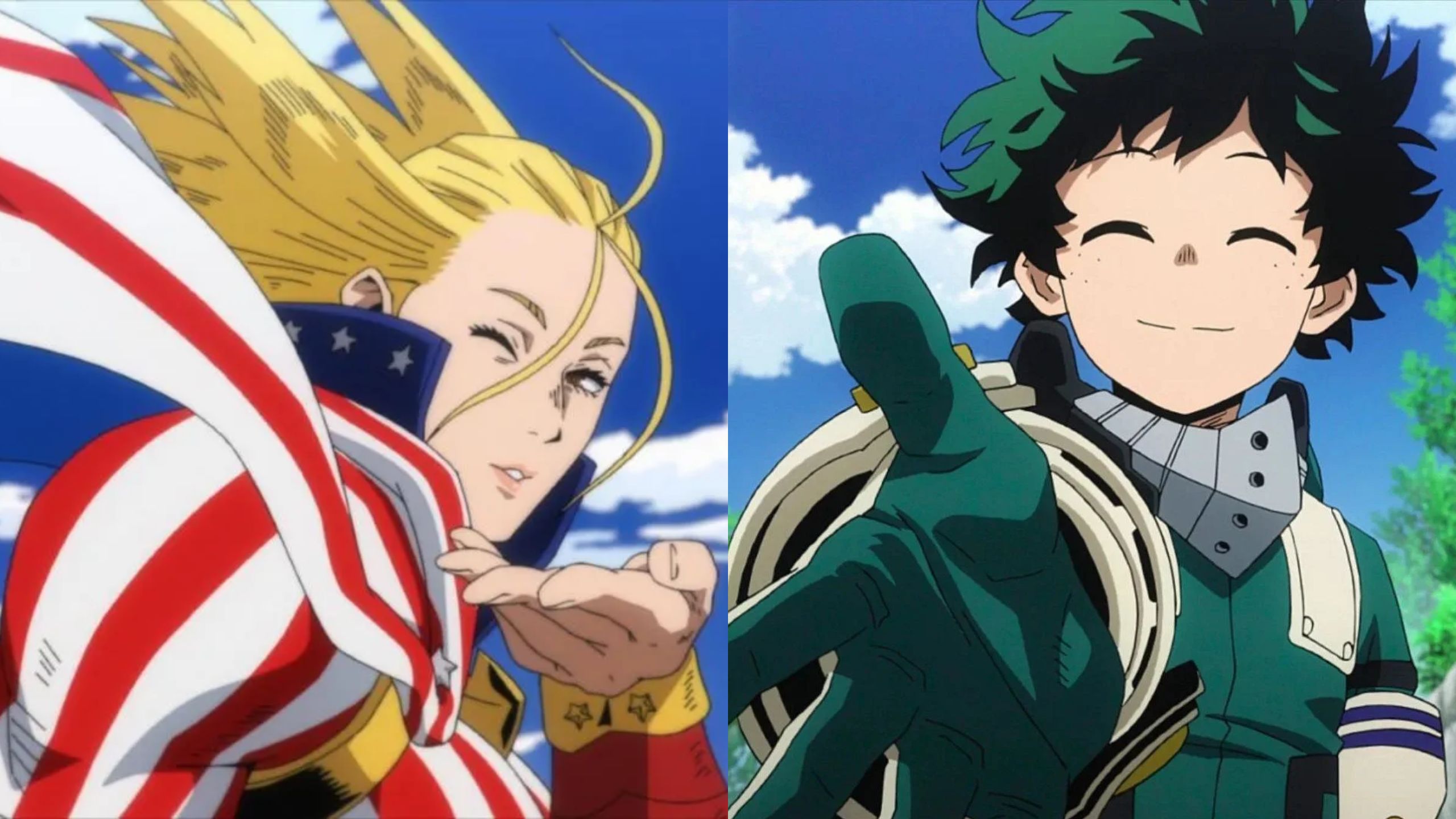
Star and Stripe And Deku In My Hero Academia (BONES)
However, as the arc unfolded, it became evident that her sacrifice while courageous was undermined by narrative choices, reducing what should have been a landmark moment into one of the series’ most disappointing missteps.
Star and Stripe was introduced as the Number One Hero of America, a figure of immense power and unwavering resolve.
Her quirk, New Order, allowed her to rewrite the rules of reality, making her one of the most formidable heroes in the My Hero Academia universe.
She epitomized the spirit of self-sacrifice and heroic ideals. Yet, despite the grandeur of her introduction and her apparent significance to the plot, her role in the final arc lacked the impact it deserved.
This exploration jumps into how her sacrifice was handled and why it felt ineffective in shaping the story’s ending.
The Arrival of Star and Stripe
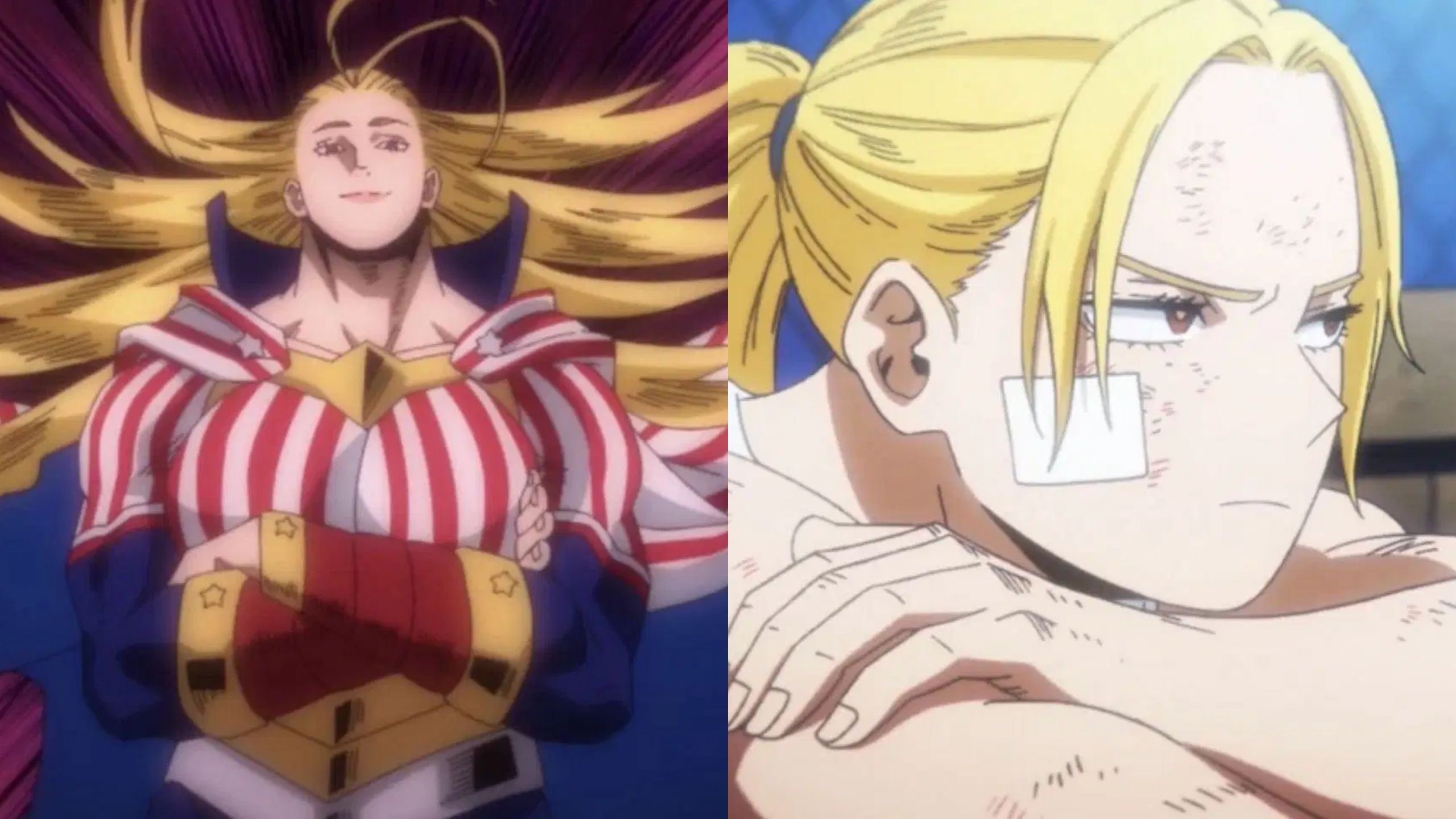
When Star and Stripe was first introduced, fans were immediately attracted by her imposing presence and unparalleled strength.
As the top hero of the United States, her reputation preceded her, and her arrival in Japan was portrayed as a moment of hope in the face of despair.
With All Might retired and the heroes of Japan struggling to hold the line against Shigaraki and his forces, Star and Stripe’s intervention was seen as a much-needed game-changer.
Star and Stripe In My Hero Academia (BONES)
Her entrance was nothing short of cinematic. Accompanied by her team of fighter jets, she exuded an aura of power and authority.
Star and Stripe was more than just a hero; she was a symbol of international solidarity and the global fight against evil.
Her quirk, New Order, was nothing short of extraordinary. By declaring rules, she could manipulate reality itself, making her one of the most dangerous adversaries Shigaraki could face.
The stage was set for an epic confrontation. Star and Stripe’s mission was clear: to stop Shigaraki at all costs and give the heroes of Japan a fighting chance.
Her bravery and determination were on full display as she faced the overwhelming threat posed by Shigaraki, who had become a near-unstoppable force after merging with All For One.
Battle That Promised Everything
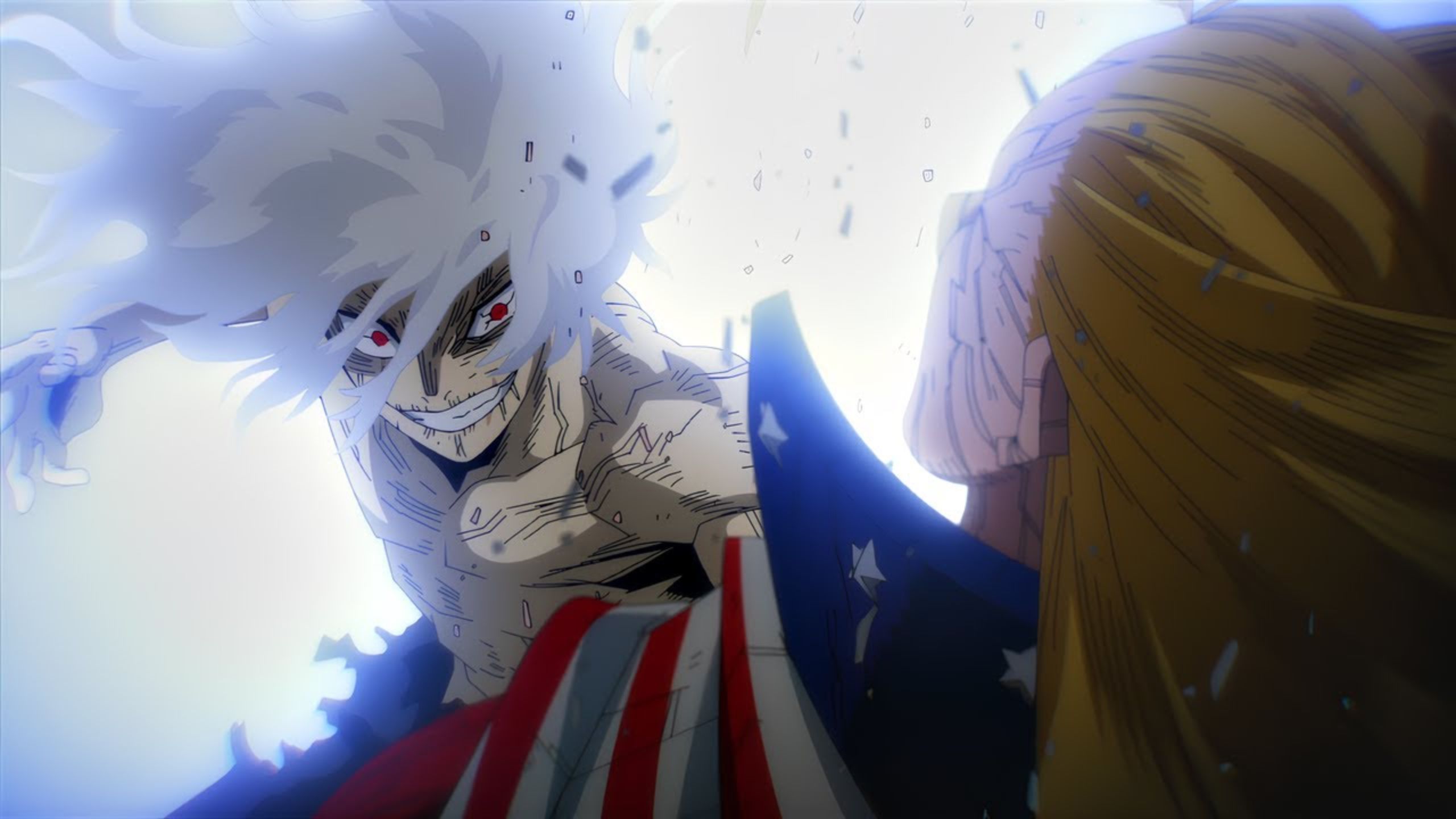
The battle between Star and Stripe and Shigaraki was one of the most anticipated moments in the series. It was not just a clash of power but a battle of ideologies.
Star and Stripe represented the unyielding spirit of heroism, while Shigaraki embodied chaos and destruction. The stakes could not have been higher.
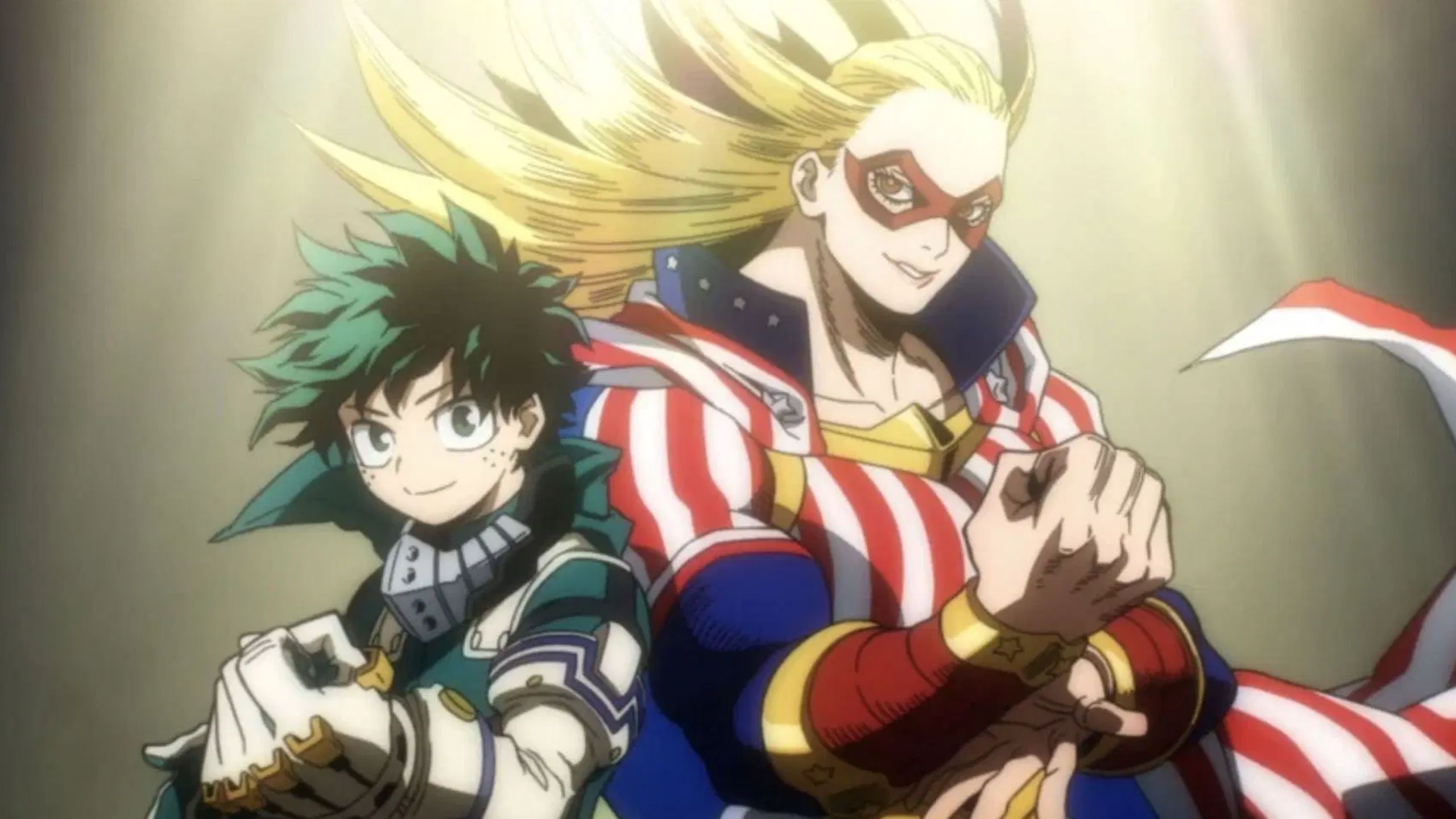
Star and Stripe demonstrated her tactical brilliance and mastery of New Order during the fight. She created rules to immobilize Shigaraki and attacked with unparalleled force.
Her strategy was a testament to her intelligence and experience as a hero. However, despite her best efforts, it became clear that Shigaraki’s power was on a completely different level.
Deku And Star and Stripe In My Hero Academia (BONES)
As the battle progressed, Star and Stripe realized that conventional tactics would not be enough to stop Shigaraki. In a moment of selflessness, she made the ultimate decision to sacrifice herself.
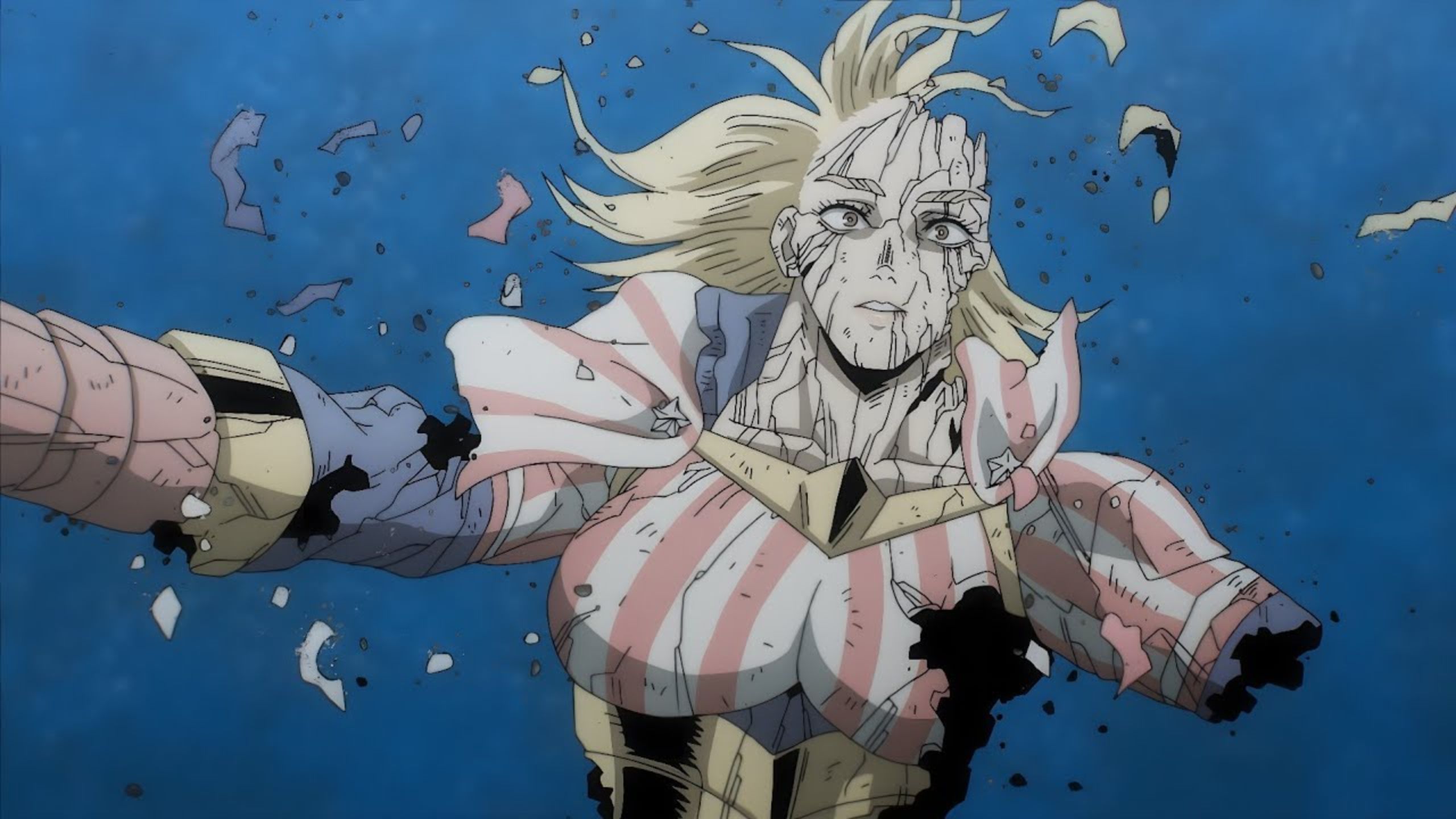
Using New Order, she targeted Shigaraki’s quirks, attempting to destroy as many of them as possible. This act of heroism was meant to weaken him and buy the heroes valuable time to prepare for the final battle.
The Ambiguity of Her Sacrifice
While Star and Stripe’s sacrifice was undeniably heroic, the narrative surrounding its impact was frustratingly vague.
The series never clarified how many quirks were destroyed or which specific abilities were affected. This lack of clarity left fans questioning the effectiveness of her actions.
In theory, her sacrifice should have dealt a significant blow to Shigaraki. His vast collection of quirks, acquired through All For One, was a key component of his power.
Destroying even a portion of these abilities could have shifted the balance of power in favor of the heroes. However, the story failed to capitalize on this potential.
The ambiguity surrounding the outcome of her attack diluted its significance, leaving fans unsatisfied with the resolution.
Adding to the confusion was the role of Erasure, the quirk used by Eraser Head, which was already limiting Shigaraki’s abilities during the battle.
Star and Stripe In My Hero Academia (BONES)
This overlap made it difficult to gauge the true impact of Star and Stripe’s actions. Was her sacrifice redundant? Did it truly make a difference?
The lack of answers to these questions further undermined the weight of her sacrifice.
Shigaraki’s Resilience
One of the central challenges in portraying Shigaraki as the ultimate antagonist was maintaining the balance between his overwhelming power and the heroes’ ability to challenge him.
Unfortunately, the narrative leaned heavily toward making Shigaraki almost invincible, which diminished the stakes of Star and Stripe’s actions.
Even without his quirks, Shigaraki’s physical strength and durability made him a formidable opponent.
His ability to adapt to any situation and his sheer willpower allowed him to dominate the battlefield, regardless of the circumstances.
Shortly after Star and Stripe’s sacrifice, Shigaraki regained Hyper Regeneration, one of his most critical abilities.
This rapid recovery nullified the temporary advantage her actions had provided, reinforcing his status as an unstoppable force.
The fact that he could bounce back so quickly from such a significant attack made her sacrifice feel inconsequential.
Lack of Emotional Weight
One of the defining strengths of My Hero Academia is its ability to create emotional connections between the audience and its characters.
Shigaraki Vs Star and Stripe In My Hero Academia (BONES)
Throughout the series, sacrifices like those of Sir Nighteye and Twice carried emotional weight because they were rooted in well-developed character arcs and relationships.
Unfortunately, Star and Stripe did not receive the same treatment.
Her introduction came late in the story, giving the audience little time to connect with her character.
While her bravery and selflessness were evident, she lacked the depth and complexity that would have made her sacrifice more impactful.
As a result, her death felt more like a plot device than a meaningful moment. The emotional resonance that fans had come to expect from My Hero Academia was missing, leaving her sacrifice feeling hollow.
Narrative Oversights
The handling of Star and Stripe’s sacrifice highlighted a broader issue with the pacing and focus of the final arc.
Her death, which should have been a pivotal moment, was overshadowed by other events and quickly forgotten.
The story moved on without fully exploring the aftermath of her actions or the emotional impact of her sacrifice.
Her death did not inspire a significant shift in the heroes’ strategy or alter the course of the conflict in a meaningful way.
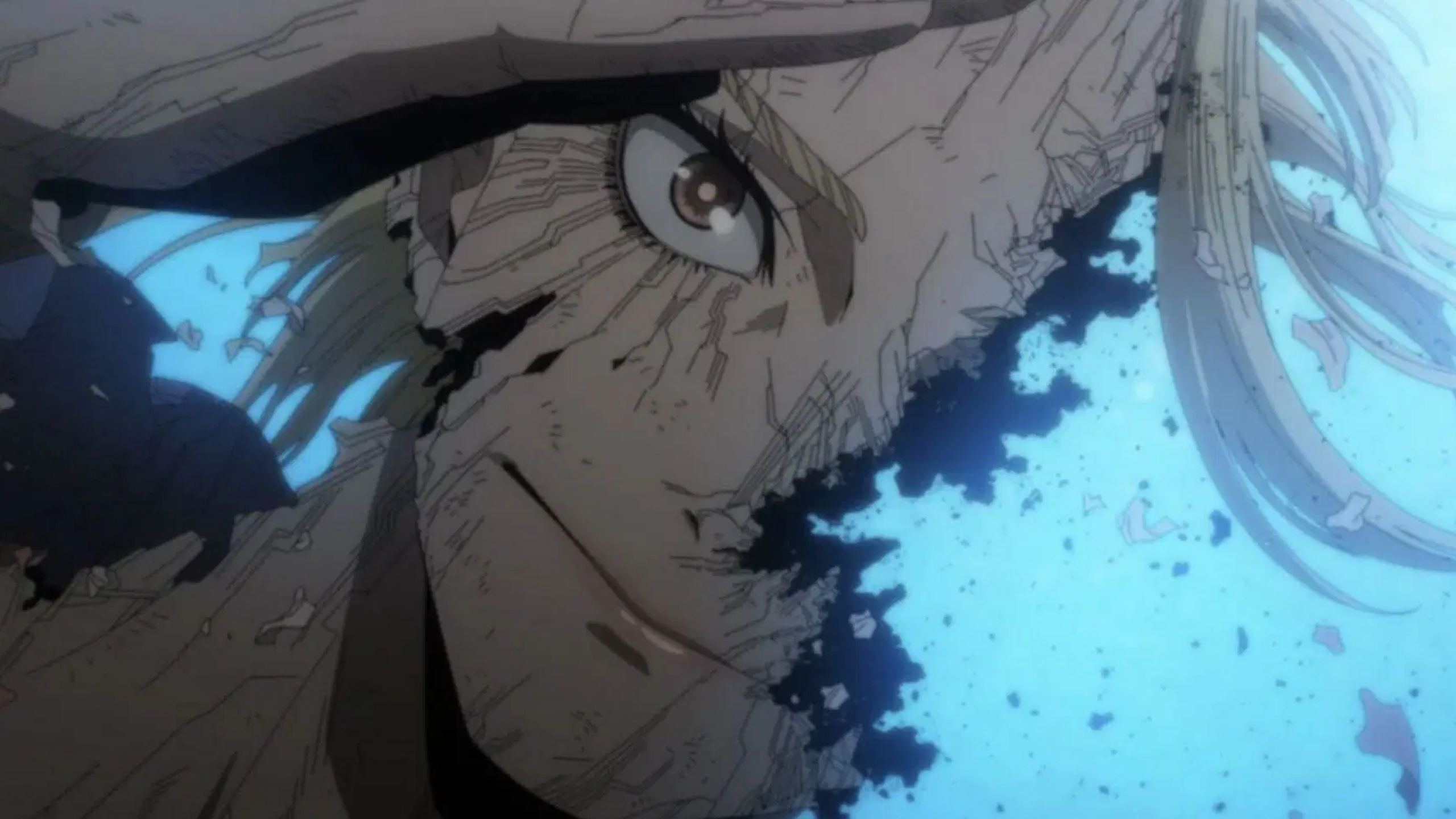
Star and Stripe Final Fight In My Hero Academia (BONES)
Instead, it felt like a temporary plot device, introduced to create a moment of tension but ultimately failing to shape the outcome of the story.
This lack of follow-through was a missed opportunity to honor Star and Stripe’s legacy. Her actions could have been used to highlight the resilience and determination of the heroes, showing how her sacrifice inspired them to fight harder and smarter.
It could have been a turning point that gave the heroes a glimmer of hope in their darkest hour.
Missed Potential
Star and Stripe’s sacrifice had the potential to be one of the most memorable moments in My Hero Academia.
Her actions could have been a game-changer, shifting the balance of power and providing the heroes with a fighting chance.
By providing more clarity about the impact of her sacrifice, the narrative could have emphasized the significance of her actions.
Destroying specific quirks or crippling Shigaraki in a tangible way would have made her efforts feel more meaningful.
Additionally, giving her character more development and screen time before her death would have allowed fans to connect with her on a deeper level.
Exploring her backstory, motivations, and relationships could have added layers to her character and made her sacrifice even more poignant.
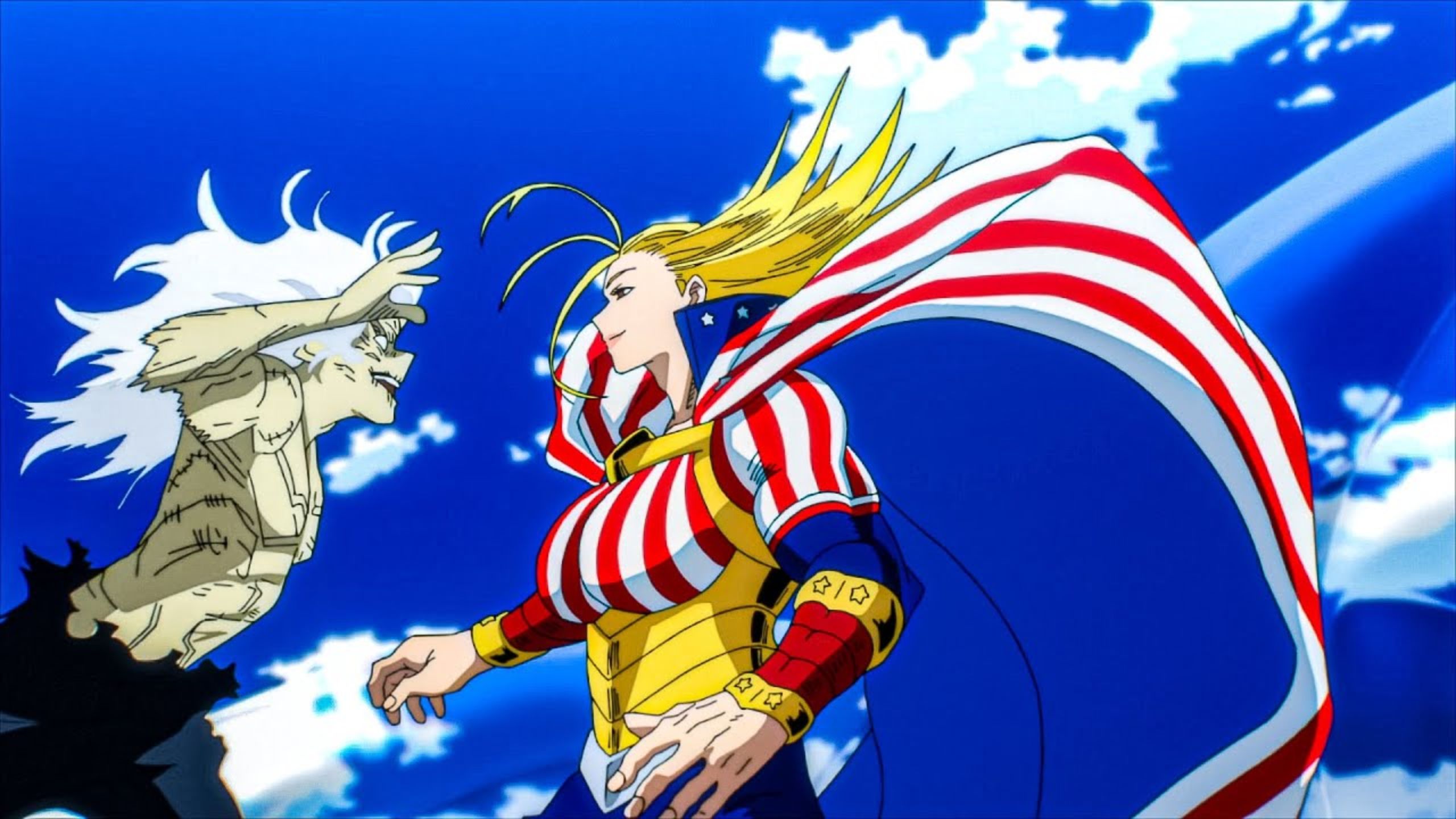
Shigaraki Tries To Steal Star and Stripe’s NEW ORDER In My Hero Academia (BONES)
The final arc of My Hero Academia was a rollercoaster of emotions, filled with intense battles, high-stakes drama, and moments of heroism.
However, not every story beat landed as intended. Star and Stripe’s sacrifice, which was meant to be a defining moment, ultimately felt inconsequential due to poor narrative execution and a lack of focus on its aftermath.
Her bravery and selflessness were admirable, but the ambiguity surrounding the consequences of her actions and the narrative’s failure to explore her sacrifice in-depth left fans questioning her role in the story.
What could have been a powerful and emotional moment became one of the most disappointing aspects of the series’ ending.
Star and Stripe’s story serves as a reminder of the importance of narrative follow-through and character development.
Her actions had the potential to change the course of the story, but the lack of clarity and focus ultimately undermined her impact, leaving fans with an unfulfilled sense of what might have been.
