One of the most attracting the aspects of My Hero Academia is its ability to go through deep emotional themes through its characters, particularly through their transformations and personal growth.
The journey of Gentle Criminal and La Brava is a testament to Kohei Horikoshi’s talent as a storyteller, showcasing the power of redemption, societal influence, and the nuanced nature of heroism.
Their character arcs, though initially seen as minor, serve as a poignant illustration of how even those who have walked a darker path can find the light.
Gentle and La Brava’s narrative, full of heartbreak and second chances, captures the essence of the series’ recurring themes, delivering an important message about the influence of love, loyalty, and the desire for acceptance.
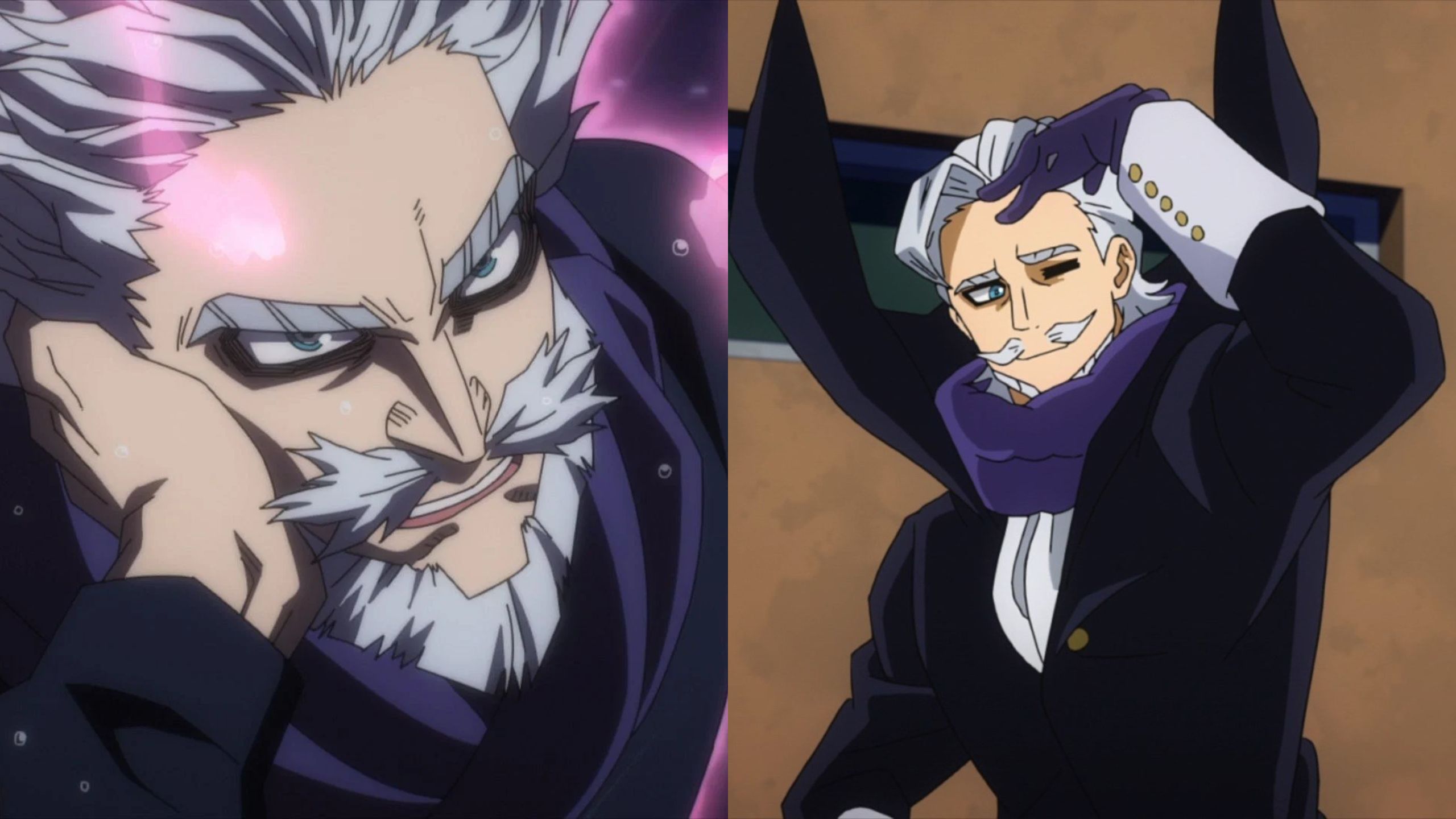
Gentle From My Hero Academia (Bones)
This exploration is essential in My Hero Academia, where the line between heroism and villainy is not always clear-cut.
Horikoshi excels at presenting complex characters who are often shaped by the circumstances of their upbringing or the harsh realities of societal rejection.
The overarching theme in Gentle and La Brava’s journey that even those labeled as villains have the potential for change and redemption adds a layer of depth to the series, emphasizing that the choices we make, and the people we meet, can have a profound impact on our paths in life.
Gentle and La Brava’s Evolution from Villains to Heroes
When Gentle Criminal, whose real name is Danjuro Tobita, and his partner La Brava, or Manami Aiba, are first introduced in My Hero Academia, they are initially seen as minor antagonists.
However, their story goes far beyond their criminal activities. They are not driven by malice or a desire for destruction; instead, they are motivated by something far more human loneliness, rejection, and the yearning for recognition.
They don’t seek to cause harm for the sake of chaos, but rather out of a deep-seated need to be acknowledged by a world that has consistently turned its back on them.
Danjuro’s backstory is a tragic one. He once aspired to be a hero, much like many others in the series. He had dreams of saving people and making a positive impact on society.
was absolutely not expecting a gentle criminal and la brava comeback but what a beautiful way to bring them back and have them redeem themselves pic.twitter.com/SsuG2Bp2Xz — nelsy (@nobarevy) September 7, 2024
However, after several failed attempts at heroism, which ended disastrously, his aspirations were crushed. One of his rescue attempts even resulted in an innocent person being hurt, further isolating him from society.
As a result, Danjuro was expelled from hero school, and with that, his dreams were shattered.
His expulsion didn’t just mark the end of his formal training; it marked the beginning of his descent into isolation and obscurity.
Without any support system or second chance, he was pushed to the fringes of society, forgotten and ignored by the very people he once wanted to protect.
This social rejection, combined with his failures, led Danjuro to abandon his dreams of being a hero. He didn’t turn to a life of crime because he wanted to hurt others.
Instead, it was a means of gaining the attention and recognition he so desperately craved.
For him, villainy was not a malicious pursuit but rather an act of rebellion against a society that had cast him aside. It was a way of saying, “Look at me, I exist, I matter.”
La Brava’s story is no less tragic. As a child, Manami Aiba was labeled as an outsider. She struggled with feelings of unreciprocated love and was ostracized by those around her for her hacking abilities.
Her life was marked by loneliness, and like Gentle, she sought connection and a sense of purpose. When she met Danjuro, she found someone who, like her, had been cast aside by society.
In him, she found a kindred spirit, and their bond became unbreakable. La Brava’s unwavering loyalty to Gentle stemmed not from a shared desire for chaos, but from the love and sense of belonging he gave her.
He provided her with a purpose when she had none, and in return, she became his most ardent supporter.
Together, Gentle and La Brava formed an unusual yet deeply sympathetic pair of villains.
They were not power-hungry or driven by greed; they were simply two broken individuals trying to carve out a place for themselves in a world that had discarded them.
Their crimes, often flamboyant and attention-seeking, were more about making a statement than causing real harm. In many ways, they were misunderstood rather than truly evil.
The Turning Point: Gentle’s Confrontation with Deku
One of the most pivotal moments in Gentle and La Brava’s story comes during Gentle’s confrontation with Deku, the protagonist of My Hero Academia.
Gentle From My Hero Academia (Bones)
This battle is not just a physical confrontation; it is a clash of ideologies. Deku, who has always believed in the inherent goodness of people and the potential for redemption, forces Gentle to confront the flaws in his philosophy.
For so long, Gentle had convinced himself that his actions, though criminal, were justified by the pain and rejection he had experienced.
But in facing Deku, he is forced to acknowledge the impact of his actions—not just on himself, but on La Brava and the people around him.
This moment of self-reflection is critical for Gentle’s character. It is in this battle that he begins to understand that seeking attention through villainy is not the way to fill the void left by his failures as a hero.
Deku, through his unwavering determination and belief in second chances, acts as a mirror for Gentle, showing him what he could have been and, more importantly, what he still has the potential to become.
The fight with Deku is more than just a battle of strength; it is a test of Gentle’s resolve. As the fight progresses, it becomes clear that Gentle’s motivations are not rooted in hatred.
Instead, they stem from a deep sense of insecurity and a desire to be seen. He doesn’t want to hurt anyone; he just wants to be acknowledged.
Deku, recognizing this, offers him something far more valuable than victory—he offers him the chance at redemption.
This confrontation marks the beginning of Gentle’s transformation. Rather than continuing down a darker path, he chooses to surrender.
He realizes that his actions have consequences, not just for himself, but for La Brava, who has devoted her life to supporting him.
Gentle’s decision to stop fighting and protect La Brava is a powerful moment of growth.
It shows that, despite his mistakes, he is capable of change. He chooses to face the consequences of his actions rather than continuing to run from them.
Power of Redemption: Gentle and La Brava’s Role in the Final War
Gentle and La Brava’s journey doesn’t end with their confrontation with Deku. In the Final War arc, they return, not as villains, but as allies to the heroes.
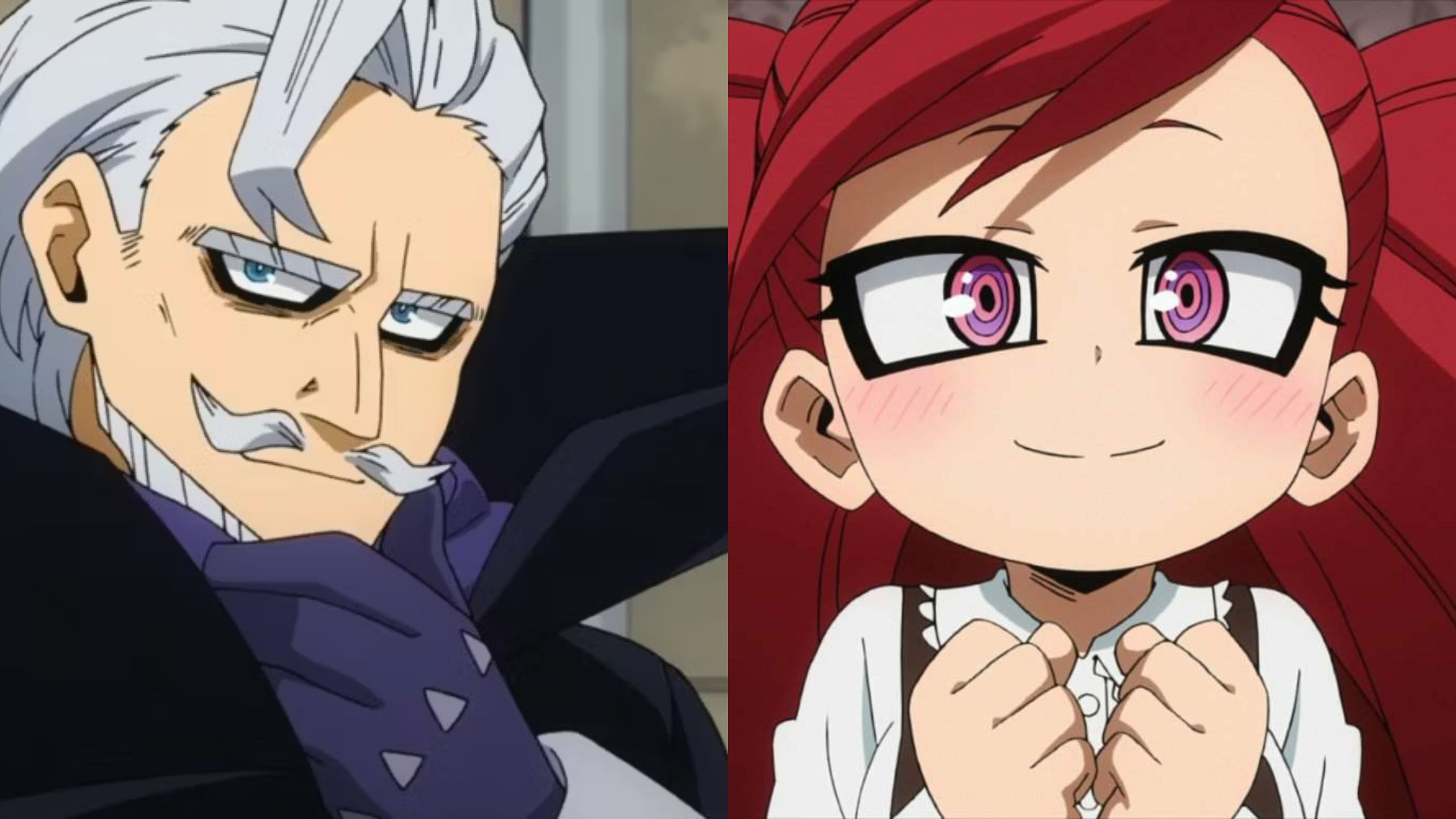
Gentle And La Brava From My Hero Academia (Bones)
This return is a testament to the power of redemption and the belief that people can change. Gentle, who once sought attention through crime, now uses his abilities to protect others.
La Brava, who once used her hacking skills for criminal activities, now uses her talents to aid the heroes in their fight against the villains.
Their willingness to risk their lives for the greater good is a powerful demonstration of how far they have come.
Gentle, in particular, shows immense growth by choosing to stand alongside the heroes, despite the fact that society had once cast him aside.
His actions during the Final War prove that he is no longer seeking attention for selfish reasons; instead, he is fighting to protect those who cannot protect themselves.
This shift in motivation is what makes his redemption so compelling.
La Brava’s role in the Final War is equally important. Her hacking skills, which were once used to support Gentle’s criminal activities, are now a vital asset to the heroes.
Her loyalty to Gentle remains unwavering, but her motivations have evolved. She no longer supports him out of a blind sense of devotion; instead, she believes in the greater good that they are fighting for.
Together, Gentle and La Brava prove that even those who have walked a darker path can find their way back to the light.
A Reflection on Love, Loyalty, and Second Chances
At the heart of Gentle and La Brava’s story is the theme of love and loyalty. Their bond, though unconventional, is one of the most genuine relationships in My Hero Academia .
La Brava’s love for Gentle is what drives her to follow him, even when his actions are misguided.
Gentle, in turn, values La Brava’s loyalty and cares deeply for her well-being. It is this love that ultimately leads them to redemption.
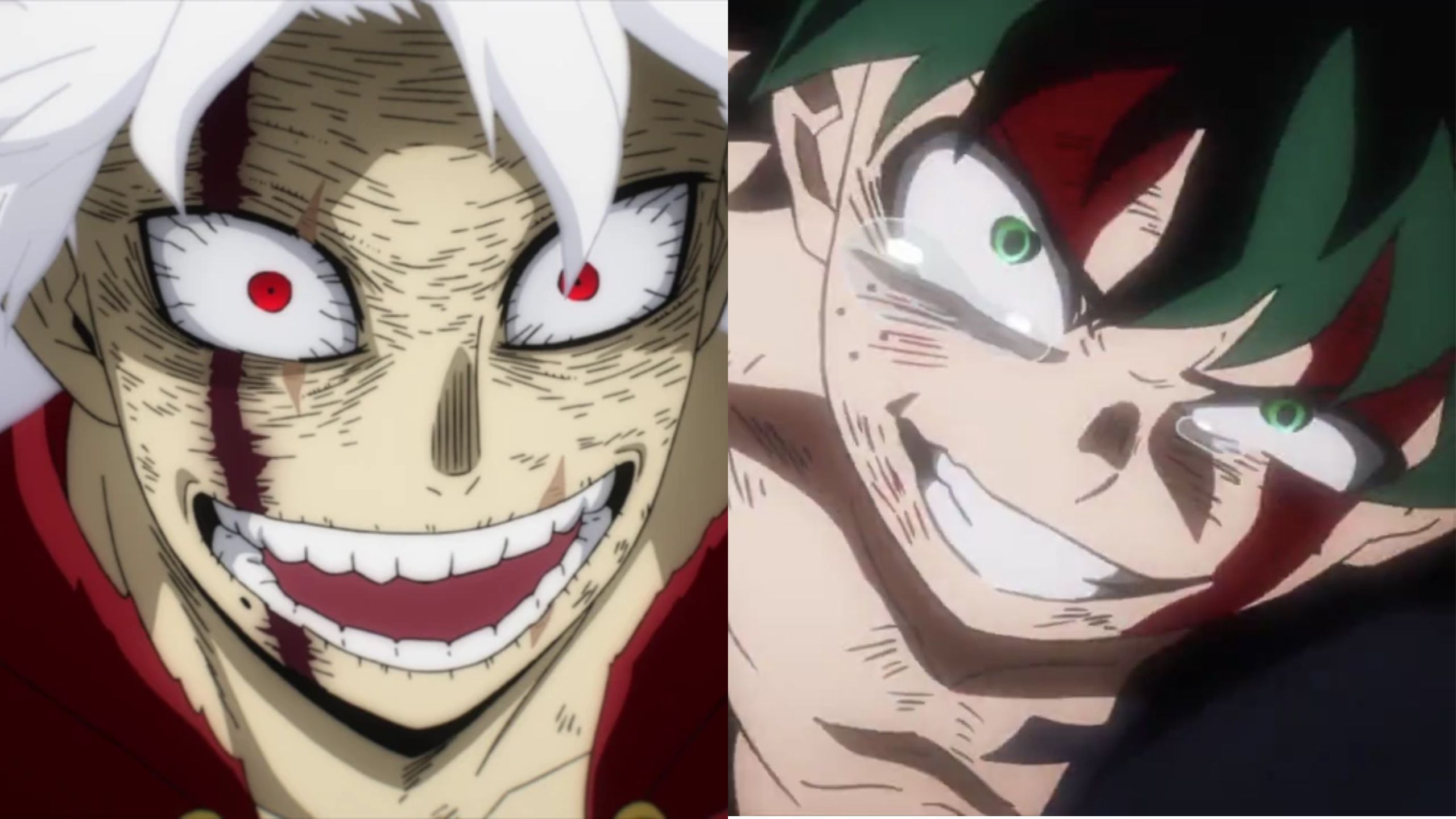
Shigaraki And Midoriya Izuku Final Battle (Twitter)
Their story serves as a reminder that everyone deserves a second chance. Society may have cast them aside, but through their connection to each other and their willingness to change, they are able to find a new path.
Horikoshi uses their relationship to look through the idea that love, in all its forms, has the power to heal and transform.
It is La Brava’s love that gives Gentle the strength to change, and it is Gentle’s care for La Brava that pushes him to protect her, even at the cost of his own freedom.
Shigaraki’s Tragic Descent into Villainy
While Gentle and La Brava’s story is one of redemption, Tomura Shigaraki’s narrative in My Hero Academia offers a stark contrast.
Shigaraki, born Tenko Shimura, is a tragic figure whose descent into villainy is marked by a series of traumatic events and manipulation by All For One, his adoptive father.
Shigaraki’s story highlights a different side of the series’ themes one that explores the devastating consequences of neglect, trauma, and societal failure.
Shigaraki’s childhood was filled with suffering. His quirk, which causes anything he touches to disintegrate, manifested uncontrollably, leading to the accidental death of his family. This tragic event, combined
with the neglect he experienced, pushed him further into despair. All For One, recognizing the potential in Shigaraki’s quirk, took him under his wing and molded him into the ultimate weapon against society.
Unlike Gentle and La Brava, who find redemption through their bond and understanding, Shigaraki’s path is one of destruction and manipulation.
His resentment towards society grows as he becomes more entrenched in All For One’s influence.
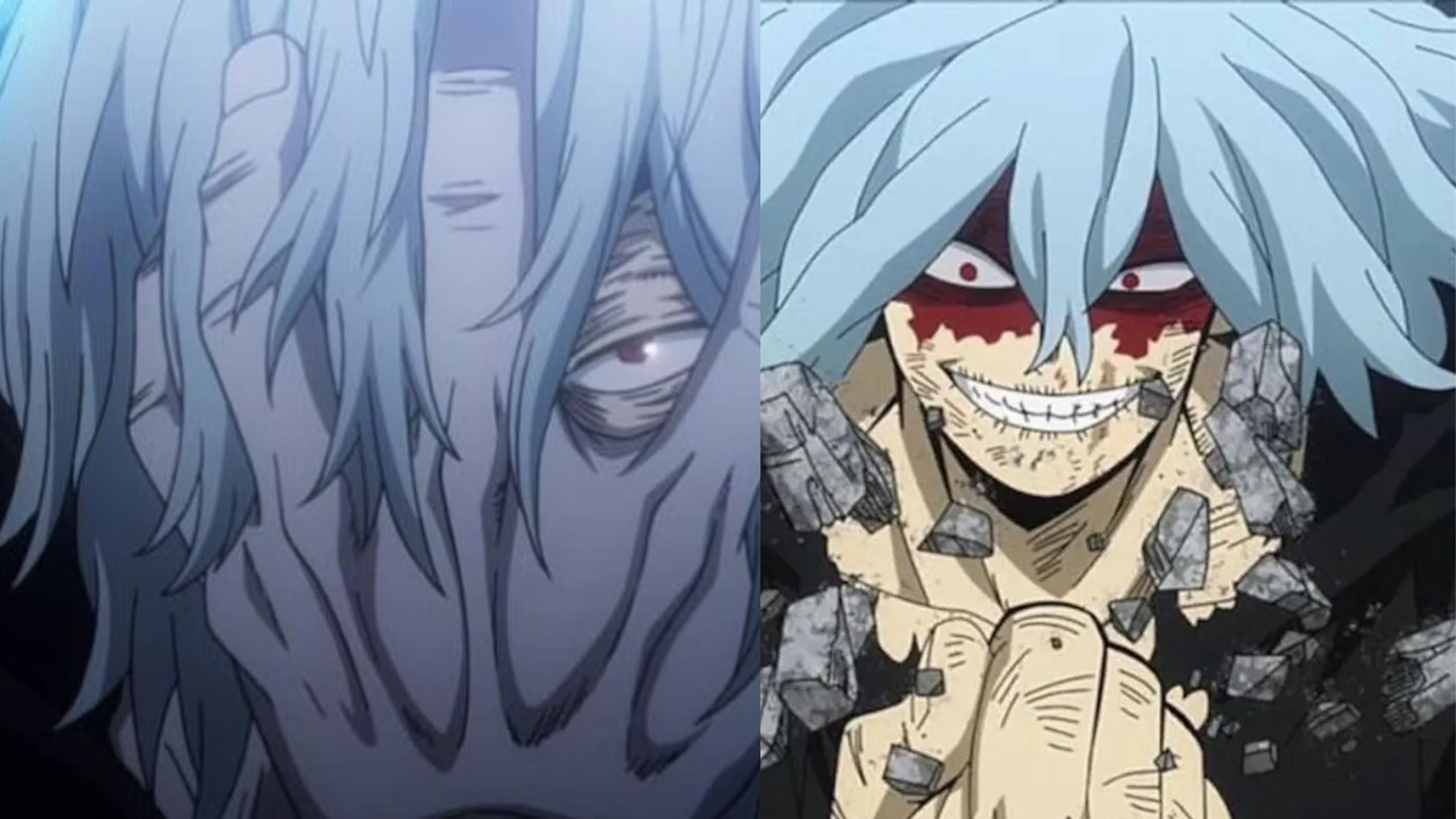
Tomura Shigaraki (Crunchyroll)
Shigaraki’s tragic fate serves as a sobering reminder of what can happen when society fails to protect its most vulnerable members.
Despite his villainous actions, Shigaraki’s story is not without moments of humanity. There are some scenes of the boy he once was, the child who longed for love and acceptance.
However, by the time he realizes the extent of All For One’s manipulation, it is too late for him to escape his fate.
Shigaraki’s eventual death in the series serves as a tragic ending to a life marked by suffering and loss. His change of heart, though genuine, comes too late to save him.
Society’s Role in Shaping Heroes and Villains
Horikoshi’s exploration of society’s role in shaping both heroes and villains is a recurring theme in My Hero Academia.
Gentle and La Brava’s story, alongside Shigaraki’s tragic descent, serves as a reflection on the power society holds in determining an individual’s path.
While Gentle and La Brava are able to find redemption through love and connection, Shigaraki’s fate is sealed by neglect and manipulation.
Congratulations to my hero academia for being the only anime to have Shigaraki in it pic.twitter.com/ds7uoBttCi — daily shigaraki (@dailytenko) November 4, 2022
Through these narratives, Horikoshi emphasizes the importance of understanding and compassion.
The series suggests that heroism is not just about physical strength or the ability to defeat villains, but also about the capacity for empathy and the willingness to give others a second chance.
Gentle and La Brava’s redemption arc is a testament to this idea, while Shigaraki’s tragic fate serves as a cautionary tale about the consequences of neglecting those in need.
The Central Themes of Redemption and Change in My Hero Academia
At its core, My Hero Academia is a series that explores the complexities of heroism, villainy, and the capacity for change.
Gentle and La Brava’s transformation from misunderstood criminals to independent heroes reflects the series’ central theme that everyone, regardless of their past, has the potential for redemption.
Their story, filled with love, loyalty, and second chances, stands as a powerful reminder that society’s judgment is not always final.
In contrast, Shigaraki’s tragic descent into villainy serves as a stark reminder of the consequences of neglect and the darker side of heroism.
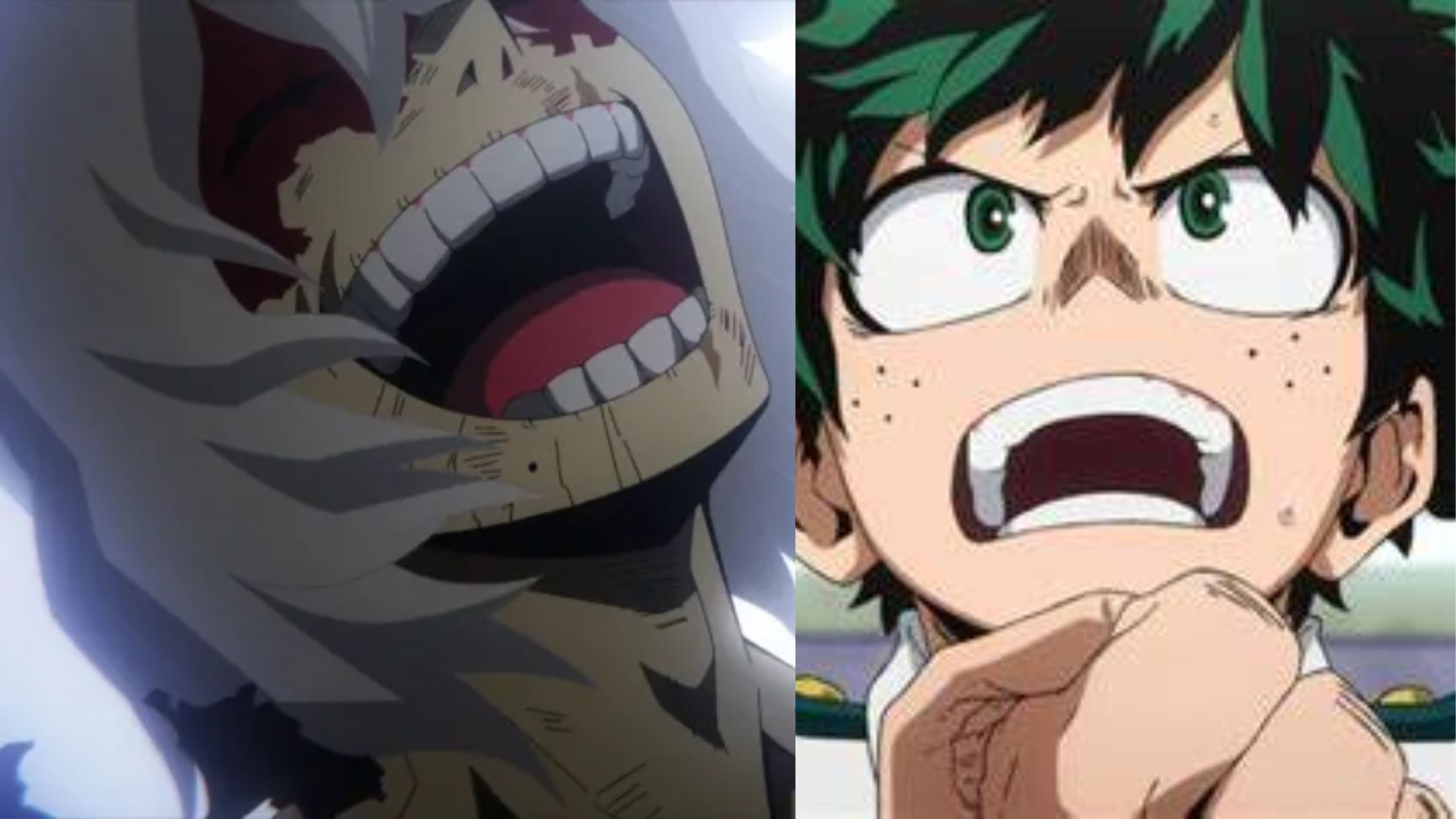
Shigaraki And Deku (Crunchyroll)
His story, though filled with moments of humanity, ultimately ends in tragedy, underscoring the need for empathy and understanding.
Together, these narratives offer a nuanced exploration of the themes that define My Hero Academia.
Horikoshi’s portrayal of Gentle, La Brava, and Shigaraki serves as a reflection on the power of love, loyalty, and the broad capacity for change.
Through their stories, the series reaffirms its message that heroism is not just about defeating villains but about understanding the struggles of others and offering them a chance at redemption.
Bartolomeo was introduced in One Piece as a rude and aggressive character, notorious for mistreating anyone he came across.
However, beneath this menacing exterior, he was hiding an intense admiration for Monkey D. Luffy and the rest of the Straw Hats.
In a surprising turn of events, One Piece chapter 1126 showcases a significant moment where Bartolomeo, who idolizes Luffy to the point of near-worship, crosses paths with none other than “Red Hair” Shanks, the very man who inspired Luffy to become a pirate in the first place.
This seemingly inevitable encounter was rooted in a long-standing tension that had been brewing for some time.
Years before the present events in the series, Bartolomeo witnessed an incredible event Luffy’s miraculous escape from death at Logue Town.
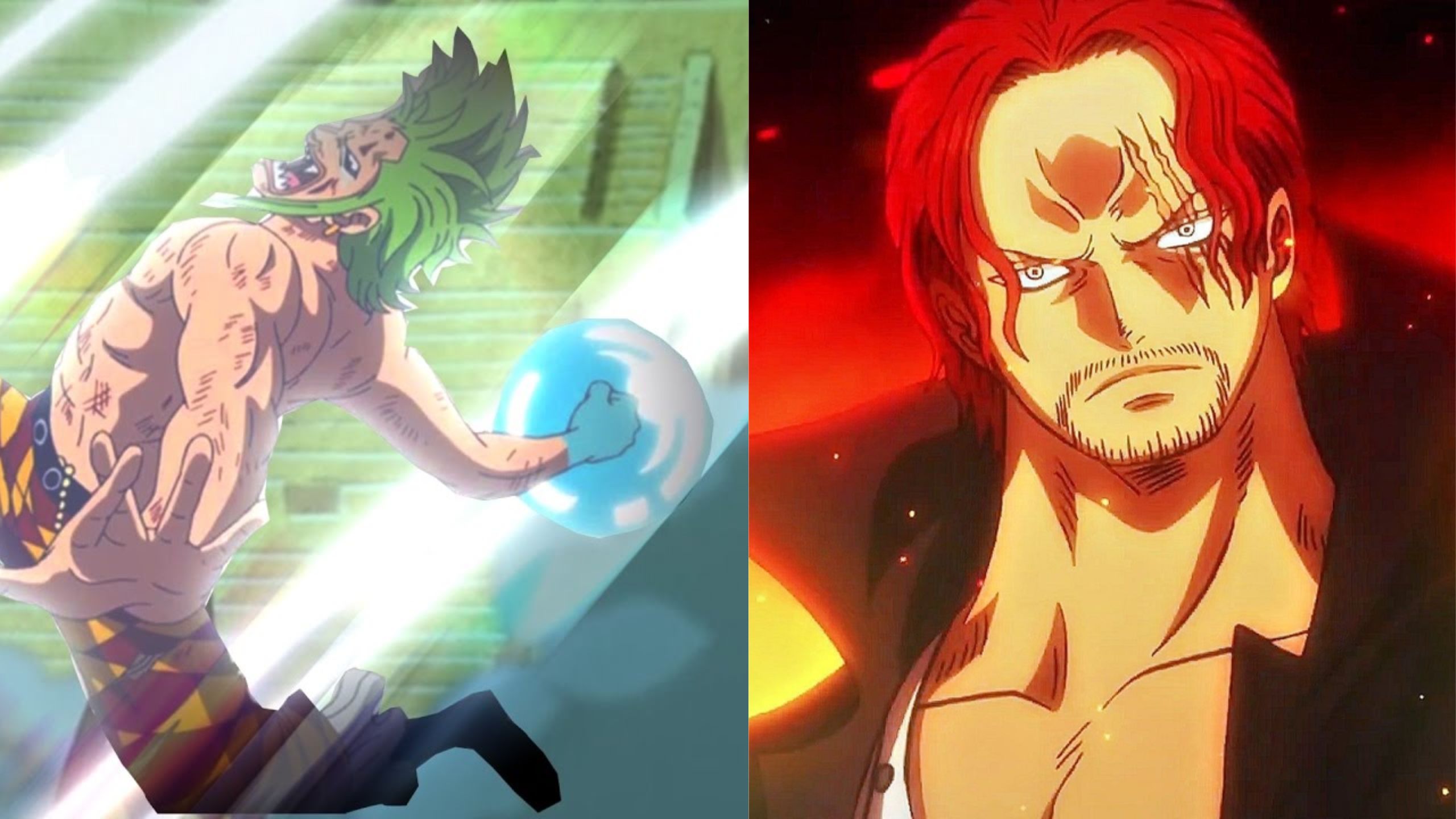
Bartolomeo And Shanks From One Piece (Toei Animation)
This moment left a lasting impression on Bartolomeo, who from that point on became a devoted fan of Luffy and the Straw Hat Pirates.
Inspired by their ideals and strength, he decided to follow in Luffy’s footsteps and become a pirate in his own right.
Eventually, during the Dressrosa Arc, Bartolomeo had the chance to meet Luffy and his comrades, swearing an oath of loyalty to them and becoming a member of the Straw Hat Grand Fleet.
Bartolomeo and his crew find themselves facing the overwhelming might of the Red Hair Pirates, who easily subdue them.
While this outcome may not have been entirely surprising given the disparity in strength between the two crews, the confrontation itself had been subtly hinted at for a long time within the manga.
In fact, a past cover story had already foreshadowed this clash when Bartolomeo openly disrespected Shanks’ Jolly Roger, an insult that could not be overlooked.
The Highly Anticipated Showdown Between Bartolomeo and Shanks
In One Piece chapter 1126, fans are finally treated to the much-anticipated showdown between Bartolomeo and Shanks.
The chapter transitions from the events at Egghead where a major incident caused by Dr. Vegapunk’s death has just concluded to various other locations in Eiichiro Oda’s vast world.
While the official release is still pending, early leaks of the chapter have provided fans with a glance into the unfolding events.
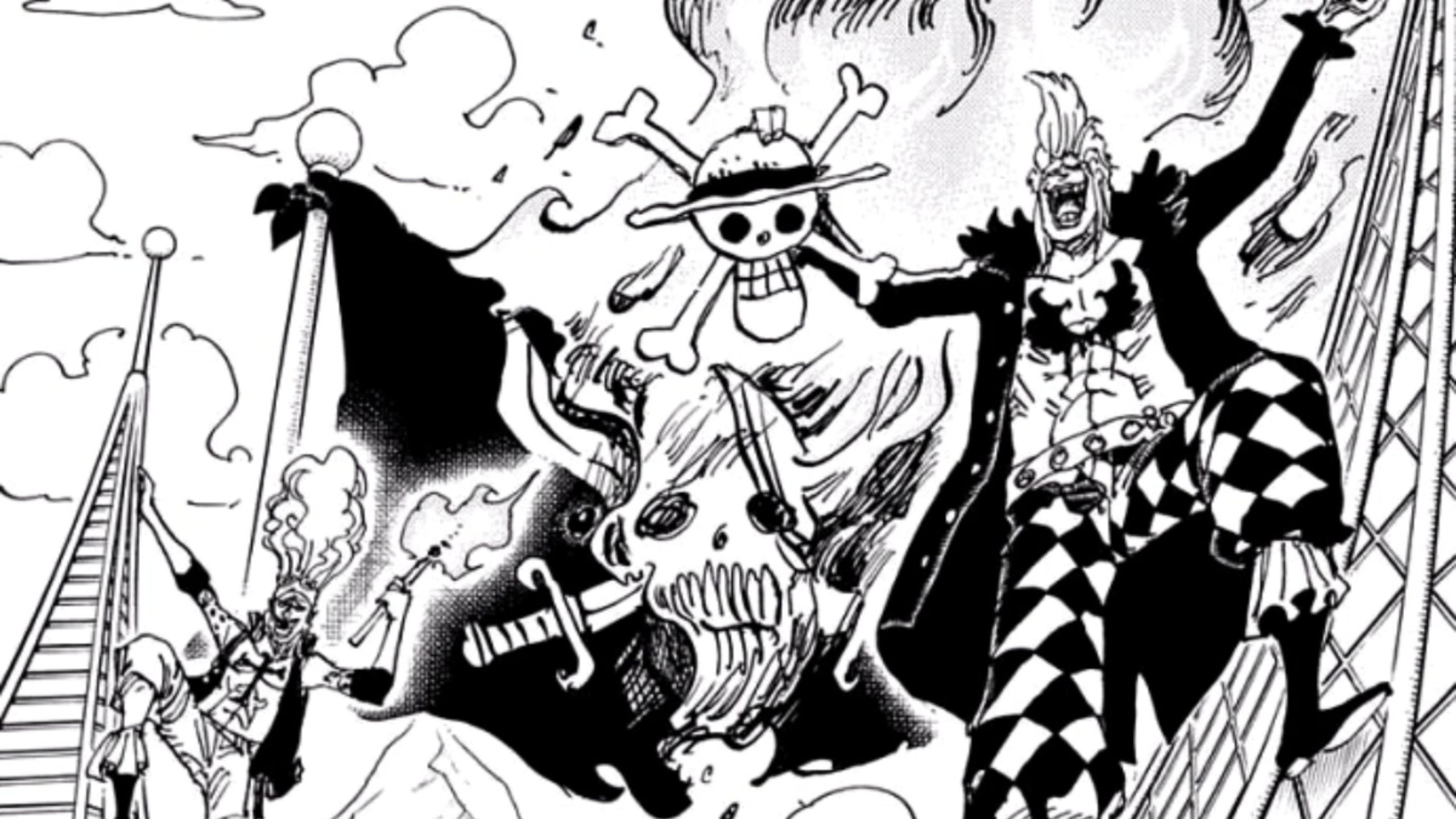
Bartolomeo Buning The Shanks Flag From One Piece (Toei Animation)
Based on these, it becomes clear that the chapter’s title, “Payback,” aptly reflects the content within.
The chapter reveals that the Red Hair Pirates, led by Shanks, have delivered a crushing defeat to Bartolomeo and his Barto Club.
Bartolomeo and his men, despite their courage and loyalty to Luffy, were utterly powerless when faced with Shanks, Benn Beckman, and the rest of the Red Hair Pirates.
The battle was a one-sided affair, with Bartolomeo and his crew subdued in short order. However, what happens next is where the true intrigue lies.
After defeating Bartolomeo, Shanks offers him a choice. He gives Bartolomeo a vial of poison and tells him that he has one month to use it to kill Luffy.
This unexpected ultimatum immediately raises questions about Shanks’ intentions and how much he knows about Bartolomeo’s connection to Luffy.
Although the new chapter do not explicitly state this, it’s reasonable to assume that Shanks is already well aware of Bartolomeo’s loyalty to Luffy.
Whether Shanks knew this beforehand or simply deduced it from the obvious tribute to Luffy displayed on the bow of the Barto Club’s ship, the Going Luffy-senpai, is uncertain.
Regardless, Bartolomeo’s reaction to Shanks’ proposal was immediate and definitive. Without hesitation, Bartolomeo grabbed the poison and drank it himself, rather than even consider harming Luffy.
This act of loyalty came as no surprise to Shanks, who had already anticipated this outcome.
In fact, the poison that Shanks offered was merely a ruse a fake meant to test Bartolomeo’s devotion to Luffy. Shanks had no real intention of harming Luffy or forcing Bartolomeo to do so.
His goal was simply to gauge how far Bartolomeo’s loyalty truly extended, and Bartolomeo passed the test with flying colors.
Following this dramatic reveal, Bartolomeo and his men assumed that Shanks would let them go, believing they had earned his forgiveness.
Confident in their release, they set sail once again aboard the Going Luffy-senpai. However, Shanks had other plans.
After Kuma tested the Straw Hats’ loyalty to Luffy, now Shanks is testing Bartolomeo’s loyalty. A huge loyalty feat by Bartolomeo, possibly nothing less than the iconic ‘Nothing Happened’ incident." #Anime #spoilers #ONEPIECE #ONEPIECE1126 pic.twitter.com/0pCUxI8ySv — மங்கி-டி-டிராகன் (@Dragonrev007) September 10, 2024
As Bartolomeo’s ship began to sail away, Shanks ordered one of his most trusted officers, the sniper Yasopp, to fire at the ship. Yasopp’s shot hit the Going Luffy-senpai directly, causing it to explode.
Bartolomeo’s Disrespect Toward Shanks Comes at a Cost
Bartolomeo’s actions in the past finally caught up with him in One Piece chapter 1126.
His unwavering loyalty to Luffy, while admirable, had led him down a dangerous path that put him at odds with one of the most powerful pirate crews in the one piece world.
Bartolomeo’s intense respect for the Straw Hats was so extreme that, when in their presence, he would become tongue-tied and emotional, often bursting into tears of joy.
As a member of the Straw Hat Grand Fleet, he swore to come to Luffy’s aid whenever necessary, putting his life on the line for his beloved captain without a second thought.
By choosing to drink the poison himself, Bartolomeo demonstrated a level of loyalty to Luffy that rivaled that of Luffy’s own crew members.
In this sense, Bartolomeo’s devotion was on par with that of the likes of Zoro, Sanji, and the others. Given this, it’s not unreasonable to consider Bartolomeo as someone who could easily fit into the Straw Hat crew.
However, Bartolomeo’s loyalty to Luffy also led him to make a grave mistake. Before the events of One Piece chapter 1126, Bartolomeo committed an offense that could not be ignored by Shanks and his crew.
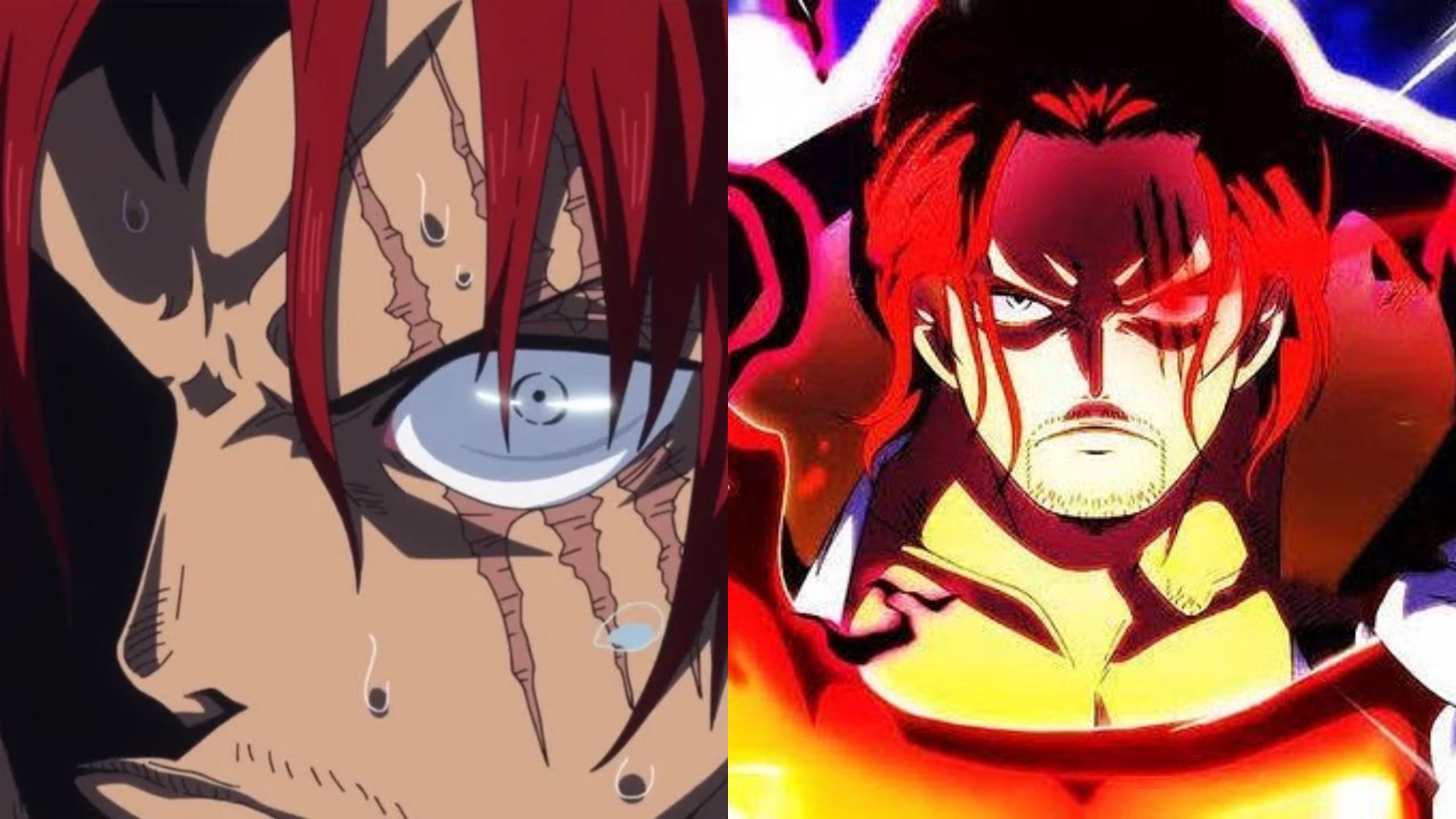
Red-haired Shanks (Toei Animations)
This mistake set the stage for the conflict between Bartolomeo’s group and the Red Hair Pirates, a conflict that had its roots in an earlier incident that served as a prelude to the current battle.
In One Piece chapter 1126, Shanks and his crew are simply returning the favor to Bartolomeo for a disrespectful act that took place some time ago.
The incident in question occurred during the cover story titled The Stories of the Self-Proclaimed Straw Hat Grand Fleet.
In this tale, Bartolomeo and his men arrive on an island after defeating a local gang. They then begin selling Straw Hat Pirate-themed merchandise to the island’s inhabitants.
Unfortunately for Bartolomeo, the island he chose to sell his souvenirs on was under the protection of none other than the Red Hair Pirates.
Ignoring the potential consequences of his actions, Bartolomeo went even further and burned Shanks’ flag, the Jolly Roger, in a blatant display of disrespect.
This act of defiance was shown on the cover of One Piece chapter 875 and set in motion the events that would eventually lead to Bartolomeo’s downfall.
Sometime after the incident, Shanks was informed of Bartolomeo’s actions, and it’s clear from what transpires in One Piece chapter 1126 that Shanks was not pleased.
Upon arriving in Wano after the ending of the Onigashima Raid, Shanks explicitly stated to his crew that they could not meet Luffy until they dealt with the Bartolomeo situation first.
For Shanks, this was not simply a matter of personal pride, but of reputation.
As one of the Four Emperors, Shanks commanded a powerful pirate crew, and his status as a Yonko was built on both strength and reputation.
Allowing Bartolomeo’s actions to go unpunished would have sent the wrong message to other pirates, potentially leading them to challenge Shanks’ authority and encroach on his territory.
Shanks’ Dilemma: The Balance Between Diplomacy and Reputation
Shanks, by nature, is a playful and laid-back individual. He loves to party, enjoys drinking, and generally prefers to resolve conflicts through diplomacy rather than violence.
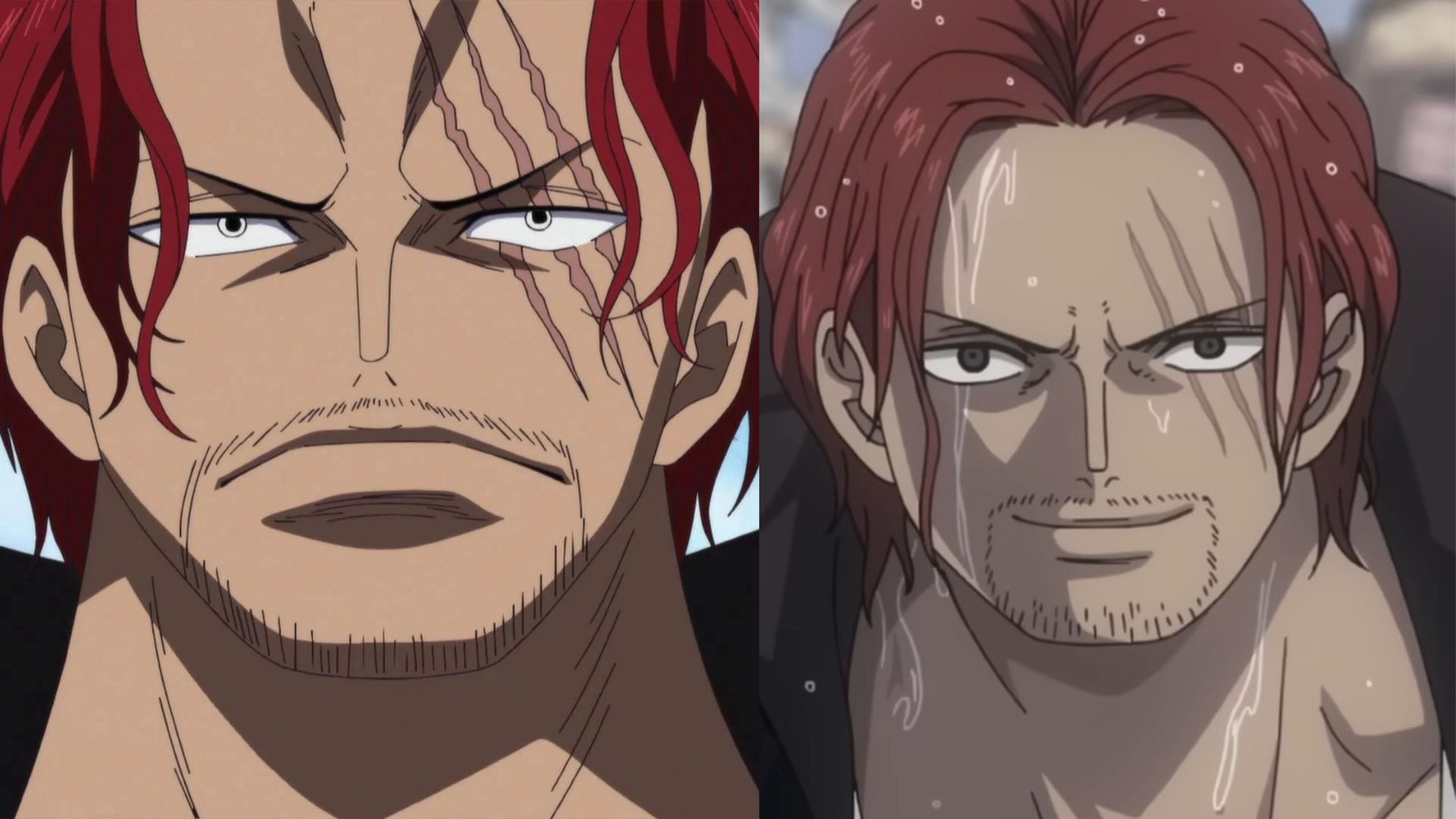
Shanks (Toei Animations)
He’s a man of peace, someone who avoids unnecessary bloodshed and values friendships and alliances over brute force.
Given this aspect of Shanks’ personality, many fans assumed that he would not take drastic action against Bartolomeo.
They believed that, at most, Shanks would scold Bartolomeo for his actions, perhaps even beat him up a little as a lesson, before ultimately revealing his close connection to Luffy.
Some even imagined that the conflict would end with Shanks and Bartolomeo drinking together and celebrating Luffy’s achievements.
However, Shanks is not only a jovial, fun-loving man he’s also a pirate, and one of the most powerful at that.
As a Yonko, he must uphold his crew’s reputation and demonstrate strength when necessary.
Burning a Jolly Roger is one of the greatest insults in the pirates world, as the flag represents the very identity of the crew. It’s a symbol of their unity, their power, and their legacy.
The Themes of Loyalty and Sacrifice
The unfolding events in One Piece also illustrate the profound themes of loyalty and sacrifice.
Bartolomeo’s unwavering admiration for Luffy stems from the latter’s ideals of freedom, adventure, and camaraderie, qualities that Bartolomeo deeply resonates with.
His journey to become a pirate is not merely a quest for personal glory, but a sincere effort to uphold and protect the values that Luffy embodies.
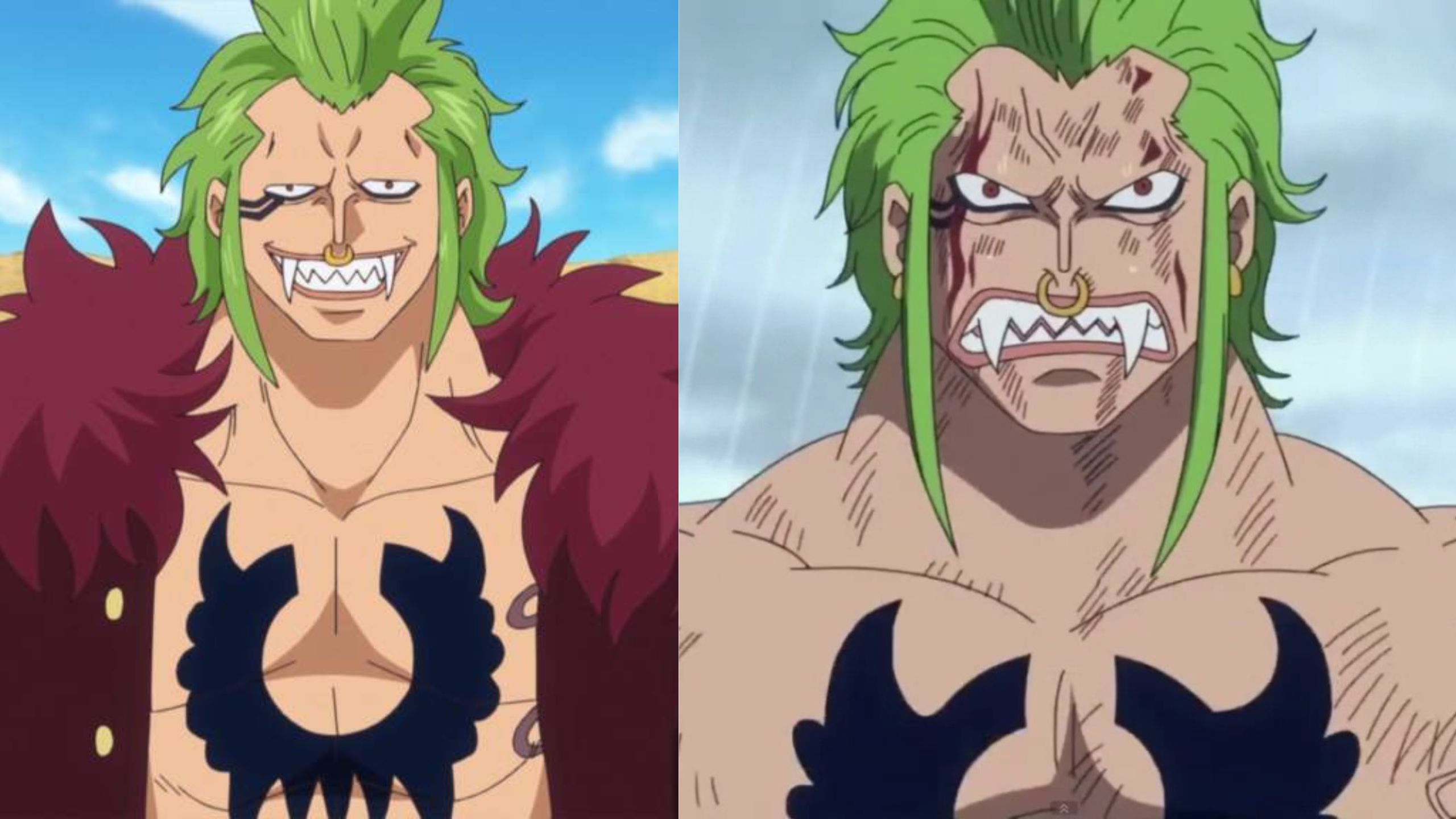
Bartolomeo From One Piece (Toei Animation)
This notion of loyalty, however, comes at a significant cost. Bartolomeo’s earlier actions of disrespecting Shanks’ Jolly Roger were a result of his overzealousness in supporting Luffy.
In his desire to promote Luffy’s image, he failed to recognize the potential repercussions of undermining another powerful pirate crew.
The world of piracy is rife with dangerous encounters and fierce rivalries; every action has consequences, and Bartolomeo’s encounter with Shanks is a testament to this reality.
Bartolomeo’s Emotional Journey
As fans reflect on Bartolomeo’s character arc, it’s essential to consider his emotional journey throughout the series.
Initially introduced as a brash and overconfident pirate, Bartolomeo undergoes significant growth as he grapples with the challenges that arise from his decisions.
The confrontation with Shanks serves as a pivotal moment in his development, forcing him to confront the reality of his actions and the gravity of loyalty to a captain.
When Bartolomeo drinks the poison that Shanks offers, it symbolizes his willingness to sacrifice himself for Luffy’s sake.
This act of defiance against Shanks is not merely reckless; it reflects a deep-seated conviction that he is prepared to face the consequences of his choices, regardless of the outcome.
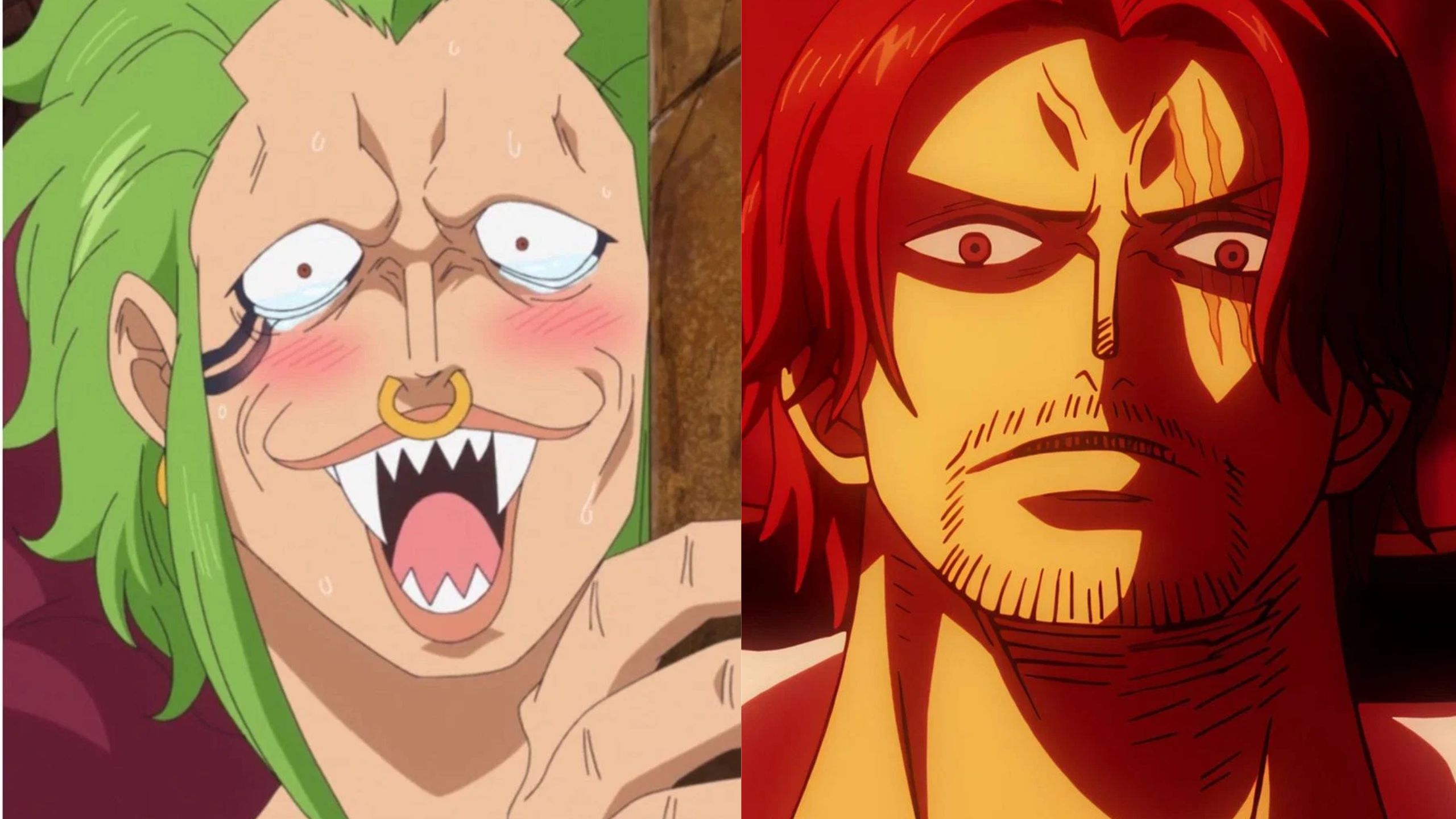
Bartolomeo And Shanks From One Piece (Toei Animation)
Such bravery speaks volumes about his character and loyalty, reinforcing the idea that true strength lies in standing by one’s convictions, even in the face of overwhelming odds.
Shanks: A Complex Character
On the other side of the confrontation is Shanks, a character who embodies complexity and depth.
As a Yonko, Shanks is renowned for his immense strength, but his personality transcends mere power. He represents a balance of fun, ambition, and responsibility.
While he relishes in the camaraderie and joy of pirate life, he is also acutely aware of the weight of his title and the implications of his actions.
Shanks’ decision to offer Bartolomeo the vial of poison is emblematic of his character’s dual nature.
It demonstrates his understanding of the pirate code and the need for loyalty within the world they inhabit.
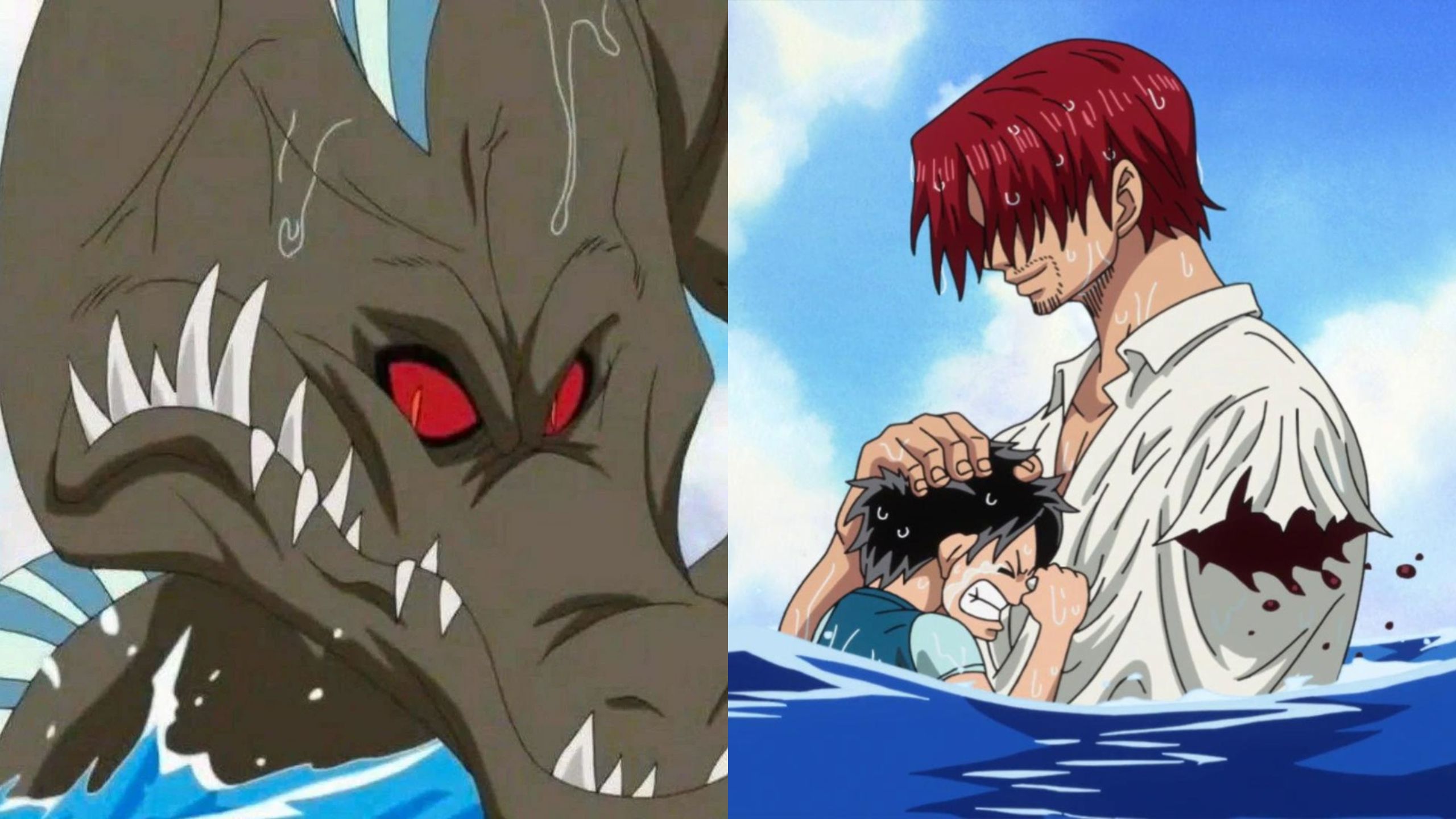
Shanks Losing His Arm For Luffy (Toei Animations)
However, it also showcases his willingness to extend a hand to those who show genuine devotion, despite their past transgressions.
By testing Bartolomeo’s loyalty in this manner, Shanks is not merely seeking revenge but rather striving to impart a lesson about the importance of loyalty and respect among pirates.
Bartolomeo’s Future as a Straw Hat Grand Fleet Member
As Bartolomeo’s story progresses, the impact of this encounter on his future within the Straw Hat Grand Fleet becomes an intriguing consideration.
While he may currently be at odds with the Red Hair Pirates, this experience could serve to strengthen his resolve and commitment to Luffy’s cause.
Bartolomeo’s intense admiration for Luffy is a driving force behind his actions, and the lessons he learns from this confrontation could shape him into a more formidable ally.
In the context of the Straw Hat Grand Fleet, Bartolomeo’s journey is emblematic of the challenges faced by many members who aspire to support Luffy.
Each character within this ensemble faces trials that test their loyalty and commitment.
Bartolomeo’s past mistakes serve as a cautionary tale, underscoring the importance of not letting admiration blind one’s judgment.
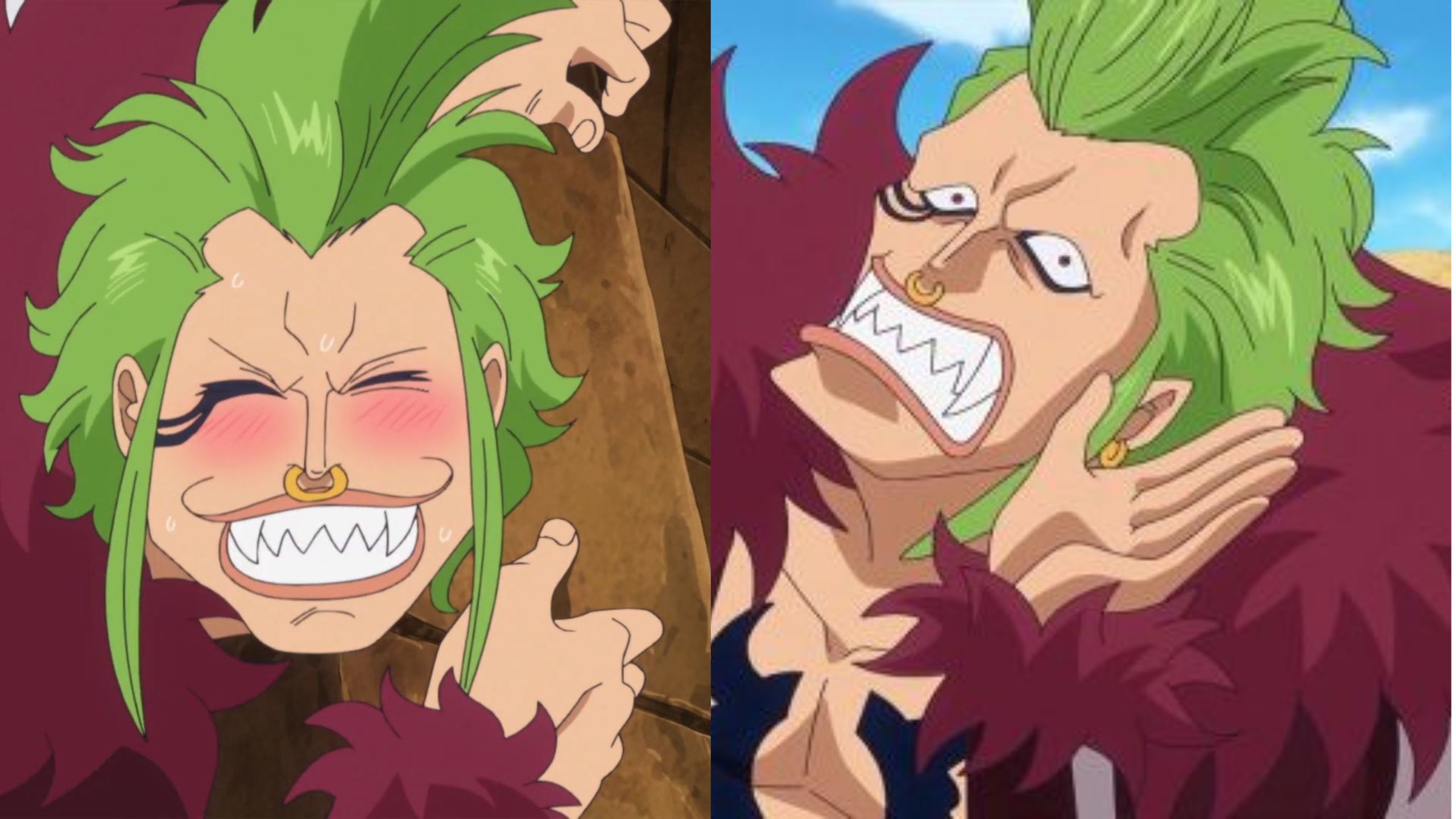
Bartolomeo From One Piece (Toei Animation)
As he steers across the turbulent waters of piracy, Bartolomeo will undoubtedly face further challenges, each contributing to his growth as both a pirate and a friend.
The Impact on Luffy and the Straw Hats
The implications of Bartolomeo’s encounter with Shanks extend beyond just his personal growth; they also resonate with the core themes of friendship and unity within the Straw Hat crew.
Luffy’s influence on those around him is profound, and the admiration he inspires in characters like Bartolomeo speaks to the power of camaraderie in the piracy world.
Luffy’s ideals are infectious, drawing people from various backgrounds into his orbit and fostering a sense of belonging and purpose.
This encounter with Shanks also poses questions about the potential future interactions between the Straw Hats and the Red Hair Pirates.
With Shanks displaying a willingness to engage with those who show loyalty, there lies a possibility for alliances or mutual respect between the two crews.
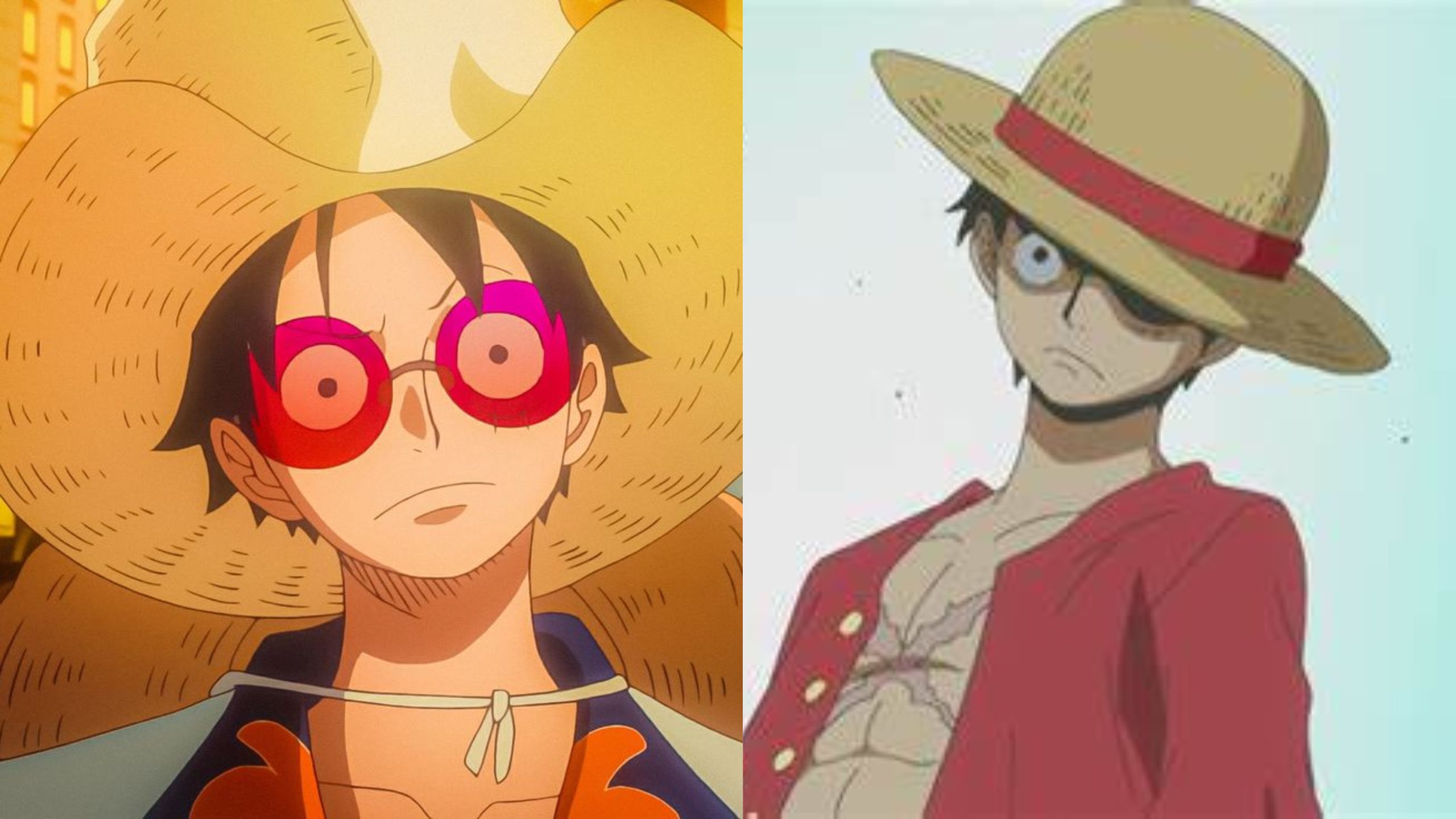
Luffy (Twitter)
The dynamic between Luffy and Shanks has always been marked by admiration and rivalry, and as the story unfolds, the characters may find themselves at a crossroads where their paths intertwine once more.
The Broader Context of the One Piece World
In the broader context of the One Piece world, Bartolomeo’s actions and the ensuing conflict with Shanks summarizes the ongoing struggles within the pirate community.
The ever-evolving world of alliances, rivalries, and power dynamics defines the world of piracy that Eiichiro Oda has crafted.
Each character, from the most powerful Yonko to the lowliest pirate, is shaped by their relationships and the decisions they make in pursuit of their dreams.
As new generations of pirates rise, each seeks to carve out their legacy while grappling with the ghosts of the past.
Bartolomeo’s journey exemplifies this struggle, illustrating that even the most passionate supporters of a cause must steer the complexities of loyalty, respect, and the consequences of their actions.
Anticipating Future Developments
As fans eagerly anticipate future chapters, the question remains: what will become of Bartolomeo after this encounter with Shanks?
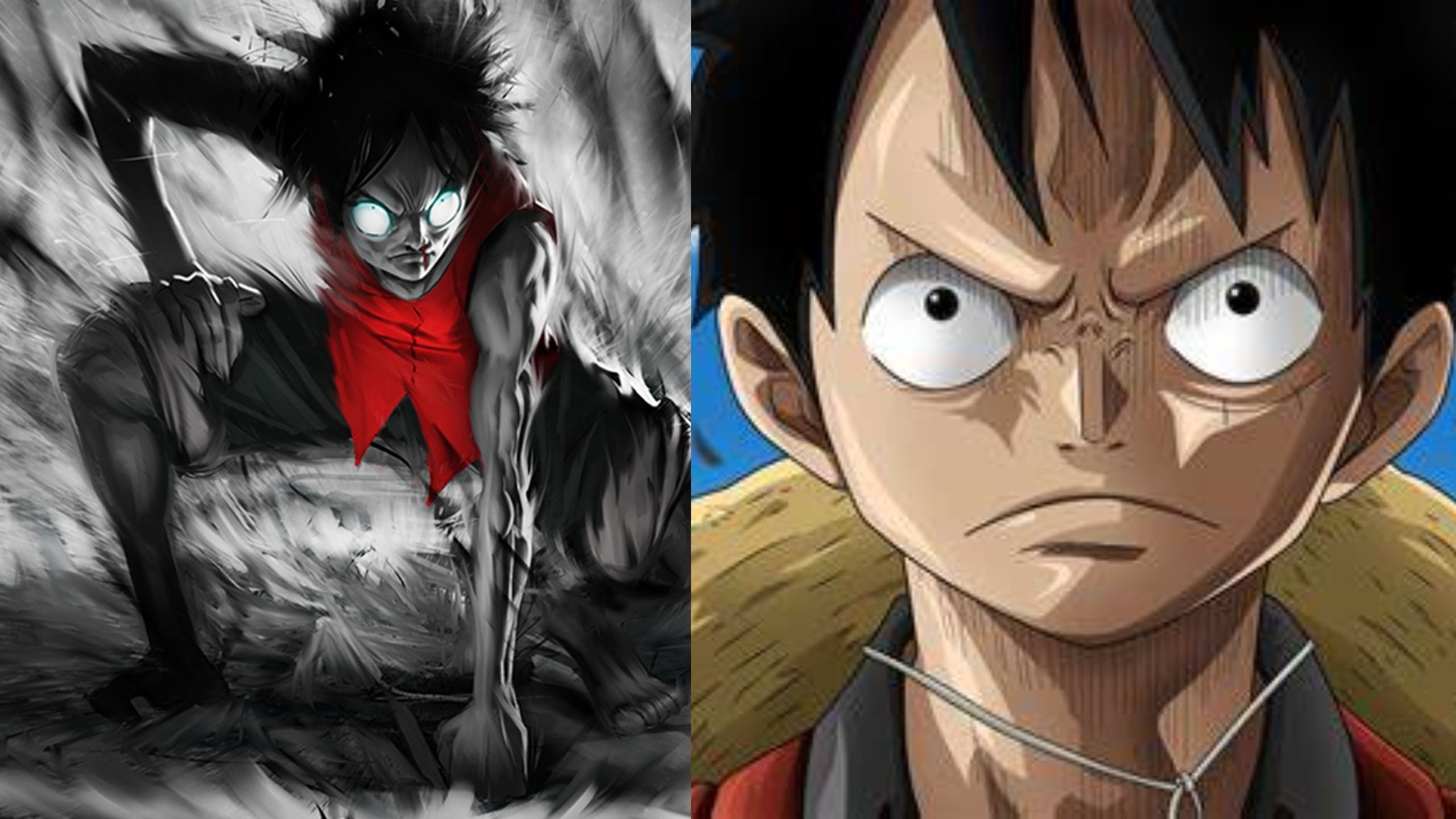
Monkey D.Luffy From One Piece (Twitter)
Will he emerge from this experience stronger and more resolute in his loyalty to Luffy, or will the weight of the conflict weigh heavily on him?
The developments in One Piece have always been driven by character growth, and this latest arc promises to deliver even more insights into Bartolomeo’s character.
The dynamic between the Straw Hat Grand Fleet and the Red Hair Pirates adds an exciting layer to the ongoing narrative.
As the story progresses, readers will be treated to the exploration of new alliances, rivalries, and the overarching theme of friendship that defines the series.
The Unfolding Adventure
The clash between Bartolomeo and Shanks serves as a crucial chapter in the ever-expanding world of One Piece.
It summarizes the themes of loyalty, respect, and the intricate relationships that bind the characters together.
As the narrative unfolds, readers are left with the promise of more thrilling adventures and emotional growth as Bartolomeo helm the challenges that lie ahead.
In the drapery of One Piece, every character’s journey contributes to the rich narrative, making each confrontation and alliance significant.
As Bartolomeo learns valuable lessons from his encounter with Shanks, the stage is set for even greater challenges and triumphs in the unpredictable world of pirates.
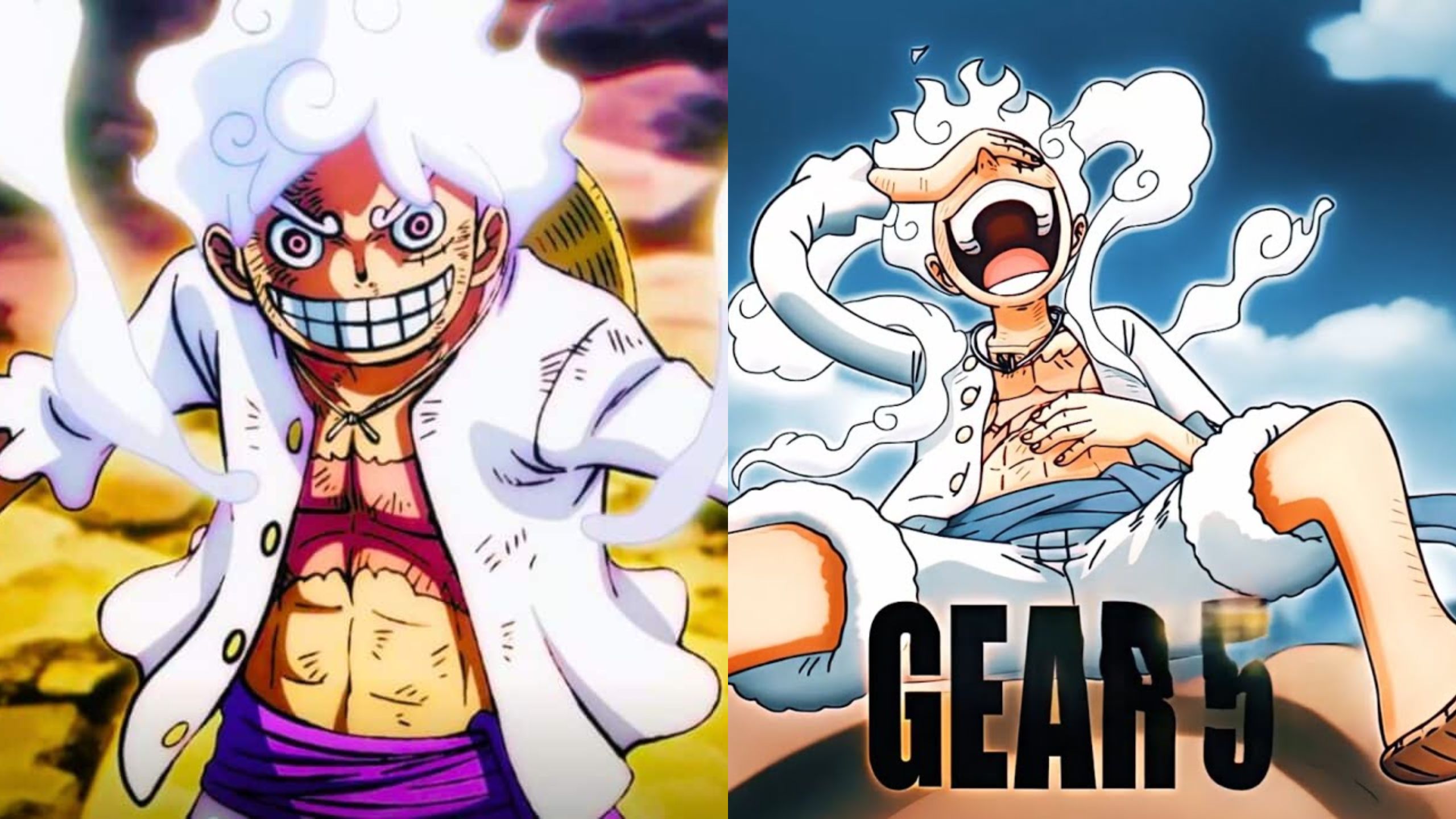
Monkey D.Luffy From One Piece Using Gear 5 (Twitter)
The adventure continues, and the bonds forged through loyalty and sacrifice will undoubtedly shape the destiny of Luffy, Bartolomeo, and the entire Straw Hat crew.
With each chapter, the anticipation grows, leaving fans eagerly awaiting the next installment in the saga of One Piece. What new challenges will arise?
How will Bartolomeo evolve as a character? Only time will tell, but one thing is for certain: the journey is far from over, and the bonds of friendship will continue to shine brightly in the face of adversity.
