As the journey down the Witches’ Road comes to an end, Agatha All Along reveals its biggest twist yet. The series is filled with shocking deaths, betrayals, and a complex love affair with Death herself, played by Rio (Aubrey Plaza).
This two-part finale raised the stakes higher than ever before, offering many twists that outshine earlier plot developments. Yet, the most significant change comes from showing Agatha’s past, revealing depths to her character that audiences had not seen before.
Since her first appearance in WandaVision, Agatha has been painted as a manipulative and power-hungry witch. She is known for mercilessly killing other magic users to steal their abilities. However, in the finale, viewers discover that her quest for power was not as wicked as it seemed, revealing a more nuanced side to her actions.
Was Agatha Really 100% To Blame for All Those Witches’ Deaths?
Agatha Harkness has been labeled in many ways throughout her story. She has been called a serial killer, referred to as Dolly Parton’s Jolene, and even inspired the Wicked Witch of the West.
Although previous evidence confirmed Agatha’s instability and danger, there is more to her infamous actions, particularly her habit of stealing powers from other witches. From the finale of WandaVision to the tragic fate of Alice (Ali Ahn), Agatha has been seen as a source of endless despair. She is often labeled as a witch without a coven.
Throughout the earlier episodes of Agatha All Along, it was suggested that Agatha was traveling in hopes of reclaiming her famously stolen magic. However, the two-part finale revealed that the Witches’ Road did not exist until Billy Maximoff (Joe Locke) unknowingly created it.
It turns out that Agatha has been running a con for centuries to lure witches into attacking her with their magic so she could absorb it. While Agatha certainly plays a role in goading the witches she encounters, her powers only work if the witch attacks. In the finale, it becomes clear that witches have chosen to attack Agatha throughout the years.
The idea that Agatha is a merciless killer of innocent witches simply isn’t accurate. Her reputation has preceded her, and her power is well-known, which explains why her latest victims hesitate to attack her in the second episode.
Yes, she incited their anger, but the witches of the past who attacked her did so with the intent to kill Agatha after she mocked them. Agatha may have killed many witches, and while we cannot say they deserved to die, it is clear they were willing to kill her for laughing at them.
This raises questions about how much of this is Agatha’s fault and how much is due to her betting on the “feeble-minded” witches who fall for her tricks.
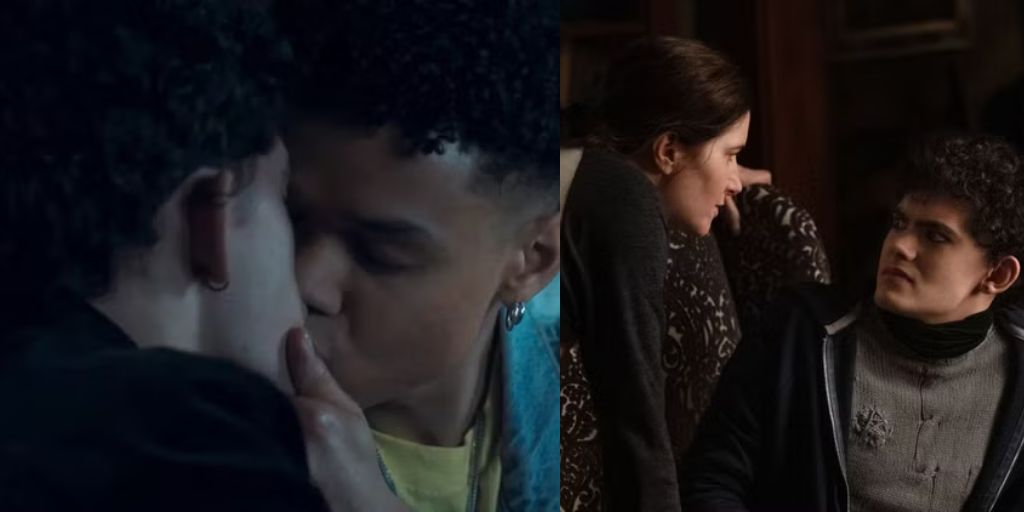
Still from Agatha All Along (Credit: Disney)
Just like her explanation to Billy when he worries that he killed William to use his body, Agatha’s actions reflect the nature of witches. They survive at any cost. For Agatha, her need to survive comes from a much deeper motivation than merely seeking immortality.
Agatha’s Survival Instincts Run Deeper Than We Knew
One of the reasons Agatha All Along succeeds so well is the complexity of its characters. Whether it was Lilia causing a significant event within the MCU or Billy’s secret identity, each character’s motivations lead to dramatic highs and significant lows. Agatha’s past is a prime example of this.
In Episode 9, titled “Maiden Mother Crone,” viewers learn about her life as a mother. This backstory helps explain why Agatha cared for Billy so much in both Agatha All Along and WandaVision. It also uncovers why Agatha has spent centuries killing witches. It wasn’t only about gaining power; it was also about protection and, ultimately, grief.
Agatha clearly did not have a happy childhood, as audiences saw glimpses of in WandaVision. Following her traumatic upbringing, Rio arrives to take her stillborn son, Nicholas (Abel Lysenko), just as Agatha is about to give birth. After pleading for more time, Rio allows Agatha to hold her son.
The two then go on the run, with Agatha killing witches along the way. While the connection between this and Nicholas remains unclear, the one time Agatha decides not to kill a coven, Nicholas begins coughing at night and dies in his sleep.
Agatha’s strong need to survive stems from her role as a mother, similar to her rival, Wanda (Elizabeth Olsen). This episode changes the audience’s view of Agatha. She is not merely a villain with a catchy theme song who kills Sparky; instead, she is a complex and sympathetic character who deserves a fresh perspective.
Agatha’s Ambition Stems From Grief
Following the death of Nicholas, Agatha continues to kill other witches, but in a more maniacal way than before. She runs the same con that she and Nicholas used, leading desperate witches to the Witches’ Road, which, as viewers know, has never truly existed.
However, this development offers a more nuanced narrative for Agatha, the infamous witch killer. Her actions are not purely for Nicholas’s sake; they are also a result of her grief. Just as Wanda hexed Westview, Agatha’s despair shows itself in a deeply tragic and dangerous manner. This provides a dynamic explanation for the legends surrounding her. She is neither a complete villain nor a hero.
The final moments of Agatha’s journey significantly alter her role within the MCU. After sacrificing herself for Billy and revealing her new ghostly form, she faces Billy, who wishes to banish her. Agatha refuses, fearing she may have to confront Nicholas again after everything she has done.
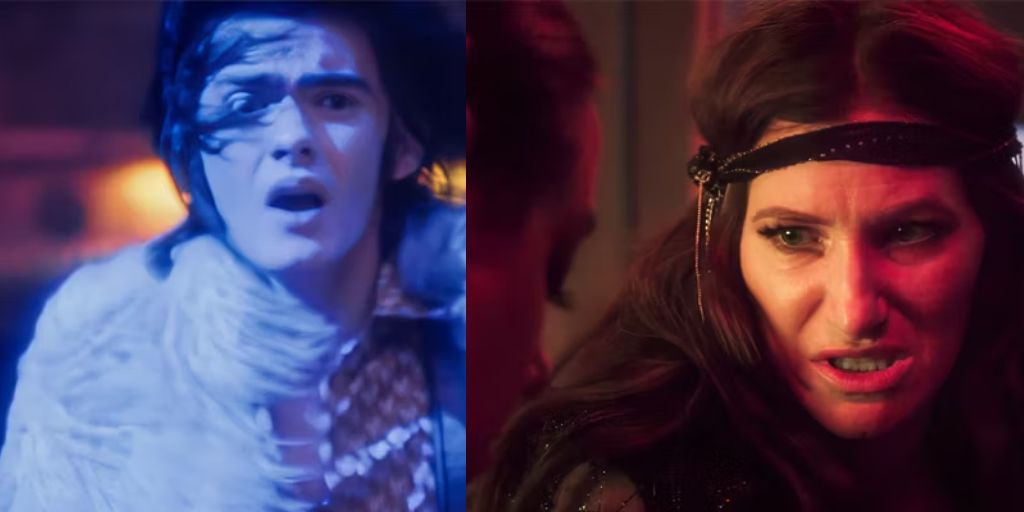
Still from Agatha All Along (Credit: Disney+)
Her grief set her on the path to power, but she continues on that path out of fear of disappointing her son in the afterlife. This character development has only made Agatha stronger. As she and Billy go on their next adventure, it becomes evident that Agatha has much more to offer.
A Deeper Look at Agatha’s Complex Relationships
Another significant aspect of Agatha’s character is her relationships with others. Throughout the series, she interacts with various characters, each affecting her journey in different ways. One of the most critical relationships is with Wanda Maximoff (Elizabeth Olsen).
Initially, Wanda sees Agatha as a threat and an enemy, but as the series progresses, the lines between friend and foe blur. Their relationship is complicated, marked by moments of genuine connection and deep betrayal.
Wanda and Agatha’s dynamic mirrors the duality of power and vulnerability. Wanda, a powerful witch in her own right, finds herself both threatened by and drawn to Agatha.
Agatha, in turn, recognizes Wanda’s strength but also sees an opportunity to manipulate her for her gain. This interplay of power creates a compelling tension between them, highlighting how their respective histories shape their actions.
Agatha’s relationship with Rio is equally complex. Rio serves as a catalyst for Agatha’s transformation, pushing her toward self-discovery and growth. Their bond is marked by moments of intimacy and understanding, revealing Agatha’s capacity for love amid her darker impulses. This relationship adds layers to Agatha’s character, making her more relatable and human.
Themes of Power and Responsibility
Agatha All Along also shows significant themes of power and responsibility. Throughout the series, Agatha grapples with the consequences of her actions. Her ability to steal the magic of others comes at a high cost, not only for her victims but also for herself.
The series asks viewers to consider the moral implications of her choices. Is it right to sacrifice others for personal gain, even if those gains stem from a deep-seated need for survival?
Agatha’s journey reflects a broader narrative about the nature of power. The series challenges traditional notions of heroism and villainy, suggesting that individuals are often shaped by their experiences and choices. While Agatha has committed heinous acts, her motivations reveal a more complex reality. She is not merely a villain; she is a survivor who has faced unimaginable loss and grief.
The Impact of Grief on Agatha’s Actions
Grief plays a central role in shaping Agatha’s actions throughout Agatha All Along. After the death of her son, she becomes consumed by a desire for power, believing it to be the only way to protect herself and those she loves.
This grief drives her to commit horrific acts, leading to a cycle of violence that perpetuates her pain. It is a poignant reminder of how loss can shape one’s choices and lead to destructive behavior.
Agatha’s grief also connects her to Wanda, who has experienced her own share of loss. Their parallel journeys serve as a commentary on how individuals cope with trauma.
While Wanda uses her powers to create a false reality in an attempt to escape her pain, Agatha’s path leads her toward a darker place. This contrast highlights the different ways individuals face grief and the impact it has on their identities.
The Duality of Agatha’s Character
As the series progresses, Agatha becomes a representation of duality. She embodies both light and darkness, love and loss, power and vulnerability. This complexity makes her a compelling character, as viewers are forced to confront their biases and assumptions. Agatha is not simply a villain; she is a multifaceted individual who has experienced both joy and sorrow.
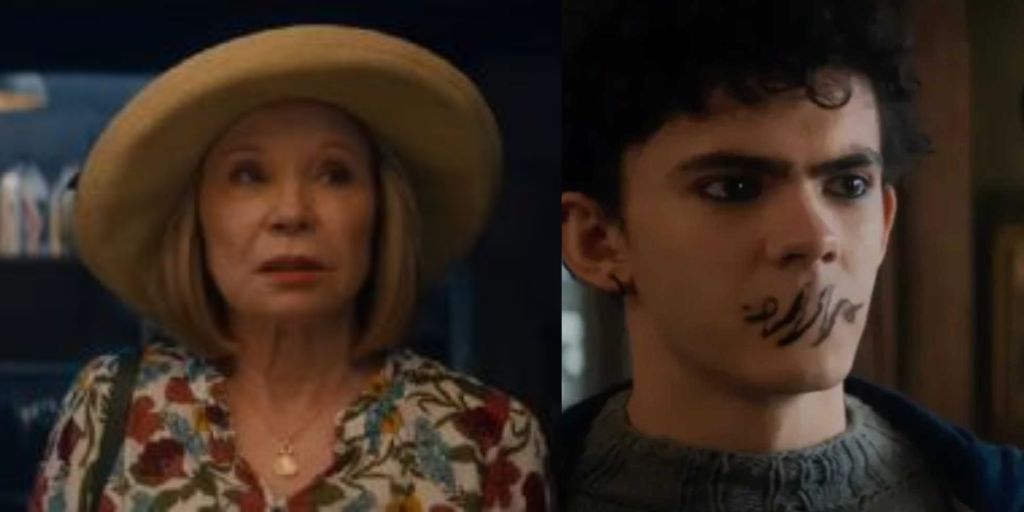
Still from Agatha All Along (Credit: Disney+)
The series ultimately invites viewers to reconsider their perceptions of good and evil. Agatha’s actions are driven by her experiences and motivations, reminding us that people are rarely one-dimensional. This nuanced portrayal adds depth to her character, making her journey all the more impactful.
Agatha’s Legacy in the MCU
The events of Agatha All Along will undoubtedly leave a lasting mark on the MCU. Agatha’s journey challenges traditional storytelling conventions and encourages a more complex understanding of characters. Her transformation from a perceived villain to a sympathetic figure opens the door for future stories that show the intricacies of character development.
As Agatha and Billy go on their next adventure, viewers can anticipate more layers to her character. This reinvention has made Agatha one of the most interesting figures in the MCU, and her legacy will likely continue to evolve.
Conclusion
Agatha All Along serves as a powerful scheme of Agatha Harkness’s character, revealing the depths of her motivations and the complexities of her relationships. The series challenges viewers to consider the nature of power, the impact of grief, and the duality of human experience.
As Agatha continues her journey, audiences are left with a deeper understanding of her character, paving the way for future stories that will further expand her legacy in the MCU.
Agatha All Along is available to stream on Disney+ in the U.S.
Batman: Gotham by Gaslight is a film that takes viewers on a thrilling ride through a dark and dangerous Gotham City in the late 19th century. This animated movie combines elements of horror, crime, and drama, all while telling a unique story about one of the most famous superheroes.
In this film, Batman, voiced by Bruce Greenwood, investigates the infamous Jack the Ripper, a real-life figure known for his brutal murders of women in London.
The movie brilliantly adapts the Batman universe into a Victorian setting filled with danger and corruption, making it a standout entry in the franchise. This article will look closely at the film’s themes, characters, and how it portrays societal issues that are still relevant today.
A Gripping Story Set in a Dark Time
The story of Batman: Gotham by Gaslight unfolds in a Gotham City that feels both familiar and unsettling. It reflects the grim realities of life in the Victorian era, where crime and corruption run rampant.
The movie opens with a chilling tone, setting the stage for the violence and misogyny that will follow. Batman is not just fighting crime; he is confronting a society that devalues women and sees them as mere objects.
From the very beginning, viewers can sense the film’s dark atmosphere. The animation style adds to this feeling, with shadows and dim lighting creating a haunting effect. This is not the bright, colorful Gotham of other adaptations; this is a city shrouded in fog and despair. The filmmakers do an excellent job of immersing the audience in this world, where danger lurks around every corner.
Batman’s Investigation of Jack the Ripper
The plot centers around Batman’s investigation of the murders committed by Jack the Ripper. As he works to uncover the truth, he encounters various characters that shape his journey. One of the first characters we meet is Pamela, also known as Poison Ivy, voiced by Kari Wuhrer.
However, in this film, she is not the powerful eco-terrorist that fans know; instead, she is portrayed as a vulnerable woman forced into a life of stripping.
This portrayal sets the tone for how the film addresses the issue of misogyny. The police in Gotham look down on the victims, often blaming them for their circumstances. This mirrors real-world attitudes toward victims of violence, particularly women. The filmmakers use Pamela’s tragic story to highlight the broader societal issues that contribute to violence against women.
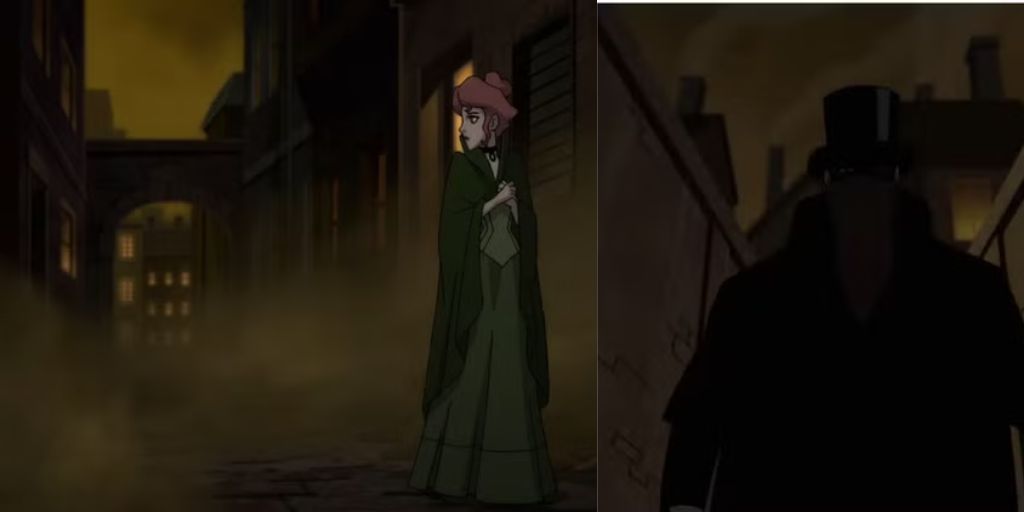
Still from Batman Gotham by Gaslight (Credit: DC)
As Batman goes deeper into the investigation, he faces challenges that test his skills as a detective and as a hero. He is not just dealing with a ruthless killer; he is also confronting a society that allows such violence to flourish. The film skillfully blends the elements of a detective story with social commentary, making it more than just a superhero film.
The Role of Misogyny in Gotham
One of the central themes of Gotham by Gaslight is misogyny. The film does not shy away from showing how women are treated as second-class citizens. This theme is woven throughout the narrative, with many female characters facing violence and discrimination. For example, even after the murders, the police and society blame the victims for their choices, viewing them only as prostitutes rather than as human beings with lives and stories.
The character of Poison Ivy embodies this issue. She is a victim of circumstance, forced into a life she does not want. Her murder serves as a turning point in the film, pushing Batman to confront not only the Ripper but also the societal attitudes that allow such violence to continue. The film makes a powerful statement about how society often fails to protect its most vulnerable members.
Another notable character is Selina Kyle, voiced by Jennifer Carpenter. She is portrayed as a strong and independent woman who defies societal expectations. Selina is not just a victim; she is a fighter. Her character adds depth to the narrative, showing that women can resist the oppressive norms of their society. However, her journey is also marked by the threats she faces in a world that does not value her life.
The Complexity of Jack the Ripper
Jack the Ripper serves as the film’s main villain, and his character is carefully crafted to highlight the darkness within Gotham. He represents not only physical violence but also the misogynistic mindset that permeates society. The film takes the real-world legend of Jack the Ripper and places him in the Batman universe, making him a perfect foil for the Dark Knight.
As Batman investigates the murders, he realizes that the Ripper is not just a random killer. He is a symbol of the darkest parts of humanity. The film portrays him as a sadistic and clever adversary, challenging Batman’s detective skills. The Ripper’s methods are brutal, and his motivations are rooted in a deep-seated hatred of women.
In a shocking twist, the film reveals that Jack the Ripper is actually James Gordon, voiced by Scott Patterson. This revelation is significant as it turns a trusted ally into the ultimate antagonist. Gordon’s character challenges the idea of good and evil, showing that even those in positions of authority can harbor dangerous beliefs.
This twist emphasizes the film’s message about the dangers of misogyny and how it can corrupt even the most respected figures in society.
Batman’s Moral Struggle
Throughout the film, Batman faces a moral struggle that is heightened by the presence of Jack the Ripper. As he confronts the killer, he also grapples with the societal issues that allow such violence to exist. Batman is portrayed as a hero who fights for justice, but the film raises questions about what justice means in a world filled with corruption and prejudice.
This moral complexity is one of the film’s strengths. It shows that being a hero is not just about fighting villains; it is also about understanding the societal context in which those villains operate. Batman’s commitment to justice is tested as he faces a world where women are devalued and violence is rampant.
The filmmakers expertly balance action with deeper themes, allowing viewers to engage with the characters on multiple levels. Batman’s struggle to protect the innocent while battling the Ripper becomes a metaphor for the larger fight against misogyny and societal indifference.
The Impact of the Film’s Themes
Batman: Gotham by Gaslight is not just an entertaining superhero movie; it is a powerful commentary on societal issues that remain relevant today. By addressing themes of misogyny, violence, and corruption, the film encourages viewers to reflect on the state of society. It asks difficult questions about how we treat victims of violence and the societal norms that contribute to such behavior.
The portrayal of women in the film is particularly striking. It highlights the ways in which society often blames victims for their circumstances. By showing the experiences of characters like Pamela and Selina, the film emphasizes the need for empathy and understanding toward those who suffer from violence.
Moreover, the film challenges viewers to consider the impact of societal attitudes on individuals. It demonstrates that misogyny is not just a personal belief but a societal issue that can have deadly consequences. This message is especially important in today’s world, where discussions about violence against women and victim-blaming continue to be relevant.
The Animation and Art Style
The animation in Gotham by Gaslight deserves special mention. The filmmakers chose a style that complements the dark themes of the story. The Victorian setting is beautifully rendered, with intricate details that bring Gotham to life. The use of shadows and lighting creates a foreboding atmosphere, enhancing the sense of danger that permeates the film.
Each character is designed to reflect their personality and role in the story. Batman’s appearance is imposing, while the other characters display a range of emotions that convey their struggles. The art style captures the essence of the Victorian era, making the setting feel authentic and immersive.
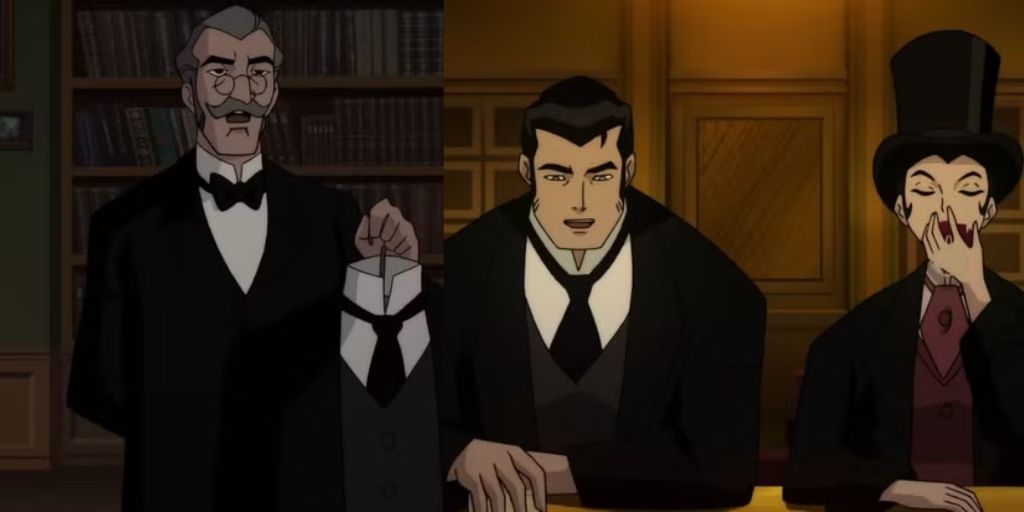
Still from Batman Gotham by Gaslight (Credit: DC)
The animation also plays a crucial role in conveying the film’s themes. The dark colors and eerie settings serve as a backdrop for the violent events that unfold. This visual storytelling enhances the impact of the narrative, allowing viewers to fully engage with the story.
Conclusion: A Unique Take on Batman’s Legacy
Batman: Gotham by Gaslight offers a fresh and thought-provoking take on the Batman legend. By placing the Dark Knight in a Victorian setting and pitting him against Jack the Ripper, the film creates a unique blend of superhero action and social commentary. It forces viewers to confront uncomfortable truths about society, particularly regarding the treatment of women.
The film’s scheme of misogyny, violence, and corruption resonates with contemporary issues, making it a relevant and important work. Batman’s journey is not just about defeating a villain; it is about challenging the societal norms that allow such violence to persist. The film serves as a reminder that heroes must also fight for justice in a world that often fails to protect the vulnerable.
Batman: Gotham by Gaslight is available to stream on Prime Video in the U.S. This film is a must-watch for fans of Batman and anyone interested in stories that tackle important social issues through the lens of popular culture.
