Hollywood has a long history of showing the relationship between childhood innocence and supernatural horror. Many films and series have featured young characters who are either possessed, preyed upon, or otherwise endangered by forces beyond their understanding.
Movies such as The Exorcist, Poltergeist, Sinister, and Annabelle Comes Home all capitalize on the innocent vulnerability of children, creating terrifying narratives where the evil of the supernatural threatens their very existence.
These stories draw viewers in, tapping into deep-seated fears about the safety of the young and the potential for darkness in the universe.
In this context, Before emerges as a new series that presents a unique take on these themes. Starring and produced by Billy Crystal, Before tells the story of a psychiatrist who becomes entwined with a troubled young boy.
The child’s violent outbursts and fears may be connected to a tragic event from the doctor’s own past—the death of his wife.
With a compelling mystery at its core and strong performances, particularly from its young co-star, Before promises a thrilling scheme of horror and psychological depth. However, the series is not without its shortcomings, particularly in terms of repetitive storytelling and a lackluster conclusion.
What Is Before About?
Before follows Dr. Eli Adler (played by Billy Crystal), a child psychologist who is still grappling with the tragic loss of his wife, Lynn (Judith Light). His world has been turned upside down since her untimely death, and he finds himself haunted by grief. While attempting to move forward, he encounters a young boy named Noah (Jacobi Jupe).
Noah is an inquisitive child, wise beyond his years, but he also carries a heavy burden. He is frequently silent and troubled, often exhibiting sudden violent behaviors that leave those around him concerned and confused. What sets Noah apart is the aura of mystery surrounding him.
He is drawn to specific locations and seems to have knowledge of languages that are puzzling for someone his age. Dr. Adler is determined to uncover the reasons behind Noah’s strange behaviors, but as he goes deeper, he becomes dangerously obsessed with solving the case.
The initial premise of Before is intriguing. It sets the stage for a psychological drama intertwined with supernatural elements. As the story unfolds, viewers are drawn into the emotional struggles of both Dr. Adler and Noah. They witness how the past influences the present and how trauma can manifest in unexpected ways.
Early Episodes Create Intrigue
From the very first episodes, Before creates a strong sense of intrigue and atmosphere. The tone of the series effectively engages the audience, establishing a mysterious world filled with suspense.
The emotional isolation of Dr. Adler adds to the tension. He often feels disconnected from his colleagues and friends, which emphasizes the loneliness that accompanies his quest for answers regarding Noah. This isolation is palpable and serves as a powerful backdrop for the unfolding drama.
The show also takes the time to go into Noah’s perspective, allowing viewers to experience his terror and confusion. Early on, it becomes clear that Noah’s fears are linked to haunting visions of ice and water.
These visions are often accompanied by unsettling hints that something dark lurks in the shadows, waiting to reach out with an otherworldly presence. This sense of danger creates a strong emotional connection between the audience and Noah, who is portrayed as a child caught in a terrifying situation beyond his control.
As Dr. Adler begins to connect the dots between Noah’s afflictions and the tragic death of his wife, the layers of mystery deepen.
The series skillfully shows the relationship between the supernatural and the psychological, creating a narrative that feels genuinely dangerous for the young boy. This combination of elements enhances the viewer’s investment in the story and its characters.
Strong Performances Lead the Way
One of the standout features of Before is the strong performances from its lead actors. Billy Crystal delivers an impressive portrayal of Dr. Adler. He captures the emotional turmoil of a man grappling with grief and obsession, showcasing the character’s vulnerability and determination. Crystal’s inherent likability as a performer makes it easy for audiences to empathize with Dr. Adler, even as his behavior becomes increasingly erratic.
The real highlight of the series is Jacobi Jupe as Noah. Despite having relatively little dialogue at times, Jupe manages to convey a wealth of emotion. His performance is haunting, capturing the essence of a boy tormented by terrifying visions.
The terror etched on Noah’s face during his visions is both gripping and poignant, showcasing the young actor’s impressive ability to command the screen. His portrayal adds depth to the character and elevates the narrative. Without Jupe’s strong performance, the show would lack the emotional weight necessary to resonate with viewers.
Repetition and Predictability Set In
Despite its engaging start and impressive performances, Before begins to show signs of fatigue as the story progresses. The series often feels trapped in a repetitive cycle.
Each episode typically follows a pattern where Dr. Adler investigates a cryptic clue, Noah experiences another frightening vision, which leads to more violent behavior. In response, Dr. Adler makes increasingly desperate decisions that further isolate him from his colleagues and friends.
While the individual scary moments are engaging and well-crafted, the full structure becomes predictable. The series seems to fall into a formulaic approach that diminishes the impact of its central mystery.
As the episodes unfold, viewers may find themselves longing for more variety in the storytelling. The sense of tension begins to wane, and the once-compelling narrative risks becoming stale.
Additionally, when the final secrets are revealed, they lack the clarity and organic connection that viewers may hope for. The revelations surrounding Noah’s visions and their relationship to the central mystery could be more cohesive. Instead, the connections feel forced, leaving audiences with unanswered questions and a sense of disappointment.
An Unfulfilled Supernatural Journey
On paper, Before appears to have everything going for it: a strong cast, a haunting atmosphere, and an intriguing central mystery. However, as many good mystery writers know, the strength of a story lies in its conclusion. Unfortunately, this is where Before falters.
The most interesting supernatural elements of Noah’s experiences do not adequately connect to the underlying reasons behind the mystery. While the show hints at larger supernatural forces at play, it ultimately feels like a muted, mournful tale of personal woe.
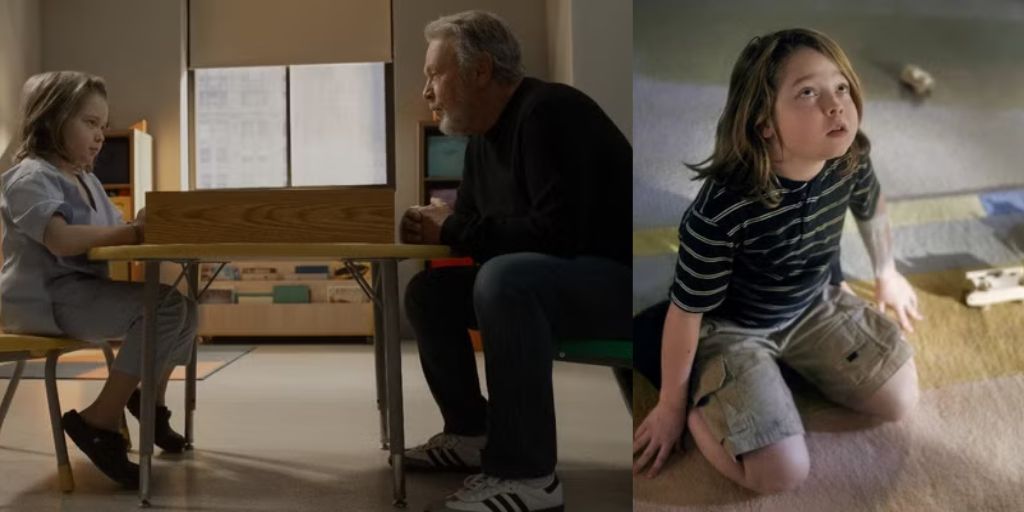
Still from Before (Credit: Apple TV)
The finale lacks the impact that audiences may expect after a buildup of tension and intrigue. The climax, rather than providing satisfying answers, leaves viewers feeling empty and unfulfilled.
Moreover, the themes of grief and trauma that run throughout the series could have been shown in greater depth. The emotional struggles faced by Dr. Adler and Noah are compelling, yet the show sometimes loses sight of the human element in favor of supernatural scares.
By not fully going into the psychological aspects of the characters’ experiences, Before misses an opportunity to upgrade the story beyond mere horror.
Themes of Grief and Obsession
At its core, Before goes into the themes of grief and obsession, showing how loss can profoundly affect individuals. Dr. Adler’s character serves as a lens through which these themes are examined. His struggle to cope with the death of his wife is a central driving force in the narrative, influencing his decisions and relationships.
As he becomes increasingly consumed by the mystery surrounding Noah, viewers witness how grief can lead to obsession, blurring the lines between rationality and desperation.
The show raises important questions about the lengths one will go to find answers and closure. Dr. Adler’s relentless pursuit of understanding mirrors the experience of many individuals grappling with loss. His journey reflects the universal human desire to make sense of tragedy and to find meaning in the chaos of life.
Moreover, the relationship between Dr. Adler and Noah highlights the interconnectedness of trauma. Noah’s visions and fears serve as a reflection of Dr. Adler’s own emotional struggles.
The supernatural elements of the story become intertwined with the characters’ psychological states, creating a complex web of grief and fear. This connection adds depth to the narrative, making it clear that the impact of trauma is far-reaching and multifaceted.
The Role of the Supernatural
The supernatural elements in Before serve as both a source of fear and a reflection of the characters’ internal struggles. Noah’s visions act as a mirror for Dr. Adler’s unresolved grief, illustrating how trauma can manifest in various forms. The show suggests that the supernatural is not merely an external threat; it is also linked to the characters’ emotional states.
This connection between the supernatural and the psychological adds an intriguing layer to the narrative. It reinforces the idea that fear is not always a physical entity; it can also stem from the unresolved pain of the past. However, the lack of clarity in the finale weakens this connection, leaving viewers wanting a more cohesive resolution.
Visual and Auditory Atmosphere
The cinematography in Before significantly contributes to the series’ full tone and atmosphere. The use of bleak and haunting visuals creates an effective backdrop for the eerie elements of the story.
The cinematographer employs shadows, dim lighting, and atmospheric view to heighten the sense of dread. These visual choices enhance the emotional weight of the narrative and draw viewers into the world of Before.
Additionally, the sound design plays a crucial role in building tension throughout the series. Sudden noises, unsettling whispers, and eerie music amplify the feeling of dread and uncertainty.
The combination of visual and auditory elements immerses the audience in an unsettling atmosphere, enhancing the full viewing experience. This attention to detail showcases the craftsmanship behind the series and reinforces its horror themes.
The Impact of Side Characters
The side characters in Before also contribute to the narrative’s richness. Dr. Adler’s colleagues and friends serve as a contrast to his isolation. They highlight the effects of his obsession on his personal life and relationships.
While some characters genuinely care for him and attempt to help, others are more skeptical of his increasingly erratic behavior. This creates tension and deepens the story, providing insight into how grief can affect interpersonal dynamics.
Through the interactions between Dr. Adler and these side characters, the show emphasizes the challenges faced by those who are grieving. The characters’ varying responses to Dr. Adler’s struggles reflect the complexities of empathy, understanding, and support. The nuances of these relationships add depth to the story and remind viewers of the importance of connection in times of hardship.
Viewer Reactions and Expectations
As viewers engage with Before, their reactions may vary widely. Many will likely find the performances, particularly those of Billy Crystal and Jacobi Jupe, attractive. The emotional depth and complexity of their characters resonate with audiences, drawing them into the narrative. However, others may feel disappointed by the repetitive storytelling and the ultimate lack of closure.
Audiences often have high expectations for mystery series, particularly those that promise psychological thrills and supernatural elements. When those expectations are not met, it can lead to frustration. Some viewers may argue that the show does not deliver on its promise, especially after the buildup of intrigue in the earlier episodes.
In today’s media show, where viewers have countless options at their fingertips, the demand for innovative storytelling is higher than ever.
Series that rely on familiar tropes and predictable narratives risk losing their audience’s attention. While Before has many strengths, it must also face the challenge of maintaining viewer engagement in an increasingly competitive environment.
The Journey of the Young Boy
Noah’s character is central to the story, and his journey is both tragic and compelling. The portrayal of a child struggling with fear and violence creates a nuanced representation of innocence threatened by dark forces. As audiences witness Noah’s terrifying experiences, they become invested in his well-being and survival.
The relationship between Dr. Adler and Noah is pivotal to the narrative. Dr. Adler takes on the role of mentor and protector, desperately trying to understand and help the troubled young boy.
Their dynamic showcases the complexity of human connection, as both characters grapple with their inner demons. Together, they face a world filled with confusion, fear, and the search for answers.
Noah’s character development is particularly noteworthy. As he confronts his fears and attempts to make sense of his visions, he embodies the resilience of childhood.
His journey reflects the broader theme of facing one’s fears and seeking understanding in a chaotic world. The series highlights the importance of empathy and support, emphasizing that even in the darkest moments, there is a potential for healing and growth.
A Missed Opportunity for Deeper Themes
While Before touches on themes of grief, trauma, and obsession, it does not fully shown these topics. The potential for a more profound examination of these issues is present but remains untapped. The show hints at deeper psychological themes, but the focus on the supernatural overshadows them. This lack of depth in character development and thematic scheme may leave some viewers wanting more.
As the narrative unfolds, there are moments when the series could have gone deeper into the emotional view of its characters.
The scheme of grief and its effects on mental health could have been more nuanced, providing a richer understanding of Dr. Adler’s struggles. The connections between trauma and supernatural experiences offer a wealth of storytelling potential that remains largely unexplored.
By not fully embracing these themes, Before risks reducing its characters to mere vessels for horror rather than fully realized individuals with complex emotional lives. This missed opportunity ultimately diminishes the series’ impact and leaves viewers craving a more profound scheme of its core themes.
The Future of Before
As Before continues to develop, it may find ways to improve and deepen its narrative. The foundation is strong, and there are plenty of opportunities to show the complexities of grief and the supernatural. With adjustments to pacing and plot clarity, the series can become more satisfying for audiences. The potential for growth exists, and viewers may be eager to see how the characters evolve.
Future episodes could benefit from a greater emphasis on character development and thematic scheme. By going deeper into the emotional lives of Dr. Adler and Noah, the series can create a more profound connection between the audience and its characters. This would enhance the full narrative and allow for a more satisfying resolution to the mysteries presented.
Additionally, incorporating fresh and innovative storytelling techniques could revitalize the series. By challenging conventions and showing new angles, Before can remain relevant in a crowded television show. The potential for creative growth is immense, and audiences may be willing to follow the journey if it offers new insights and experiences.
Conclusion: The Potential of Before
Before begins with a wealth of promise, featuring an attractive premise and strong performances from its cast. The scheme of a haunted boy and his psychiatrist offers an engaging narrative filled with emotional depth. However, it ultimately struggles with repetitive storytelling and an unclear conclusion.

Still from Before (Credit: Apple TV)
Despite its flaws, the series has the potential to grow and go deeper into its themes. With strong performances and an intriguing setup, there is still hope for a rewarding viewing experience.
As the show continues to unfold, it faces the challenge of meeting audience expectations while facing its complex themes. The journey of Dr. Adler and Noah has the potential to resonate with viewers on a profound level, showing the depths of grief, trauma, and the human experience.
With careful attention to character development and thematic scheme, Before can evolve into a compelling narrative that attracts audiences and leaves a lasting impact.
The main idea of Dancing with the Stars is to see celebrities learn how to dance. Every week, the show celebrates the art of dance. Theme nights help make this happen.
The show has many theme nights. These nights create a special theme for the dances, making everything feel connected. With 33 seasons of the show, there have been many theme nights, but some stand out as the best.
10. Broadway Season 23, Episode 12
Broadway Night is one of the best themes on the show. It lets contestants show strong emotions and drama through their dancing. Since Broadway is all about theatrics, couples have a lot of fun on this night. The dances often include props and exciting tricks. Jazz is a common style for this theme night, making it even more enjoyable.
Broadway is known for its amazing musical numbers. This gives contestants the chance to perform routines that can steal the show. With the rise of Broadway in the media, especially with the new live-action Wicked adaptation, Broadway night feels especially relevant. It also opens the door for a Broadway star to guest judge the competition, adding even more excitement.
9. Artists Season 32, Episode 9
One fun theme that Dancing with the Stars has used for a while is nights dedicated to specific artists. On these nights, the show picks one musician or band. Each couple then dances only to that artist’s songs for the entire night. The show has featured artists like Whitney Houston, Janet Jackson, Cher, and Taylor Swift.
Choosing a single artist’s music for the night is a unique idea. It allows the couples to show their creativity but also presents a challenge.
Each couple must dance in different styles, but they only have a limited number of songs to choose from. This makes it harder to create a dance routine that fits the music. Despite the difficulty, this challenge makes Artist Night a favorite among fans.
8. Decades Season 23, Episode 10
Decades Night, sometimes called Eras Night, is another exciting theme. On this night, couples dance to music from different decades, ranging from the 1920s to the 1980s. While it is not a must for couples to stick to dance styles from their chosen decade, it adds an interesting twist if they do.

Still from Dancing with the Stars (Credit: ABC)
One of the best parts of Decades Night is celebrating fashion and music from the past. Each couple dances to music from a different decade, leading to a variety of outfits.
You might see poodle skirts from the 1950s or bright neon spandex from the 1980s. The differences in music styles keep the night fresh and fun. Each couple brings something new and exciting to the ballroom based on their decade.
7. Movies Season 33, Episode 2
Movie Night is a theme that comes up often on the show. Sometimes the theme has a special twist. For example, in Season 33, the show featured an Oscars theme. Each couple danced to songs from Academy Award-winning films. The essence of Movie Night is that couples perform to music from famous movies.
At first, Movie Night might not seem very exciting. However, it is fascinating to see how couples interpret their assigned movies. They cannot just copy the movie scenes, but they can use the movie for inspiration and add their own flair.
For instance, Ilona Maher and her partner Alan Bersten created a dance inspired by Dirty Dancing on Oscars night. Movies are a big part of the arts, just like dance. It is beautiful to see how these two art forms come together for a memorable night.
6. Most Memorable Year Season 31, Episode 5
The main goal of Dancing with the Stars is to help celebrities become dancers. However, it is also important for viewers to connect with the contestants. We see their personalities shine through during rehearsals and performances. But on special nights like Most Memorable Year, we get a chance to see a more personal side of the celebrities.
On Most Memorable Year night, contestants choose a specific year in their lives that stands out to them. This could be the birth of a child, a marriage, a significant heartbreak, or even a scandal. These memories lead to some of the most emotional and touching performances of the season. Viewers gain insight into the contestants’ lives, making it a night filled with heartfelt dances.
5. Halloween Season 30, Episode 7
Halloween may not be everyone’s favorite holiday, but Dancing with the Stars does an excellent job celebrating it. Halloween Night challenges couples to prepare spooky-themed dances. They might even dance to music from popular Halloween movies like Harry Potter.
Halloween night brings out amazing creativity from the professionals. Just like on Broadway Night, Halloween is about going big and bold. This theme has given us some of the best dances on the show. One standout performance was by Daniella Karagach and Iman Shumpert. Their contemporary dance was inspired by Jordan Peele’s Us, and it left a lasting impression.
4. Trios Season 25, Episode 9
Trios Night, as the name suggests, has couples add a third dancer to their routine. This theme has appeared a few times in the show’s history, and each time it has been done differently. In the first instance, a second pro joined the couples. In other versions, either a former celebrity champion or runner-up danced with them.
Trios are a lot of fun! Adding another dancer creates new possibilities for choreography. If the extra dancer is a skilled pro, the routine can become even more exciting. There is always a thrilling energy during Trio Week. Although rehearsals can be a bit chaotic, the performances often deliver unforgettable dances.
3. Partner Switch Season 19, Episode 7
Switch-Up Week was a theme that used to happen but is no longer part of the show. This night was always fun and brought a fresh twist. As the name suggests, the couples would switch partners, giving celebrities a chance to dance with different pros for the night. This change was a big deal because the couples had grown comfortable working together, so suddenly switching to someone new created stress for both dancers.
Reportedly, this theme is not used anymore because it was too stressful for the professionals. Many pros disliked it because of the pressure to perform well with a new partner. If they didn’t do their best, their partner might get a low score, which would not be fair to them.
On the other hand, if they did exceptionally well, their partner might look better than their actual pro, making things complicated. Still, for viewers, it was a unique way to see how the couples adjusted to the new dynamics.
2. Dedication Season 33, Episode 5
Like Most Memorable Year, Dedication Night allows viewers to see a more sensitive side of the contestants. Instead of picking a significant year in their lives, they choose a special person to dedicate their dance to. This often leads to many slow dances, like contemporary styles, waltzes, and rumbas. Each performance is filled with love and care.
Dedication Night usually takes place early in the season. Most contestants have a chance to dedicate their dances to someone special, making this night particularly meaningful. Even if the dances aren’t the most technically impressive, the emotions and love expressed in each dance make it one of the most anticipated nights of the season.
1. Disney Season 20, Episode 5
Disney Night is one of the most beloved themes on Dancing with the Stars. Everyone loves Disney! Combining the joy of Disney with the joy of dance creates a fantastic atmosphere in the ballroom. Disney Night has been a popular theme for many seasons and will likely continue to be in the future.
Each couple receives a specific Disney movie. They dress up as characters from their movie and create a dance to one of the movie’s popular songs.
Disney offers a wide variety of films to choose from, giving couples endless creative possibilities. Whether it’s a beautiful waltz to “Once Upon a Dream” from Sleeping Beauty or a lively samba to “Trashin’ the Camp” from Tarzan, Disney Night provides countless magical moments.
The Importance of Theme Nights
Theme nights are essential to Dancing with the Stars. They create a sense of excitement and bring a unique twist to each episode. Each theme offers a fresh opportunity for creativity, allowing contestants to show different sides of their personalities and dance abilities.
Theme nights also encourage fans to connect with their favorite celebrities on a deeper level. By sharing personal stories or performances tied to beloved music and movies, the contestants build a stronger relationship with the audience. This connection keeps viewers engaged and invested in their journey throughout the season.

Still from Dancing with the Stars (Credit: ABC)
As the seasons have progressed, the show has found new and innovative ways to incorporate different themes. Each new theme allows for surprises and keeps the audience eager to see what happens next.
From Broadway and Disney to heartfelt dedications, every theme night has the power to attract the viewers and upgrade the performances to new heights.
Final Thoughts
Dancing with the Stars continues to be a favorite for many viewers. Its mix of celebrity performances, artistic dance, and fun themes brings joy to audiences everywhere. As the show moves forward, we can expect even more unique and exciting themes in the future.
Whether it’s the thrill of Broadway, the nostalgia of Decades Night, or the heartwarming stories behind Dedication Night, every theme offers something special. As we continue to watch celebrities learn to dance, we also witness their growth, struggles, and triumphs on this amazing journey.
The theme nights create memorable moments that keep audiences coming back for more. Each season of Dancing with the Stars brings new excitement, creativity, and unforgettable performances that showcase the art of dance in various forms.
