In My Hero Academia , one of the most riveting character arcs is that of Shoto Todoroki, whose journey is filled with complexities tied to family dynamics, trauma, and a long struggle for self-acceptance.
Shoto’s arc tackles themes of overcoming personal suffering, learning to embrace one’s past, and finding strength in family, especially in confronting the fractured relationship with his father, Endeavor.
The harsh reality of Shoto’s childhood and the deeply rooted scars left by his father’s pursuit of power cast a long shadow on Shoto’s life, one he has to work hard to escape.
Through Shoto, My Hero Academia tells the story of a young man trying to reconcile his past, heal, and break a cycle of pain and suffering.
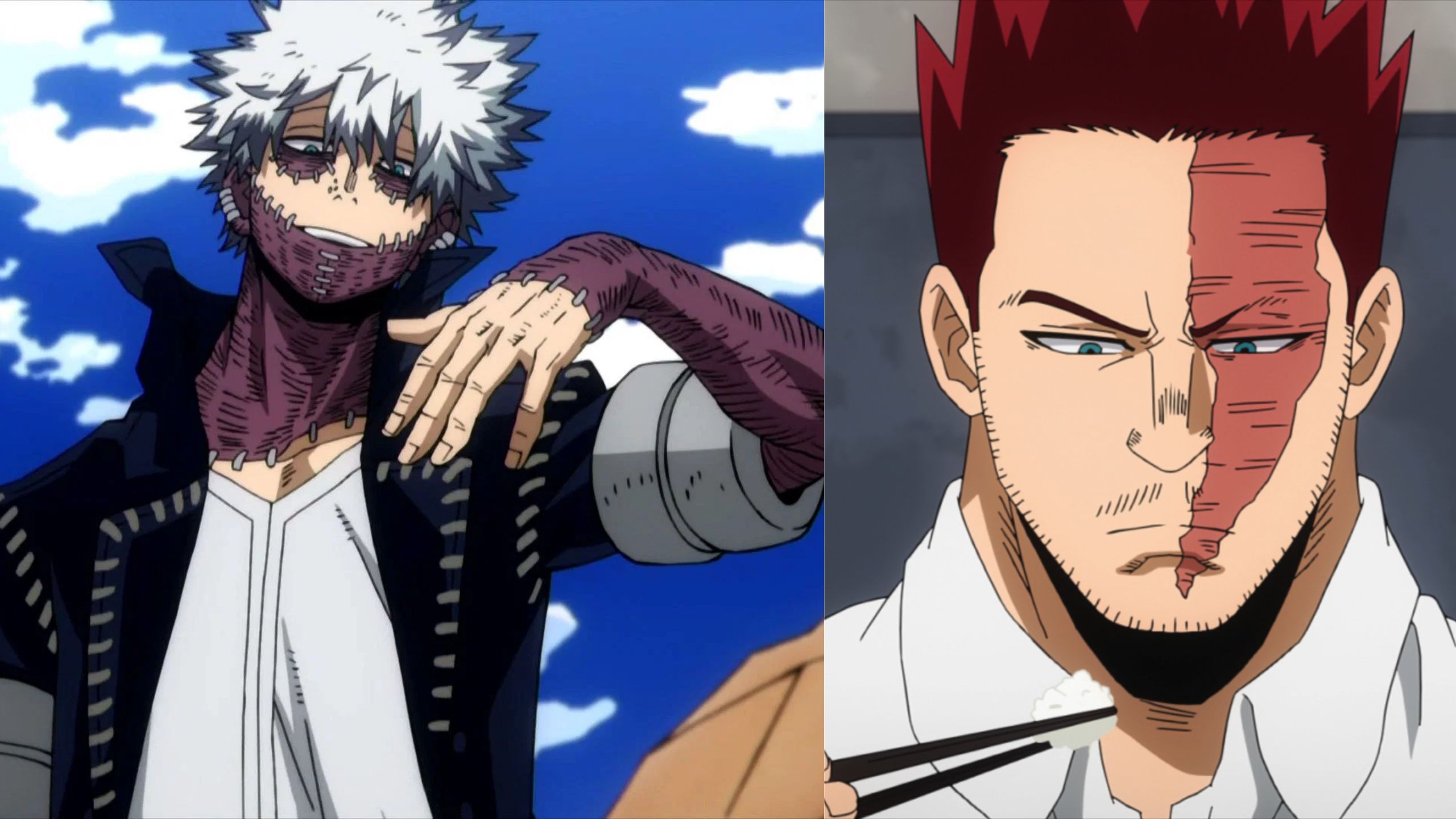
Daboi And From My Hero Academia (Studio Bones)
Yet Shoto’s journey isn’t solely defined by his own growth or his relationship with Endeavor.
A powerful figure looms in the background, casting an even darker shadow over the Todoroki family: Dabi, also known as Toya Todoroki, Shoto’s older brother.
Unlike Shoto, who seeks healing and growth, Dabi has embraced his anger and resentment.
Driven by a relentless grudge against his father, Dabi’s presence introduces a contrasting perspective on trauma and a counterpoint to Shoto’s quest for redemption.
His character represents not only the darkness that haunts the Todoroki family but also the unresolved anger that can linger when pain is allowed to fester unchecked.
Had Dabi followed through with his self-destructive intentions, ultimately sacrificing himself in a final act of defiance, it would have drastically altered the emotional resonance of Shoto’s journey.
Shoto’s efforts to reach Dabi, to understand his pain and possibly offer reconciliation, would have been undermined, robbing him of a vital opportunity to face his family’s demons head-on.
Here’s why Dabi’s self-destructive plan could have rendered Shoto’s arc in My Hero Academia meaningless and undone the emotional journey he had painstakingly built.
Shoto Todoroki’s Path to Self-Acceptance
Shoto’s arc within My Hero Academia is profoundly rooted in his struggle to accept himself and his family’s complex legacy.
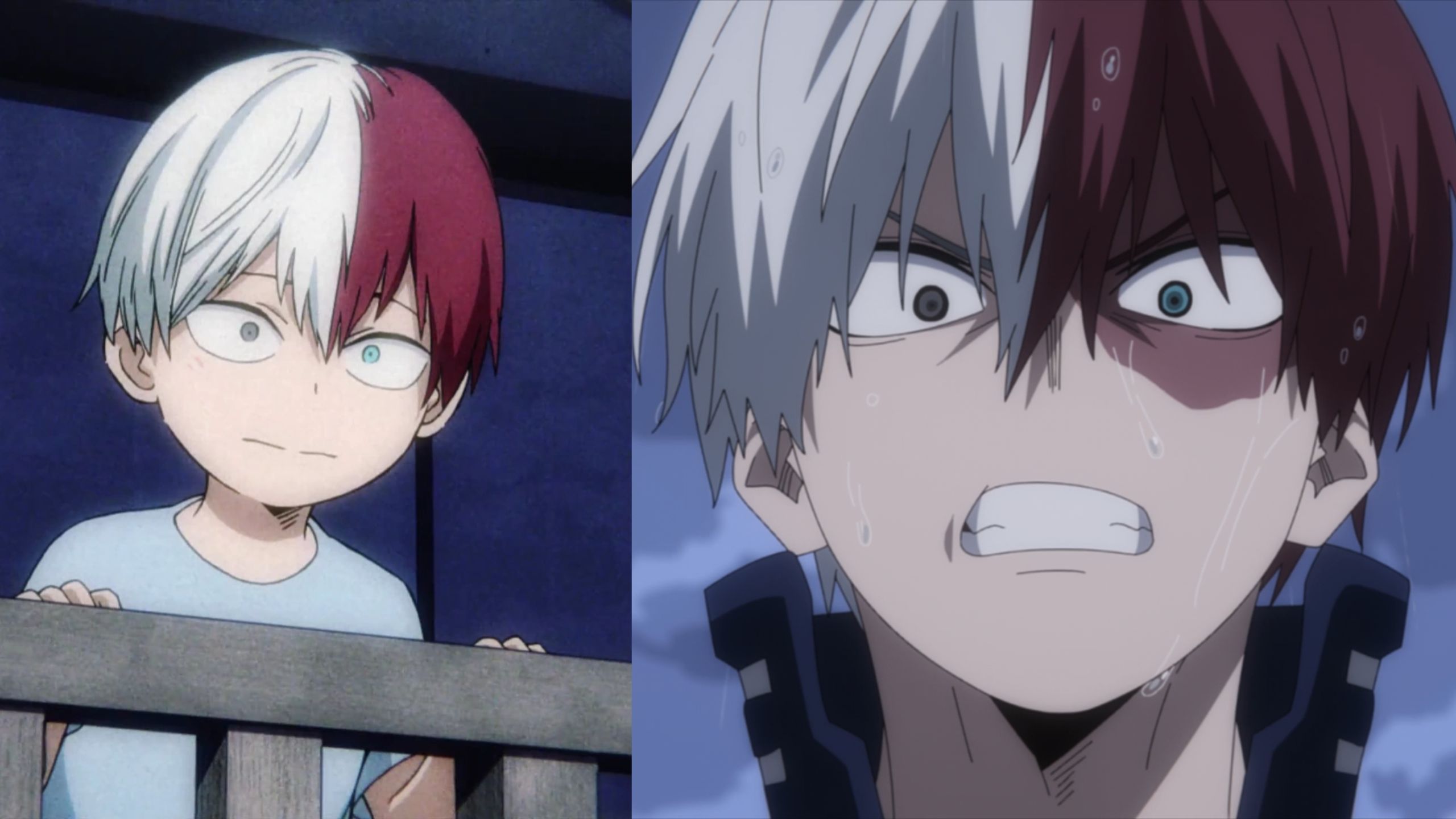
Shoto Todoroki From My Hero Academia (Studio Bones)
Endeavor, Shoto’s father, is a character driven by a desire for strength and fame.
Endeavor’s singular obsession with surpassing All Might led him to make destructive decisions, including arranging a marriage for the sole purpose of producing a child with a powerful combination of quirks.
The result of this marriage was Shoto, born with both fire and ice abilities, representing the culmination of his father’s ambitions.
However, Endeavor’s unrelenting drive to mold Shoto into the ultimate hero took a heavy toll on his family, creating a toxic environment marked by neglect, abuse, and emotional manipulation.
From an early age, Shoto was burdened with the weight of his father’s expectations. His childhood was marked by isolation and rigorous training, all imposed by Endeavor, who pushed Shoto to embody his dream without regard for the boy’s own desires or well-being.
The experience left Shoto deeply conflicted about his own identity, particularly about his fire-based quirk, which he initially rejected.
Shoto’s decision to use only his ice abilities was a powerful act of defiance, a way to distance himself from Endeavor and the pain associated with his father’s ambitions.
Throughout the series, Shoto’s struggle is not just about becoming a hero but about reclaiming his own life and redefining what it means to be a Todoroki.
He undergoes significant growth, learning to accept both his fire and ice abilities, which symbolize his dual inheritance from his parents.
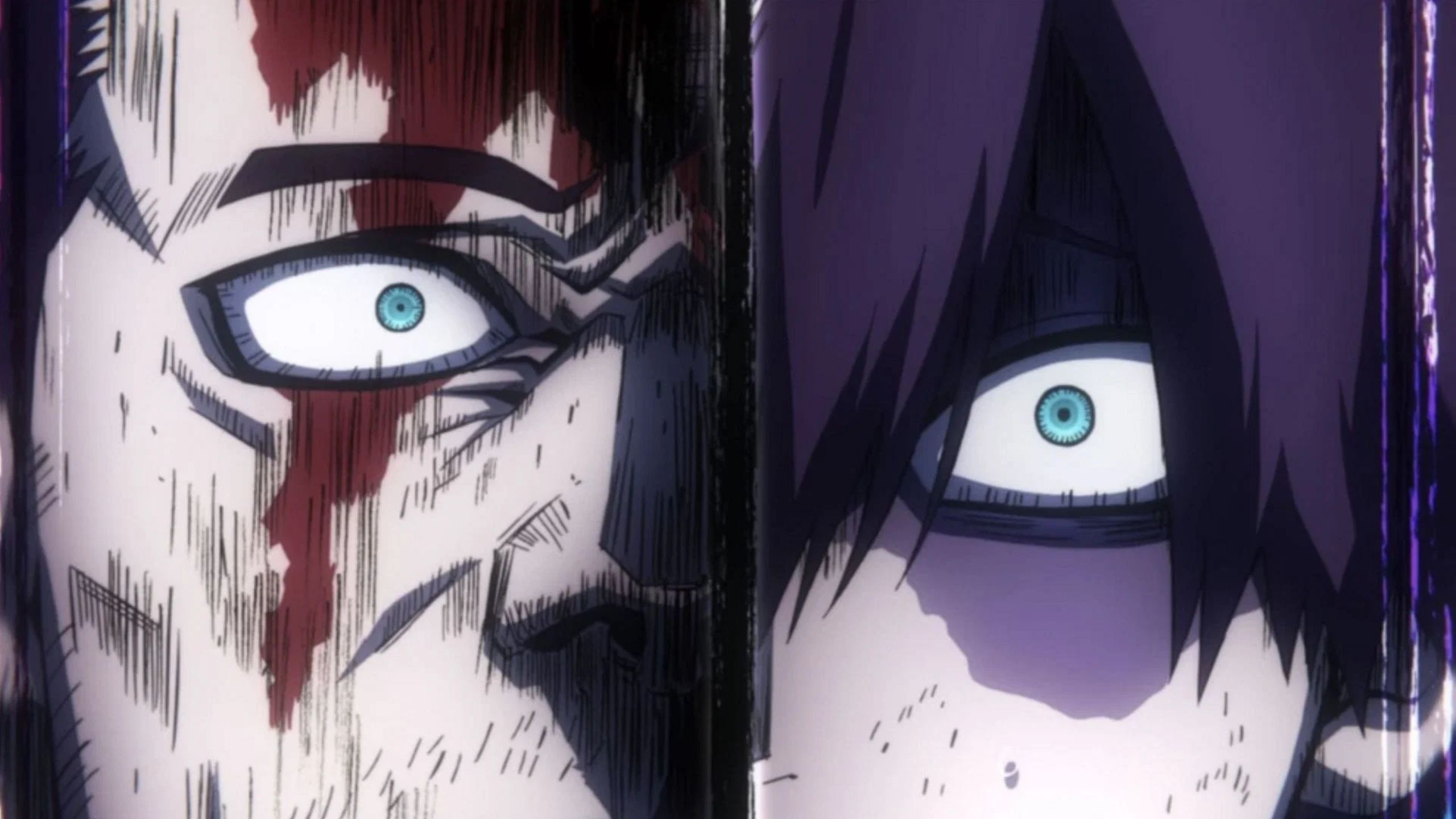
Endeavor and Shoto Todoroki (BONES)
His ice represents his mother, Rei, and her love, while his fire represents the complicated legacy of his father.
This process of embracing both sides of himself is integral to Shoto’s path to self-acceptance and healing, as it allows him to step out of his father’s shadow and define his own identity.
Role of Dabi in Shoto’s Arc
Dabi’s existence is a dark reflection of the Todoroki family’s unresolved issues. As the eldest child, Dabi, or Toya, bore the brunt of Endeavor’s ambition before Shoto was even born.
Initially trained to be the successor Endeavor dreamed of, Toya’s fire quirk proved to be too dangerous, with flames that burned hotter than his body could withstand.
Rather than acknowledging the inherent risks and supporting his son, Endeavor continued to push Toya until the damage became irreversible.
When Toya was eventually deemed unsuitable as a successor, Endeavor’s disappointment turned to neglect, leading to Toya’s tragic transformation into Dabi.
Dabi’s journey reflects what can happen when trauma and resentment are left unaddressed. Unlike Shoto, who chose a path of healing, Dabi’s response to his father’s neglect was one of anger and destruction.
His transformation into Dabi, a villain consumed by his hatred for Endeavor, is a testament to the dangers of unbridled resentment.
For Dabi, his entire existence becomes defined by a need to punish his father, to make Endeavor suffer in the same way he did.
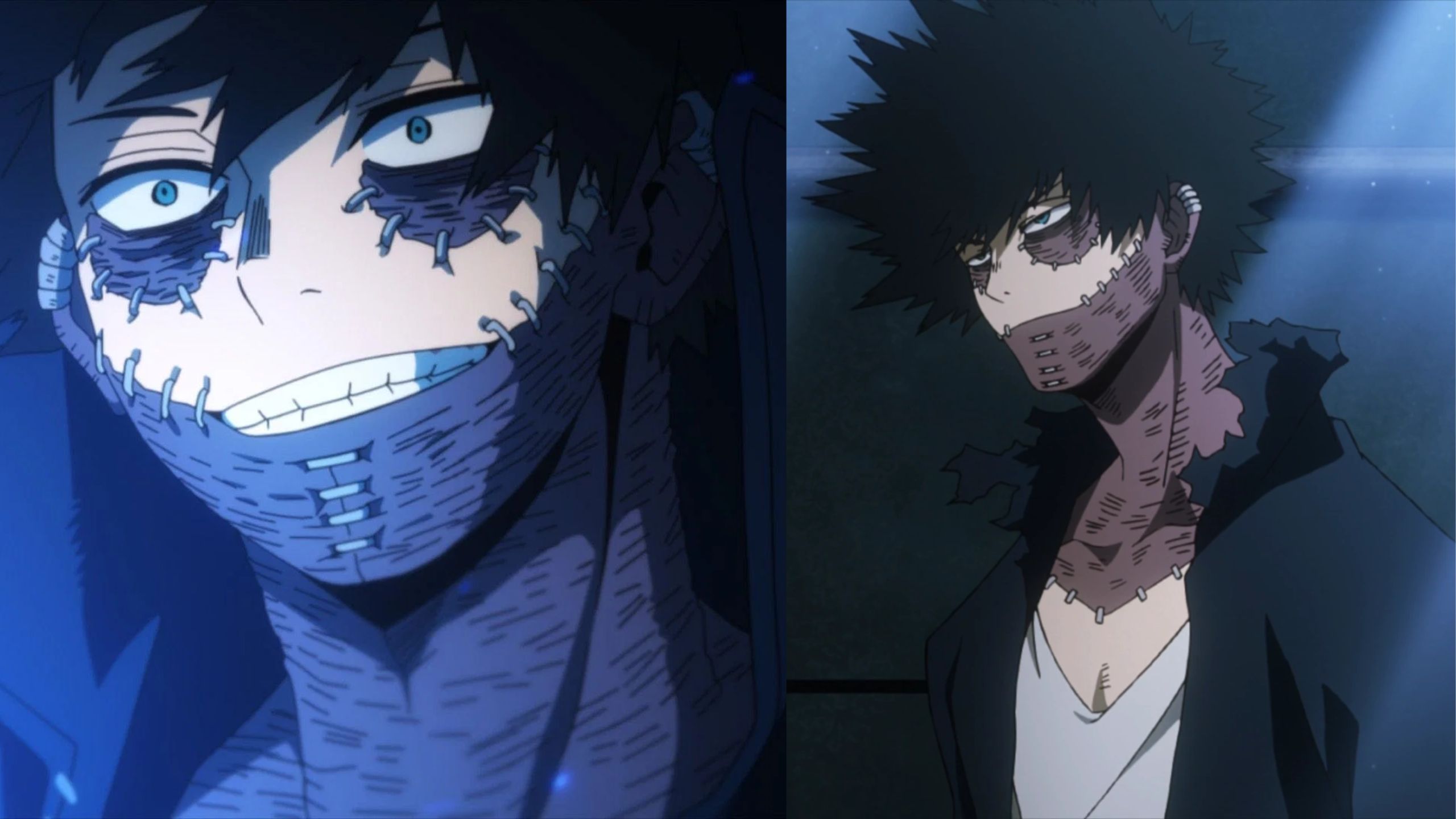
Dabi From My Hero Academia (Studio Bones)
By joining the League of Villains, Dabi finds a way to channel his anger into violence, targeting not only Endeavor but also the hero society that failed to recognize the darker side of his father.
Dabi’s role in My Hero Academia is not just as a villain, but as a living reminder of the consequences of Endeavor’s actions and the fragility of the Todoroki family’s attempts at healing.
Dabi embodies the unresolved trauma that Shoto and the rest of the Todoroki family are trying to move past.
His grudge against Endeavor is a challenge to Shoto’s path of forgiveness and reconciliation, forcing Shoto to confront the darkest parts of his family’s history.
How Dabi’s Self-Destruction Could Have Undermined Shoto’s Journey
Dabi’s potential self-destructive plan poses a serious threat to Shoto’s character development.
Shoto’s journey is not merely about becoming stronger or more skilled; it is about finding closure and breaking free from the legacy of pain that defines his family.
A large part of this journey involves confronting Dabi, not just as a villain but as a brother who endured the same trauma.
In doing so, Shoto would have the opportunity to face the reality of his family’s past, to understand the different ways trauma has shaped each of them, and perhaps to offer Dabi a path toward redemption.
If Dabi had chosen self-destruction, sacrificing himself without giving Shoto the chance to confront him, it would have rendered much of Shoto’s journey meaningless.
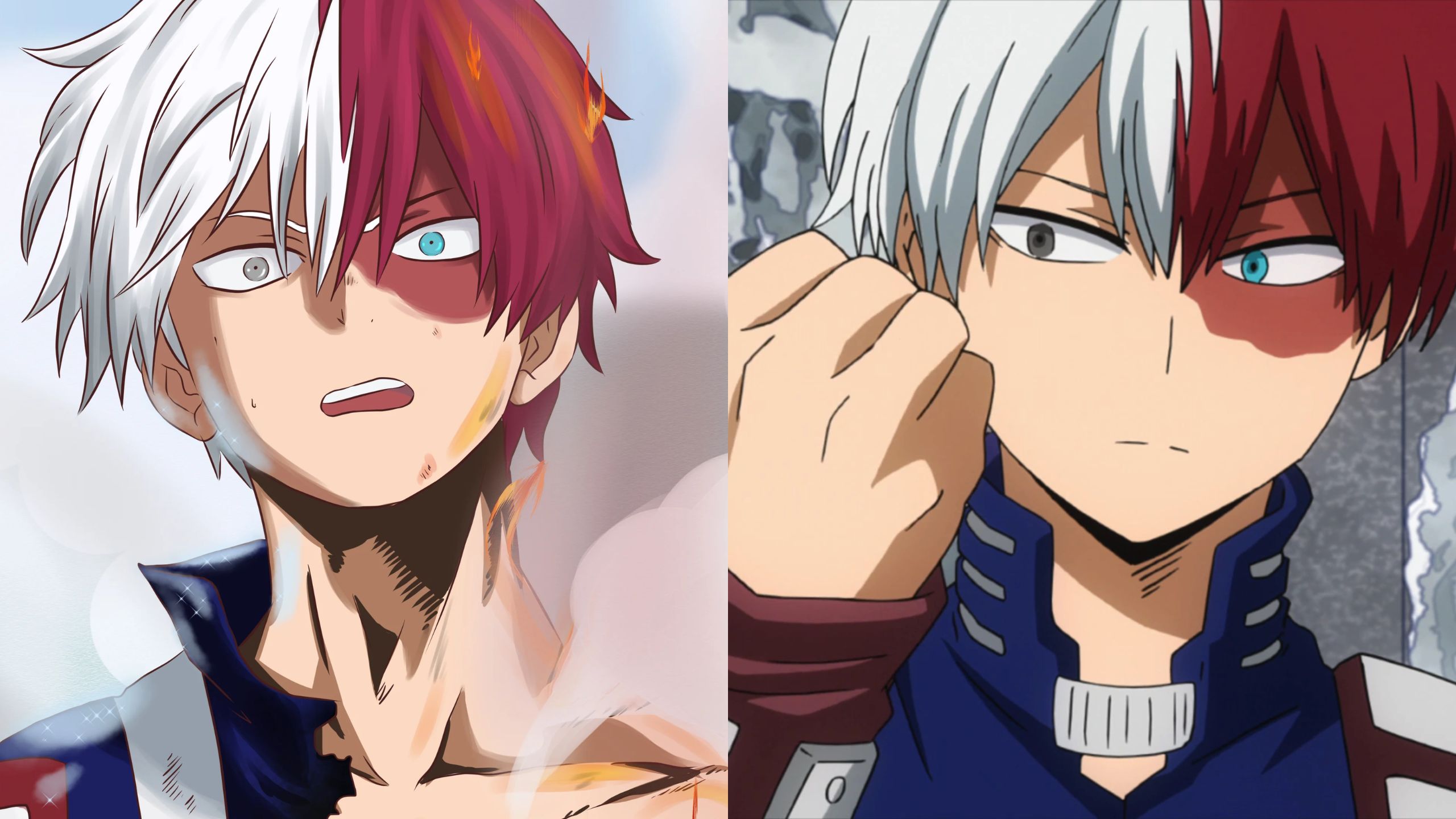
Shoto Todoroki From My Hero Academia (BONES)
Shoto’s path to healing is deeply tied to his ability to face his family’s darkest secrets and to accept the pain they all endured.
Dabi’s existence as Toya Todoroki is a reminder of the consequences of Endeavor’s ambition, and by denying Shoto the chance to address this directly, Dabi would have deprived him of the emotional closure he needed.
The impact of Dabi’s self-destruction would have gone beyond just robbing Shoto of a final confrontation.
It would have invalidated much of the emotional depth of Shoto’s journey, making his efforts to heal and reconcile with his family feel hollow.
Shoto’s arc is built on the idea that he can break the cycle of pain in his family, but this can only happen if he is given the chance to face Dabi, to understand his brother’s pain, and perhaps to find a way to move forward together.
Shoto’s Heroic Journey and the Importance of Facing Darkness
In My Hero Academia , being a hero is more than just fighting villains; it is about embodying ideals, confronting one’s own weaknesses, and inspiring others.
Shoto’s journey is a reflection of this philosophy. His heroism is defined not only by his strength and skills but by his willingness to confront his past, to face the darkness within his own family, and to strive for a better future.
This journey of self-discovery is essential for Shoto, as it allows him to grow into a hero who is not defined by his family’s legacy but by his own choices.
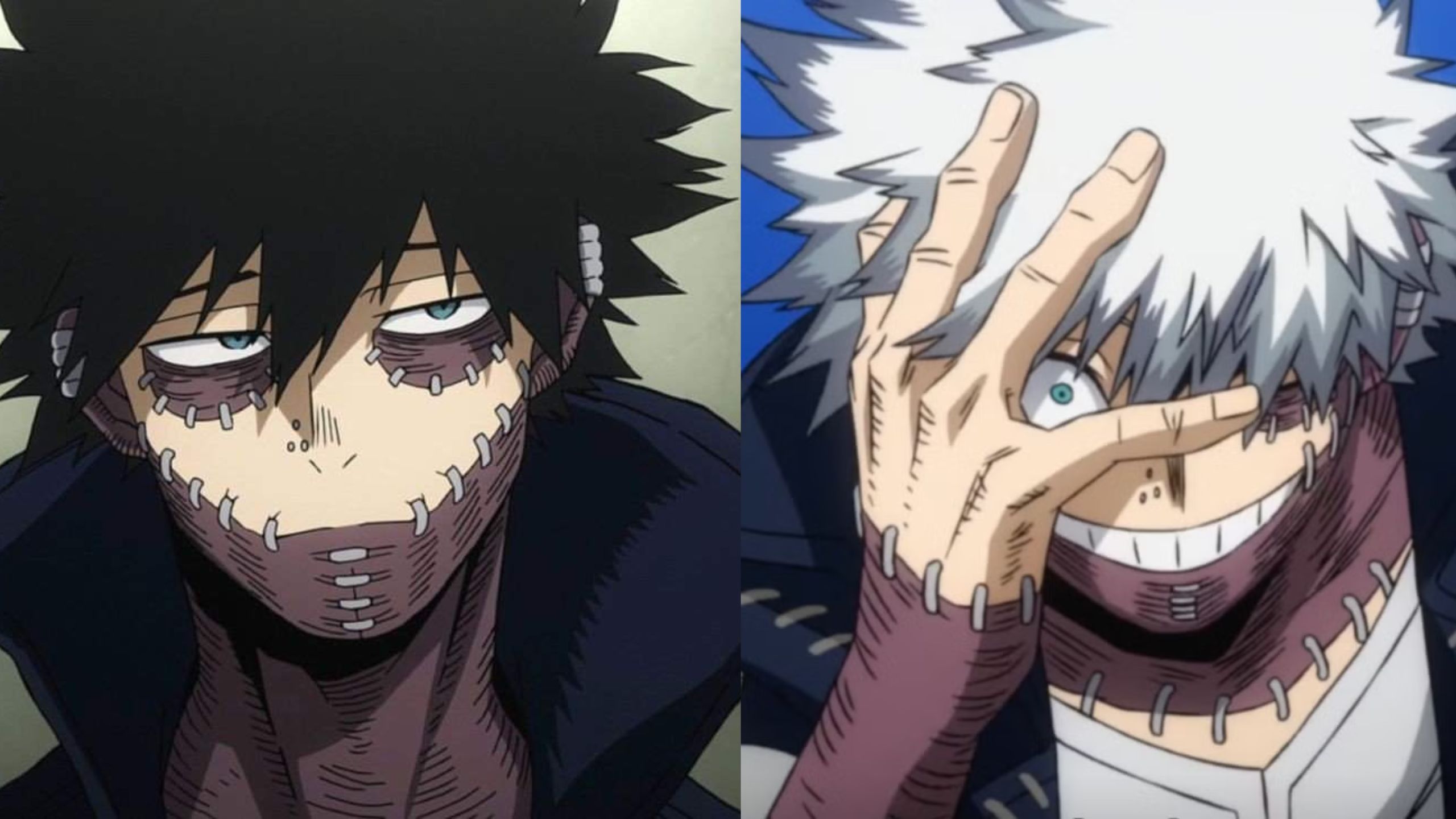
Dabi (Studio Bones)
Dabi’s potential self-destructive end would have undermined this journey, denying Shoto the chance to fully realize his potential as a hero.
Without the opportunity to confront Dabi, Shoto’s path would have been left incomplete, his character development cut short.
The confrontation with Dabi is more than just a battle between two brothers; it is a moment of reckoning, a chance for Shoto to prove that he has the strength to face his family’s darkness and to emerge as a true hero.
The importance of this confrontation goes beyond Shoto’s personal journey. It is also a critical moment for the Todoroki family as a whole.
The family’s attempts at healing and reconciliation are incomplete without addressing the pain that Dabi represents.
By confronting Dabi, Shoto would not only be fighting for his own sense of peace but for the future of his entire family.
His willingness to face Dabi, to acknowledge the pain they both share, is a testament to his growth and resilience.
The Cathartic Resolution Denied
Dabi’s self-destruction would have robbed Shoto of the chance to achieve a true cathartic resolution.
Catharsis, in this context, is the release of the emotional tension that has built up over years of pain, resentment, and unresolved trauma within the Todoroki family. For Shoto, facing Dabi is an essential step toward this catharsis.
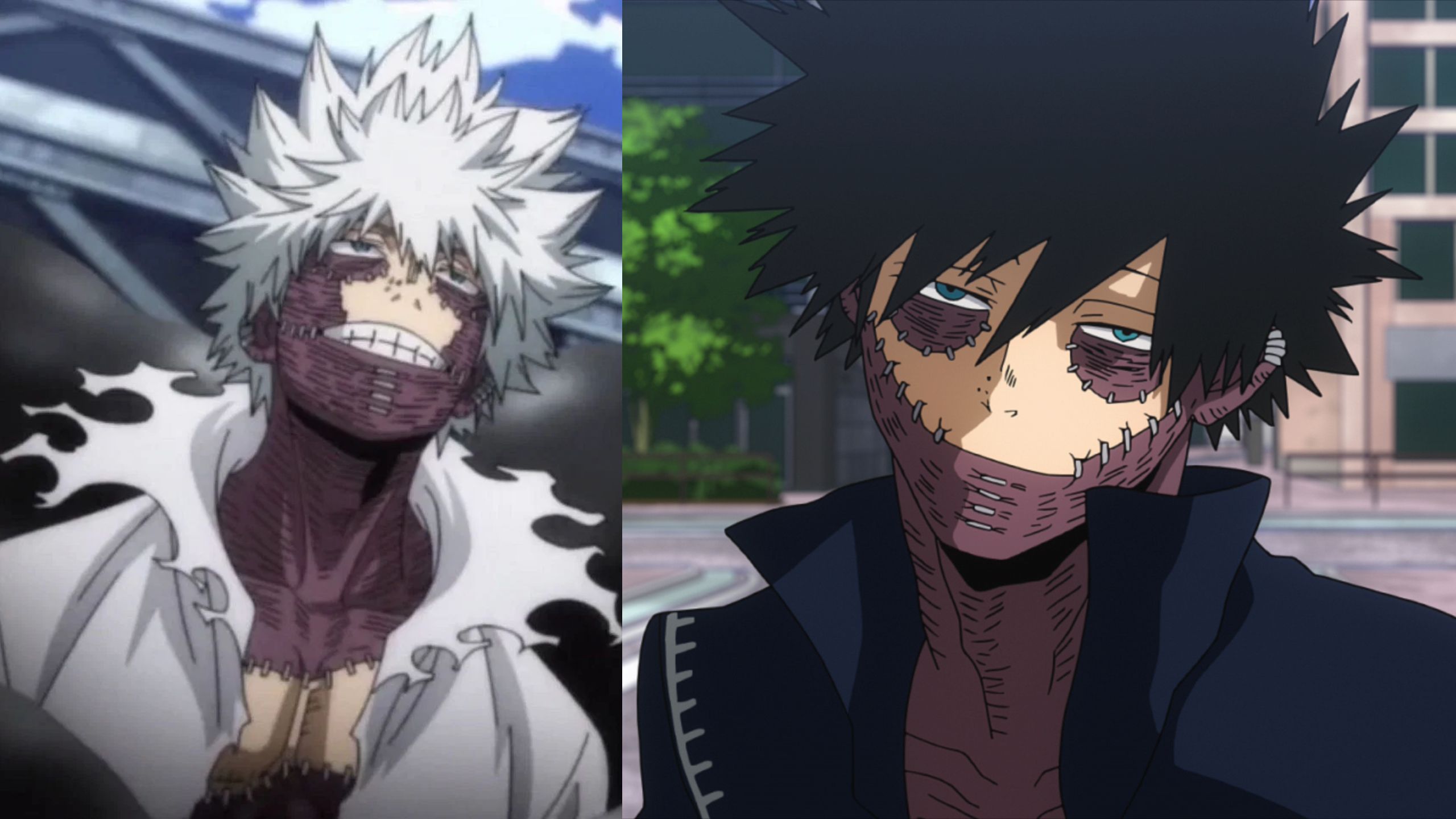
Dabi From My Hero Academia (Studio Bones)
It is an opportunity to finally confront the pain of his past, to acknowledge the suffering that both he and his brother endured, and to find a way to move forward.
Without this confrontation, Shoto’s journey would have felt incomplete. The emotional weight of his struggle, the years of pain he endured, and the growth he achieved would have been diminished.
Dabi’s self-destruction would have denied Shoto the chance to reach out to his brother, to try to bridge the gap between them, and to find closure.
In doing so, it would have rendered much of Shoto’s journey meaningless, reducing his growth to a mere side note in the larger narrative.
Breaking the Cycle of Resentment
One of the central themes of Shoto’s arc is the idea of breaking the cycle of resentment. The Todoroki family’s history is marked by pain, anger, and betrayal, a cycle that has repeated itself through generations.
Endeavor’s abuse of his family, Dabi’s unrelenting grudge, and Shoto’s initial rejection of his own identity are all manifestations of this cycle.
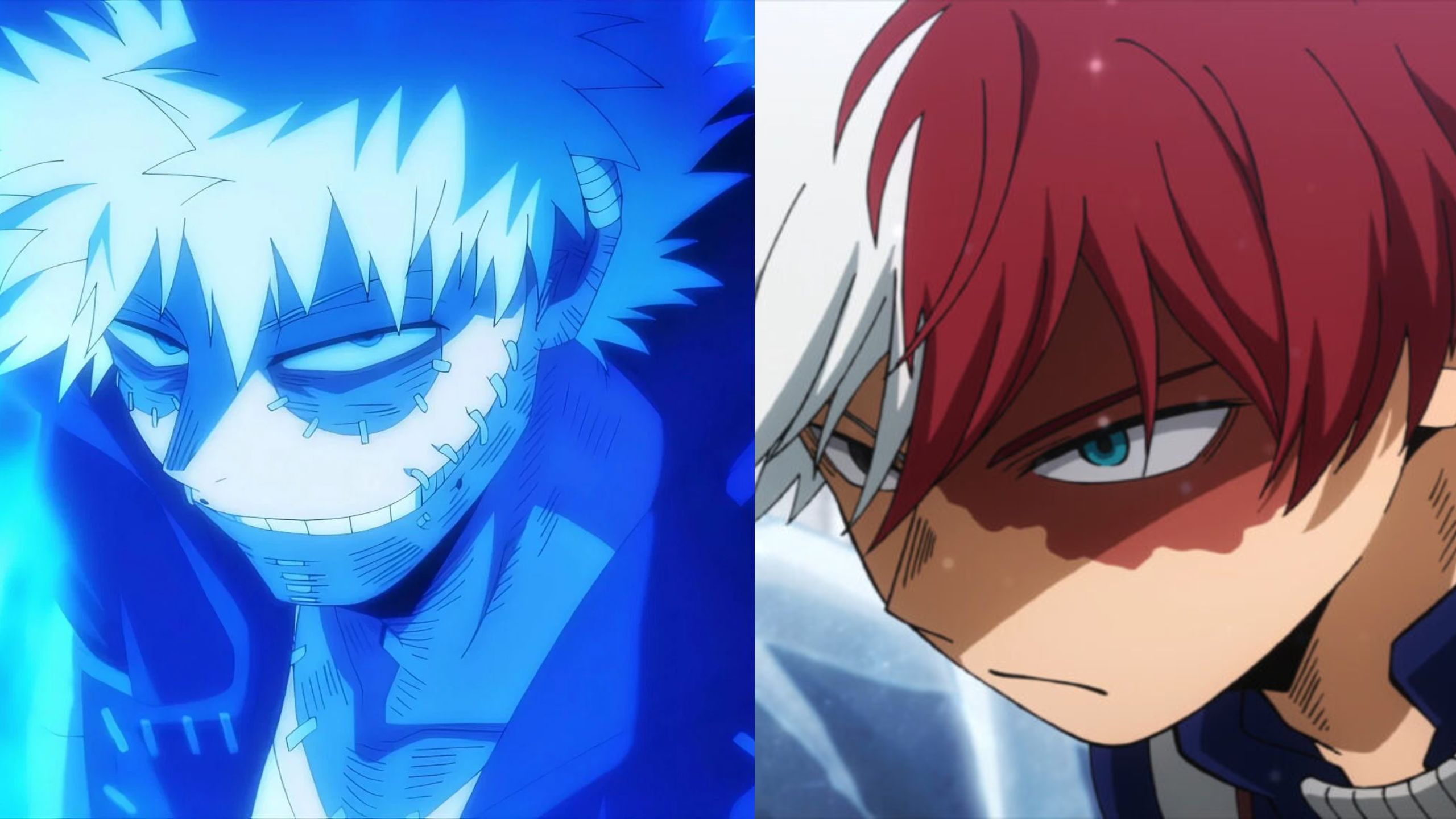
Dabi And Shoto Todoroki From My Hero Academia (Studio Bones)
Yet Shoto’s journey is about finding a way to end this cycle, to move past the pain and find a way to heal.
If Dabi had chosen self-destruction, he would have been perpetuating this cycle, choosing hatred over healing.
His death would have been a final act of defiance, a refusal to let go of his anger and a rejection of any possibility of reconciliation.
By denying Shoto the chance to reach out to him, Dabi would have been denying the possibility of breaking the cycle of resentment within the Todoroki family.
Shoto’s journey is about more than just personal growth; it is about setting an example for his family and for the world.
His willingness to face Dabi, to try to understand his brother’s pain, is a powerful statement about the importance of forgiveness and the possibility of healing.
By confronting Dabi, Shoto would be taking a stand against the darkness that has plagued his family, choosing compassion over resentment, and showing that true strength lies in the ability to forgive.
The Todoroki Family’s Healing and the Legacy of Endeavor
The Todoroki family’s journey is a testament to the power of forgiveness and the importance of facing one’s past.
Endeavor’s attempts to atone for his mistakes, Rei’s efforts to reconcile with her children, and Shoto’s path toward self-acceptance are all steps toward healing.
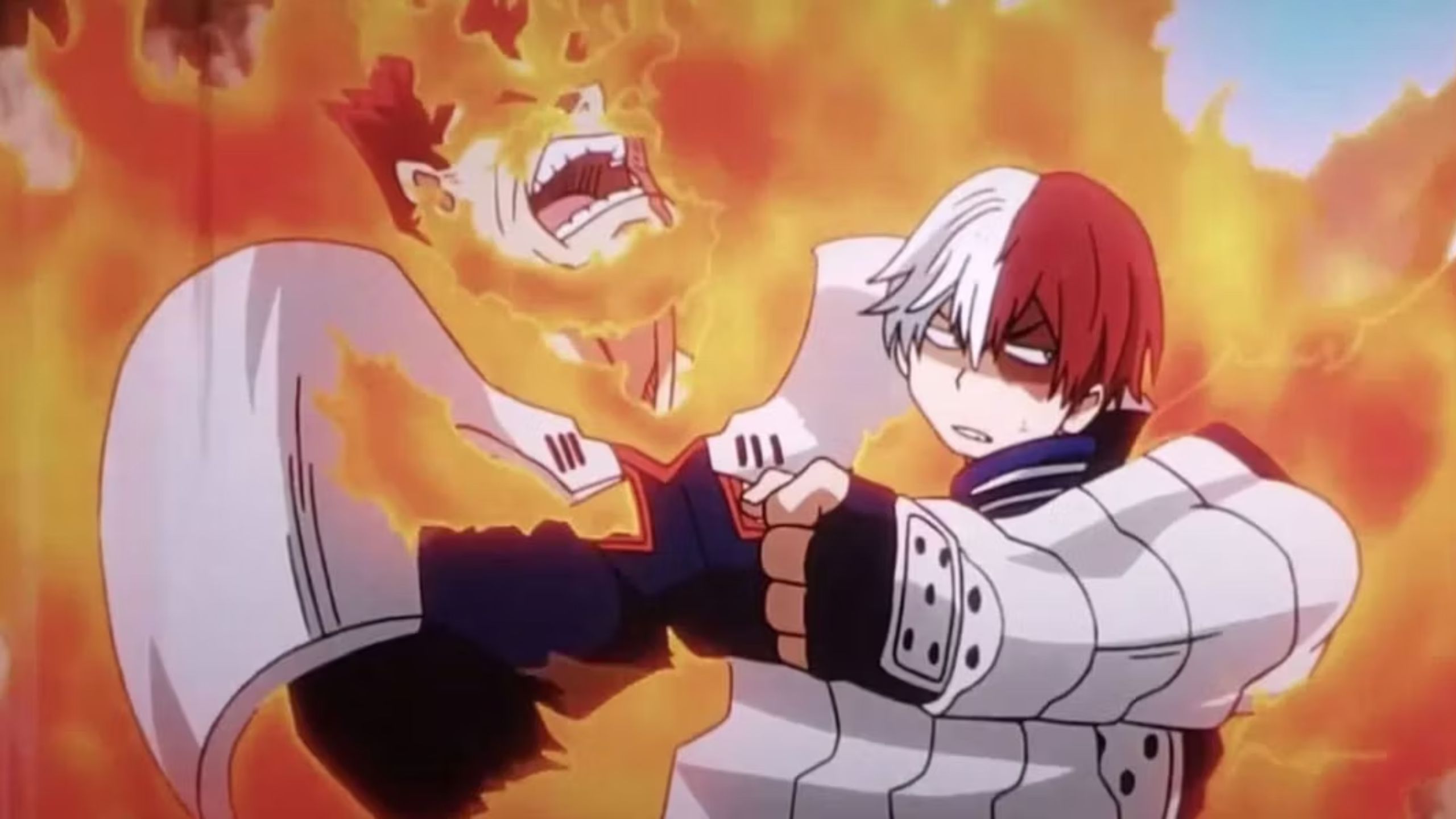
Shoto Todoroki And Endeavor From My Hero Academia (BONES)
Yet this journey is incomplete without addressing the pain that Dabi represents. Dabi’s refusal to accept this healing, his rejection of his family’s attempts at reconciliation, is a challenge that Shoto must confront.
By facing Dabi, Shoto is not only fighting for his own sense of peace but for the future of his entire family.
His willingness to reach out to Dabi, to try to understand his brother’s pain, is a testament to his growth and resilience.
It is a statement about the importance of family, the possibility of forgiveness, and the power of healing.
In the end, Shoto’s journey is about more than just becoming a hero; it is about finding peace, breaking free from the cycle of pain, and creating a better future for himself and his family.
Dabi’s self-destructive plan would have rendered this journey meaningless, robbing Shoto of the chance to find closure and denying the Todoroki family the opportunity to heal.
By confronting Dabi, Shoto proves that he is capable of breaking the cycle of resentment, embodying the ideals of heroism, and forging a new path for the Todoroki family.
Shoto’s arc in My Hero Academia is a powerful reminder that true heroism lies not just in strength or victory, but in the ability to forgive, to heal, and to create a better future.
Kevin Costner, an actor who has charmed audiences for decades, is celebrated for his roles in iconic films such as Dances with Wolves and The Bodyguard .
However, one aspect of his appearance that has sparked curiosity among fans is the noticeable absence of the upper portion of his left ear.
For years, there have been various speculations and rumors about the reason behind this physical change. What happened to Kevin Costner’s ear?
A Promising Young Actor’s Accident
The story of Kevin Costner’s ear begins in his youth. In his teenage years, Costner was involved in a traumatic car accident, which resulted in serious injuries, including the loss of part of his left ear.
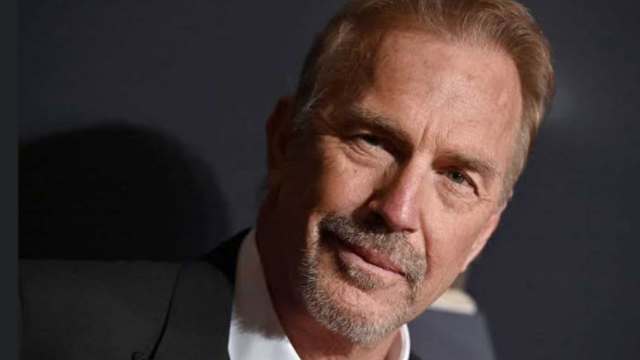
Kevin Costner (Credit: YouTube)
This life-altering event had a profound effect on him, and although the scars were visible, they did not deter Costner from pursuing his passion for acting.
Despite facing this setback, the young actor showed resilience, determined to make a name for himself in Hollywood. This would ultimately lead to his rise as a star in the entertainment industry.
Recovery and Surgical Intervention
After the initial accident, Costner underwent several surgeries to repair the damage caused to his ear. While the surgeries were intended to restore his ear’s appearance and function, they were only partially successful.
Despite these medical efforts, Costner continued to experience hearing difficulties and was left with a noticeable deformity on his left ear.
This would become a significant part of his personal and professional life, affecting his self-confidence and the roles he chose to take on.
Despite this challenge, he pressed forward with his career, becoming a Hollywood legend known for his versatility and charm.
The Long-Term Impacts on Costner’s Career
The loss of part of his left ear became a defining feature of Kevin Costner’s appearance, but it also had a lasting impact on his career. As he rose to fame, Costner’s ear injury was often discussed in the media.
However, rather than letting it hinder his career, Costner turned it into part of his unique persona. Known for his charismatic performances, Costner never allowed the injury to define him.
In fact, his ability to overcome such an obstacle served as an inspiration to many fans who saw his physical imperfection as a symbol of his resilience.
Throughout his career, he starred in some of Hollywood’s most iconic films, from Robin Hood: Prince of Thieves to The Bodyguard and Dances with Wolves .
The Importance of Ear Protection
Although Costner’s injury came from a childhood accident, it serves as a reminder of the importance of ear protection and taking safety precautions in high-risk activities.
Whether it’s in sports or other potentially dangerous environments, ear protection can prevent irreversible injuries like the one Costner sustained.
His experience highlights the need for better awareness of how accidents can result in long-term physical and emotional consequences, which can impact not only a person’s health but also their career and quality of life.
Seeking Treatment and Support from Professionals
In addition to undergoing surgeries to restore his ear, Kevin Costner sought treatment from medical professionals to manage his hearing loss. His openness about the challenges of living with hearing difficulties has been admirable.
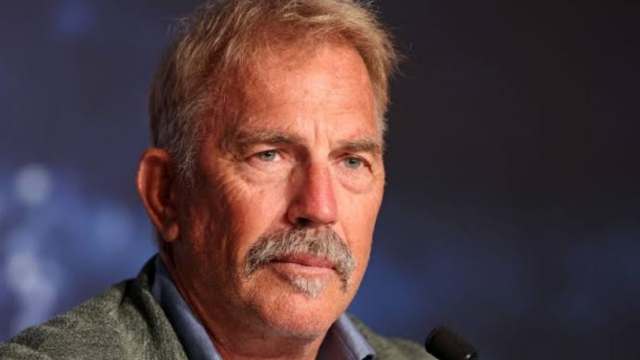
Kevin Costner (Credit: X)
He has consistently emphasized the importance of seeking professional help and exploring treatment options.
Over the years, Costner has shared his experiences with hearing loss, speaking candidly about the difficulties he faced and the adjustments he had to make in his personal and professional life.
His journey serves as a reminder that seeking help and support can significantly improve one’s quality of life, even in the face of adversity.
