The death of Harry Morgan in the hit show Dexter was a pivotal moment that shaped the story of the series, playing a significant role in Dexter’s development as a character. Harry’s death was not only a loss for Dexter but also left fans with numerous questions about his influence on Dexter’s psyche and the way he chose to deal with his dark urges. Understanding how and why Harry died is crucial for comprehending the depth of Dexter’s moral conflict and the broader story of Dexter .
Who Was Harry Morgan?
Harry Morgan, portrayed by James Remar, was Dexter’s adoptive father. He was a seasoned cop who found Dexter as a child after his biological mother was brutally murdered. Dexter, then a young boy, witnessed the horrific murder of his mother, which left him scarred emotionally and mentally. Despite the trauma, Harry adopted him and raised him with a sense of morality, which was built on a unique understanding of Dexter’s nature.
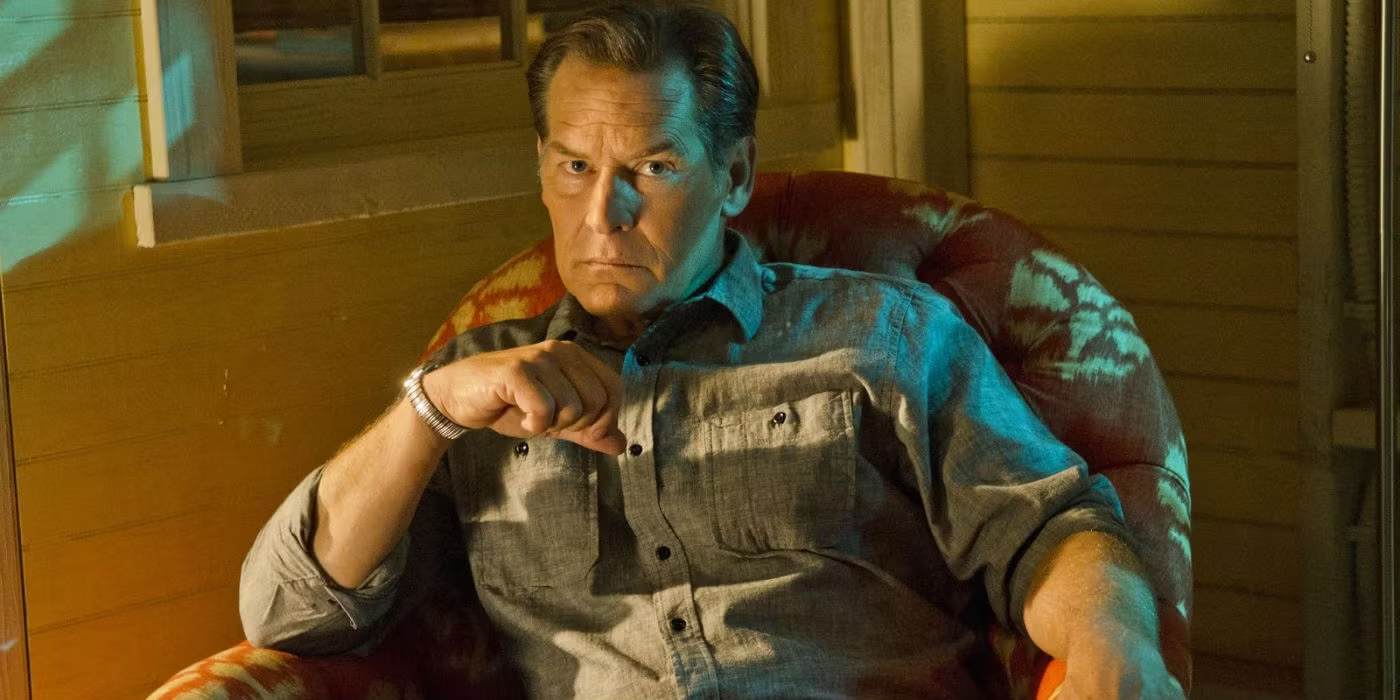
Harry Morgan (Image via Getty)
Harry soon discovered that Dexter exhibited dark tendencies, including a need to kill. Rather than letting Dexter spiral out of control or succumb to his violent urges, Harry took it upon himself to guide Dexter. He taught him the “Code of Harry,” which became the foundation for Dexter’s actions as an adult. This code centered on targeting criminals who evaded justice, giving Dexter a sense of purpose and direction while also attempting to keep his darker urges in check.
Harry’s Influence on Dexter
Harry’s influence on Dexter was profound. He wasn’t just a father figure; he became Dexter’s moral compass. As Dexter grew older, Harry’s teachings shaped his approach to justice, and the rules Harry laid down were the ones Dexter followed throughout the series. Despite Dexter’s innate tendency to kill, Harry instilled in him the importance of not harming innocent people. Harry’s teachings had a massive impact on Dexter’s life, especially as he tried to balance his need to kill with his desire to live a normal life.
However, Harry also struggled with the realization that Dexter would never be fully “normal.” He had no illusions about Dexter’s ability to conform to societal expectations. This internal conflict between being a father and trying to save Dexter from his nature was a burden that weighed heavily on Harry’s conscience. His death marked a shift in Dexter’s life, leaving him to struggle with the absence of his guiding figure.
How Did Harry Die?
Harry Morgan’s death was not shown on-screen during the early seasons of Dexter , but its impact reverberated throughout the series. The details of his death are revealed through flashbacks, discussions, and reflections that Dexter has throughout the show. In the fourth season, the truth about Harry’s death becomes clearer.

Harry Morgan (Image via Getty)
Harry’s death was the result of a suicide, which came after he had grown increasingly disillusioned with his ability to help Dexter. As Dexter became more embroiled in his dark tendencies, Harry began to lose hope. He couldn’t reconcile the idea of Dexter being both a loving son and a killer. The pressures of this internal conflict and the emotional toll it took on Harry led him to take his own life.
In the show, it’s revealed that Harry’s suicide was influenced by the guilt he felt over raising Dexter with a code that, in his mind, may not have been sufficient. Harry had been aware that Dexter’s need for violence was never going to disappear. He was torn between his desire to protect Dexter and the understanding that Dexter would always be a dangerous individual.
Harry left behind a set of tapes, which Dexter would later come to rely on for guidance, after Harry’s death. These tapes served as a posthumous way for Harry to continue guiding Dexter, offering insight into the rationale behind the Code of Harry. They acted as a source of comfort for Dexter and also a reminder of the father he had lost, pushing him to maintain the values Harry instilled in him.
The Impact of Harry’s Death on Dexter
Harry’s suicide had a significant impact on Dexter. The death of the one person who had helped him find a semblance of order in his chaotic life pushed Dexter deeper into his internal battle. He no longer had the direct guidance of the man who had shaped his moral code. As a result, Dexter began to rely more heavily on his own instincts, which led to more morally ambiguous decisions and, at times, a more ruthless approach to his work as a vigilante.
Throughout the series, Dexter often reflects on his relationship with Harry, which was one of the few genuine bonds he had. Harry’s death haunted Dexter, and it became clear that Dexter’s actions were always influenced by the memory of the father figure he lost. It wasn’t just the physical absence of Harry, but the emotional void left in Dexter’s life. Dexter often found himself questioning the validity of the Code and whether his father had truly been right in what he had taught him.
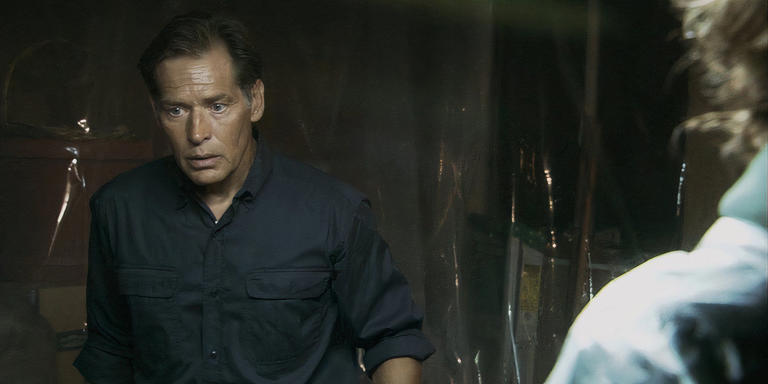
Harry Morgan (Image via Getty)
The Legacy of Harry’s Code
Harry’s death did not mean the end of his influence on Dexter, though. The “Code of Harry” continued to guide Dexter throughout the series. Even in the absence of his father, Dexter still held onto the principles Harry had taught him, despite being tempted to stray from them at times. The complex relationship between Dexter and Harry plays a crucial role in the story’s exploration of morality and justice.
Dexter’s adherence to Harry’s code meant that he only killed criminals who had escaped justice, often those whose crimes were too heinous for the legal system to handle. The moral conflict Dexter faced throughout the show stemmed largely from the fact that, despite following Harry’s code, he was still a killer. This contradiction became one of the central themes of the series, as Dexter struggled to reconcile his actions with his desire to be a good person.
The Lasting Impact of Harry’s Death
The death of Harry Morgan was a turning point in Dexter , both for the character and for the narrative of the show. Harry’s suicide was a consequence of his deep internal struggle with Dexter’s violent nature. It left Dexter with the burden of continuing on without his father’s guidance, forcing him to navigate the world on his own, while still holding onto the code that Harry had instilled in him.
As the series progressed, the loss of Harry remained one of the driving forces behind Dexter’s actions. His father’s teachings shaped Dexter into the person he was, and even after Harry’s death, his presence continued to influence Dexter’s moral compass and decisions. Harry’s death was not just a tragic event in Dexter’s life but also a key moment in the show’s exploration of the blurred lines between good and evil, justice and vengeance, and the cost of keeping dark secrets hidden from the world.
Nowadays, videos are everywhere, and they are changing fast. Memes, viral trends, and pop culture play big roles in shaping how we create and watch videos. Whether it’s a funny meme, a popular song, or a viral challenge, these elements have a huge influence on modern video styles. If you’re someone who loves making videos, you’ll know how important it is to keep up with these trends.
In this post, we’ll explore how memes and pop culture are changing video content and how video editing software like CapCut is helping to make this possible. We’ll also take a look at how AI tools like text-to-voice technology are becoming a big part of the process.
The Influence of Memes and Pop Culture on Videos
Memes: The Language of the Internet
Memes have become one of the most important forms of communication on the internet. They are short, funny, and shareable pieces of content, often made from pictures, videos, or text. These memes spread quickly and are usually based on popular culture, events, or trends. Because memes are so easy to share and understand, they have become an important part of how we create videos today.
When it comes to video content, memes are often used to make videos funny, relatable, or engaging. For example, many video creators will use popular meme formats (like the “Distracted Boyfriend” meme or “Mocking SpongeBob”) to tell a story or make their point. T
Pop culture also influences the types of memes people create. When a new movie or TV show is released, it’s common to see memes and video edits that reference scenes or quotes from that media.
Pop Culture Trends in Video Styles
Pop culture is a huge influence on the way we make and edit videos. Think about the popular video trends you’ve seen on platforms like TikTok or YouTube. Most of these trends are built around current pop culture moments, from viral challenges to popular songs. Video creators often follow these trends to make their videos more interesting and shareable.
One of the most popular editing styles today is fast cuts and transitions. This style is inspired by the quick-paced nature of TikTok and Instagram Reels, where videos are short and attention spans are quick. Fast cuts, zoom-ins, and cool transitions are all ways that video creators capture viewers’ attention and keep them engaged.
Video Editing Software: How CapCut Helps Creators Stay on Trend
When it comes to creating videos that reflect memes and pop culture, video editing software is a key tool. The CapCut desktop video editor is one of the most popular editing tools among video creators, especially for those who want to make meme-based content or jump on viral trends. CapCut is easy to use and offers many features that help make video editing simple and fun.
One of the main reasons CapCut is so popular is that it’s designed for beginners and experienced editors alike. Whether you’re creating a quick video for Instagram or working on a more polished project for YouTube, CapCut offers all the tools you need. From adding special effects to adjusting audio, CapCut lets creators put their unique spin on the videos they make.
Popular Features in CapCut for Meme and Pop Culture Videos
CapCut provides a range of editing features that help creators capture the current trends. Some of the most useful tools for creating meme-style videos include:
- Timeline Editing: This feature allows you to drag and drop clips, audio, and effects into your video in the order you want them to appear.
- Special Effects and Transitions: CapCut offers a wide range of effects, from simple filters to dramatic transitions, that help make videos more dynamic and eye-catching.
- Text Tools: Adding text to videos is crucial for creating memes. CapCut allows you to easily add text, change its size, and adjust its appearance to match the mood of your video.
- Music Library: Pop culture is often defined by music, and CapCut offers a wide library of royalty-free music tracks to use in your videos. You can choose the perfect song to fit the vibe of your video.
With all these tools, CapCut helps creators stay on top of trends and produce videos that feel fresh and in-the-moment.
The Role of AI Tools in Video Creation
AI Video Generators and Their Impact
AI technology has also started playing a big role in video creation. AI video generator can create videos from text or images. These tools use artificial intelligence to create animations, video clips, or even voiceovers, helping creators save time and effort. AI video generators are making it easier than ever to produce videos that fit within current pop culture and meme trends.
For example, some AI tools can generate animated characters or backgrounds based on a description you provide. This is great for creating custom videos or memes without needing advanced animation skills.
Text-to-Voice Conversion: Adding Narration to Your Videos
Another useful AI tool in video creation is text to voice technology. This feature allows creators to add narration or voiceovers to their videos without needing to record their own voices. In CapCut, you can convert text into speech, which can be used for funny memes, commentary, or storytelling.
Text-to-voice technology works by turning the text you type into an artificial voice that reads it aloud. The voice can be customized to sound more natural, and you can adjust the speed and tone to match the feel of your video. This is particularly helpful for meme videos, where humor or timing is key.
How to Add Text to Voice Using CapCut Desktop
Adding text-to-voice in CapCut is a simple process. Here’s a step-by-step guide:
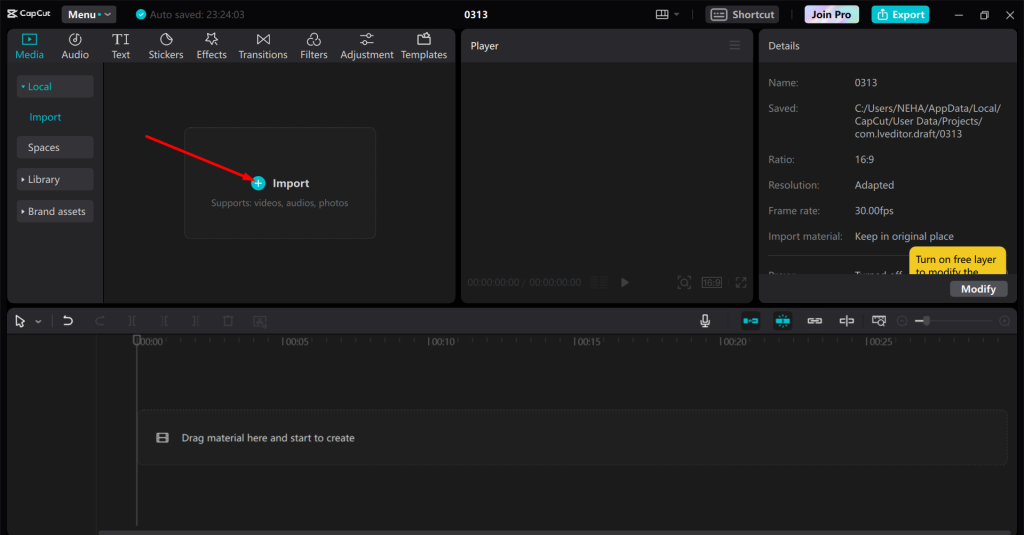
Step 1: Import Your Video
First, open CapCut on your desktop and create a new project. Import your video by clicking on the “Import” button and selecting the video file you want to edit. Once the video is uploaded, it will appear on the timeline where you can start editing.
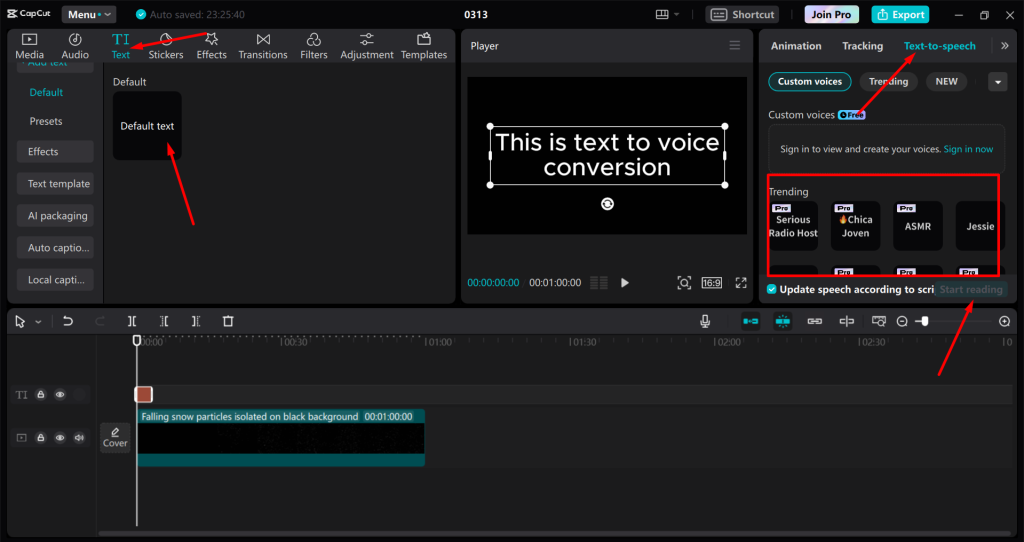
Step 2: Convert Text to Voice
After your video is imported, go to the “Text” section and type the script or words you want to be read aloud in your video. Once you’ve typed the text, select the “Text-to-Speech” option. CapCut will automatically generate a voice that reads your text.
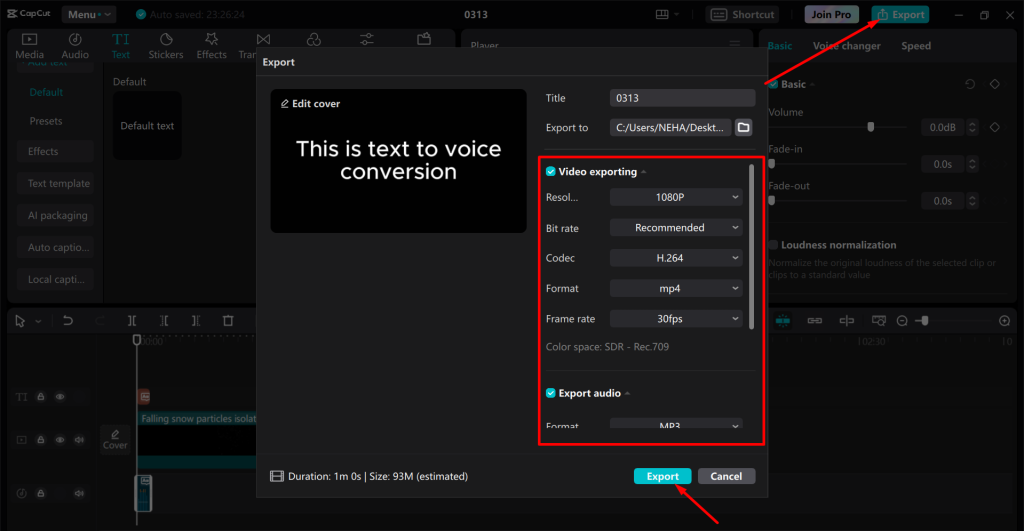
Step 3: Export Your Video
Once you’re happy with the video, click on the “Export” button in the top right corner. Choose your preferred resolution and file format, then click “Export” again to save the final video.
Memes and pop culture are at the heart of modern video styles. They help make videos more relatable, fun, and engaging. With video editing software like CapCut, creators can easily add trendy effects, transitions, and pop culture references to their content. Plus, with the rise of AI tools like text-to-voice technology, creating engaging videos has never been easier.
