Karen Carpenter, the lead singer of the popular 1970s sibling duo The Carpenters, tragically passed away on February 4, 1983, from heart failure caused by her long battle with anorexia nervosa.
Her death at the age of 32 brought much-needed attention to the dangers of eating disorders, a topic that had been little discussed or understood at the time.
Her struggles with anorexia began in her adolescence, after being teased for being “chubby.” Initially, her efforts to lose weight were praised, but as her weight dropped to dangerous levels, her friends and family began to realize the severity of her condition.
Her weight plummeted to a dangerously low 90 pounds in the mid-1970s, and it became clear that her health was in jeopardy.
Karen Carpenter and her brother Richard formed The Carpenters in 1969, and the duo went on to become one of the most successful acts of the 1970s, selling over 80 million records and winning three Grammy Awards.
The band’s wholesome image, combined with Karen’s dulcet voice and Richard’s piano arrangements, earned them a dedicated fan base. Hits like “Close to You,” “We’ve Only Just Begun,” and “Rainy Days and Mondays” became synonymous with 1970s pop culture.
However, behind the scenes, Karen’s mental health was deteriorating due to her battle with anorexia. She would spend countless hours exercising and severely restricting her food intake.
The psychological and physical toll of the disorder began to show in her frail appearance, prompting concern among her bandmates and loved ones.
Karen’s anorexia was exacerbated by a damaging cultural ideal of thinness, especially in the entertainment industry.
The 1960s and 1970s were marked by the rise of supermodels and celebrities with very slim physiques, with models like Twiggy setting the tone for the ideal body shape. Unfortunately, Karen Carpenter internalized this ideal, leading to a dangerous pursuit of extreme weight loss.
As her condition worsened, she took drastic measures to prevent gaining weight, including the use of ipecac syrup, a drug that induces vomiting.
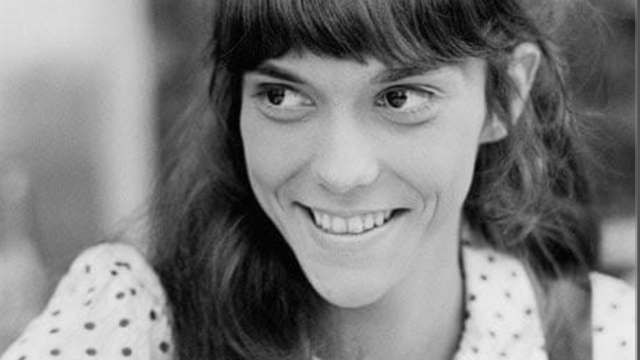
Karen Carpenter (Credit: Pinterest)
This practice not only contributed to her declining health but also caused irreparable damage to her heart.
By the mid-1970s, Karen’s health had deteriorated to the point where she could barely muster the strength to perform, and the band was forced to cancel a European tour.
Despite the physical symptoms of her illness being visible, no one around her truly understood the severity of her condition until it was too late.
Karen Carpenter’s death marked a pivotal moment in public awareness about eating disorders. Her passing shocked the world and highlighted the urgent need to address mental health issues related to food and body image.
Following her death, discussions about anorexia nervosa gained prominence, and for the first time, the disorder was widely recognized as a serious and potentially fatal condition.
Karen’s death also opened the door for others to share their own struggles with eating disorders. Notably, Princess Diana later revealed her own battle with bulimia, helping to further destigmatize the topic.
In the wake of Karen’s death, a movement to raise awareness about eating disorders began to take shape.
A group of doctors and therapists, alarmed by the prevalence of ipecac abuse, lobbied the FDA to ban the over-the-counter sale of the drug, which had been used by many individuals suffering from eating disorders to induce vomiting.
This action was one of the first tangible steps taken to combat the deadly effects of eating disorders in the 1980s.
Karen Carpenter’s legacy as a victim of anorexia also changed how the entertainment industry viewed issues of body image.
Audiences had been shocked by her drastic weight loss, with some even speculating that she was suffering from cancer due to her emaciated frame.
Her condition and eventual death served as a cautionary tale about the dangerous pressures faced by women in the public eye, particularly when it comes to body image and weight.
Despite her struggles, Karen Carpenter’s musical contributions continue to resonate with fans around the world, and she is remembered as one of the greatest voices of her generation.
Angus Cloud, the talented actor best known for his role as Fezco in the hit HBO series Euphoria, tragically passed away in July 2023 at the age of 25.
His death was confirmed by the Alameda County Coroner’s Office, which determined that he died from an accidental overdose caused by a combination of fentanyl, cocaine, methamphetamine, and benzodiazepines.
The news of his passing shook both his fans and the entertainment industry, leaving many mourning the loss of a young, bright talent with much more to give.
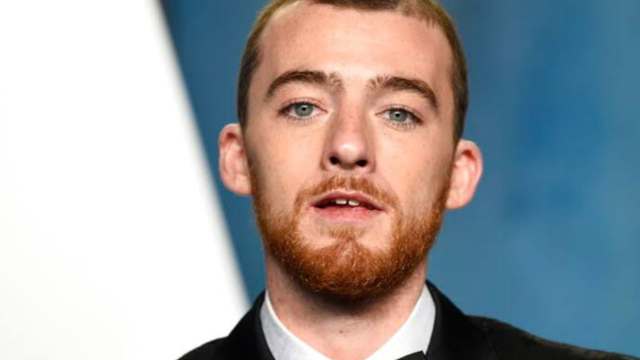
Angus Cloud (Credit: YouTube)
Cloud had been facing personal challenges prior to his death, most notably the recent passing of his father. The young actor had traveled to Ireland to attend his father’s funeral just a week before he died.
His family revealed that the loss of his father had profoundly affected him, and they believe his grief may have contributed to the struggles he was facing at the time of his death.
The family described him as a loving son, brother, and friend, and found comfort in knowing that he was now reunited with his father, who had been a central figure in his life and someone he considered his best friend.
In a statement, Cloud’s family also highlighted his openness about his battle with mental health issues.
They expressed a desire for his passing to serve as a reminder to others that they are not alone in their struggles and to encourage individuals to seek help rather than suffer in silence.
Mental health awareness was something Cloud had been vocal about, and his family hoped his story would inspire others to address their own challenges.
His death became a somber reminder of the importance of mental health support, especially for those in the public eye who often feel pressure to maintain a facade of perfection.

Angus Cloud (Credit: Pinterest)
Throughout his career, Angus Cloud had made his mark not only in acting but also in the music industry. He appeared in music videos for well-known artists such as Becky G, Karol G, and Juice WRLD.
His breakthrough role as Fezco “Fez” O’Neill in Euphoria earned him recognition and admiration from both fans and critics alike.
Fez, the kind-hearted but complex drug dealer in the series, quickly became a fan-favorite, with Cloud’s performance standing out among the ensemble cast.
His portrayal of Fezco, who struggled with his own vulnerabilities while navigating the dangerous world of drug dealing, resonated with many viewers.
Angus Cloud’s unexpected and untimely passing was met with tributes from his co-stars, who shared their grief and fond memories of him. Zendaya, who played Rue Bennett in Euphoria, paid a heartfelt tribute to Cloud after his death.
She described him as someone who could “light up any room” with his warm eyes, infectious laugh, and bright smile.
Zendaya called him a brother and expressed gratitude for the chance to know him in this life, underscoring the deep bond they shared as co-stars and friends.
Her tribute was echoed by other members of the Euphoria cast, who spoke about how Angus’s positive energy and spirit had touched them all.
The loss of Angus Cloud was not just a blow to the world of television but also to those who knew him personally. He was remembered not only for his talent and work ethic but also for his kindness, humility, and authenticity.
Fans, fellow actors, and friends alike shared their admiration for him, and his sudden passing left an irreplaceable gap in the entertainment world.
Despite his brief time in the spotlight, Angus Cloud had made a lasting impact through his role in Euphoria, his advocacy for mental health awareness, and his genuine personality.
His legacy continues to inspire both those in the industry and fans who were touched by his work. His death also prompted ongoing discussions about the importance of mental health care and the need to support individuals facing mental health struggles, particularly in the entertainment industry, where the pressures and demands can sometimes be overwhelming.
Angus Cloud’s story, while tragic, serves as a powerful reminder of the complexities of fame, grief, and mental health.
His family’s hope is that his passing encourages others to reach out for help when they need it, reminding us all that no one should have to fight their battles alone.
As we remember Angus, we continue to honor the light he brought into the world, his contribution to the arts, and the important lessons we can learn from his life and his death.
