Marissa Cooper’s death in The O.C. remains one of the most heartbreaking moments in television history. Fans who watched the show from the beginning saw her go through numerous ups and downs, but nothing could prepare them for the devastating season three finale. Her passing not only changed the course of the series but also left a lasting impact on viewers.
Her character, played by Mischa Barton, was central to The O.C. ‘s story, making her exit all the more emotional. Whether you’re a longtime fan revisiting the series or someone just discovering it, understanding how and why Marissa met her end is essential to grasping the full weight of her journey.
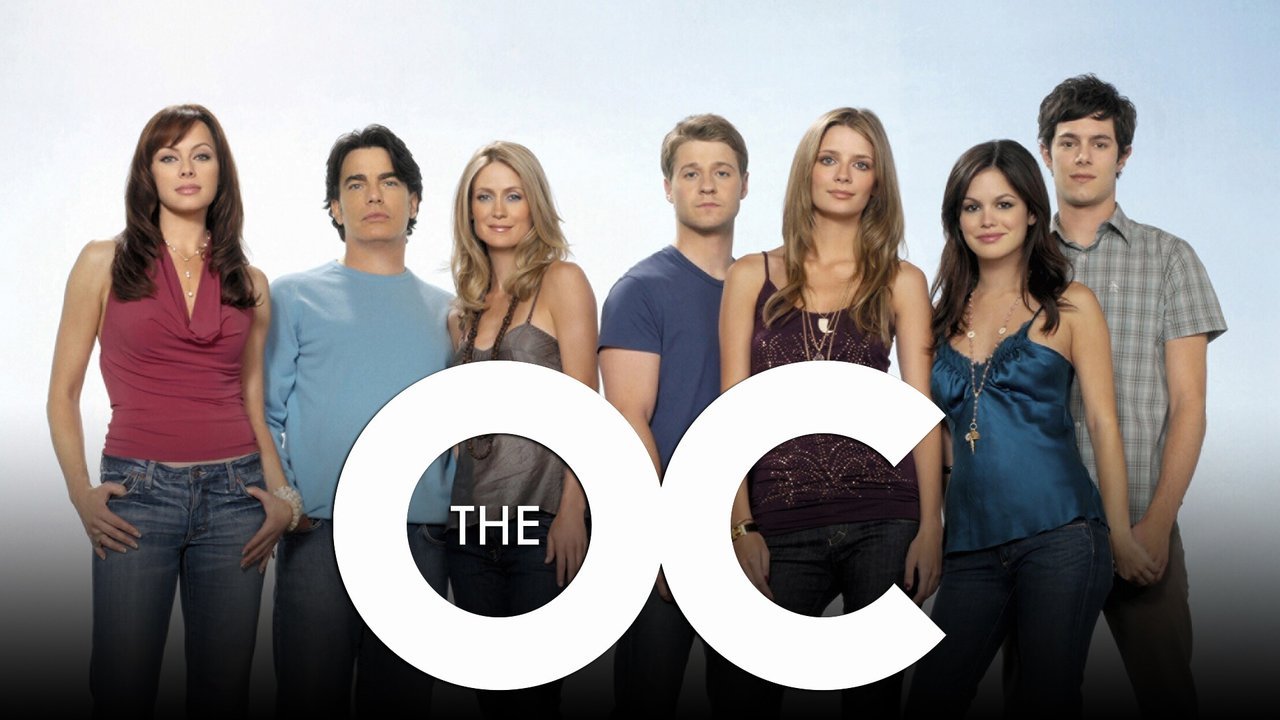
The O.C. (Image via Getty)
Marissa Cooper’s Turbulent Journey
From the very first episode, Marissa is portrayed as the troubled yet intriguing girl next door. She was beautiful, wealthy, and popular but carried deep emotional struggles beneath the surface. Growing up in Newport Beach, California, she had a life that seemed perfect from the outside. However, behind the glamour, she dealt with family issues, toxic relationships, and personal demons.
Throughout the series, Marissa endured:
- Her parents’ messy divorce
- Her father Jimmy’s financial struggles
- A dysfunctional relationship with her mother, Julie Cooper
- A rocky romance with Ryan Atwood
- Substance abuse problems
- An abusive relationship with Trey Atwood, Ryan’s brother
Despite everything, she remained a fan favorite due to her complex personality and deep emotional struggles. Many viewers related to her pain, making her eventual fate even more difficult to accept.
What Led to Marissa’s Death?
Marissa’s storyline in season three took a darker turn. After being expelled from Harbor High, she attended a public school, where she struggled to adjust. She later became involved with Volchok, a rebellious and dangerous surfer who had a bad influence on her. Their relationship was toxic, filled with reckless behavior, partying, and betrayals.
Things escalated when Volchok cheated on Marissa, leading her to cut ties with him. However, he couldn’t let go. Desperate, angry, and spiraling out of control, Volchok made a series of bad decisions that ultimately resulted in tragedy.
The Fatal Car Crash
In the season three finale, “The Graduates,” Ryan and Marissa decide to leave Newport together. After attending their graduation, they plan to head to the airport, where Marissa is supposed to start fresh with her father, Jimmy, in Greece. It’s a hopeful moment—one that suggests Marissa might finally escape her troubled past.
However, as Ryan drives her along a winding road, Volchok appears, chasing them in his car. Fueled by jealousy and rage, he begins to harass them on the road, getting dangerously close. Ryan tries to avoid him, but Volchok forces them off course. Their car crashes, flipping over and landing in a ditch.

Marissa Cooper (Image via Getty)
Ryan manages to crawl out and rescue Marissa from the wreckage just before the vehicle catches fire. As he carries her to safety, it becomes clear that she’s gravely injured. Lying on the ground in Ryan’s arms, Marissa’s injuries prove to be too severe. She shares a few final words with Ryan, reminiscing about their past before she dies in his arms. The episode ends with Ryan walking away from the burning car, carrying her lifeless body, as Hallelujah by Imogen Heap plays in the background—a haunting and unforgettable moment for fans.
Why DidThe O.C.Kill Off Marissa?
Marissa’s death was a creative decision that changed the direction of the show. There were multiple reasons behind it:
One of the biggest factors was Mischa Barton’s decision to leave The O.C. . In interviews, she mentioned that she felt it was time to move on from the character and explore other opportunities. She later expressed regrets about how it was handled, but at the time, leaving seemed like the best option for her career.
The show’s creators wanted to introduce a dramatic shift going into season four. Killing off a main character was a bold move that amazed audiences and set a darker tone for the final season. However, some fans felt that the show was never the same without Marissa.
By season three, The O.C. was struggling with declining viewership. The writers hoped that a twist would bring renewed interest, but it didn’t have the long-term impact they hoped for. Season four saw a further drop in ratings, leading to the show’s cancellation after just 16 episodes.
How Fans Reacted to Marissa’s Death
Marissa’s death remains one of the most controversial moments in The O.C. . Many fans were devastated, feeling that her character deserved a better ending. Some argued that she had already suffered enough and should have been given a chance at a happy future. Others believed that her death added emotional weight to the series and made Ryan’s character arc even more profound.
The scene itself is often cited as one of the saddest deaths in TV history. The combination of Ryan’s heartbreak, the haunting soundtrack, and the realization that Marissa’s story was truly over left a lasting impression on viewers.
What Happened After Marissa’s Death?
Season four focused heavily on how Marissa’s death affected the characters, particularly Ryan. Struggling with grief, he isolated himself and sought revenge on Volchok, who fled after the crash. Seth, Summer, and the Cohens also struggled to cope with the loss. Summer, in particular, had a hard time moving forward, leading her to change her outlook on life and become more involved in activism.
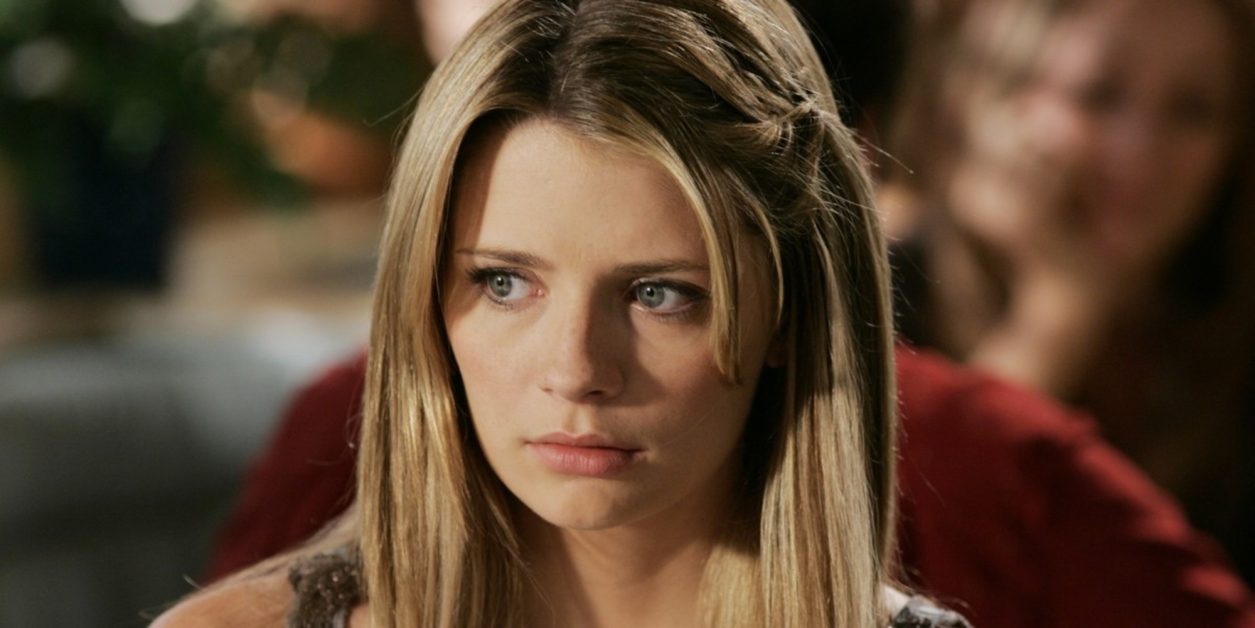
Marissa Cooper (Image via Getty)
However, without Marissa, the show lost one of its central dynamics. Despite attempts to introduce new characters and storylines, The O.C. never fully recovered.
Mischa Barton’s Thoughts on Marissa’s Death
Over the years, Mischa Barton has spoken openly about her departure. In some interviews, she shared that she felt the show’s environment had become toxic for her. She also admitted that she was overwhelmed by fame at a young age and wanted to explore other roles. However, she later reflected that Marissa’s death was an extreme way to end her story and that other options could have been explored.
Marissa Cooper’s Legacy
Despite her tragic fate, Marissa remains one of the most iconic characters in teen drama history. Her journey resonated with audiences, and her death is still discussed years after the show ended.
Whether fans loved or hated how her story concluded, there’s no denying that Marissa’s impact on The O.C. was profound. Her struggles, relationships, and ultimate fate made her an unforgettable part of television history.
It’s a frustrating reality that even some of the most beloved and critically acclaimed series end up being canceled after just one or two seasons. If you’re a fan of a Netflix original that got axed, you’re not alone in wondering why the streaming giant makes such decisions. While it may seem perplexing, there are real, strategic reasons behind the cancellations.
Viewing Numbers and Audience Engagement
Netflix is primarily a business, and like any business, it needs to ensure that its investments generate returns. The most important metric in determining whether a show stays on the platform is its viewership.
Netflix (Image via Getty)
When a show is released, Netflix tracks how many people watch it, how long they watch it, and how quickly they finish it. This data plays a huge role in deciding whether a series is worth continuing. Shows that have low viewership or fail to engage audiences may not meet Netflix’s expectations for success. Even if a show has great critical acclaim or a loyal fan base, if it doesn’t drive enough views or engagement (like repeat watches), Netflix may choose to cancel it to reallocate resources to more popular projects.
Cost of Production vs. Revenue Generation
Original content on Netflix isn’t cheap to produce. From high-budget action series to smaller-scale dramas, the cost of creating shows can quickly add up. This is especially true when a series requires expensive special effects, A-list actors, or high-quality sets.
Netflix often finds itself weighing the production costs against potential revenue generation. A show might get canceled if the cost of producing the next season outweighs the income it generates from subscriptions. While some shows may have a loyal fan base, if the revenue from subscriptions doesn’t justify the budget, the show may be canceled to avoid further financial loss.
Saturation of Content
As Netflix expands its content library, there’s a greater need for differentiation between shows. With so much content available, some shows can get lost in the crowd, even if they have unique qualities. Sometimes, the platform will cancel shows because they are simply too similar to others in their library, making it harder for them to stand out. In cases like this, the platform might want to focus on creating new, more innovative content rather than continuing with a show that lacks distinction in a saturated market.
Shifting Priorities and Strategy
Moreover, Netflix occasionally changes its focus to specific genres or even specific countries. A show that was successful in one market may not have the same appeal globally. This shift in priorities may lead Netflix to cancel shows that no longer fit their evolving content strategy.
Critical Reception and Social Buzz
Netflix shows (Image via Getty)
In some cases, Netflix may opt to cancel a show despite decent reviews because it didn’t generate enough conversation or buzz to keep the momentum going. In today’s social media-driven world, the amount of buzz a show generates plays an increasingly important role in its survival. If a show isn’t trending or being discussed widely, Netflix might feel it’s not worth continuing.
Creative Challenges and Showrunner Decisions
A key part of a show’s success is the creative direction set by its showrunner. Showrunners are responsible for the vision and execution of a series, and if there’s a change in the leadership or creative challenges during production, it can lead to a show’s downfall.
Sometimes, a show may face internal challenges like creative differences, disagreements on the direction of the story, or even behind-the-scenes conflicts that impact the show’s production and reception. These issues can affect the consistency and quality of the content, which may contribute to a decision to cancel it, even if it started strong.
Global Market and Regional Success
Netflix is available in over 190 countries, and each region has different tastes and preferences when it comes to content. Sometimes, a show may be successful in one market but fail to resonate in others. For example, a drama series that does well in the U.S. may not generate the same level of interest in Europe or Asia.
When Netflix invests in international content, it tries to cater to regional tastes, but not every show will be successful across all markets. If a show doesn’t resonate with a large enough audience on a global scale, Netflix may decide to cancel it. This decision can be based on regional viewership data that shows a lack of interest outside the original production area.
Overestimating Potential
Another reason shows get canceled is when Netflix overestimates its potential in terms of viewership or impact. Shows are often given a chance based on exciting pitches, interesting concepts, or potential celebrity involvement. However, if the show fails to live up to these expectations, Netflix may decide to cut its losses early rather than risk continued investment in something that’s not working.
In these cases, the cancellation is more about misjudging the show’s ability to attract and keep viewers rather than an issue with quality. A show may have had all the ingredients for success but just didn’t come together as expected.
Netflix (Image via Getty)
Contractual and Licensing Issues
In some cases, a show may face cancellation due to licensing and contractual issues. Netflix often produces original content in collaboration with other studios or partners. If there’s a breakdown in the relationship with those partners, it can lead to issues with continuing the series. Additionally, if licensing rights are about to expire or become too costly to renew, Netflix may opt to cancel the show rather than continue with expensive contracts.
