Wyatt Earp, famously portrayed by Kurt Russell in the 1993 film Tombstone , is an iconic figure in American history, especially for his role in the notorious shootout at the O.K. Corral. His life, however, didn’t end with this legendary event.
In fact, Wyatt Earp lived for decades after the gunfight and continued to have a colorful and varied life.
Despite being an icon of the Old West, Wyatt’s death came from a condition that seems far removed from his adventurous, gun-slinging life. Let’s explore how Wyatt Earp passed away and what followed after the events in Tombstone .
Wyatt Earp’s Later Life
Following his time in Tombstone and the aftermath of the O.K. Corral shootout, Wyatt Earp’s life became even more multifaceted. After the tragic death of his brother Morgan and the violent vendettas that followed, Earp left Tombstone and ventured into several business endeavors.
He participated in the Alaskan gold rush, ran a saloon, and even acted as a referee in a high-profile boxing match. In his later years, Earp moved to California, where he became involved in the early Hollywood film industry. Despite his growing connection to the entertainment world, Earp never fully abandoned his tough-guy image.
Wyatt Earp’s Death
Wyatt Earp died on January 13, 1929, at the age of 80, a surprisingly long life for a man who had lived through many violent and turbulent years. His cause of death was reported as complications from chronic cystitis, a painful condition characterized by inflammation of the bladder.
This condition can result from untreated infections, and in Earp’s case, it ultimately contributed to his death.
Chronic cystitis, while treatable today, could have been much more severe in the early 20th century, especially as medical knowledge and treatments were far more limited.
There were also reports suggesting that Earp may have had an underlying liver disease, which could have exacerbated his cystitis and complicated his condition.
According to the Los Angeles Times obituary published at the time of his death, Earp had been suffering from liver disease for several years leading up to his passing.
It’s not uncommon for chronic conditions to be overlooked in an era when medical advancements were not as advanced as they are today.
A Legacy Transformed into Legend
Earp’s death marked the passing of the last surviving participant in the O.K. Corral shootout.
By the time of his death, all of the other key figures involved in the infamous gunfight had already passed away, including his brothers Morgan and Virgil, and his close friend Doc Holliday. Earp was the last of the famous Earp brothers and one of the final legends of the Old West.
Despite his death being rather unremarkable compared to the violent nature of his life, Wyatt Earp’s passing symbolized the end of an era.
His funeral was attended by an interesting mix of individuals, including former figures of the Old West, such as William J. Hunsaker (Earp’s lawyer), and George W. Parsons (a founding member of Tombstone’s Committee of Vigilance).
There were also Hollywood personalities in attendance, reflecting Earp’s involvement in the entertainment industry.
Among them were silent film stars William S. Hart and Tom Mix, who had both built their careers on portraying Western figures. Earp’s cremated remains were buried in Colma, California, where many early Hollywood legends were also laid to rest.
The End of the Earp Family Line
At the time of his death, Wyatt Earp was not just the last surviving member of his immediate family, but he was also the last surviving participant in the O.K. Corral gunfight. His brothers had met tragic ends long before him: Morgan was murdered in 1882, Virgil died in 1905 from pneumonia, and James passed away in 1926 from a stroke. The youngest brother, Warren, was killed in 1900 after a violent altercation.
With Wyatt’s death, the Earp family legacy as living figures of the Old West came to a close, but their mythos lived on. Earp’s larger-than-life reputation ensured that he became a figure more mythologized than remembered for his actual deeds.
Over time, his life was transformed into legend, immortalized in countless films, books, and television shows, with Tombstone being just one of the many representations of his incredible story.
Bryce Mitchell, a professional mixed martial artist from the United States, has made a name for himself in the UFC’s Featherweight division. As of 2024, his estimated net worth is around $1.5 million, which is not only derived from his UFC earnings but also from his other ventures, including his work as a farmer.
He is known for his performances in the UFC, where he gained significant attention after his victory over Edson Barboza at UFC 272.
Mitchell’s fight salary typically ranges around $50,000 per bout. His earnings can increase with bonuses for “Fight of the Night” or “Performance of the Night,” which have pushed his total fight earnings to as much as $78,000 for a single fight. For instance, his bout at UFC 282 against Ilia Topuria brought him a reported $78,000 despite his loss.
Additionally, Bryce Mitchell has bolstered his income through endorsement deals with various brands, such as MyBookie, Jocko Fuel, RealTree, Bigty, Origin, Rujo, and Warren Family Chiropractic. These partnerships help supplement his UFC salary and contribute to his millionaire status.
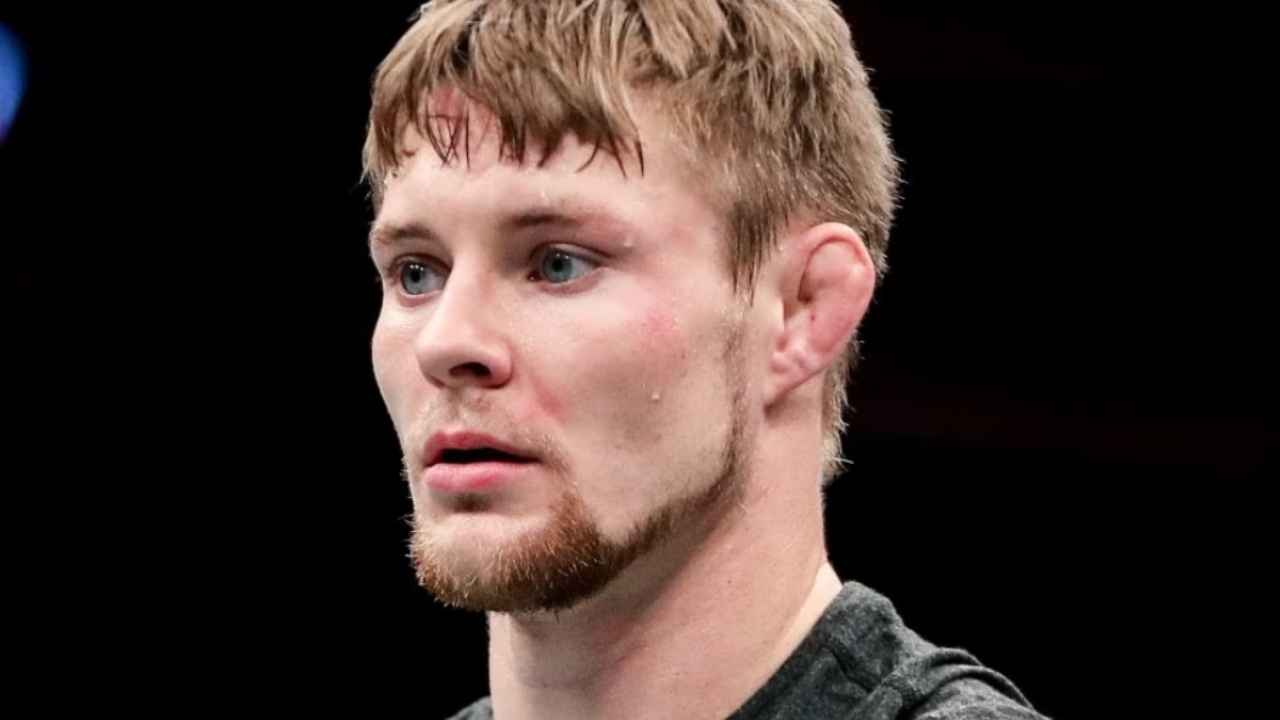
Bryce Mitchell (Credit: YouTube)
Beyond his athletic career, Mitchell is also known for his charitable work. After his victory over Edson Barboza, he pledged to donate half of his fight purse to help Arkansas children suffering from medical conditions, emphasizing his desire to give back to his community.
Mitchell resides in Searcy, Arkansas, but maintains a private lifestyle, keeping details about his personal life, such as his car collection, under wraps.
His charitable efforts, combined with his successful MMA career and endorsements, have helped him achieve a respectable net worth.
Despite his relatively young age, Mitchell is carving out a solid financial foundation that extends beyond his fighting career.
