It’s unusual for TV shows to jump forward in time between episodes, but The Penguin surprised viewers by doing just that. In the superhero genre, stories tend to move in a straight line, rarely breaking the pattern.
In this latest episode, The Penguin decided to skip several weeks forward, choosing not to show the immediate aftermath of Oz’s actions from Episode 5. The showrunner, Lauren LeFranc, explained the reasons behind this time jump in an interview with Collider at this year’s New York Comic Con (NYCC).
This shift in time allows the show to reveal new developments without the need for a lengthy setup. LeFranc shared that Episode 6, titled “Gold Summit,” skips ahead partly because the team wanted the audience to see something that would otherwise take several episodes to build up to—particularly, the underground tunnels.
Setting Up the Tunnels
LeFranc explained in her interview with Perri Nemiroff from Collider that the decision to jump forward in time made sense from a storytelling perspective. She explained that Episode 5 ends with a powerful scene where Oz (played by Colin Farrell) and Victor (played by Rhenzy Feliz) show the tunnels.
In this scene, Oz tells Victor about the hidden tunnels under Gotham, and we see the potential for these tunnels to become an important part of Oz’s plans. The show decided that instead of spending half a season building this up, they would jump ahead to a time when Oz is already using these tunnels.
“Well, I think the way we ended Episode 5, where Oz and Victor go down and Oz tells Victor about the tunnels, and we see this meaningful underground layer for him. It felt right to then jump ahead and see it in action. Story-wise, this also gives all of our characters some breathing room,” LeFranc said.
By jumping ahead, the show allows viewers to see the tunnels in use instead of just hearing about them or watching a slow buildup. This time jump saves time while keeping the story moving at a fast pace.
The Jump to Winter
Another reason for this time jump is to change the season, moving the setting to winter. This jump places Gotham City in a much colder and darker environment. Winter adds to the gloomy and harsh feeling of the show, making Gotham feel even more dangerous and intense.
Gotham City is already known for its rough atmosphere, but winter brings a new level of cruelty to the city. Snow and freezing temperatures make everything harsher. The time jump also gives the show an opportunity to reflect this cold atmosphere in the characters, particularly Oz, who must now deal with the added challenges of winter in his underground plans.
Evolving Characters and Growing Businesses
The time jump also lets viewers see how different characters have progressed in this new timeline. One of the main changes is with Sofia Falcone (played by Cristin Milioti). In Episode 4, Sofia had one of her strongest moments when she decided to bury her family, the Falcones, in every way possible. By skipping forward in time, we see a new side of Sofia and understand that her character has grown since her powerful decision.
Oz’s character also shows growth. With the jump in time, we get to see Oz and Victor’s “Bliss” business booming. Oz now controls a powerful new drug, giving him more influence in Gotham’s underworld. This adds a new layer of power and danger to Oz’s character, as he must deal with the responsibility and risks that come with running a drug operation.
This time jump allows viewers to skip over the gradual buildup of these developments and go straight to the results. It shows how Oz and Victor have managed to grow their business and the challenges that come with it. This fast-forward approach helps keep the audience engaged, as they are eager to see what Oz will do with his newfound power.
Addressing Fan Speculation
In Episode 5, fans noticed that the tunnels under Crown Point resembled the Batcave. Some fans even started speculating that these tunnels might somehow connect to Bruce Wayne’s (Batman’s) secret hideout.
The show has not confirmed this theory, but the time jump gives a hint that both Bruce Wayne (played by Robert Pattinson) and Oz Cobb might be using the same network of abandoned trolley stations as their bases of operations.
By jumping ahead, The Penguin lets fans see how these tunnels are being used without answering every question right away. It keeps some mystery in the story while also showing the progress Oz has made with his underground lair.
The Direction of Francis Cobb’s Storyline
The time jump also affects the storyline of Francis Cobb, Oz’s mother (played by Deidre O’Connell). With the time skip, viewers get a sense of where her story might be heading. Francis’s storyline has been building up throughout the season, and fans are starting to see the direction it might take. The jump allows for a natural progression in her story without dragging it out.
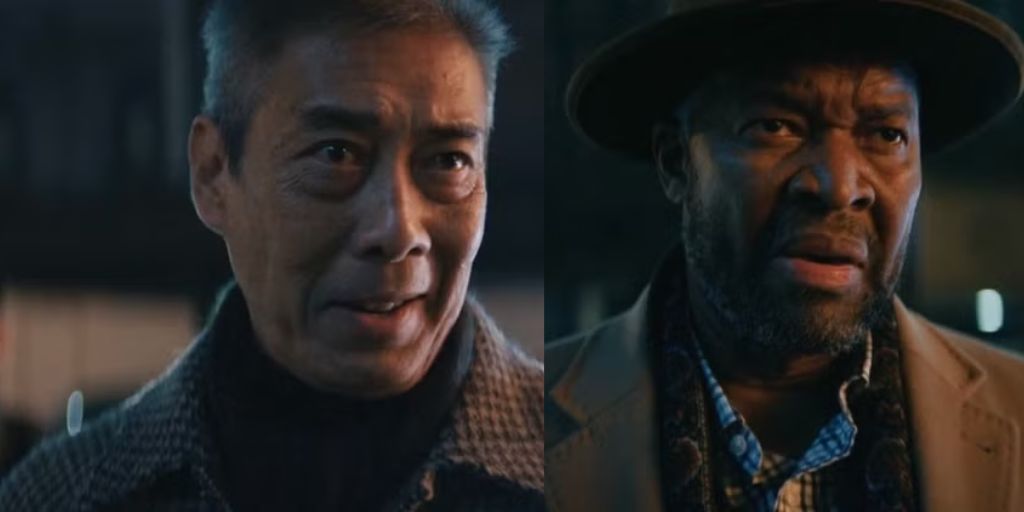
Still from The Penguin (Credit: HBO)
Skipping forward lets the audience understand how Francis’s relationship with Oz has changed over time, even if they haven’t seen every moment between them. This approach gives the story more depth and hints at potential challenges or conflicts that may arise between Francis and Oz in the future.
Why the Time Jump Works
The time jump in The Penguin is effective for several reasons. First, it keeps the pace of the show fast, allowing the story to progress without unnecessary filler episodes. By moving the timeline forward, The Penguin can show the impact of Oz’s decisions and how they play out in a more immediate way.
Second, the jump to winter changes the tone of the show, adding a new layer of intensity to Gotham City. The snowy, cold environment creates a more threatening atmosphere, which adds to the drama and tension of the series.
Lastly, the time jump allows the show to show different aspects of Oz’s character, particularly his growth as a leader and his ability to handle power. By skipping over the slower buildup, The Penguin gets straight to the heart of the action, showing Oz’s rise in Gotham and the consequences that come with it.
Looking Ahead
New episodes of The Penguin air every Sunday on Max, and the season finale is just around the corner on November 10. This time jump in Episode 6 sets up exciting possibilities for the remaining episodes, as Oz faces new challenges and continues to build his power in Gotham City.
Fans are eager to see how this fast-paced storytelling style will shape the rest of the season. With the upcoming finale, there’s plenty of room for more twists, especially as Oz’s plans with the tunnels and his business continue to unfold.
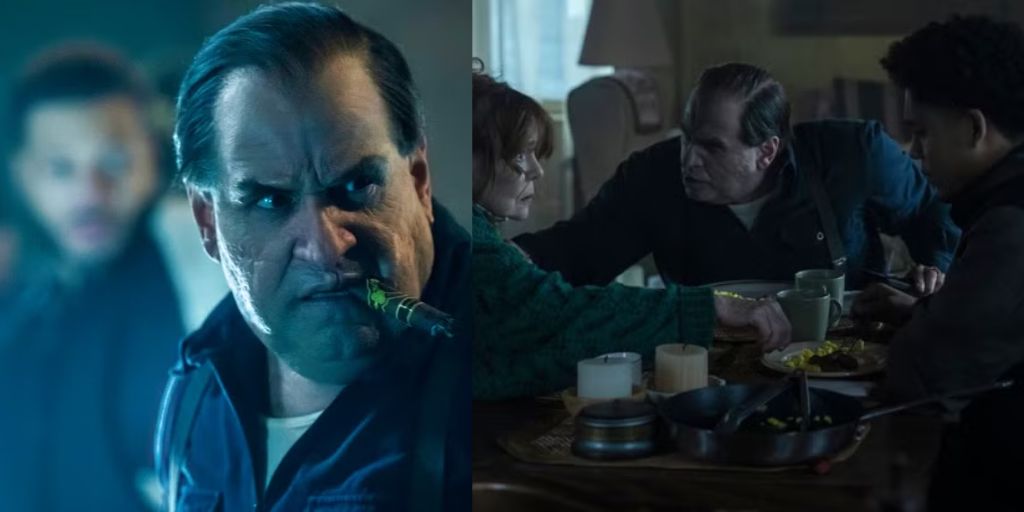
Still from The Penguin (Credit: HBO)
This season of The Penguin shows that sometimes, skipping ahead can be a smart storytelling choice. By jumping forward, the show gives viewers a fresh look at Gotham, Oz’s growing empire, and the evolving characters. The decision to skip several weeks has kept the show dynamic, intense, and full of surprises.
The Penguin has managed to keep viewers guessing, and this latest time jump is just another example of how the show is willing to take risks to keep the story engaging and unpredictable.
Few animated characters have captured international hearts like Wallace and Gromit, the timeless stars of Aardman Animation.
For decades, Wallace, a cheerful inventor, and his quiet yet expressive dog Gromit have taken fans on delightful adventures, building a lasting legacy through stop-motion animation that audiences of all ages continue to love.
Their stories in short films like The Wrong Trousers and feature-length movies such as The Curse of the Were-Rabbit have made them unforgettable in animation.
Aardman Animation, the studio behind Wallace and Gromit, has faced many challenges over its long career. From studio fires and clay shortages to the loss of Peter Sallis, Wallace’s original voice actor, these obstacles could have halted the series at many points.
However, Aardman continued, driven by a commitment to bringing this beloved pair back to the screen. Now, with creator Nick Park leading the way, Wallace and Gromit return in the new Netflix film, Wallace & Gromit: Vengeance Most Fowl. Almost 20 years since their last movie, Wallace and Gromit remain just as lovable and charming as ever in this latest adventure.
Wallace and Gromit: Back in Vengeance Most Fowl
In Wallace & Gromit: Vengeance Most Fowl, Wallace, now voiced by Ben Whitehead, is still the well-meaning, ambitious inventor fans know and love. But now, Wallace finds himself dealing with overdue bills and growing pressure from Gromit, who feels Wallace is becoming overly dependent on new technology.
Wallace invents Norbot the Smart Gnome, an advanced gardening robot voiced by Reece Shearsmith, who represents Wallace’s latest attempt at solving his problems through invention.
However, as usual, things take a comical turn for the worse when an old feathered enemy from Wallace and Gromit’s past returns, bent on revenge and seeking what he believes is rightfully his.
Familiar Faces Bring New Energy
Wallace & Gromit: Vengeance Most Fowl brings back the characters fans adore while adding fresh twists. Ben Whitehead takes on the role of Wallace, making him the full-time voice after the passing of Peter Sallis.
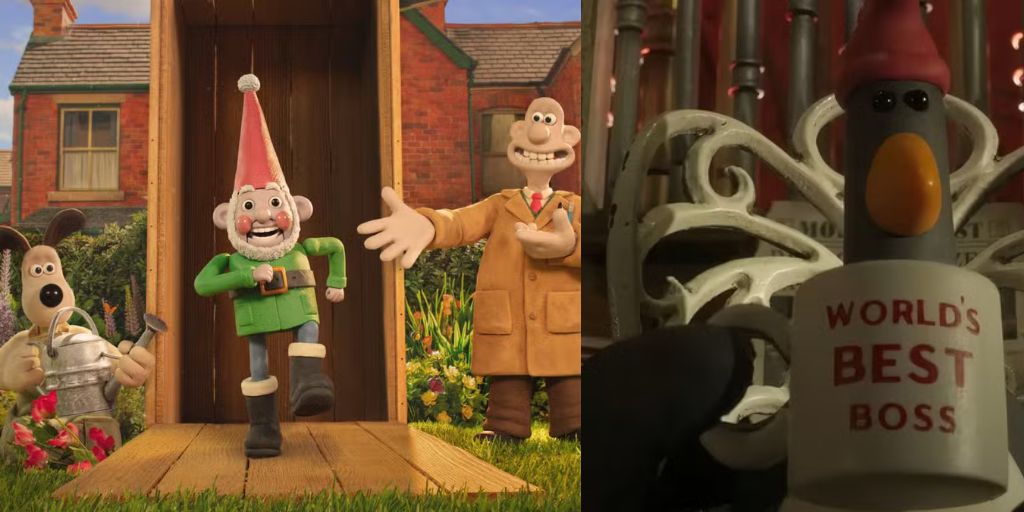
Still from Wallace & Gromit Vengeance Most Fowl (Credit: Netflix)
Whitehead’s performance captures the essence of Wallace’s character, making him sound almost identical to Sallis’s beloved portrayal.
Many sound-alikes often struggle to perfectly imitate a predecessor’s voice, especially when it comes to unique vocal tones and mannerisms. Yet Whitehead effortlessly brings Wallace’s cheese-loving, quirky spirit to life.
Gromit, the silent canine companion, shines once again as one of animation’s best silent protagonists. Known for cleaning up the messes Wallace creates, Gromit doesn’t need words to convey what he’s thinking; every glance, eyebrow raise, and sigh perfectly communicates his emotions.
His expressive gestures remind viewers of his loyalty, intelligence, and love for Wallace, all without a single spoken word. The humor and connection between these two characters provide much of the charm that has made Wallace and Gromit so beloved over the years.
The Return of Feathers McGraw, the Hilarious Villain
A standout character in Vengeance Most Fowl is the villainous Feathers McGraw. This crafty penguin and master of disguise originally appeared in The Wrong Trousers, becoming a fan-favorite villain. Feathers McGraw is back, adding humor and suspense to the story as he tries to outwit Wallace and Gromit.
Despite having an even simpler design than Gromit, Feathers McGraw’s expressions and mannerisms make him an unforgettable antagonist. His small, emotionless eyes and calm yet devious nature give him a distinct personality that makes viewers laugh even as he schemes against our heroes. Feathers McGraw’s role as an “evil” penguin feels ironic and funny, enhancing the movie’s humor.
The New Addition: Norbot the Smart Gnome
A new character in Vengeance Most Fowl is Norbot the Smart Gnome, a robotic gardening assistant created by Wallace. Norbot, voiced by Reece Shearsmith, adds a mix of humor and creepiness to the movie. He has a unique look, blending Wallace’s quirky design style with a touch of unsettling charm.
While Norbot provides some comedic moments, his eerie appearance may unsettle younger viewers. Aardman Animation is known for including eerie characters in its films (the robot dog from A Close Shave is a memorable example). Norbot’s presence in the film gives it a slightly spooky edge, adding to its appeal but also serving as a caution for parents with very young children.
Visual Storytelling: Aardman’s Signature Style
One of the strengths of Wallace & Gromit: Vengeance Most Fowl lies in its visual storytelling. Aardman Animation excels at telling stories through visuals, relying on subtle gestures and expressions rather than words alone. This style, seen in classics like Chicken Run and Shaun the Sheep, is as effective as ever in Vengeance Most Fowl.
Large parts of the film unfold without dialogue, yet every scene flows with clarity and coherence, much like a masterful silent film.
Vengeance Most Fowl draws comparisons to legendary silent films by Charlie Chaplin and Buster Keaton. The movie’s humor relies more on clever gags and puns rather than complex twists, creating a lighthearted viewing experience.
However, some jokes may appeal more to British audiences, such as references to British comedy duo Ant & Dec. For international viewers, a few jokes might miss the mark due to these cultural references, yet the film remains enjoyable fully.
A Nod to Wallace and Gromit’s History
Wallace & Gromit: Vengeance Most Fowl honors the history of the series while introducing a unique twist. Unlike most Wallace and Gromit tales, which can be enjoyed independently, Vengeance Most Fowl serves as a more direct sequel to The Wrong Trousers.
This sequel approach has pros and cons. Longtime fans will enjoy the nostalgic callbacks, references, and familiar characters, but newer viewers may feel they’re missing out on inside jokes. While watching previous Wallace and Gromit films isn’t required to enjoy Vengeance Most Fowl, it enhances the experience by adding context to some of the humor.
A Message on Technology and Its Drawbacks
One of the underlying themes in Vengeance Most Fowl is technology’s influence and potential downsides. Wallace, ever the gadget enthusiast, builds Norbot to assist with his daily tasks, but soon finds himself relying too much on technology.
This theme reflects a cultural concern, as many people today feel both empowered and burdened by modern tech. While the message is relevant, it becomes less clear as the story progresses. By the end of the film, the takeaway seems to be that technology can be both helpful and harmful depending on how it’s used.
Although not a groundbreaking perspective, this theme fits well within Wallace’s character as an inventor who always means well but often faces unintended consequences.
Aardman’s Craftsmanship Shines in Every Frame
On a technical level, Wallace & Gromit: Vengeance Most Fowl showcases Aardman Animation’s expertise. The film’s stop-motion style, detailed animations, and expressive characters reflect the craftsmanship Aardman is known for.
Wallace and Gromit’s world is visually rich, filled with small details that make each frame a pleasure to watch. The animation team’s dedication is evident in the way they create fluid, lifelike movements for characters made of clay. This careful attention to detail allows each character, from Wallace and Gromit to Norbot and Feathers McGraw, to feel vivid and alive.
The music in Vengeance Most Fowl adds to the film’s charm, enhancing the action and humor without overpowering the story. Each scene has a musical backdrop that fits the tone, whether it’s a cheerful tune during Wallace’s inventions or a suspenseful melody as Feathers McGraw plots his next move. The blend of animation, sound, and music gives Vengeance Most Fowl a nostalgic yet fresh feel, making it a delightful watch from start to finish.
Vengeance Most Fowl: A Family-Friendly Adventure for All Ages
Wallace & Gromit: Vengeance Most Fowl provides a straightforward and enjoyable experience for audiences of all ages. The film doesn’t aim to break new ground or redefine the Wallace and Gromit series but instead focuses on delivering a fun and wholesome adventure.
Its humor, heart, and lovable characters make it suitable for both long-time fans and newcomers. While it may not have the groundbreaking twists of The Curse of the Were-Rabbit, it offers a solid, lighthearted story that’s easy to enjoy.
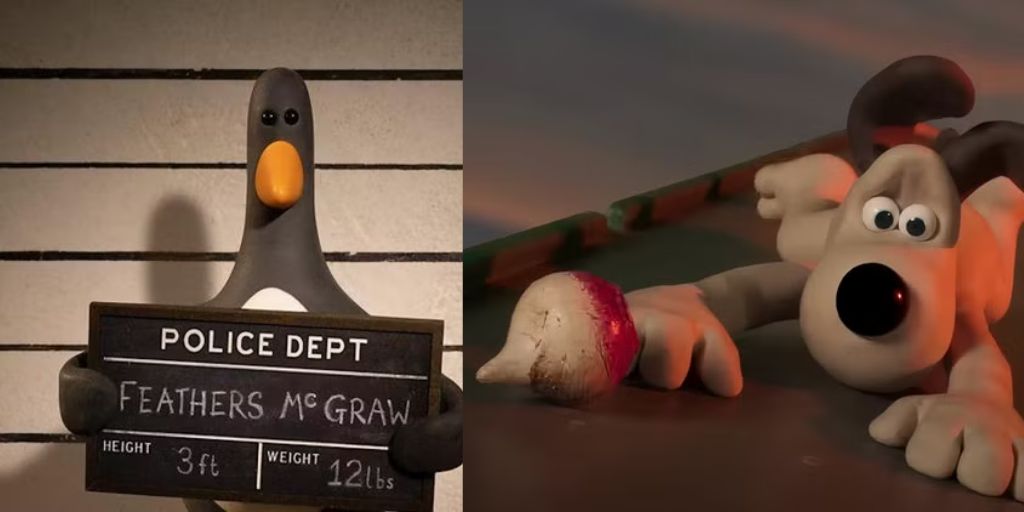
Still from Wallace & Gromit Vengeance Most Fowl (Credit: Netflix)
The film’s simplicity is part of its charm. In an era of complex stories and intense action sequences, Vengeance Most Fowl feels refreshing in its straightforwardness. It doesn’t need extravagant plots or high-stakes drama to entertain; the interactions between Wallace, Gromit, and their eccentric world provide all the excitement needed.
The Legacy of Wallace and Gromit Lives On
As Wallace and Gromit return to the screen, Vengeance Most Fowl serves as a reminder of their lasting appeal. Aardman Animation has created a pair of characters that resonate with audiences around the world, crossing generational and cultural boundaries.
The bond between Wallace and Gromit, filled with humor, loyalty, and care, remains the heart of the series. With this latest film, Aardman continues the legacy of Wallace and Gromit, proving that timeless characters like these can always find new stories to tell.
In Wallace & Gromit: Vengeance Most Fowl, fans will find the same warmth and charm they’ve come to expect. Whether viewers are revisiting these characters or discovering them for the first time, Wallace and Gromit offer a delightful escape into a world where friendship, adventure, and a bit of mischief are always around the corner.
