How to Train Your Dragon: The Hidden World marks the end of an era for Hiccup, the Viking chief of Berk, and his beloved dragon companion, Toothless. DreamWorks Animation’s epic trilogy reaches its emotional conclusion with this final installment, blending tears, laughter, and adventure. As the dragon-hunting threat escalates, Hiccup is forced to make a difficult decision for the future of both his people and the dragons of Berk.
How to Train Your Dragon 3 Ending Explained
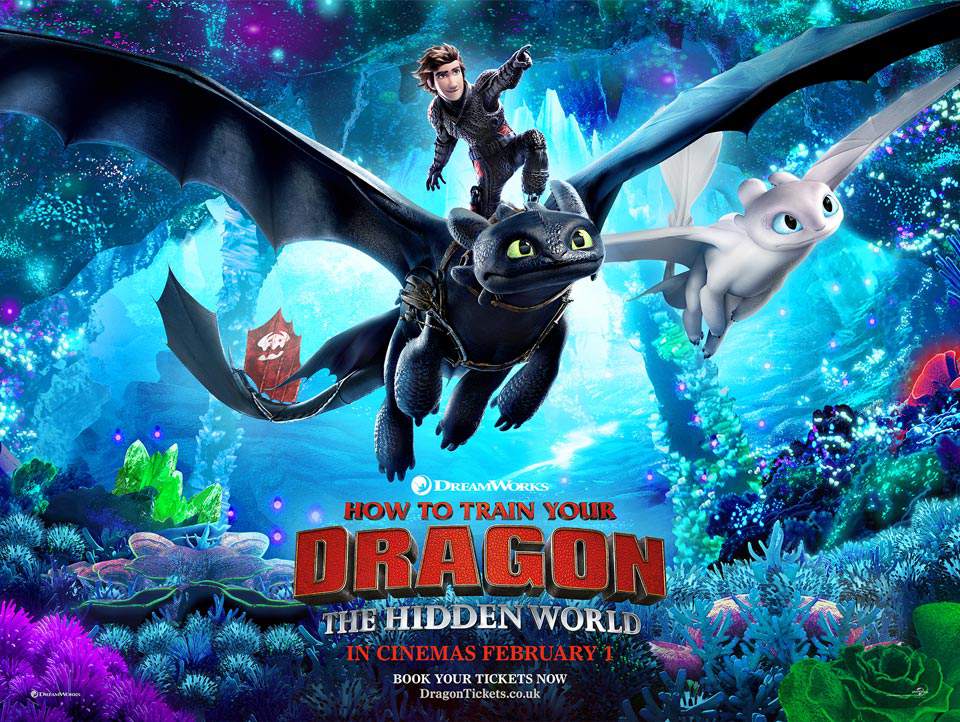
How to Train Your Dragon 3 (Image via Getty)
In The Hidden World , Hiccup is doing everything he can to keep Berk a safe place for both humans and dragons. As chief, his ambition is to create a peaceful haven where dragons can live without fear of human aggression. However, Berk has become overcrowded, with both an influx of dragons and persistent dragon hunters, including the ruthless Grimmel. This new danger pushes Hiccup to consider the only option left: finding a sanctuary for the dragons that’s safe from human threats.
The Hidden World: A Sanctuary for Dragons
Hiccup embarks on a journey to locate the Hidden World, a mythical refuge where dragons can thrive away from human interference. This world, according to legend, is where dragons originated, and it holds the promise of a safe haven for the creatures. While Hiccup envisions it as a temporary escape for the dragons, the journey leads them to a new island where the Berkians begin settling down. Despite their initial hope that this island would serve as a stopover, the villagers soon begin to establish “New Berk” as a permanent settlement.
Grimmel’s Pursuit and the Departure of the Dragons
Though New Berk initially seems like a safe haven, Grimmel eventually tracks them down after a series of events, including a mishap involving Ruffnut. Despite a battle that results in Grimmel’s defeat, it becomes clear that no matter where they go, dragons will always be vulnerable to human hunters. This realization forces Hiccup to make a heartbreaking decision: to allow Toothless, now capable of flying solo thanks to a tail modification, to lead the dragons to the Hidden World.
This difficult choice ensures that Toothless can embrace his destiny as the Alpha dragon and start a family with the Light Fury, leaving behind Hiccup and the other villagers. Though it marks the end of Hiccup and Toothless’s partnership, it symbolizes Toothless’s freedom and the start of a new chapter for both dragons and humans.
A New Life for Hiccup and Astrid
The trilogy also explores the evolving relationship between Hiccup and Astrid. Throughout The Hidden World , their love story plays out amidst the challenges they face. At first, they struggle with the idea of marriage, with the stress of leadership and Grimmel’s threat taking priority. However, after the dragons leave for the Hidden World, Hiccup and Astrid are finally able to marry, marking the start of their own family. Ten years later, they are shown with two children, a son and a daughter, both of whom have never seen dragons.
The Reconnection with Toothless
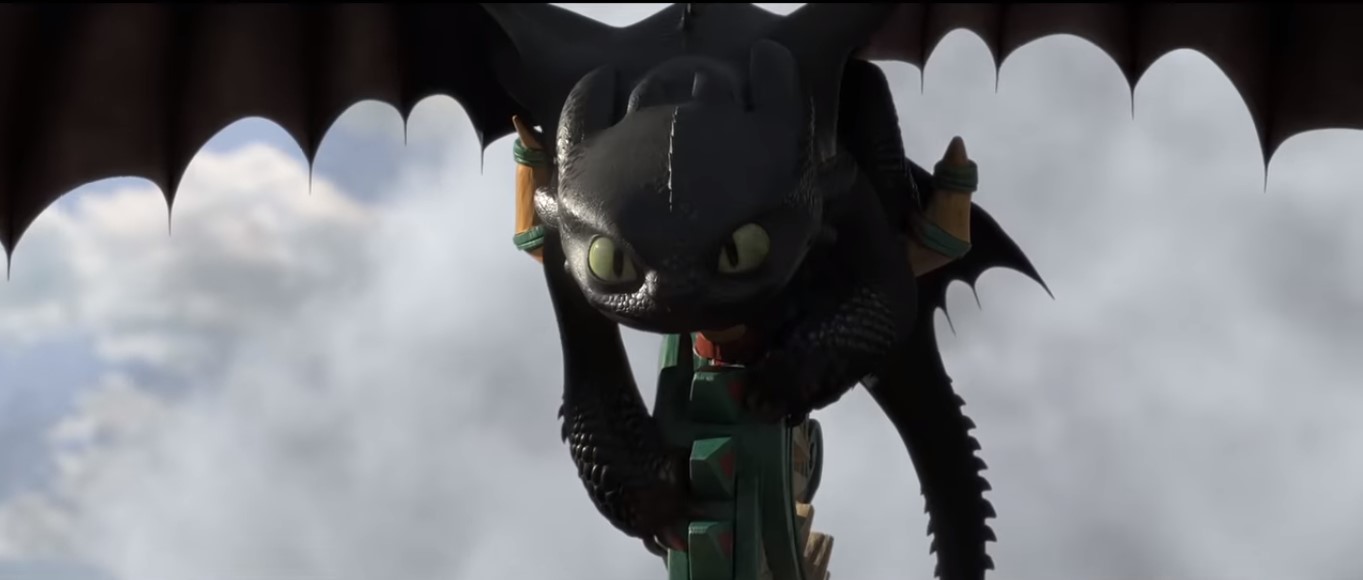
Toothless (Image via Getty)
Though the Hidden World is located far from New Berk, Hiccup and Astrid manage to visit it at the film’s end, bringing their children along for the journey. When they arrive, it is clear that Toothless has changed over the years. Initially, he doesn’t recognize Hiccup, possibly due to his beard, but a familiar gesture brings back the bond they shared. Toothless, now a father to several baby dragons, warmly greets his old friend, and the family reunion is a heartfelt moment.
Hiccup’s children, seeing the dragons for the first time, are introduced to Toothless’s new family, symbolizing a generational passing of stories. This moment also serves to fulfill Hiccup’s promise to his own children, sharing with them the magical world of dragons that once seemed like a distant memory.
The Coming-of-Age Message of the Trilogy
At its heart, How to Train Your Dragon is a coming-of-age story. When the series begins, Hiccup is a young, unsure boy struggling with his identity and relationship with his father. The first film centers around Hiccup realizing he doesn’t have to live up to others’ expectations to be a hero. Instead, he discovers his own path, using his intellect and compassion to forge peace between humans and dragons.
As the trilogy progresses, Hiccup grows into a capable leader, but he faces the same internal conflict: balancing his responsibilities with his personal desires. The Hidden World focuses on his final step toward maturity—letting go of Toothless. This emotional separation highlights Hiccup’s readiness to lead without relying on his dragon companion, symbolizing a shift from childhood dependence to adult responsibility.
The Importance of Letting Go
Toothless has always been a constant in Hiccup’s life, but in letting him go, Hiccup acknowledges that his friendship with the dragon is no longer about mutual dependence. The choice to allow Toothless to live in the Hidden World reflects a larger theme of personal growth. Letting go of childhood bonds is a powerful moment in coming-of-age stories, and Hiccup’s decision represents his full embrace of maturity and leadership.
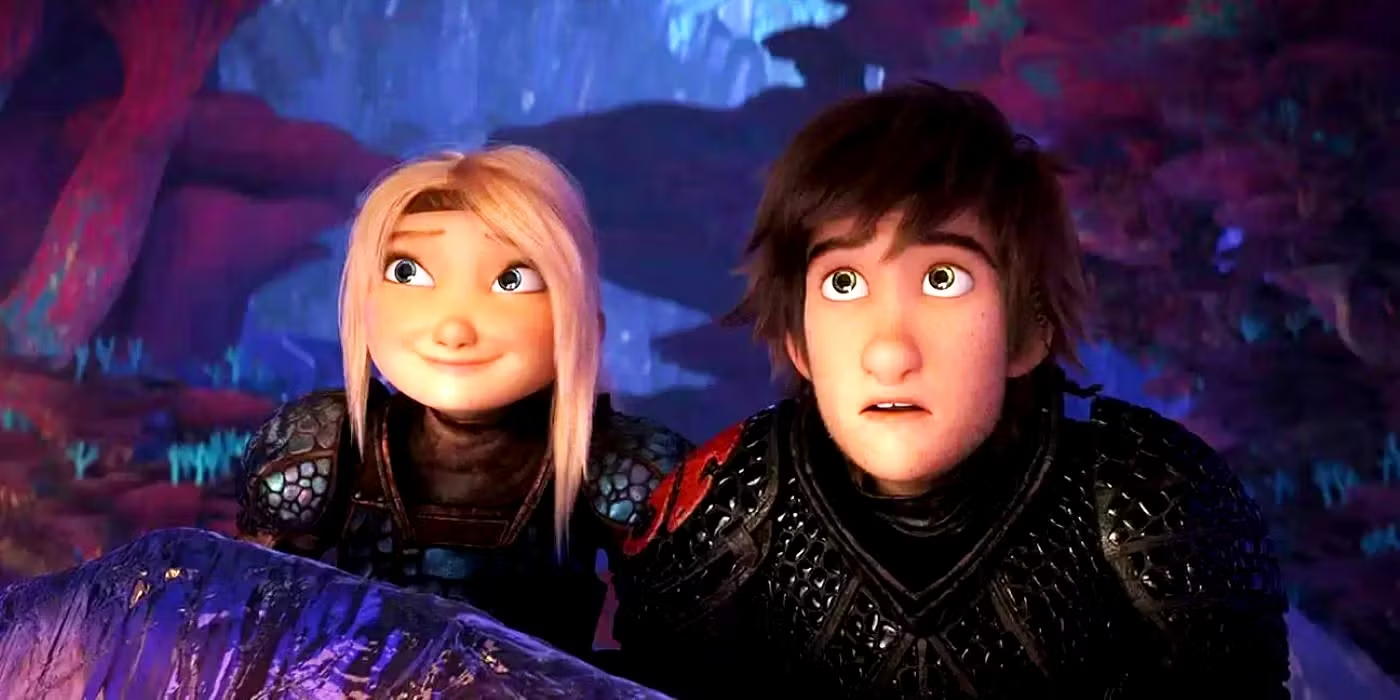
Hiccup and Astrid (Image via Getty)
A Final Moral: Cooperation and Self-Improvement
The final message of How to Train Your Dragon: The Hidden World is a poignant reminder of the need for cooperation and growth. As Hiccup reflects, humans and dragons cannot coexist until people learn to abandon violence and greed. The message, while directed at younger audiences, is timeless and relevant to all ages. The films suggest that true progress comes from understanding and improving oneself, fostering peace, and working together rather than resorting to conflict.
T he trilogy’s closing chapter provides both a personal and universal reflection on growth, responsibility, and letting go. Hiccup’s journey from a boy uncertain of his place in the world to a wise leader with a family of his own brings the story to a satisfying and meaningful end. With dragons now living in the Hidden World, it’s clear that peace has been achieved—not just for the dragons, but for Hiccup and his people as well.
DreamWorks Animation’s The Wild Robot , based on Peter Brown’s beloved children’s book, takes viewers on an emotional journey that beautifully blends adventure with poignant themes of motherhood and self-discovery. Directed by Chris Sanders, this animated film marks a significant moment in the studio’s history, as it was their final fully in-house production before significant downsizing. The stunning visuals and fascinating storytelling ensure it will remain one of the standout animated films of 2024.
The Wild Robot Ending Explained
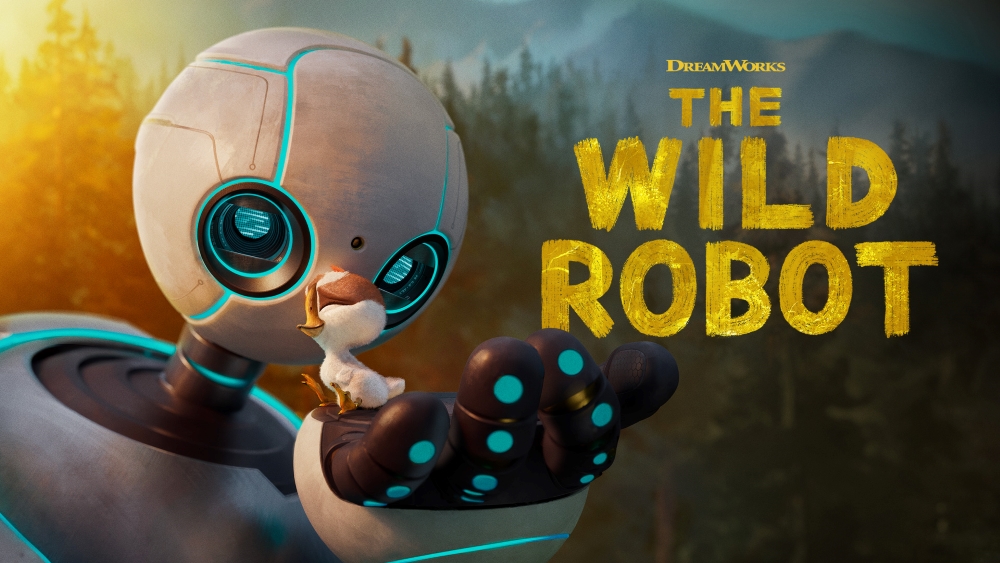
The Wild Robot (Image via Getty)
At the outset, the story introduces Roz, a helper robot (voiced by Lupita Nyong’o), who is accidentally activated in the wilderness. Unfamiliar with her surroundings and unable to communicate with the animals she encounters, Roz initially struggles to fit in. The animals view her as a frightening creature, but over time, Roz learns to mimic their behaviors and communicate with them. Despite her efforts, she feels isolated and attempts to contact her creators, hoping for a rescue, but an accident leaves her stranded in the forest with a lone gosling.
Roz takes responsibility for the injured egg, which hatches into a gosling named Brightbill. Despite the challenges of her situation, including a damaged communication module, Roz is left with no choice but to care for Brightbill. With the guidance of an opossum named Pinktail, Roz begins to embrace motherhood despite her initial reluctance and lack of experience. As the months go by, Brightbill grows, and though he faces difficulties, including bullying from his peers and an inability to swim or fly, Roz’s care and love help him thrive.
The Final Act: Roz’s Selflessness and Sacrifice
By the film’s conclusion, Roz’s mission as Brightbill’s caretaker reaches its emotional peak. After months of growth and bonding, Roz recognizes that she has changed, evolving beyond her original programming. Her attachment to Brightbill has transformed her from a machine performing a task into a mother who makes choices based on love and protection. As winter approaches, she gathers the animals together, urging them to form a truce to survive the storm, a symbolic moment showing that even creatures bound by instinct can learn to act for the greater good.
Meanwhile, Brightbill and the geese are continuing their migration when they encounter a futuristic human city. The inhabitants, uninterested in the welfare of animals, view the geese as a nuisance. Brightbill, who understands robots and technology, plays a crucial role in helping the geese evade capture. A climactic confrontation ensues when Roz is captured by Vontra, another robot sent to retrieve her. The animals, led by Brightbill, fight to rescue Roz. Though Roz’s memories are temporarily wiped, Brightbill’s expression of love helps her remember everything, including her bond with him. In a bittersweet moment, Roz chooses to stay behind in order to protect Brightbill and the other animals from further harm, knowing that her decision will result in her being taken away by the humans.
The Significance of Roz’s Growth
Roz’s development in The Wild Robot shares thematic similarities with other robot-centered narratives like The Iron Giant and WALL-E . Initially, Roz’s purpose is limited by her programming—to assist others and follow orders. However, as she embraces motherhood, her identity expands beyond mere compliance. Her growth reflects a deeper message: even a machine can change when given the capacity to care and love. Roz learns to act on her own volition, defying the creators who designed her as a tool.
Her evolution is highlighted through her emotional growth. At first, Roz is overwhelmed by the responsibility of caring for Brightbill. However, over time, her actions prove that she is more capable than she thought. This shift from obedience to independent decision-making is central to the film’s exploration of identity and transformation. Even when faced with the loss of her memories, the maternal bond between Roz and Brightbill is powerful enough to transcend mechanical programming.
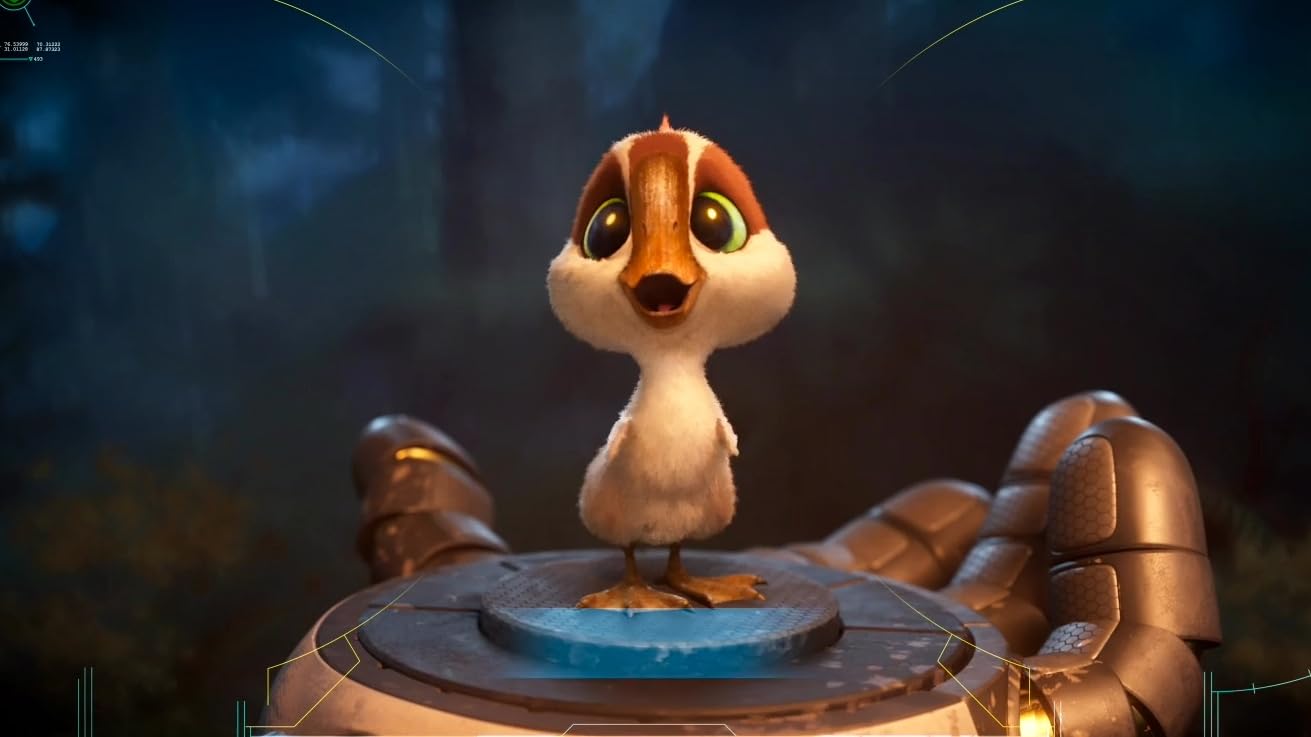
Brightbill (Image via Getty)
Brightbill’s Journey
Brightbill’s story serves as a compelling coming-of-age narrative. At the start, he is a vulnerable, physically smaller goose who struggles to fit in with the other geese, who bully him for being different. Roz’s care is essential to his survival, but over time, Brightbill begins to grow, learning to fly with the help of other animals, including Thunderbolt the falcon. He eventually takes on a leadership role when the geese face new challenges, particularly in the human city.
His arc can be seen as a metaphor for the experience of disability or neurodiversity. Brightbill’s physical limitations—his small size and lack of flight skills—make him different, but these very differences ultimately allow him to save the day. His ability to think outside the box, free from the panic that overtakes the other geese, proves that those who are considered outsiders can be the most capable leaders. In a sense, Brightbill’s journey echoes the experiences of individuals who are marginalized or seen as different but who possess unique strengths that set them apart.
Animals and Their Complicated Nature
The film also explores the complex relationships between predators and prey. Early in the story, Roz asks the animals to form a truce to survive a looming storm. This request highlights the inherent tension between different species, as animals often follow biological instincts that can lead to conflict. However, Roz challenges these instincts, asking the animals to set aside their predatory behaviors for the greater good. This moment reinforces the film’s theme that cooperation is sometimes necessary for survival, even if it goes against natural instincts.
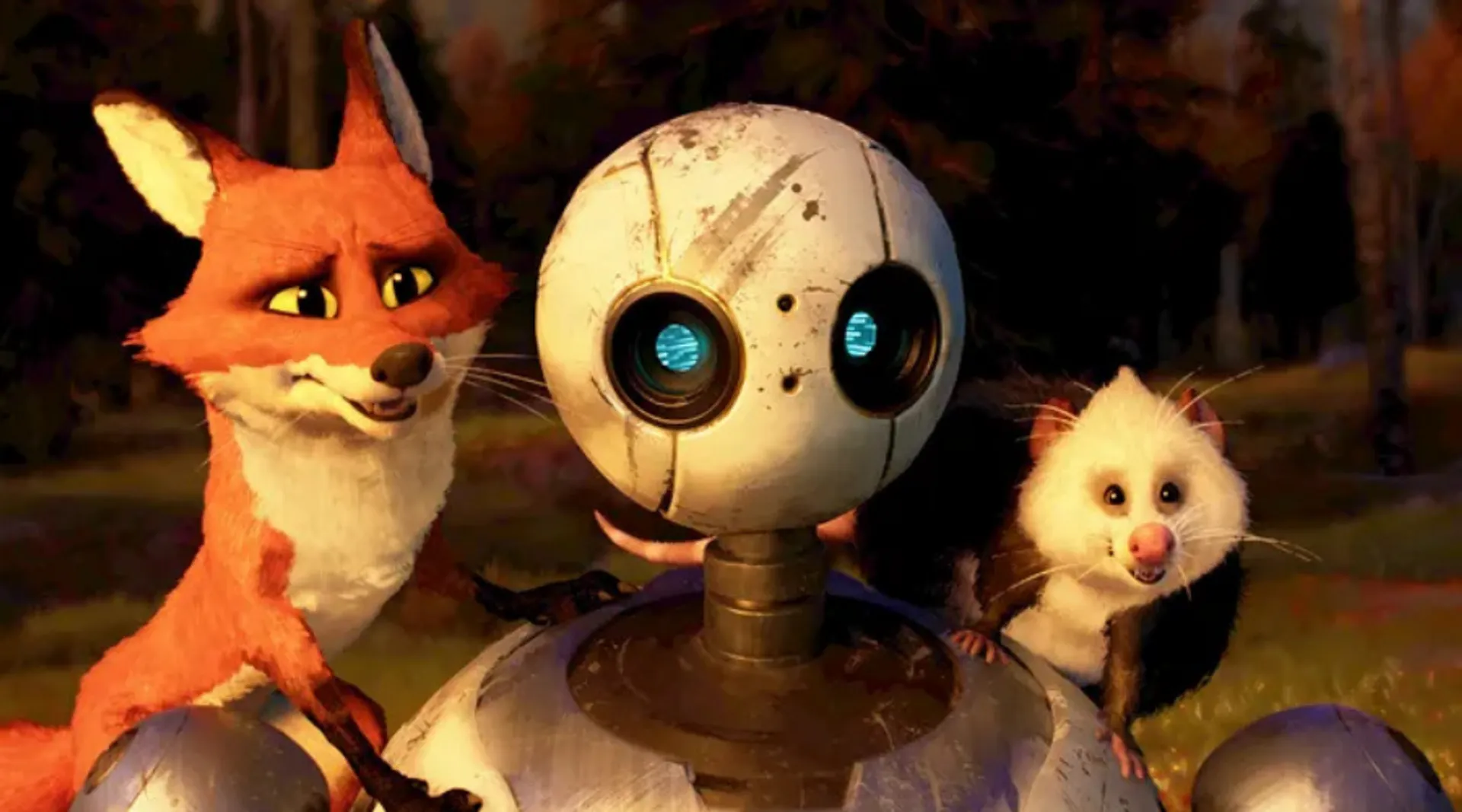
Roz and Friends (Image via Getty)
The animals’ ability to put aside their differences for the sake of survival suggests that change is possible, even in the face of seemingly insurmountable odds. The film doesn’t idealize this idea—conflict and instinct still exist—but it presents the possibility that, in times of crisis, even the most unlikely alliances can form.
The Role of Humans in the Story
The film hints at a post-apocalyptic world where humanity has largely disappeared due to climate change. The human city seen in the film is isolated within a dome, and its citizens are portrayed as perfectionistic and hostile toward anything deemed “imperfect,” including the animals and robots like Roz. While humans don’t play a major role in The Wild Robot , their actions form the backdrop for the story’s conflict.
This dystopian setting raises questions about the future of humanity and its relationship with the environment. The film suggests that humans, though largely absent, may become future antagonists in the ongoing struggle between technology, nature, and the need for coexistence. If Roz’s kindness can help change the animals’ lives, perhaps it can eventually influence a more positive future for humanity as well.
