On Thursday, September 5, 2024, fans were treated to some exciting news about the latest sales numbers for the 38th volume of Yoshihiro Togashi’s legendary manga, Hunter x Hunter.
The figures were revealed, showing how strong the fanbase remains even after a long hiatus.
Released on Wednesday, September 4, the volume only had one day of sales tracked, but that was all it needed to secure the top spot on the Shoseki manga rankings.
This achievement underscores the enduring popularity and loyalty surrounding the Hunter x Hunter series.
For longtime fans of the manga, this was not just a mere statistic but a signal of something bigger and much more significant.
Volume 38’s success is a beacon of hope, pointing towards the long-awaited return of the manga to the pages of Weekly Shonen Jump on Monday, October 7, 2024.
Hunter x Hunter Vol. 38 places #1 in Shoseki Manga Rankings for September 4, 2024 pic.twitter.com/I2VRbmnC1Z — Hunter❌Hunter (@HxHSource) September 5, 2024
As the days approach, it’s clear that the spotlight will be focused heavily on Togashi’s work, heralding a new and exciting phase for the manga.
Fans are now preparing for the fall season, which is already shaping up to be Togashi’s time, where Hunter x Hunter is expected to once again reign supreme in the manga world.
Hunter x Hunter’s Commercial Success Ahead of Its Weekly Return
One of the most remarkable aspects of the recent sales achievement is the broader message it conveys about Hunter x Hunter’s relevance.
While there has been a long break between releases, the commercial success of volume 38 shows that Yoshihiro Togashi’s creation is still a major force in the manga industry.
Despite the challenges of hiatuses and the unpredictable nature of the manga’s schedule, fans have stuck with the series, eagerly awaiting each new chapter and volume.
Although the Shoseki ranking blog does not disclose the exact sales numbers for volume 38, the fact that it secured the top spot on release day speaks volumes.
The rankings cover a broad spectrum of manga genres, demographics, and formats, which makes this accomplishment even more impressive.
Whether or not the precise figures are made available, there is no denying that this is an extraordinary feat for the manga, considering how competitive the manga market is, especially for a series that hasn’t had a new chapter in nearly a year.
In addition to the daily rankings, the Shoseki site also tracks weekly and monthly sales data, allowing fans to observe how volume 38 continues to perform in the coming weeks.
Given the sheer anticipation surrounding this release, it’s unlikely that volume 38’s momentum will falter anytime soon.
After all, it has been almost two years since fans last had a new Hunter x Hunter compilation volume to add to their collection, with volume 37 being released way back in November 2022.
Volume 38 brings together the chapters from the manga’s previous return, which took place in late 2022.
That return spanned from October 24 to December 26, 2022, and featured chapters 391 through 400 in Weekly Shonen Jump.
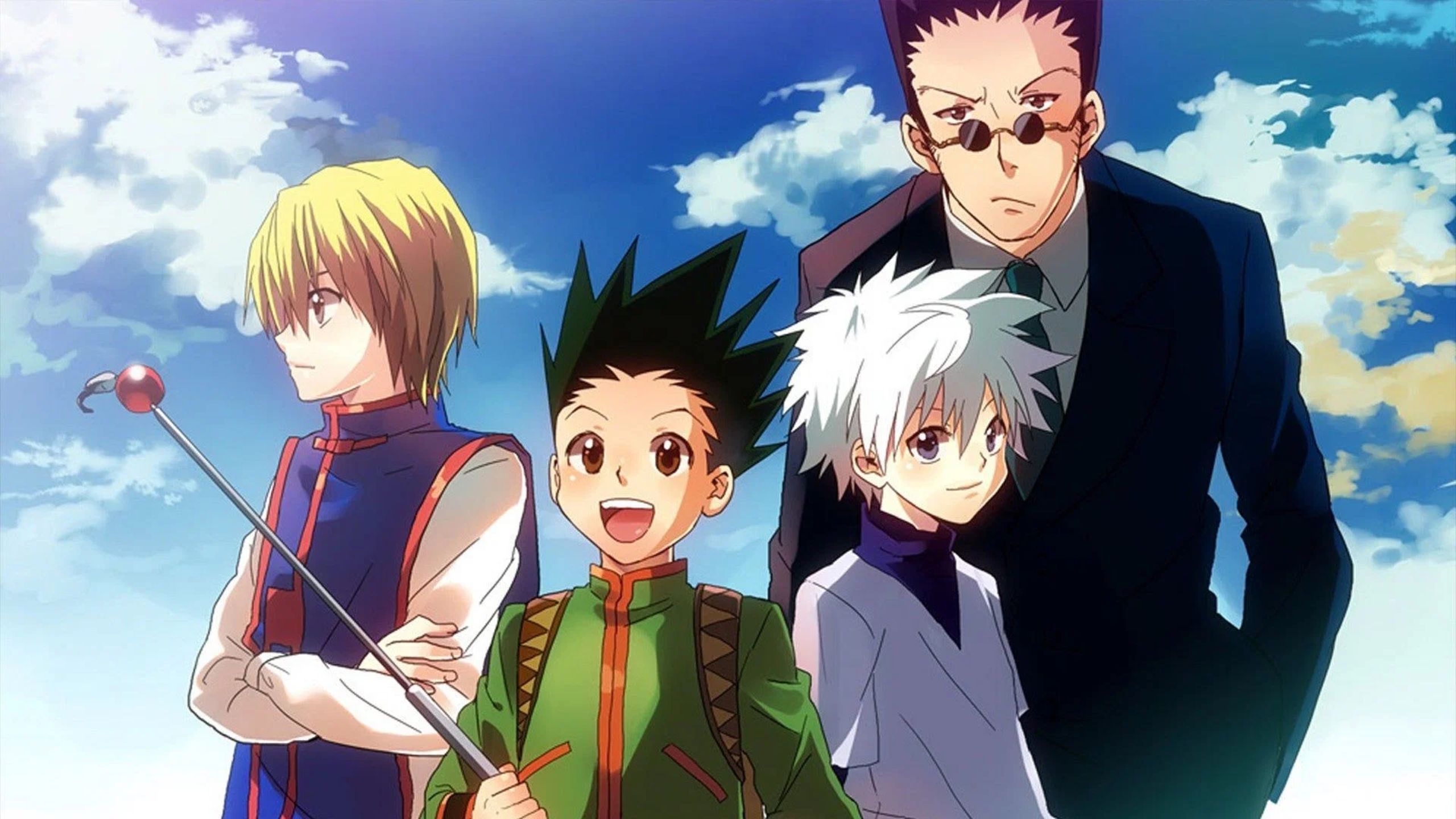
The main characters as seen in the Hunter x Hunter anime series (Madhouse And Pierrot)
These chapters provided a deep jump into the origins of the infamous Phantom Troupe, giving fans an emotionally charged storyline about how the group came together after the murder of one of their own.
The exploration of the Phantom Troupe’s backstory was a welcome break from the ongoing Succession Contest arc, which had been the main focus prior to these chapters.
However, by chapter 398, the story shifts back to the complex political intrigue of the Succession Contest, a sprawling arc filled with tension, alliances, betrayals, and ever-escalating stakes.
It is widely expected that the upcoming chapters, set to be released starting on October 4, will continue to follow the Succession Contest arc.
While the exact number of chapters that will be released in this latest return is still unknown, fans can reasonably expect at least chapters 401 to 410 to be included.
The Long-Awaited Return of Yoshihiro Togashi’s Iconic Series
For anyone who has been following Hunter x Hunter over the years, Yoshihiro Togashi’s reputation for taking extended hiatuses is well-known.
However, this has not diminished the love and excitement fans have for his work. Since debuting in March 1998 in Weekly Shonen Jump, Hunter x Hunter has steadily built a massive fanbase and has become one of the most iconic and influential manga series of all time.
One of the reasons Hunter x Hunter has remained so beloved is Togashi’s masterful storytelling.
From the intricate and layered plotlines to the complex characters, every aspect of the series is crafted with immense detail.
Whether it’s the intense action sequences or the deep philosophical discussions about human nature and morality, Togashi weaves a narrative that consistently keeps readers on their toes.
This is evident in the sheer anticipation surrounding the series’ return to Weekly Shonen Jump. Over the course of its run, Hunter x Hunter has been adapted into two separate anime series.
We are so back — Beatrice 🇵🇸🏳️⚧️ (@goldenwitch86) September 5, 2024
While the earlier adaptation garnered attention, it’s the 2011 version that has received widespread acclaim and is now regarded as the definitive version of the anime.
The 2011 series covers the Hunter Exam, Yorknew City, Greed Island, and Chimera Ant arcs, delivering a faithful and visually stunning adaptation of Togashi’s work.
Even with its hiatuses, both the anime and manga versions of Hunter x Hunter have continued to maintain a solid fanbase, showing just how much of an impact this series has had on pop culture.
Volume 38’s Contents and Significance to the Manga’s Legacy
Looking at volume 38 itself, it serves as more than just a collection of chapters. It’s a significant milestone in the series’ ongoing journey.
The chapters included in this volume goes deep into the past of the Phantom Troupe, one of the most mysterious and dangerous groups within the Hunter x Hunter world.
Their origin story, explored in these chapters, offers fans a better understanding of their motivations, their bonds with each other, and what drives them as a group.
The murder of one of their own was a pivotal moment, and Togashi masterfully illustrates how this tragedy shaped the Troupe’s future actions.
For those who have followed the Phantom Troupe since their introduction, these chapters provide crucial insights into why the group operates the way they do.
It also gives a more humanizing portrayal of these seemingly cold-blooded criminals, adding layers to their characterization.
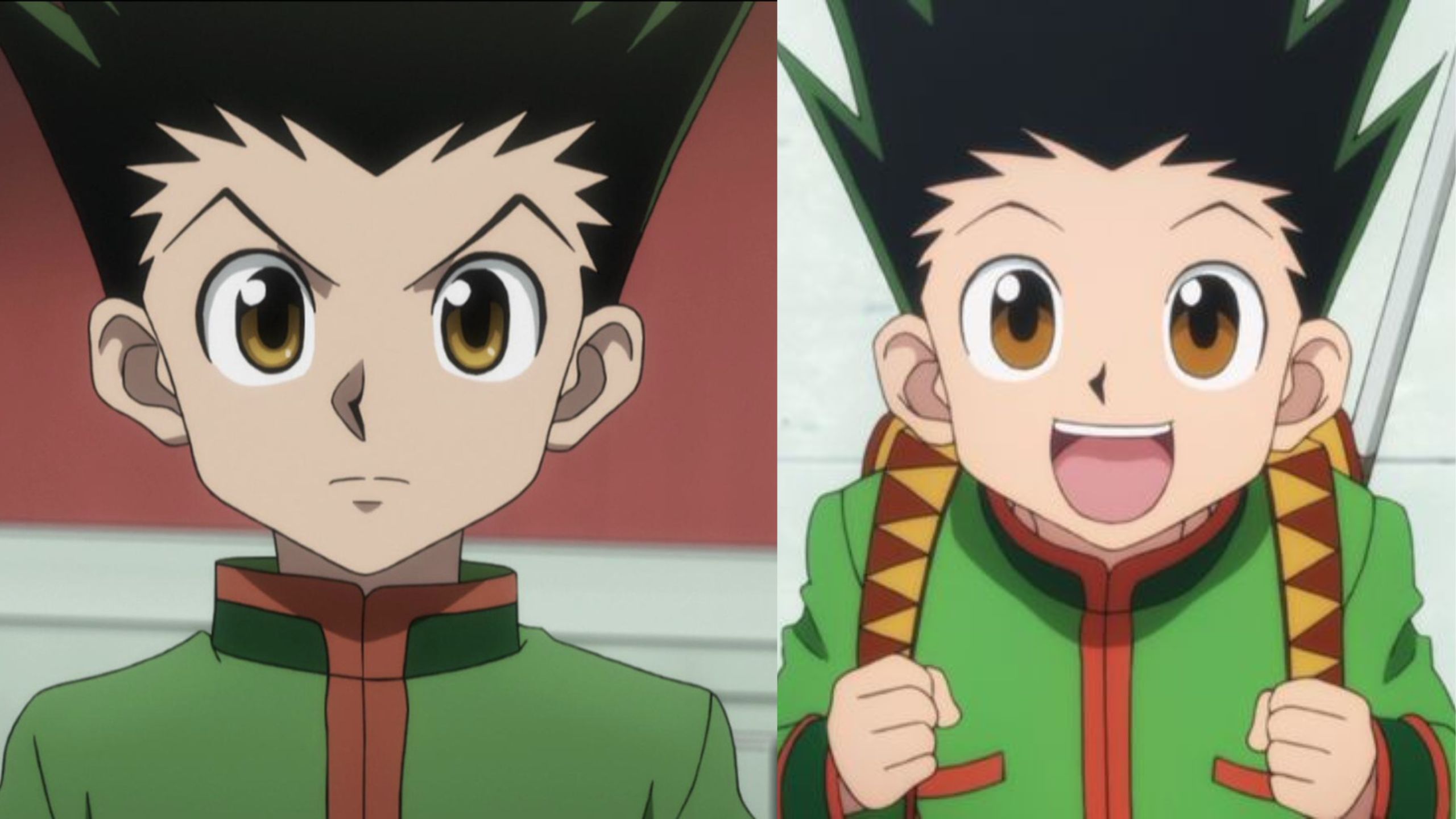
Gon – Hunter x Hunter (Pierrot)
Togashi’s ability to blur the lines between good and evil is one of his greatest strengths as a storyteller, and the Phantom Troupe’s backstory is a perfect example of this talent.
The Succession Contest arc, which resumes after the Phantom Troupe’s origin story, is another highlight of volume 38.
This arc has been building tension for several years, and with each new chapter, the stakes continue to rise.
It’s a complex political chess game involving multiple factions vying for the throne, each with their own agendas and strategies.
The arc has been praised for its intricate plot, well-developed characters, and Togashi’s ability to maintain suspense over a long period of time.
As Hunter x Hunter prepares to return to Weekly Shonen Jump, the Succession Contest arc is expected to take center stage once again.
Fans are eager to see how this storyline will unfold and whether it will mark a turning point in the larger narrative.
Given Togashi’s penchant for unexpected twists and turns, there’s no doubt that the upcoming chapters will be filled with surprises.
Road Ahead for Hunter x Hunter
As we look ahead to October 2024 and the much-anticipated return of Hunter x Hunter, there’s a sense of renewed energy and excitement surrounding the series.
Volume 38’s sales success is just the beginning, and it serves as a reminder of the immense impact Yoshihiro Togashi’s work has had on the manga and anime industries.
Despite the hiatuses and the unpredictable release schedule, Hunter x Hunter continues to attract the audiences with its compelling characters, intricate plots, and thought-provoking themes.
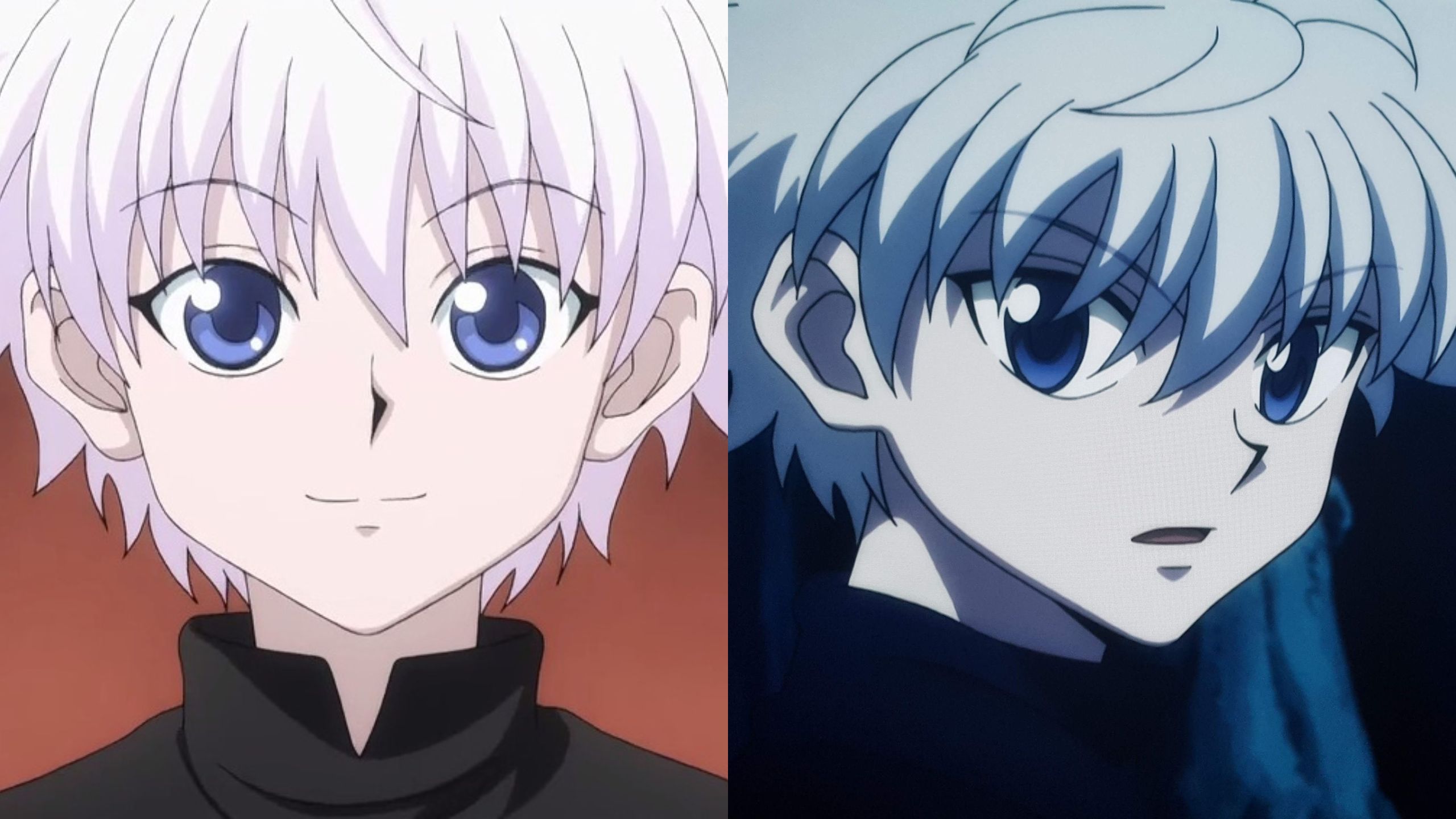
Killua – Hunter x Hunter (Pierrot)
For Togashi himself, this return marks another chapter in his storied career. As one of the most respected and influential manga creators in the industry, Togashi has left an indelible mark on the medium.
His work on Hunter x Hunter and his previous series, Yu Yu Hakusho, has cemented his legacy as one of the all-time greats.
While fans understand that Togashi’s health may impact the frequency of future releases, there is a collective hope that this latest return will bring with it a steady flow of new chapters.
With Hunter x Hunter’s return on the horizon, the excitement among the fanbase is palpable.
The manga industry has changed a lot since Togashi first debuted the series in 1998, but the core of what makes Hunter x Hunter special remains the same.
It’s a story that resonates with readers on multiple levels, blending action, adventure, and introspection in a way that few other series can match.
As volume 38 continues to perform well commercially, it’s clear that the demand for Hunter x Hunter is as strong as ever.
Whether you’re a longtime fan who has been with the series since the beginning or a newer reader just discovering Togashi’s work, there’s no denying that Hunter x Hunter is a force to be reckoned with.
Hunter x Hunter’s volume 38 sales serve as a testament to the series’ enduring popularity and relevance.
As fans eagerly await the manga’s return to Weekly Shonen Jump, the success of volume 38 only adds to the excitement.
With the Succession Contest arc set to continue, and the possibility of even more surprises in store, the future looks incredibly bright for Togashi and his beloved series.
The long-standing rivalry between the fanbases of Naruto and Bleach continues to stir up intense debate, with the most recent spark involving allegations that Bleach creator Tite Kubo copied certain design elements from Naruto, created by Masashi Kishimoto.
This ongoing dispute was reignited when fans of Naruto accused Kubo of borrowing key visual elements from the Naruto series, specifically pointing to Ichigo Kurosaki’s Bankai transformation.
They claim that his horned appearance and the dark lines etched on his face bear a striking resemblance to the transformation designs of Sasuke Uchiha and Tayuya’s Curse Mark forms.
On the other hand, Bleach fans argue that such accusations lack any solid foundation.
They maintain that the supposed similarities are merely coincidental, a result of common shonen tropes rather than any intentional borrowing or imitation.
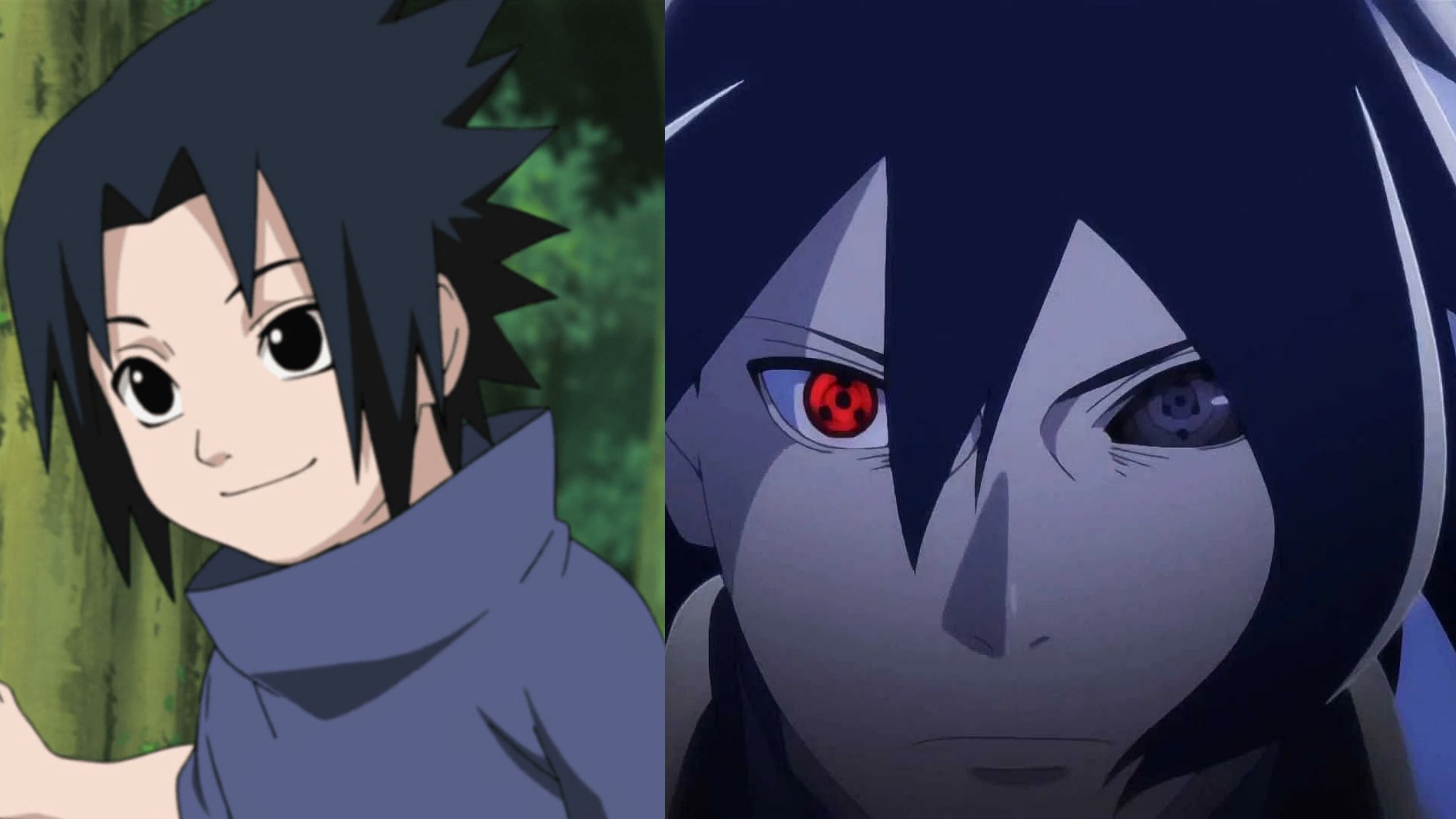
Sasuke Uchiha Using Teleportation With Rinnegan Pierrot)
While discussions rage on various social media platforms, the two fandoms remain fiercely loyal to their respective series, fanning the flames of this longstanding conflict.
Despite both being highly regarded in the anime world, the accusations have once again created a rift between Naruto and Bleach communities, dividing fans into two distinct camps.
Heated Arguments Over Alleged Design Copying Between Naruto and Bleach
The most recent flare-up in this rivalry centers on accusations directed at Kubo for allegedly copying visual elements from Kishimoto’s work.
Specifically, Naruto fans claim that Ichigo’s appearance in his Bankai form resembles the horned transformations and Curse Mark patterns that are seen in Naruto, particularly with characters like Sasuke Uchiha and Tayuya.
Sasuke’s Curse Mark transformation, which features dark, jagged markings across his skin, and Tayuya’s demonic horned appearance during her own transformation, are cited as the primary inspirations for Ichigo’s look.
This isn’t the first time fans of these two series have clashed, but the current discourse reignited when these similarities were brought up once again.
Bleach is so shameless man, Copying Naruto bar for bar🤢 pic.twitter.com/daMcI4kIMJ — Sukuna D Luffy (@Dragon006811350) September 3, 2024
For Naruto fans, the resemblance is too glaring to ignore, with many of them accusing Kubo of taking direct inspiration from Kishimoto’s designs without acknowledgment.
However, the Bleach fandom is quick to counter these claims. Many Bleach fans assert that these accusations are unfounded, arguing that both Kubo and Kishimoto drew inspiration from broader shonen themes and tropes.
Shonen anime often incorporates similar visual elements, such as characters with demonic transformations, dark marks, and powerful seals that unlock hidden abilities.
These visual cues are not unique to either series, and for Bleach fans, the accusations of copying seem like a stretch, given the thematic similarities that exist in so many other shonen stories.
Despite this defense, the debate remains heated, with both sides firmly entrenched in their positions.
The Naruto fandom remains adamant that Kubo borrowed elements from Kishimoto’s series, while Bleach supporters vehemently defend Kubo’s originality, highlighting that similar motifs can be found in a variety of shonen works.
Reactions from Both Fandoms
The ongoing debate surrounding the similarities between Naruto and Bleach has only deepened the rift between their respective fanbases.
While it is not unusual for fans of popular anime to engage in passionate debates over their favorite shows, the intensity of the rivalry between these two fandoms has reached new heights.
Social media platforms have become battlegrounds where fans clash over the perceived similarities between Ichigo’s Bankai transformation and the designs seen in Naruto.
On one side, Naruto fans are quick to point out what they believe to be clear instances of visual copying.
Many focus on the specific design elements of Ichigo’s Bankai form, arguing that the black facial markings and horned appearance bear an uncanny resemblance to the Curse Mark transformations of Sasuke Uchiha and Tayuya.
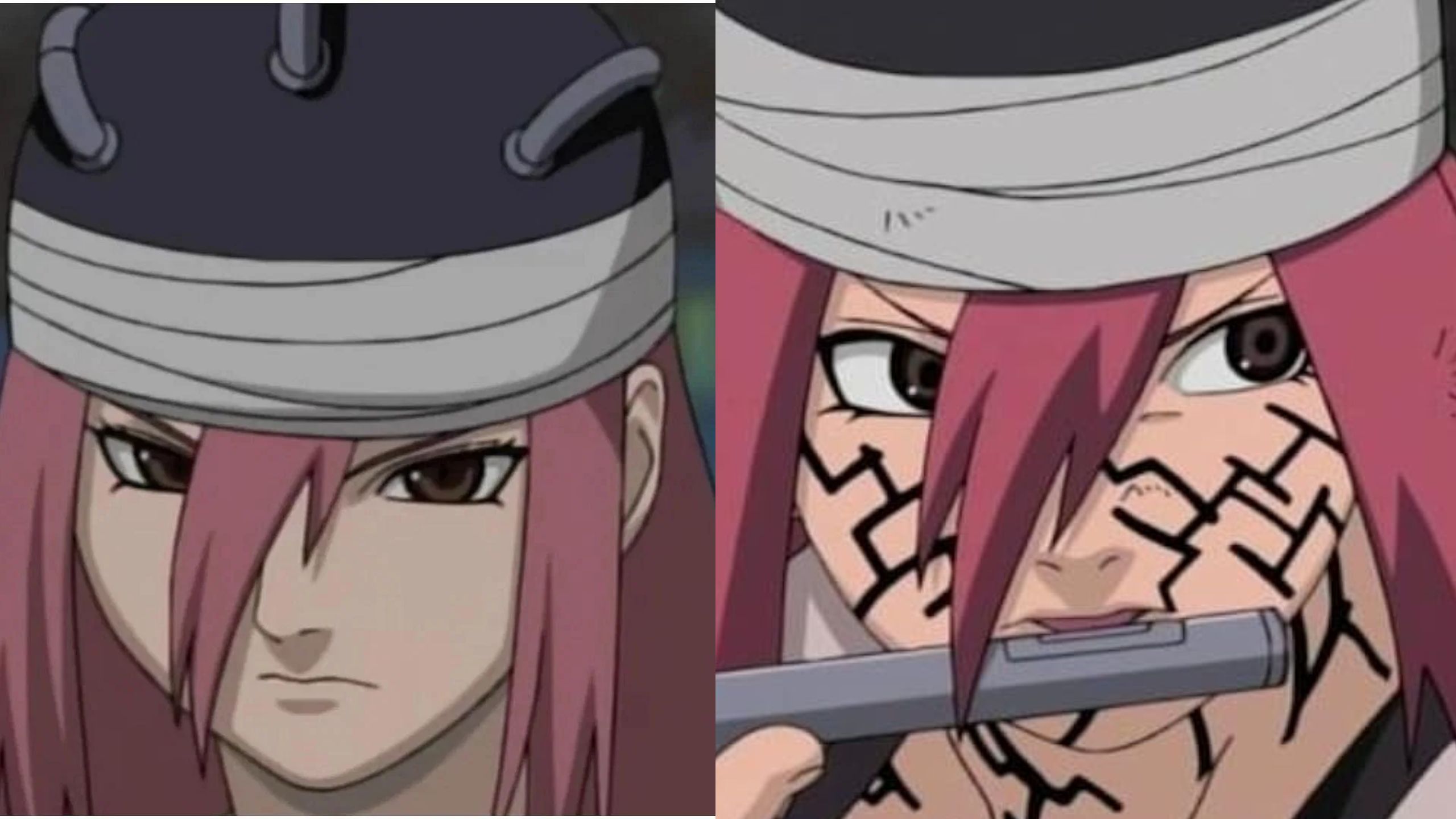
Tayuya From Naruto Anime (Pierrot)
For these fans, the similarities are too specific to be dismissed as mere coincidence, and they accuse Kubo of borrowing heavily from Kishimoto’s work without adding enough of his own creative flair.
One Naruto fan expressed their frustration, stating, “Being real doesn’t mean putting up with all the lies that Bleach fans tell.
Naruto did everything first and Bleach copied him.” This sentiment reflects the broader belief among some Naruto supporters that Kubo has, on multiple occasions, drawn inspiration from Kishimoto’s work without proper credit.
Another fan chimed in, “Mayuri is an Orochimaru knock-off,” suggesting that Bleach has borrowed from Naruto not just in terms of visual design but also in character archetypes.
A third fan added, “Bleach is terrible, idk how ppl watched it. The same with juju trash can,” expressing a more generalized disdain for the series.
On the other hand, Bleach fans have been just as vocal in their defense of Kubo’s creative vision.
They argue that the accusations are baseless and that the design similarities pointed out by Naruto fans are simply a reflection of the shared tropes and themes commonly found in the shonen genre.
In this view, Bleach fans see the accusations as an attempt by Naruto fans to discredit Bleach in order to bolster their own series’ reputation.
A Bleach fan shot back, “This can’t be real. Some of you Naruto fans just can’t be real.”
Another fan added to the discussion by pointing out a key timeline discrepancy, stating,
“The first Hollow design in Bleach that contains the orange and black eyes predates the first Cursed Mark appearance in Naruto by around 4 to 6 months.”
This fan’s argument emphasizes that Bleach featured these design elements before Naruto introduced similar ones, suggesting that the accusations of copying might not hold up under closer scrutiny.
Another Bleach fan commented, “Insecure Naruto fans still mad Bleach got the strongest MC so they gotta make up lies.
Pure entertainment,” highlighting the competitive nature of the fandoms. For Bleach fans, Ichigo’s strength and design are not only original but also superior to that of Sasuke, which they believe has fueled the jealousy of Naruto fans.
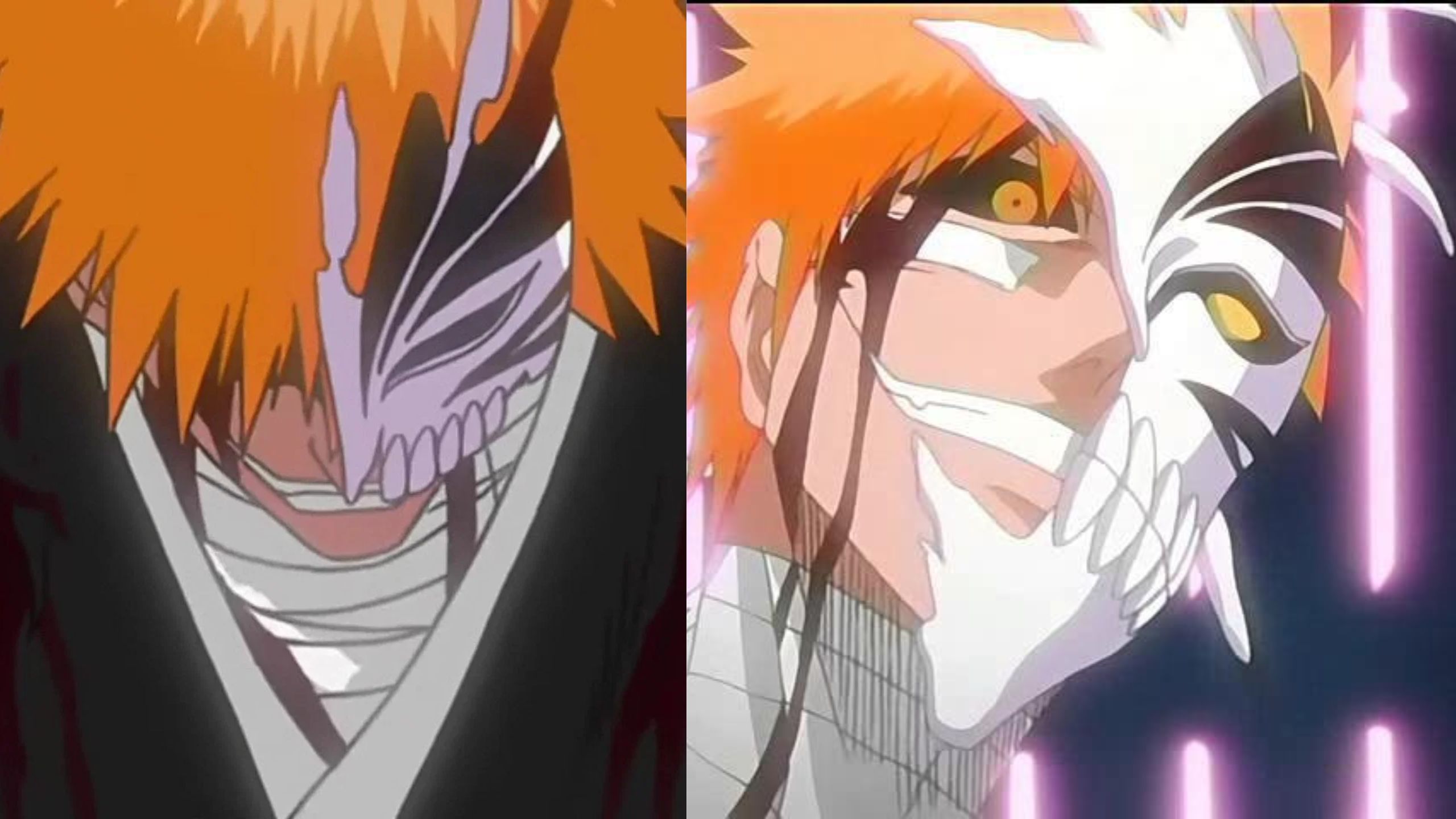
Ichigo Kurosaki Hollowfied Form (Pierrot)
This ongoing feud between the two fanbases speaks to the passionate devotion that both groups have for their respective series, with each side unwilling to back down from the argument.
Similarities in Shonen Anime
At the core of this debate lies a broader conversation about the common visual and thematic elements that are prevalent in shonen anime.
Shonen, as a genre, often revolves around certain key tropes: young male protagonists with hidden, dangerous powers; transformations that unlock greater abilities; and visual motifs like dark markings, seals, or horns that represent a character’s descent into a more powerful or dangerous state.
These themes are not unique to either Naruto or Bleach but are instead reflective of the broader genre to which both series belong.
In this context, the visual similarities that fans have pointed out between Naruto and Bleach can be seen as part of a larger trend within shonen anime.
Many other series, including Dragon Ball Z, Hunter x Hunter, and Yu Yu Hakusho, feature characters who undergo transformations that involve changes to their physical appearance, such as dark markings or otherworldly features.
For Bleach fans, the accusations of copying are baseless because these kinds of design elements are a staple of the genre and not indicative of one series copying another.
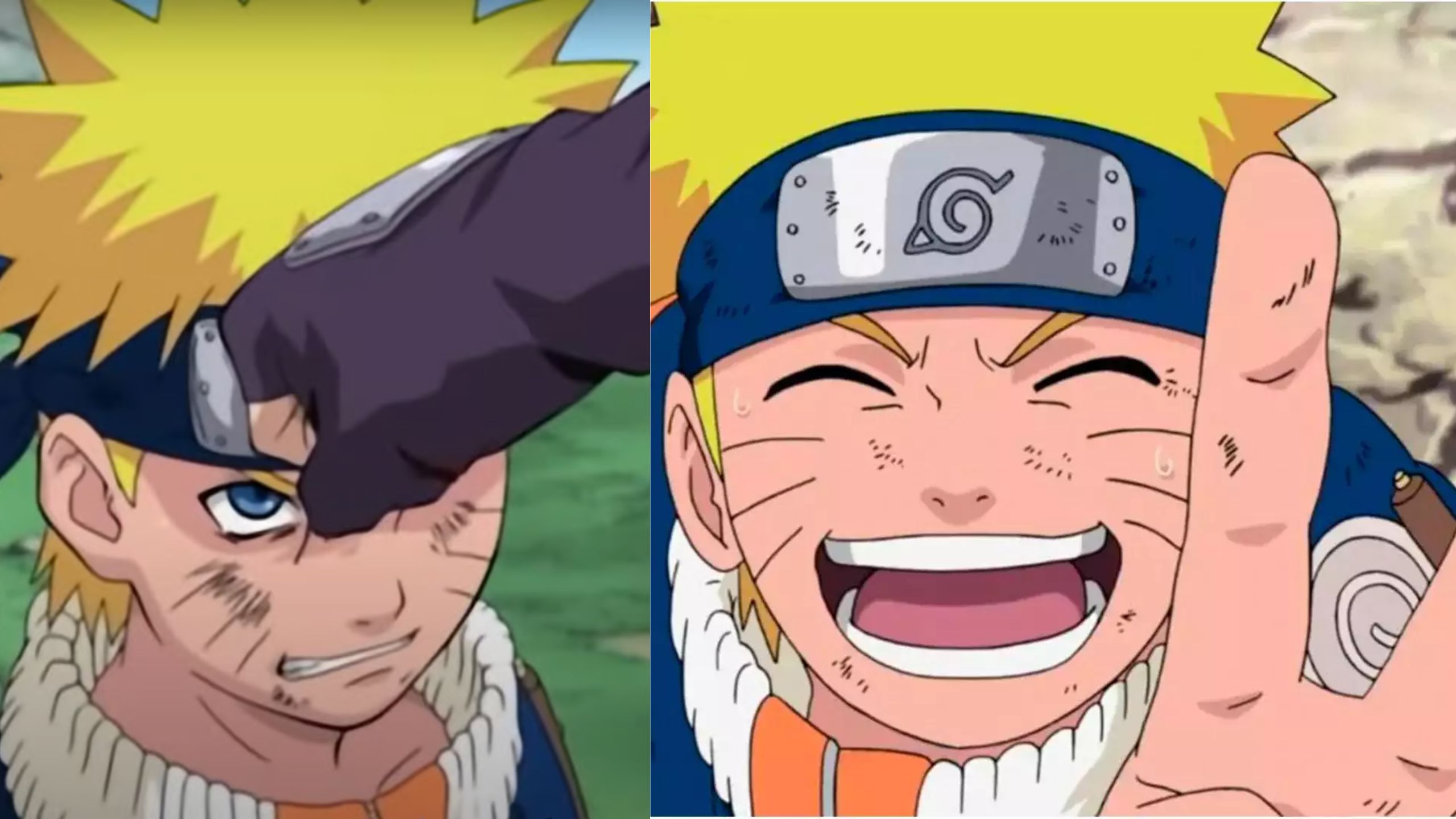
Naruto Uzumaki From Naruto Series (Crunchyroll)
Even within Naruto and Bleach themselves, these visual motifs serve different narrative purposes.
In Naruto, the Curse Mark is a representation of the darker aspects of a character’s personality, often tied to themes of corruption or loss of control.
Sasuke’s Curse Mark, for example, symbolizes his growing detachment from his friends and his descent into a more dangerous, isolated path.
Similarly, Tayuya’s transformation emphasizes her demonic, monstrous nature as she taps into forbidden power.
In Bleach, Ichigo’s transformations, including his Bankai form, represent his ongoing struggle to control the immense power within him.
While Ichigo’s appearance may change, with dark lines and horns manifesting as visual representations of this power, the narrative focus is on his inner battle to master this strength rather than succumb to it.
This distinction in how the two series approach their transformations is another reason why Bleach fans reject the accusations of copying.
They see the visual similarities as part of a shared genre language, not as evidence of one series imitating the other.
Depth of the Naruto-Bleach Rivalry
This debate over design copying is just one episode in the long-running rivalry between Naruto and Bleach fans.
Both series were among the most popular and influential anime of the 2000s, each with massive global fanbases.
During their original runs, the two series were often compared to one another, with fans debating which had the better storylines, characters, and final quality.
This competition naturally led to some tension between the fandoms, which has persisted even after both series concluded.
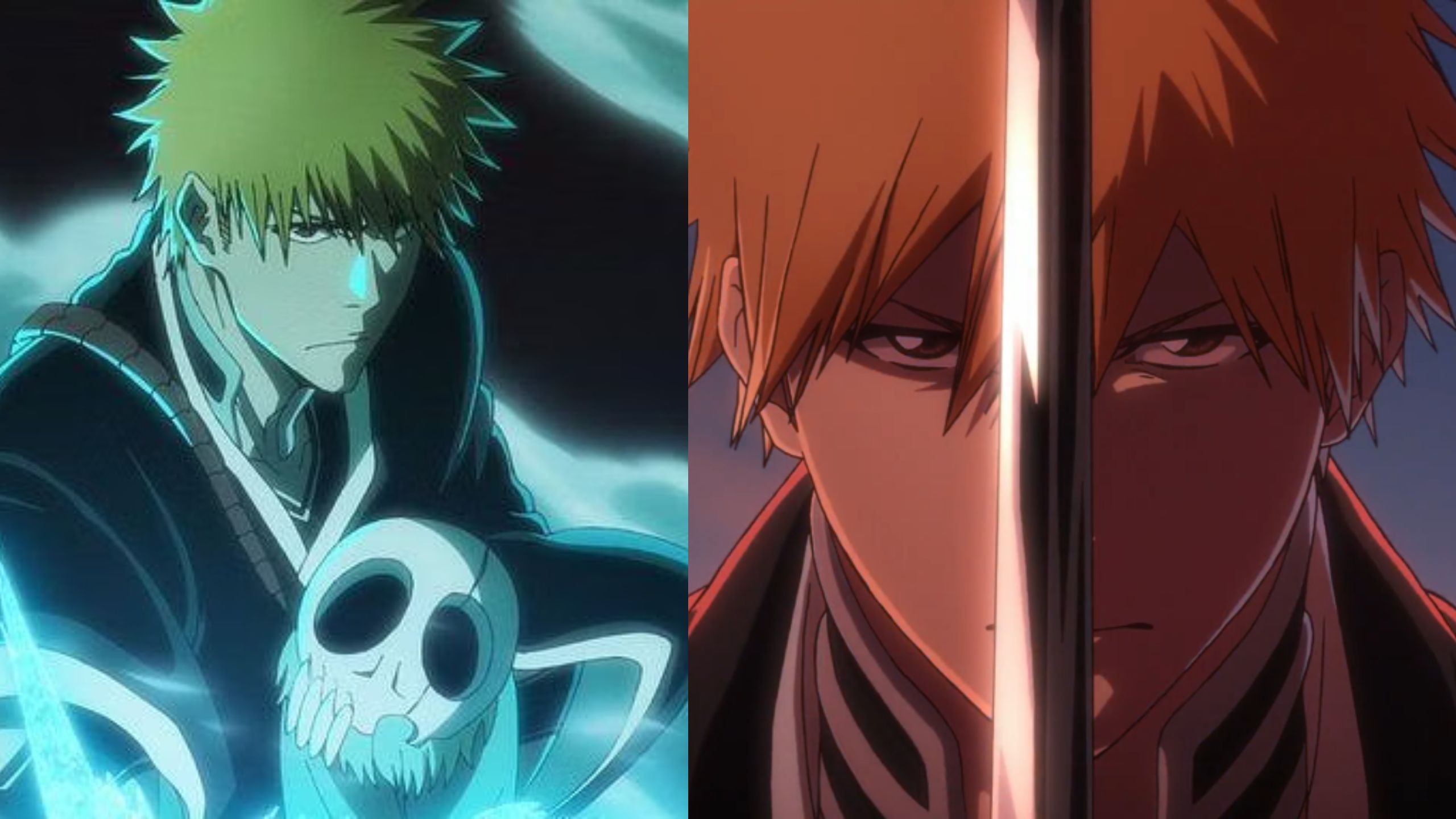
Ichigo Kurosaki (Aniplex)
One reason for this rivalry is the fact that both Naruto and Bleach were serialized in Weekly Shonen Jump, meaning that fans often viewed them as direct competitors.
Fans of one series might feel that any praise for the other comes at the expense of their own favorite, leading to an ongoing sense of competition between the two fandoms.
The current debate over design similarities is simply the latest chapter in this rivalry, but it underscores just how deeply invested fans are in their respective series.
Even though Naruto and Bleach have both ended, the rivalry between their fandoms remains as intense as ever, with each side eager to defend their series’ legacy.
For many fans, these debates are not just about visual similarities or storylines; they are about loyalty to a series that has defined their anime-watching experience for years.
This emotional attachment means that discussions, even over relatively minor topics like character design, can quickly escalate into heated arguments.
How the Shonen Genre Influences These Debates
The shonen genre plays a significant role in shaping the nature of the debate between Naruto and Bleach fans.
Shonen anime and manga, which are primarily targeted at young male audiences, tend to feature recurring themes of personal growth, friendship, and battles against increasingly powerful enemies.
Visual representations of power, such as transformations, unique markings, and changes in physical appearance, are a hallmark of the genre.
These elements are used to signal a character’s growth or descent into darker, more dangerous abilities.
In this context, the design elements being debated horns, facial markings, and other transformations are not exclusive to either Naruto or Bleach.
Instead, they are part of a visual language that is common in shonen anime.
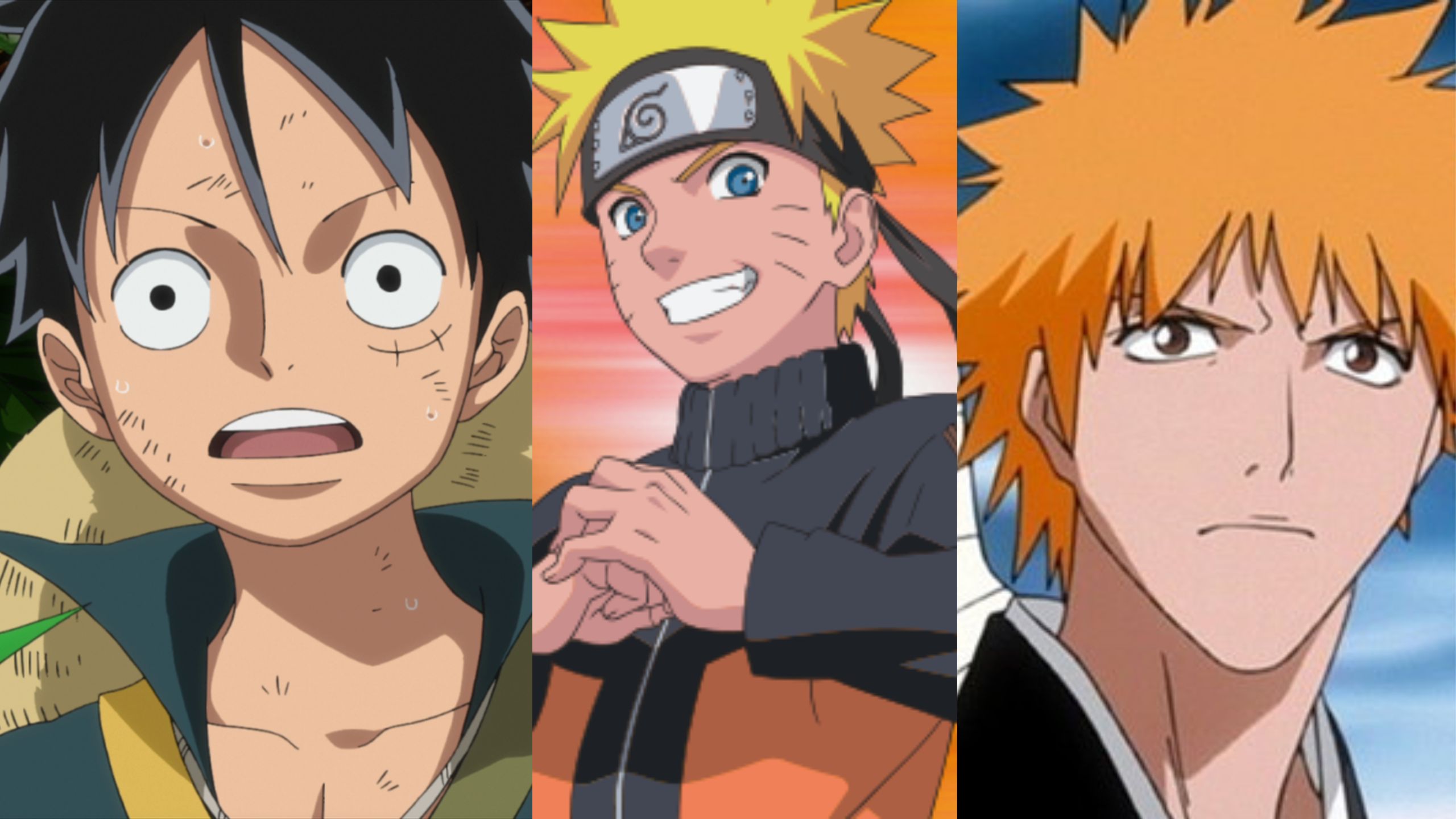
Luffy From One Piece, Naruto From Naruto Shippuden And Ichigo From Bleach (Crunchyroll) (Twitter)
Other popular series, like Dragon Ball Z with its Super Saiyan transformations or Yu Yu Hakusho with its demonic forms, also feature characters whose appearances change as they unlock new powers.
This shared language makes it difficult to argue that one series is directly copying another, as these tropes are widespread within the genre.
For Bleach fans, the use of such design elements in Ichigo’s Bankai transformation is simply a reflection of this genre-wide trend.
They argue that Kubo was not copying Kishimoto but rather working within the same creative space that many other shonen creators have explored.
In this light, the similarities between Naruto and Bleach are not evidence of plagiarism but rather of both series adhering to the conventions of the shonen genre.
This broader perspective helps explain why Bleach fans are so quick to dismiss the accusations of copying.
For them, these visual elements are part of a larger tradition, and accusing one series of copying another overlooks the fact that many shonen creators are inspired by the same themes and visual motifs.
The Speculations of the Naruto-Bleach Rivalry
As long as both series continue to have passionate fanbases, the rivalry between Naruto and Bleach is unlikely to disappear anytime soon.
Even though both series have officially concluded Naruto with the sequel series Boruto: Naruto Next Generations, and Bleach with its final arc, the Thousand-Year Blood War the legacy of both continues to live on through dedicated fans.
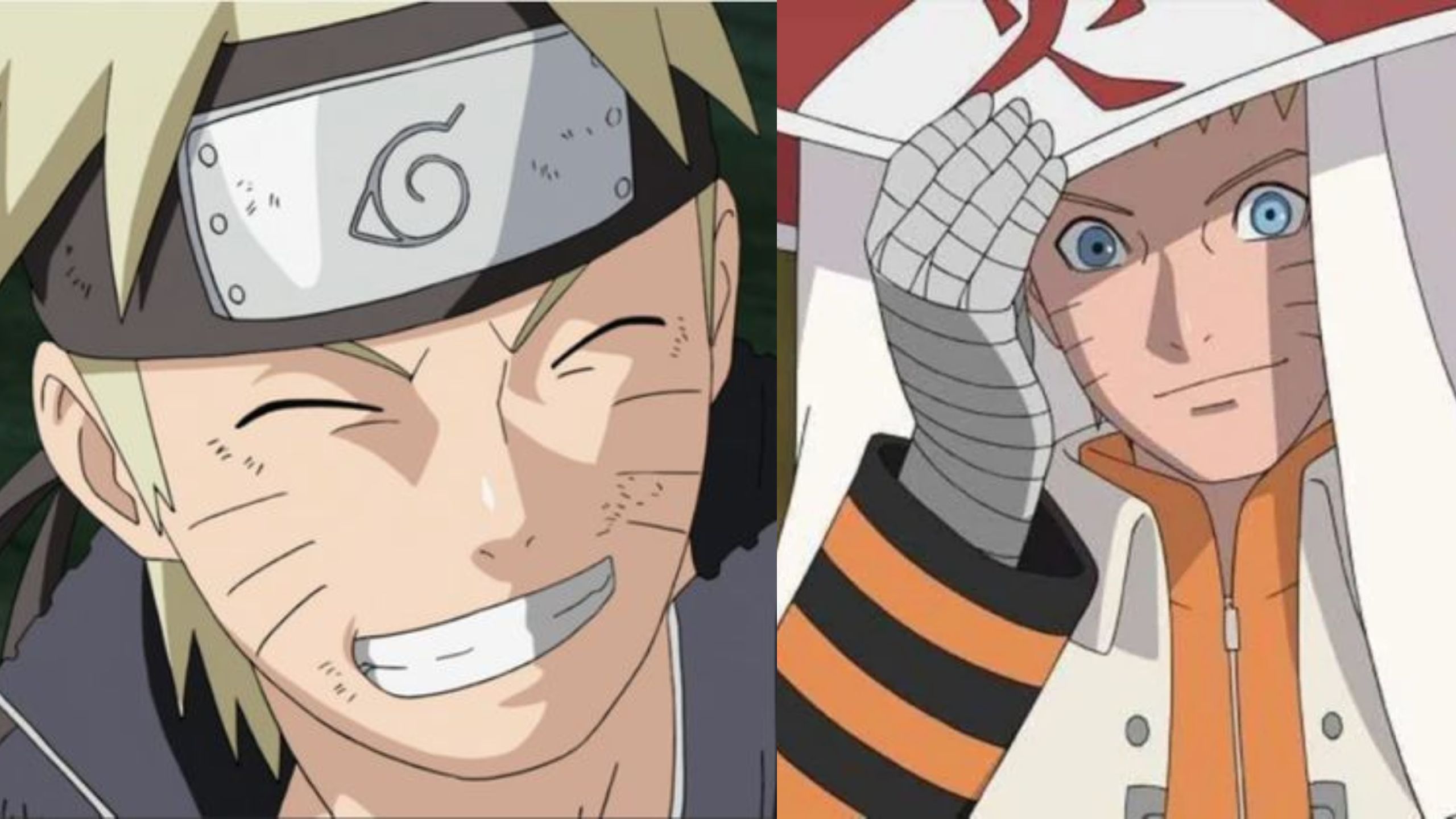
Naruto And Naruto As A Hokage (Crunchyroll)
These fans remain highly engaged with the series, discussing everything from favorite characters to key plot points, and, as seen in this debate, comparing the creative decisions made by Kishimoto and Kubo.
The enduring popularity of both series also means that new fans are continually discovering Naruto and Bleach.
As these series are introduced to new generations of viewers, the potential for renewed debates over their respective merits remains high.
In fact, with the increasing availability of both series on streaming platforms and the resurgence of interest in anime worldwide, it’s likely that the rivalry between these two fandoms will only intensify in the years to come.
At the same time, both Naruto and Bleach have left a lasting impact on the broader anime industry.
They helped shape the shonen genre as we know it today, influencing newer series like My Hero Academia and Jujutsu Kaisen.
This legacy means that even as fans continue to argue over design similarities or plot points, both series have cemented their place in anime history.
In a sense, the rivalry between Naruto and Bleach is a testament to the cultural significance of both series.
Fans are deeply invested in defending the shows they love because these series have had a profound impact on their lives.
Whether through the characters they relate to, the storylines that resonated with them, or the friendships they’ve formed through their fandom, Naruto and Bleach are more than just entertainment they’re part of their fans’ identities.
A Rivalry That Reflects Passionate Fandom
The ongoing debate between Naruto and Bleach fans over alleged design copying reflects the deep passion and loyalty that fans have for their respective series.
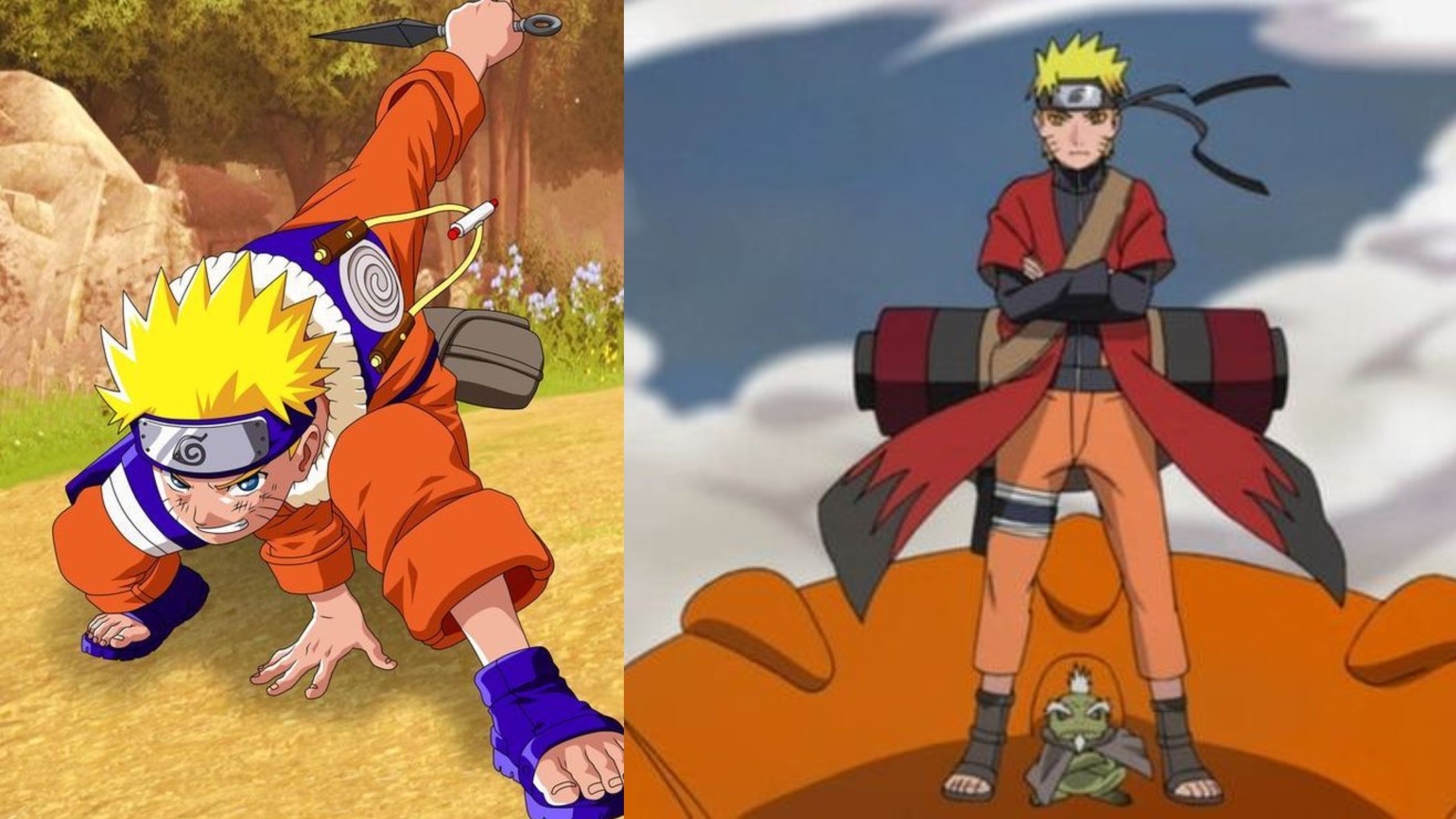
Naruto As A Genin (Left) And Naruto Vs Pain (Pierrot)
While some Naruto fans are convinced that Kubo borrowed visual elements from Kishimoto’s designs, Bleach fans strongly reject these accusations, pointing to shared genre tropes and themes that are common in shonen anime.
Ultimately, this debate is about more than just design similarities. It’s a reflection of the broader rivalry between two of the most iconic anime series of the 2000s.
Fans of both Naruto and Bleach are deeply invested in their favorite shows, and this emotional attachment drives the intensity of the discussions that take place on social media and in fan communities.
In the end, whether or not Ichigo’s Bankai transformation bears any resemblance to Sasuke’s Curse Mark form is almost beside the point.
What really matters is the sense of ownership and pride that fans feel for their favorite series.
For many, Naruto and Bleach are not just anime they’re cultural touchstones that have left a lasting impact on their lives.
And as long as that passion remains, the rivalry between these two fandoms will continue to thrive.
