Here is Ichi The Killer Ending Explained. Japanese action movie Ichi the Killer, from 2001, was written and directed by Takashi Miike. Starring Tadanobu Asano and Nao Omori, it is based on the same-named manga series by Hideo Yamamoto. The eponymous character, played by Omori, is a psychologically unstable guy who is persuaded to attack or murder members of opposing factions of feuding yakuza gangs while being followed by a sadomasochistic enforcer (Asano).
Ichi the Killer is one of the early 2000s cult classic films. Two central figures are contrasted in Ichi the Killer: Kakihara, the Yakuza’s masochistic right-hand man who derives pleasure from beating and torturing others. On the opposite side is Ichi, a timid, reclusive psychopath who makes the ideal killing machine. It has been more than 20 years since this movie, which is based on the same-named manga by Hideo, was released. But in those 20 years, nothing has changed—or has it? If you are one of those people who just finished watching Ichi The Killer but still do not know what happened at the end, then this article is for you. We have for you Ichi The Killer Ending Explained.
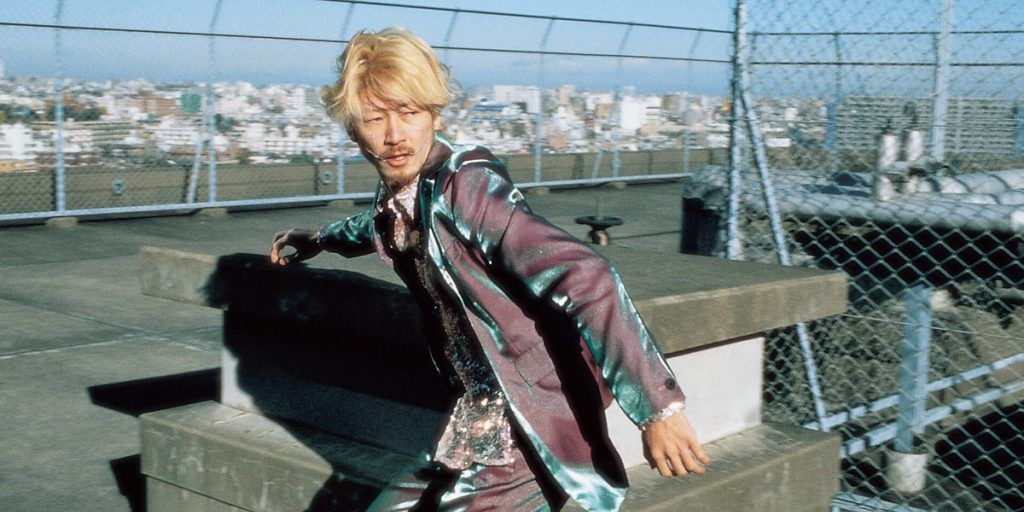
Ichi The Killer Ending Explained
We have done the task for you. Here is the synopsis of Ichi The Killer Ending Explained. Ichi The Killer Ending differs from the original Manga. The audience anticipates a confrontation between Kakihara and Ichi right from the start. However, this is not for retaliation, as most people would assume. Instead, Kakihara deliberately seeks out Ichi after witnessing the violence he is capable of, hoping that Ichi will be able to provide him with the agony and suffering he has been actively seeking since his boss vanished. He sort of wants Ichi to torment and dismember him to fill that enormous vacuum.
Things do not turn out as expected when the super-masochist finally meets the super-sadist. Kakihara rapidly concludes that Ichi is not the monster he was looking for and cannot inflict the punishment he so urgently desires. In actuality, Ichi is reduced to crying and weeping and loses his ability to use force. To block out the noise, Kakihara stabs his ears. He then visualizes being tortured by Ichi before jumping to his death from a building. Then, Takeshi, a little child who had worshipped Ichi but now sees him for the monster that he is, kills Ichi. This was the Ichi The Killer Ending Explained.
Also Read 10 Heart-Warming Childhood Friends Romance Manga That You Should Read!
How Is The Ending Different From Original Manga?
After Ichi The Killer Ending Explained, let us know the difference between Manga and film. You will discover that the plot of the majority of other animes has been lifted directly from the manga . Ichi, the Killer, is in the same boat. The plots of the manga and the movie are identical, and all you can witness are your favorite manga characters going through dramatic changes. However, how both of them are framed together, in this case, is the primary distinction. The manga’s psychological focus is on grabbing readers’ attention early on so they can see that the characters are dealing with an internal situation. But this part is different in the movie.
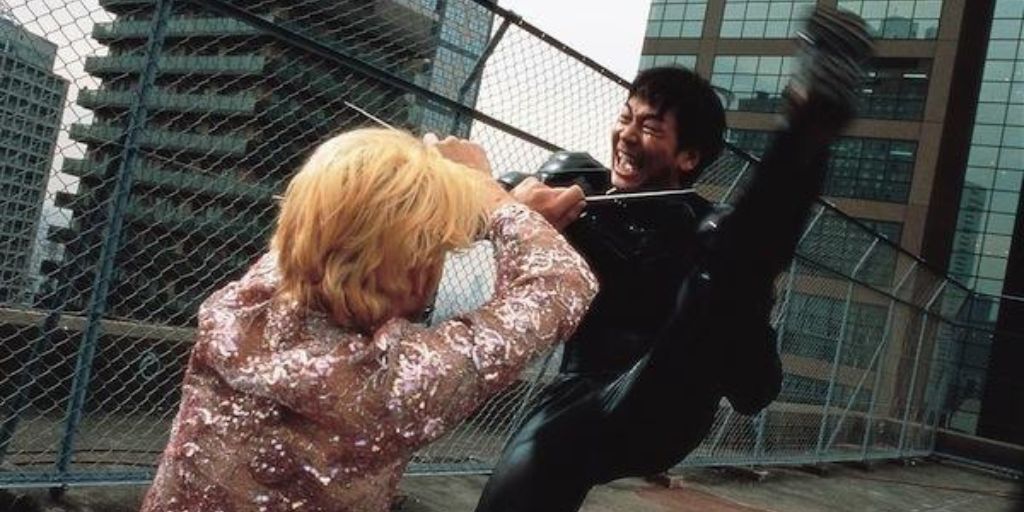
Compared to the original manga, the conclusion is significantly more gloomy and less violent, depicting a bleak future in which an adult Takeshi is seen wandering with young children and the body of Jijii, who hangs herself in the end. It’s a Miike-style conclusion in which nobody finds happiness or redemption. Even though it is unnecessary and terrible, the violence serves as the story’s abstract painting on canvas as it comes to a close. Viewers will always remember the characters for their peculiar interests and love of violence.
Although the movie has the plot to communicate with the audience, you won’t be able to understand it as quickly as you would have with a manga. The primary distinction that readers may point out for you is this. This is the process. For instance, Ichi is depicted in the manga’s opening plot as a “violent” or “pervert.” This has happened because Ichi has frequently displayed traits of an aggressive and perverted person. It is clear from the outset that Ichi is the major antagonist of the movie and that his involvement in the plot is unrelated. It’s more like establishing Ichi’s persona for the audience right away. Therefore, we have Ichi The Killer Ending Explained.

One of the era’s most well-known television series was Miss Marple. In this article, we shall see Miss Marple filming locations. We will look at all the sites where the series has been shot. Based on Agatha Christie’s Miss Marple murder mystery books, the British television series Miss Marple is called Miss Marple. It ran from 1984 to 1992 with Joan Hickson as the lead character. All 12 of Miss Marple Christie’s original books have been dramatized. Most of the time the series was being produced, Joan Hickson, who played Miss Marple, was already 80.
The Body in the Library (1984) and The Mirror Crack’d from Side to Side (1988) are the first five one-part episodes, five two-part episodes, and two three-part episodes; these were created from the adaptations of all 12 Miss Marple stories (1992). The adaptations mostly stick to the spirit of the sourcebooks. The films were primarily set in the 1950s, 1951, and between 1954 and 1959 for aesthetic reasons. Some episodes aired around Christmas because Hickson liked the concept of them running over the holiday season.
The beautiful filming of the series raises a lot of thoughts in viewers’ minds about where it is shot. Now, without further ado, let us check out Miss Marple’s filming locations.
Miss Marple Filming Locations
Miss Marple filming locations are scattered all over England and the UK. The locations include many luxurious hotels and properties. In this section, we shall discuss all Miss Marple filming locations a little more deeply. Also, these are the combined filming locations of the entire series (each part). Let’s go!!!
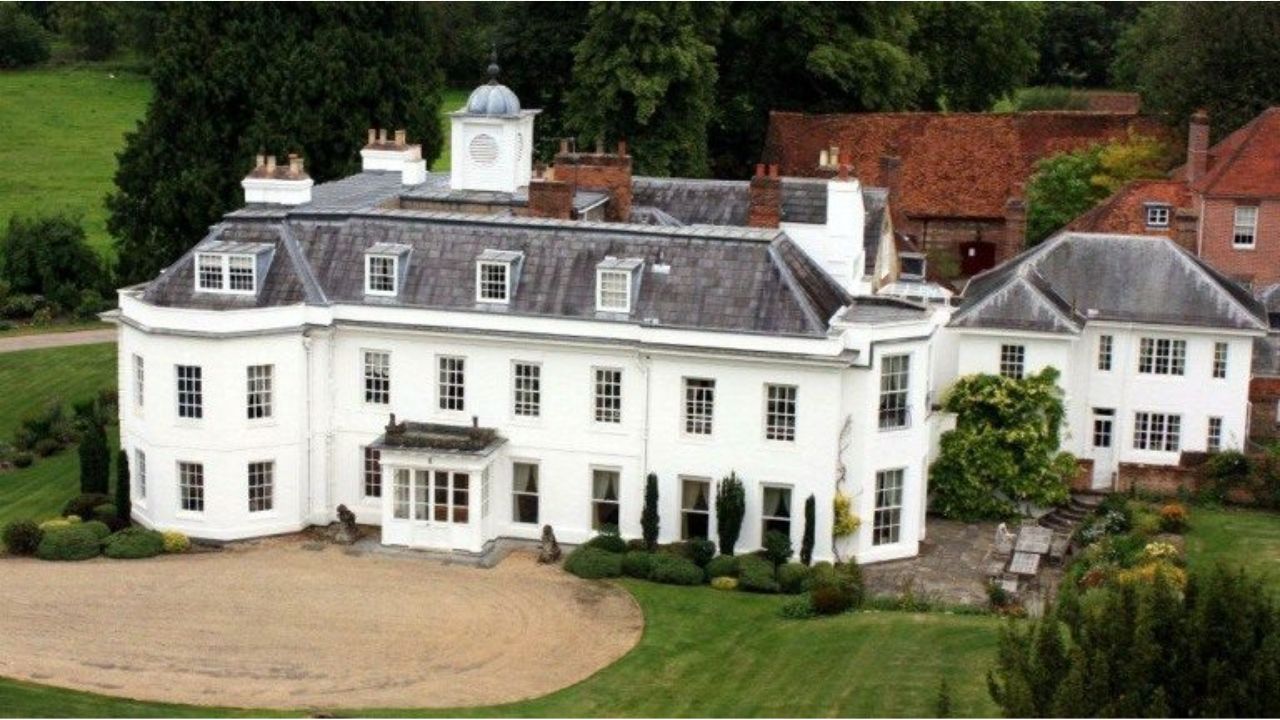
Wherwell Priory, Hampshire
Wherwell Priory
In Wherwell, England, there is a historical site called Wherwell Priory. Hampshire, England’s Wherwell, is a village on the River Test. In keeping with mythology, a strange mythical beast is said to have haunted the charming Hampshire village of Wherwell. Here is where the Gossington Hall in the series was filmed.
Nether Wallop
Nether Wallop is a village and civil parish in Hampshire’s Test Valley district. This village was the setting for St. Mary Mead in Miss Maple. It is located about 3.7 miles northwest of Stockbridge and 7 miles southwest of Andover. Nether Wallop is one of the most beautiful villages in England, and for a good reason. It is full of lovely historic cottages, many of which are thatched.
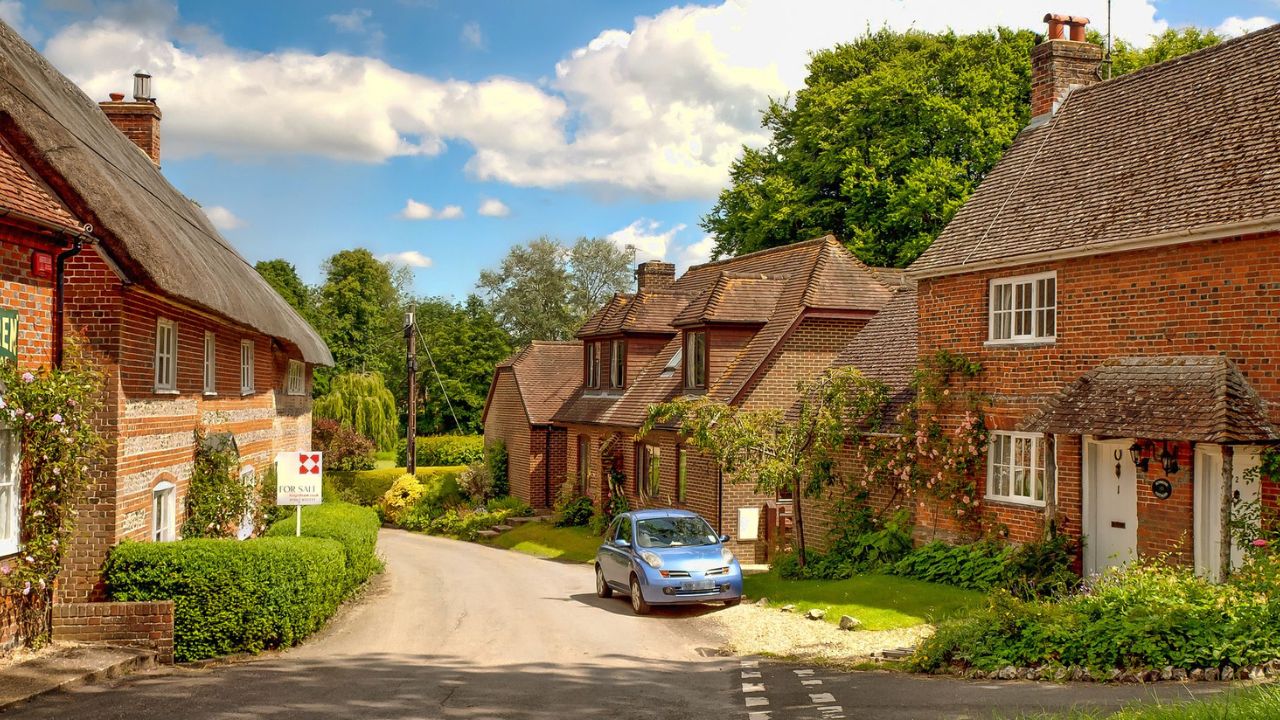
Nether Wallop
Many films and television shows have been filmed in the village.
Bournemouth, Dorset
A seaside coastal town in Dorset, England, Bournemouth is part of the Bournemouth, Christchurch, and Poole municipal region. The 7 miles of golden sand beaches and crystal-clear waters in Bournemouth are legendary. This Dorset town served as the setting for the series’ well-known fictional town of “Danemouth.”
Carlton Hotel
The Carlton Hotel in Bournemouth, Dorset, England, UK, served as the location for The Majestic in Danemouth, shown in Miss Marple: The Body in the Library (1984).
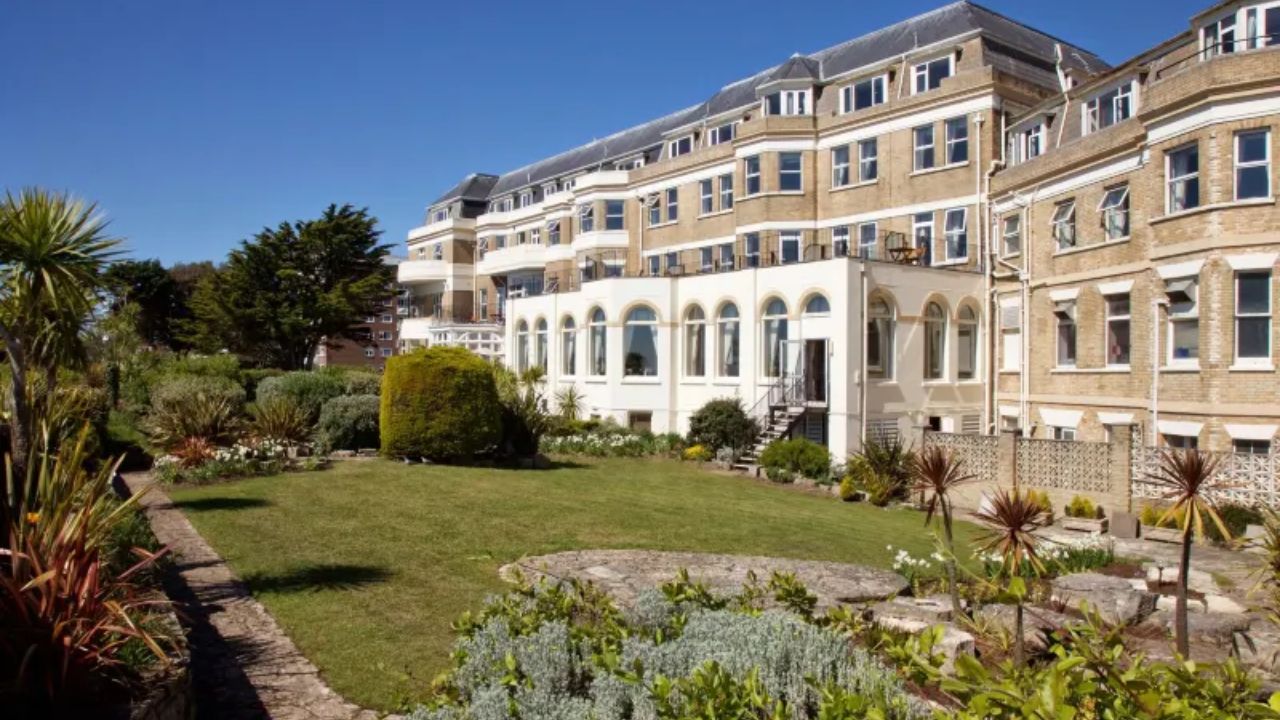
Carlton Hotel, Bournemouth
Bournemouth Highcliff Marriott Hotel
The Majestic in Danemouth was also filmed in the Bournemouth Highcliff Marriott Hotel, located at 105 St. Michael’s Rd. in Bournemouth, United Kingdom. It is an extremely wealthy hotel that has been used as a location for various movies.
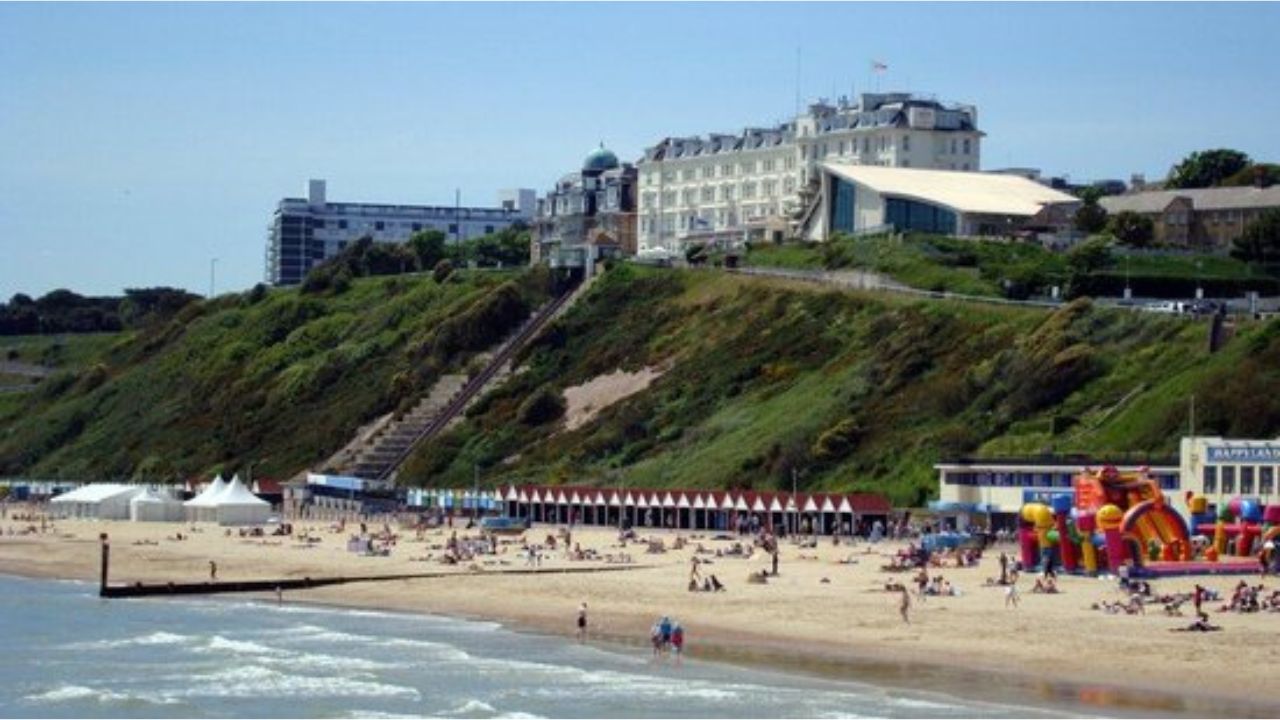
Bournemouth Highcliff Marriott Hotel
Royal Bath Hotel
The Royal Bath Hotel Bournemouth is the city’s first hotel, located directly on the seafront near the Pier. The Majestic Hotel’s interiors were based on the interiors of this hotel.
Hoxne, Suffolk
Hoxne is a village in Suffolk, England’s Mid Suffolk district. The village of Lympstock depicted in Miss Marple: The Moving Finger (1985) was Hoxne.
Weybourne railway station
Weybourne railway station is a preserved North Norfolk Railway station in Weybourne, Norfolk (England). It was previously part of the Midland and Great Northern Joint Railway route connecting Melton Constable and Cromer. This station was depicted in the series as Lymstock Station.
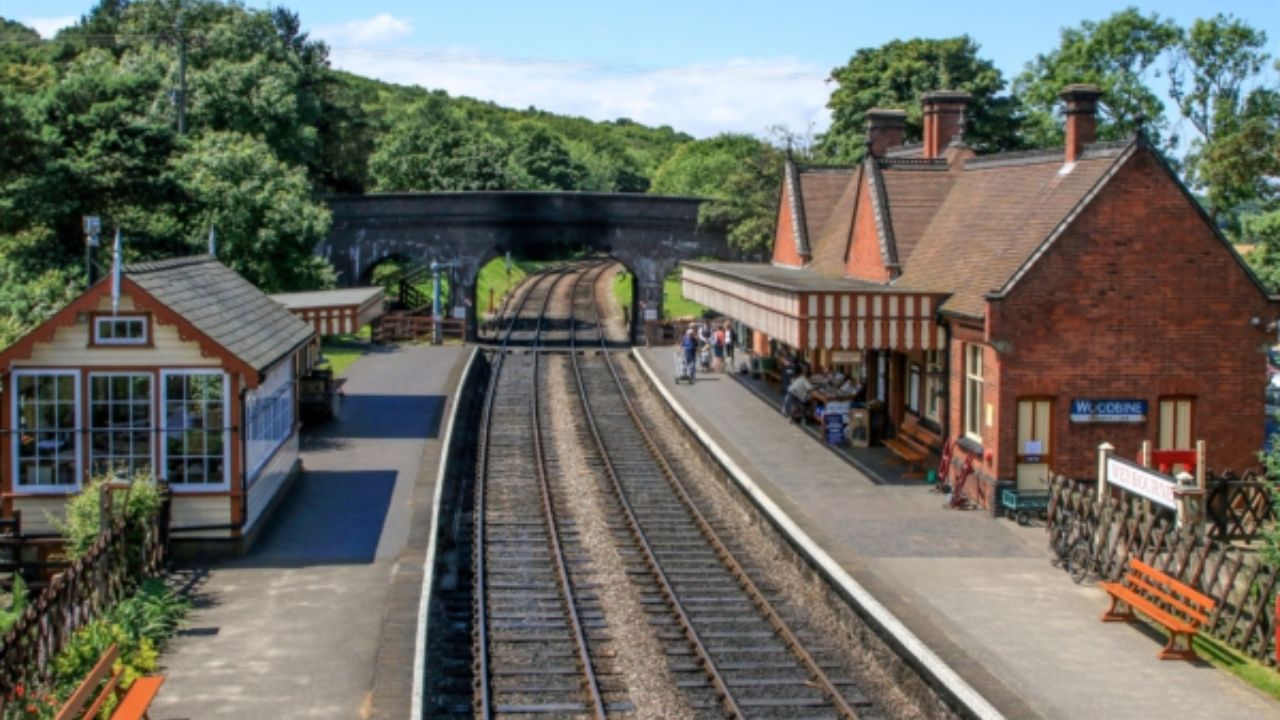
Weybourne railway station
Monk’s Hall, Syleham
Monk’s Hall, a beautiful manor house in Syleham, near Diss, has a 1,000-year history and maybe Suffolk’s oldest continuously occupied house. Monk’s Hall was used to film the Symington residence.
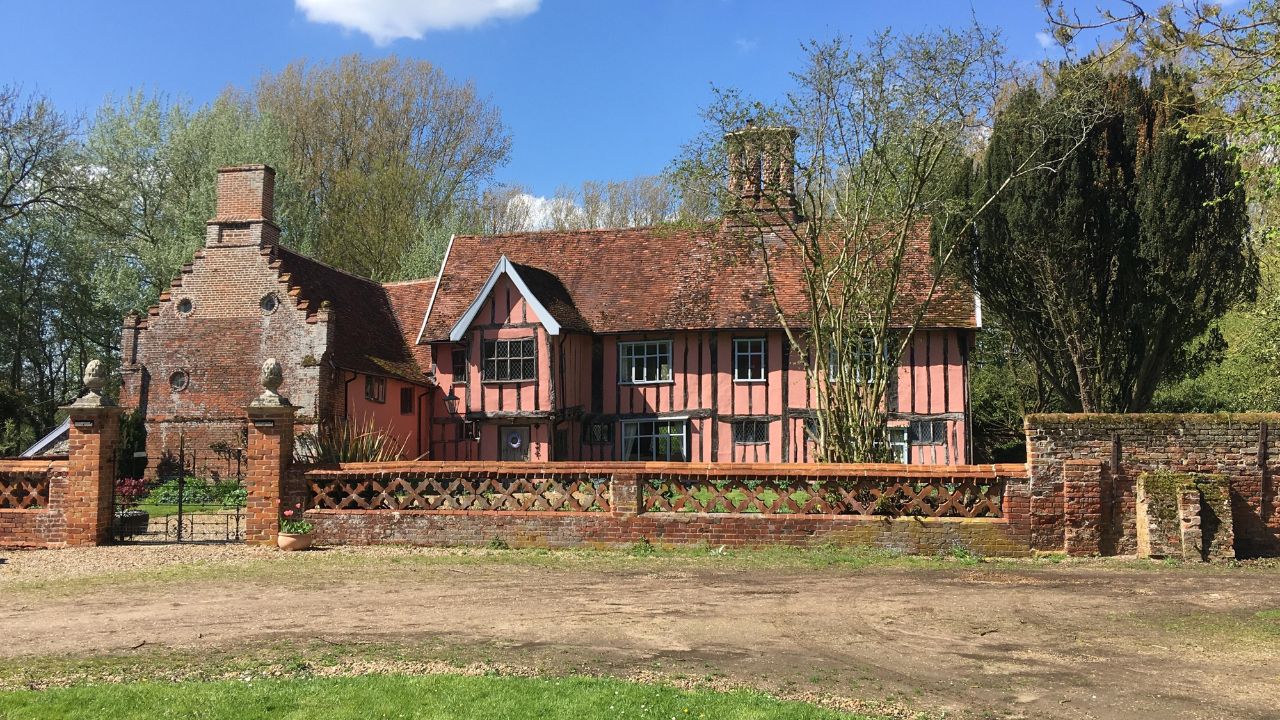
Monk’s Hall, Syleham
However, this was all about Miss Marple filming locations. For more interesting updates ahead, stay tuned & keep streaming!!
