In the expansive One Piece world, the mysterious figure of Imu stands as a central puzzle, attracting the fans and scholars alike with their mysterious origins and cryptic intentions.
This character, introduced subtly yet powerfully, has spurred a multitude of theories that intertwine folklore, mythology, and historical narratives.
One of the most compelling theories proposes that Imu is not merely an individual but rather a manifestation of the Umibozu, the legendary Sea Devil, which is intricately linked to the lore surrounding Devil Fruits.
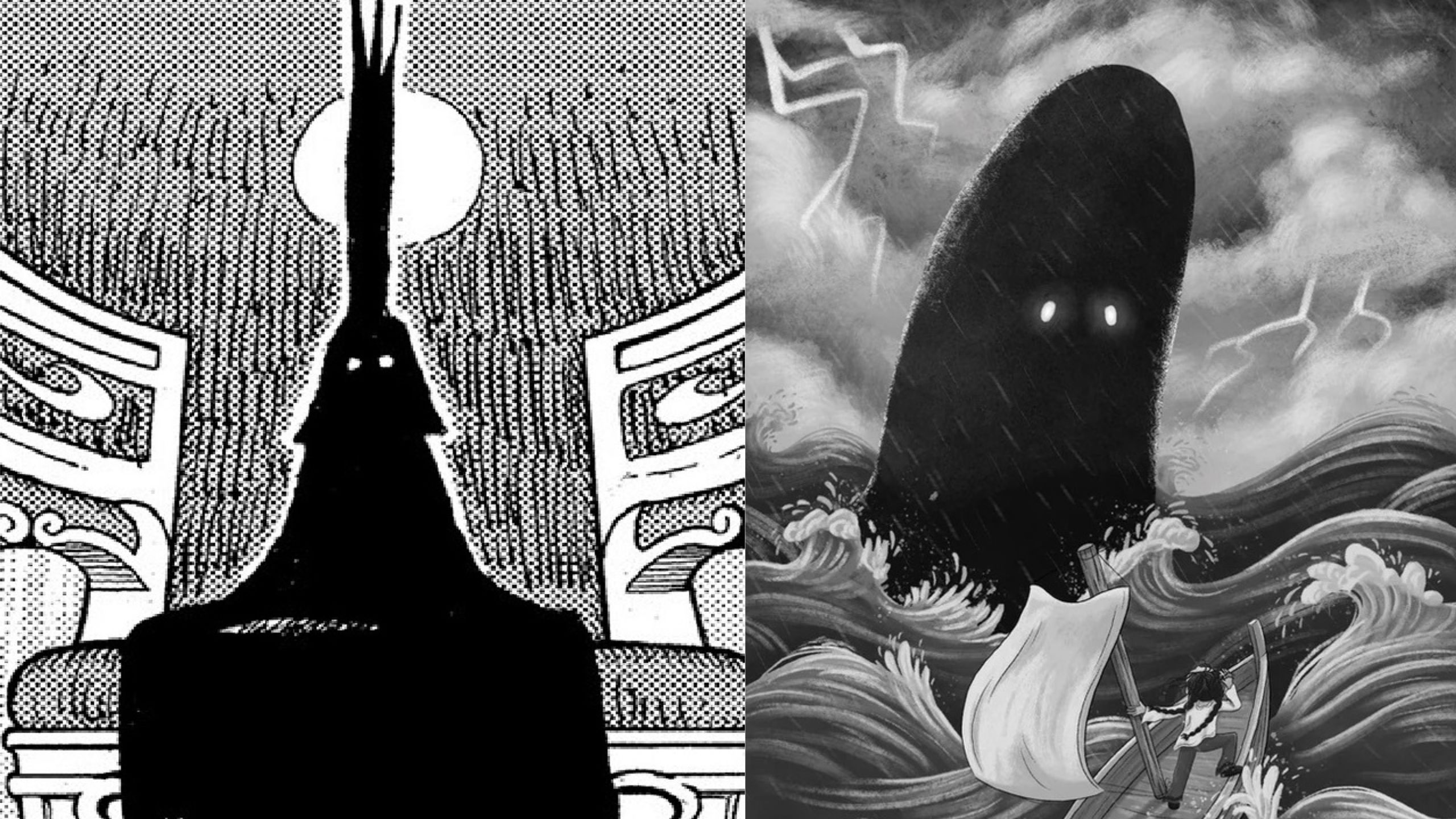
Imu And Umibozu From One Piece (Shueisha)
This theory gains substantial weight when we examine the possible possession of Nefertari Lili, one of the twenty monarchs pivotal in establishing the World Government.
The intriguing notion that Imu may have taken control of Lili’s body opens up a narrative rich in ancient power dynamics and political intrigue.
This exploration not only deepens our understanding of Imu’s origins and their seemingly immortal existence but also illuminates the connections to the central mysteries woven throughout the One Piece saga.
Nefertari Lili: A Key Figure in the Mystery
At the heart of this unfolding narrative is Nefertari Lili, a significant historical figure within the One Piece universe.
As one of the twenty rulers who played an essential role in founding the World Government, Lili’s actions and decisions carry immense weight.
Unlike her fellow monarchs, Lili did not leave her sword behind at the Empty Throne, a symbolic gesture indicating neutrality and a refusal to claim ownership over the world.
This act sets her apart and positions her as a unique figure in the history of the World Government.
In stark contrast, Imu now occupies that very throne, suggesting a profound shift in power dynamics.
The presence of a sword behind Imu raises tantalizing questions: Could this sword belong to Lili herself? If so, the implication is staggering.
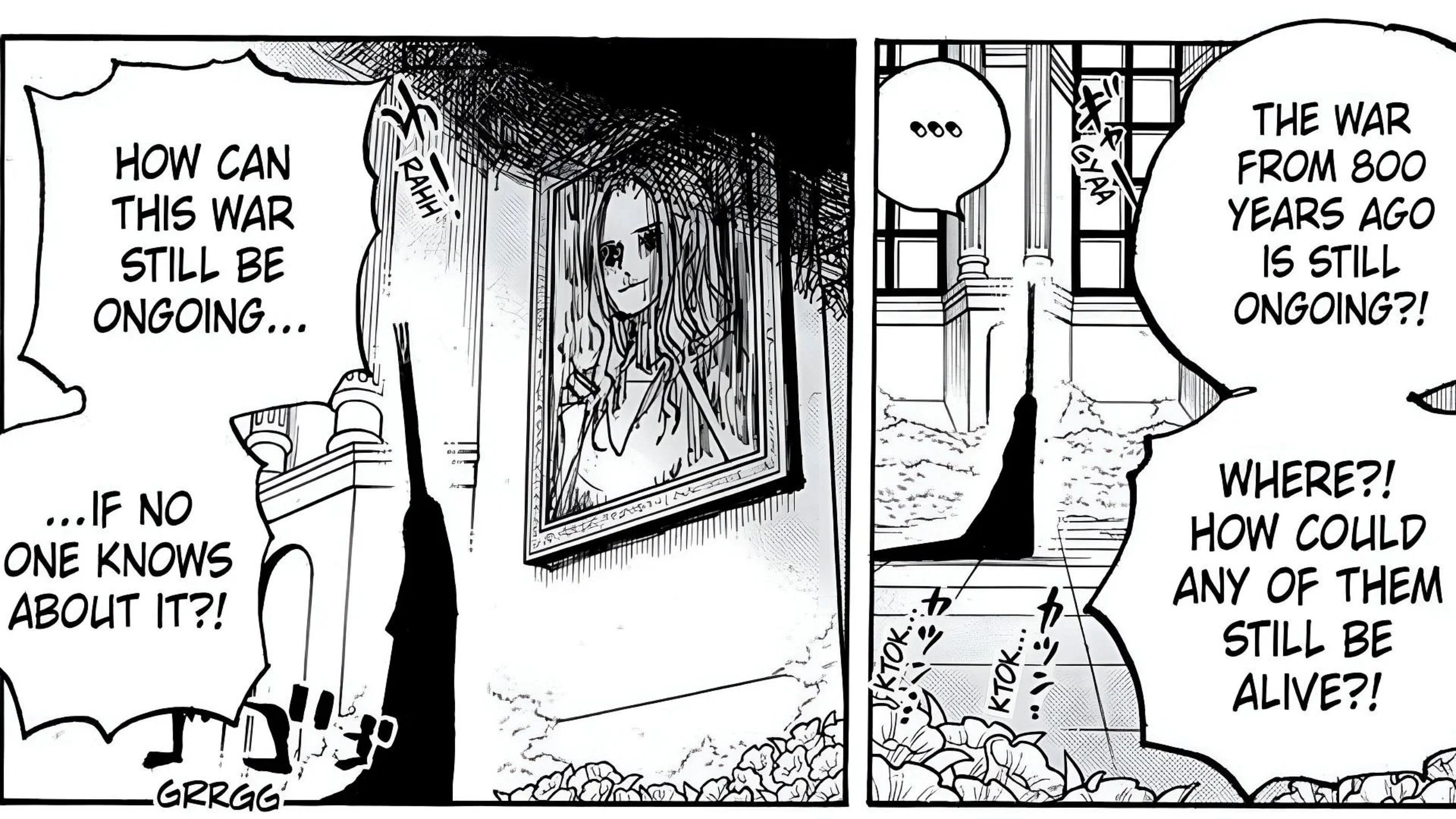
A visual of Lili (Shueisha)
The idea that Imu may have possessed Lili’s body could serve as a compelling explanation for Lili’s mysterious disappearance from the historical narrative and Imu’s subsequent ascension to power.
By assuming Lili’s identity, Imu could have solidified their rule over the world, drawing on both Lili’s political authority and the ancient powers that may have been intertwined with her lineage.
Symbolism in Imu’s Domain
The symbolism surrounding Imu offers further insights into their complex character. Within Imu’s chamber, the presence of lily flowers provides a direct link to Nefertari Lili.
The very act of Imu gazing at Lili’s portrait hints at a deeper connection that transcends mere remembrance.
This gaze may symbolize Imu’s possession of Lili, their shared identity, or even the gradual transformation of Lili into Imu over time.
Such transformations resonate with various mythological narratives. A compelling parallel can be drawn to the figure of Lilith in biblical lore.
Associated with chaos and the night, Lilith’s character evolves into a demonic entity in some interpretations, suggesting that Lili’s own journey could have taken a similarly dark turn, culminating in her evolution into Imu.
This transformation provides a possible explanation for Imu’s current devilish appearance, which includes the “devil’s eyes” and the “devil’s tail.”
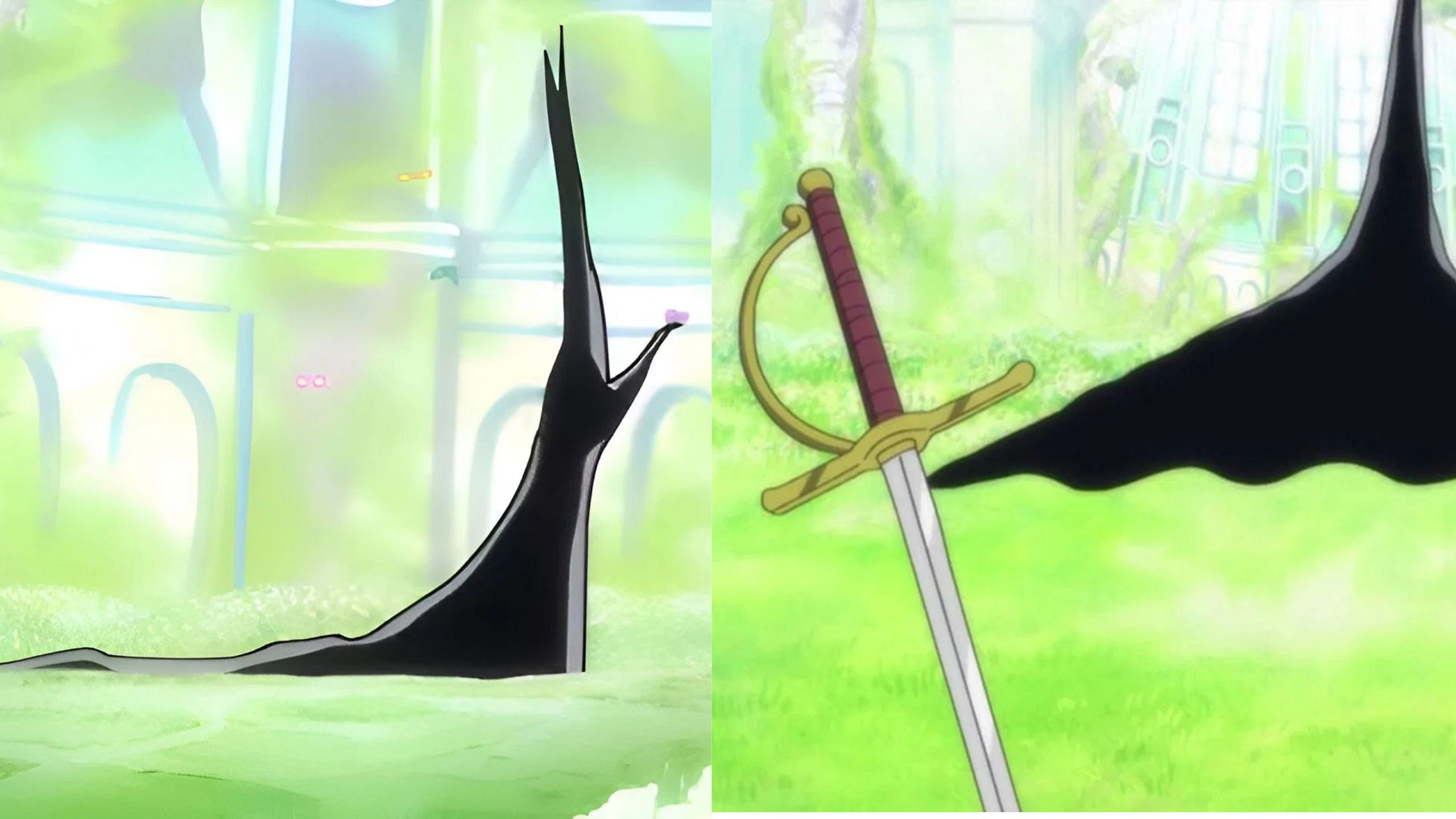
Imu as seen in the anime (Image via Toei Animation)
These features paint Imu not just as a ruler, but as a formidable entity tied to darker themes within the One Piece universe.
The Pact with Darkness
As we go deeper into Imu’s character, the themes of darkness and malevolence surrounding them become more pronounced.
Imu’s physical traits and actions evoke imagery tied to satanic symbolism.
The pentagram, also known as the Sigil of Baphomet, is often associated with the Devil, and its presence in relation to Imu mirrors the ominous, hellish atmosphere that envelops this character.
Imu’s mastery over destructive black flames, their uncanny ability to command annihilation, and their apparent immortality allude to a figure that embodies the essence of a devilish entity.
The idea that Imu could be the ultimate devil within the One Piece world carries significant implications.
This raises the possibility that Imu has forged a “pact with the devil,” acquiring power and eternal life through dark and mysterious dealings.
Such a pact opens up the intriguing notion that Imu’s influence extends beyond their own corporeal form.
The idea that Imu might exert control over the Gorosei, the five elder stars who occupy the highest echelons of the World Government, suggests a far-reaching system of possession or influence.
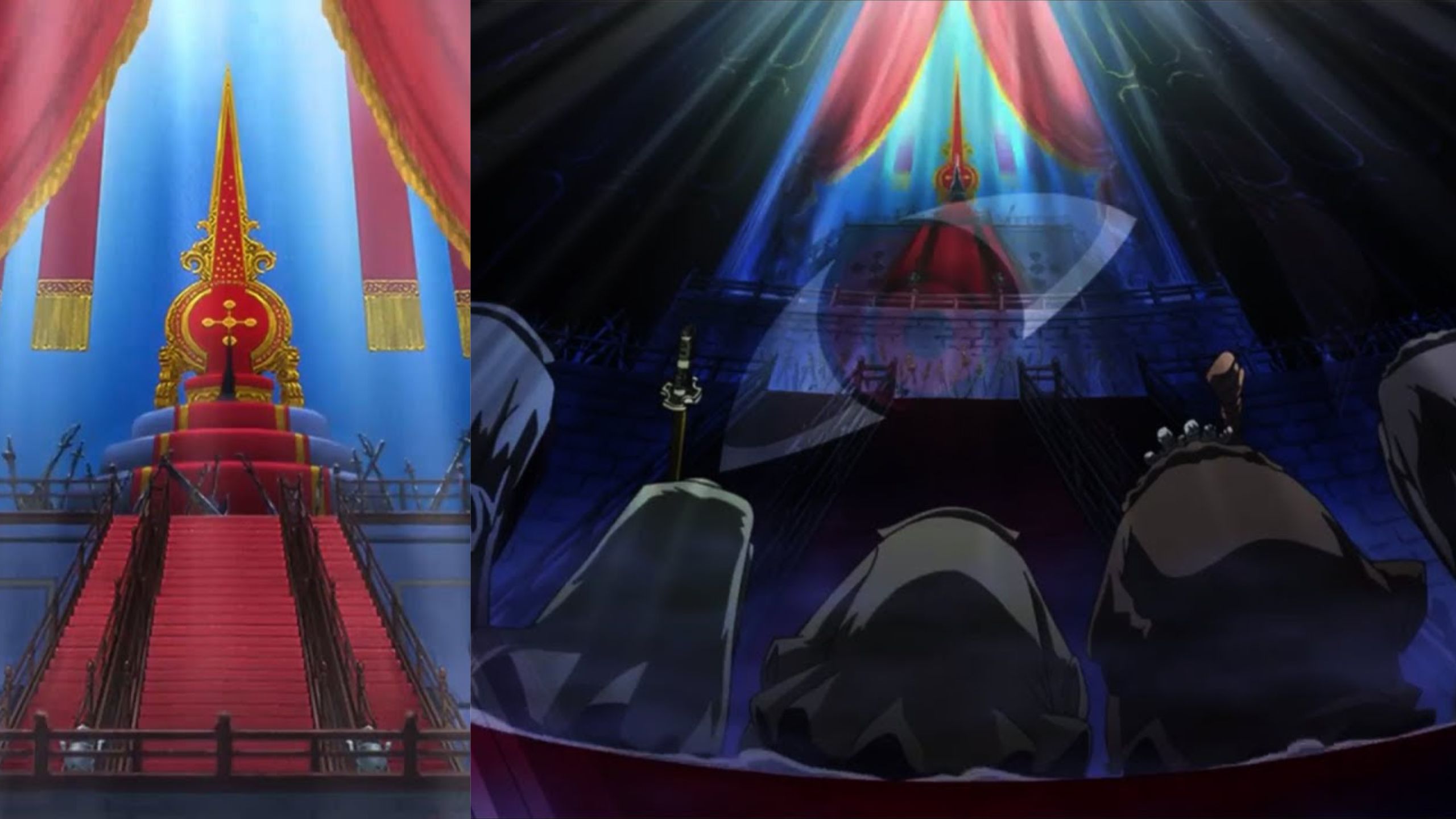
Imu And Highest Authority (Image via Toei Animation)
If Imu possesses the ability to control bodies, it stands to reason that they might manipulate the Gorosei, thereby enforcing their will across the entirety of the world.
The Sea Devil and the Nature of Devil Fruits
As we go through the nature of Devil Fruits within the One Piece universe, we encounter intriguing connections to Imu’s identity.
It’s conceivable that Imu’s essence is intricately woven into the fabric of the Devil Fruits themselves.
The visual representation of Devil Fruits enveloped in a black cloud may symbolize the powers under Imu’s dominion, while those surrounded by a white cloud, such as Luffy’s, could represent a counterforce resisting Imu’s overarching authority.
This striking visual dichotomy evokes a profound struggle between two formidable forces: Imu, embodying the darkest aspects of power, and Luffy, representing freedom and rebellion against oppression.
The thematic contrast highlights the ongoing conflict between authoritarian control and the relentless pursuit of liberty a central theme in the overarching narrative of One Piece.
Interestingly, the connection between Imu and the Japanese yokai known as Umibōzu enriches our understanding of Imu’s character.
In Japanese folklore, the Sea Devil is a creature associated with storms, chaos, and the tumultuous nature of the sea.
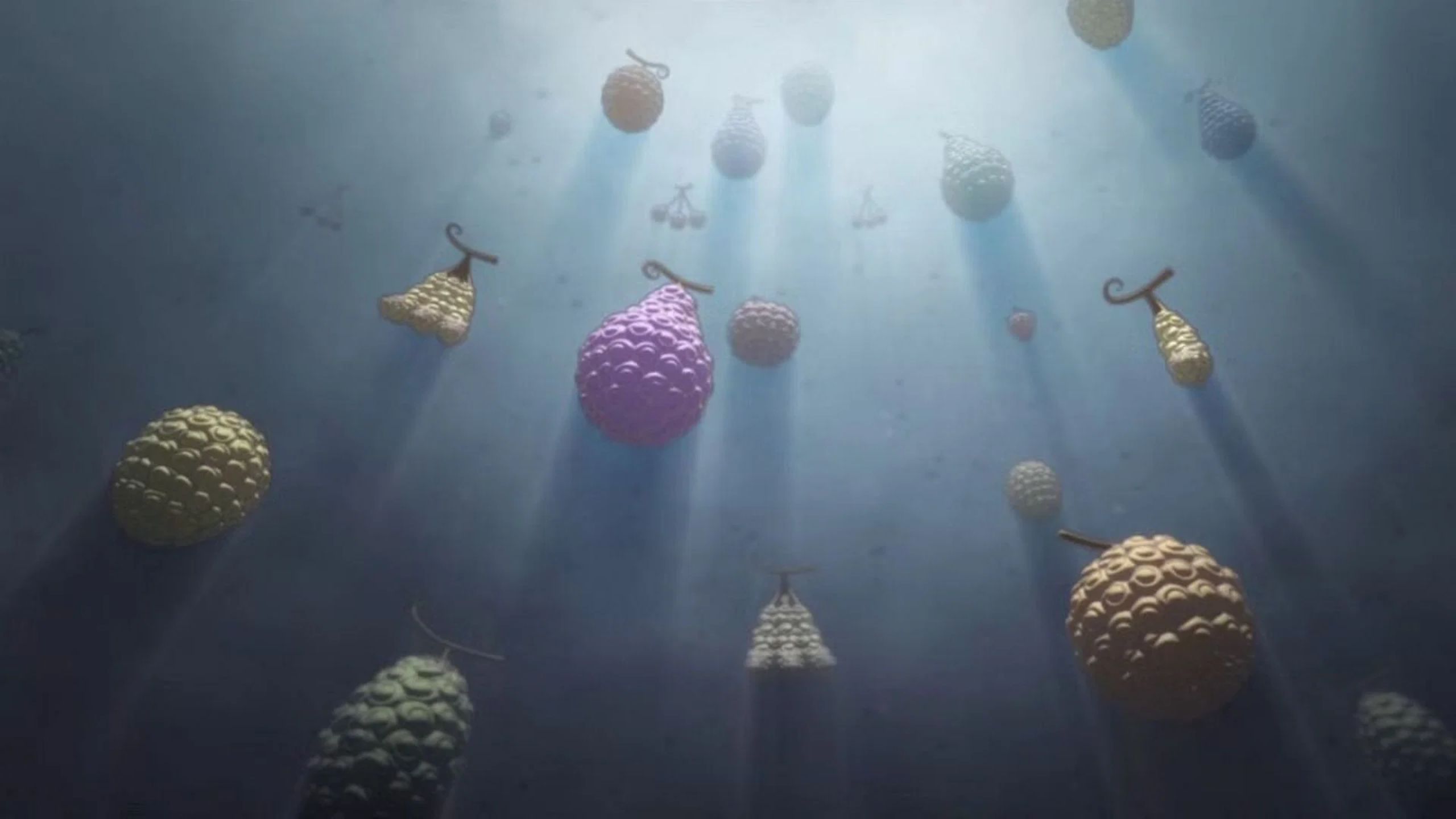
Devil Fruits From One Piece (Toei Animation)
Within the One Piece narrative, Devil Fruits are said to be incarnations of the Sea Devil.
This raises the tantalizing possibility that Nefertari Lili may have consumed a Devil Fruit linked to this Sea Devil, granting Imu the ancient being the power to possess her body.
This possession could elucidate Imu’s vast abilities and apparent immortality, painting a picture of a character steeped in both historical and mythical significance.
Folklore of the Sea Devil
Going through the folklore surrounding the Sea Devil yields further intriguing insights. It is often suggested that the Sea Devil can be pacified through offerings, such as a barrel.
This notion introduces a attractive theory regarding Binks’ Sake, a legendary drink within the One Piece lore. Could it be that this iconic beverage was intended as a means to calm the Sea Devil?
If we consider Joy Boy’s failure to deliver Binks’ Sake as a catalyst for the events leading to the Void Century, it becomes apparent that the world has remained shrouded in darkness due to Imu’s reign and influence.
This historical context underscores the far-reaching consequences of these legendary figures, weaving a drapes of narratives that connect past and present in the One Piece universe.
Furthermore, parallels to Maurice Sendak’s Where the Wild Things Are offer additional layers of depth to Imu’s character.
In this beloved children’s story, Max transforms into the king of the beasts, while Imu exerts command over the Gorosei, who can be likened to mythical creatures themselves.
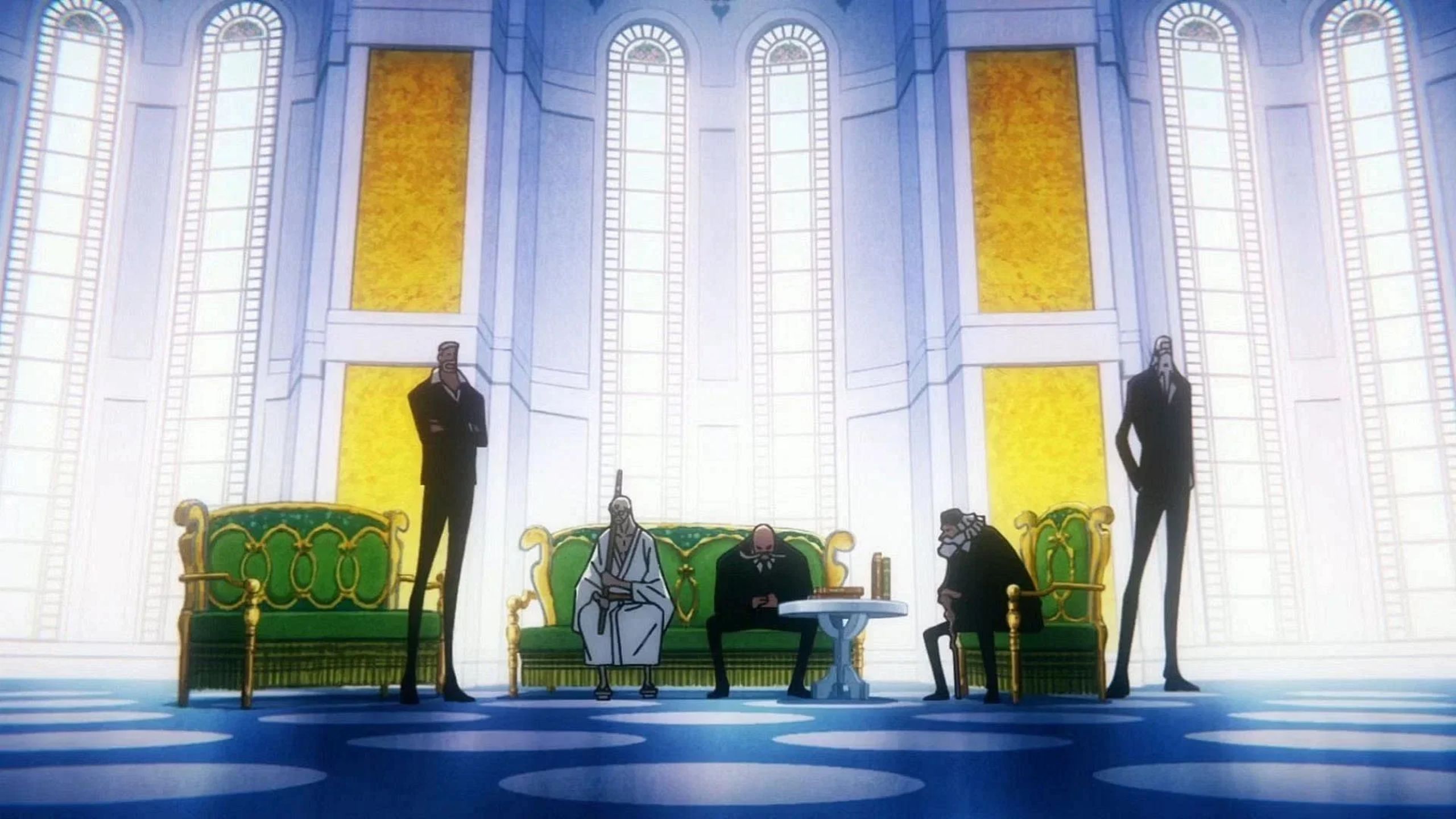
The Gorosei From One Piece (Toei Animation)
Max’s longing for home resonates deeply with the idea that Imu may harbor a desire to reclaim a lost or hidden origin.
This yearning could suggest that Imu’s ultimate objective is to retrieve something of profound significance from the past, a lost piece of their identity that could reshape the current narrative of power.
The Quest for Identity
As we jump further into the implications of Imu’s character, it becomes evident that the quest for identity plays a central role in this narrative.
The blending of myth, history, and personal ambition raises questions about the nature of power and its effects on those who seek it.
If Imu embodies both the Sea Devil and Nefertari Lili, what does this duality reveal about the sacrifices made in the pursuit of power?
Imu’s apparent immortality and control over vast domains may come at a cost a price paid in the loss of one’s original self.
The implications of possessing another’s identity, as suggested in the theory surrounding Nefertari Lili, speak to the broader theme of transformation and the existential crises faced by characters in One Piece.
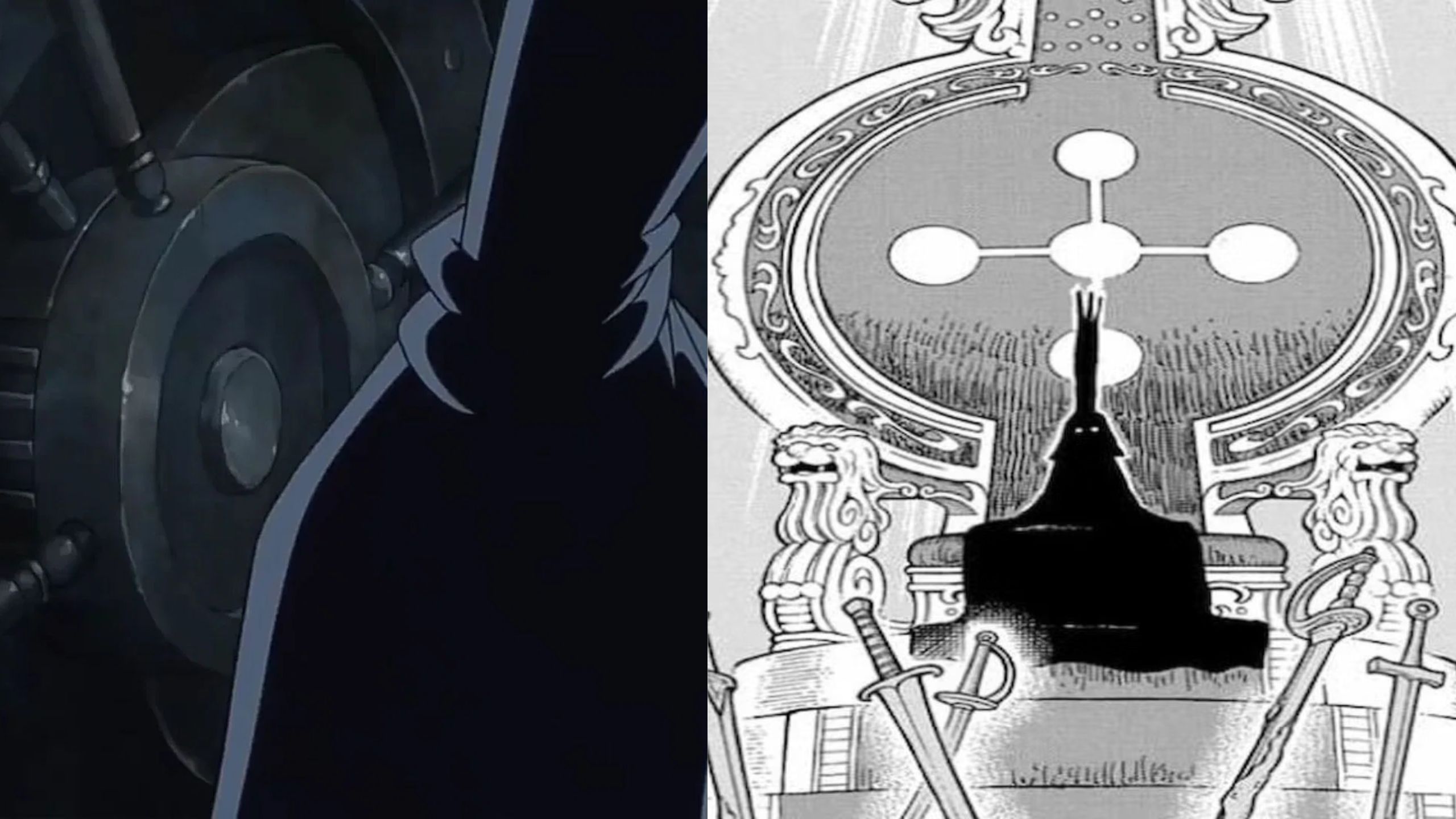
Imu From One Piece (Image via Toei Animation)
The duality of Imu’s existence as both a ruler and a possible usurper complicates our understanding of morality within the series.
Are Imu’s actions justified by the power they wield, or do they reflect a deep-seated insecurity rooted in the need for control?
This complexity adds layers to Imu’s character, transforming them from a mere antagonist into a multifaceted entity whose motivations and desires are interwoven with the history of the world they seek to dominate.
Interplay of Power and Control
The broader implications of Imu’s identity extend beyond personal ambition; they also touch upon the intricate web of power and control that characterizes the One Piece world.
The relationship between Imu and the Gorosei raises questions about the nature of leadership and the dynamics of influence.
If Imu is indeed controlling the Gorosei, what does this suggest about the structure of authority within the World Government?
The presence of puppeteers behind the scenes invites speculation about the true nature of leadership in this universe.
Are the visible leaders of the World Government merely figureheads, serving a greater entity that remains shrouded in mystery?
This notion invites parallels to historical political structures where power is often concentrated in the hands of a few while the masses remain oblivious to the machinations occurring behind closed doors.
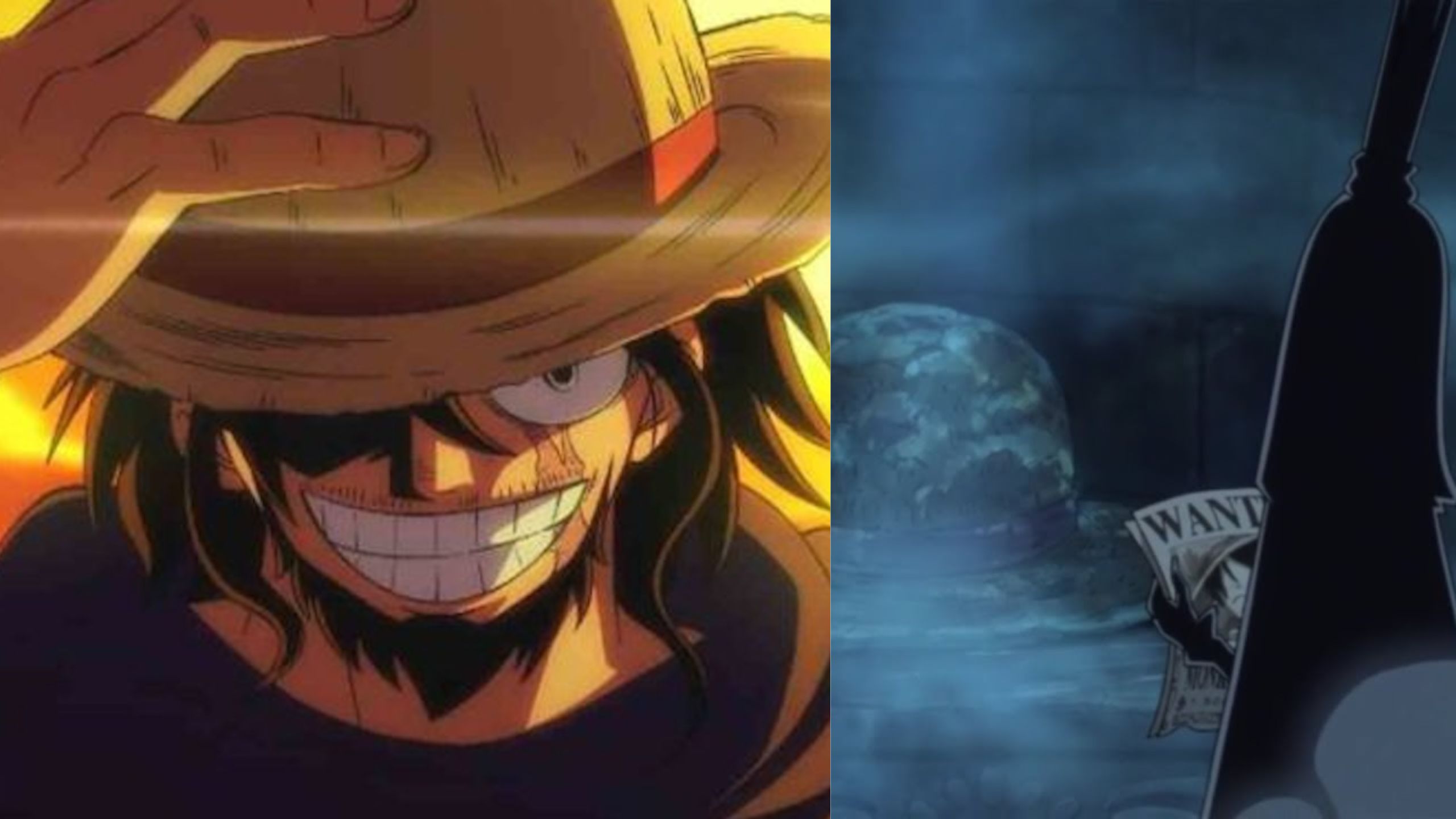
Joy Boy And Imu (Image via Toei Animation)
Moreover, this dynamic highlights the age-old struggle between the rulers and the ruled a theme that resonates throughout human history and serves as a cornerstone of storytelling.
Imu’s potential control over the Gorosei suggests a manipulation of fear, ambition, and loyalty, all of which are fundamental elements in the exercise of power.
The Clash of Ideologies
The conflict between Imu and Luffy serves as a microcosm of the larger ideological struggle present in One Piece.
Imu, representing the dark, oppressive forces of control, stands in stark contrast to Luffy, who embodies freedom, adventure, and the unyielding pursuit of dreams.
The ideological clash between these two characters summarizes the overarching battle between authoritarianism and the spirit of rebellion that pervades the narrative.
As Luffy and his crew journey across the seas, they encounter individuals and societies subjugated by the oppressive forces of the World Government.
Each encounter serves to highlight the resilience of the human spirit and the desire for autonomy in the face of overwhelming odds.
Luffy’s refusal to bow to authority, coupled with his unwavering determination to protect his friends and allies, positions him as a beacon of hope against the encroaching darkness represented by Imu.
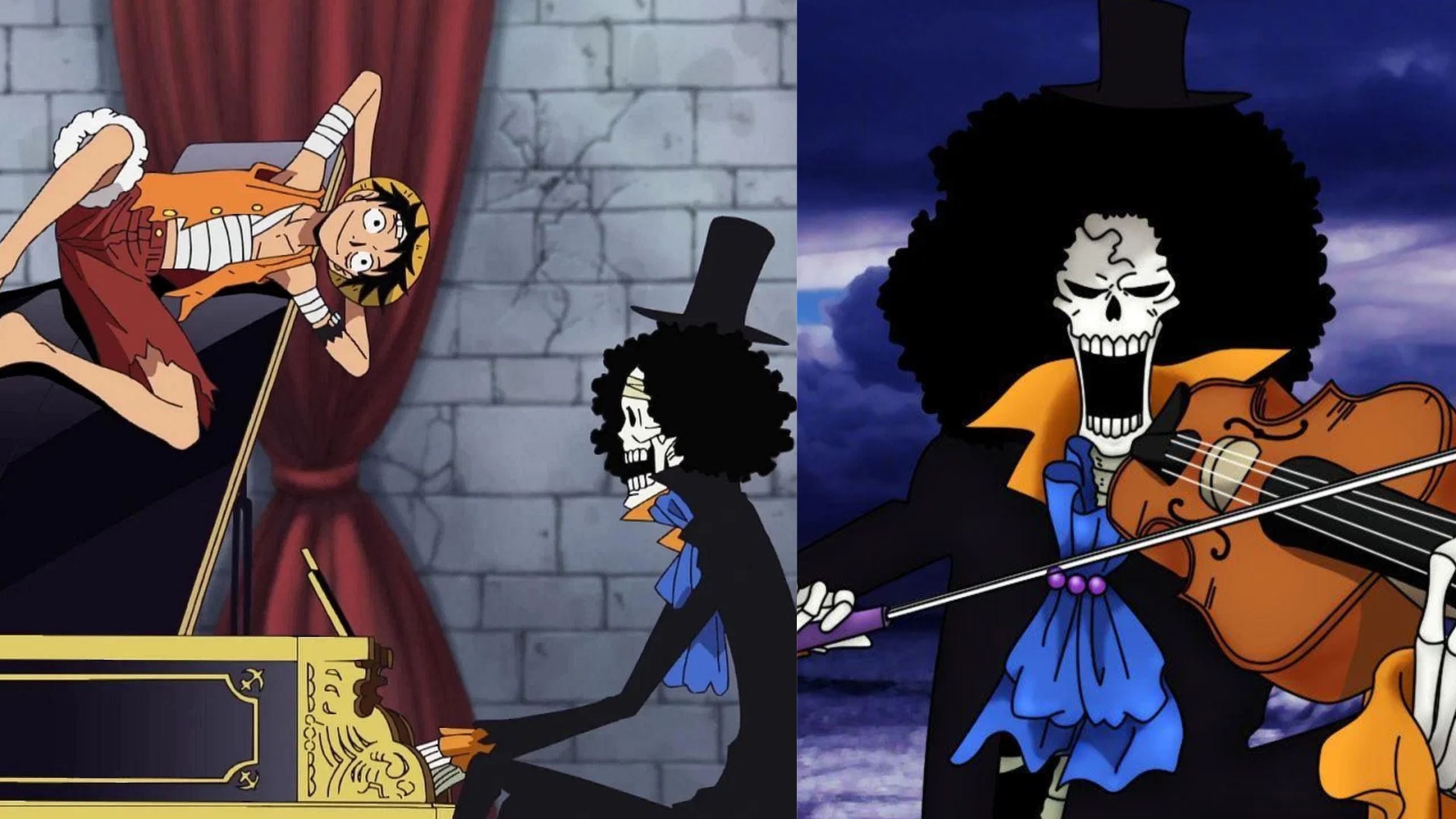
Luffy And Brook From One Piece (Toei Animation)
This dichotomy of ideologies is further reinforced by the various cast of characters within the One Piece world.
From revolutionary figures to those seeking personal redemption, the spectrum of motivations and beliefs adds richness to the narrative, illustrating the complexity of the human experience.
Imu’s Legacy and Future Implications
As the story unfolds, the legacy of Imu and their potential ties to Nefertari Lili will likely reverberate throughout the One Piece universe.
The unresolved questions surrounding Imu’s true identity and intentions create an atmosphere of suspense and anticipation, inviting fans to speculate about the direction the narrative may take.
The eventual confrontation between Luffy and Imu looms on the horizon, promising to be a climactic clash that transcends mere physical combat.
It is poised to embody the fundamental themes of the series the struggle for freedom, the pursuit of dreams, and the enduring quest for identity.
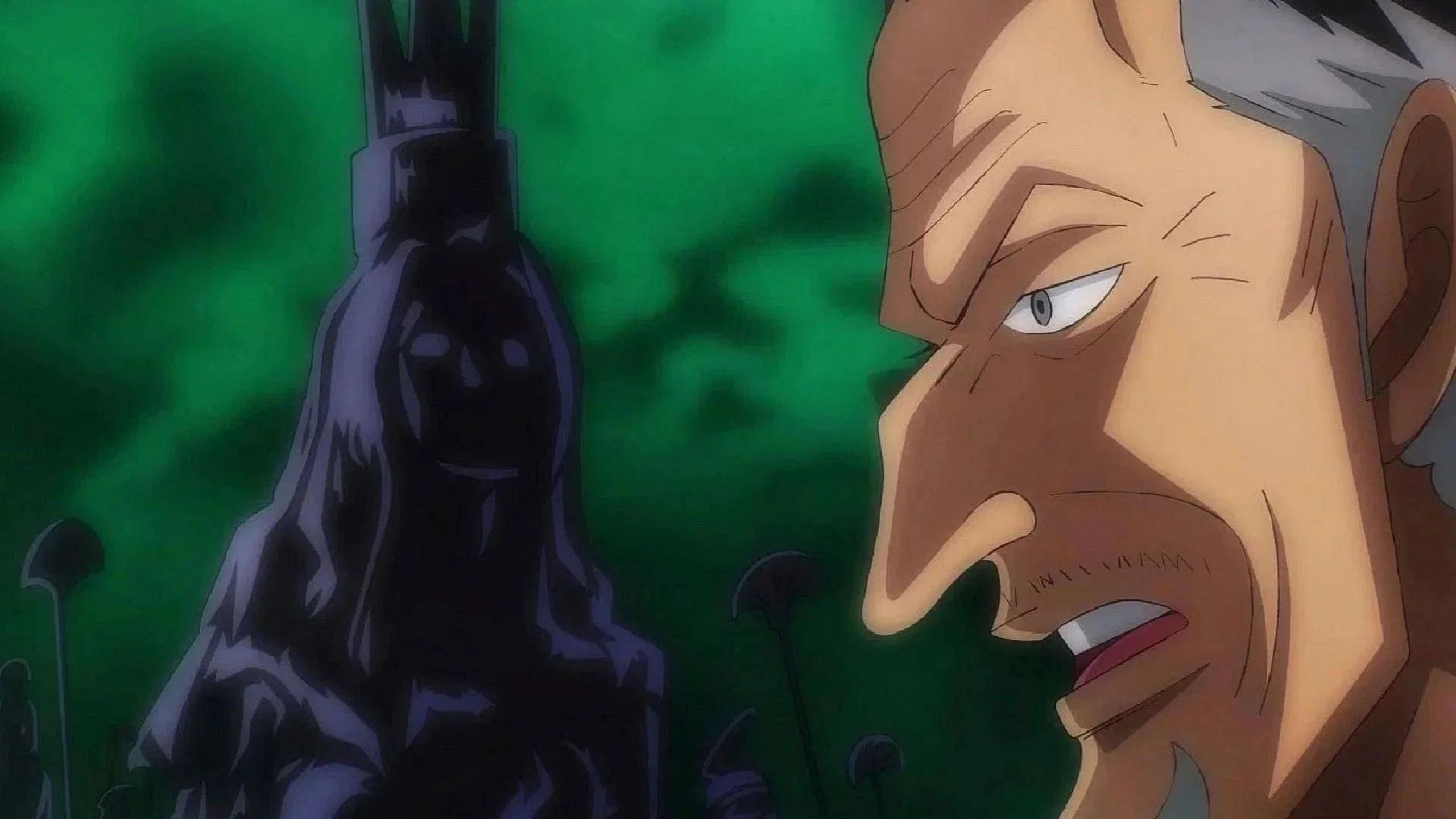
Nefertari Lili From One Piece (Toei Animation)
The resolution of this conflict may not only define the fate of the characters involved but also reshape the very fabric of the world they inhabit.
The Enduring Allure of Imu’s Mystery
The journey to unravel Imu’s true identity is intertwined with the broader themes of power, identity, and the nature of authority within the One Piece universe.
As fans and scholars continue to analyze and theorize about Imu’s character, it becomes clear that this narrative is about much more than a single entity it encompasses a drapes of stories, myths, and human experiences that resonate deeply with audiences around the world.
As we go through the layers of intrigue surrounding Imu, we are reminded of the enduring allure of One Piece.
The series masterfully weaves together threads of history, mythology, and personal ambition, inviting us to ponder the complexities of existence and the choices that shape our destinies.
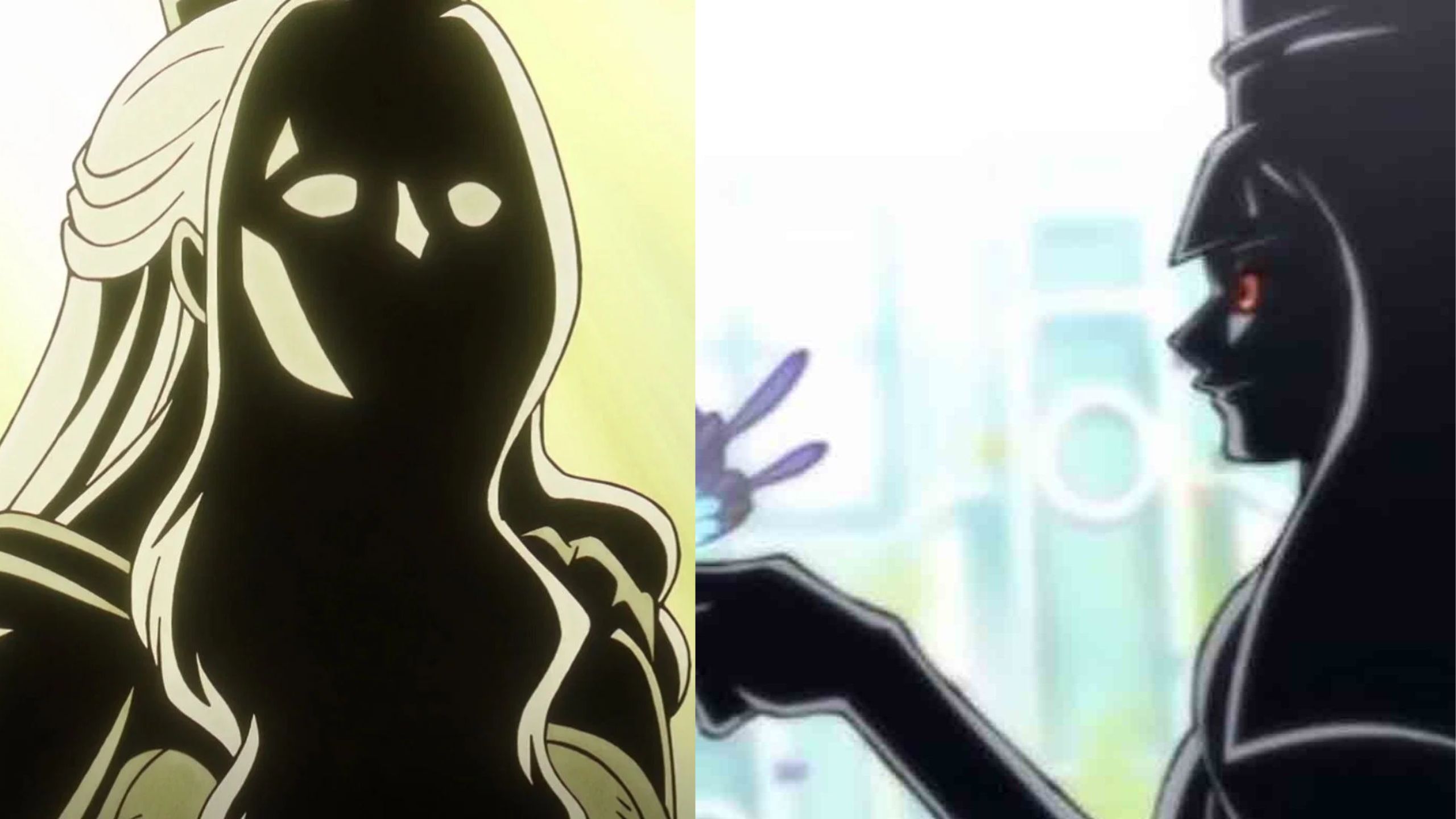
Queen Lily And Imu From One Piece (Toei Animations)
As we await further revelations, we can only hope that the unfolding narrative will bring answers that enrich our understanding of this epic saga and the myriad characters who inhabit its vibrant world.
Ultimately, the exploration of Imu’s identity and their potential connections to the Umibozu and Nefertari Lili serves as a testament to the brilliance of Eiichiro Oda’s storytelling.
The layers of meaning embedded within these characters and their relationships illuminate the core themes of One Piece, inviting us to engage with the narrative on a profound level.
The mysteries that lie ahead promise to attract and inspire as we continue this remarkable journey through the world of pirates, adventure, and unyielding dreams.
The Dune universe has many secretive groups, more than a typical spy story. There are many schemers, tricksters, and unpleasant groups in Frank Herbert’s book series.
One notable group is the Spacing Guild. While they appear briefly in Denis Villeneuve’s first movie, they have not played a significant role in the film adaptations yet.
However, their role will likely grow in Villeneuve’s third movie, especially as they become more important in the story after the first book.
In the first book, the Spacing Guild shows how vital and dangerous the desert planet Arrakis is to the galaxy.
Frank Herbert, the author, often included many ideas in his writing. He wrote about fanatical religion, environmental issues, and political corruption.
The Spacing Guild connects closely to the spice Melange, which is a key element in Herbert’s work. Spice is often compared to oil in the Dune universe. It significantly affects the economy of the entire empire, and without spice, society would fall apart.
The Spacing Guild uses spice to gain the ability to see the future. This ability helps them travel faster than light to other planets.
The Guild has trained navigators who are the only ones able to make such journeys. Because they have this unique skill, the Guild holds a strong monopoly on space travel.
This gives them considerable power since any opposition could destroy an entire planet’s economy. The Guild is essential for trade across the universe, and without them, civilization would collapse.
The Guild does not hold official power in the empire. Their leaders are not royalty, and they lack a strong military. Yet, their control over various aspects of life grants them more power than traditional forces.
This situation reflects how large oil companies in real life influence power, manufacturing, and many other services worldwide. These companies have often used their resources for control and influence. Herbert likely wrote the Spacing Guild as a critique of this behavior.
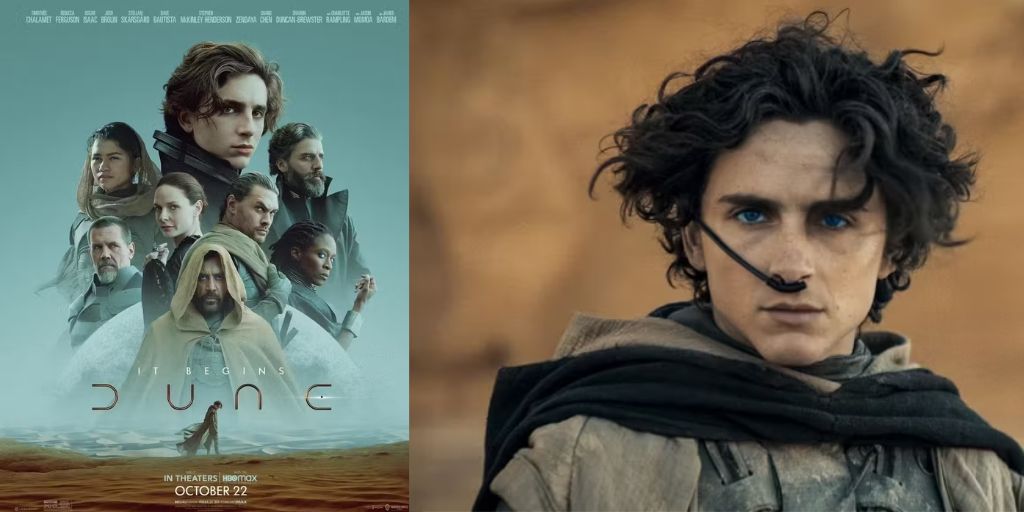
Still from the movie (Paramount Plus)
The Guild represents a massive corporation, similar to Weyland Yutani from the Alien franchise. It shows how uncontrolled economic power can satirize the short-sighted exploitation of resources in the real world.
With the confirmation of Dune 3 by Villeneuve, it will be fascinating to see how the Guild’s role expands.
By the end of Dune: Part 2, Paul Atreides, played by Timothée Chalamet, has taken over Emperor Corrino’s position and started his holy war for power in the universe.
In the second book, Dune Messiah, the Spacing Guild must obey Paul’s commands once he has control of the spice.
After Paul’s holy war, there is a good chance that Villeneuve will show one of the most interesting storylines involving the Spacing Guild.
Unless Villeneuve significantly changes the story (which is unlikely because he respects the source material), Dune: Part Three will likely include a plot involving a conspiracy by the Bene Gesserit, the Spacing Guild, and other secretive groups to overthrow the Atreides empire.
Fans hope to see a terrifying design for the Guild Navigators. Navigators are genetically modified humans who resemble aliens more than people.
David Lynch’s 1984 Dune film had a memorable scene with a Guild navigator. If done correctly, the Guild’s appearance in Villeneuve’s third film will be just as unforgettable, providing a deeper understanding of the importance of spice in Herbert’s story.
Spice is such a valuable resource that people are transformed into monstrous beings just to use it.
The Spacing Guild also represents Herbert’s broader commentary on the dangers of monopolistic power and resource exploitation.
Their absolute control over space travel and trade puts them in a unique position of influence, despite lacking traditional authority. As the story progresses, their role will further expose the complex relationship between economics, politics, and human nature in Dune.
