With the end of Fire Country Season 2, Luke Leone (Michael Trucco), the current Interim Division Chief of Division 1501, has become one of the least liked characters on the show. By the end of Season 2, Luke is seen as an outcast by much of the main cast. But is Uncle Luke Leone being judged too harshly in Fire Country?
It seems so. Luke is a career bureaucrat who is not very personable and struggles to reassure the team. However, calling him a villain is a bit extreme. Let’s look at why Luke Leone is not the villain many people think he is.
Luke Leone Is Unfairly Blamed for the Three Rock Conservation Camp Shutdown
A major storyline in Season 2 is the threat of closing the Three Rock Conservation Camp. In Season 2, Episode 8, “It’s Not Over,” there is a party to save Three Rock, attended by Governor Kelly (Catherine Lough Haggquist). At the event, Governor Kelly reveals that Luke suggested closing Three Rock.
This upsets Manny Perez (Kevin Alejandro), a former inmate and the former captain of Three Rock. This is the source of much of the anger towards Luke in Season 2. However, Luke was just trying to handle a tough situation.
Luke explains that closing Three Rock was part of an effort by the California Department of Forestry and Fire Protection (CAL FIRE) to save the inmate fire program. The camp’s closure, due to budget cuts, was meant to preserve the whole program. Luke blames Manny’s leadership in the first season for the camp’s issues.
For the firefighter inmates trying to improve their lives, the camp’s shutdown was tough. Still, Luke’s choice helped keep the program running for other inmates. Manny escalated things by confronting Luke at the party. Even Vince (Robert Burke) and Sharon Leone (Diane Farr) later show some understanding of Luke’s actions.
As Luke says to Sharon, “The state’s been forcing budget cuts down my throat. You know better than anyone. Sometimes you got to make a hard call.” Sharon replies, “Don’t give me ‘hard call,’ I have had your job!”
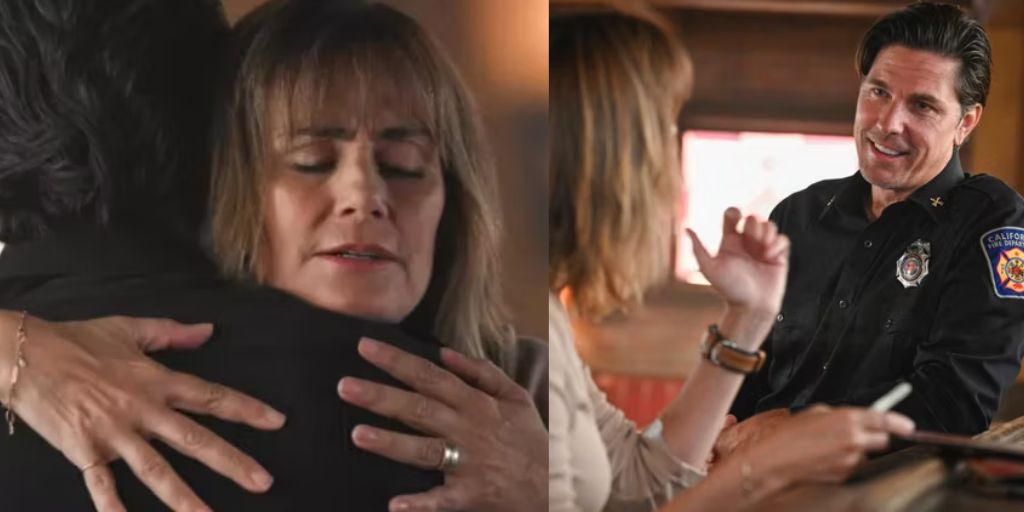
Still from Fire Country (Credit: Paramount+)
But Luke points out that if the camp had not been where Sharon’s son, Bode (Max Thieriot), was involved, she would have made the same decision. Deep down, Sharon knows Luke was right.
Luke Tries to Offer Eve a Promotion
In the Season 2 finale, “I Do,” Luke admits he made a mistake by shutting down Three Rock and tries to make things right with the camp’s acting fire captain, Eve. He offers her a position overseeing the entire inmate fire program, which would require moving to Sacramento.
This new role would give Eve the authority over all inmate fire camps in California. Eve doesn’t want to leave Edgewater, but Luke is wrongly seen as the villain for offering a promotion with a higher title and better pay.
Luke’s actions don’t seem to be driven by bad intentions. He mentions that the higher-ups want Eve for the position and that he wants credit for promoting deserving talent.
Although this is a career-focused move, it’s not necessarily underhanded. Eve turns down the offer, but it’s not Luke’s fault she didn’t want the job.
‘Fire Country’ Season 3 Hints at Major Conflict Between Sharon and Luke
The Season 2 finale sets up a possible major conflict between Sharon and Luke for the next season. Sharon wants her old job back, which Luke currently holds. Fire Country showrunner Tia Napolitano hinted in an interview that CAL FIRE might notice the main characters switching roles.
Napolitano says, “What I love about Sharon is she’s so confident that she can. [Laughs] She said to him, ‘You’re renting that title,’ so we’re going to have to see the reality of how that goes.”
She also suggested that CAL FIRE might take action in Season 3, noting, “Our people have switched titles and positions and kind of done whatever they want, and I think CAL FIRE might notice that next season. People have been swapping hats left and right!”
By the end of Season 2, Luke has alienated almost everyone, including his family, Manny Perez, Gabriela Perez (Stephanie Arcila), and Eve Edwards. However, Luke gains an unexpected ally at the end of the finale. His nephew Bode asks Luke for help becoming a firefighter.
Luke tells Bode that getting a job with CAL FIRE would be hard due to his criminal past, but he doesn’t say no. The episode ends with a hint that Luke might help Bode find a job as a firefighter.
This sets up a potential conflict for Season 3, where Bode could support Luke, while Sharon might fight to get her old job back from her brother-in-law.
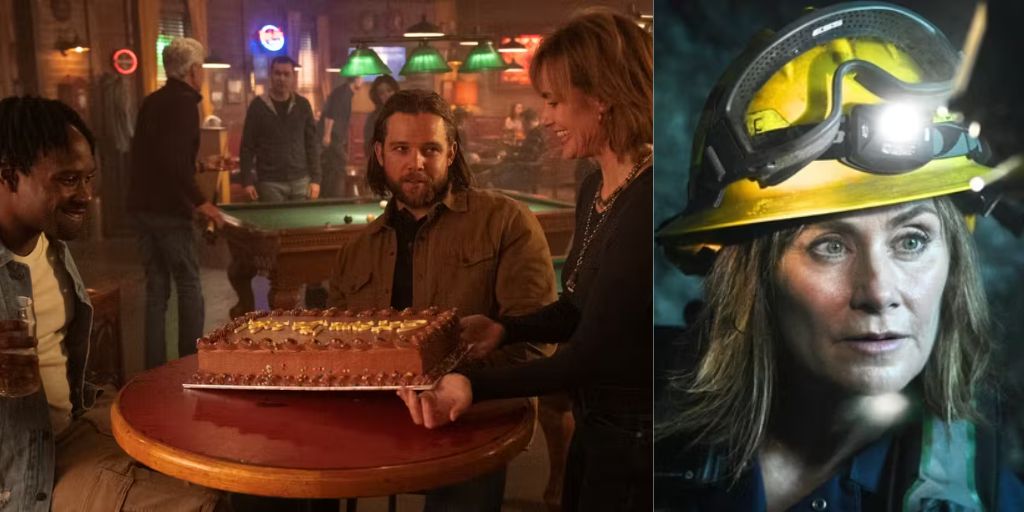
Still from Fire Country (Credit: Paramount+)
This could lead to future family conflicts. We will see if Luke becomes more of an antagonist in Season 3, but for now, many of his decisions are misunderstood and not made out of malice. Fire Country returns with Season 3 on October 18. The first two seasons are available for streaming on Paramount+ in the U.S.
In Fire Country Season 2, Luke Leone faces backlash for the closure of Three Rock Conservation Camp, though his decision aimed to save the broader inmate fire program. Despite appearing harsh, Luke’s actions were pragmatic. The Season 2 finale hints at upcoming conflicts with Sharon and potential support from his nephew Bode.
Lost is undeniably one of the most influential TV shows in pop culture history. Over its six-year run, it attracted audiences with its story of plane crash survivors stranded on a mysterious island.
The show became a cultural phenomenon, thanks to its clever use of flashbacks, well-developed characters, and numerous intriguing mysteries. Iconic elements like the smoke monster, The Whispers, and The Hatch made it a topic of intense discussion and speculation. The series set a high bar for balancing suspense and character development in television.
Even years after the series finale, the characters from Lost remain memorable. Jack, the man of science (played by Matthew Fox), John Locke, the believer (played by Terry O’Quinn), and Kate, the strong-willed survivor (played by Evangeline Lilly), are still talked about.
The show’s ability to create deep and complex characters was one of its greatest strengths. Although some fans were frustrated that certain mysteries were left unresolved, the show’s character development was widely praised.
The final episode of Lost stirred up a lot of debate, and some might say it was a controversial conclusion. Despite the mixed feelings about the ending, Lost is celebrated as one of the greatest character-driven dramas on network TV.
Whether you’re revisiting the series to share old theories with friends, seeking answers to lingering questions, or starting a full re-watch, this article ranks all six seasons of Lost from worst to best. Just remember to stay alert for those infamous smoke monsters!
Season 6
Season 6 of Lost is often viewed as one of the biggest missteps in television history. Fans had high expectations for the final season, hoping for satisfying answers to the many questions that had built up over the years.
Unfortunately, the explanations provided for key mysteries, such as the nature of Jacob, the smoke monster, and the island’s unique properties, felt rushed and incomplete. The season did not deliver the closure many viewers were hoping for, leaving a sense of dissatisfaction.
Another issue with Season 6 is its handling of time and story elements. The season introduces several new characters, like Zoe, who did not resonate with viewers and took focus away from the original characters.

Still from Lost (Credit: ABC)
It also presents new locations on the island, such as the Temple and the Lighthouse, which were previously unmentioned and seemed to distract from the ongoing storylines. The “flash-sideways” concept, which revisits earlier plot elements, felt like a repetitive exercise rather than a fresh take.
Season 6 is often seen as a disappointing end to a groundbreaking series, with its storytelling choices and unanswered questions leaving many viewers feeling that their time was not well spent.
Season 3
Season 3 of Lost faced several challenges. The season tried to juggle multiple mysteries and an expanding cast of characters, which sometimes led to a lack of focus. After the dramatic events of the Season 2 finale, which involved the destruction of the hatch, there were many plot threads to show.
However, with 23 episodes to fill, the season included a significant amount of filler content. For example, the addition of the characters Nikki and Paulo, who were not well-received by fans, detracted from the core storylines. Additionally, a subplot involving Kate and Sawyer in a polar bear cage felt unnecessary and detracted from the main narrative.
Despite these issues, Season 3 is also notable for some of the series’ strongest storytelling moments. It introduced Juliet Burke, a complex and compelling new character, and provided deeper insights into the “Others” and their leader, Ben Linus.
The conflicts between the Oceanic 815 survivors and the Others created new dramatic tensions that kept the show engaging. The season’s finale, with its shocking flash-forward revealing that some characters had left the island, remains one of the most memorable moments in the show. If you weren’t amazed by that twist, you might as well be one of the mysterious smoke monsters!
Season 4
Season 4 of Lost managed to deliver a thrilling experience despite a shortened episode count due to the 2007 Writers Guild strike. This season is fast-paced and focuses heavily on the show’s mythology, adding new depth to the story.
The introduction of flash-forwards, which show what happens to the characters after they leave the island, provides a fresh perspective on the narrative. These glimpses reveal that leaving the island was not necessarily a positive outcome for everyone, raising new questions and deepening our understanding of the characters.
The stakes are higher in Season 4, with rising tensions between characters like Ben and Charles Widmore, as well as conflicts between the islanders and the mercenaries on the freighter. This season is notable for its bold storytelling choices, which sometimes result in characters facing dire situations.
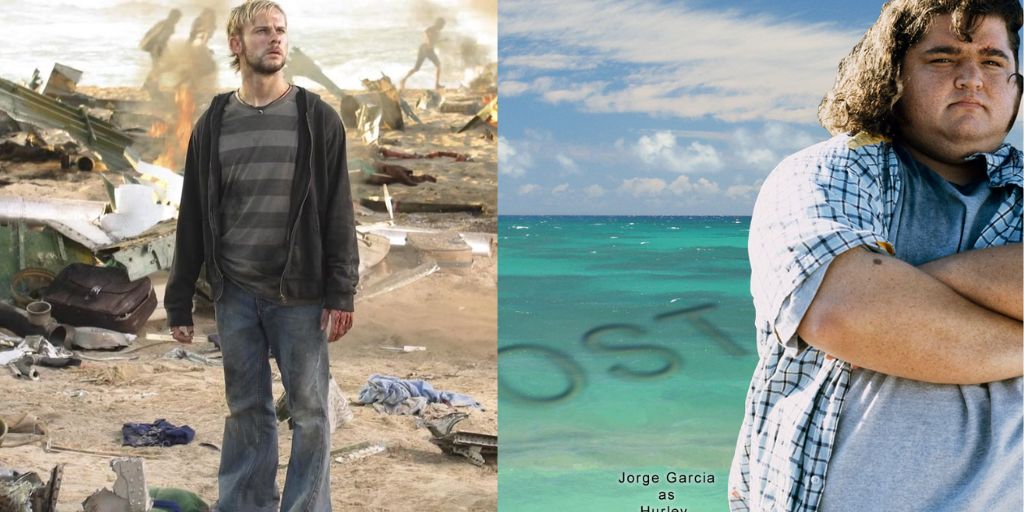
Still from Lost (Credit: ABC)
The risk-taking pays off, providing some of the series’ most exciting moments. Season 4 also shows the show’s time travel elements and features standout episodes like “The Constant” and “The Shape of Things to Come.” While the season has its flaws, the good moments certainly outweigh the less successful ones.
Season 5
Season 5 of Lost benefits from its shorter episode count, which allows each episode to feel purposeful and essential to the full plot. The season continues the storyline of the “Oceanic 6” from Season 4, adding compelling drama as these characters are forced to lie about their experiences after leaving the island.
The flashbacks are well-executed, focusing on character development while also answering important questions about what happened after the survivors escaped.
Season 5 is the most science fiction-oriented of all the seasons, particularly with its emphasis on time travel. This focus introduces new stakes and thrilling plot developments, especially concerning the interconnectedness of characters like Ben, Eloise Hawking, and Daniel Faraday.
The view of the island and the Dharma Initiative in 1977 adds an enjoyable layer to the narrative. Season 5’s commitment to its sci-fi elements and its engaging storytelling, highlighted by the dramatic finale “The Incident,” make it one of the standout seasons of Lost.
Season 2
Season 2 of Lost is notable for its view of the Hatch mystery. If Season 1 set up the question of “What’s in the Hatch?”, Season 2 is dedicated to answering it, and it does so with great success.
The season expands on the introduction of the Dharma Initiative and the Others, broadening the show’s scope and adding new, exciting plot elements. The significance of the Numbers and their connection to the crash of Oceanic 815 becomes clearer.

Still from Lost (Credit: ABC)
The addition of new characters, such as Desmond from the Hatch and Dr. Pierre Chang of the Dharma Initiative, breathes new life into the series.
The use of flashbacks continues to be effective, revealing how many characters were connected even before the crash. While there are some missteps, such as the excessive focus on Mr. Eko’s heroin subplot, Season 2 succeeds in keeping both the characters and plot fresh and engaging.
Season 1
Season 1 of Lost remains the most impactful and memorable of the series. It introduced viewers to the show’s core characters, the island’s mysteries, and the high stakes that drive the plot.
The well-crafted flashbacks helped to deepen the characters and make their current situations more compelling. With mysteries like the Whispers and the Hatch, the season set the foundation for everything that followed.
Despite being the longest season with 25 episodes, Season 1 managed to keep audiences invested. It laid the groundwork for the series’ unique blend of character development and science fiction elements.
The season’s ability to make viewers care about the characters and their struggles was key to its success. Season 1 is credited with starting one of the most influential and emotional dramas in TV history, setting a high bar for the rest of the series.
