In the intricate drapes of Naruto , few characters evoke as much fascination and debate as Itachi Uchiha.
His life story is a haunting blend of tragedy, sacrifice, and philosophical depth that resonates with fans long after they have finished the series.
Yet, a significant flaw one that profoundly impacts his fate is the mysterious illness that ultimately claims his life during his climactic battle with his brother, Sasuke.
This illness, shrouded in ambiguity, has led fans to speculate: what if Itachi had been free from this disease?
Would he have become the strongest shinobi from the Hidden Leaf Village, fundamentally altering the course of the Fourth Great Ninja War?
The Tragic Legacy of Itachi Uchiha
To understand the potential impact of a disease-free Itachi, we must first explore the character’s tragic legacy.
Itachi is often hailed as one of the strongest members of the Uchiha clan, a prodigy who achieved the rank of Anbu captain at a young age.
Yet, his brilliance was overshadowed by the burden of his responsibilities. Faced with the grim reality of a coup being planned by his clan against the Hidden Leaf Village, Itachi made the agonizing decision to eliminate his family to prevent a larger conflict.
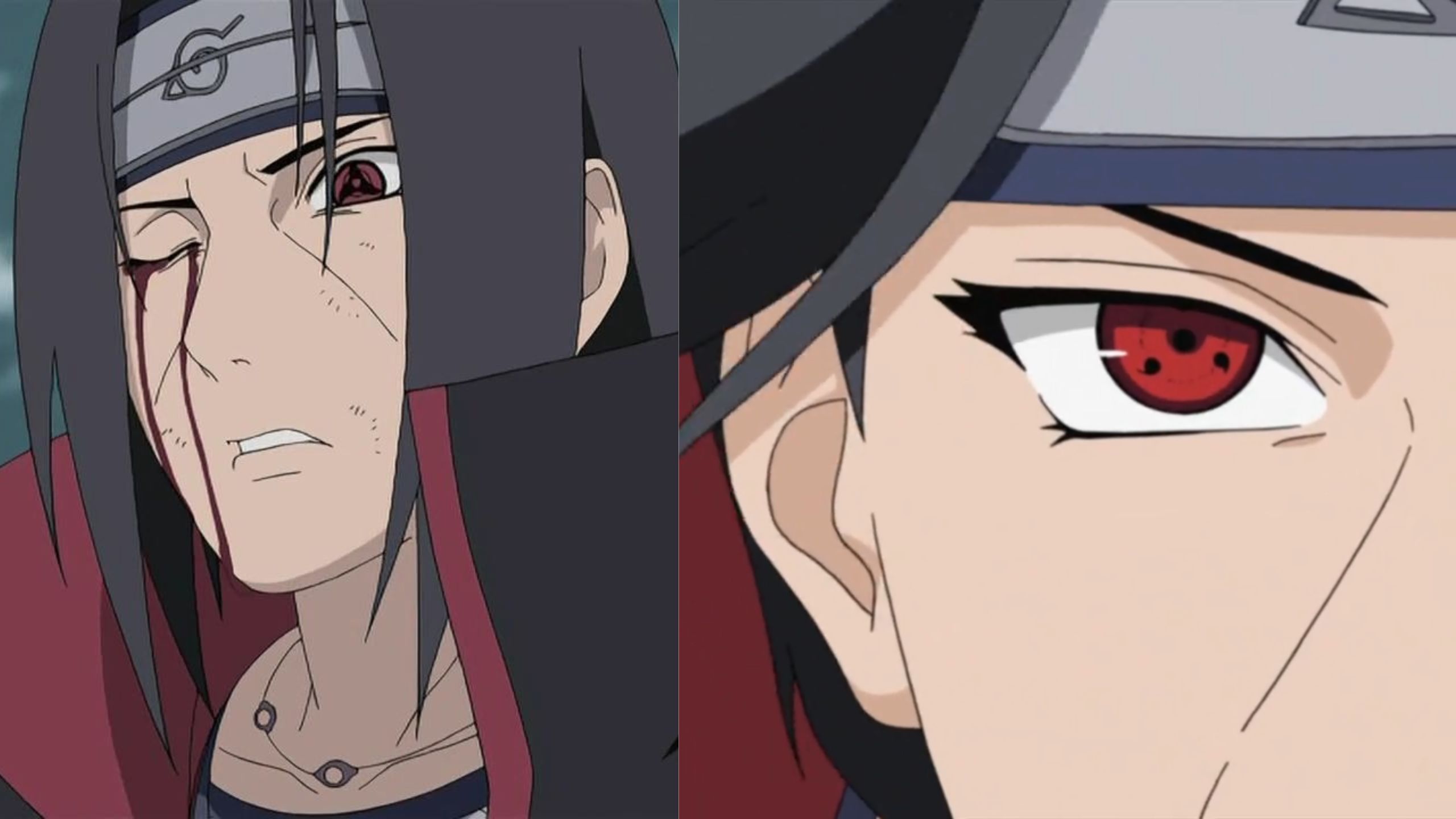
Itachi Uchiha Sharingan (Studio Pierrot)
This act of desperation painted him as a villain in the eyes of many, including his younger brother, Sasuke, who was left with an insatiable thirst for revenge.
The complexity of Itachi’s character lies in his motivations. He believed that sacrificing his family was the lesser evil, aimed at preserving peace in the village he loved.
This pacifistic philosophy is a recurring theme throughout the series, influencing various characters and plotlines.
However, the internal conflict it engendered within Itachi also rendered him vulnerable. His life was a series of sacrifices, leading to his eventual confrontation with Sasuke a moment that many fans awaited with bated breath.
As their battle unfolded, the intensity was palpable. However, just as Sasuke seemed ready to claim his long-awaited vengeance, Itachi’s frail body succumbed to the very disease that had plagued him for years.
His death came as a shock not only to Sasuke but also to the audience, raising a multitude of questions about what could have been.
The Mystery of Itachi’s Disease
The specifics of Itachi’s disease remain one of Naruto’s enduring mysteries. Kishimoto has chosen not to disclose its name or origins, leaving fans to speculate on its nature.
Some theories suggest that it could be a result of the excessive use of his ocular powers, particularly the Mangekyō Sharingan.
This ability, while incredibly potent, is known to come at a great cost, often leading to blindness and other physical ailments.
If this were the case, it highlights a tragic irony: the very powers that made Itachi formidable also contributed to his downfall.
Now, imagine a scenario where Itachi is freed from this debilitating illness. What if he had never contracted the disease, or perhaps, received treatment that allowed him to live a longer, healthier life?
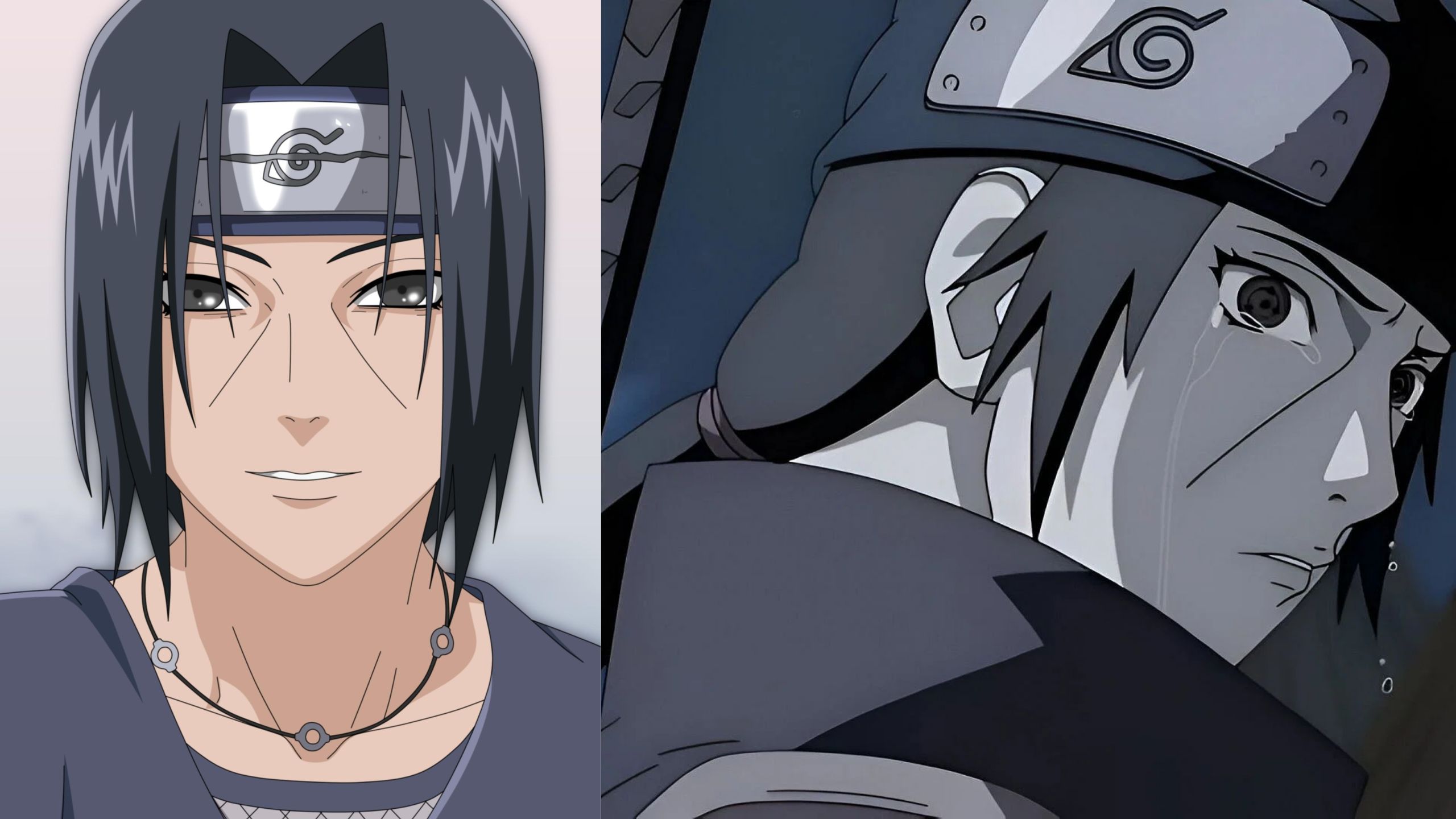
Itachi Uchiha From Naruto Shippuden (Pierrot)
The ramifications of this change could be staggering, not just for Itachi, but for the entire narrative of Naruto.
Hashirama’s Cells: A Potential Cure
The crux of this theory lies in the potential of Hashirama Senju’s cells to cure Itachi’s disease.
Hashirama, the First Hokage and one of the most powerful shinobi in history, possessed unique abilities that included extraordinary healing powers and longevity.
His cells have been shown to enhance vitality and even reverse some forms of injury and illness.
If Itachi had managed to acquire these cells, the course of his life and the lives of those around him might have changed dramatically.
The idea of Hashirama’s cells being used to extend life is not merely speculative. In the series, we see Madara Uchiha, another prominent Uchiha clan member, undergo a transformation after injecting himself with Hashirama’s cells.
Following his climactic battle with Hashirama, Madara faced death due to his injuries and sought to prolong his life through this means.
By activating the Rinnegan and using Hashirama’s cells, Madara was able to continue his plans for a world that he sought to reshape.
The Implications of a Healthier Itachi
A Stronger Bond with Sasuke
If Itachi had received Hashirama’s cells before his confrontation with Sasuke, he would not only have extended his lifespan but also his capacity to engage meaningfully with his brother.
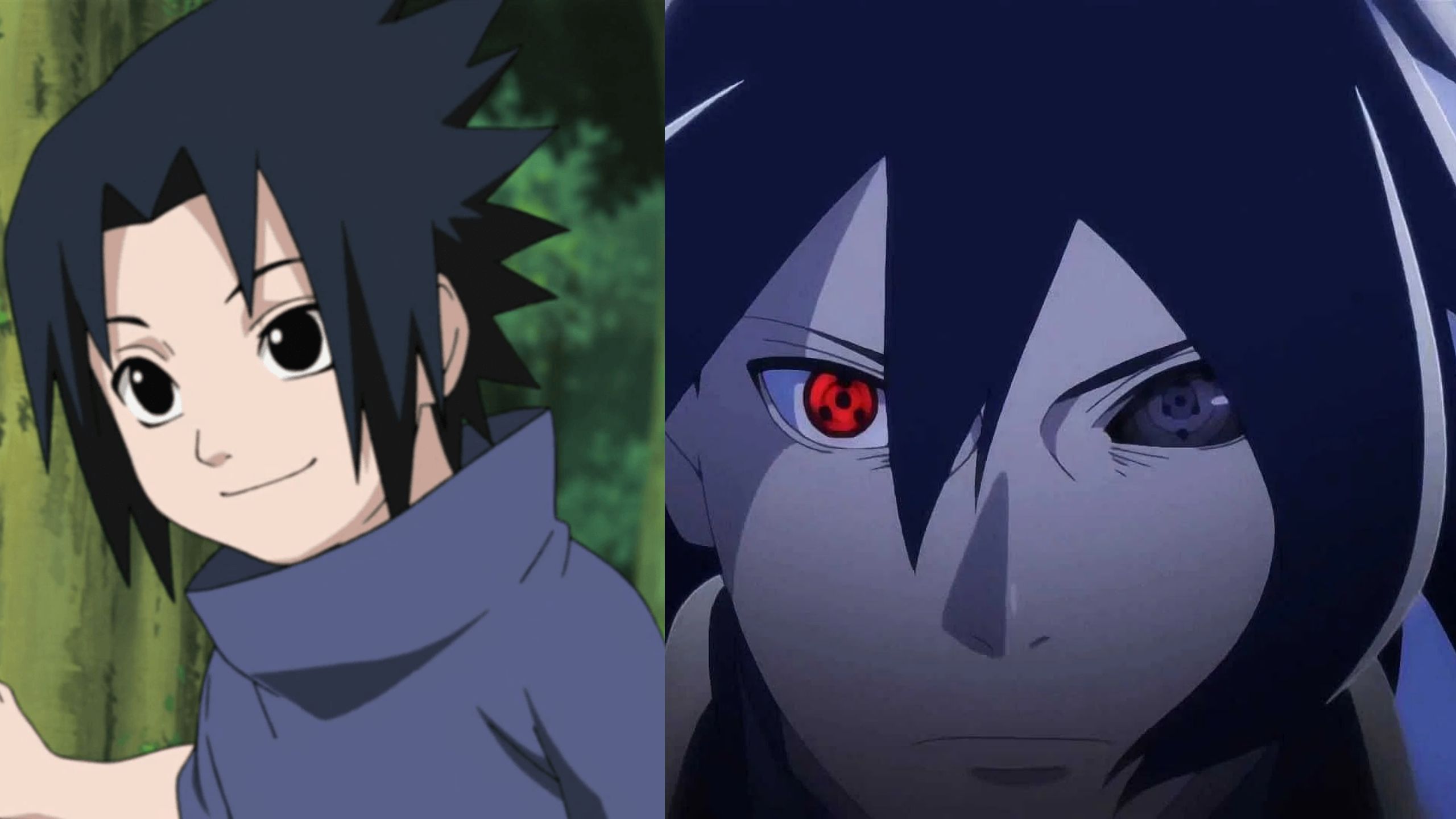
Sasuke Uchiha From Naruto (Pierrot)
Instead of the tragic end to their battle, a healthier Itachi could have taken the opportunity to guide Sasuke, helping him steer across the treacherous waters of revenge and hatred.
Imagine Itachi, with his newfound strength, sitting down with Sasuke to explain the broader implications of their family’s actions.
He could have articulated the importance of forgiveness and understanding, sharing his own burdens and regrets.
This dialogue could have altered the trajectory of Sasuke’s character development, steering him away from the path of vengeance and towards one of healing and reconciliation.
A Pacifist’s Influence on the Ninja World
Itachi’s ideals were shaped by a deep understanding of the consequences of war. If he had survived, he might have become a crucial figure in the efforts to unite the various ninja clans.
With his reputation as a tragic hero, Itachi could have served as a bridge between factions that were often at odds, fostering dialogue and collaboration in a world rife with conflict.
His presence could have fundamentally shifted the dynamics within the Hidden Leaf Village, helping to quell tensions before they escalated into the Fourth Great Ninja War.
The possibility of Itachi serving as a mediator is not far-fetched, considering his natural charisma and wisdom.
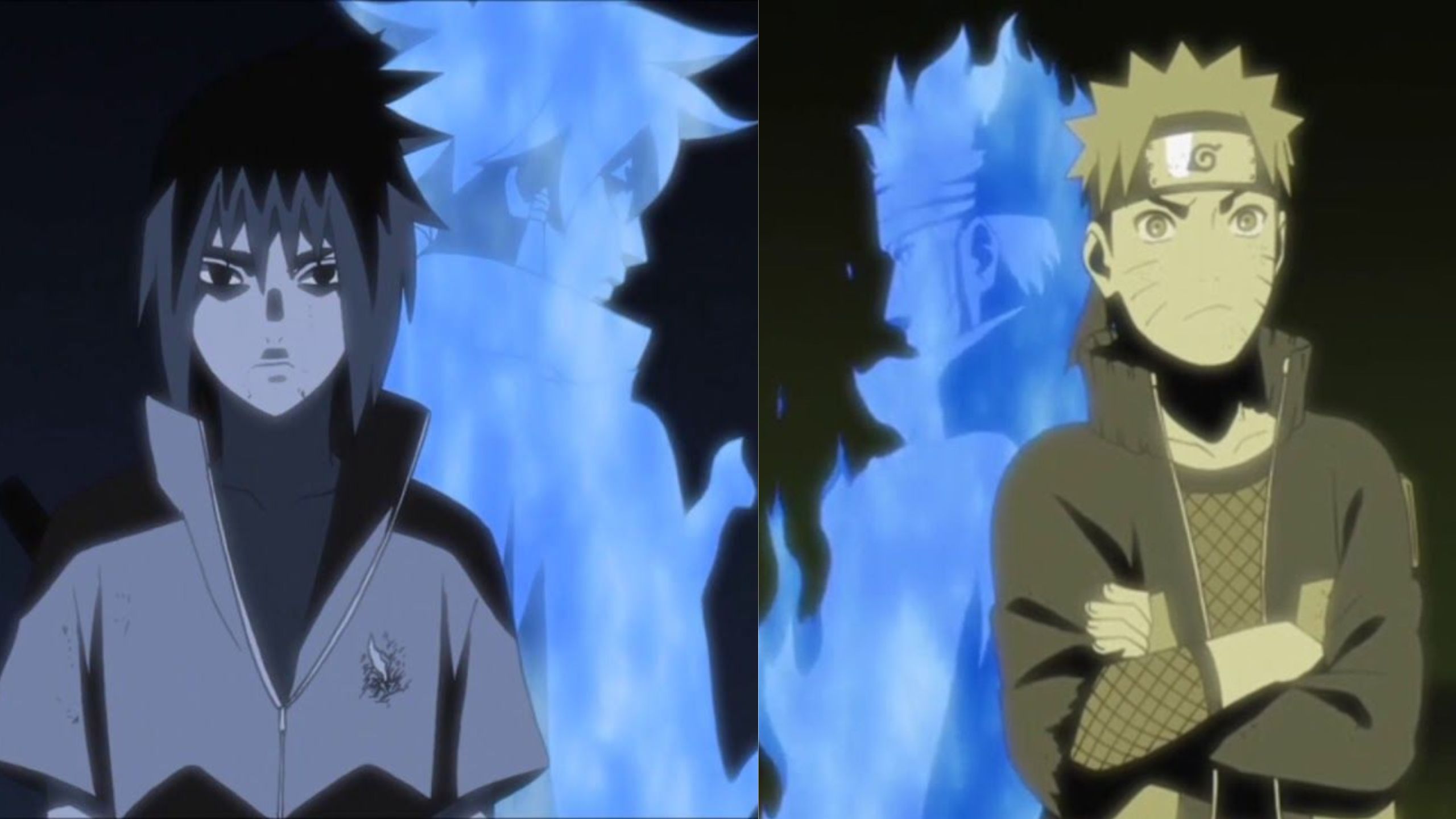
Sasuke And Naruto With Sage Of Six Paths (Pierrot)
He could have used his influence to advocate for peace, emphasizing the need for unity over division in a world where conflict was all too common.
The Fourth Great Ninja War: A Different Outcome?
The specter of the Fourth Great Ninja War looms large over the narrative of Naruto. It serves as a culmination of the various conflicts and rivalries that have festered throughout the series.
However, if Itachi had been alive and healthy, his involvement in the war could have drastically altered its course.
Stopping the War Before It Begins
It’s conceivable that Itachi, with his immense power and strategic intellect, could have worked to prevent the war before it began.
By leveraging his connections and status, he could have orchestrated negotiations that brought together the warring clans.
His ability to empathize with others, stemming from his own experiences, would have made him a powerful advocate for peace.
The series depicts numerous instances of misunderstandings and grievances that escalate into violent conflict.
If Itachi had stepped in to mediate these disputes, he might have been able to foster a more cooperative atmosphere among the clans, preventing the conditions that led to the war.
Facing Madara Uchiha and Obito
Even if the war had still erupted despite Itachi’s efforts, his presence on the battlefield would have undoubtedly changed the dynamics of the conflict.
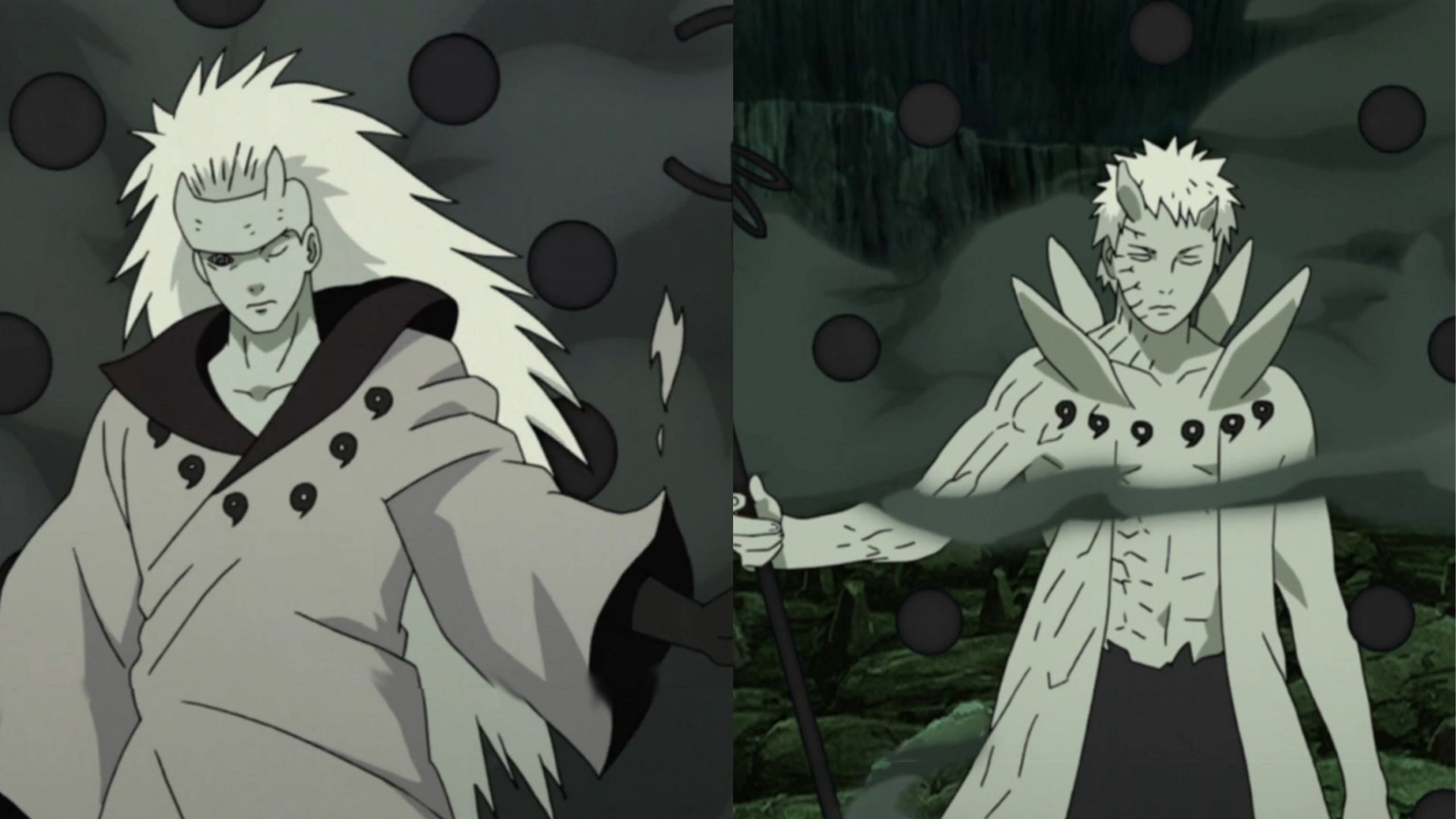
Madara Uchiha And Obito Uchiha From Naruto Shippuden (Pierrot)
Itachi possessed extraordinary skills, including his mastery of the Sharingan and the powerful abilities granted by the Mangekyō Sharingan.
His experience and intelligence would have made him a formidable opponent for major antagonists like Madara and Obito.
Imagine a scenario where Itachi faces off against Madara Uchiha, the ultimate antagonist of the series. Itachi’s strategic mind could have matched Madara’s cunning, allowing him to exploit weaknesses in Madara’s plans.
The two share a common background as members of the Uchiha clan, and Itachi’s understanding of their shared heritage could have given him unique insights into Madara’s motivations.
Moreover, Itachi’s capacity for emotional depth could have influenced Obito, who was driven by his own tragic past.
Itachi might have seen through Obito’s façade and reached out to him, perhaps even convincing him to abandon his misguided goals.
This could have led to a significant change in the war’s outcome, preventing catastrophic losses on both sides.
The Challenge of Integrating This Theory
While this theory is fascinating to contemplate, it is essential to recognize the complexities involved in altering the established narrative of Naruto .
Kishimoto has meticulously crafted a storyline filled with themes of sacrifice, redemption, and the consequences of one’s choices. Introducing a powerful character like a disease-free Itachi poses several challenges.
Plot Inconsistencies
One of the primary concerns with this theory is the potential for plot inconsistencies. The timeline leading to Itachi’s death is tightly woven, and any alterations to his character arc could unravel the carefully constructed narrative.
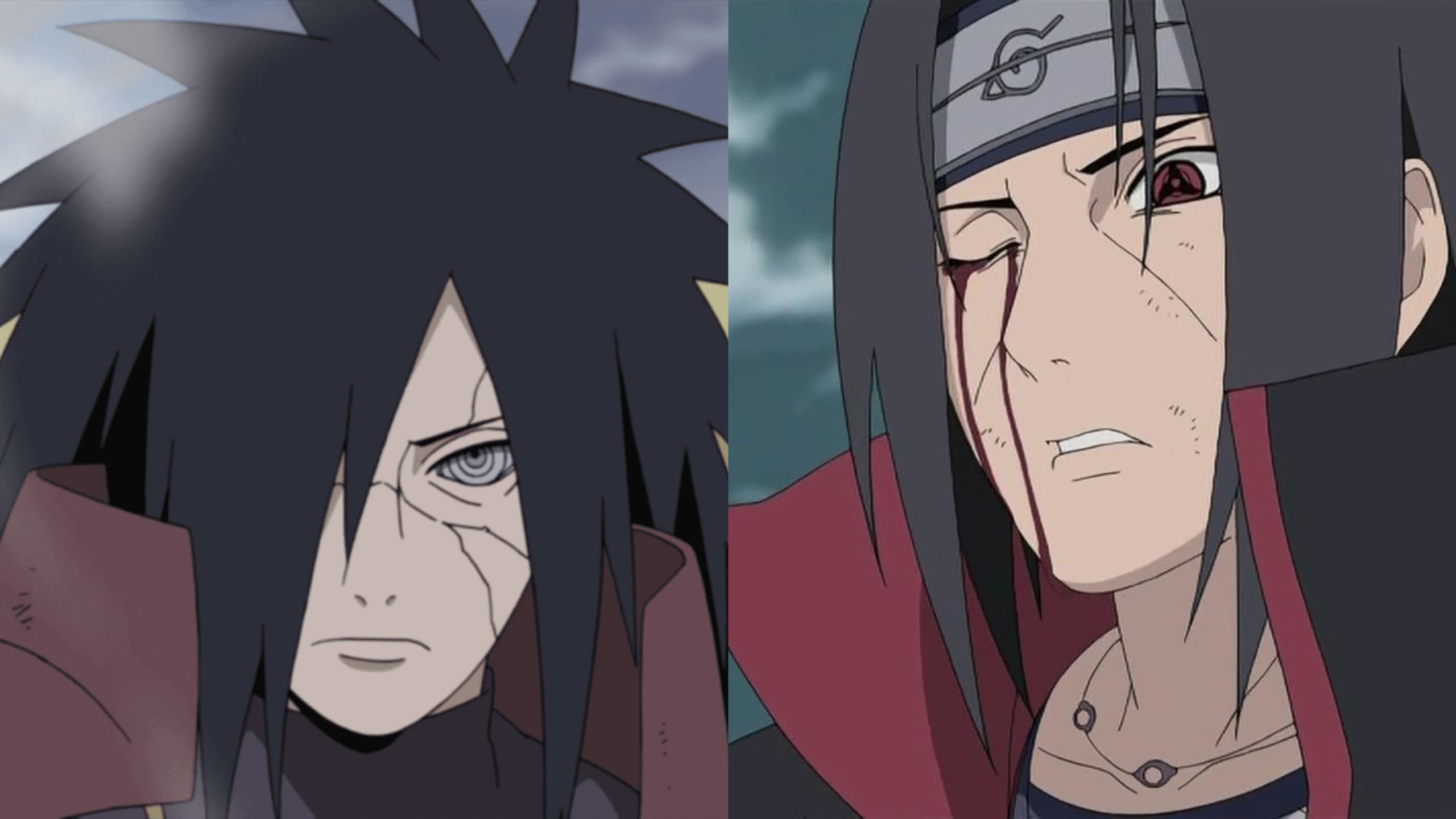
Madara Uchiha And Itachi Uchiha From Naruto Shippuden (Pierrot)
If Itachi had lived longer, it raises questions about how other characters would evolve in response.
For example, would Sasuke have remained as driven by revenge, or would his journey have taken a different course?
Would Naruto and the other characters have experienced the same growth without the catalyst of Itachi’s death?
Moreover, Itachi’s role as a tragic hero is deeply intertwined with the themes of the series.
His sacrifices contribute to the final message about the futility of revenge and the importance of understanding one’s past.
A healthier Itachi could dilute the emotional impact of his character and lessen the significance of his sacrifice for the greater good.
Nature of Itachi’s Character
Additionally, the essence of Itachi’s character is defined by his struggles and burdens. He carries the weight of his decisions, and this internal conflict shapes who he is.
While a cure for his disease would undoubtedly enhance his physical capabilities, it is worth questioning whether it would change his worldview.
Would Itachi, a character deeply aware of the pain caused by his choices, truly embrace a life free from illness, or would he still grapple with the consequences of his actions?
A World of Possibilities
Ultimately, the idea of Itachi Uchiha receiving Hashirama’s cells and becoming a healthier, more powerful version of himself is an intriguing exploration of “what ifs” within the Naruto universe.
While it offers a tantalizing glance into the possibilities of a different timeline, it also highlights the tragic beauty of Itachi’s original story.
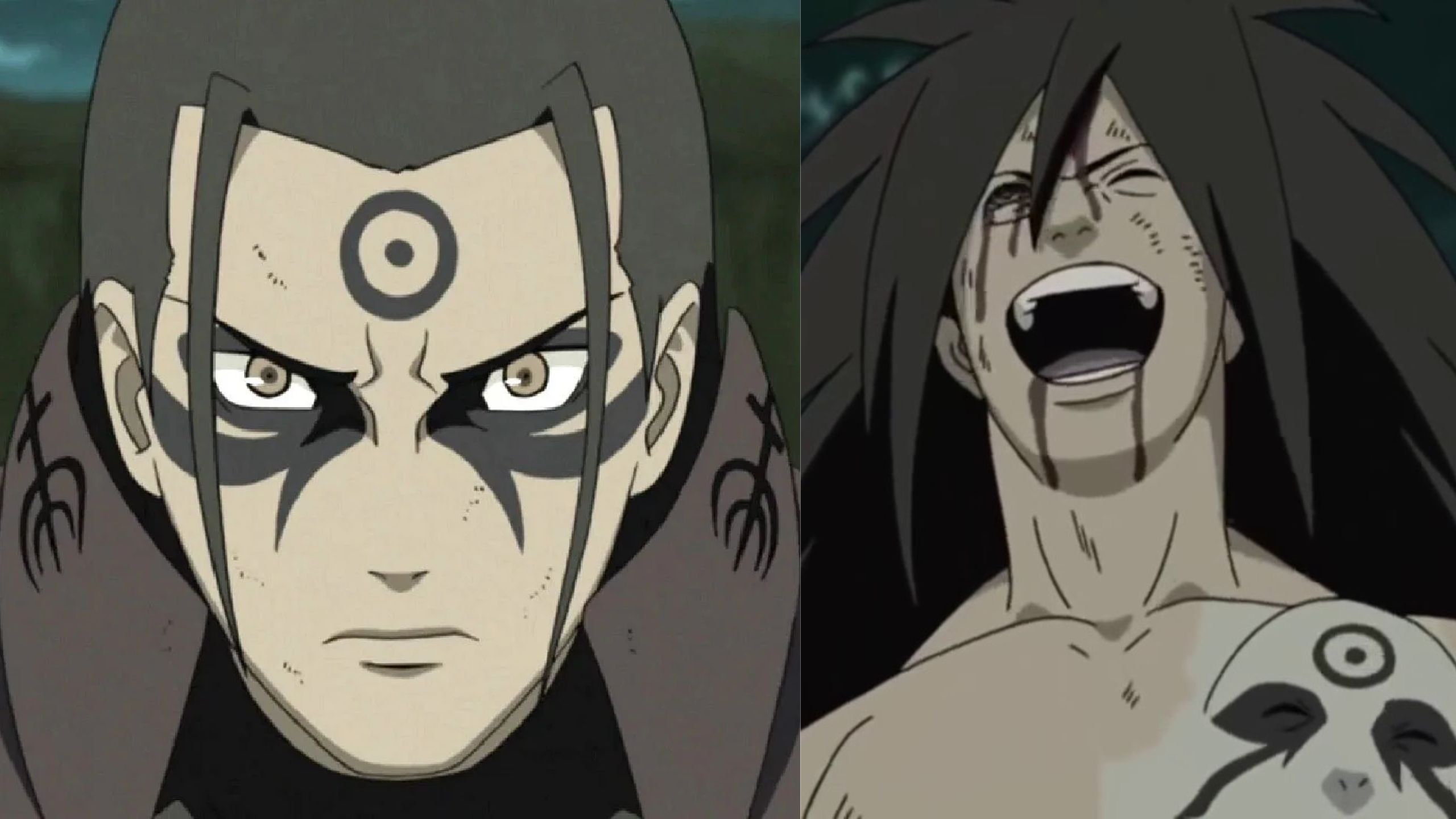
Hashirama Senju And Madara Uchiha From Naruto Shippuden (Pierrot)
His journey, marked by sacrifice and redemption, is a poignant reminder of the complexities of human nature and the choices we make.
In contemplating a world where Itachi survived, we are invited to reflect on the themes of peace, understanding, and the possibility of change.
The world of Naruto is rife with conflict, but it is also a testament to the potential for growth and healing.
While Itachi’s character may have met an untimely end, his legacy continues to inspire discussions about the nature of heroism and the power of redemption.
As fans of the series, we can appreciate the depth of the narrative and the myriad ways in which characters like Itachi have shaped our understanding of sacrifice and the pursuit of peace.
The story of Naruto remains a rich world for exploration, inviting us to ponder the infinite possibilities that lie within its pages.
They say to never judge a book by its cover, but sometimes it is hard not to. This saying applies well to movies too. Many films have covers or trailers that suggest one thing while the content turns out to be entirely different.
This was the case when I sat down to watch Die Alone, a digital horror film that dives into the well-trodden territory of the zombie apocalypse. With the concept being so familiar, I did not expect much from the film.
It seemed like yet another addition to the countless zombie stories that have flooded our screens over the years. However, I was pleasantly surprised to find that within the first minute, I was hooked by an unexpected twist.
Die Alone is not just another zombie film. It takes the familiar setting of a post-apocalyptic world filled with the undead and infuses it with unique elements that keep the audience engaged and intrigued.
Directed by Lowell Dean, known for his work in Wolf Cop, the film presents a refreshing perspective that stands out in a genre that often suffers from repetition. The cast includes talented actors like Carrie-Anne Moss, Douglas Smith, and Frank Grillo, who bring depth and nuance to their characters.
From the start, it is clear that Die Alone has something special to offer. The film is filled with unexpected and plausible twists, weaving a complex narrative that requires viewers to piece together the story as they progress.
The cinematography is beautiful, showcasing stunning visuals that capture the desolation of a world overrun by zombies, while practical effects create a haunting atmosphere.
Along with this, the film shows a compelling love story, adding layers of emotion that resonate deeply with the audience. While Die Alone may not attract a large audience, it is undoubtedly a film that horror fans should seek out if they are tired of predictable plots.
What Is Die Alone About?
To fully appreciate Die Alone, it is important to understand the central plot and the unique circumstances that shape the story. Imagine waking up in a world where society has collapsed, and the dead walk among the living, but you are completely unaware of it. This is the reality for Ethan, played by Douglas Smith.
The film unfolds in a series of flashbacks that reveal the beginning of the outbreak caused by a plant-based virus. This virus spreads quickly, overtaking humanity and turning the living into mindless monsters.
Ethan’s girlfriend, Emma, is a doctor at a busy hospital. She is overwhelmed with patients as the situation worsens, and the government enforces strict lockdowns. In a desperate attempt to escape the chaos, Ethan and Emma decide to run to a safe and secluded location. However, fate has other plans for them. During their journey, they get into a car accident that changes everything.
When Ethan regains consciousness in the wrecked car, he discovers that Emma is missing, and he suffers from short-term memory loss. Every day feels like the first day for him, as he wakes up with no recollection of what has happened.
He knows Emma is gone and that a dangerous virus is spreading, but he must relearn the harsh realities of the world around him day after day. This setup creates an intriguing premise that combines elements of romantic comedy and horror, reminiscent of films like 50 First Dates and Night of the Living Dead.
Ethan’s journey of survival becomes more complicated as he tries to show this new world filled with danger. He feels lost and alone until he encounters Mae, played by Carrie-Anne Moss. Mae is a survivalist who lives in a remote area, surrounded by vast green plains and bright blue skies.
She has managed to survive by herself, relying on her skills and knowledge. However, she also carries the weight of loneliness. When she finds Ethan, she decides to take him in and help him recover.
Their relationship begins with a shared sense of vulnerability. They should not trust each other so easily, considering the world they live in, but they both have a desperate need for companionship. Ethan requires someone to look after him, and Mae is eager for someone to share her life with.
This mutual dependency forms the basis of their connection. Mae helps Ethan search for Emma, but it becomes clear that both characters have secrets they are hiding from one another. This tension adds depth to their relationship and raises questions about trust and survival in a world where danger lurks around every corner.
Unique Zombie Design and Practical Effects
One of the challenges with zombie films is that they often fall into predictable patterns, with the undead appearing similar from one movie to the next. However, Die Alone takes a refreshing approach to its zombie design. The film’s zombies are the result of a unique plant virus that alters their physical forms.
Rather than the typical flesh-eating monsters, these zombies exhibit characteristics that blend plant and human traits, making them both fascinating and terrifying.
Imagine a zombie shambling through a field, its body covered in moss, or a creature with a tree growing out of its head as its flesh deteriorates. The design choices in Die Alone push the boundaries of what a zombie can be.
Some of the creatures are so twisted and deformed that they would impress fans of video games like Resident Evil and The Last of Us.
The film’s use of practical effects instead of CGI enhances the horror and realism of these creatures. Each zombie is crafted with care, ensuring that they look grotesque and disturbing without relying on computer-generated imagery.
In addition to their unique appearance, the zombies in Die Alone operate differently than typical undead. While they still feed on the flesh of the living, their behavior is altered by the plant virus.
Some zombies appear barely conscious, leaning against trees or wandering aimlessly. Others seem to exhibit a level of intelligence that adds a new layer of danger. This reimagining of zombies breathes new life into the genre, making viewers question what they know about these creatures.
Despite the film’s many strengths, one criticism is that we do not see the zombies enough. There are moments of intense horror when they attack, but often, the characters seem to inhabit a world where the threat of zombies is not as immediate.
This can create a sense of disconnect between the characters’ struggles and the looming danger of the undead. Nevertheless, when the zombies do appear, the tension is palpable, and their unique design leaves a lasting impression.
The Heart of the Story: A Love Story Amidst Chaos
While Die Alone presents thrilling zombie encounters and striking visuals, at its core, it is a love story. The relationship between Ethan and Mae drives the narrative forward and adds emotional depth to the film. Almost every scene features the two characters, allowing the audience to witness their growing bond.
Douglas Smith and Carrie-Anne Moss deliver strong performances, capturing the subtleties of their characters’ emotions. Mae has made it her mission to care for Ethan, even knowing that he may forget her the next time he loses consciousness. This devotion showcases her kindness and willingness to help, even in a world filled with chaos.
Their relationship is not without challenges. As they search for Emma, the tension between Ethan and Mae grows. Both characters have their own struggles and insecurities, making it hard for them to fully trust each other.
The film portrays the complexity of human relationships in extreme circumstances, highlighting that not everyone is as good or as bad as they may seem. People are doing what they must to survive, which complicates the notion of morality in a post-apocalyptic world.
One of the film’s strengths is how it blurs the line between hero and villain. In many zombie stories, the humans are often portrayed as the true monsters, and Die Alone is no exception. As Ethan and Mae encounter other survivors, it becomes evident that not everyone has noble intentions.
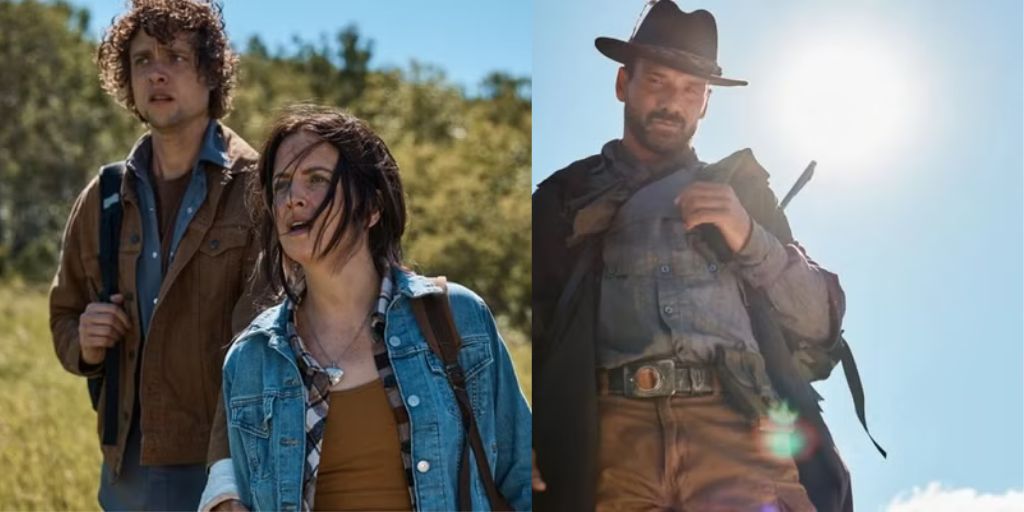
Still from Die Alone (Credit: Quiver Distribution)
Some characters are willing to betray others to protect themselves, while others genuinely want to help. This moral ambiguity creates a tense atmosphere that keeps viewers guessing about the characters’ true motivations.
Frank Grillo’s character, Kai, adds another layer of complexity to the story. He does not appear until the third act, but his arrival is crucial.
As soon as he steps onto the screen, the narrative takes unexpected turns, revealing the twists that have been building throughout the film. Grillo brings a sense of intensity to his role, making the audience question his intentions and whether he is a friend or foe.
As Ethan searches for Emma, his love for her remains a driving force in his actions. Even though he forgets everything each day, he cannot forget the love he has for Emma.
His determination to find her reflects the power of love and how it can motivate individuals to face overwhelming odds. This theme resonates deeply, reminding viewers that love can endure even in the darkest of times.
The Impact of the Twist Ending
One of the most remarkable aspects of Die Alone is its ability to surprise viewers with a twist ending. After watching countless horror films, it is easy to feel desensitized to plot twists, but Die Alone manages to deliver a moment that genuinely shocked me. As the story unfolds, there are hints and clues that lead up to the twist, and when it finally happens, it feels satisfying and well-earned.
The film sets up expectations that allow viewers to think they know where the story is heading. However, when the twist is revealed, it makes perfect sense and does not feel forced or contrived. It is a refreshing change from films that rely on shock value alone, as Die Alone creates a twist that enhances the full narrative.
This twist also ties back to the central theme of love. It emphasizes the lengths people will go to for those they care about, even if it means facing unimaginable challenges.
The conclusion of the film leaves the audience contemplating the characters’ journeys and the sacrifices they make for love. It is an emotional payoff that upgrade the film beyond a simple zombie flick.
Themes of Isolation and Human Connection
Die Alone shows several themes that resonate with audiences, including isolation and human connection. The title itself suggests a sense of loneliness that permeates the film.
In a world where society has crumbled, both Ethan and Mae are isolated in their own ways. Ethan wakes up each day alone, with no memory of the past, while Mae has been living in solitude, craving human interaction.
Their chance encounter creates a bond that serves as a lifeline for both characters. Through their relationship, the film illustrates the importance of connection in a world filled with despair.
As they show the challenges of survival together, they begin to heal from their own emotional wounds. Mae provides the support and companionship that Ethan needs, while Ethan brings a sense of purpose back into Mae’s life.
The film also highlights the idea that connection can be formed in the most unexpected places. In a world where trust is scarce, Ethan and Mae learn to rely on one another. Their relationship evolves as they face danger together, and the audience witnesses the beauty that can emerge from even the direst circumstances.
Visuals and Cinematic Style
The cinematography in Die Alone enhances the storytelling and adds depth to the full experience. The film takes advantage of its post-apocalyptic setting, capturing the haunting beauty of a world in ruins.
Wide shots showcase the desolate landscapes, while intimate close-ups focus on the characters’ emotions. This visual contrast creates a powerful atmosphere that draws viewers into the narrative.
The use of practical effects also contributes to the film’s success. By avoiding CGI, Die Alone maintains a sense of realism that immerses the audience in the horror of the situation.
The practical effects team has done an outstanding job of creating the zombies and the world they inhabit. Each zombie is unique, and the attention to detail makes them feel more tangible and terrifying.
Moreover, the film’s pacing is effective in building tension. The slow-burn approach allows for character development while still maintaining a sense of urgency.
As Ethan grapples with his memory loss, the audience feels his frustration and desperation. This emotional investment keeps viewers engaged and rooting for the characters’ survival.
The Role of Sound and Music
In addition to visuals, the sound design and music play a crucial role in establishing the film’s atmosphere. The score enhances the emotional beats of the story, adding depth to the moments of tension and heartache. The sound design effectively builds suspense, using silence and subtle audio cues to create a sense of unease.
As the characters navigate their perilous surroundings, the audience is drawn into their experiences through the careful use of sound. From the rustling of leaves to the distant groans of zombies, the audio design enriches the storytelling, making the viewer feel as if they are part of the environment.
Reception and Final Thoughts
Die Alone may not have the marketing budget of major blockbusters, but it has garnered attention for its originality and fresh take on the zombie genre. Critics and audiences alike have praised the film for its unique premise, strong performances, and unexpected twists.
While it may not be the scariest zombie film ever made, it offers a compelling narrative that stands out among its peers. The combination of horror and romance creates a attracting experience that lingers in the mind long after the credits roll. For those seeking a fresh and original horror film, Die Alone is a must-see.
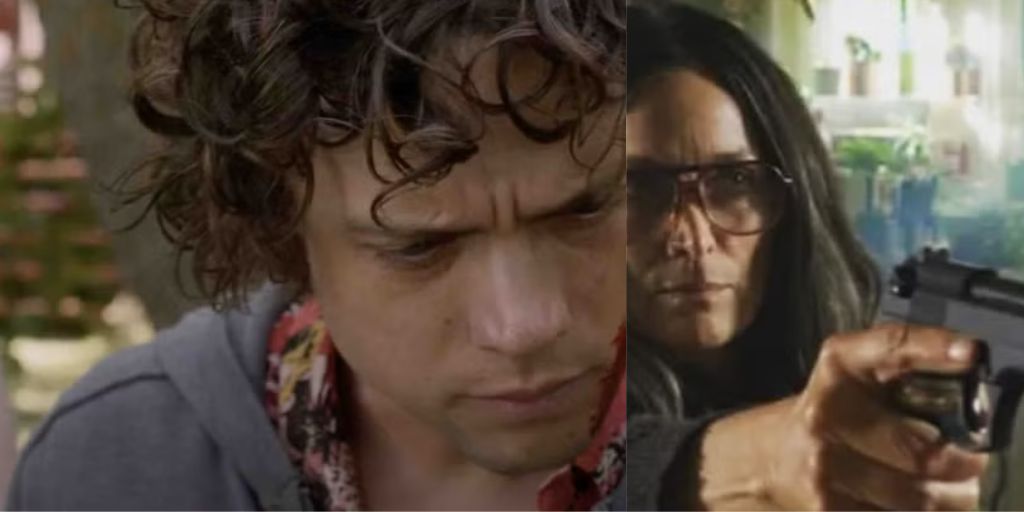
Still from Die Alone (Credit: Quiver Distribution)
As I reflect on the film, I am reminded of the importance of connection and love in our lives. In a world that can often feel overwhelming and isolating, Die Alone serves as a poignant reminder that even in the darkest times, human relationships can bring hope and healing.
The film captures the complexity of love, showcasing the lengths we go to for those we care about, and the sacrifices we are willing to make in the name of love.
Die Alone is a standout addition to the zombie genre. It combines stunning visuals, strong performances, and an engaging story that shows the themes of love, isolation, and survival.
With its unique take on zombies and unexpected twists, the film is sure to leave a lasting impression on viewers. Whether you are a horror fan or simply looking for a thought-provoking story, Die Alone is a film that deserves to be seen.
Die Alone is available to rent in the U.S. on October 18.
