In a significant development, Japan and China have announced a series of agreements aimed at enhancing cultural ties through increased anime co-productions. This initiative, revealed in December 2024, marks a new era of collaboration between the two nations in the entertainment sector.
The agreements were formalized during a meeting between the foreign ministers of Japan and China, Takeshi Iwaya and Wang Yi, respectively. This meeting underscored the mutual interest in fostering closer cultural and entertainment relations, with a particular focus on the anime industry.
Background of the Agreement

Blue Box anime New Poster (Credits: TMS Entertainment)
The series of agreements includes ten key points designed to strengthen cultural exchanges and cooperation. Among these, the promotion of joint anime productions stands out as a central element. This strategic move aims to leverage the strengths of both countries’ anime industries, combining Japan’s rich history in anime production with China’s growing market and technological advancements.
The collaboration is expected to result in a diverse range of anime projects that appeal to audiences in both countries and internationally. By pooling resources and expertise, Japan and China aim to create content that reflects their shared cultural narratives while introducing innovative storytelling techniques.
Implications for the Anime Industry

Toji, Levi, and Senku (Credits: Mappa & TMS Entertainment)
This collaboration is poised to have a profound impact on the anime industry. It opens avenues for cross-cultural storytelling, allowing for narratives that resonate with a broader audience. Additionally, the partnership is expected to lead to technological advancements in animation production, as both countries bring their unique strengths to the table.
For creators and production studios, this agreement presents new opportunities for collaboration and innovation. It encourages the blending of traditional Japanese animation styles with contemporary Chinese artistic influences, potentially leading to a new genre of anime that appeals to a global audience.
Potential Challenges and Considerations

Goku, Gojo, and Saitama (Credits: Crunchyroll)
While the collaboration holds significant promise, it also presents challenges. Cultural differences and varying industry standards between Japan and China may require careful navigation to ensure the success of joint projects. Additionally, balancing creative freedom with commercial interests will be crucial in producing content that is both artistically compelling and commercially viable.
Furthermore, the integration of different production workflows and technologies will necessitate effective communication and project management strategies. Ensuring that both Japanese and Chinese teams work cohesively will be essential in maintaining the quality and integrity of the anime produced.
The collaboration between Japan and China to enhance anime co-productions marks a significant milestone in the entertainment industry. By combining their respective strengths, both nations have the potential to create innovative and culturally rich anime content that appeals to a global audience. As this partnership unfolds, it will be interesting to observe the creative outcomes and the impact on the future of anime.
In a significant security breach, VIZ Media’s official Twitter account was hacked on January 28, 2025. The unauthorized access led to the dissemination of misleading content, including cryptocurrency promotions and unauthorized retweets. This incident has raised concerns about the vulnerability of corporate social media accounts to cyber threats.
The compromised account displayed unusual activity, such as retweeting posts from X’s “Safety” and “Engineering” accounts. Additionally, it featured a profile name consisting solely of a period and lacked a profile picture. These anomalies indicated unauthorized access and manipulation.
Details of the Hack

Black Clover, Hunter X Hunter, and Spy X Family (Credits: Shonen Jump Comics)
The hackers posted about a “$VIZ” Digital Token, suggesting a connection between VIZ Media and cryptocurrency. However, VIZ Media clarified that the $VIZ token is unrelated to the company. The misleading posts were promptly removed, but the incident highlighted the potential for brand impersonation and misinformation.
Following the breach, VIZ Media took immediate action to regain control of their Twitter account. The company confirmed the hack and assured the public that corrective measures were underway. Despite these efforts, the account remained compromised for a period, underscoring the challenges in swiftly addressing such cyber incidents.
Implications for Social Media Security
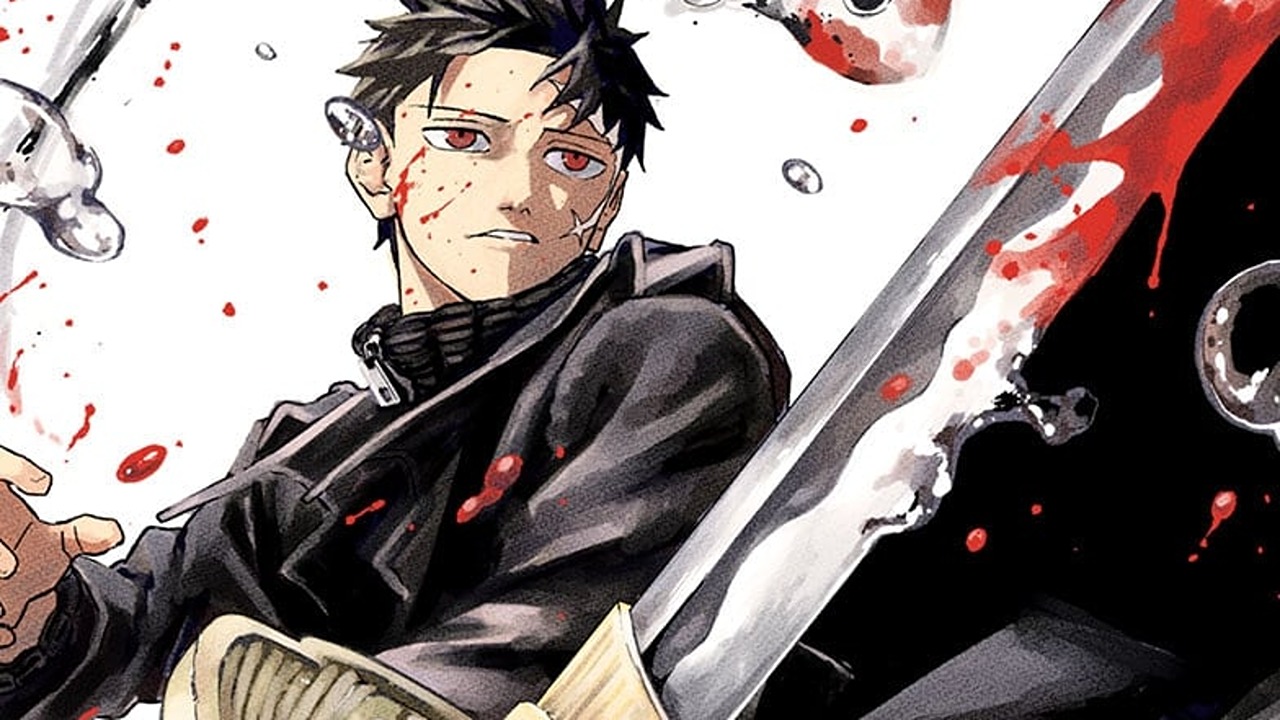
Color cover page from Kagurabachi Chapter 8 featuring Chihiro (Credits: Manga Plus)
This incident underscores the critical need for robust cybersecurity measures for corporate social media accounts. The breach not only affected VIZ Media’s reputation but also posed risks to its followers, who might have been exposed to fraudulent content. It serves as a stark reminder of the vulnerabilities inherent in digital platforms.
In response to the hack, discussions have emerged regarding the implementation of enhanced security protocols, such as multi-factor authentication and regular security audits. These measures are essential to protect against unauthorized access and to maintain the integrity of corporate communications.
The hacking of VIZ Media’s official Twitter account highlights the ongoing challenges in securing digital platforms against cyber threats. While the immediate impact was contained, the incident serves as a cautionary tale for other organizations to prioritize cybersecurity. As digital engagement continues to grow, so does the necessity for robust security measures to protect both companies and their audiences.
