Japan is facing mounting pressure from international bodies after refusing to implement censorship laws targeting “loli” characters—anime portrayals of youthful or childlike female characters often shown in suggestive contexts. The UN’s Committee on the Rights of the Child issued a formal rebuke, claiming Japan’s inaction contributes to “the normalization of child harm through fictional media.”
The controversy centers around anime and manga that feature highly stylized depictions of underage-looking characters, a genre that has sparked outrage in the West for years. Though fictional, critics argue such content blurs the line between imagination and exploitation, potentially influencing dangerous real-world behavior.
UN Slams Japan Over Loli Culture
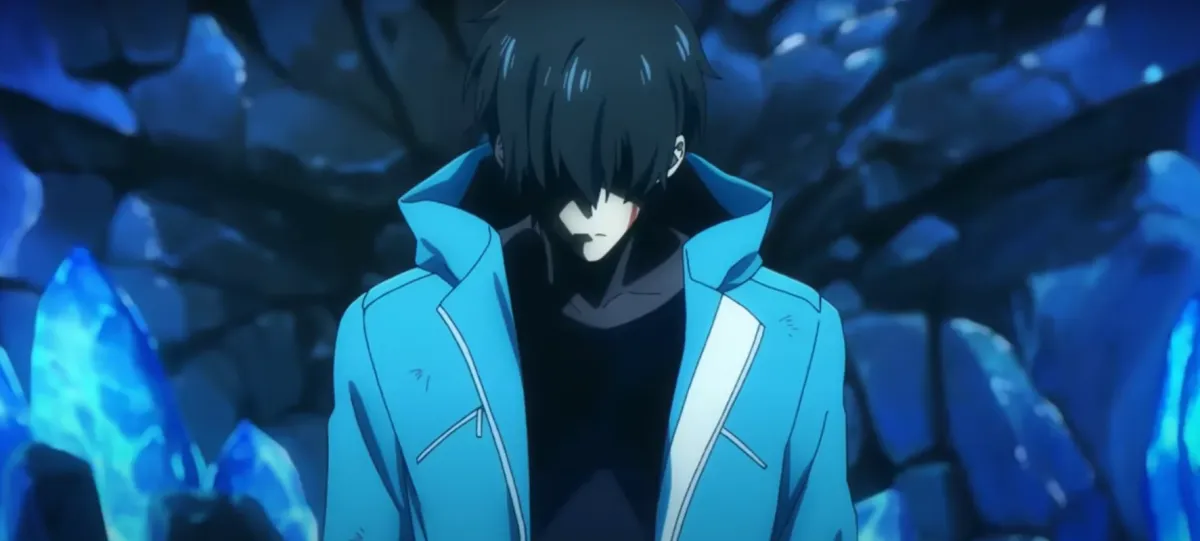
Sung Jinwoo from Solo Leveling (Credits: A-1 Pictures)
The United Nations has called on Tokyo to enact strict legislation banning the production and distribution of sexually suggestive content involving childlike characters. The UN’s latest report cites a “disturbing tolerance” for animated materials that would be illegal in many other nations.
Human rights groups and child protection organizations from Europe, North America, and Australia have joined in the criticism, arguing that Japan’s entertainment sector is “shielding disturbing fantasies under the guise of art.” According to these groups, Japan’s refusal to regulate this content places it at odds with global standards for child safety.
Japan Pushes Back: Culture vs. Criminality
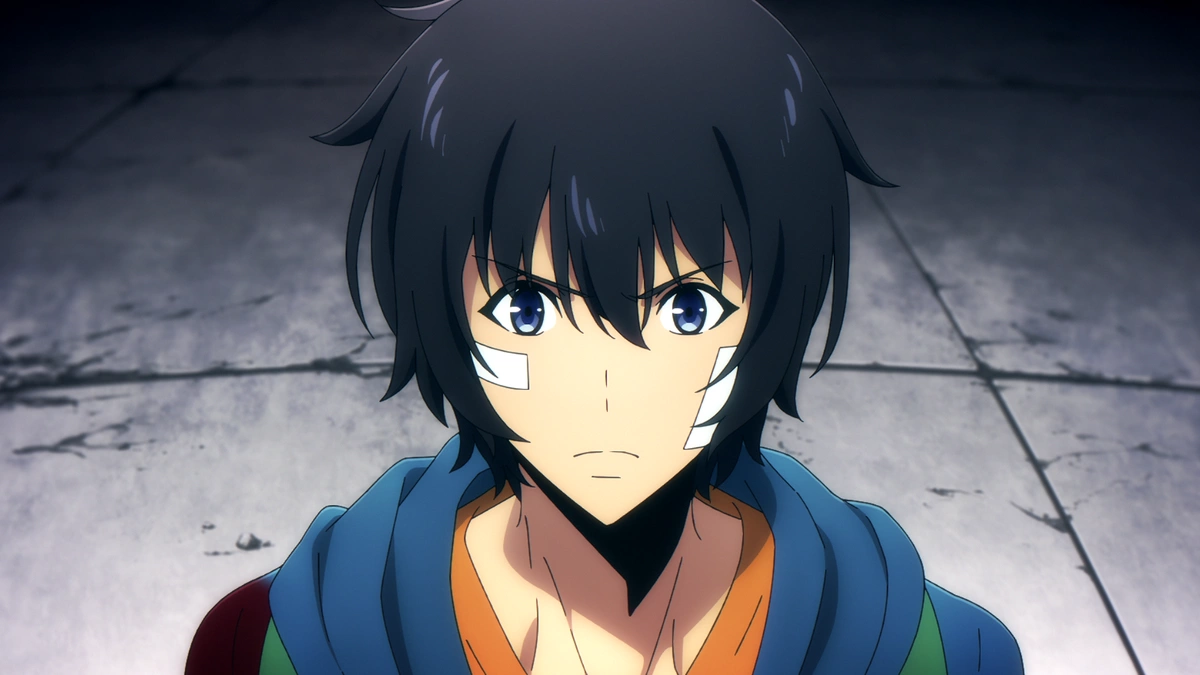
Sung Jinwoo (Credits: A-1 Pictures)
Japanese government officials, however, have pushed back, citing domestic legal standards that separate fictional content from criminal acts. Japan’s Ministry of Internal Affairs reaffirmed that the nation has no plans to criminalize artistic expression unless it involves real minors.
Creators and legal scholars in Japan argue that the global outrage stems from cultural misinterpretation. “These characters are fictional, not representations of real children,” says manga artist Yūki Aihara. “The West sees perversion; we see metaphor, stylization, and fantasy.” Many in the anime industry fear that foreign pressure could stifle artistic innovation and punish creators based on subjective interpretations.
Censorship or Sovereignty? The Legal and Cultural Divide
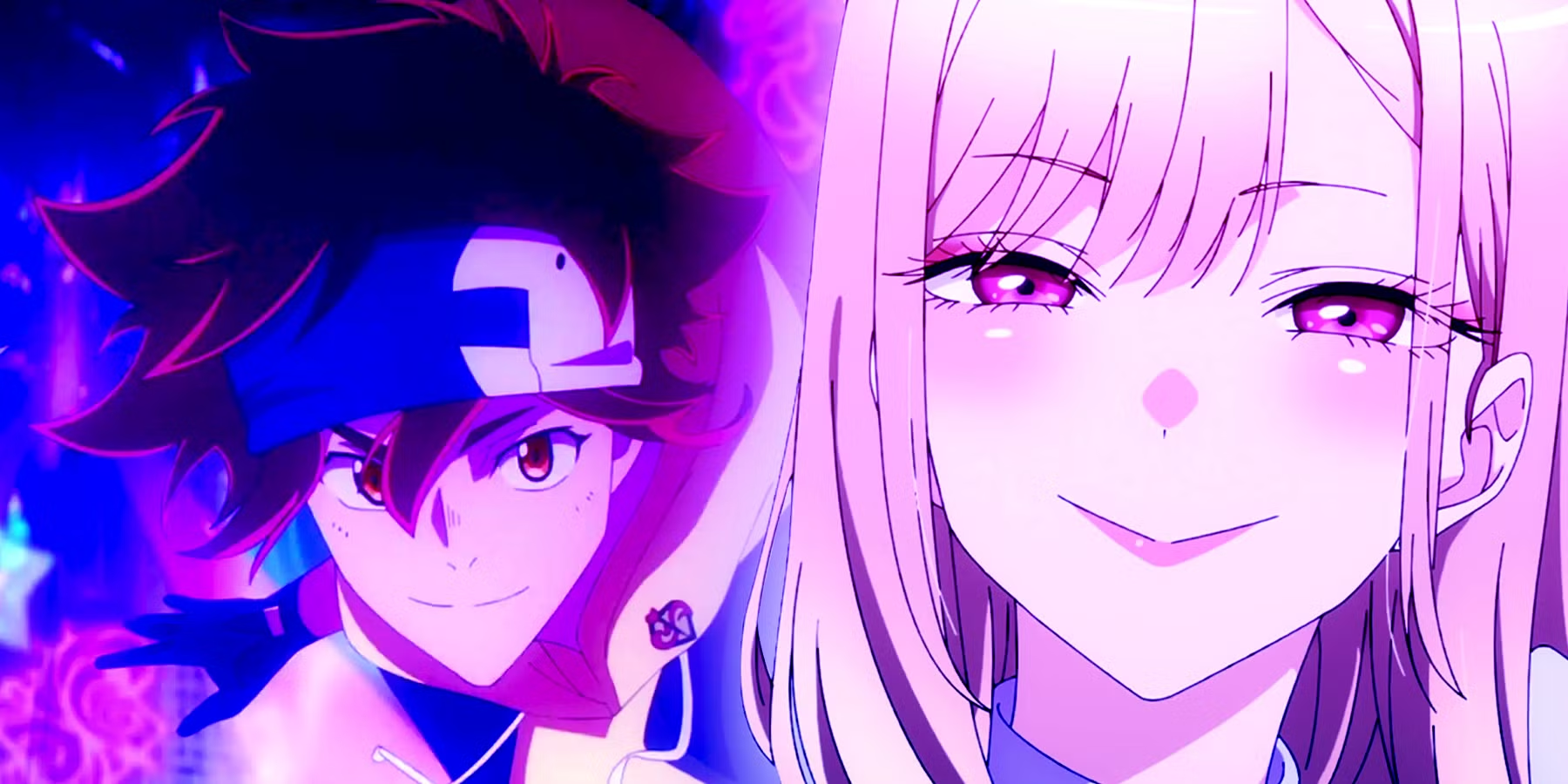
My Drees Up Darling
Japan’s reluctance to criminalize loli content stems partly from constitutional protections for free speech. Unlike in the U.S. or U.K., Japanese law distinguishes sharply between fictional and real imagery, with the former generally protected. Past attempts to legislate bans have sparked fierce backlash from artists, publishers, and civil liberties advocates.
Critics of international pressure warn that imposing Western values on Japanese media erodes cultural sovereignty. “It’s not about protecting children; it’s about exporting moral standards,” says a Tokyo-based legal analyst. “There’s a risk in equating cultural artifacts with criminal intent.”
A Growing Rift in Global Media Ethics
The standoff highlights a deepening rift between Japan and global watchdogs over media ethics. While many countries tighten laws around fictional depictions involving minors, Japan continues to prioritize artistic freedom over external condemnation. The disagreement underscores broader questions about where to draw the line between art and harm in a connected world.
As debates escalate online and diplomatic tensions rise, Japan’s stance remains firm. Whether the UN’s pressure leads to future policy shifts is unclear—but for now, the clash between global child protection norms and Japan’s media culture continues to intensify.
Crunchyroll, North America’s leading anime streaming platform, is facing intense backlash after multiple voice actors came forward to criticize what they call exploitative working conditions. Allegations include rock-bottom pay rates, unrealistic turnaround times, and sweeping non-disclosure agreements that stifle transparency and organizing.
The dispute has triggered a larger conversation about the treatment of dub actors in the anime industry, a sector already known for its razor-thin margins and tight deadlines.
Dub Artists Expose Industry’s Hidden Struggles
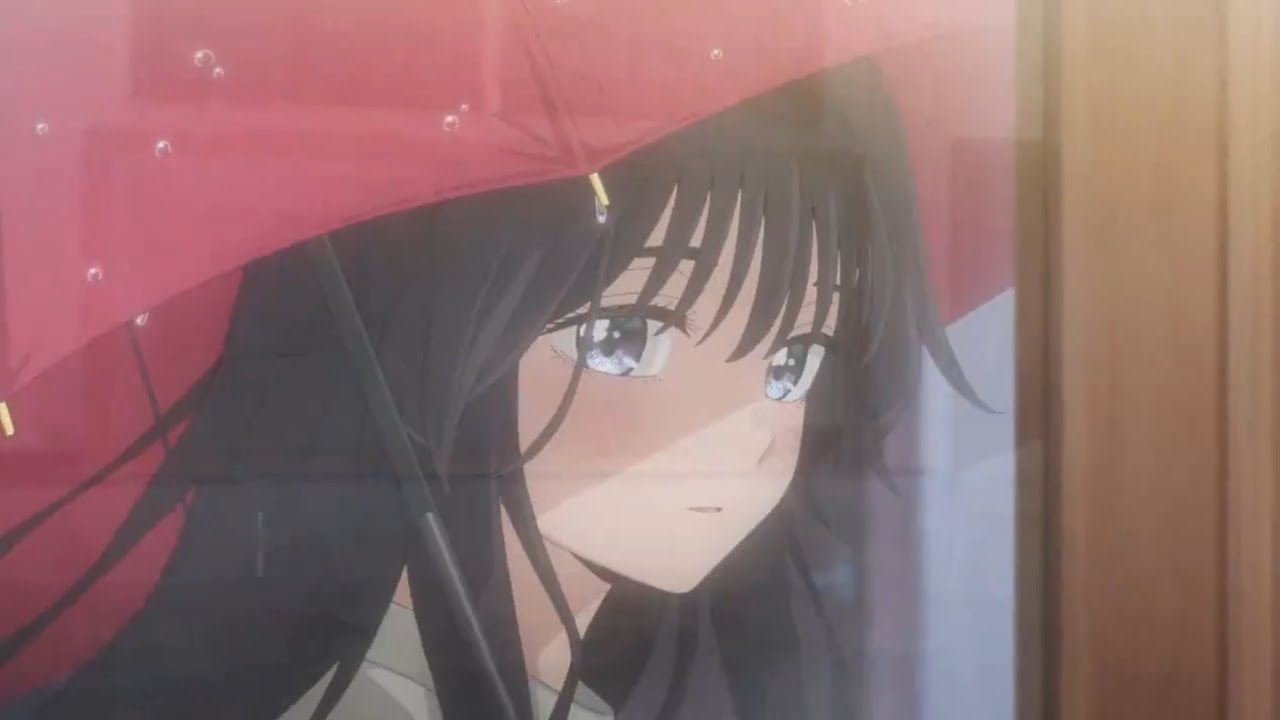
The Fragrant Flower Blooms with Dignity
Actor Zeno Robinson, known for roles in My Hero Academia and Dragon Ball Super, revealed that many performers are paid as little as $75 per hour with no residuals, despite the episodes airing across multiple platforms and regions. Others report being barred from discussing rates or grievances due to broad NDAs.
Crunchyroll Responds Amid Mounting Pressure
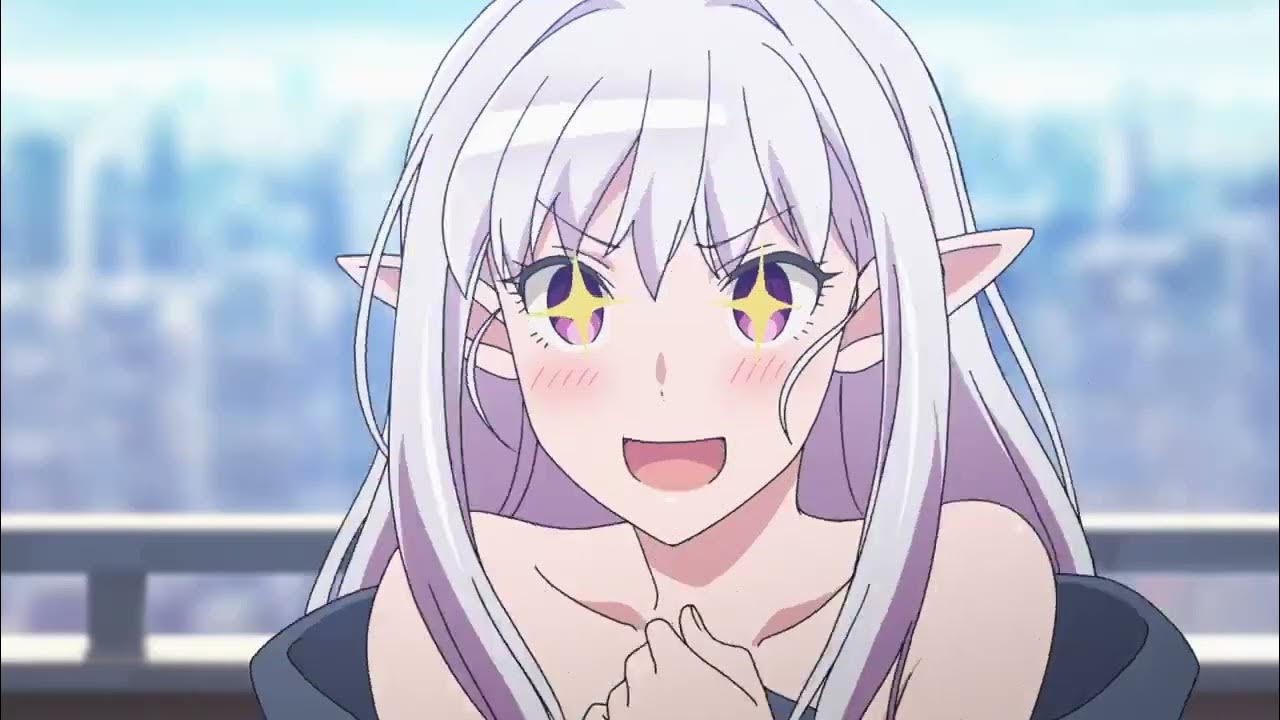
Welcome to Japan, Ms. Elf! Anime (Crunchyroll)
In response to the backlash, a Crunchyroll spokesperson stated that the company remains “committed to supporting creative talent” and claimed that “industry standards” are being followed. However, critics argue that the company’s rapid growth—and its acquisition by Sony—means it can no longer lean on indie-level justifications.
Calls for union protections have intensified. SAG-AFTRA, the main union for U.S. voice actors, has begun investigating the issue. Some insiders argue that Crunchyroll is deliberately avoiding union partnerships to keep costs down—a move that could become a major labor flashpoint in coming months.
Fandom Reaction: Boycotts vs. Brand Loyalty
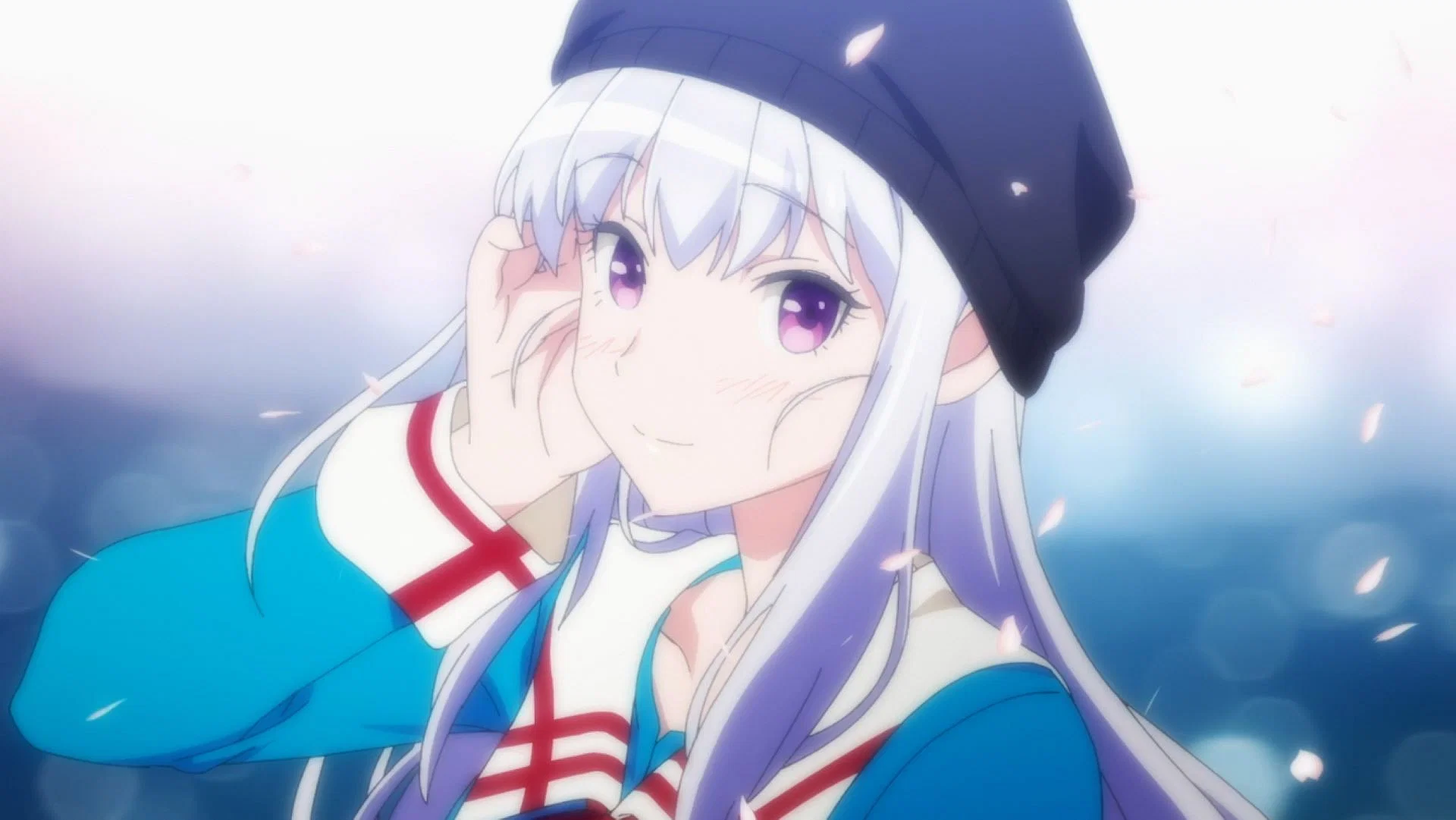
Welcome to Japan, Ms. Elf! Anime (Crunchyroll)
The anime fandom is deeply divided. While some users on X (formerly Twitter) have launched hashtags like #FairPayForDubs and urged boycotts of Crunchyroll, others argue that the platform is vital for keeping anime accessible and dubs alive.
“I get the outrage, but without Crunchyroll, most of these shows wouldn’t be dubbed at all,” one Reddit user wrote. “The system’s broken, but they’re the only ones doing it at scale.” This tension between support for artists and love for content has complicated any unified fan response.
A Flashpoint For Anime Localization Ethics
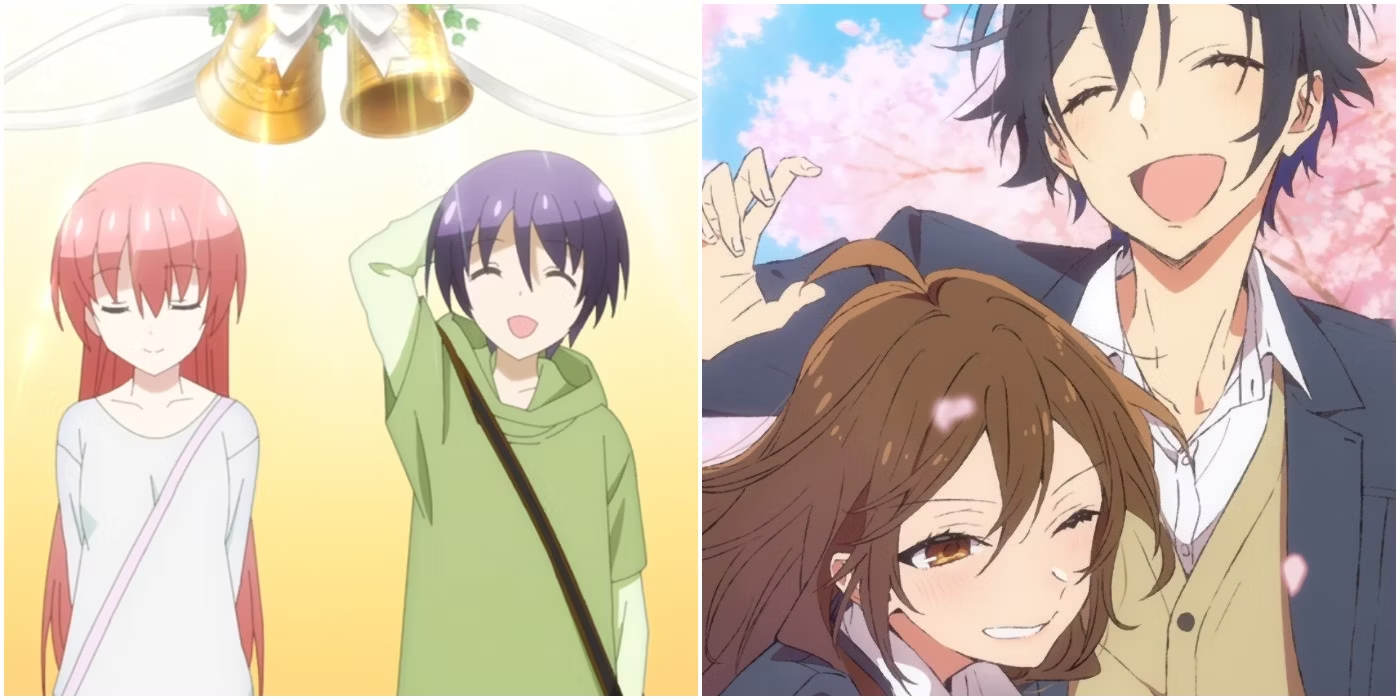
Heartwarming Anime That Bring Pure Joy
The situation echoes past controversies over video game voice acting and anime streaming models. As anime continues its mainstream expansion, more scrutiny is being placed on how studios treat the workers behind the scenes. Dub actors—once relegated to niche status—are now becoming vocal about the costs of that growth.
Crunchyroll may face more than just bad PR. If union momentum continues, and if fans withdraw support, the company may be forced to rework its localization practices. For now, the debate rages on, exposing the human toll behind the voices that bring anime to life in English.
