The debate reignited following the latest UN Human Rights Council session , where speakers called out Comiket for hosting booths with questionable material. Critics argue that such content violates the spirit of international child protection laws, even if it’s technically legal under Japanese law. Advocacy groups claim Japan’s continued tolerance promotes harmful global trends.
Japan Cites Freedom of Artistic Expression

Mob Psycho
Japanese officials have defended their stance, stating that while some content may appear controversial, it remains protected under the country’s freedom of expression laws. Legal experts argue that fictional characters are not covered by exploitation laws unless they involve real people, a line Japan has been careful not to cross in its legal system.
Cultural analysts also highlight the importance of doujinshi and self-publishing culture in Japan, where boundaries are often pushed artistically. For many in the manga community, attempts to restrict fictional content are seen as a direct threat to creative freedom. Comiket organizers reaffirmed they have no current plans to ban loli genres from the event.
Global Pressure Mounts
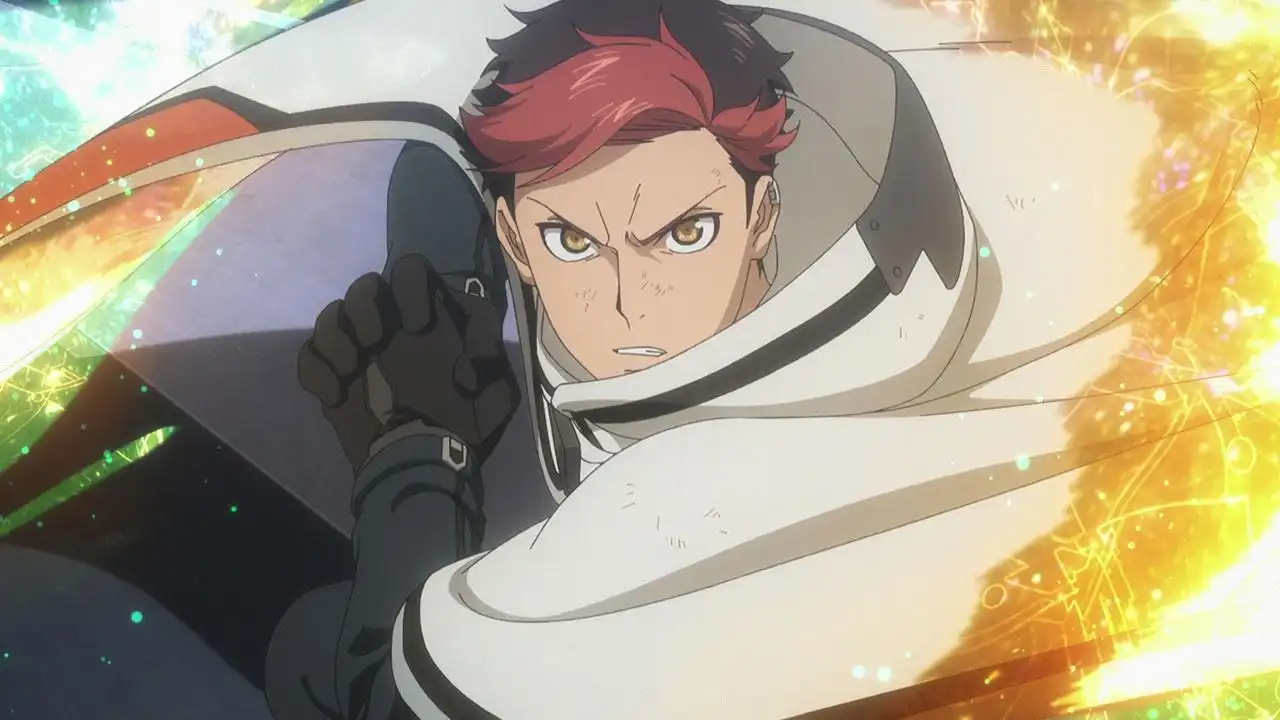
Moonrise
Despite Japan’s internal stance, pressure is increasing from international communities. Activists and diplomats from Western nations claim that the accessibility and normalization of such imagery, even in a fictional context, undermines global efforts to combat exploitation. This has prompted calls for sanctions and trade negotiations to include content restrictions in cultural exchanges.
Some Japanese citizens have expressed concern about the international backlash, fearing it could harm Japan’s image abroad. Others argue that the criticism reflects a misunderstanding of the difference between real-world harm and fictional storytelling. As social media debates flare, Comiket has become a battleground between cultural sovereignty and global ethical standards.
A Divided Future for Creative Liberties
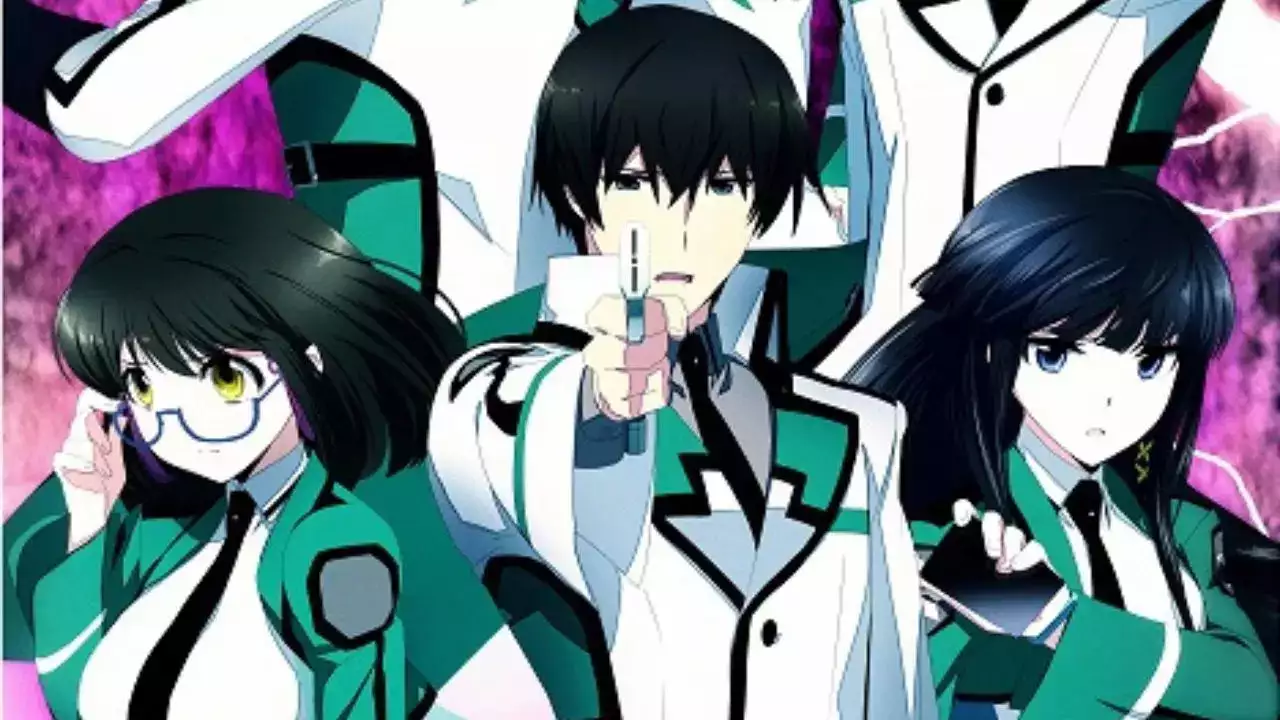
The Irregular At Magic High School
What happens next may set a precedent not just for Japan, but for the future of international creative norms. While Japan holds firm on its right to free expression, international voices are growing louder. Legal scholars predict that Japan will face increasing diplomatic tension if it doesn’t revise policies surrounding depictions of minors in media—even fictional ones.
The issue reflects a deeper ideological divide—between individual artistic liberties and global child protection frameworks. As anime and manga continue to grow in international popularity, Japan may soon need to navigate this complex terrain with greater sensitivity and diplomacy.
A controversial new bill introduced in Congress has sparked outrage among anime fans and civil rights advocates. The legislation, proposed by Representative Tom Saunders of Ohio, seeks to place an additional federal tax on anime streaming platforms, claiming they promote “foreign ideological influence” over American youth. The move was swiftly met with backlash from online communities and digital rights organizations.
Supporters of the bill argue the measure is designed to “preserve American culture,” alleging that Japanese animation indoctrinates viewers with values that conflict with U.S. traditions. During a press conference, Saunders said anime is “a form of cultural infiltration masquerading as entertainment,” pointing to shows like Attack on Titan and Death Note as examples of media that “warp moral perception.” His statement on the proposal quickly went viral.
Cultural Protection or Targeted Censorship?
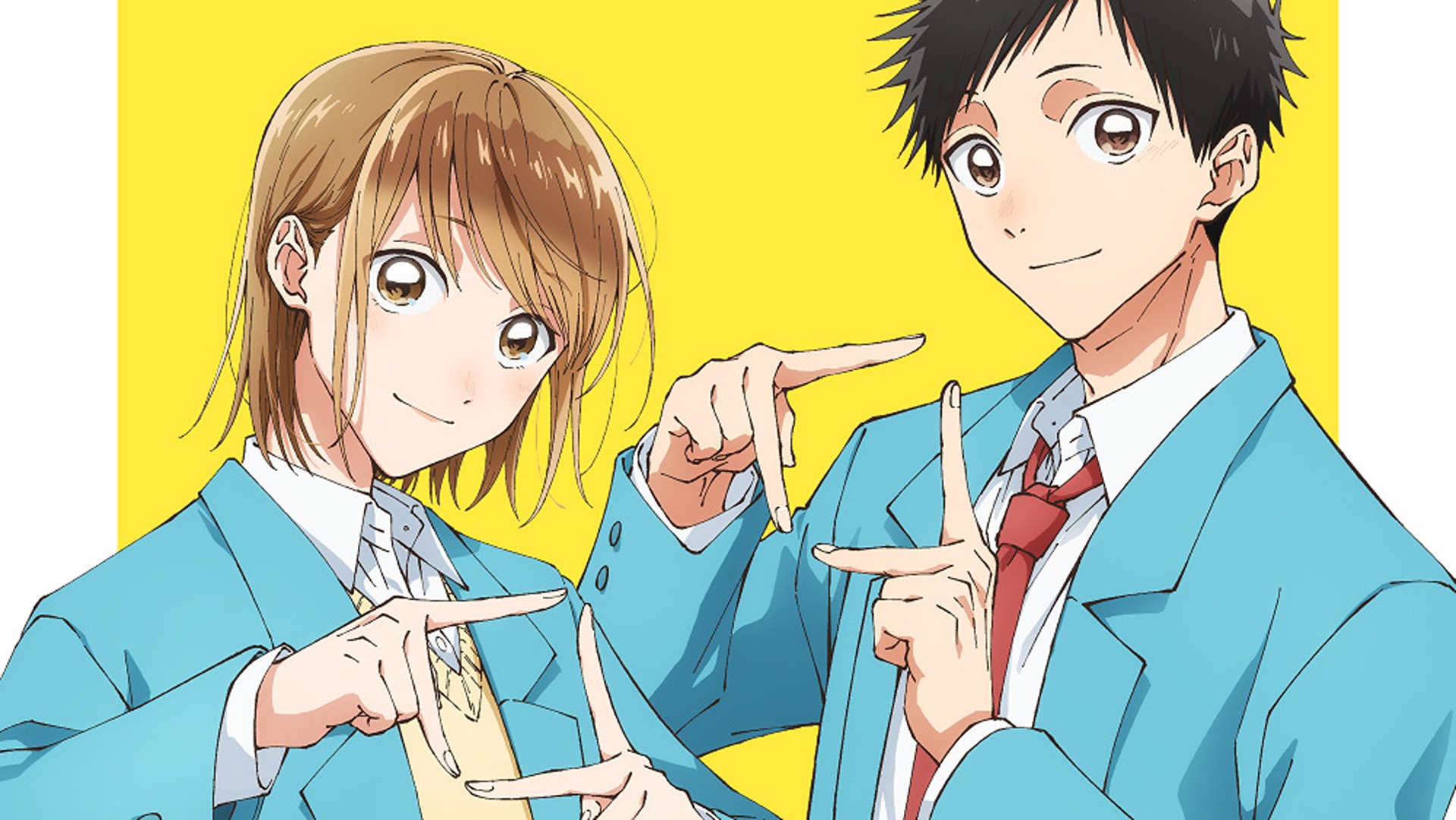
Blue Box anime New Poster (Credits: TMS Entertainment)
The proposed legislation would apply a 10% surcharge to any streaming service that offers more than 30% of its content from non-Western sources, with anime platforms being the clear targets. This tax would also affect digital purchases of anime-related films and series. Critics argue that the bill disguises censorship as cultural preservation, warning that the policy opens the door for broader content restrictions.
Digital rights organizations like the EFF (Electronic Frontier Foundation) have condemned the bill, calling it a direct attack on consumer freedom and international creative exchange. Anime fans across social media have organized petitions and letter-writing campaigns to urge lawmakers to reject the proposal, viewing it as a discriminatory move against a specific fandom and artistic style.
Fans and Industry Figures Push Back
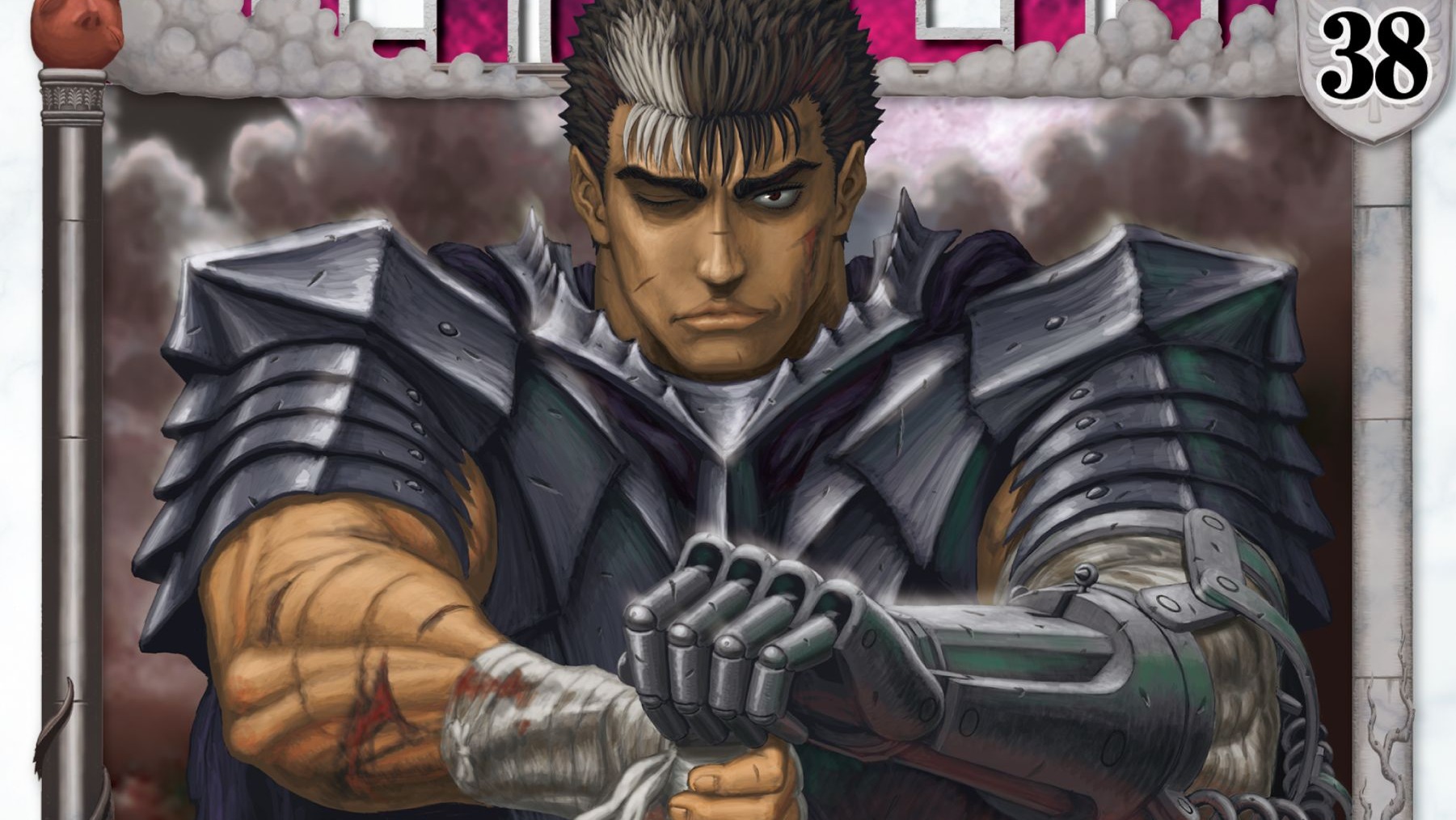
Berserk Volume Cover (Credits: Young Anime Comics)
Prominent voice actors and anime influencers have spoken out against the tax, with some likening it to Cold War-era propaganda policies. Streaming services like Crunchyroll have yet to release an official statement but are reportedly consulting with legal teams about the potential implications. Fans warn that such a move could lead to reduced access and increased subscription costs for U.S. viewers.
Meanwhile, educators and pop culture analysts have defended anime’s positive impact, noting its value in promoting creativity, language learning, and cross-cultural understanding. They argue that targeting anime reflects outdated anxieties rather than actual societal threats. This debate is unfolding at a time when anime is more globally influential than ever, with major studios investing in international projects.
Future of the Bill Remains Uncertain
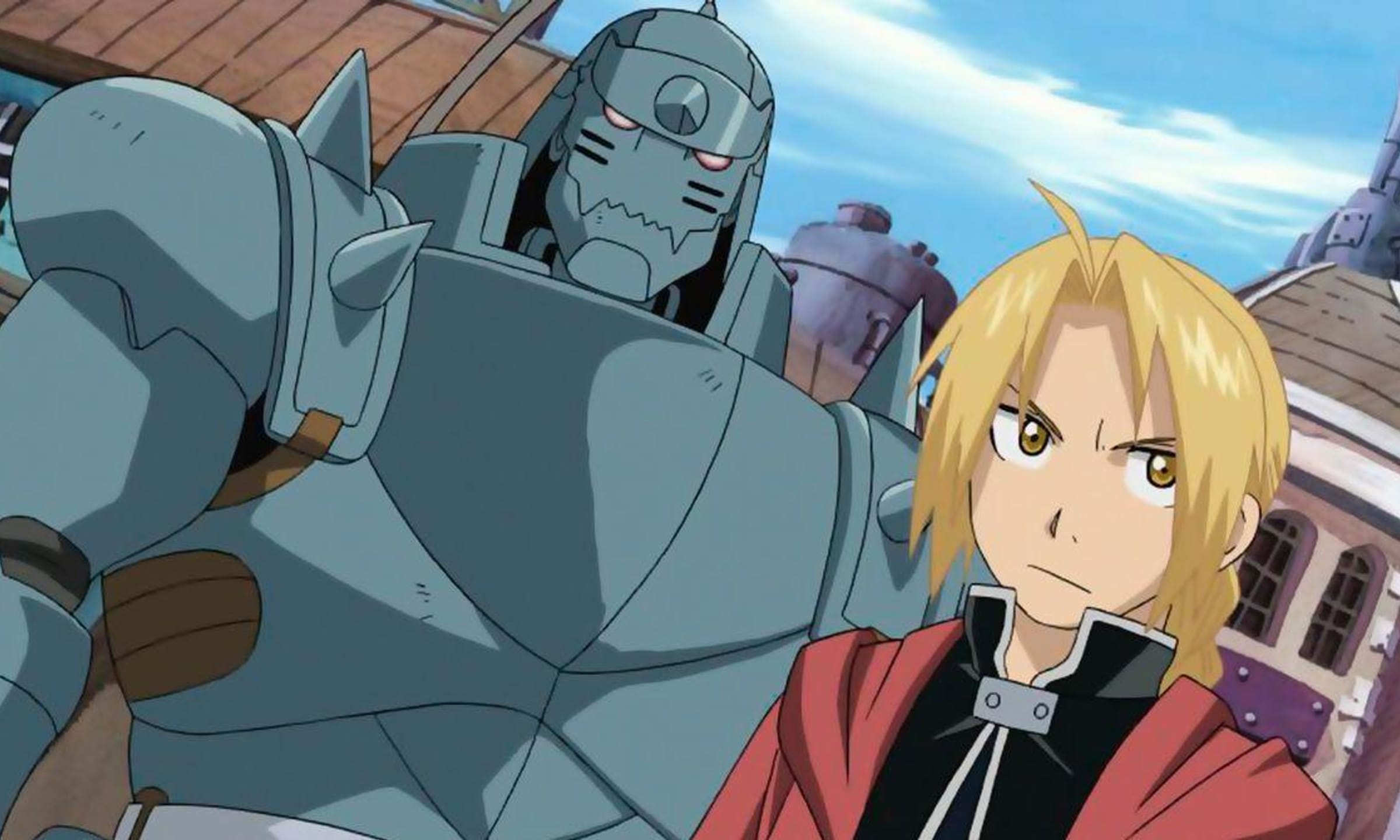
Fullmetal Alchemist Brotherhood fans after downvoting an anime (Credits: Bones)one piece
The proposed bill is expected to face strong opposition in Congress, especially from lawmakers representing districts with large anime fanbases and younger voters. Still, it has fueled renewed discussions about cultural identity and the role of international media in American life.
If passed, the bill could set a precedent for regulating foreign entertainment and spark legal challenges over freedom of expression. For now, anime lovers across the U.S. are bracing for what could become the most unexpected political fight of the year.
