Attack on Titan: The Last Attack was released in Japan on November 7, 2024, and its post-credits scene, a fan-favorite addition, adapts the unique end credits chapter from Hajime Isayama’s manga, titled Attack on Titan Casts, found in volume 34. This anime-original scene brings a new perspective to the characters’ farewell, providing fans with a nostalgic reflection on the series’ journey.
The Attack on Titan manga, written and illustrated by Hajime Isayama, comprises 34 volumes, with special editions like the Colossal Edition (7 volumes), Omnibus Edition (12 volumes), and The Best of Attack on Titan: In Color (2 volumes), which highlights selected panels in vibrant color. This rich legacy is honored in The Last Attack, with its post-credits scene highlighting the beloved characters Eren Yeager, Armin Arlert, and Mikasa Ackerman as they reflect on the series itself.
The unique post-credits scene, based on the Attack on Titan Casts chapter, shifts away from the usual intense action, showing the trio as spectators of their own story, with Marco seated behind them, appearing as he did at his death. As they leave the cinema, Mikasa and Eren discuss the series finale, with Mikasa commending it for giving all characters a proper ending.
Attack on Titan: The Last Attack 10/10
‘Attack on Titan THE LAST ATTACK’ currently has a perfect 10/10 rating on IMDB pic.twitter.com/f9yEGwlVyR — Anime Craze (@crazedanime_) November 10, 2024
Armin, however, disagrees, noting that fan discussions online highlight unresolved questions, prompting a friendly debate. Mikasa appreciates the open-ended finish, while Armin wishes for clearer explanations to address ambiguities left in the final episode.
The conversation takes a sentimental turn as they ask Eren’s opinion, to which he replies that he simply cherishes watching movies with his two friends. He suggests that if there were ever a sequel, they should come back to the cinema together. This moment captures the deep bond between the trio, showing that for Eren, the experience of being together is more significant than any plot point.
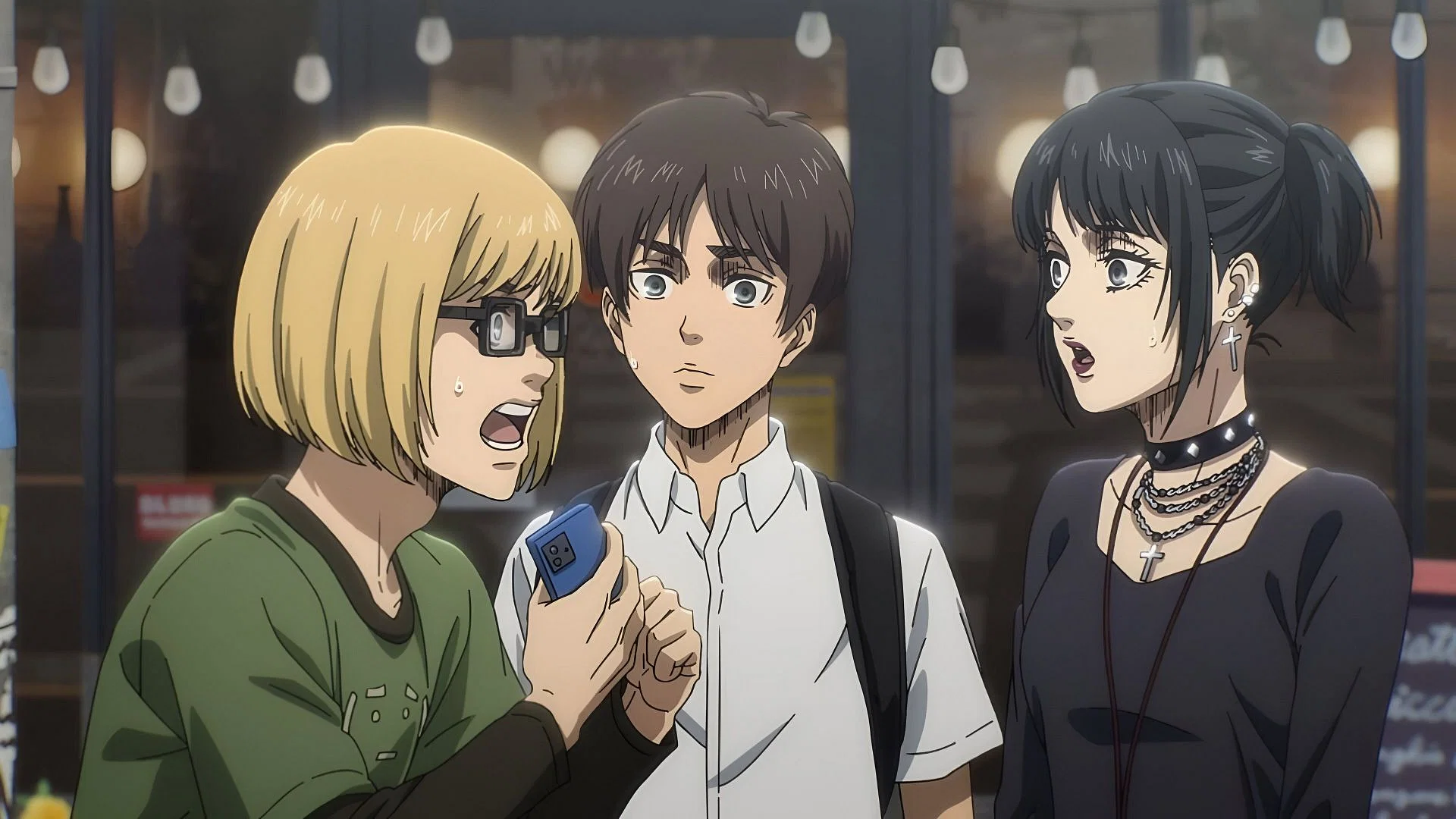
Attack On Titan post credit scene (Mappa)
The last panels of this adapted scene show the trio astonished at the notion of Titans existing in the past. One of them humorously muses about the blurred line between history and fiction, suggesting it would be surreal if the trio from the story actually existed.
This unique farewell in The Last Attack adds a meta-layer to Attack on Titan, as it blurs the boundary between characters and audience, allowing Eren, Mikasa, and Armin to step outside their roles and share a reflective, almost self-aware, goodbye.

Attack on Titan is set in a dystopian world where humanity lives behind massive walls to protect itself from giant humanoid creatures known as Titans, who devour humans seemingly without reason. The story begins when a colossal Titan breaches one of the walls, destroying protagonist Eren Yeager’s home and triggering a violent chain of events.
The release of Blue Lock Season 2 has been met with mixed reactions, especially following Episode 2, which showcased significant issues with animation quality. Anticipation for the anime’s U-20 Japan match arc has been high, but since the season’s trailer dropped, fans have voiced concerns over visual downgrades. Episode 2 has intensified these worries, as the animation’s use of still frames and lack of fluidity disappointed viewers hoping for dynamic sports action.
Although Blue Lock Season 1 faced some animation issues, particularly during the second selection, fans expected improvements in Season 2 due to the franchise’s growing popularity. Unfortunately, the initial tryout match in Episode 2 used numerous static shots and slow-motion sequences, which made the action feel stilted.
Blue Lock Season 2 Animation Falters, Leaving Fans Worried
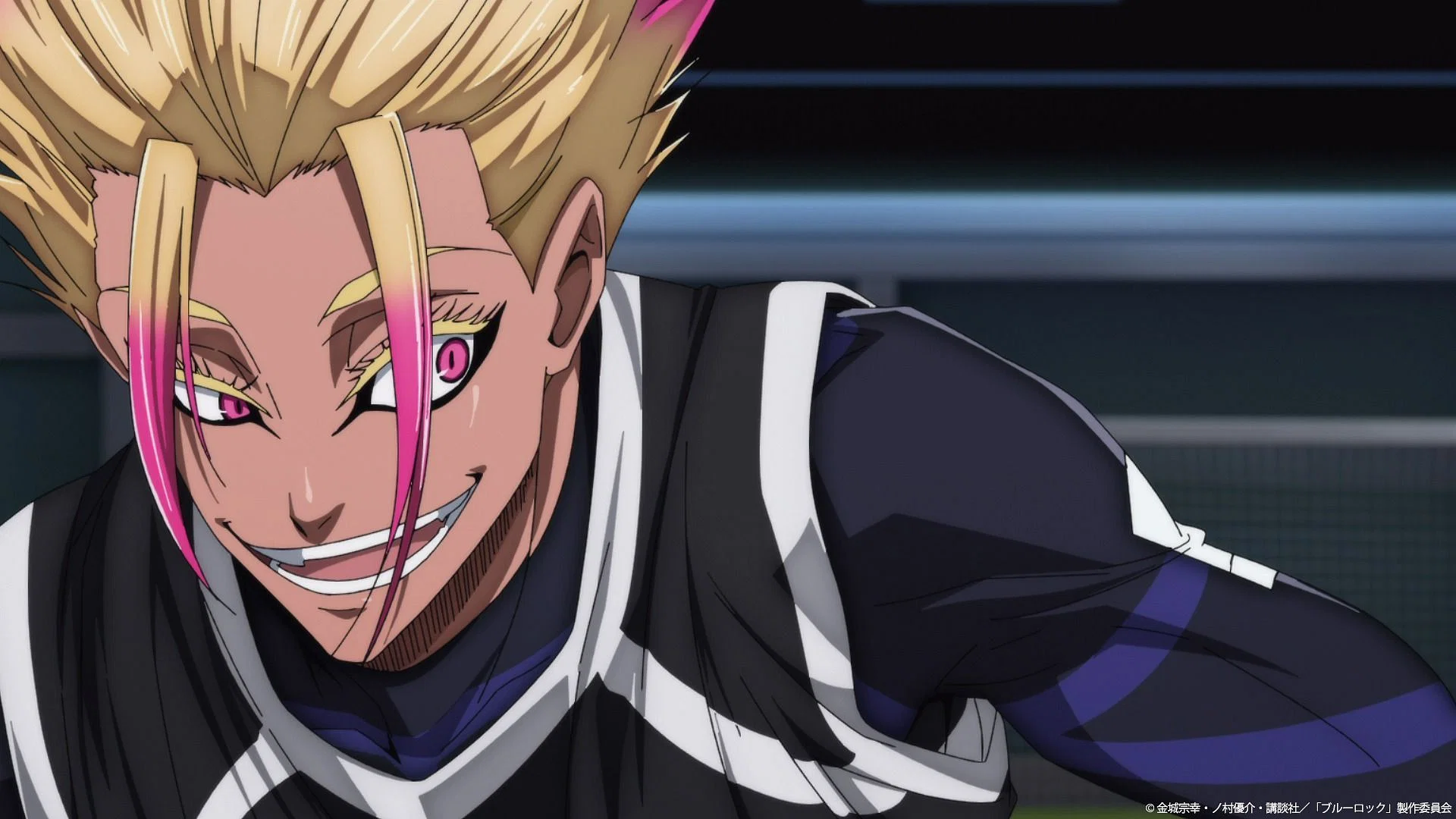
Blue Lock season 2 episode 2 still
The reliance on close-up shots, speed lines, and visual effects didn’t fully capture the energy and intensity Blue Lock is known for, and the episode has drawn comparisons to a slideshow by frustrated fans on social media.
While the episode’s art style remained faithful to the manga’s distinct panels, the lack of character movement and overuse of special effects left many fans disillusioned. The animation in Shido’s goal, for example, used impressive effects but relied heavily on visuals without movement, which limited its impact. Despite these setbacks, CGI elements were improved in scenes showcasing Chigiri’s speed and Karasu’s dribbling, earning some positive feedback from fans online.
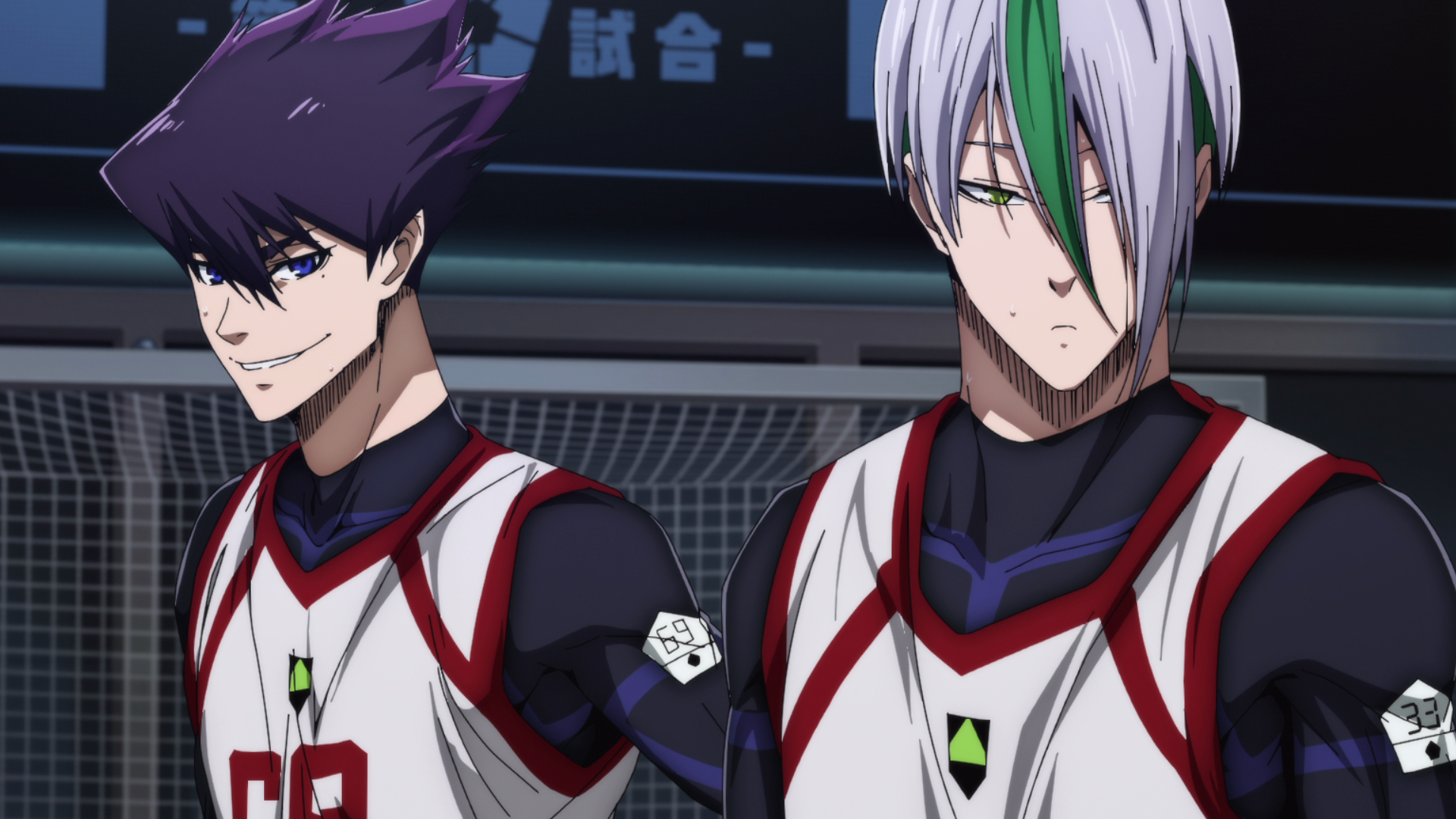
Blue Lock season 2 episode 2 still
This change in animation quality could be due to production challenges. Blue Lock recently experienced a director change, with Yūji Haibara taking over from Shintaro Inokawa. Haibara’s expertise in visual effects, as emphasized by anime producer Ryoya Arisawa, may explain the episode’s focus on special effects rather than fluid movement.
There is speculation that the tight production schedule—following Blue Lock: Episode Nagi and coinciding with That Time I Got Reincarnated as a Slime Season 3—might have impacted the season’s quality.
As the U-20 Japan arc continues, fans hope the production team will focus on animating the highly anticipated match scenes. While Blue Lock has had a rocky start to Season 2, viewers are still holding out hope that upcoming episodes will meet the series’ ambitious standards and deliver the dynamic action that fans expect from the story’s climactic moments.

After Japan’s disappointing exit from the 2018 World Cup, the Japanese Football Union commissions the “Blue Lock” project to create the world’s ultimate ego-striker. Three hundred top high-school forwards, including Yoichi Isagi, compete in a brutal, mindset-driven program designed by coach Jinpachi Ego to produce a single dominant forward capable of international success. The series questions teamwork vs. individual brilliance and follows intense elimination-style matches in a prison-like sports facility.
