As AI art tools continue to evolve, their ability to mimic beloved animation styles has sparked global debates—and Japan is no exception. Studio Ghibli, revered for its hand-crafted storytelling and distinct visuals, has unexpectedly become a focal point in a new legal and ethical debate about AI-generated artwork. In a cabinet session of Japan’s House of Representatives , Representative Masato Imai directly questioned if AI art emulating Ghibli’s style crosses the line into infringement.
During his exchange with Hirohiko Nakahara, Director for Education, Culture, Sports, Science, and Technology, the response was nuanced. While stylistic inspiration is not illegal, if AI-generated art is perceived as being an actual Ghibli product, it could be ruled a violation of copyright. This subtle distinction highlights the complex, case-by-case nature of digital copyright law, especially when it involves machine learning and intellectual property.
Government Interest Signals Growing Concern
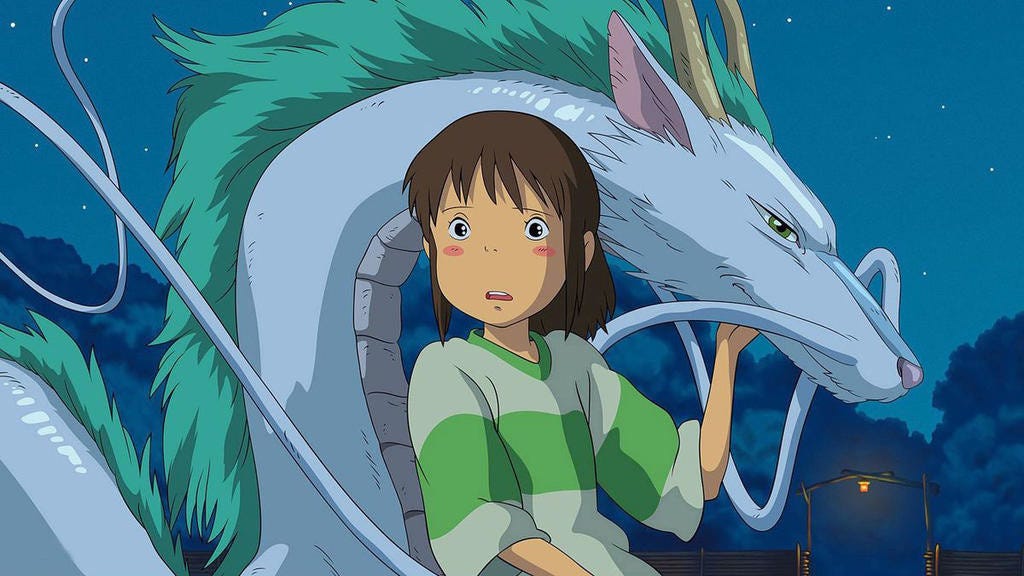
Spirited Away (Credits: Studio Ghibli)
The hearing itself doesn’t introduce legislation, but Imai’s inquiry reflects how seriously lawmakers are starting to take AI’s role in art production. Nakahara noted that it’s ultimately up to the courts to decide on legality, especially when works resemble or depend heavily on existing copyrighted content. His stance suggests that Japan’s current laws may struggle to adapt quickly to AI-generated media trends.
This cautious approach is not surprising. While Japan has been slow to regulate AI specifically, increasing global scrutiny—especially from creators and legal scholars—may push future reforms. For now, though, Nakahara implies that the best chance of legal recourse would come directly from affected studios like Ghibli, not broad national regulation.
Ghibli’s Role May Be Pivotal in Future Action
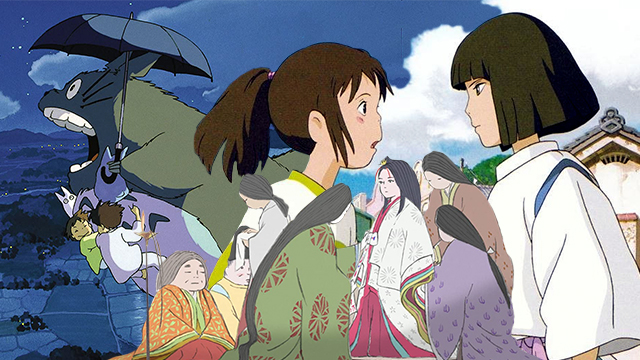
Anime Movies by Studio Ghibli
So far, Studio Ghibli has refrained from formally addressing the rising trend of AI-generated art in their style, aside from debunking a viral fake lawsuit warning. However, legendary director Hayao Miyazaki has long voiced disdain for artificial creativity. In one widely shared NHK documentary clip , Miyazaki even described AI-generated art as “an insult to life itself.”
If Nakahara is correct, the legal pressure may now shift to Studio Ghibli itself. Without a direct challenge or lawsuit from the studio, AI platforms are unlikely to pull back from offering Ghibli-style presets. And if Ghibli does move forward, it could set a precedent that impacts the wider anime and entertainment industries.
Ever since Jujutsu Kaisen killed off Satoru Gojo in one of the series’ most jaw-dropping moments, fans have demanded answers. How could a character so seemingly invincible, so overwhelmingly skilled, die at the hands of Sukuna? Now, creator Gege Akutami has given fans the long-awaited explanation—one that stings more than any curse could.
In a note revealed at the new Jujutsu Kaisen Exhibit in Japan, and shared by @Go_Jover on X , Akutami dropped a bombshell: Gojo didn’t die because he lacked the ability to dodge Sukuna’s blow. He died because he let his guard down . Assured of his Infinity’s invulnerability, Gojo miscalculated—and paid with his life.
Hubris Was Gojo’s True Enemy
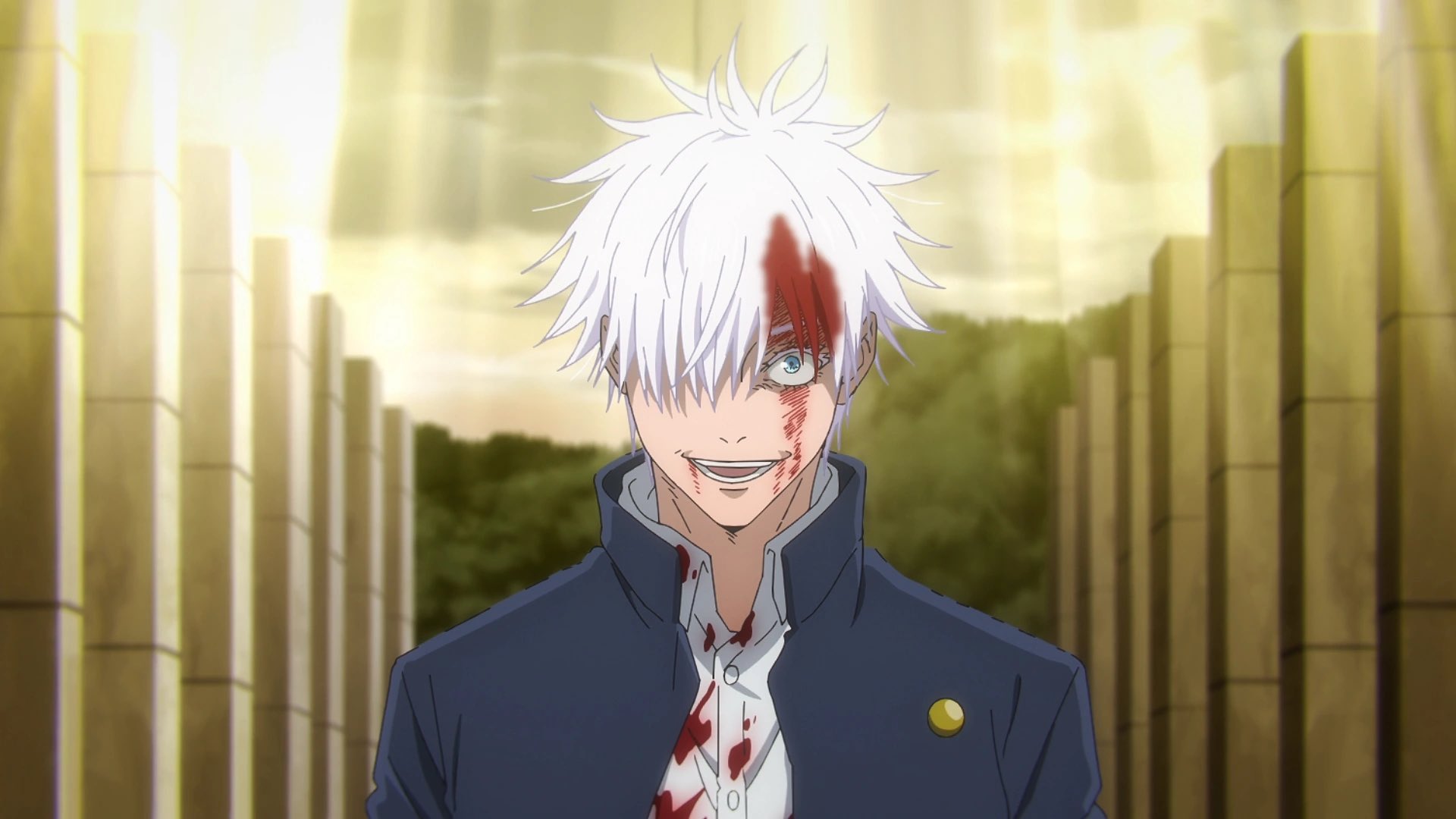
Gojo Satoru (Credits: Mappa)
Gege’s words echo a haunting theme that has followed Gojo throughout the series. Much like his near-death experience with Toji Fushiguro, Gojo’s self-assured nature became his greatest flaw. Akutami clarifies, “[Sukuna] dealt a surprise attack on Gojo, who was assured that his Infinity can’t be bypassed anymore & had let guard down. But he would’ve usually avoided it.”
This revelation reframes Gojo’s death not as a tragedy of fate, but one of personal failure. It wasn’t that he couldn’t survive—it’s that he thought he didn’t need to try. In a universe ruled by cursed energy, where strategy and state of mind carry as much weight as raw strength, that brief moment of pride became fatal.
Sukuna Gets a Taste of His Own Medicine
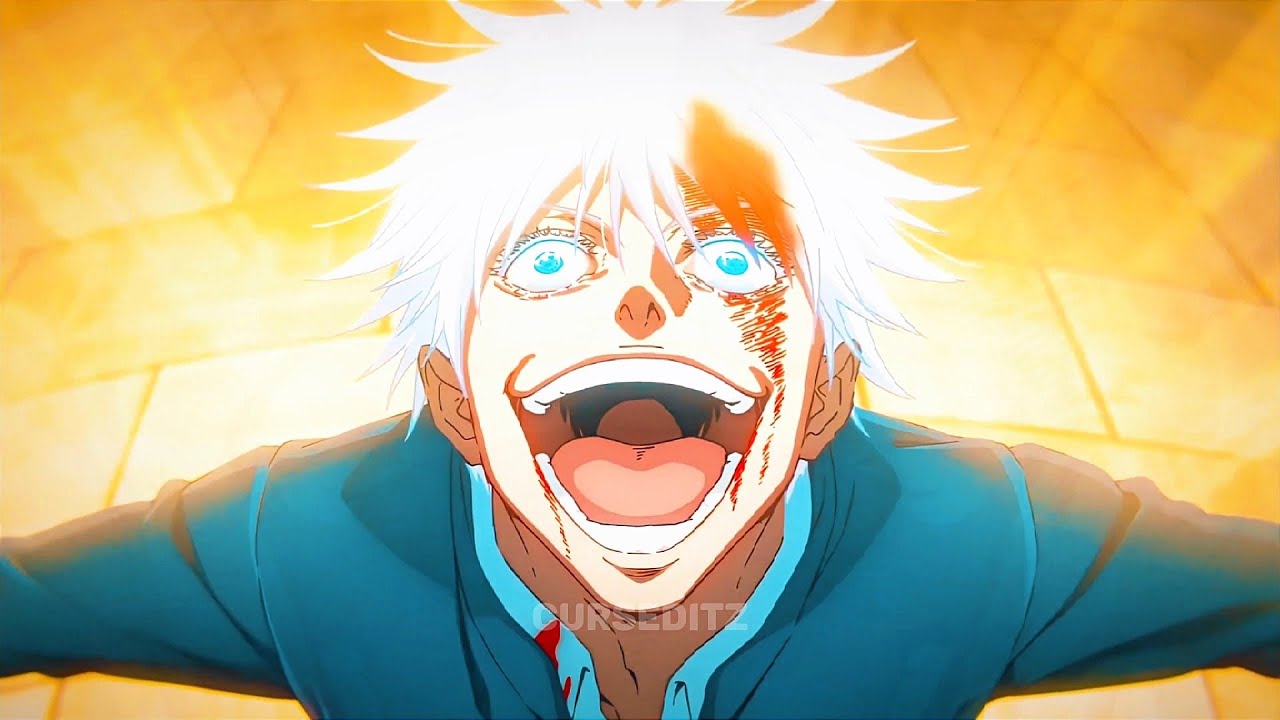
Gojo (Credits: Mappa)
In a brilliant stroke of narrative symmetry, Chapter 251 flips the dynamic. Maki Zenin surprises Sukuna with a devastating blow, mirroring the very trap Sukuna used against Gojo. Sukuna, confident in his unmatched power, lowers his defenses—only to be blindsided. It’s a chilling yet poetic parallel that shows no one, not even the King of Curses, is immune to hubris.
Akutami’s writing proves again that Jujutsu Kaisen is not about who is stronger, but who is sharper . Gojo’s fall—and Sukuna’s stumble—are powerful reminders that strength without caution is a recipe for downfall. The tragedy of Gojo’s death is not just that he died, but that he didn’t have to.
