A Japanese politician has ignited a firestorm after demanding a national review—and possible ban—on isekai anime. During a recent parliamentary session, the representative argued that such series promote escapist fantasies so extreme that they risk distorting youth perceptions of reality. Titles like Re:Zero , That Time I Got Reincarnated as a Slime , and Mushoku Tensei were specifically named as “dangerously influential.”
The politician claimed that rising mental health issues in Japanese teens are “in part” linked to media that glorifies reincarnation after death. Critics quickly labeled the remarks as moral panic, but they’ve gained traction among some conservative groups concerned with Japan’s growing youth disillusionment.
Government Concern or Cultural Overreach?
That Time I Got Reincarnated as a Slime
According to The Mainichi , the politician cited data on increasing teen depression and suicide, arguing that isekai anime gives struggling youth the wrong kind of hope—one that romanticizes death as a gateway to a better world. The statement suggested that “media responsibility” must be part of the solution to Japan’s youth crisis.
He pushed for a review of anime content by Japan’s Agency for Cultural Affairs, stating that if such narratives encourage escapism over resilience, they may require regulatory oversight. The speech received mixed reactions from fellow lawmakers, with a few supporting the idea of “media accountability,” while others dismissed it as cultural scapegoating.
Supporters of the crackdown believe Japan’s declining birthrate and social stagnation are linked to youth detachment, which isekai anime might worsen by glorifying alternative worlds over engagement with reality.
Fans and Mental Health Experts Push Back
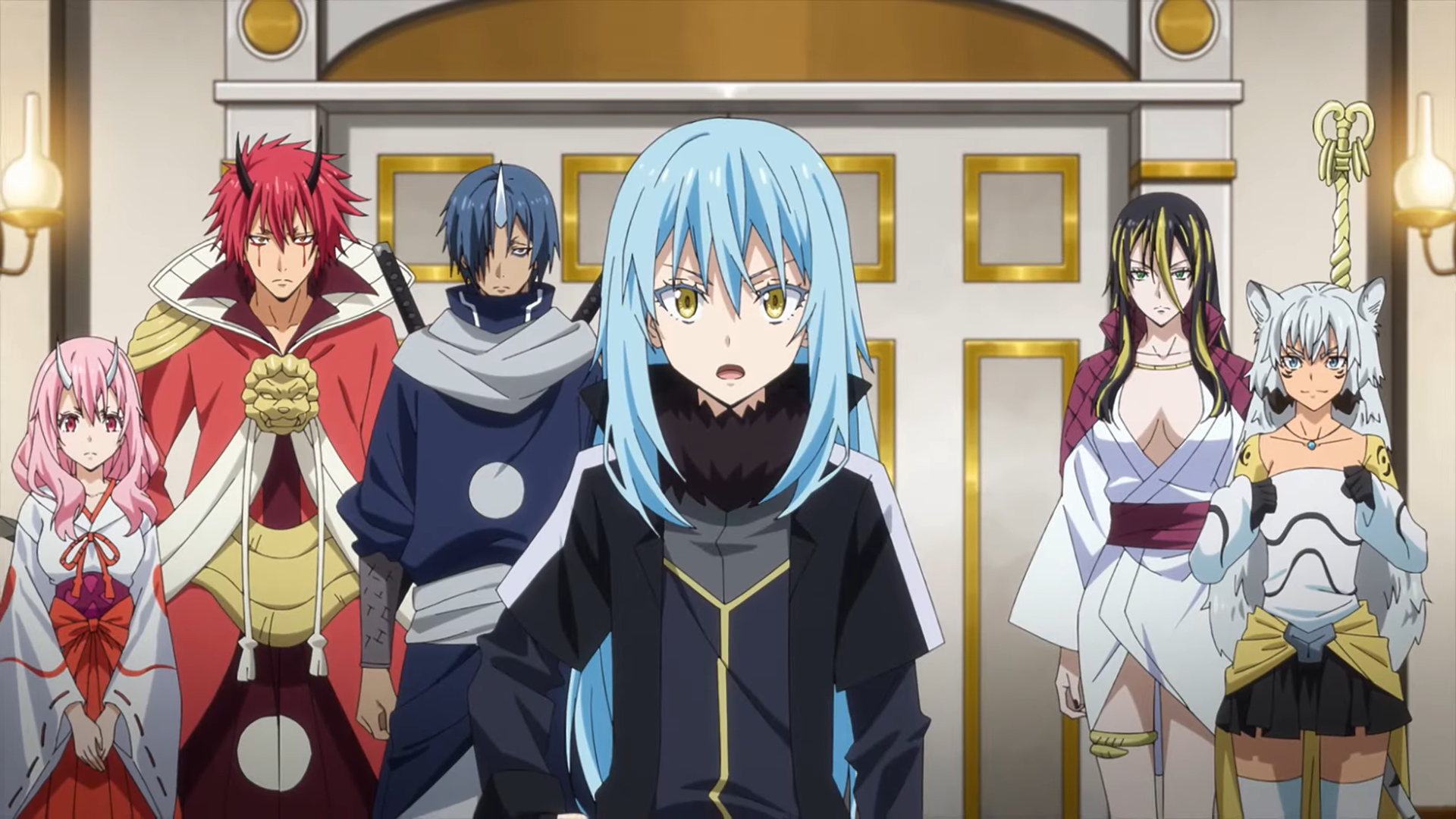
That Time I Got Reincarnated as a Slime
The reaction from fans and mental health professionals was swift and critical. Many psychiatrists rejected the notion that fictional narratives cause suicidal ideation, arguing instead that isekai anime often offers catharsis and emotional healing. Popular titles frequently feature characters overcoming trauma, building new communities, and learning to value life again.
Online, fans called the proposal tone-deaf. On X (formerly Twitter), the hashtag #IsekaiSavesLives trended in Japan. One tweet with over 50,000 likes read, “I wanted to disappear until Subaru taught me how to survive my own suffering.” Anime creators and studios also weighed in, warning that creative freedom was under threat and accusing the politician of misunderstanding the medium entirely.
Mental health advocates are urging policymakers to focus on tangible support systems like school counseling, not fictional bans. Many see this debate as yet another example of generational miscommunication in Japan’s cultural and political spheres.
A diplomatic clash has emerged between the United Nations and Japan over the portrayal of loli characters in anime and manga. The UN’s human rights committee recently issued a statement urging Japan to impose a nationwide ban on such characters, arguing that their depiction—often sexualized—could promote child exploitation. The committee claims that loli characters, young girls with exaggerated features and often depicted in suggestive scenarios, present significant risks to minors, especially in a media-rich environment like Japan.
This request was met with swift and firm resistance from Japan, where the issue of cultural sensitivity and creative freedom remains deeply ingrained in society. Japan’s Ministry of Foreign Affairs quickly responded to the UN’s demands, affirming that artistic expression, including anime and manga, is protected under the country’s freedom of expression laws. In their response, officials emphasized that the fictional nature of loli characters should not be conflated with real-world child exploitation.
The Global Divide: Child Protection or Cultural Freedom?
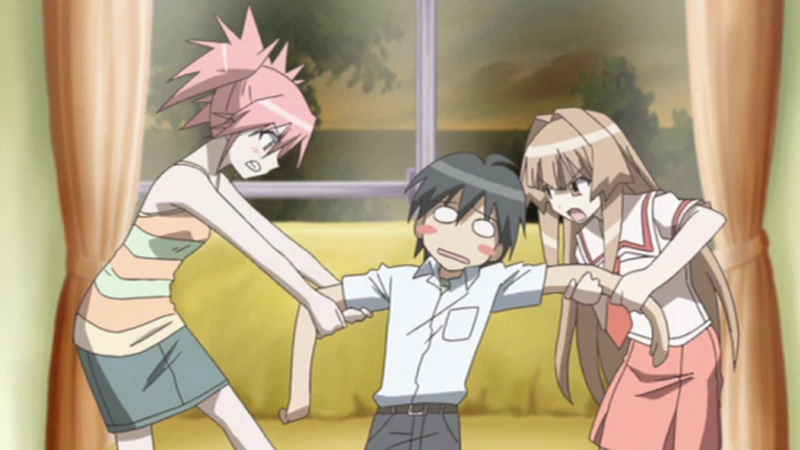
My Bride Is A Mermaid
According to The Japan Times , Japan has long defended its cultural practices surrounding anime and manga as integral to its artistic heritage. The country’s stance has become a point of contention, with critics arguing that such portrayals normalize inappropriate behavior, while defenders assert that they are purely fantastical and not intended for real-world behavior modeling.
The debate over loli characters is not new but has gained renewed attention amid increasing global concerns about child protection and media consumption. Critics, including child advocacy groups and some UN officials, claim that the sexualized portrayal of minors, even in animated form, can have detrimental effects on children’s development and societal attitudes toward consent and boundaries.
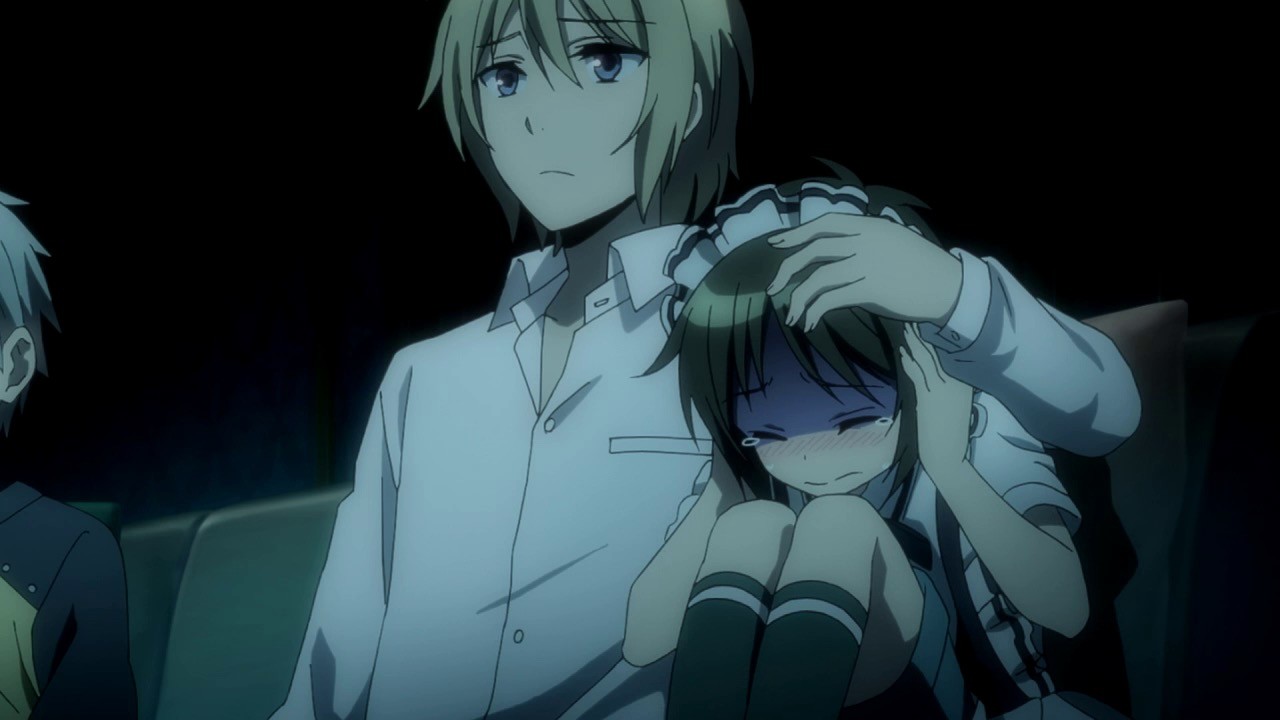
Shonen Maid
On the other hand, supporters of Japan’s position argue that banning loli characters would be an infringement on creative freedom and personal expression. Many point to the broader context of anime and manga, where fantasy genres often feature exaggerated and unrealistic portrayals of various characters for the sake of narrative and aesthetics. In a country where anime is a mainstream cultural product, many fans feel that the UN’s stance could set a dangerous precedent for broader censorship of creative media.
Japan’s rejection of the UN’s demand has sparked a global conversation about the balance between protecting children and preserving cultural traditions. This clash highlights the growing divide between international advocacy for child rights and Japan’s assertion of its artistic and cultural sovereignty.
