A recent United Nations report has issued a stark warning about the future of Japan’s anime industry, citing worker exploitation as a critical issue that could lead to its collapse. The report highlights serious concerns about the treatment of animators and other professionals, urging immediate changes to protect those who bring beloved anime to life.
Long working hours, low wages, and unfair subcontracting practices have put immense strain on workers, raising alarms about sustainability in the industry. The anime sector, despite its global success, has been built on a fragile labor system that could soon reach a breaking point. With the Japanese government stepping in, the response to these issues will be crucial in shaping the industry’s future.
Issues Plaguing the Anime Workforce
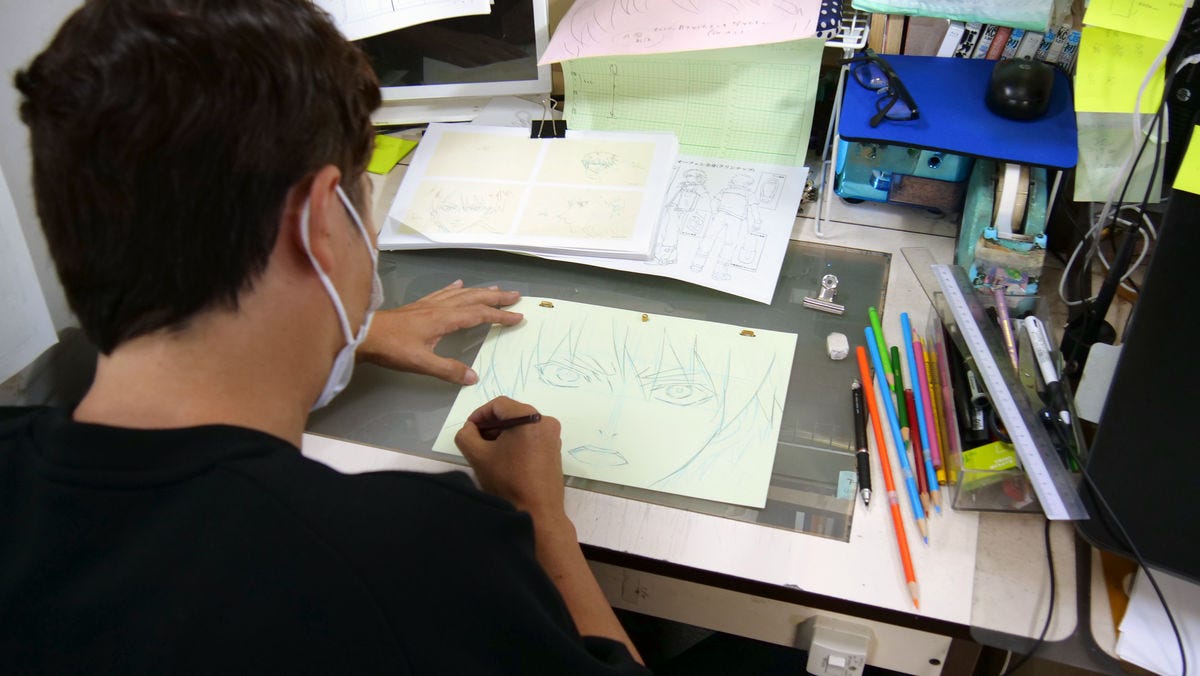
The UN report has shed light on troubling labor conditions that have long been a part of the anime industry. Animators and other workers often endure excessive working hours with little rest, leading to severe burnout. The demanding schedules leave little room for a healthy work-life balance, creating a toxic cycle of overwork.
Low pay is another major issue, with many animators earning wages that do not reflect the time and effort required for their craft. Unfair subcontracting relationships have also been flagged, as smaller studios and freelancers struggle with exploitative agreements. Weak whistleblower protection further discourages workers from speaking out, allowing these conditions to persist unchecked.
To prevent further deterioration, the UN report has outlined several key recommendations aimed at improving working conditions. One of the primary suggestions is increased training in businesses to raise awareness of workers’ rights. Educating industry leaders on ethical labor practices could help drive long-term change.
The report also calls for stronger mechanisms to allow workers to voice grievances without fear of retaliation. Enhancing diversity and inclusion is another crucial step, ensuring a more balanced and fair working environment. Additionally, the UN recommends stricter labor condition checks and penalties for human rights violations to hold companies accountable.
Recognizing the severity of these concerns, the Japanese government has started implementing measures to protect workers in the anime industry. Authorities have strengthened monitoring systems to track labor conditions more effectively. These efforts aim to prevent further exploitation while ensuring that animators and voice actors receive fair treatment.
While these changes signal progress, the road to meaningful reform remains long. With the anime industry continuing to expand, addressing these systemic labor issues is essential to prevent further damage. The effectiveness of Japan’s response will determine whether the industry can sustain its growth without sacrificing the well-being of its workforce.
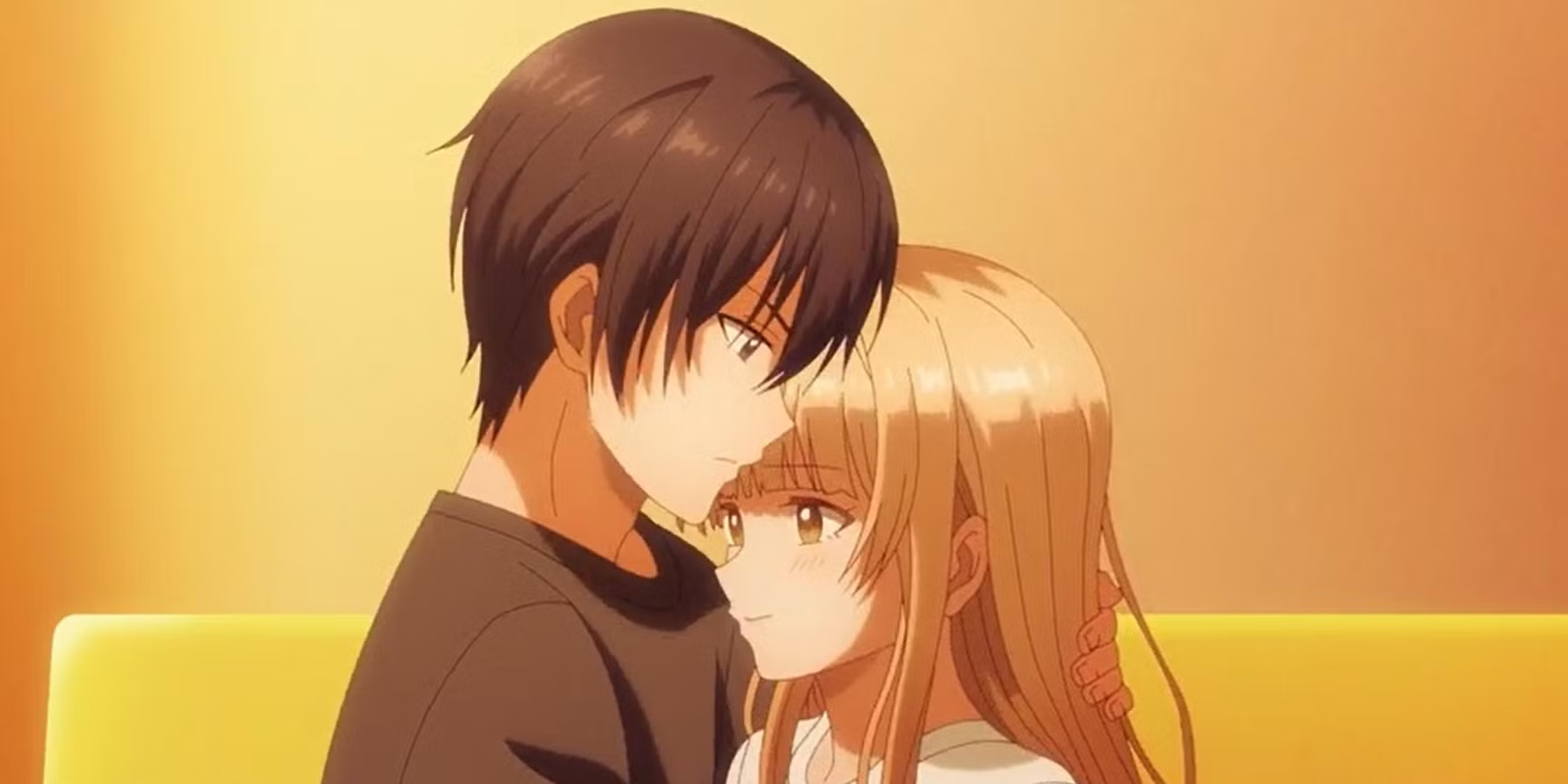
The Angel Next Door Spoils Me Rotten
If these problems persist, Japan’s anime industry could face a severe labor crisis. The Japan Research Institute has warned that a worsening shortage of animators may pose long-term risks to production. Without urgent intervention, the industry could struggle to keep up with demand, potentially affecting the quality and frequency of new anime releases.
To secure the future of anime, Japan must prioritize improving working conditions before the situation spirals out of control. As global fans continue to support the medium, ensuring fair treatment for its creators will be vital in preserving the industry for generations to come.
A fan-driven anime adaptation of the legendary manga Berserk has come to an abrupt halt after facing legal action from the copyright holders. The highly anticipated project, created out of admiration for Kentaro Miura’s iconic work, was canceled due to copyright infringement concerns, leaving fans disappointed and reigniting discussions on the boundaries of fan creativity.
The incident has sparked a heated debate within the anime community, with some defending the rights of creators while others argue that fan-driven passion projects deserve more leniency. As copyright enforcement becomes increasingly strict, fan-made content may face more hurdles, raising questions about how intellectual property laws impact artistic expression and community-driven projects.
Fan-Made Berserk Project Canceled
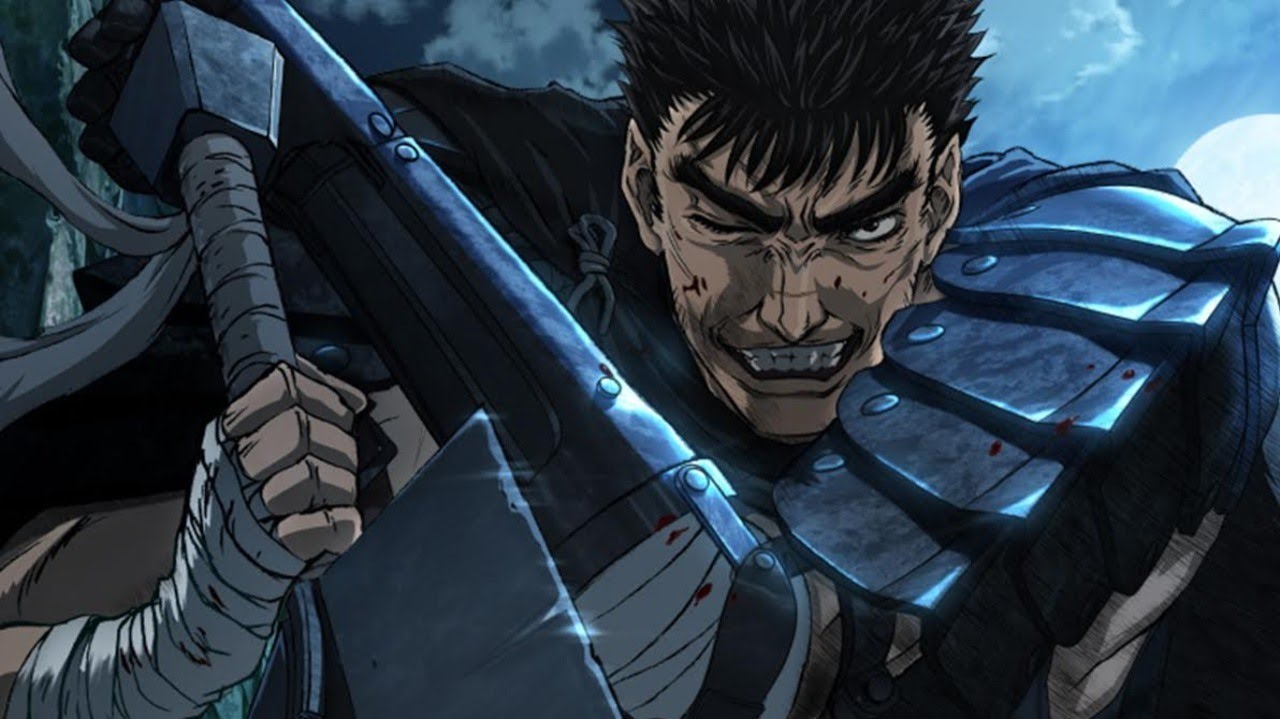
Berserk
A group of dedicated fans had been working on an unofficial anime adaptation of Berserk, aiming to bring Miura’s dark fantasy masterpiece to life in a way that many felt was missing from previous adaptations. However, the project was abruptly canceled following legal intervention from the rights holders, who moved to protect their intellectual property.
The sudden shutdown disappointed fans who had been eagerly following the progress of the project. While unofficial adaptations are nothing new, this case has highlighted the risks involved in developing fan content without authorization from copyright holders. It serves as a reminder of the legal complexities surrounding unofficial works.
The primary reason behind the project’s cancellation was copyright infringement, as it was developed without official approval. While fan-made content is often celebrated for its passion and creativity, it exists in a legal gray area where rights holders have full control over their intellectual property.
This enforcement reinforces the importance of obtaining proper permissions before working on adaptations of copyrighted material. While some studios and publishers allow fan projects to exist under certain conditions, others take a stricter approach, leading to cases like this where legal action forces a shutdown.
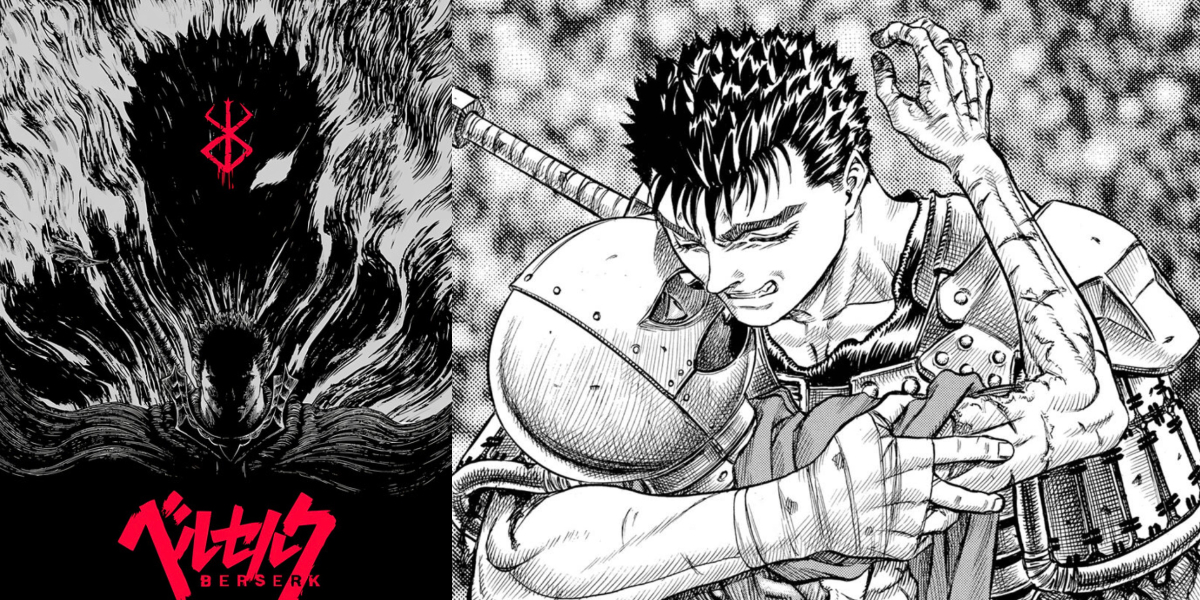
Berserk (Credits: Kentaro Miura)
The anime community is divided on the issue, with some supporting the copyright holders’ decision and others feeling that such actions stifle creativity. While protecting intellectual property is necessary, some fans argue that unofficial projects do not necessarily harm the original work and instead serve as a tribute to its influence.
The case has also raised broader questions about whether copyright laws should make room for certain fan-made adaptations, especially when they are created out of admiration rather than for profit. As the anime industry grows, these debates will likely become even more relevant.
