The Jujutsu Kaisen manga has been a monumental success, attracting the audiences with its intense action, deep character development, and exploration of the darker aspects of humanity.
Among the most compelling aspects of the series has been the complex and ever-evolving relationship between Yuji Itadori and Sukuna, the King of Curses.
The release of volumes 29 and 30 marks a pivotal moment in this saga, one that brings their intertwined stories full circle.
From their initial dynamic of domination and subjugation to the stunning climax of Yuji’s rise to power, these volumes serve as a testament to Yuji’s growth, resilience, and the overarching themes of redemption, justice, and heroism that Jujutsu Kaisen explores.
The Initial Imbalance of Power Between Yuji and Sukuna
At the outset of Jujutsu Kaisen , the power imbalance between Yuji and Sukuna could not have been more apparent.
Sukuna, an ancient curse with an unparalleled level of power, dominates the story from the very moment he enters Yuji’s life.
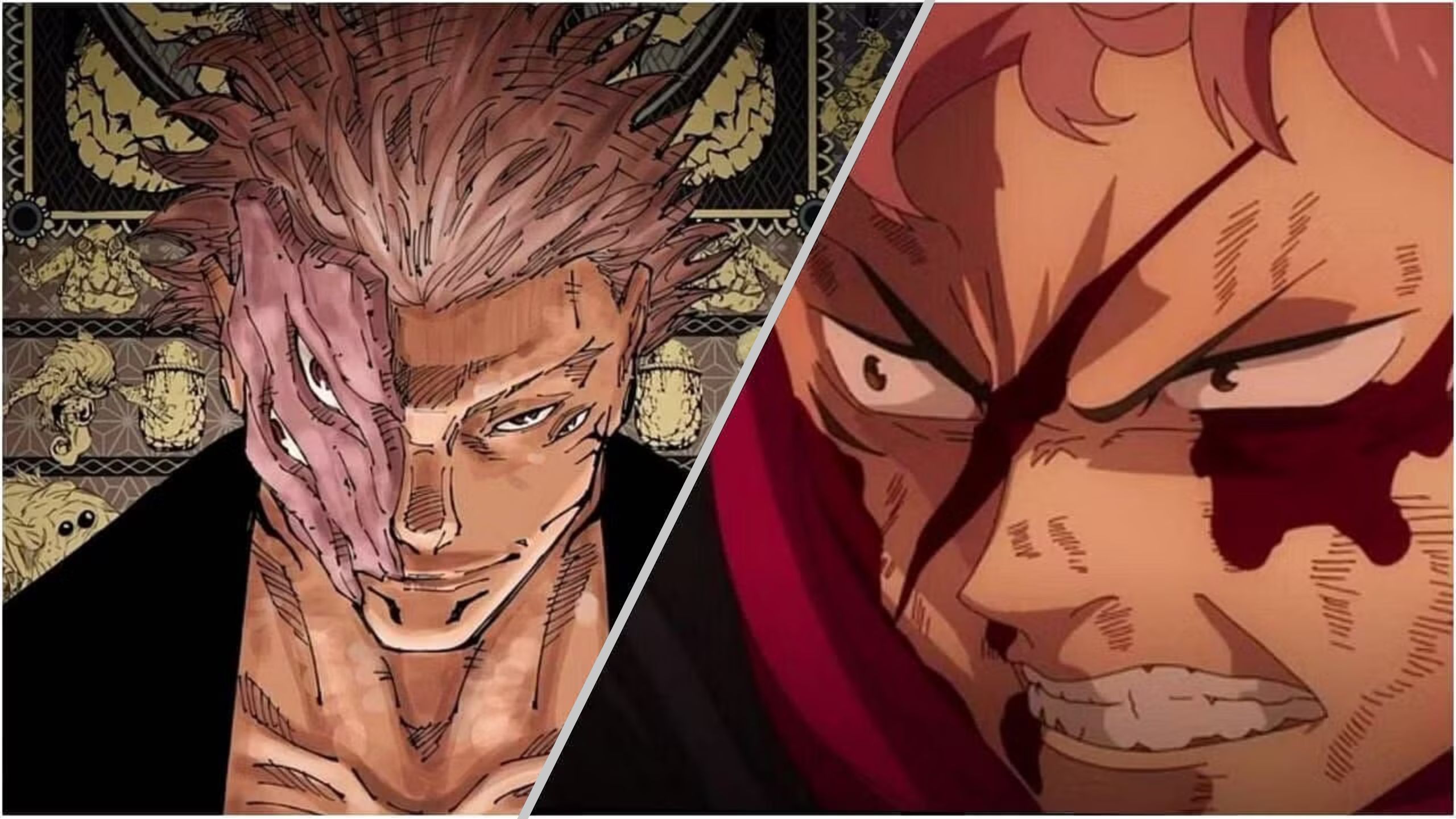
Sukuna and Yuji are going to have a final battle (Image via Shueisha and MAPPA)
Upon consuming one of Sukuna’s fingers, Yuji unknowingly becomes the vessel for this terrifying being, marking the beginning of a harrowing journey.
Initially, Yuji is powerless against Sukuna. The curse, seated in his body, asserts its dominance, often taking control of Yuji’s actions when it pleases, causing a great deal of inner turmoil and conflict for the young sorcerer.
In these early chapters, the symbolic imagery of Sukuna’s throne of bones is introduced. The throne represents not just his physical power but also the psychological dominance he holds over Yuji.
Sukuna is often depicted as sitting on this throne, looking down at Yuji as if he were a mere tool, a powerless host for his immense curse.
At this point in the story, Yuji’s purpose seems to be solely that of a vessel he is unable to exert any control over his own body when Sukuna decides to take charge, and he is at the mercy of this powerful entity.
However, this imbalance does not remain for long. The key to Yuji’s journey is his relentless growth, his undying resolve, and the relationships he builds along the way.
As the story progresses, we witness Yuji’s transformation from a helpless bystander into a formidable sorcerer in his own right, capable of not only surviving Sukuna’s influence but also standing up to him.
Yuji’s Growth and the Symbolism of Role Reversal
As the Jujutsu Kaisen saga progresses, Yuji’s character arc becomes one of the most compelling aspects of the series.
Initially a naive and impulsive teenager, Yuji matures both as a sorcerer and as an individual. His growth is not merely a result of his combat skills, but also his emotional and psychological development.
Through his interactions with his friends, mentors, and allies, Yuji comes to understand the deeper complexities of the world around him.
He learns to steer across the complexities of his own existence, struggling with the weight of the curse within him while also trying to hold on to his humanity.
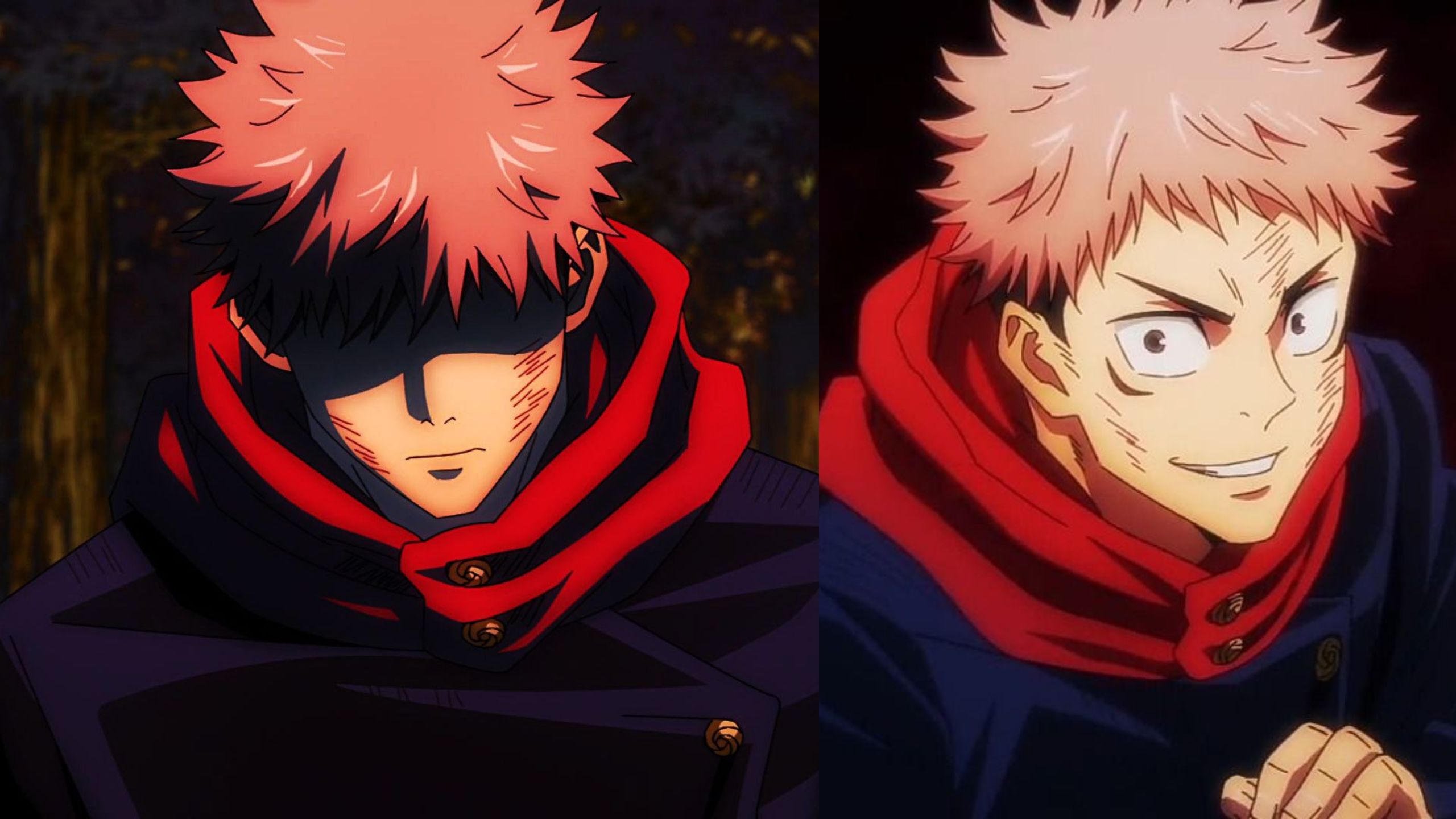
Yuji From Jujutsu Kaisen (MAPPA)
Volumes 29 and 30 serve as the culmination of Yuji’s growth. The most significant moment in this transformation is the dramatic reversal of roles between Yuji and Sukuna, a theme that has been foreshadowed throughout the series.
Where Sukuna once sat atop his throne of bones, Yuji now stands at the pinnacle. In these volumes, the cover art reflects this role reversal, with Yuji looking down at Sukuna, symbolizing his newfound strength and dominance.
This shift is monumental in both a literal and symbolic sense. Physically, Yuji’s newfound strength as a sorcerer has allowed him to fight back against Sukuna’s dominance.
However, on a deeper level, this reversal also speaks to the growth of Yuji’s character. He is no longer the passive, powerless host he once was.
Yuji’s battle with Sukuna becomes a battle not just for control of his body, but for control of his fate.
This transformation marks the emergence of a new Yuji, one who can stand against the forces of destruction and chaos that Sukuna represents.
The visual representation of this role reversal is not just an artistic choice, but a powerful narrative tool that underscores the theme of human growth and resilience.
Sukuna, who once appeared to be an invincible force of nature, is now the one who must be wary of Yuji’s power.
Yuji’s journey from being a helpless vessel to becoming a powerful sorcerer capable of standing toe-to-toe with the King of Curses is nothing short of remarkable.
This transformation is not just a physical one it is a reflection of Yuji’s inner strength, his resilience, and his commitment to his values.
The Significance of Yuji’s Triumph Over Sukuna
The battle between Yuji and Sukuna in volumes 29 and 30 is a turning point in the Jujutsu Kaisen narrative, marking the climax of their long-standing conflict.
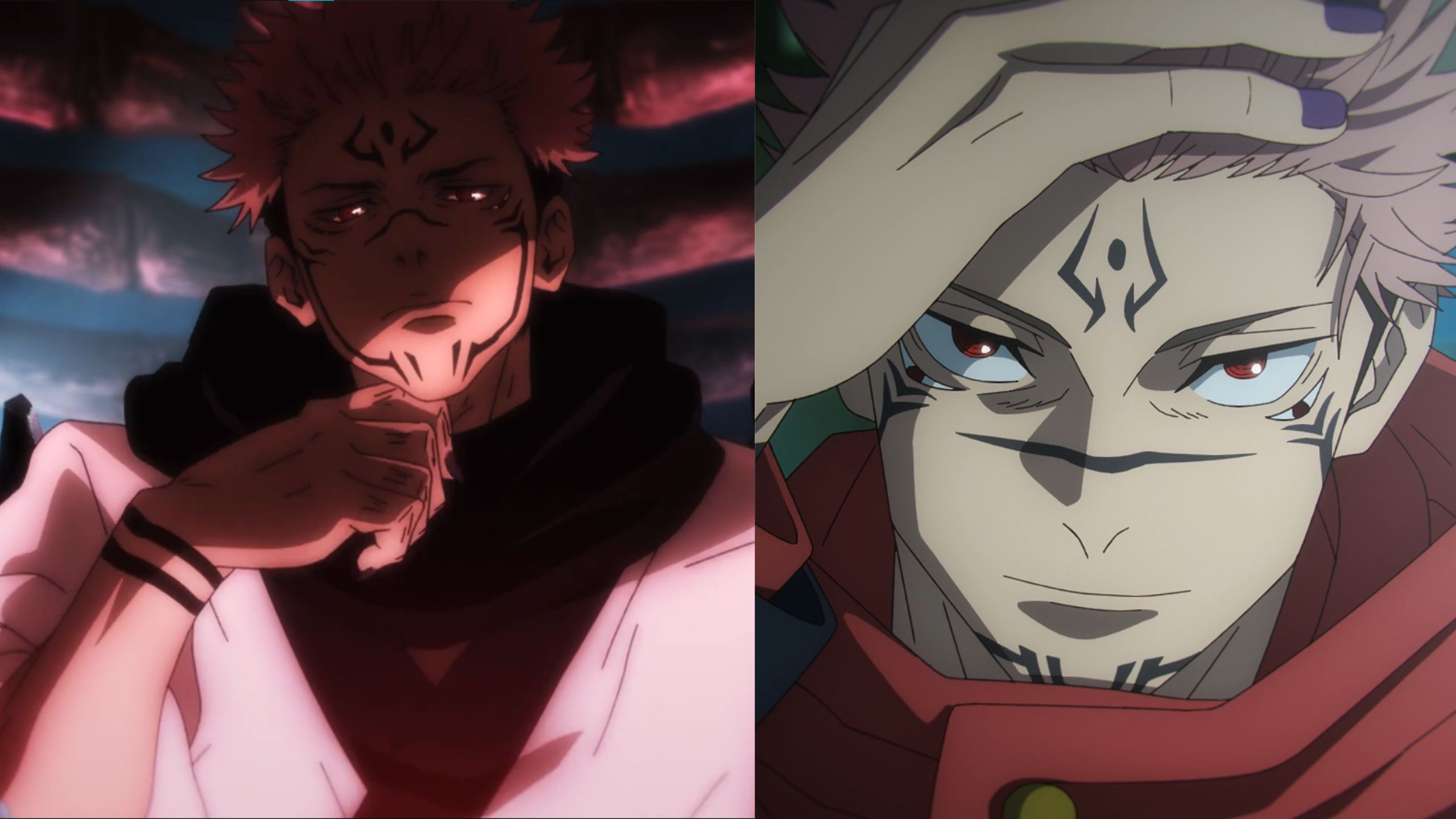
Yuji Itadori And Sukuna (Viz Media)
The fight is electrifying, showcasing not only Yuji’s incredible combat abilities but also his growth as a person.
In these volumes, Yuji pulls out all the stops, using his Reverse Cursed Technique, barrier techniques, and his innate techniques Blood Manipulation and Sukuna’s Shrine to overwhelm Sukuna.
Each of these techniques is a testament to Yuji’s growth as a sorcerer, demonstrating that he is no longer the inexperienced fighter he once was.
One of the most significant aspects of this battle is Yuji’s mastery of the Reverse Cursed Technique.
This technique, which allows him to heal his wounds and strengthen his body in the heat of battle, proves to be a key factor in his victory over Sukuna.
The battle between them becomes a showcase of Yuji’s strategic mind and his ability to adapt to the situation, using his skills not just to attack but also to protect himself and his allies.
Alongside Yuji’s abilities, the support of his allies is instrumental in this battle. Megumi Fushiguro, one of Yuji’s closest friends, plays a pivotal role in the conflict.
Sukuna, always looking for ways to exploit weaknesses, attempts to manipulate Megumi’s body as a means of regaining control.
However, Megumi’s internal struggle and his own desire to protect those he cares about weaken Sukuna’s hold, and his efforts to control Megumi are thwarted by Yuji’s determination.
This alliance between Yuji and Megumi, two characters who have grown together throughout the series, serves as a powerful reminder of the importance of friendship and unity in the face of overwhelming adversity.
It is through their combined efforts that Sukuna’s influence is weakened, and it is through Yuji’s unwavering resolve that Sukuna is ultimately defeated.
Defeat of Sukuna: A Moment of Redemption and Justice
In the climactic moment of their battle, Yuji delivers a devastating Black Flash strike, one of the most powerful techniques in his arsenal.
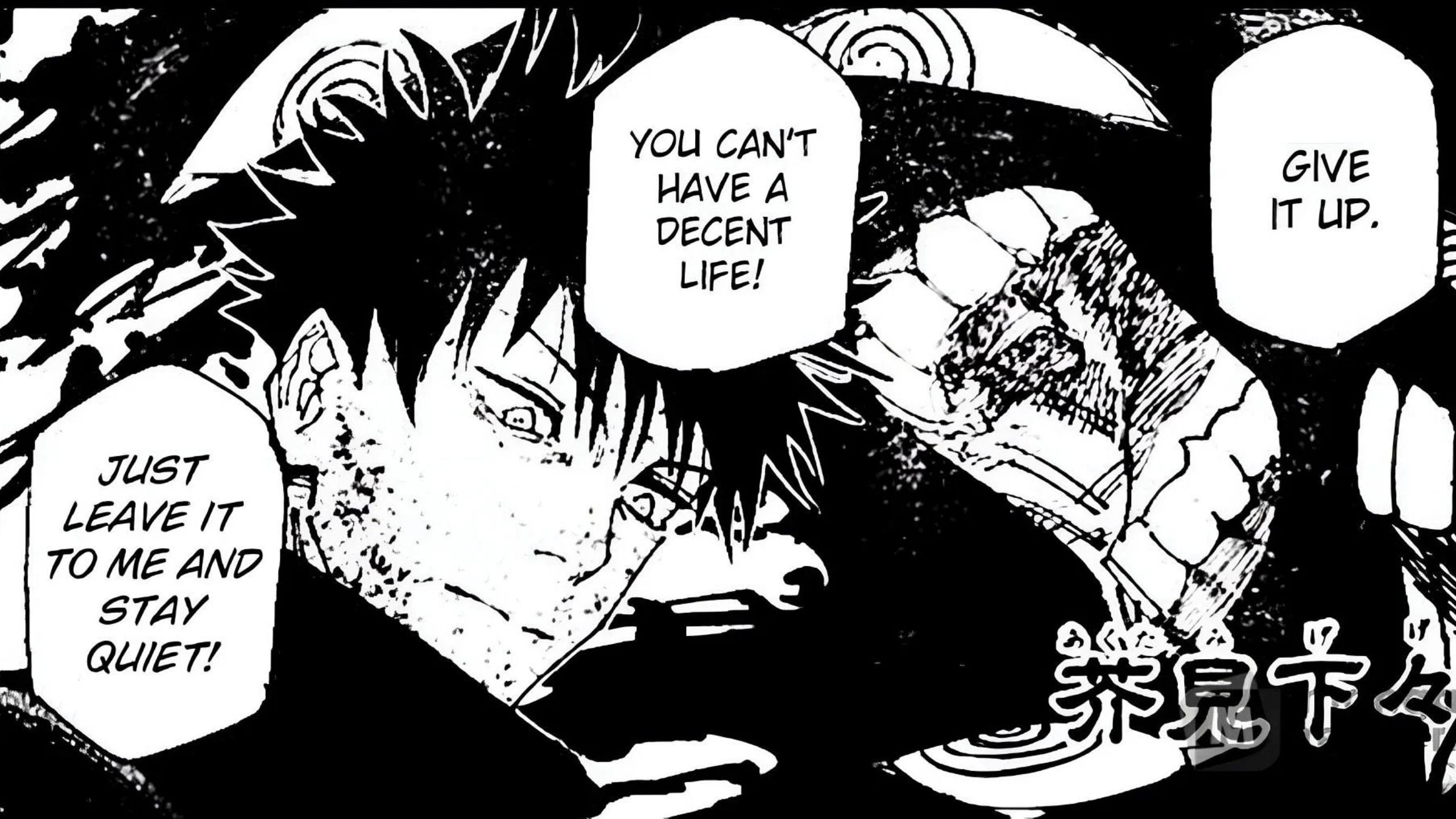
Megumi Vs Sukuna (Shueisha)
The strike obliterates Sukuna, ripping the King of Curses from Megumi’s body and leaving him a powerless, slime-like form.
This moment is the culmination of Yuji’s journey, not just as a sorcerer but as a person. Sukuna, who once represented destruction and chaos, is now reduced to a powerless shell of his former self.
The defeat of Sukuna is not just a physical victory it is a moral and symbolic triumph.
Throughout the series, Sukuna has represented the darker side of human nature the desire for power, destruction, and control.
In contrast, Yuji has embodied the values of compassion, redemption, and justice. Even in the face of Sukuna’s refusal to change or seek redemption, Yuji never wavers in his belief that there is always the possibility of salvation.
His desire to offer Sukuna a chance at redemption, even when the curse rejects it, speaks volumes about Yuji’s character.
This thematic exploration of redemption is central to Jujutsu Kaisen’s narrative. Yuji’s victory over Sukuna is not just about defeating an enemy it is about proving that redemption is possible, even for the most destructive forces.
It is a powerful message about the value of humanity, compassion, and the belief that change is always possible, no matter how dark the circumstances may seem.
Yuji’s Role as a True Hero
Yuji’s victory over Sukuna serves as the culmination of the series’ exploration of what it means to be a hero. In the Jujutsu Kaisen world, heroism is not defined by physical strength or the ability to destroy enemies.
Rather, it is about the ability to protect others, to stand firm in the face of overwhelming adversity, and to maintain one’s humanity in the midst of chaos.
Yuji’s character embodies these ideals, and his victory over Sukuna is a testament to the triumph of the human spirit.
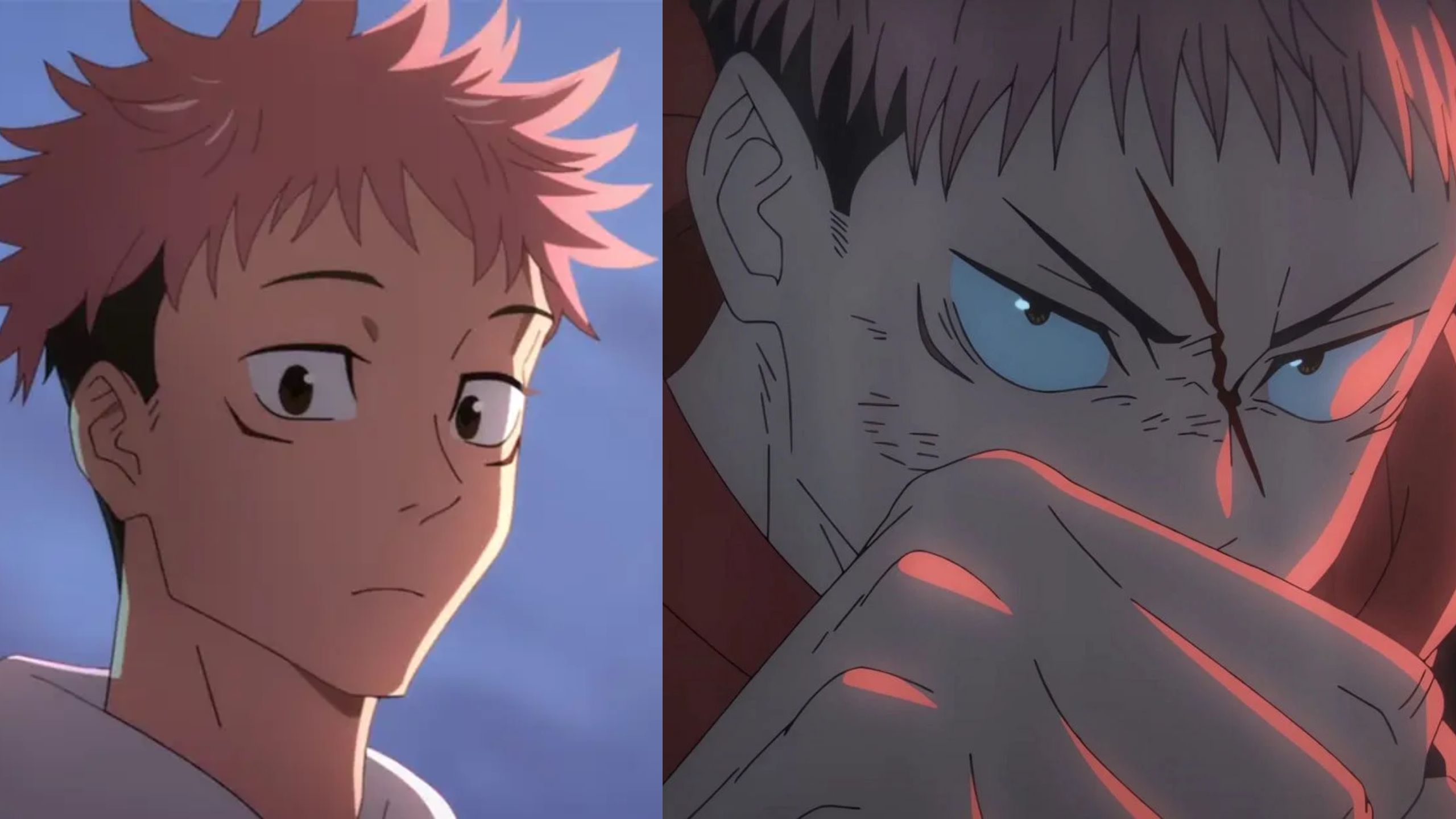
Yuji Itadori From Jujutsu Kaisen (MAPPA)
At the heart of Yuji’s journey is the theme of redemption. From the very beginning, Yuji has struggled with the weight of his actions and the curse within him.
He has constantly questioned whether he is worthy of the power he possesses and whether he can truly make a difference in the world.
But through his struggles, Yuji comes to realize that being a hero is not about perfection it is about the willingness to fight for what is right, even when the odds are against you.
In his defeat of Sukuna, Yuji proves that he is not just a vessel for the curse. He is a hero in his own right, capable of standing up to the darkness that Sukuna represents and offering a glimmer of hope in a world filled with despair.
Yuji’s victory is a celebration of the power of humanity, and it reinforces the idea that even in the darkest of times, redemption and justice are within reach.
A Full Circle Moment for Yuji and Sukuna
The events of Jujutsu Kaisen volumes 29 and 30 mark the culmination of an epic narrative arc that has been years in the making.
The shift in the dynamic between Yuji and Sukuna represents not only Yuji’s growth as a sorcerer but also the triumph of his humanity over the destructive force that Sukuna embodies.
The role reversal between the two characters symbolizes the evolution of Yuji’s strength, both physical and moral, and highlights the central themes of the series: redemption, justice, and the triumph of the human spirit.
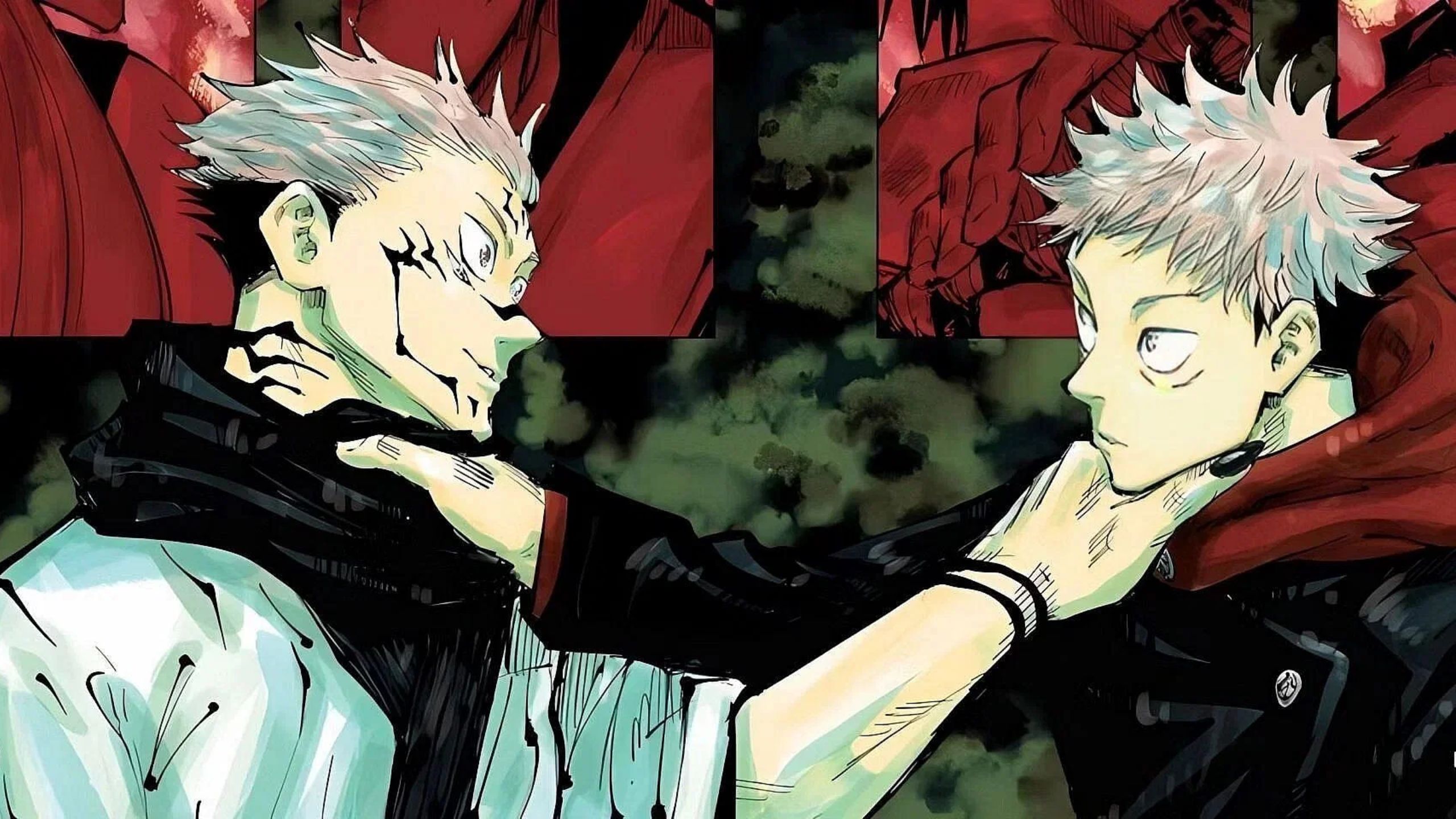
Sukuna and Yuji (Image via Shueisha)
As the series continues to unfold, Yuji’s journey is far from over. His triumph over Sukuna is just the beginning of a new chapter, one that promises to go even deeper into the complexities of his character and the world around him.
Jujutsu Kaisen has proven time and again that it is not just a story about fighting curses it is a story about what it means to be human, and the lengths we are willing to go to protect those we love and fight for what is right.
The journey of Yuji Itadori is one that is bound to resonate with fans for years to come, and as the series moves forward, the full impact of his victory over Sukuna will continue to shape the narrative in profound and meaningful ways.
Demon Slayer is a series that masterfully combines intense action, emotional depth, and interesting storytelling, particularly when it comes to its central warriors, the Hashira.
These elite fighters are the backbone of the Demon Slayer Corps, representing the highest level of skill and dedication in the battle against demons.
Yet, their strength does not shield them from the inevitability of loss and sacrifice.
Their deaths are some of the most profound moments in the series, leaving an indelible mark on viewers with scenes that are as visually stunning as they are emotionally devastating.
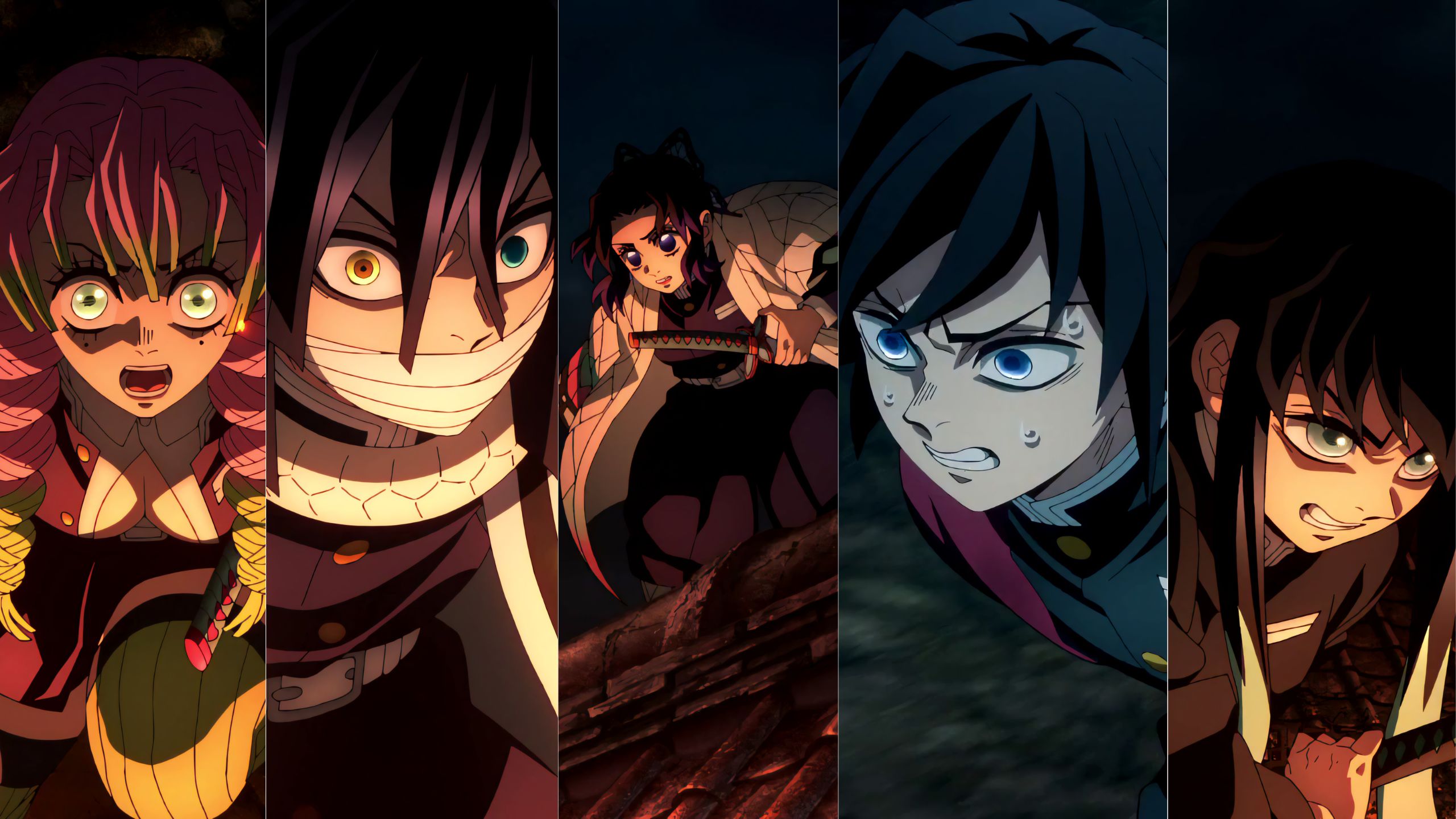
All Hashira’s Assembles After Hearing Attack On (Image By Ufotable)
For the Hashira, dying in battle is almost expected, given their dangerous mission.
However, these deaths are far more than just endings for powerful warriors; they are poignant reminders of the incredible burdens these heroes carry.
Each Hashira’s death is crafted with meticulous care, highlighting themes of honor, resilience, and a fierce dedication to protecting humanity.
Their sacrifices are etched into the hearts of fans not only because of their bravery but also because each farewell is a farewell to a character who brought their unique strengths and perspectives into the Demon Slayer Corps.
Understanding the Hashira’s Role in Demon Slayer
To truly appreciate the impact of the Hashira’s deaths, it is essential to understand who they are and the roles they play within Demon Slayer .
The Hashira are the top-ranking warriors of the Demon Slayer Corps. They are masters of specialized “Breathing Techniques,” which allow them to wield extraordinary powers in battle.
Each Hashira represents a unique form of combat, tied to an elemental theme that enhances their abilities and reinforces their individuality within the Corps.
The Hashira are not merely fighters; they are symbols of hope and security for a world terrorized by demons.
The presence of a Hashira in a battle often signifies that a significant and possibly deadly confrontation is underway.
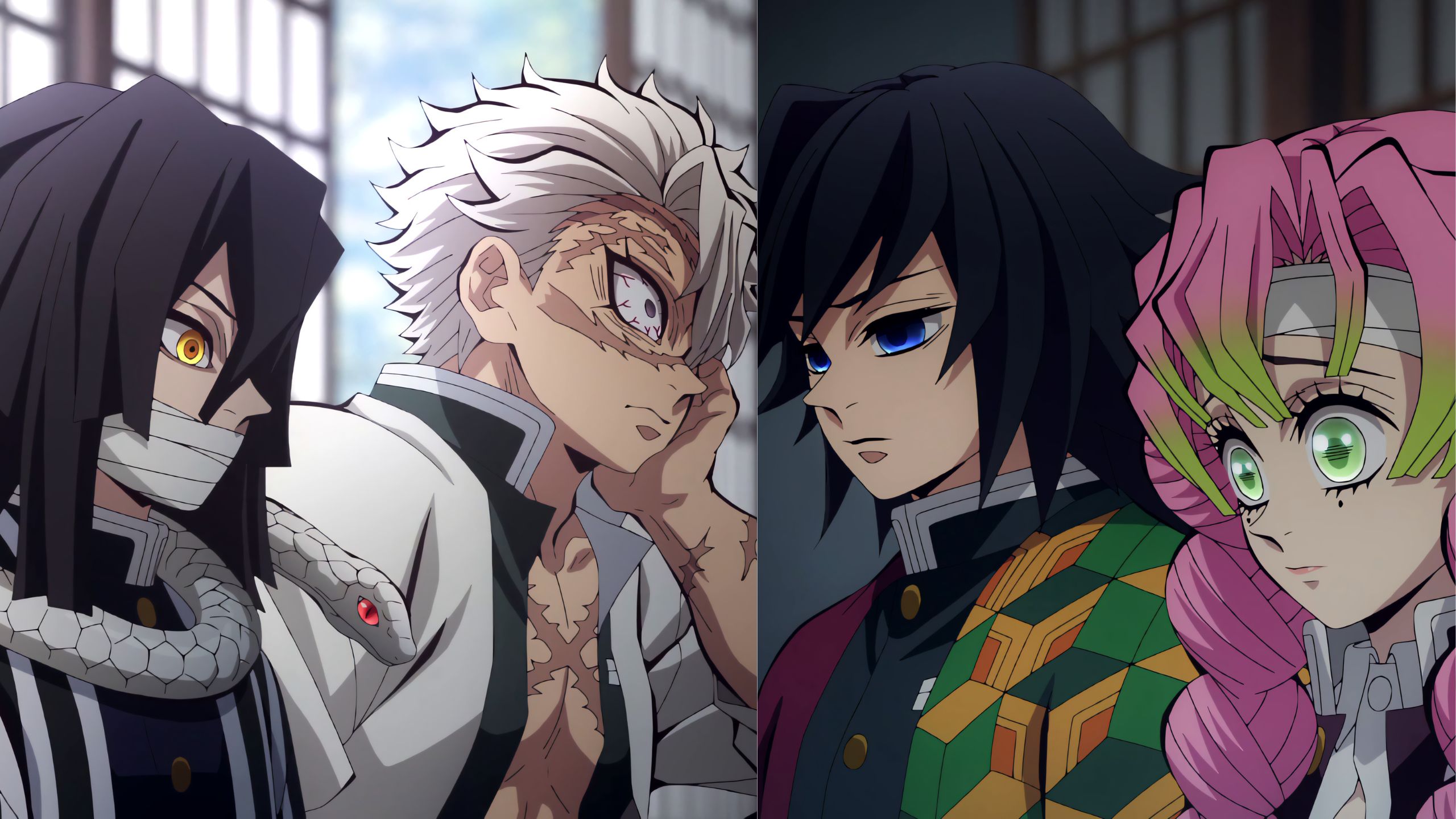
Hashira’s Discussing About Leaving Guards For Ubuyashiki’s Protection (Image By Ufotable)
This intense responsibility pushes each Hashira to the limits of their physical and mental endurance, and each member brings their own approach to this duty.
They face battles with an unwavering resolve, even when it becomes clear that their lives are at risk.
Each Hashira’s journey is marked by personal tragedy and hardship, and these experiences fuel their relentless drive to protect humanity.
The Unyielding Will of the Hashira
What sets the Hashira apart is their unbreakable spirit. Despite facing nearly impossible odds, they remain steadfast in their mission.
For them, the thought of retreat is inconceivable. They know that failure often means the death of innocent people, and they are willing to sacrifice everything for the greater good.
This commitment improvises their deaths from mere losses to symbolic representations of the price of heroism.
In Demon Slayer, each Hashira’s death is portrayed with a balance of tragedy and honor. The narrative makes it clear that these warriors are not invincible, but their resolve in the face of death transforms their final moments into inspiring acts of courage.
The series does not hold back in showing the brutal toll their battles take on their bodies, but their willingness to face this pain head-on is a testament to their character.
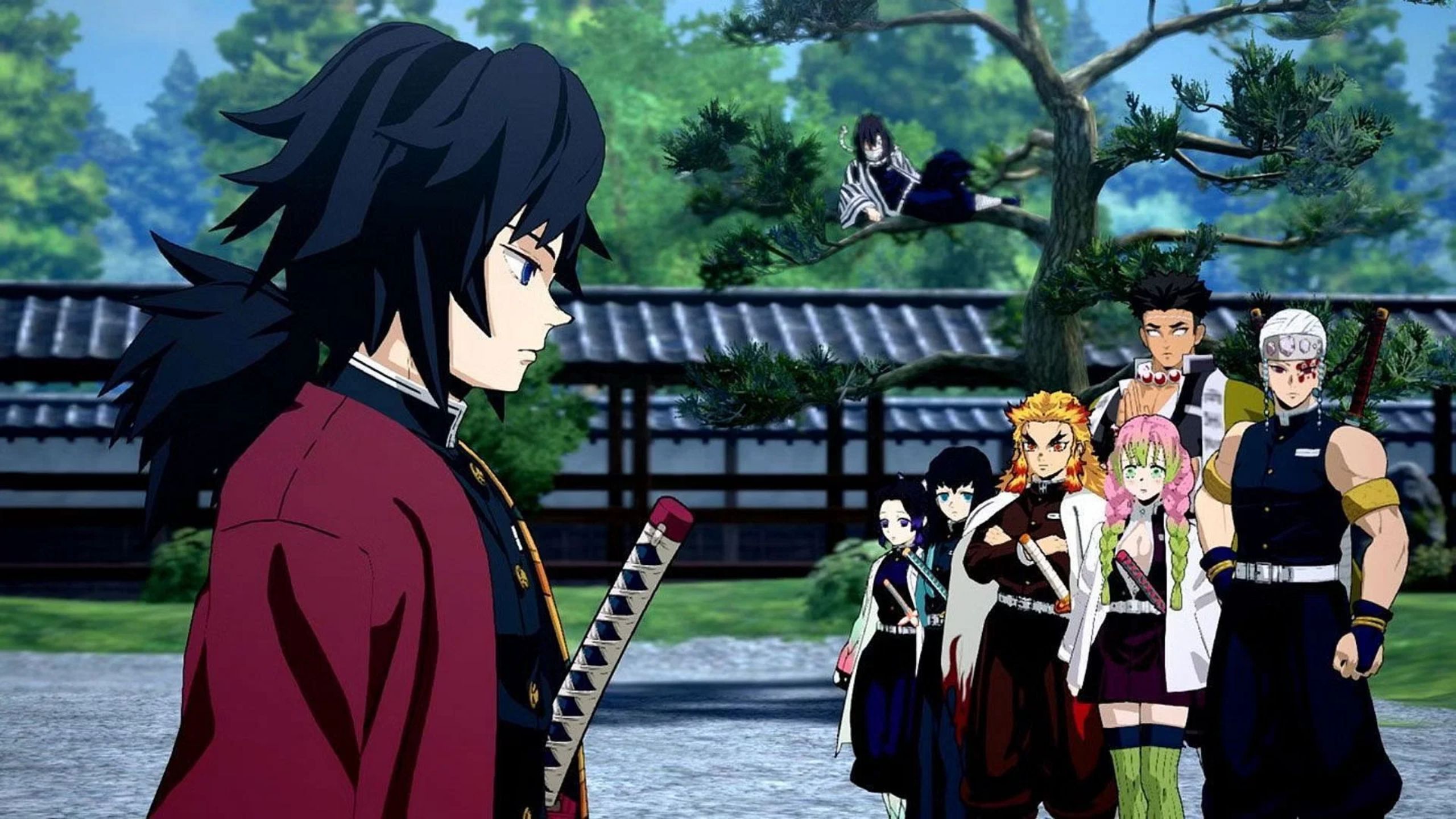
The Hashiras (Studio Ufotable)
Each Hashira’s death reinforces the idea that, while their physical forms may perish, their ideals and sacrifices live on, immortalized in the memories of those who survive.
Shinobu Kocho’s Heroic Yet Tragic End
One of the most unforgettable deaths in Demon Slayer is that of Shinobu Kocho, the Insect Hashira.
Shinobu’s personality is gentle yet sharp, and her approach to battle reflects her intelligence and tactical mind.
Unlike the other Hashira, she is physically weaker, yet she compensates for this with an unmatched level of poison mastery.
Her battle style revolves around agility, precision, and the use of a unique poison that she developed to exploit the demons’ weaknesses.
Her dedication to avenging her sister’s death fuels her intense hatred for demons, but she balances this hatred with a profound desire to protect her comrades.
Shinobu’s death is both gruesome and emotionally charged. She confronts Doma, one of the most powerful Upper Rank demons and the one responsible for her sister’s death.
Shinobu’s final moments are marked by intense suffering as Doma crushes her spine, rendering her unable to move, and absorbs her in a harrowing act witnessed by Kanao Tsuyuri, her apprentice.
Despite her terrifying end, Shinobu’s death holds a deep sense of purpose. She faces her demise with a defiant smile, knowing she has devised a final plan to weaken Doma by filling her body with a lethal dose of poison.
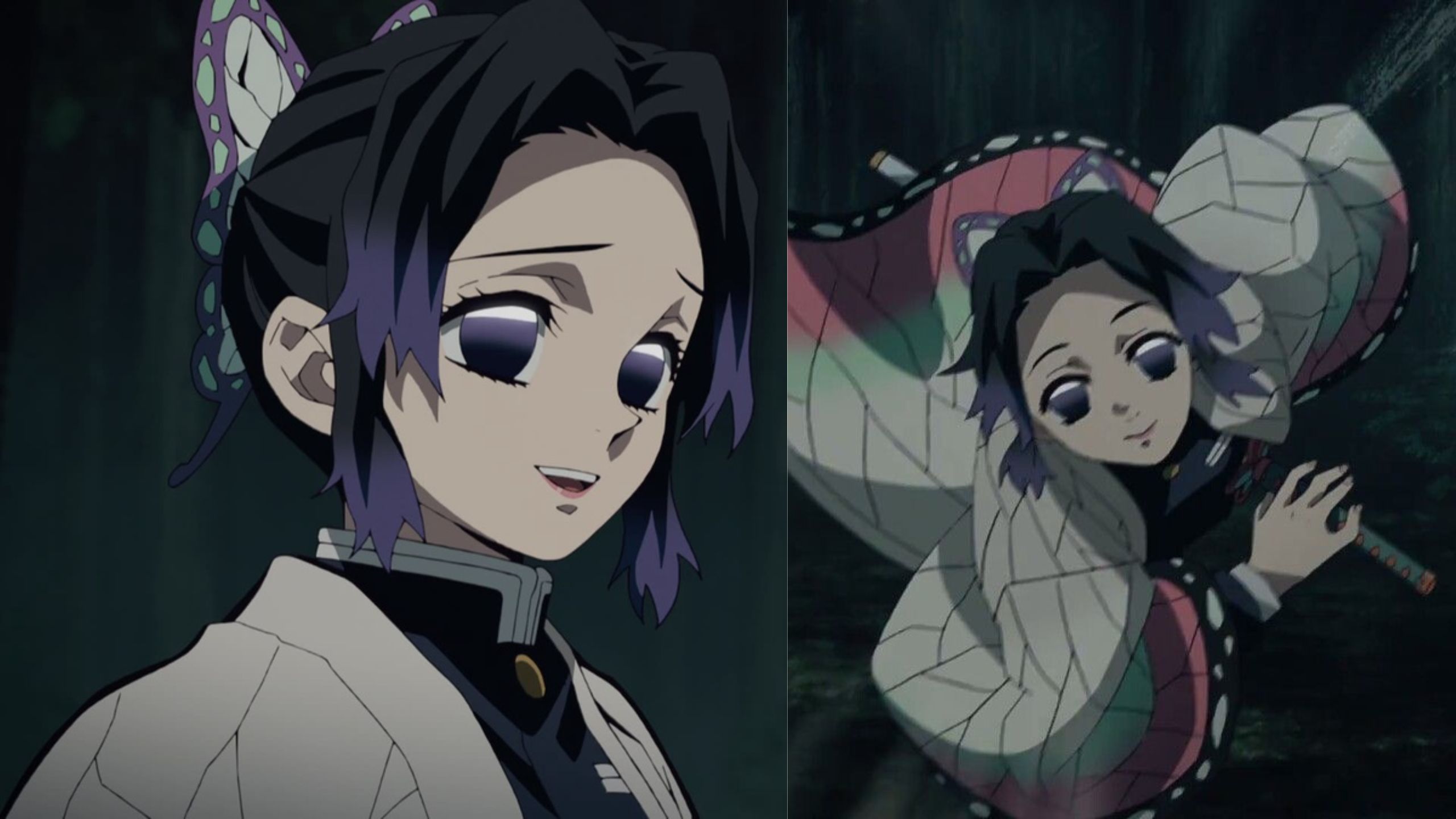
Shinobu Kocho From Demon Slayer (Studio Ufotable)
This moment summarizes Shinobu’s complex character: she is cunning, brave, and unyielding even in the face of death.
Her death is a painful reminder of the personal sacrifices Hashira makes, but it also emphasizes her resolve to protect those she cares about.
Shinobu’s legacy lives on in Kanao, who carries forward her mentor’s teachings and determination.
Mitsuri Kanroji: The Love Hashira’s Final Stand
Mitsuri Kanroji, the Love Hashira, embodies a warmth and optimism that sets her apart from the other Hashira.
Her bubbly personality and genuine kindness are juxtaposed with her immense physical strength, which makes her a formidable opponent in battle.
Mitsuri’s unique breathing technique, Love Breathing, allows her to move with a speed and flexibility that enhances her deadly attacks.
Her strength lies not only in her combat skills but in her compassion, which drives her to fight for the safety of others.
In her final battle, Mitsuri confronts Muzan Kibutsuji, the demon responsible for all the suffering caused by demons.
Mitsuri’s death is particularly painful to witness, as she loses both her arms in the brutal confrontation but continues to fight.
Her determination to protect her friends and humanity remains unshaken, even as her body is breaking down.
Mitsuri’s final moments are a testament to her love for her comrades and her unbreakable spirit. She fights not out of a desire for revenge, but out of a genuine desire to protect those she cares about.
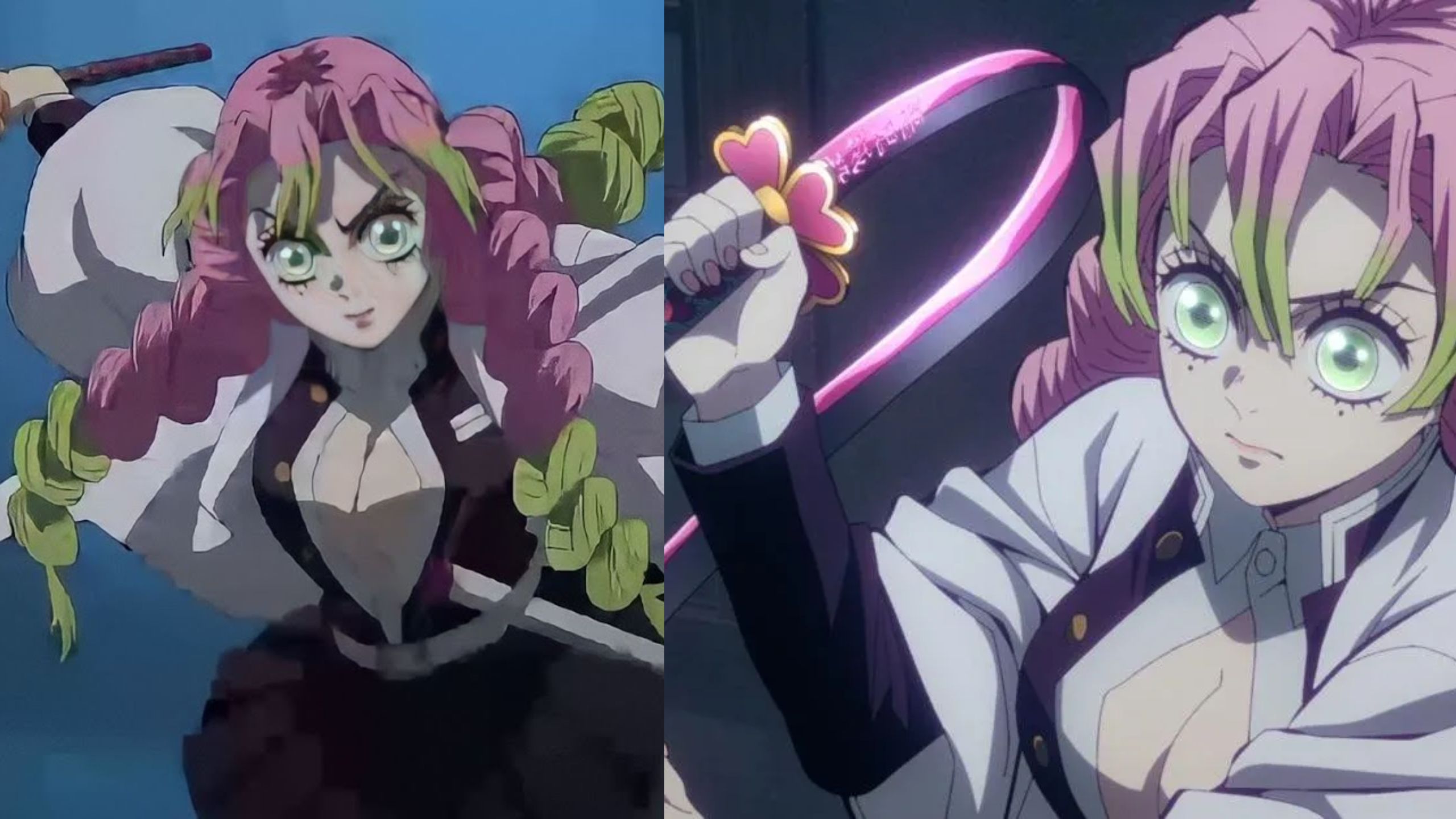
Mitsuri Kanroji From Demon Slayer (Studio Ufotable)
Mitsuri’s death is a powerful moment because it highlights the strength of her spirit in the face of insurmountable odds.
Her love for her comrades is evident even in her final moments, making her death not only the loss of a powerful warrior but also the loss of a beloved friend.
Mitsuri’s legacy is one of compassion, bravery, and a willingness to face any danger to protect those she loves.
Muichiro Tokito: The Young Prodigy’s Ultimate Sacrifice
Muichiro Tokito, the Mist Hashira, is one of the youngest and most talented members of the Demon Slayer Corps.
Despite his young age, Muichiro possesses an incredible strength and skill that make him a formidable Hashira.
His past is filled with trauma, having lost his family to demons, and this has shaped his personality and dedication to the Corps.
Muichiro’s Mist Breathing technique is unique, allowing him to confuse and overwhelm his opponents with illusions and swift attacks.
Muichiro’s death is one of the most tragic and heroic in the series. He faces Kokushibo, one of the most powerful Upper Rank demons, in a battle that pushes him to his physical and mental limits.
Despite enduring severe injuries, Muichiro refuses to give up, determined to protect his comrades and fulfill his duty as a Hashira.
His final moments are marked by an unwavering resolve to defeat Kokushibo, even as his life slips away.
Muichiro’s death is a powerful reminder of the cost of heroism. Despite his young age, he exhibits a level of maturity and bravery that is awe-inspiring.
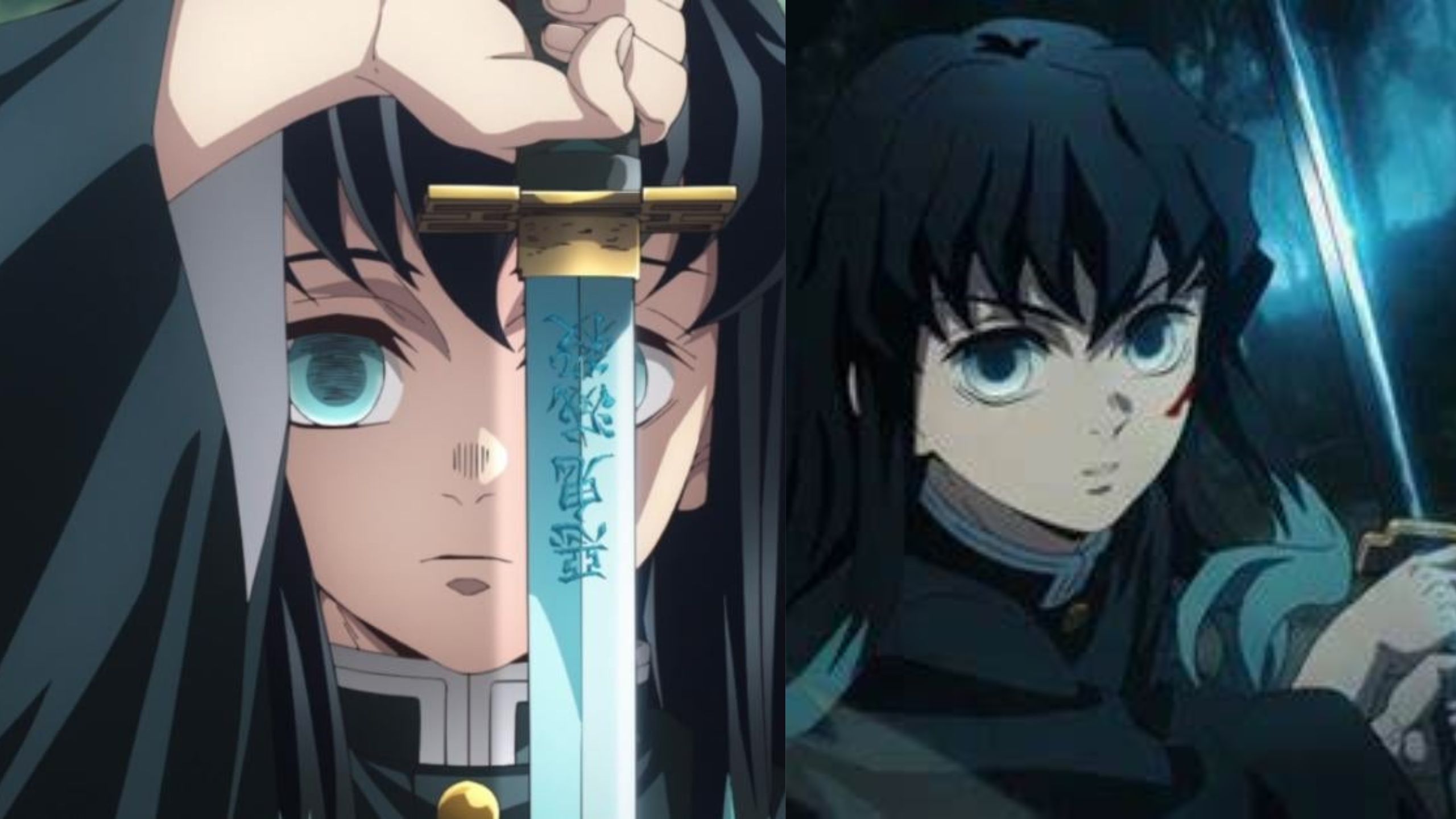
The Mist Hashira – Muichiro Tokito (Crunchyroll)
His death is not just the loss of a talented warrior but the loss of a young soul who had already endured more pain than most.
Muichiro’s legacy lives on in the hearts of those he fought alongside, serving as a reminder of the strength and courage of the Demon Slayer Corps.
Gyomei Himejima: The Stoic Stone Hashira’s Peaceful End
Gyomei Himejima, the Stone Hashira, is one of the most physically imposing members of the Demon Slayer Corps.
Despite his intimidating appearance, Gyomei is gentle and compassionate, traits that define his approach to life and battle.
His past is filled with hardship, and he has experienced loss and suffering that have shaped his stoic and wise demeanor.
Gyomei’s Stone Breathing technique allows him to harness immense strength, making him a powerful force on the battlefield.
Gyomei’s death is a bittersweet moment in Demon Slayer. He faces Kokushibo in a battle that costs him his life, but he meets his end with a sense of peace and acceptance.
Gyomei’s final moments are marked by a quiet strength, as he reflects on his life and the sacrifices he has made for the Corps.
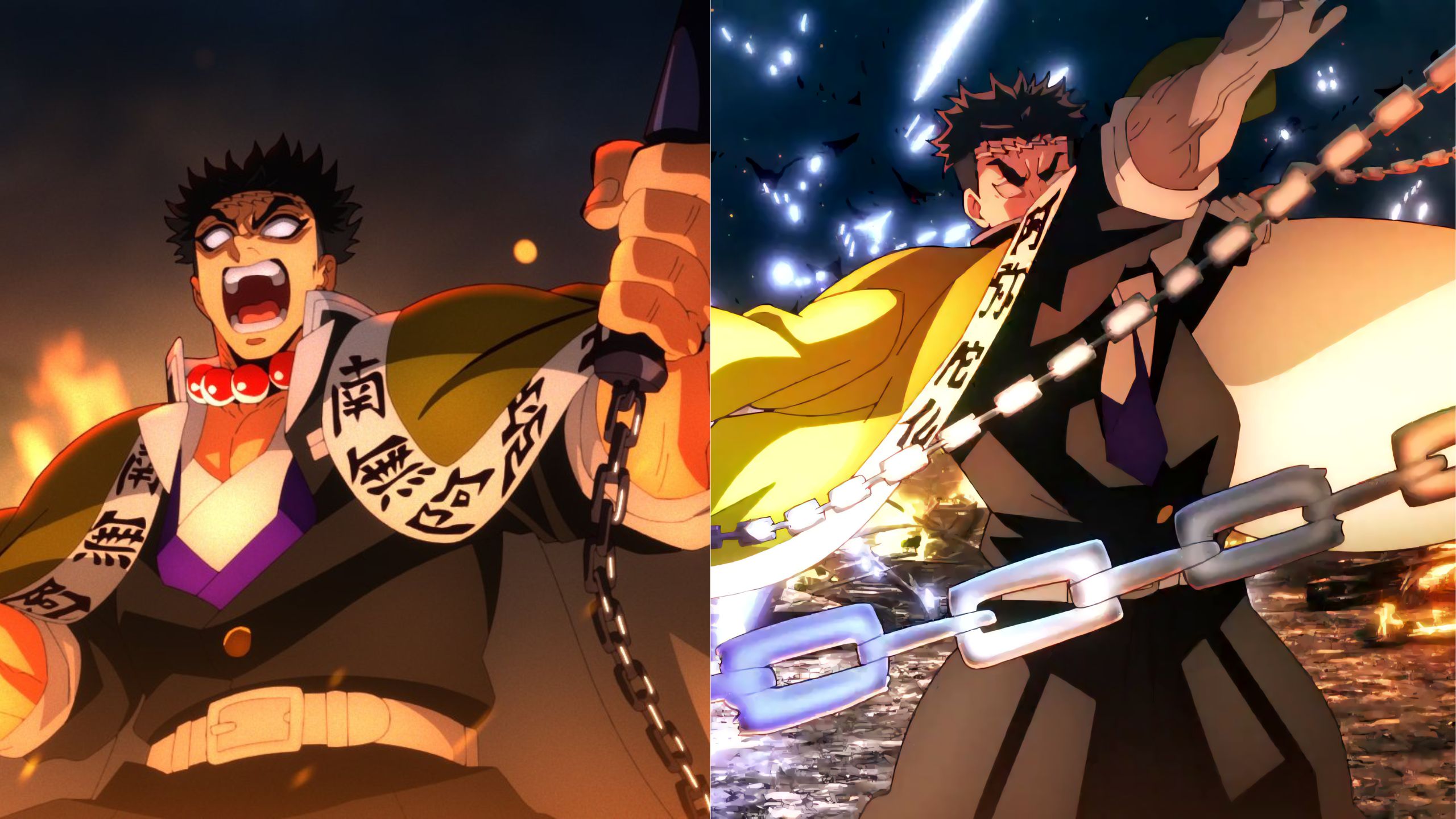
Himejima Gyomei Encounters Muzan (Image By Ufotable)
His death is not as graphic as some of the other Hashira’s, but it is no less impactful, as it represents the end of a life dedicated to protecting humanity.
Gyomei’s death is a testament to his unbreakable spirit and his dedication to the Corps.
His legacy is one of resilience, compassion, and strength, and his death serves as a reminder of the sacrifices that the Hashira are willing to make for the greater good.
Gyomei’s memory lives on in the hearts of those he fought alongside, and his sacrifice is a powerful reminder of the cost of heroism.
Tengen Uzui and Kyojuro Rengoku: The Unyielding Flame and Sound
Tengen Uzui and Kyojuro Rengoku are two Hashira whose deaths are marked by an unyielding determination to protect humanity.
Tengen, the Sound Hashira, is known for his flamboyant personality and his incredible strength.
His Sound Breathing technique allows him to use sound waves to enhance his attacks, making him a formidable opponent in battle.
Despite his injuries, including the loss of an arm, Tengen continues to fight with a fierce determination, unwilling to back down in the face of danger.
Kyojuro Rengoku, the Flame Hashira, is one of the most beloved characters in Demon Slayer . His death in the battle against Akaza is one of the most heartbreaking moments in the series.
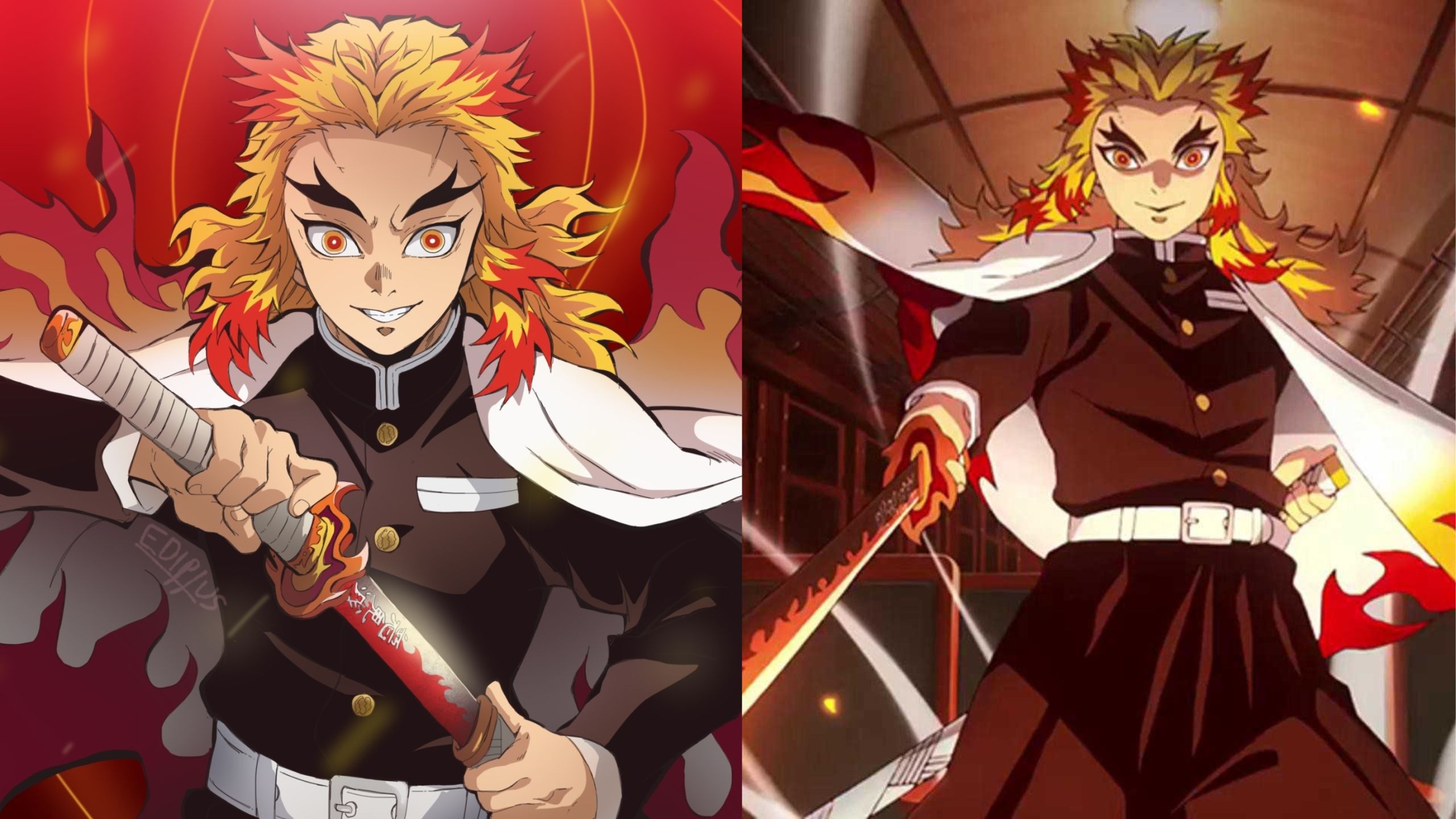
Kyojuro Rengoku (Crunchyroll)
Kyojuro’s unwavering resolve and his commitment to protecting the innocent make him a true hero. His death is a powerful reminder of the sacrifices that the Hashira are willing to make for the greater good.
Both Tengen and Kyojuro’s deaths serve as reminders of the strength and courage of the Hashira.
Their unyielding determination to protect humanity, even at the cost of their own lives, is a testament to their character.
Their deaths are not just losses for the Demon Slayer Corps but for the entire world, as they represent the best of what humanity has to offer.
The Legacy of the Hashira
The deaths of the Hashira are not just moments of loss; they are powerful testaments to the strength, courage, and resilience of the Demon Slayer Corps.
Each Hashira’s death serves as a reminder of the sacrifices that these warriors are willing to make for the greater good.
Their deaths are not just losses for the Demon Slayer Corps but for the entire world, as they represent the best of what humanity has to offer.
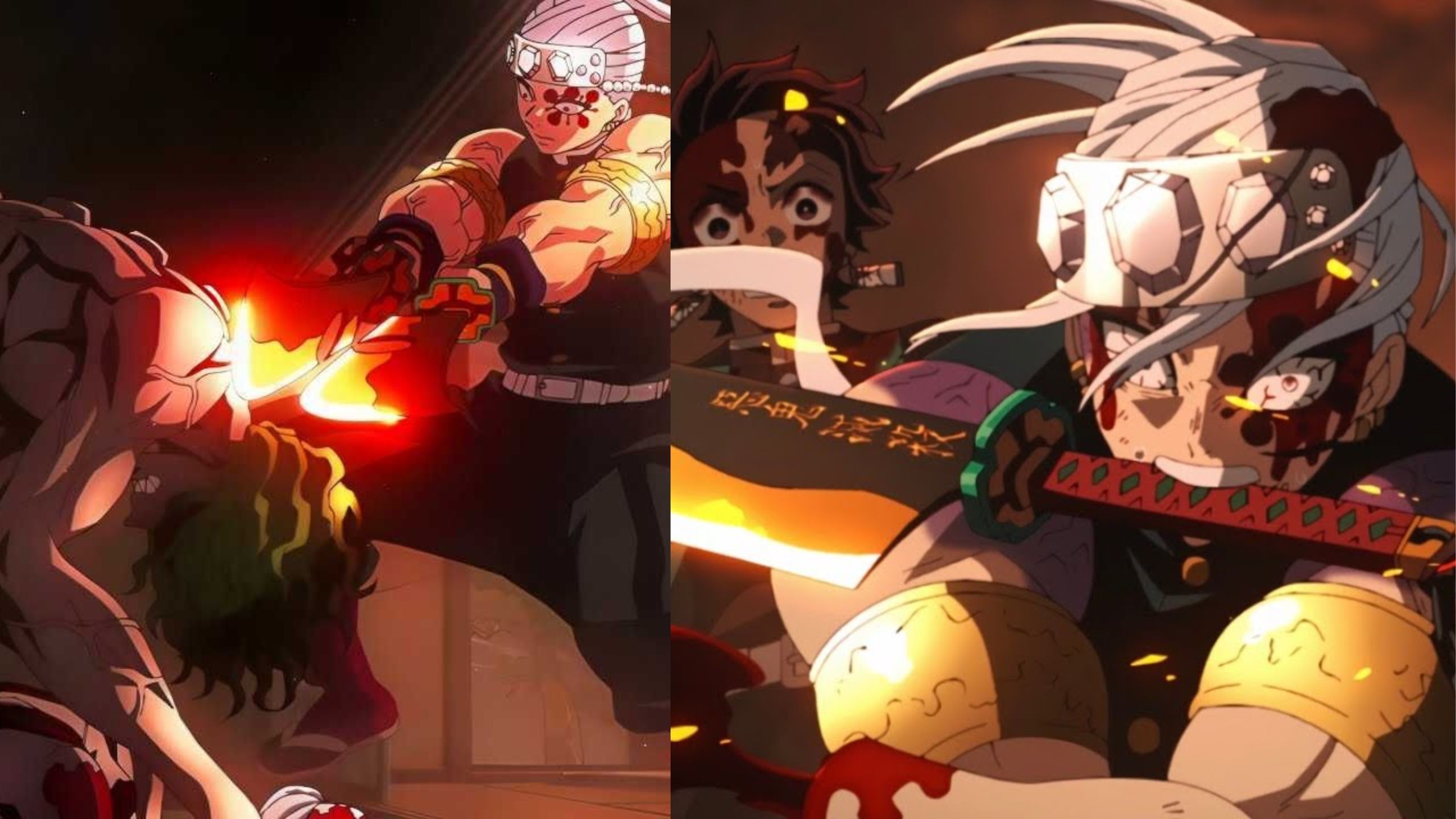
Tengen Uzui vs Gyutaro (Via Ufotable)
In Demon Slayer, the legacy of the Hashira lives on in the memories of those they protected.
Their sacrifices are not forgotten, and their courage continues to inspire new generations of demon slayers.
The Hashira’s deaths serve as powerful reminders of the strength and courage of the human spirit, and their legacy will live on for generations to come.
