Who knew that Julia Louis-Dreyfus, armed with a pair of garden shears, battling Death in the form of a bird, could create such a touching and emotional experience? Tuesday, released in 2024, stands as one of the most beautifully shot and magical films of the year.
Unfortunately, it didn’t get the recognition it deserved upon release. Directed by Daina O. Pusić, the movie features British actor Lola Petticrew as Dreyfus’ terminally ill daughter, and Arinze Kene as the voice of Death.
The film, produced by A24, received high praise from critics for its surreal and visually striking portrayal of death, as well as Dreyfus’ deeply moving performance as a mother facing her own fears of dying.
While it didn’t draw much attention at the box office, Tuesday remains one of 2024’s most beautiful and profound films. Dreyfus delivers a powerful performance under Pusić’s direction, creating a film that is unexpectedly hopeful and thoughtful about death.
What is Tuesday About?
Tuesday tells the story of Zora, an American businesswoman living in London, played by Julia Louis-Dreyfus. Zora lives with her 15-year-old daughter, Tuesday (Lola Petticrew), who is terminally ill with cancer. Instead of spending time with her dying daughter, Zora chooses to avoid her.
She spends her days sitting in coffee shops or on park benches, keeping herself as far away as possible from Tuesday. Meanwhile, a nurse named Billie (Leah Harvey) has been hired to take care of Tuesday. As Zora keeps herself distracted, Billie forms a close bond with the sick teenager.
The film takes a turn when Tuesday nears the end of her life. Death arrives to take her, but not in the form we usually imagine. In Tuesday, Death takes the shape of a parrot, with Arinze Kene providing the voice of this unusual Grim Reaper. Surprisingly, Tuesday and the parrot become friends.
Death agrees to wait for Zora to return home before he takes Tuesday. But when Zora finally comes home and discovers Death in their house, she reacts in a way only a desperate mother would. Instead of facing the reality of her daughter’s impending death, Zora tries to kill Death itself.

Still from Tuesday (Credit: A24)
Armed with whatever she can find, including garden shears and a shovel, she battles the bird, attempting to destroy it and save her daughter. However, things don’t go as planned, and Zora ends up facing the consequences of her actions, having to take on Death’s duties for a day.
Julia Louis-Dreyfus Delivers a Stunning Performance
Julia Louis-Dreyfus is known for her iconic roles in comedy, from her portrayal of Elaine Benes in Seinfeld to her award-winning role as Selina Meyer in Veep. In Tuesday, she steps away from her usual comedic roles to deliver a deeply emotional and raw performance.
As Zora, Dreyfus plays a woman who is lost in her misery. She is afraid of death, yet she can’t bring herself to face life either. The character is filled with unease, and her sadness is evident in every scene. With a permanent grimace and slouched posture, Zora walks through the streets of London like a ghost, avoiding any connection with the world around her.
Dreyfus’ performance is striking in its subtlety. She doesn’t rely on dramatic gestures or loud outbursts. Instead, her portrayal of Zora is quiet and controlled, showing the pain of a woman who has forgotten how to live but is terrified of dying.
This marks a significant shift from the energetic and often sarcastic characters Dreyfus has played in the past. In Tuesday, she strips away much of her comedic persona to reveal a mother who is numb, disconnected, and full of regret.
The emotional peak of the film comes in a scene on the beach, where Zora finally allows herself to feel the weight of everything she has been holding inside. After spending the majority of the film trying to avoid her emotions, Zora breaks down and faces the reality of her daughter’s illness.
In this powerful scene, Zora confronts Death and is finally able to face her daughter, reassuring her that she will be okay after she passes. This moment is beautifully filmed by Pusić, using a series of close-up shots to capture every tear and expression on Dreyfus’ face. It’s a heart-wrenching scene and one of Dreyfus’ most memorable performances on screen.
Tuesday Combines Dark Comedy and Fantastical Elements
While Tuesday is a film about death and loss, it also contains elements of dark comedy. Daina O. Pusić, the director, masterfully balances the heavy themes of the film with moments of absurdity and humor. This blend of tragedy and comedy makes the film stand out, offering viewers a unique and surreal take on death.
One of the most memorable scenes is Zora’s battle with Death in her garden. Armed with garden tools, Zora tries to defeat the parrot, setting it on fire, beating it with a shovel, and even swallowing it whole.
The scene is absurd and over-the-top, but it works because of Dreyfus’ impeccable comedic timing and the cleverness of Pusić’s script. What should feel tragic becomes strangely humorous, as Zora’s desperate attempt to fight off Death becomes almost slapstick in its execution.
Dreyfus was the perfect choice for this role because of her natural ability to balance comedy and drama. In an interview with The New Yorker, Dreyfus spoke about the emotional weight of the role and how it pushed her as an actor.
“You have to flirt emotionally with stuff in a very real way to give authenticity to a performance, and it was a hard thing to do. And it was a hard thing to recover from after,” she said. Dreyfus’ ability to tap into both the humor and sadness of the situation gives the film a unique tone, where viewers can laugh even in the face of death.
Pusić’s direction is a key element in the film’s success. She handles the delicate balance of tragedy and comedy with care, ensuring that the film’s emotional moments are never overshadowed by its more humorous ones.
The fantastical elements of the story, such as the personification of Death as a parrot, add a layer of surrealism to the film.
But instead of making the story feel disconnected from reality, these fantastical elements help to deepen the emotional impact. The parrot’s friendly yet foreboding presence becomes a symbol of the inevitable, and Zora’s battle against it is both absurd and meaningful.
Tuesday Is a Beautiful and Thoughtful Reflection on Death
Tuesday takes on a subject that many films shy away from—death. Instead of presenting death as something to fear, the film portrays it in a way that feels both comforting and hopeful. Through its surreal imagery and unique narrative, the film encourages viewers to think about death not as an end, but as a part of life.
The relationship between Tuesday and Death is one of friendship, showing that even in the face of something as final as death, there can be connection and understanding.
Zora’s journey throughout the film is one of self-discovery. She starts the film in denial, unable to face the reality of her daughter’s illness or her own fears of death. But by the end, she is forced to confront her deepest fears. Her battle with the parrot is a metaphor for her fight against accepting the inevitable.
Through this surreal and often humorous battle, Zora begins to come to terms with her daughter’s fate and her own mortality. The film ends on a hopeful note, with Zora finally able to connect with her daughter and assure her that everything will be okay, even after she’s gone.
The visuals in Tuesday are another standout aspect of the film. The cinematography captures both the gray, lifeless world that Zora moves through and the magical, surreal elements that come into play as the story unfolds.
The use of color, light, and framing helps to convey the emotional tone of the film. Pusić’s use of close-ups during key emotional moments allows viewers to feel the intensity of the characters’ emotions, drawing them deeper into the story.
Why Tuesday Deserves More Attention
Despite its critical acclaim, Tuesday struggled to gain widespread recognition at the box office. This could be due to its unconventional approach to storytelling or the fact that it deals with a heavy and often uncomfortable subject.
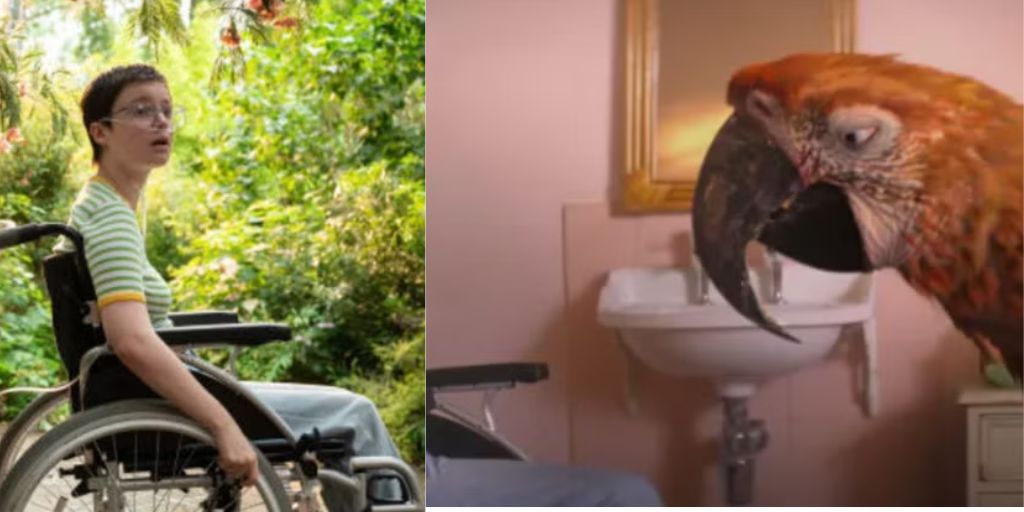
Still from Tuesday (Credit: A24)
However, for those who take the time to watch it, Tuesday offers a deeply moving and thought-provoking experience. It’s a film that stays with you long after the credits roll, prompting reflection on life, death, and the relationships we leave behind.
Julia Louis-Dreyfus’ performance alone makes Tuesday worth watching. Her ability to shift from comedy to drama easily shows her range as an actor. Under Pusić’s direction, Dreyfus gives one of her most powerful performances. The film’s unique blend of dark comedy and surreal imagery creates a viewing experience unlike any other.
For those who appreciate films that tackle difficult topics with both heart and humor, Tuesday is a must-see. It’s a film that challenges viewers to think about life and death in a new way, offering a message of hope and acceptance in the face of loss.
For several seasons, 9-1-1 has kicked off each new season with dramatic and intense emergencies that often span multiple episodes. These emergencies are always high-stakes and involve the first responders from Station 118 tackling unpredictable situations.
Season 8 continued this trend with an emergency involving a massive swarm of bees. Specifically, 22 million bees created a tornado-like situation that nearly caused a plane crash, setting a chaotic tone for the beginning of the season. This “beenado,” as fans quickly nicknamed it, posed a serious threat to everyone involved and required the station’s full attention to resolve.
However, after the conclusion of the “beenado” incident, the show swiftly shifts back to its core storylines, continuing the personal and professional arcs that have attracted fans for so long.
Episode 4 of Season 8, titled “No Place Like Home,” marks a return to the established narratives from previous seasons, almost as though the bee crisis never happened. This is a familiar format for 9-1-1, as the show often begins with a major catastrophe and then settles into the ongoing struggles and developments in the lives of its main characters.
Where Season 7 Left Off
At the end of Season 7, many of the characters were left dealing with emotional and challenging situations. The final episodes introduced a lot of tension and heartbreak that left viewers with many unanswered questions.
Among these storylines were the struggles faced by Hen Wilson (played by Aisha Hinds) and her wife, Karen Wilson (played by Tracie Thoms).
Their family was thrown into turmoil when they lost their foster license, which meant they also had to part ways with their foster daughter, Mara (Askyler Bell). This was a huge blow to the couple, as they had grown incredibly attached to Mara and wanted to provide her with a stable, loving home.
Hen and Karen’s story wasn’t the only one filled with tension. Bobby Nash (played by Peter Krause), the captain of Station 118, faced his own professional crisis.
After temporarily stepping down from his position, Bobby found himself unable to return to the 118 because his role had been filled by Captain Gerrard (played by Brian Thompson).
This left Bobby in limbo, unsure of what his future would hold within the fire department. Meanwhile, Athena Grant (played by Angela Bassett), Bobby’s wife, had to cope with the devastating loss of their home, which had burned down in a tragic accident. The fire left their family reeling, adding even more stress to their already complicated lives.
These unresolved issues set the stage for what could have been a long, drawn-out journey of emotional recovery and professional redemption. However, in a welcome twist, 9-1-1 surprised viewers by resolving some of these plotlines sooner than expected.
Instead of dragging the Wilson family’s situation or Bobby’s professional struggles through multiple episodes, the show found a way to tie them together in an impactful way in the fourth episode of Season 8.
The Wilson Family’s Struggle: Can They Reunite with Mara?
The Wilson family’s troubles began late in Season 7 when a powerful political figure, Councilwoman Ortiz (played by Veronica Falcón), launched a personal vendetta against Hen. Councilwoman Ortiz held Hen responsible for the death of her son, who died during an incident that occurred in the Season 7 premiere.
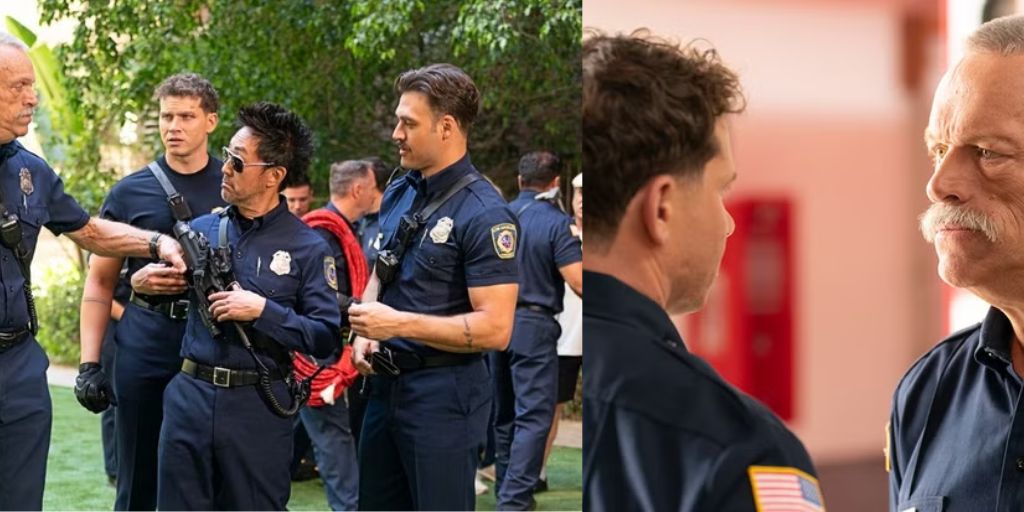
Still from 9-1-1 (Credit: ABC)
Blaming Hen for her tragic loss, Ortiz sought to punish her in any way possible, starting by attacking her family. Ortiz’s influence was significant enough to get Hen and Karen’s foster license revoked, effectively separating them from Mara.
This development was a heartbreaking blow for the Wilson family. Having to give up Mara was particularly difficult for Hen, as she had fought hard to create a stable home for her foster daughter.
Hen’s journey as a character has always been defined by her deep sense of responsibility—both in her career as a paramedic and in her personal life as a parent and spouse. Losing Mara felt like a personal failure for Hen, and it weighed heavily on her throughout the rest of Season 7.
As Season 8 begins, the Wilson family is still grappling with the consequences of Ortiz’s actions. Mara has been placed in the care of Chimney (played by Kenneth Choi) and Maddie (played by Jennifer Love Hewitt) while Hen and Karen continue to fight for the reinstatement of their foster license.
In Episode 4, Hen and Karen return to court to plead their case, hoping to be reunited with Mara. Unfortunately, the judge rules against them once again, keeping Mara out of their care and even going so far as to order no contact between the Wilsons and Mara. This decision is crushing for Hen and Karen, as it seems like they may never get their daughter back.
Despite the setback, Hen refuses to give up. She continues to fight for her family and works behind the scenes to uncover Councilwoman Ortiz’s true motivations. Hen’s determination is one of her defining traits, and she refuses to let Ortiz’s personal vendetta destroy her family.
Bobby’s Return to the 118: How Gerrard’s Betrayal Changes the Game
While Hen deals with the emotional toll of her family’s situation, Bobby Nash is focused on finding a way back to Station 118. His temporary departure from the fire department at the end of Season 7 left a power vacuum that was quickly filled by Captain Gerrard.
Gerrard’s arrival at the 118 brought tension and frustration, as many of the firefighters were loyal to Bobby and felt uncomfortable with the new leadership. However, it soon becomes clear that Gerrard’s appointment wasn’t just about filling Bobby’s shoes—it was part of Councilwoman Ortiz’s plan to hurt Hen.
In Episode 4 of Season 8, Hen confides in Bobby, explaining that Ortiz had a hand in Gerrard’s promotion. The councilwoman wanted to make Hen’s life difficult by placing one of her allies in a position of power over her.
Bobby, always protective of his team and loyal to his firefighters, decides to take matters into his own hands. He confronts Gerrard directly, meeting him on the set of the fictional TV show Hotshots, where the two engage in a tense conversation.
Bobby learns that Gerrard has been working with Ortiz to dismantle the 118 from the inside. In an effort to cut costs and weaken the fire department, Ortiz had planned to close down the 118, separating the firefighters and preventing them from working together. Gerrard, in exchange for his cooperation, hoped to gain political favor and secure a more permanent position within the department.
However, what Ortiz didn’t know was that Gerrard had his own agenda. Unbeknownst to her, Gerrard had been secretly recording their conversations, gathering evidence that could be used to take Ortiz down.
While this doesn’t necessarily redeem Gerrard as a character, it does mark a surprising turn of events. For the first time, Gerrard is willing to help rather than hinder, and his actions lead to a significant breakthrough.
At the end of the episode, it’s revealed that Bobby had convinced Gerrard to expose Ortiz’s corruption. Bobby’s ability to appeal to Gerrard’s sense of self-interest and his passion for the Hotshots TV show helps him secure Gerrard’s cooperation. As a result, Bobby is able to return to the 118, taking back his position as captain and reuniting with his team.
Meanwhile, Ortiz’s plan to close down the 118 is foiled, ensuring that the firefighters can continue working together. This victory marks a turning point for Bobby and his team, allowing them to face new challenges without the threat of Gerrard or Ortiz looming over them.
A New Chapter for Hen and the 118
With both Hen and Bobby’s problems resolved by the end of Episode 4, 9-1-1 sets the stage for the rest of Season 8. By tying up these loose ends early in the season, the show opens the door for new storylines and character arcs.
The Wilson family is finally reunited with Mara, and Hen can move forward without the constant threat of Ortiz hanging over her. This also allows Hen to focus on other aspects of her life, including her career and her relationships with her fellow firefighters.
For Bobby and the rest of the 118, the removal of Gerrard means that they can get back to doing what they do best—fighting fires and saving lives.
The close-knit team is once again under Bobby’s leadership, and they can tackle new emergencies as a united front. Bobby’s return to the 118 also signals a return to normalcy for the firehouse, as the team can now focus on their work without the distractions of internal politics.
The rest of Season 8 promises to be filled with the high-stakes emergencies and emotional drama that fans have come to expect from 9-1-1.
However, with these early plotlines resolved, the show is free to show new dynamics and challenges for its characters. Hen’s journey as a mother and a paramedic will likely continue to evolve, while Bobby’s leadership at the 118 will be put to the test in future episodes.
Conclusion
Season 8 of 9-1-1 started with a dramatic bee-related emergency that nearly caused a plane crash, but it quickly transitioned back to the show’s core storylines.
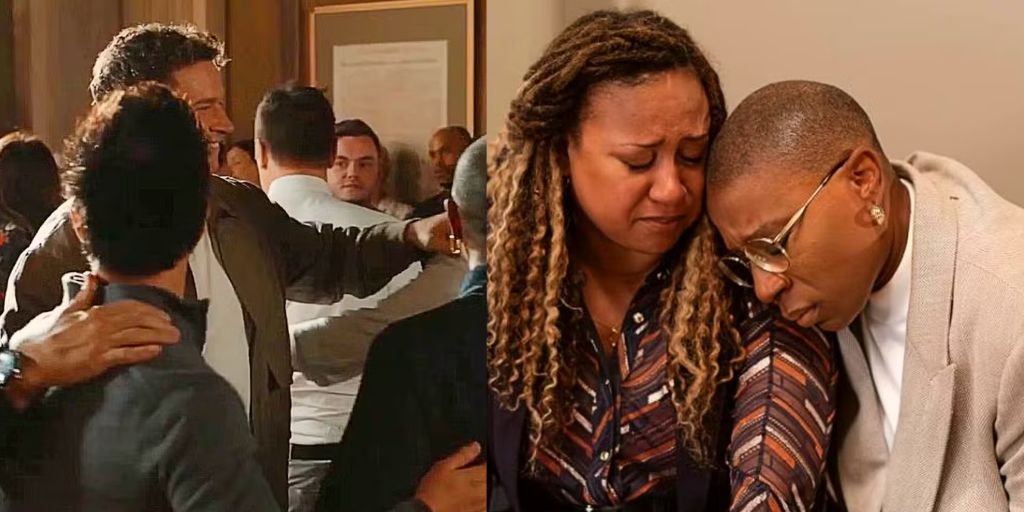
Still from 9-1-1 (Credit: ABC)
In Episode 4, “No Place Like Home,” 9-1-1 resolves two major plotlines from the previous season, reuniting the Wilson family and restoring Bobby Nash to his position at the 118. By doing so, the show sets the stage for new challenges and storylines in the remainder of the season.
9-1-1 continues to balance intense emergency situations with heartfelt personal drama, making it a fan favorite. Season 8 is shaping up to be another exciting installment in the series, with plenty of twists and turns still to come.
